Lion
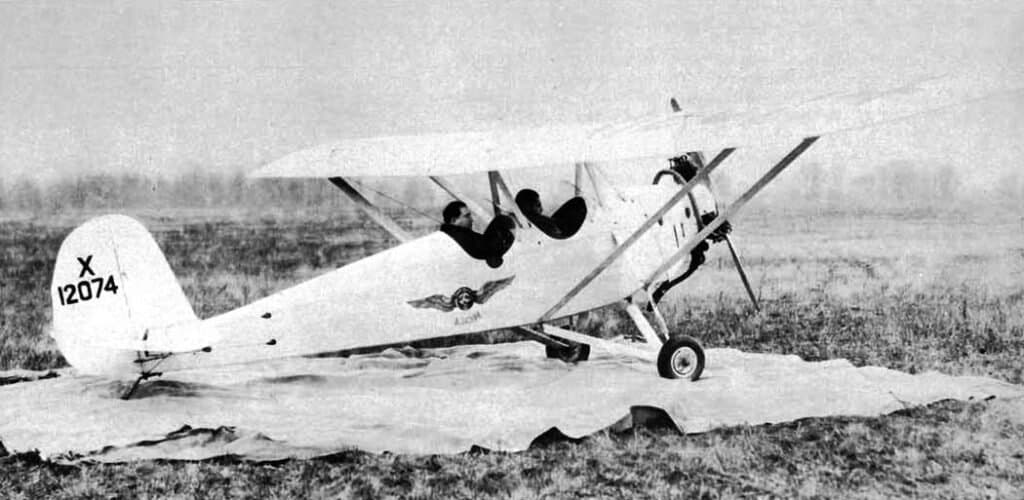
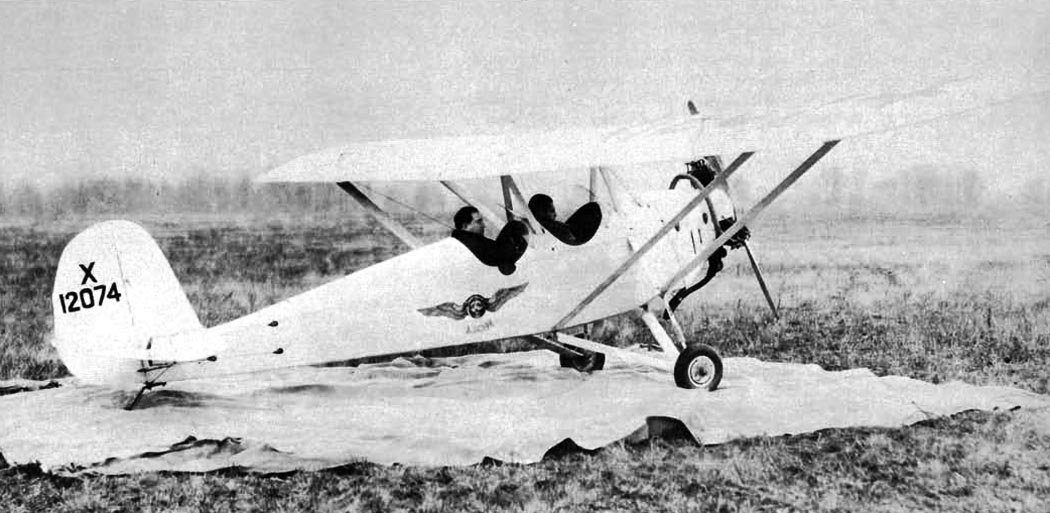
In 1931, the Lion Aircraft Co. was organized in Chicago. That same year, the first instance of the Lion Safety Plane (X12074) was built. This was a two-seater braced high-wing monoplane, initially equipped with a 45 hp Szekely SR-3 engine. The aircraft’s powerplant was soon replaced by a 50 hp Aeromarine engine, and later by a 55 hp Velie engine.
Brazilian Development and Innovations
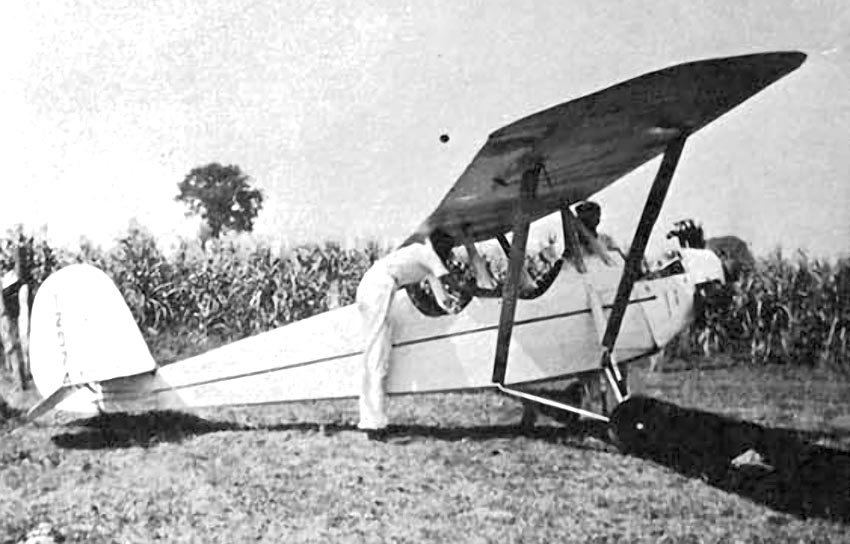
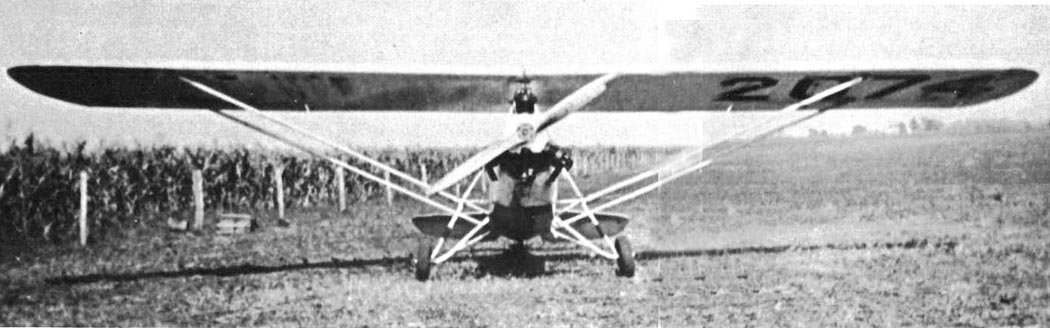
The second aircraft (12810) was built the following year in Brazil by the Brazil Aircraft Corp. This plane, known as the Brazil Lion, was fitted with a 50 hp Aeromarine engine (later replaced by a 65 hp Lambert) and featured many technical innovations. These included an autopilot, landing gear brakes, and an electric starter.
The Mystery of the Brazil Lion
In 1932, the Brazil Lion aircraft was brought to Detroit to participate in an aviation exhibition. The machine made a good impression, and preliminary orders for 20 production units were even received. However, a detective story began shortly thereafter.
The aircraft’s designer disappeared, taking the plane with him. He was later found, but there was no further talk of any serial production for the promising Brazil Lion.
Technical Specifications
| Modification | Brazil Lion |
| Wingspan, m | 9.45 |
| Aircraft length, m | 5.79 |
| Aircraft height, m | 2.13 |
| Engine type | 1 Piston engine Velie |
| Power, hp | 1 x 55 |
| Maximum speed, km/h | 169 |
| Cruising speed, km/h | 137 |
| Practical range, km | 442 |
| Rate of climb, m/min | 259 |
| Crew | 2 crew |
Image and diagram gallery of the Lion
 Lion |
 Lion |
 Lion |
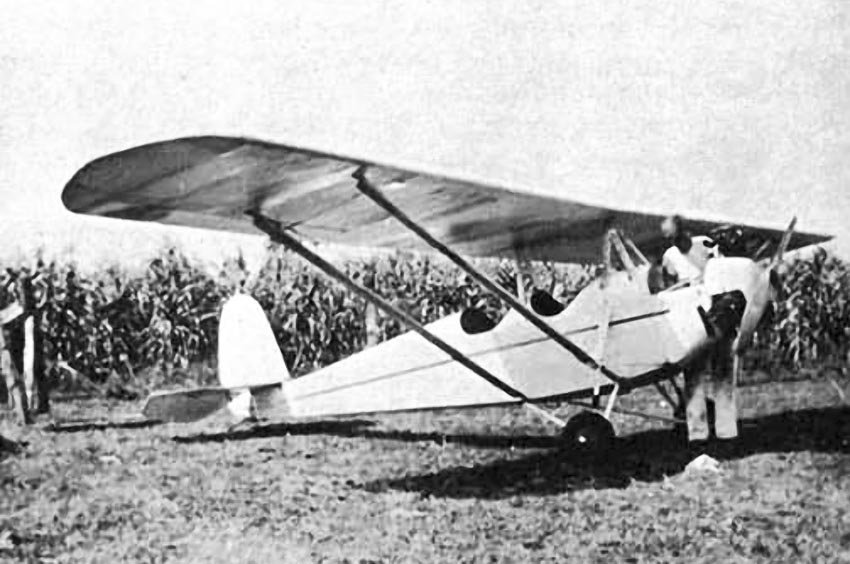 Lion |
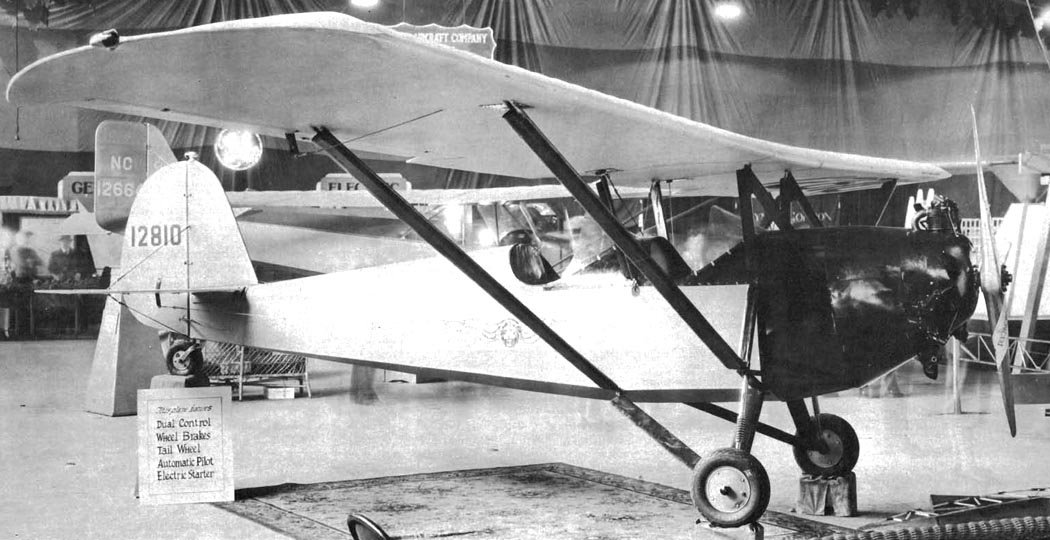 Lion |
ArchivoAéreo Editorial Team
A group of aviation researchers and enthusiasts dedicated to documenting and preserving global aeronautical history. All articles are reviewed to ensure historical accuracy.
Sources & Accuracy
The information presented in this technical sheet has been compiled from declassified flight manuals, historical archives, and specialized literature. While we strive for maximum accuracy, some performance data may vary depending on the specific variant or operational conditions.