LWF L Butterfly
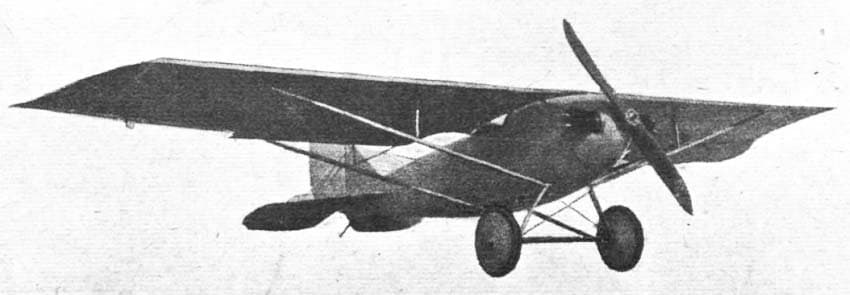
The Genesis of the LWF L Butterfly
Following the conclusion of World War I, the “LWF Engineering Corporation Inc.” embarked on constructing a unique light aircraft. This project materialized as the Model L Butterfly, an airplane that, unfortunately, remained a solitary prototype.
Maiden Flight and Lofty Claims
The LWF L Butterfly made its inaugural flight in early 1920. Its designers boldly promoted it with an ambitious claim, presenting it as “the smallest practical airplane in the world,” a title reflecting both their aspirations and the aircraft’s compact design.
A Tragic Conclusion
The Butterfly’s story took a tragic turn on March 31. During one of its crucial test flights, the aircraft suffered a catastrophic failure. This regrettable accident resulted in the death of its pilot, Jack Foote, marking the definitive end of the Model L Butterfly’s development.
Technical Specifications
| Modification | Butterfly |
| Wingspan, m | 9.07 |
| Aircraft length, m | 5.79 |
| Aircraft height, m | 1.78 |
| Maximum takeoff weight, kg | 444 |
| Engine type | 1 Piston engine LWF-Cato |
| Power, hp | 1 x 60 |
| Maximum speed, km/h | 116 |
| Cruising speed, km/h | 100 |
| Flight endurance, h | 6 |
| Rate of climb, m/min | 146 |
| Crew | 1 |
Image and diagram gallery of the LWF L Butterfly
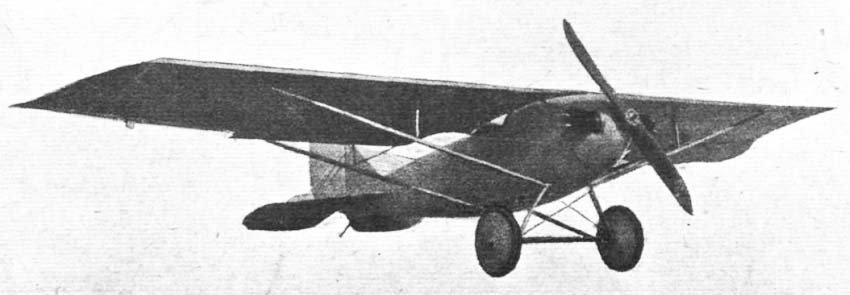 LWF L Butterfly |
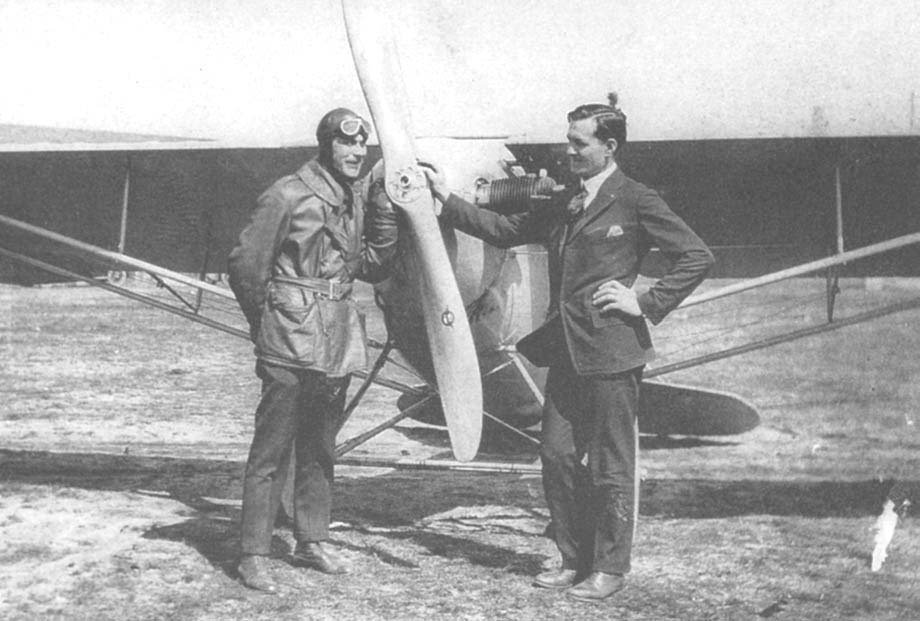 LWF L Butterfly |
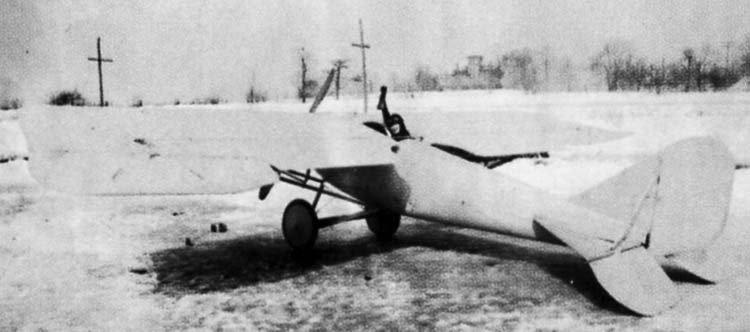 LWF L Butterfly |
 LWF L Butterfly |
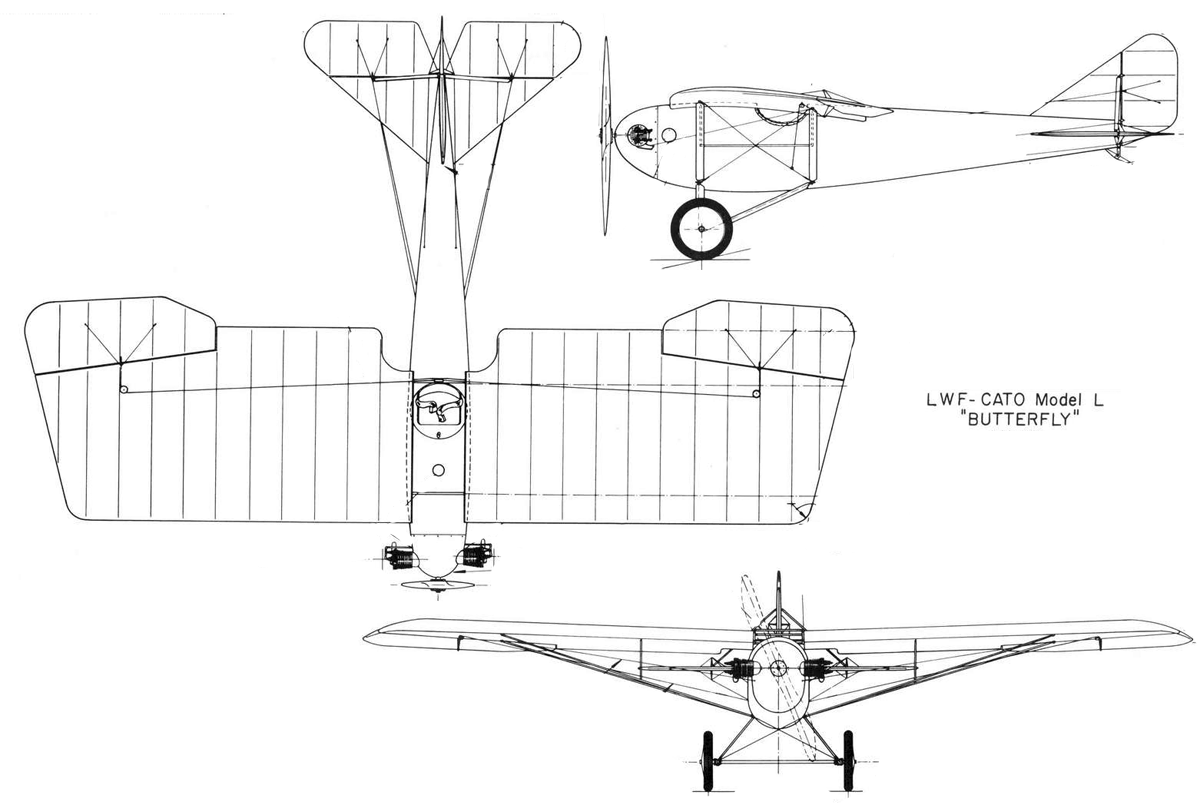 LWF L Butterfly |
ArchivoAéreo Editorial Team
A group of aviation researchers and enthusiasts dedicated to documenting and preserving global aeronautical history. All articles are reviewed to ensure historical accuracy.
Sources & Accuracy
The information presented in this technical sheet has been compiled from declassified flight manuals, historical archives, and specialized literature. While we strive for maximum accuracy, some performance data may vary depending on the specific variant or operational conditions.