Martin BM-1 and BM-2
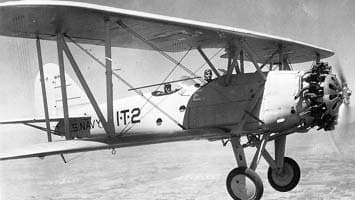
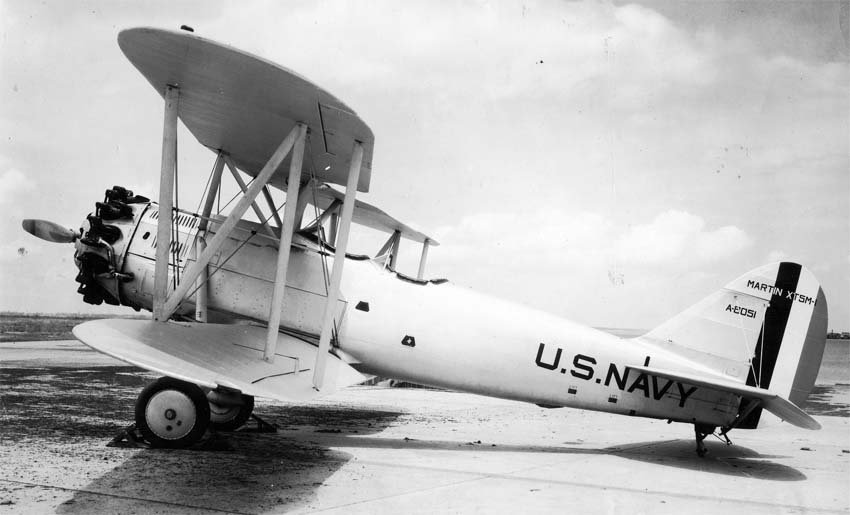
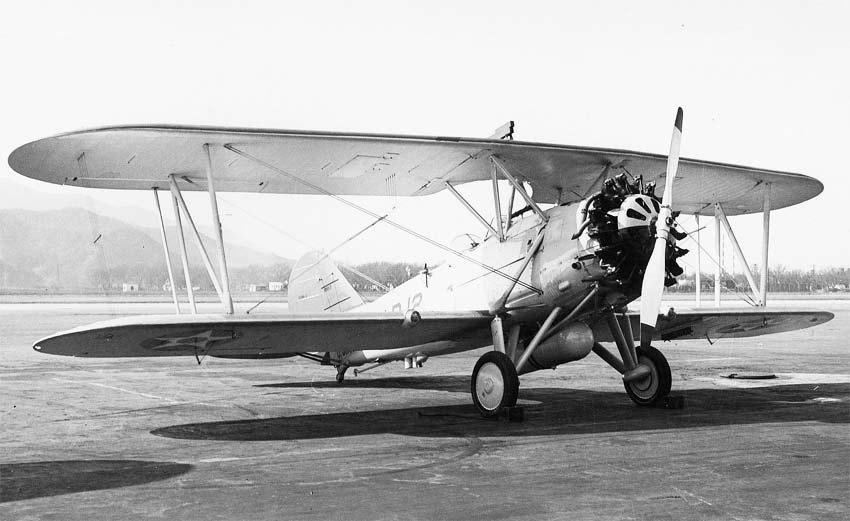
When the US Navy and Marine Corps required a dive bomber in 1928, the Bureau of Aeronautics designed such an aircraft. The construction of prototypes was entrusted to the Glenn L. Martin Company, designated as XT5M-1 (tail number A8051), and to the Naval Aircraft Factory, as XT2N-1 (A8052).
Both aircraft were biplanes featuring a fixed wheeled landing gear with a tail skid and a two-person tandem crew configuration. The XT5M-1 was powered by a Pratt & Whitney R-1690-22 Hornet engine, delivering 525 hp.
Development and Production
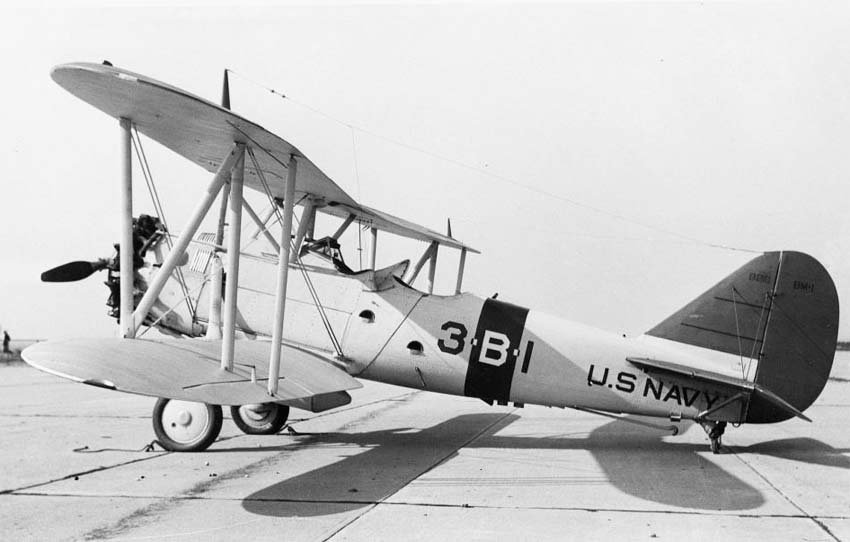
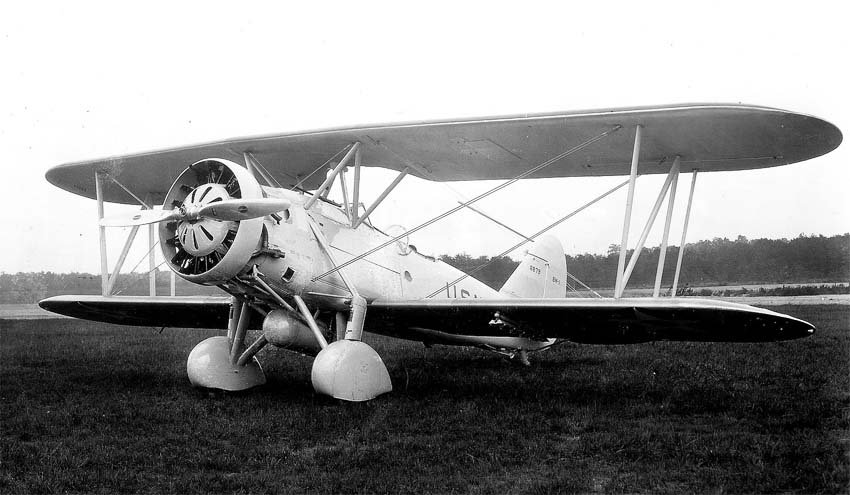
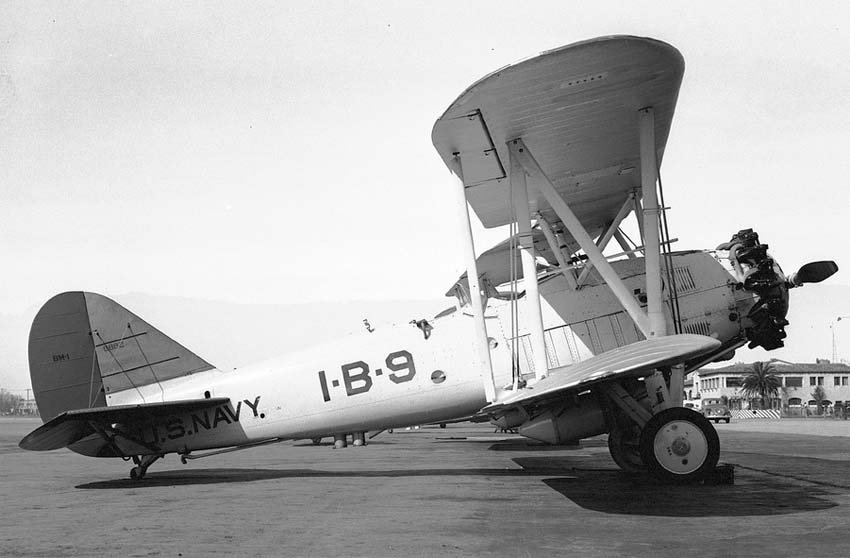
Upon completion of flight tests in 1930, Martin received an order for 12 aircraft designated BM-1 (tail numbers A8879 – A8890), equipped with a more powerful Pratt & Whitney R-1690-44 engine (625 hp). The BM-1 became the US Navy’s first deck-based dive bomber.
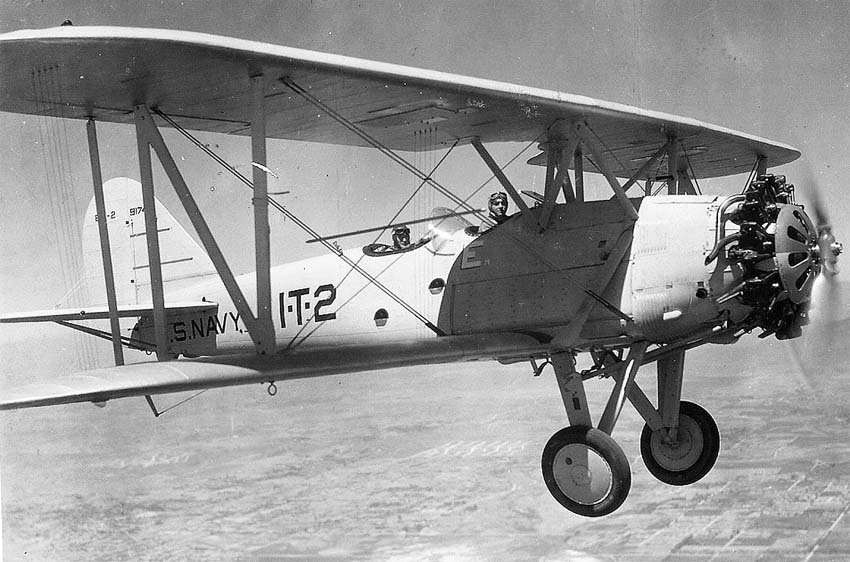
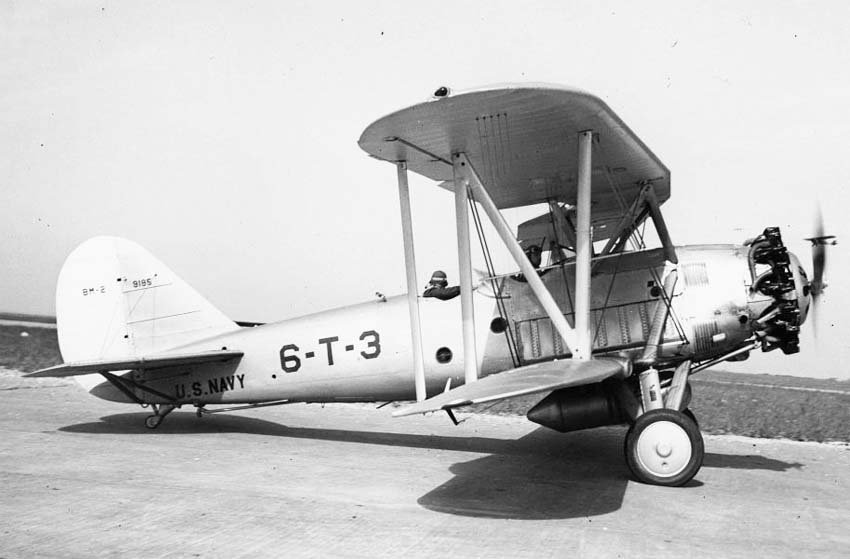
Subsequently, an additional four BM-1s (A9214 – A9217) and 16 BM-2s (A9170 – A9185), which differed little from the BM-1, were ordered. In 1932, another aircraft, designated XBM-1, was produced for special NACA tests.
Operational History
The first aircraft were delivered to the customer in September 1931. Initially, BM-1 aircraft equipped squadron VT-1S aboard the aircraft carrier USS Lexington. In 1934, BM-1 and BM-2 aircraft became part of the air group of the aircraft carrier USS Langley.
However, after three years, all aircraft were removed from carriers and subsequently operated exclusively from shore-based airfields. The last BM-2 was withdrawn from service and scrapped in 1940.
Technical Specifications
| Modification | BM-2 |
| Wingspan, m | 12.50 |
| Length, m | 8.76 |
| Height, m | 3.76 |
| Wing area, m2 | 40.50 |
| Empty weight | 1661 |
| Normal takeoff weight | 2820 |
| Engine type | 1 Piston engine Pratt & Whitney R-1690-44 Hornet |
| Power, hp | 1 x 625 |
| Maximum speed, km/h | 235 |
| Cruising speed, km/h | 208 |
| Practical range, km | 665 |
| Maximum rate of climb, m/min | 267 |
| Service ceiling, m | 5120 |
| Crew, crew members | 2 |
| Armament: | one forward 7.62-mm machine gun and one identical in the rear cockpit; one 454-kg torpedo or bombs of the same mass |
Image and diagram gallery of the Martin BM-1 and BM-2
 BM-1(2) |
 BM-1(2) |
 BM-1(2) |
 BM-1(2) |
 BM-1(2) |
 BM-1(2) |
 BM-1(2) |
 BM-1(2) |
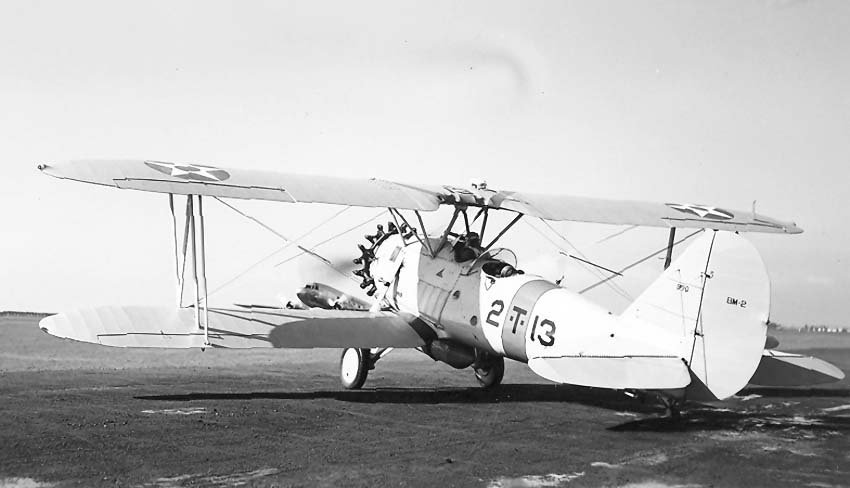 BM-1(2) |
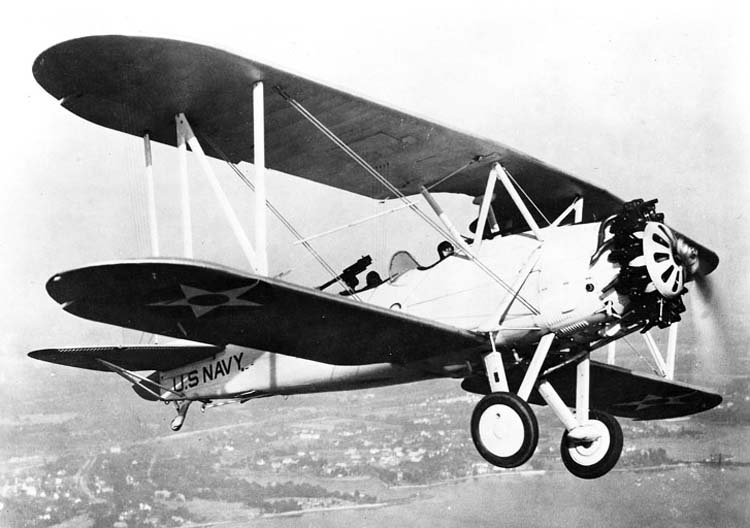 BM-1(2) |
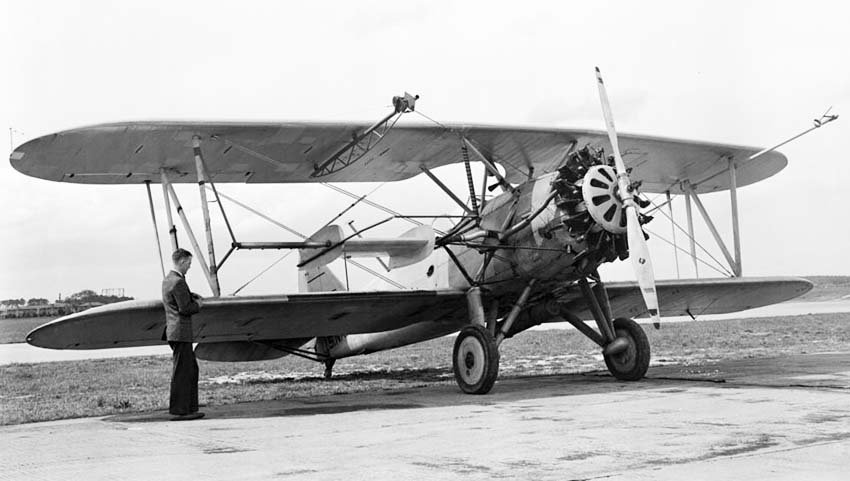 BM-1(2) |
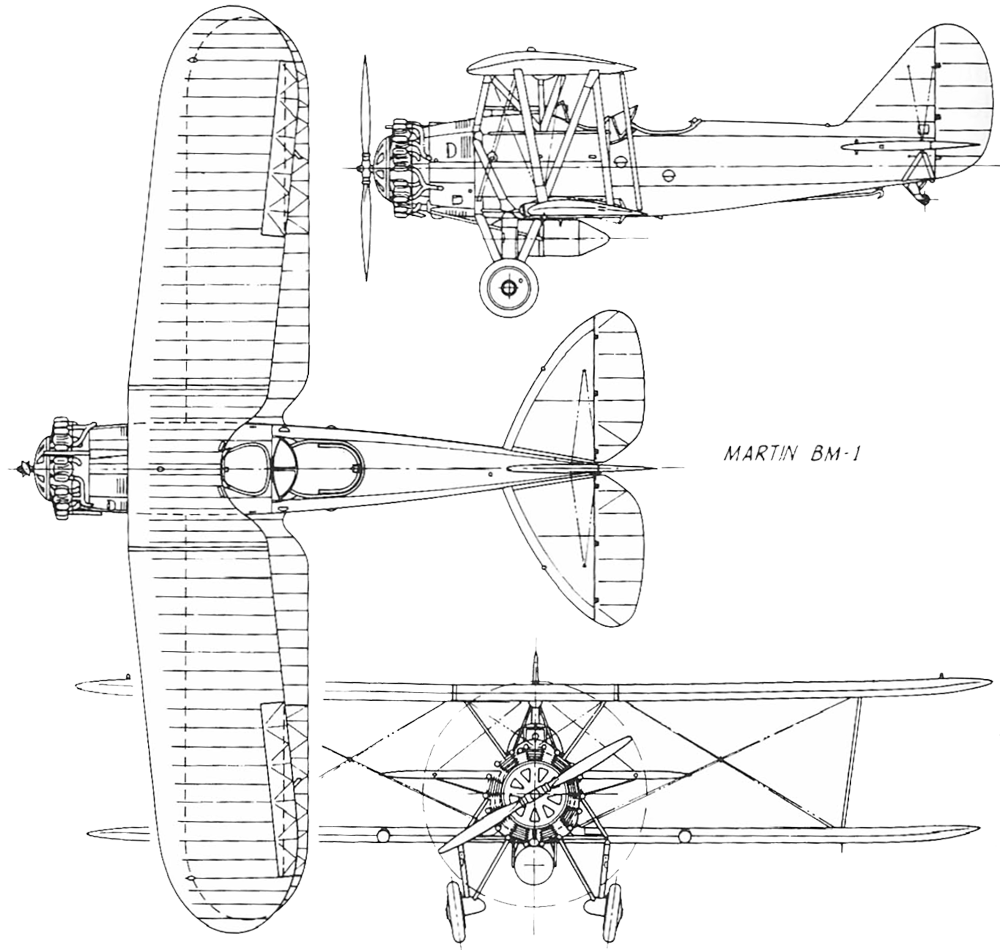 BM-1(2) |
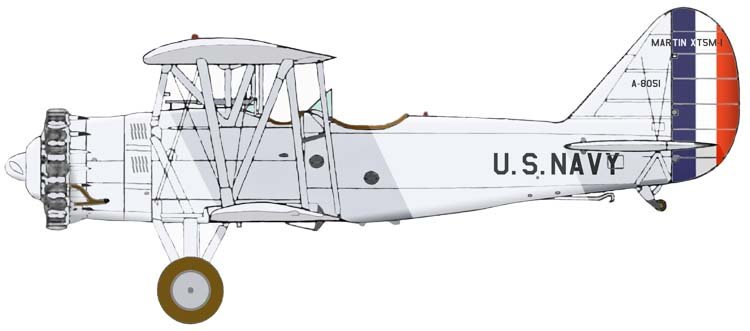 BM-1(2) |
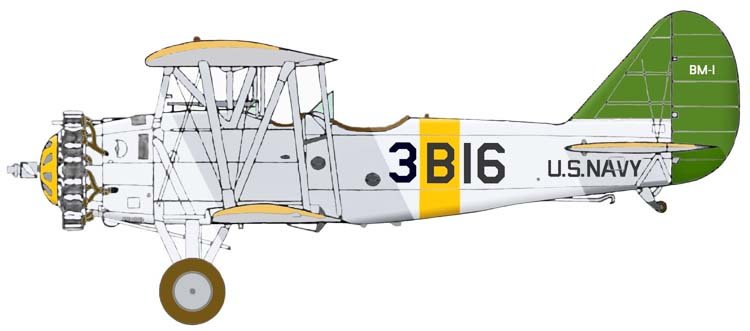 BM-1(2) |
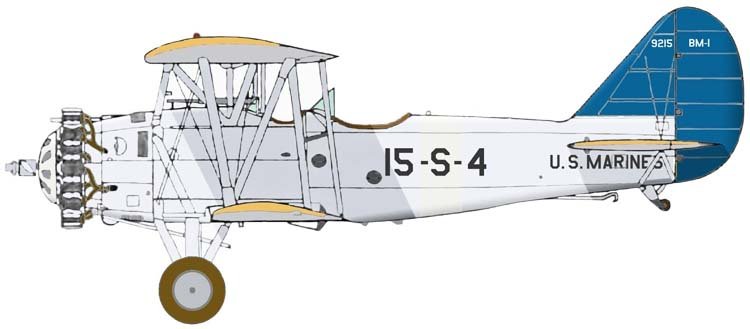 BM-1(2) |
ArchivoAéreo Editorial Team
A group of aviation researchers and enthusiasts dedicated to documenting and preserving global aeronautical history. All articles are reviewed to ensure historical accuracy.
Sources & Accuracy
The information presented in this technical sheet has been compiled from declassified flight manuals, historical archives, and specialized literature. While we strive for maximum accuracy, some performance data may vary depending on the specific variant or operational conditions.