Messerschmitt Bf 108 Taifun
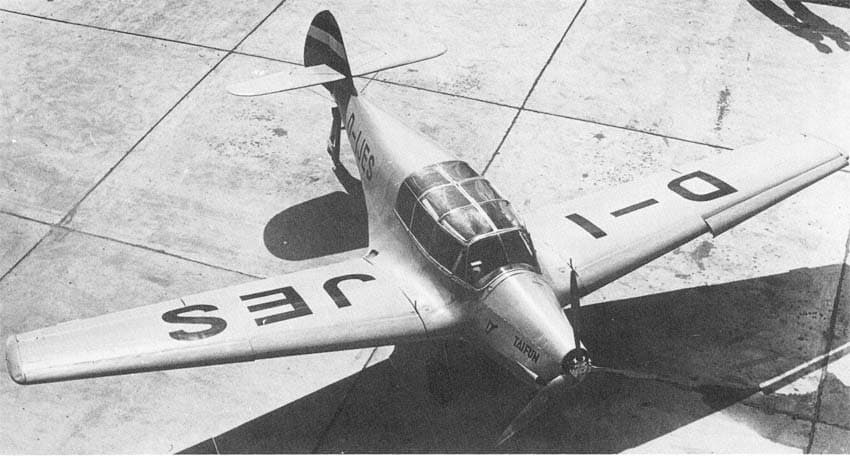
Origins and Innovative Design
Before the outbreak of World War II, Willy Messerschmitt’s M.35 aircraft was considered one of the best aerobatic planes in the world. Based on this, the Messerschmitt M.37 was developed. In early 1933, Willy Messerschmitt began designing a single-engine, four-seat touring (sporting) aircraft, intended for participation in the popular annual “Challenge” competitions across Europe.
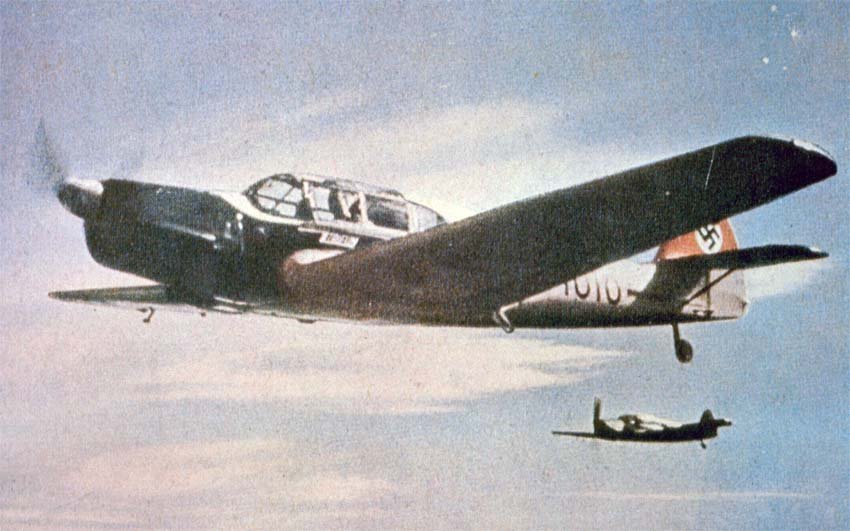
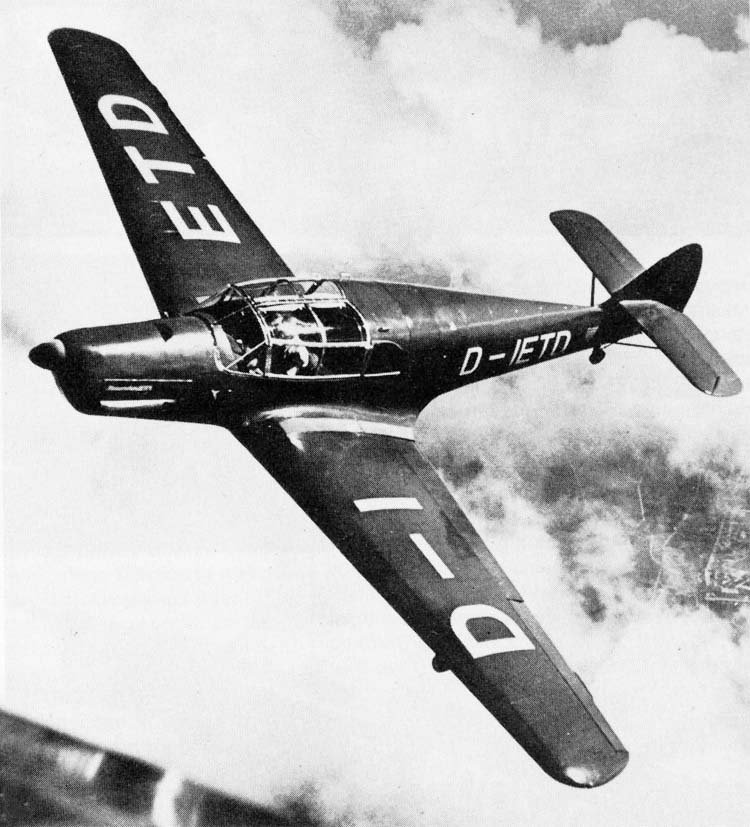
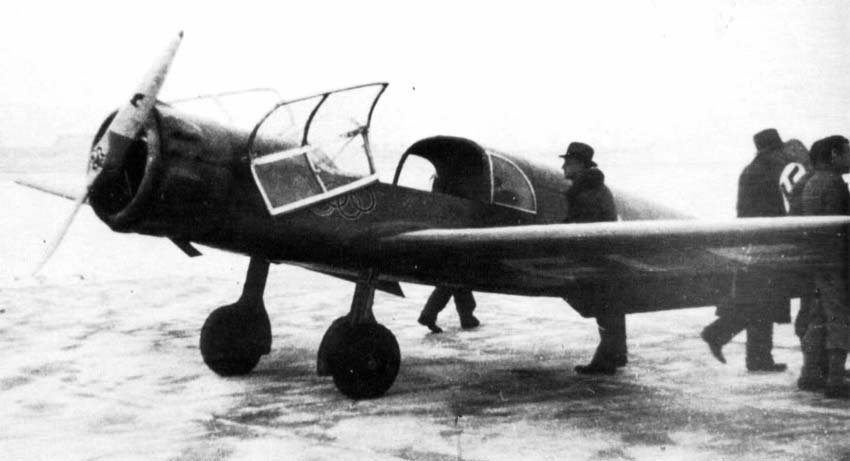
The aircraft, initially designated M-37 and soon renamed Bf 108, earned its nickname “Taifun” (Typhoon) from the German aviator Elly Beinhorn, the second woman in the world to complete a round-the-world flight. It featured a highly innovative design: an all-metal low-wing monoplane with retractable landing gear. The company simultaneously built six prototypes for the 1934 “Challenge,” with the first Bf-108V1 making its maiden flight on June 13, 1934.
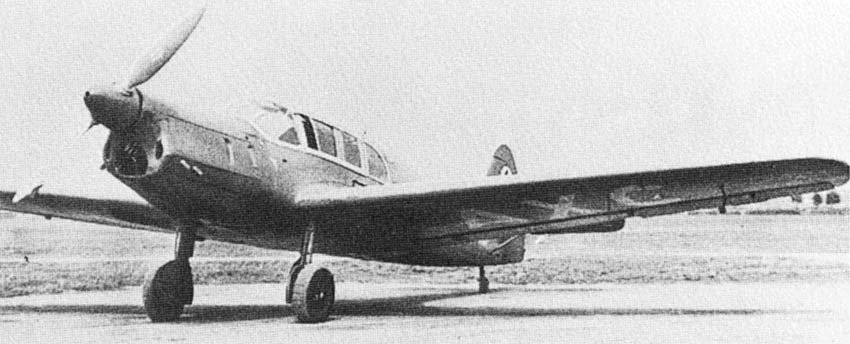
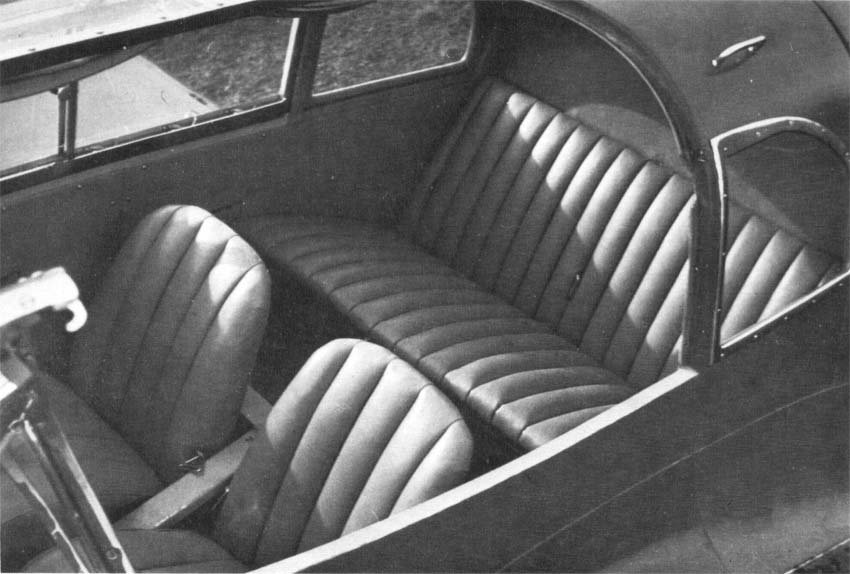
This cantilever monoplane featured a low-set wing, retractable main landing gear, a tail skid, and an enclosed four-seat cabin. The aircraft of the first batch, designated Bf 108A, were equipped with 8-cylinder air-cooled “Hirth” HM 8U engines (225 hp), with the exception of one instance that received a 6-cylinder “Argus” As 17B engine (220 hp). Four Bf 108As participated in the competitions, showing good results.
Luftwaffe Service and Global Export
The successful performance of the Bf 108A prompted the Reich Aviation Ministry to order 32 “Taifun” aircraft for civil aviation in early 1935, also considering their potential use in the Luftwaffe as liaison aircraft. Deliveries of the pre-series Bf 108B-0 began in July 1935, with serial production starting in December. Production continued until early 1944, with an estimated total of 885 units built in Germany and occupied France, and another 285 manufactured in France after the war.
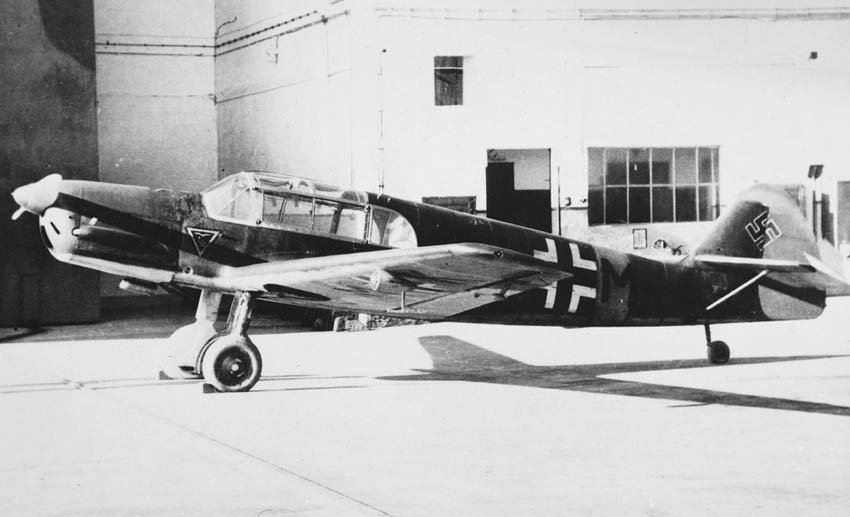
In the Luftwaffe, Bf 108B/D aircraft were primarily used as courier planes. These machines were attached to combat aviation groups and various Luftwaffe staffs. For operations in North Africa, some aircraft were modified into the Bf 108B-2/trop variant. Bf 108s also served with the “Deutsche Luftdienst” (German Air Service) for various auxiliary purposes and in flight schools, primarily for liaison rather than training roles.
The Bf 108 was widely exported. In 1936, the Hungarian Air Force ordered six Bf 108B-1s, and more “Taifuns” were supplied during the war against the USSR, serving as liaison aircraft. Yugoslavia received 12 Bf 108B-1s, distributed among liaison squadrons, with four aircraft used for training Bf 109E fighter pilots. After Yugoslavia’s defeat in April 1941, three “Taifuns” became Italian trophies.
Switzerland acquired 12 Bf 108B-1s in 1939, operating them until the early 1950s. Romania received ten Bf 108B-1s in 1940 as part of a “package deal” with Bf 109E fighters, distributing them to their liaison squadrons. Bulgaria received six Bf 108Bs in 1941 under similar conditions. Japan purchased one Bf 108B for testing in 1936, and the USSR received two aircraft in 1940. The USA bought or leased three Bf 108Bs in 1939 for its military and naval attachés in Berlin, designated XC-44, but these were confiscated by Germany in December 1941.
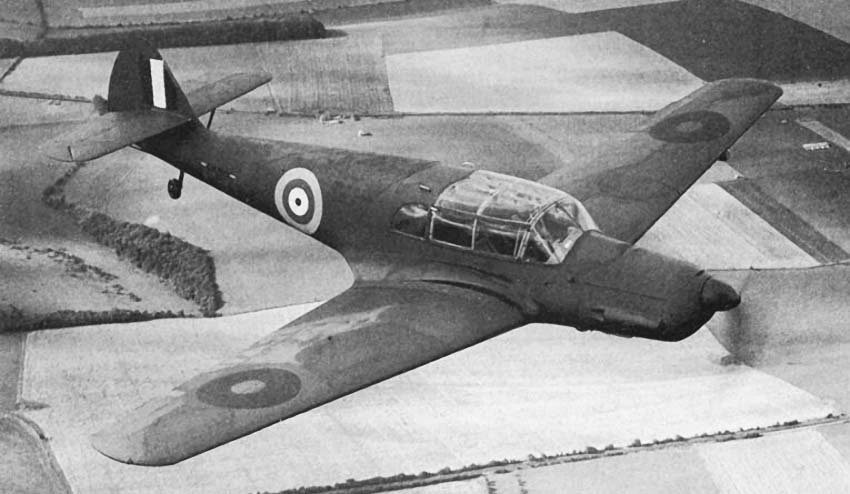
One Bf-108B served with the Chilean Air Force from 1939 until the early 1950s. In the United Kingdom, four civilian Bf 108Bs were confiscated by the British government after the outbreak of World War II and briefly used by the Royal Air Force under the designation “Messerschmitt Eldon.” However, despite being considered the fastest liaison aircraft, they were withdrawn from service due to the risk of confusing “Eldons” with Bf 109s.
Legacy and Post-War Variants
Deliveries of the first production modification, the Bf 108B-0, began in July 1935. Unlike the Bf 108A, this variant featured a tail wheel instead of a skid, an increased wingspan, and other modifications. Pre-series models were equipped with “Hirth” HM 8U engines (225 hp), while serial production aircraft used 8-cylinder “Argus” As 110C engines (240 hp).
The Bf 108B was produced in two versions: the civil Bf 108B-1 and the military Bf 108B-2, which differed in equipment and lacked wing-folding capability. Production of the military version began in 1938 alongside the civil variant, and from 1939, only the Bf 108B-2 was manufactured. In total, 601 aircraft were built at the Messerschmitt factory in Augsburg (until 1942) and 81 at the SNCAN plant in Le Mureaux, France (1942-1943).
A unique instance of the Bf 108 was equipped with a 7-cylinder air-cooled “Siemens” Sh 14A engine (160 hp). Subsequently, the Bf 108D variant introduced the Argus As 10R engine (240 hp), a new, more reliable starter, and an improved cabin ventilation system, among other changes. 131 of these machines were produced in Augsburg and 80 in Le Mureaux (1943-1944).
Further development led to the Bf 108E, which featured a tricycle landing gear with a nose wheel. Two prototypes were built in Le Mureaux in 1944, and serial production continued after the war under the designation Nord 1100 Noralpha. Post-war French-built aircraft, such as the Nord 1000, were equipped with As 10R engines. The Nord 1001 used 6-cylinder Renault 6Q-11 engines (235 hp), and the Nord 1002 used Renault 6Q-10 engines (240 hp).
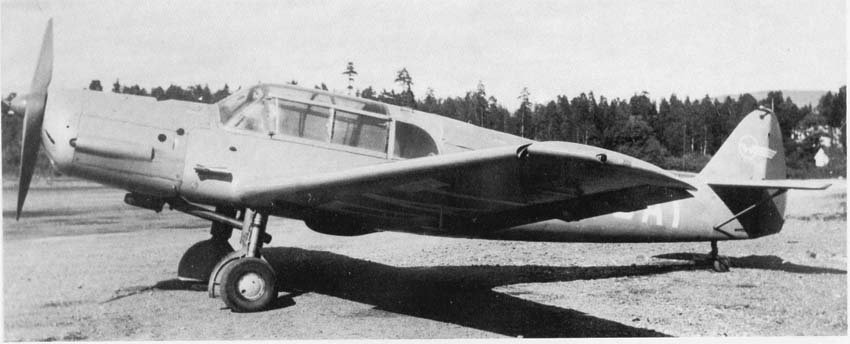
In the post-war era, captured “Taifuns” were operated by the air forces of Czechoslovakia (designated K-70), Poland, and Norway. In France, both captured Bf 108s and Nord 1000/1001/1002 aircraft served for a long time, including with the Air Force and naval aviation. The Messerschmitt Bf 108 proved to be a highly advanced design in both technological and aerodynamic aspects.
This sport and liaison aircraft can rightly be considered the predecessor to the famous Bf 109 fighter. Interestingly, the Bf 108, or the post-war Nord 1000, often played the role of the “Messerschmitt 109” in Western films.
Technical Specifications
| Modification | Bf.108B |
| Wingspan, m | 10.50 |
| Length, m | 8.30 |
| Height, m | 2.30 |
| Wing area, m2 | 16.40 |
| Empty weight | 880 |
| Maximum takeoff weight | 1385 |
| Engine type | 1 Piston engine Argus As 10C |
| Power, hp | 1 x 240 |
| Maximum speed, km/h | 300 |
| Cruising speed, km/h | 262 |
| Practical range, km | 950 |
| Service ceiling, m | 4800 |
| Crew, crew members | 1 |
| Payload | 3 passengers |
Image and diagram gallery of the Messerschmitt Bf 108 Taifun
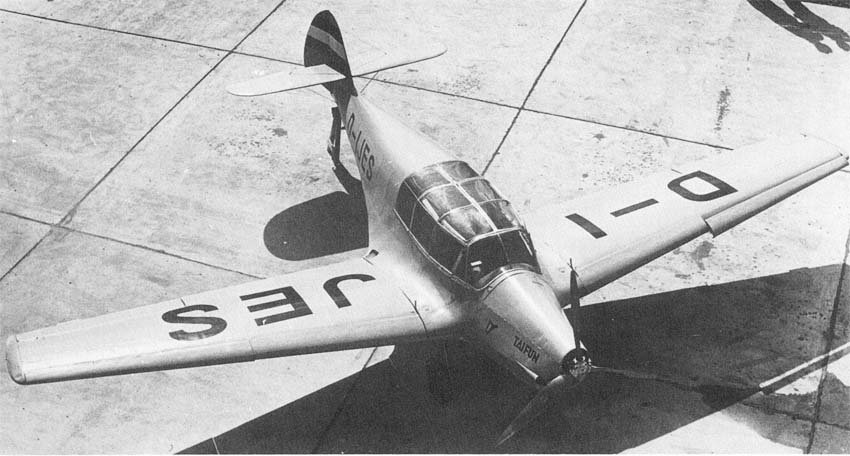 Bf.108 Taifun |
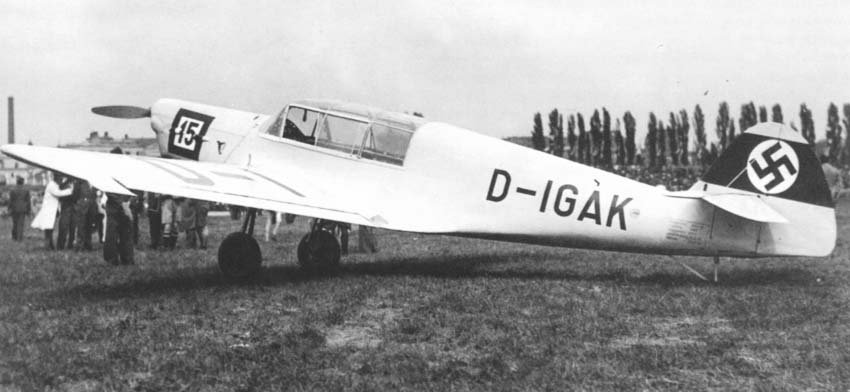 Bf.108 Taifun |
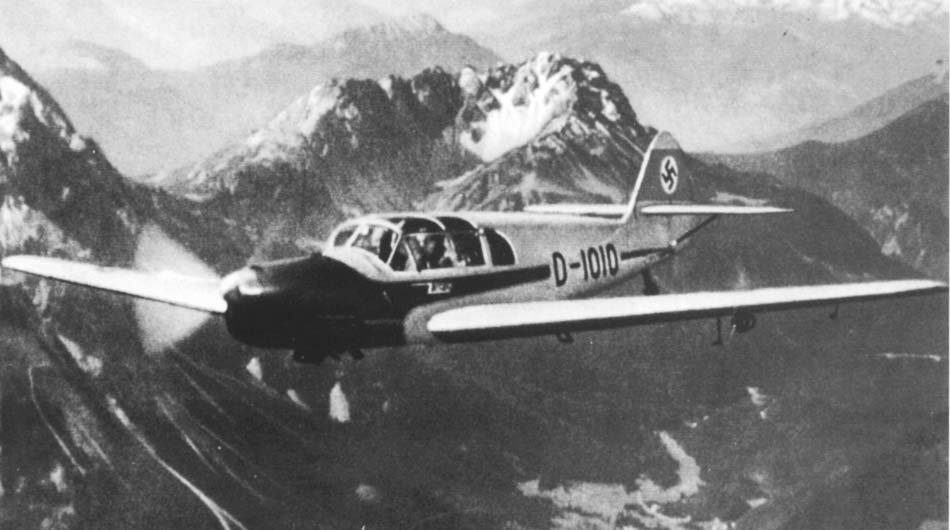 Bf.108 Taifun |
 Bf.108 Taifun |
 Bf.108 Taifun |
 Bf.108 Taifun |
 Bf.108 Taifun |
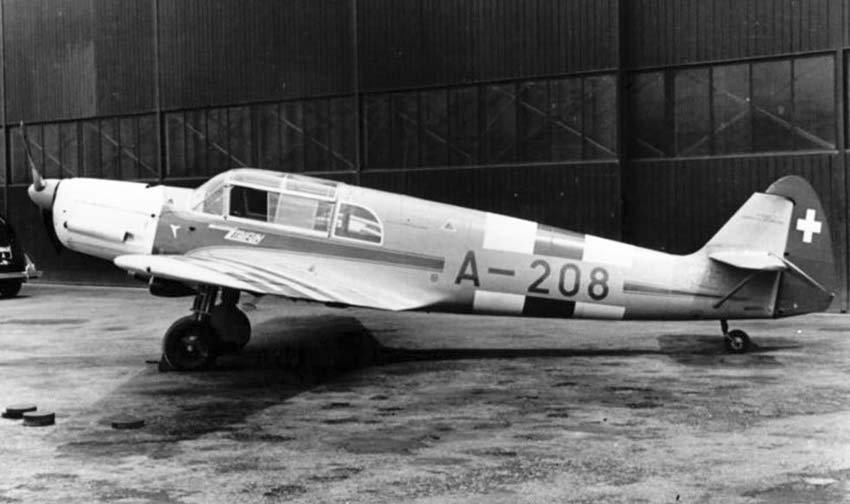 Bf.108 Taifun |
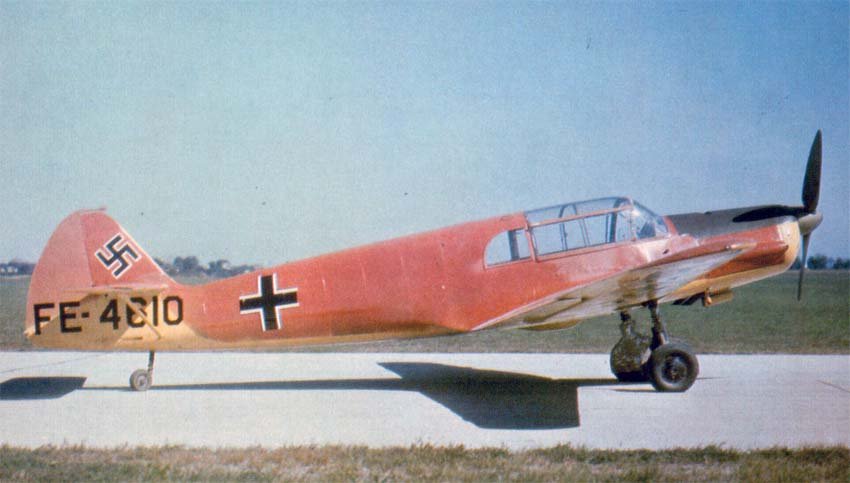 Bf.108 Taifun |
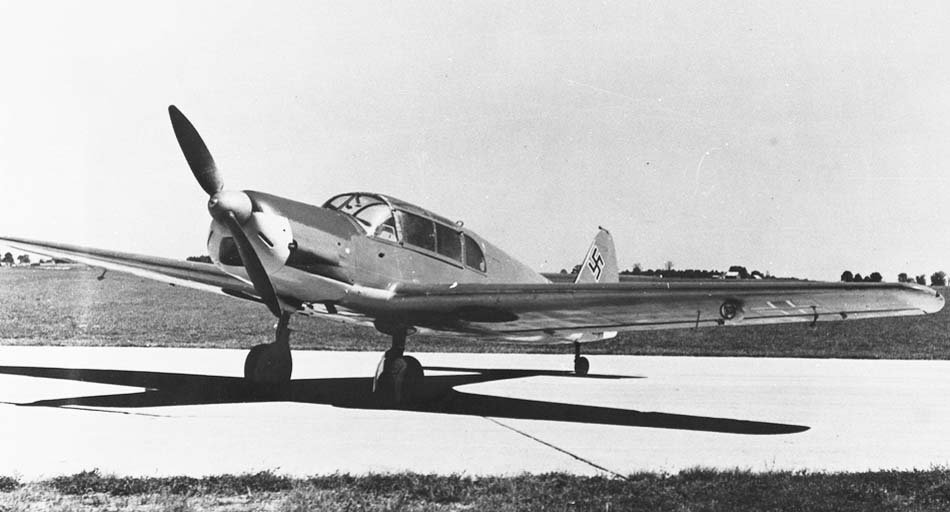 Bf.108 Taifun |
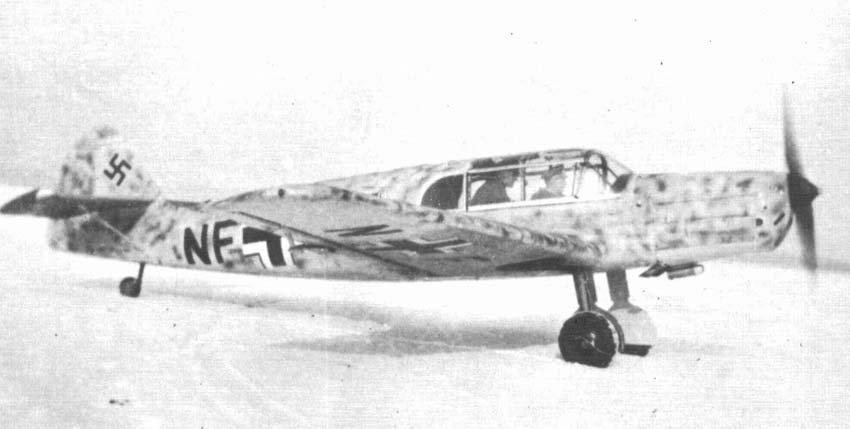 Bf.108 Taifun |
 Bf.108 Taifun |
 Bf.108 Taifun |
 Bf.108 Taifun |
 Bf.108 Taifun |
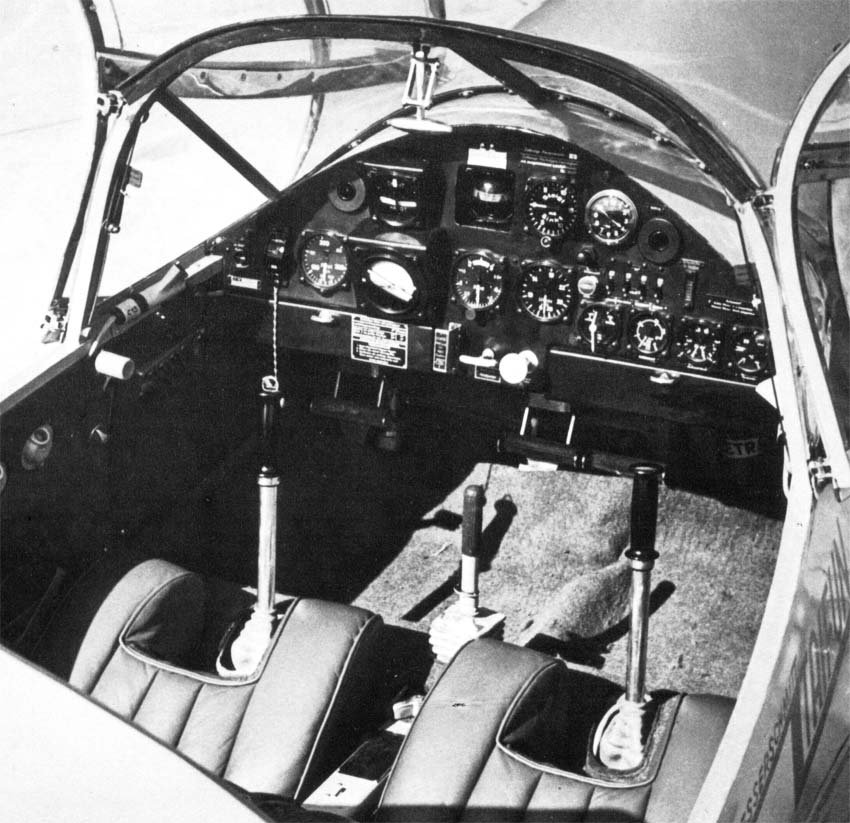 Bf.108 Taifun |
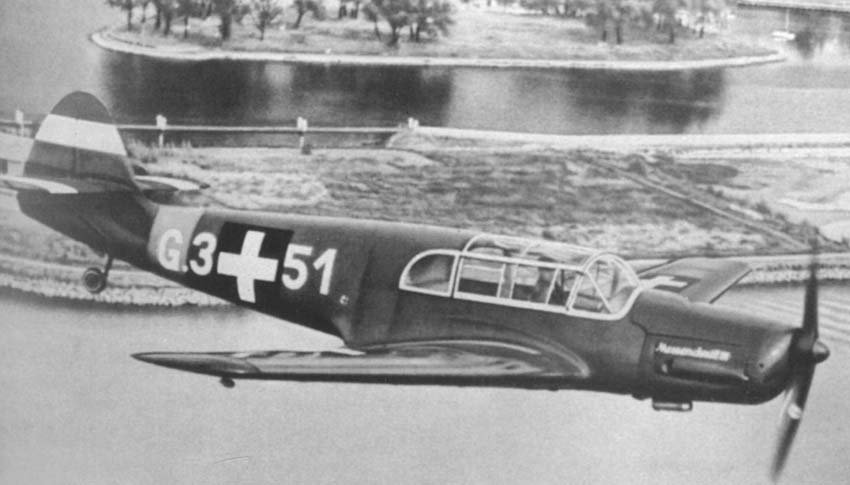 Bf.108 Taifun |
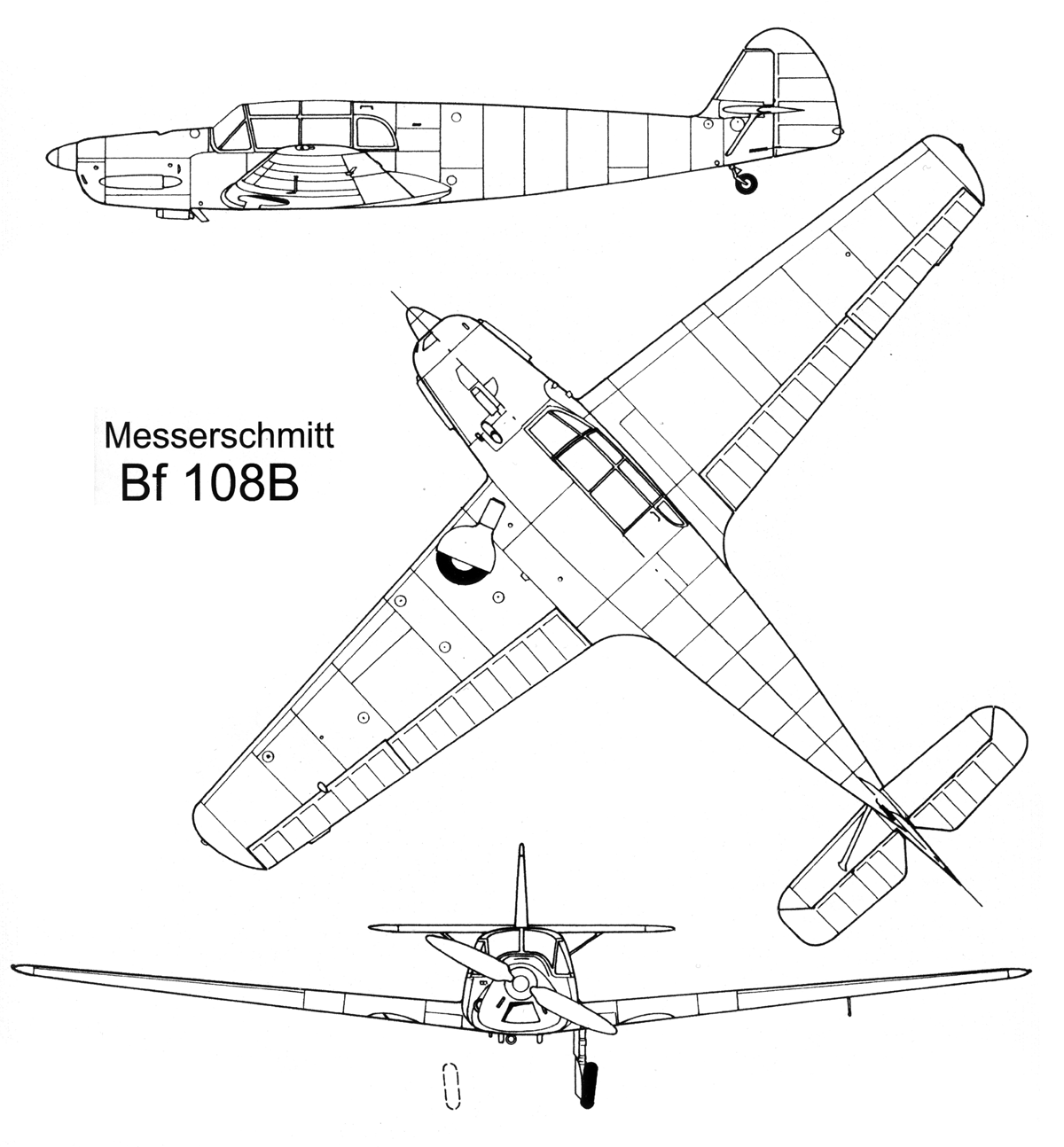 Bf.108 Taifun |
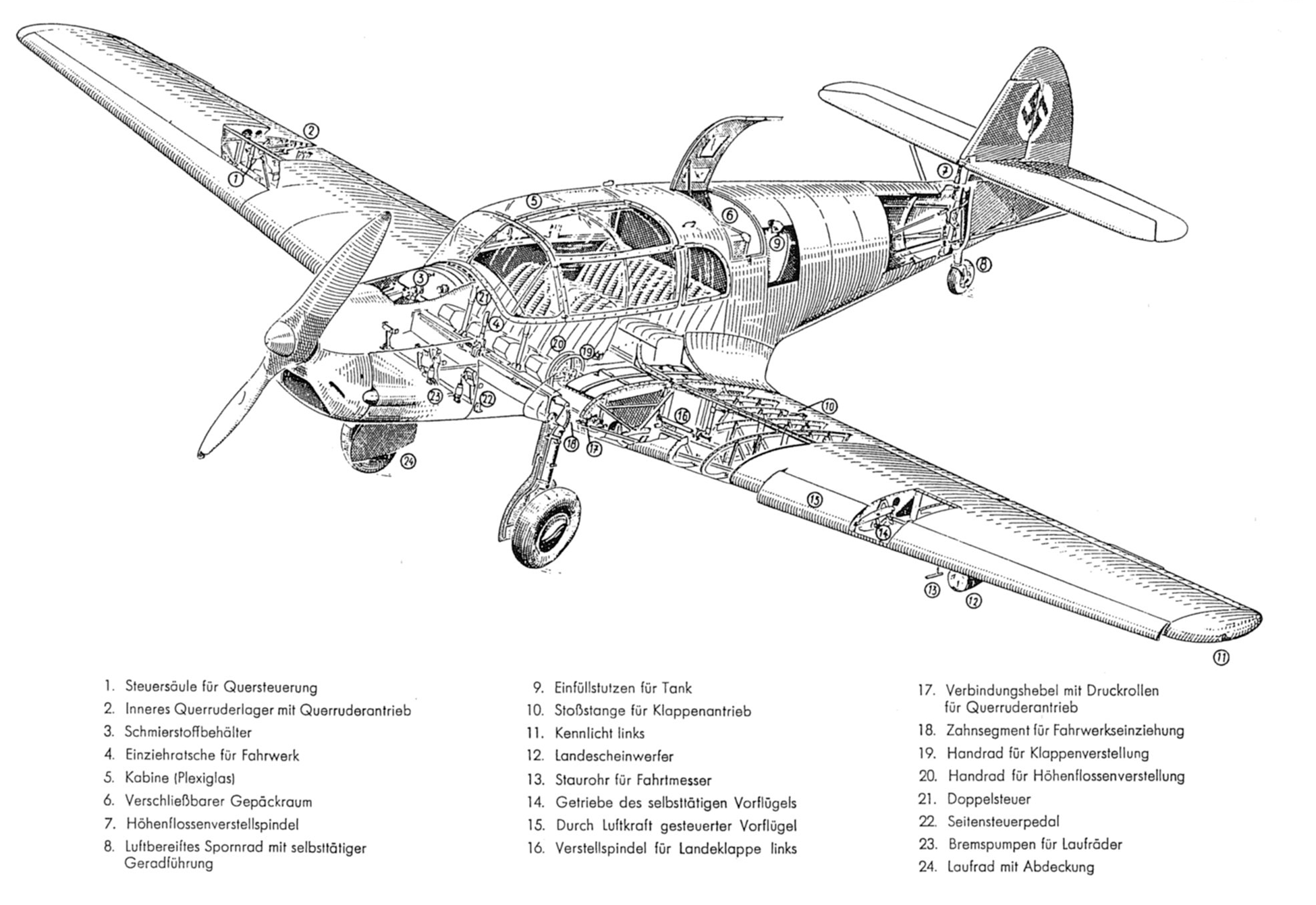 Bf.108 Taifun |
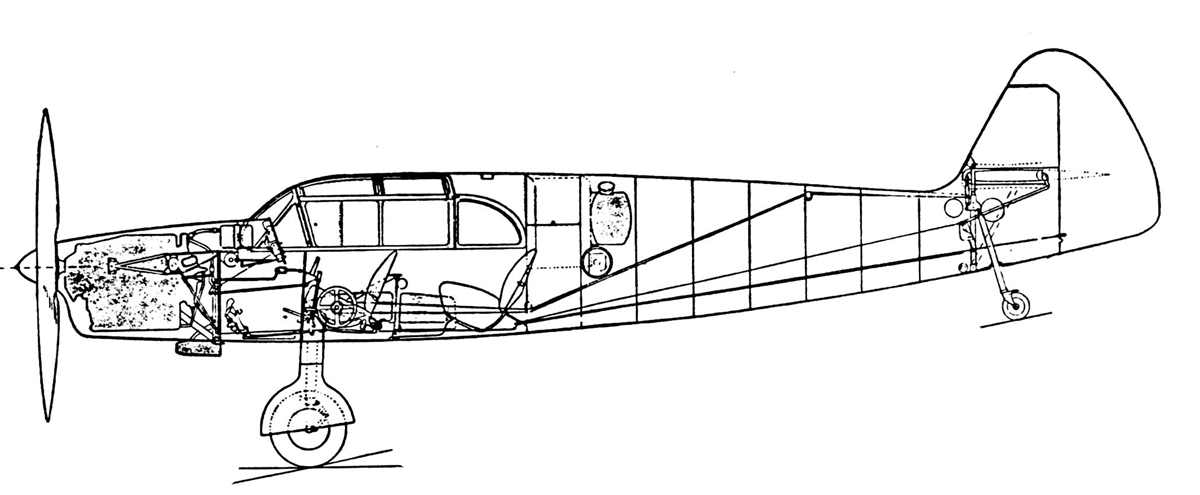 Bf.108 Taifun |
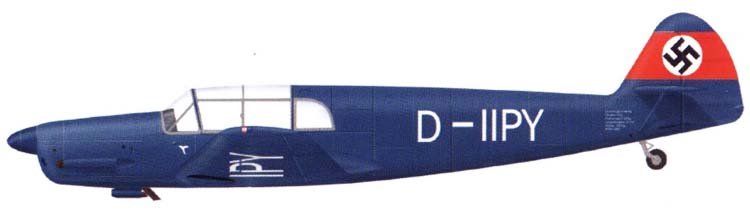 Bf.108 Taifun |
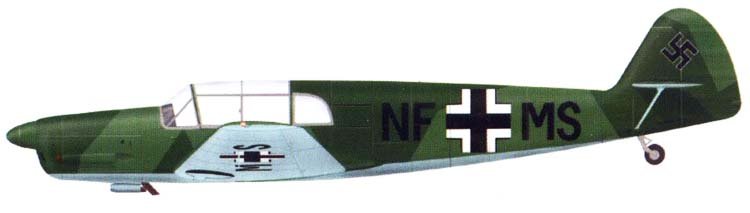 Bf.108 Taifun |
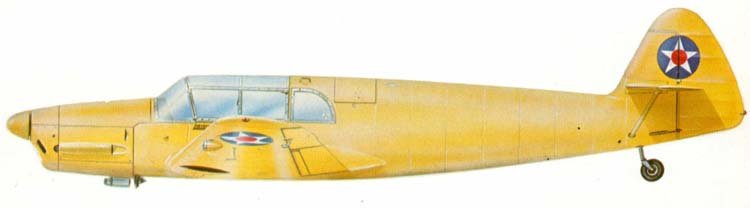 Bf.108 Taifun |
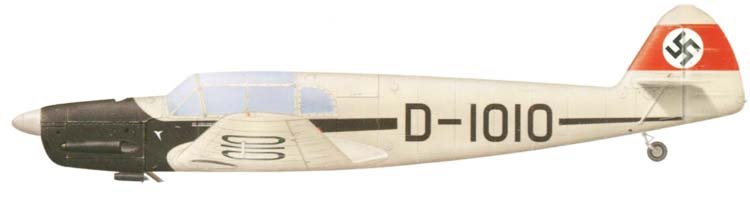 Bf.108 Taifun |
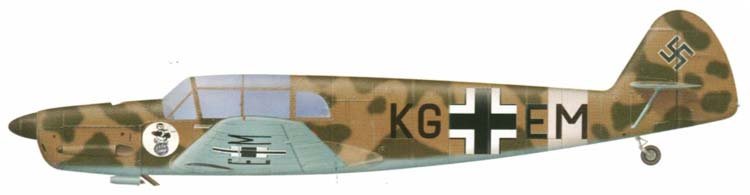 Bf.108 Taifun |
ArchivoAéreo Editorial Team
A group of aviation researchers and enthusiasts dedicated to documenting and preserving global aeronautical history. All articles are reviewed to ensure historical accuracy.
Sources & Accuracy
The information presented in this technical sheet has been compiled from declassified flight manuals, historical archives, and specialized literature. While we strive for maximum accuracy, some performance data may vary depending on the specific variant or operational conditions.