Messerschmitt Bf 109F ‘Friedrich'
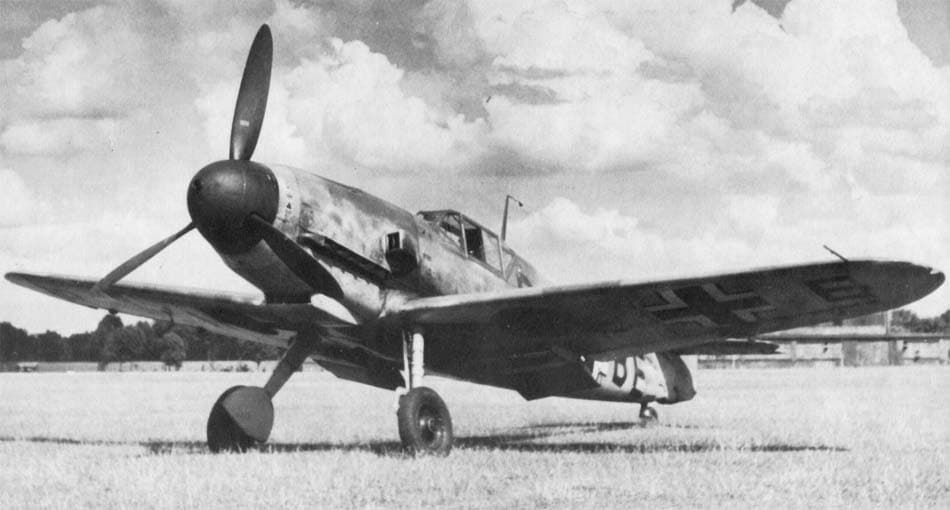
As early as January 1939, designers at Messerschmitt AG began a radical revision of the Bf 109 fighter’s aerodynamics. The rather angular engine cowling, a legacy from earlier modifications, the braced stabilizer, imperfect coolant radiator tunnels, and the non-retractable tail wheel strut all required urgent redesign. Additionally, engine developers were not idle.
Daimler-Benz was finalizing a more advanced version of the DB 601E engine, with a takeoff power of 1350 hp and a nominal power of 1270 hp at 2000 m, promising significant increases in speed and climb rate. The new aircraft variant was designated ‘F’, becoming known in the Luftwaffe as ‘Friedrich’.
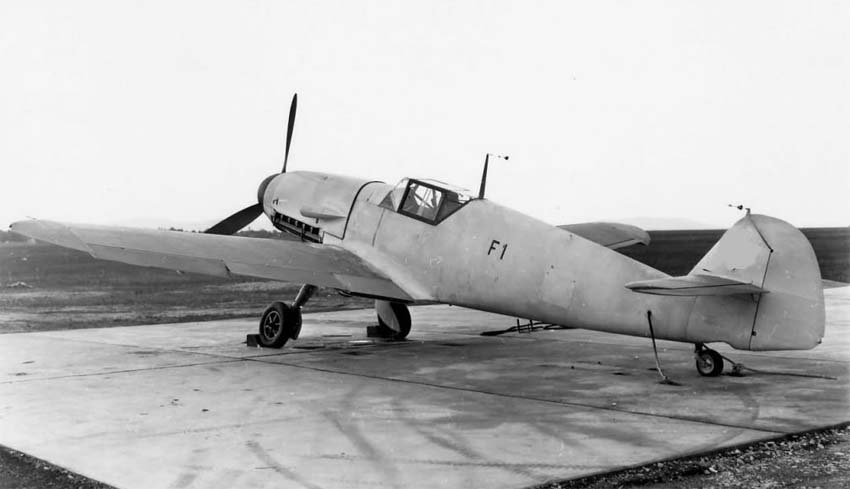
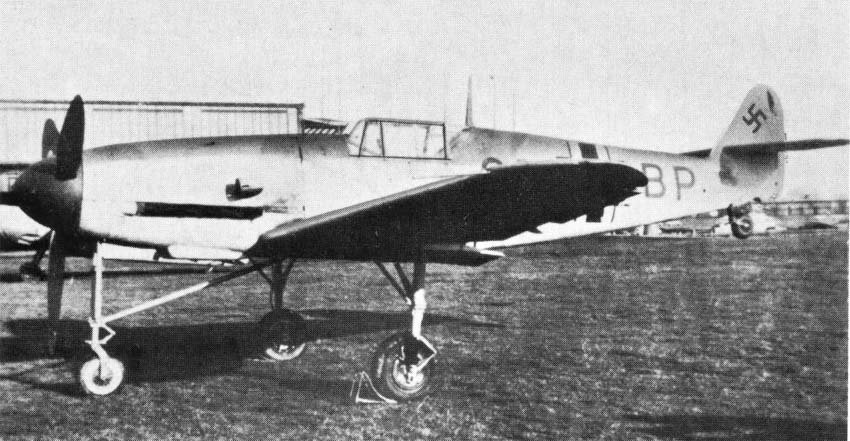
Four production airframes, converted from Bf 109E-1s and designated prototypes V22, V23, V24, and V25, were used to test individual changes. On the Bf 109V22 (serial No. 1800, D-IRRQ), first flown on January 26, 1939, with a DB 601Aa engine, a new, aerodynamically superior engine cowling with an enlarged spinner, improved liquid radiators in the underwing tunnels, a cantilever tail unit, and a semi-retractable tail wheel strut were tested. The track width of the main landing gear struts was slightly increased by canting them outwards by 6 degrees. The oil cooler tunnel was recessed deeper into the lower cowling.
The wing span was reduced by 0.6 m, and its area was consequently diminished. On this experimental aircraft, the wingtips remained trapezoidal, similar to the ‘Emil’. The fin, previously symmetrical, received a flat-convex profile on the ‘Friedrichs’, which to some extent compensated for the engine’s turning moment. The rudder area was reduced from 0.75 to 0.7 m² due to a decrease in its chord at the top.
Unlike the ‘Emils’, where power plant cowlings were removable, the ‘Friedrichs’ featured upper cowling sections that could be hinged open and raised, while the lower section, including the oil cooler, also lowered on a piano hinge. The second experimental aircraft, Bf 109V23 (serial No. 1801, D-ISHN), was fitted with a pre-production DB-601E engine and primarily used for power plant tuning. The propeller diameter was reduced by 0.14 m due to the new engine’s higher shaft rotational speed, but the propeller blades became slightly wider.
On the third experimental aircraft, Bf 109V25 (serial No. 1930, D-IVKC), all innovations from V22 and V23 were combined. Additionally, it featured for the first time a horseshoe-shaped oil tank behind an enlarged spinner and a propeller from the Me 209 fighter. Early prototypes retained a rectangular engine supercharger air intake, but firm aerodynamicists soon identified the adverse effect of the boundary layer airflow on the processes within the supercharger.
Consequently, the supercharger air intake’s shape was radically revised. On prototype Bf 109V24 (serial No. 5604, VK+AB) with a DB-601E engine, it was made circular in cross-section for the first time, shifted slightly away from the fuselage wall, thereby eliminating the boundary layer effect. The first flight of this aircraft was conducted by test pilot H. Beuavais on July 10, 1940.
The Bf 109’s wing had changed little from the first prototype to the E-modification. For the ‘Friedrich’, the wing’s profile and structural design remained largely the same, but its planform shape was significantly altered. Notably, prototype Bf 109V25 was fitted with easily removable semi-elliptical wingtips, which in principle was an acknowledgment by designers of their previous error in reducing the wing span on earlier ‘Friedrich’ prototypes.
The area of the ailerons and slats on this modification slightly decreased compared to the ‘Emils’, but longitudinal axis controllability remained satisfactory. Conversely, the flap area increased, and the flaps became slotted, making them more effective. Developers believed that the box-shaped liquid radiators mounted under the wing most negatively affected wing aerodynamics.
New radiator units were designed for the ‘Friedrich’ prototypes, with a 15% increase in frontal area, reduced height, but greater span. The liquid radiator tunnel was also redesigned with new aerodynamic knowledge: the disturbed boundary layer was channeled through a special slot, and the tunnel’s front lip and upper wing panel were made automatically adjustable, while the lower movable flap of the tunnel was kinematically linked to the main flaps.
On the ‘Emil’, radiator flap positions and flap deflection were unrelated; for example, during takeoff, the airflow impeded by the radiator would hit the deflected flap, reducing the effectiveness of both. The new coolant temperature regulation system (50% ethylene glycol, 47% water, 3% anti-corrosion additive) developed for the ‘Friedrich’ proved highly advanced. This system was retained on all subsequent ‘one hundred nine’ models, though the boundary layer “dump” had to be abandoned as increasing engine heat output necessitated larger radiators, leaving no room for the slot.
Engine Innovations
The twelve-cylinder inverted-V DB 601E engine represented the most advanced variant of the family among production models. It primarily differed from its predecessor, the DB 601N, in the design of its cylinder heads. The altered combustion chamber shape allowed the use of B4 fuel with a lower octane rating (87).
Engine power was increased by boosting shaft rotational speed, achieving 1350 hp at 2700 rpm for takeoff and 1200 hp at 2500 rpm at 5100 m for nominal power. Unlike the DB 601N, this engine lacked an automatic afterburner, which limited operation in that mode to one minute. According to CIAM tests in 1943, the DB 601Ea engine delivered 1450 hp at 2000 m and 1350 hp at 5100 m in combat (boost) mode, significantly surpassing the domestic M-105PF2 engine.
The displacement remained unchanged at 33.9 liters. Cylinder diameter was 150 mm, piston stroke 160 mm, and compression ratio 7.0 for the left block cylinders and 7.2 for the right block cylinders. The engine cylinders were four-valve (two intake and two exhaust), each equipped with two Bosch spark plugs.
The propeller reduction gear ratio was 0.593. The engine reduction gear shaft rotated clockwise. Engine startup could be achieved by an electric starter, an unusual solution for the time, or a manual inertia starter cranked by two mechanics.
A notable feature of all Daimler-Benz ‘600 series’ engines was the turbo-coupler, providing a mechanical link between the engine shaft and the centrifugal supercharger impeller. Boost pressure was maintained constant from ground level up to approximately 5.1 km, not accounting for ram air pressure in flight. The primary shaft of the turbo-coupler connected to the engine shaft via a helical gear, with a gear ratio of 10.39:1.
A small turbine was mounted on the primary shaft, driving oil within the turbo-coupler cavity. When there was relatively little oil in the cavity, the secondary (output) shaft with another turbine rotated at a lower frequency than the primary due to slippage. By regulating the oil flow into the turbo-coupler cavity, the output shaft’s rotational speed, to which the supercharger impeller was attached, could be smoothly controlled.
A boost pressure gauge, a standard aneroid capsule, was integrated into the oil supply control circuit. If boost pressure dropped, more oil was supplied; if it increased beyond necessity, oil was pumped out of the cavity. The device’s inertia positively impacted engine operation: a pilot could reduce throttle, and while the primary shaft’s rotation speed quickly decreased, the output shaft maintained its previous RPM for some time, aiding the regulating system in handling the “disturbance.” A sudden throttle increase caused the turbo-coupler to “stretch” the secondary shaft’s acceleration process, dampening abrupt pressure spikes.
The single-stage centrifugal supercharger impeller had 12 blades. Boost pressure was maintained at 1.42 kgf/cm² during takeoff and maximum power (boost) modes, 1.30 kgf/cm² during combat and nominal modes, and 1.15 kgf/cm² during the operational mode (maximum flight range mode) up to the altitude limit.
Another interesting engine feature was the direct fuel injection system into the cylinders. This system was based on a Bosch high-pressure fuel pump type PZ 12 HP 110/19, featuring an inductive sensor, a fuel composition corrector, a float pump, and L’Orange 9-2137 injection nozzles. This system ensured normal engine operation regardless of the aircraft’s spatial position, under both negative and positive G-forces.
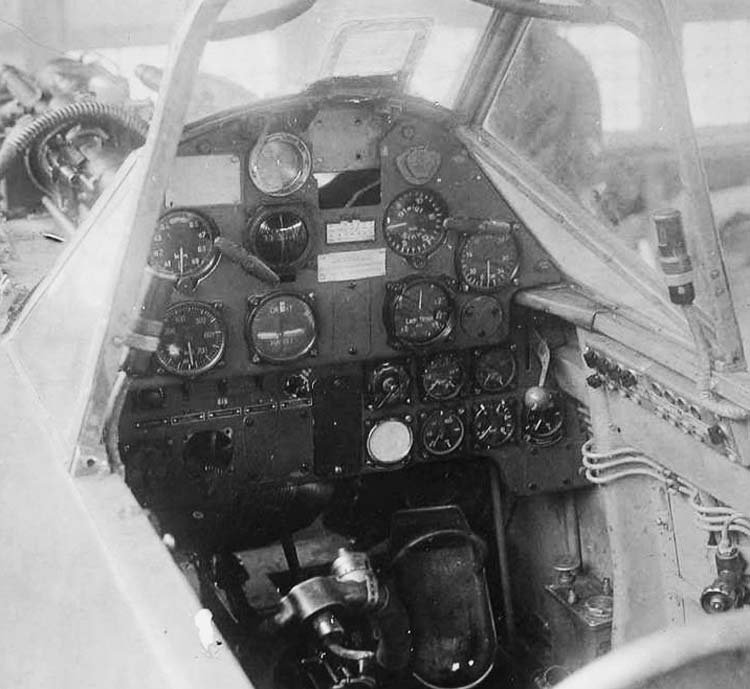
The ‘Friedrich’ propeller was equipped with an electric constant-speed governor. Its design allowed the pilot to disengage automation and manually control propeller pitch, similar to ‘Emil’ pilots. Among the clever small details was a special in-flight spark plug cleaning system.
By pulling a special rod, the pilot could shift the fuel ignition moment in the cylinder to briefly raise the combustion chamber temperature. This helped burn off carbon deposits on the spark plug electrodes, making the plug “come alive” again. On later engine types, Daimler-Benz designers dispensed with this system, as it was found that carbon deposit burn-off could be achieved simply by briefly running the engine at maximum power.
Early Production and Armament Challenges
However, initially, due to the power plant’s immaturity, German aircraft manufacturers had to resort to a familiar path, installing the previous engine variant on the new modification. Pre-production Bf 109F-0 aircraft received DB 601 N engines. This engine was significantly inferior to the DB 601E in terms of power and altitude performance (takeoff power – 1215 hp, one-minute combat power – 1285 hp, nominal power 1120 hp at 1500 m and 1085 hp at 4000 m), but its specifications were still quite good for the second half of 1940.
Feedback on the new aircraft’s flight characteristics from military trials was overwhelmingly positive. Maneuverability improved compared to the Bf 109E-4/N, which had a similar engine. A full turn at 1000 m took the Bf 109F-0 (serial No. 5605, VK+AC) 18 seconds, with a turn radius not exceeding 300 m.
Climb rate at ground level increased from 17.4 to 19 m/s, and reaching 5000 m required only 5.2 minutes. Overall, pilots highly praised the new aircraft, but expressed some disappointment regarding the machine’s reduced firepower.
From the outset, the ‘Friedrichs’ were intended to be armed with the 20-mm MG 151 motor cannon from Mauser, which offered a higher rate of fire compared to the older Oerlikon MG/FF cannons (rate of fire 450 rpm, muzzle velocity 550 m/s). However, developers again slightly missed deadlines, forcing the temporary installation of the MG/FF in the cylinder banks. This weapon, with its magazine feeding system, long barrel recoil, and other features, was ill-suited for integration into the power plant, a fact confirmed by three years of negative experience with similar attempts.
The fuselage-mounted MG 17 machine guns (rate of fire 1200 rpm, muzzle velocity 762 m/s), with 500 rounds per gun, remained in their previous positions above the engine, while wing-mounted cannons were not installed on the ‘Friedrichs’. Thus, the number of barrels on the first Bf 109F-0s decreased by one compared to the Bf 109E-4, and the mass of the one-second burst was almost halved.
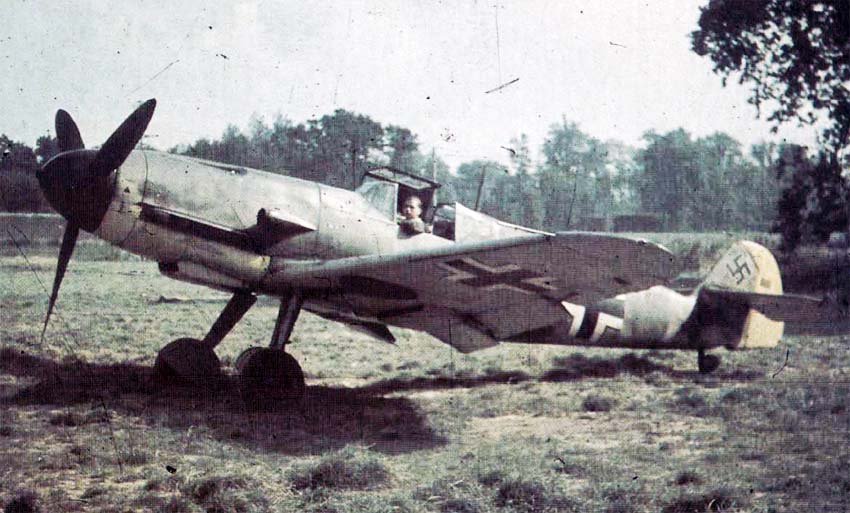
After the production of 25 pre-series Bf 109F-0s (serial Nos. 5601-5625, some used as prototypes), the first serial Bf 109F-1 rolled off the assembly line in November 1940. Externally, it differed little from the pre-production models, but the supercharger air intake became circular in cross-section (following the Bf 109V25 design), whereas on the Bf 109F-0, it was box-shaped, like the ‘Emils’.
As part of field modifications, the tail section of Bf 109F-1 aircraft was reinforced by riveting four metal plates over the skin near the fin spar. The few Bf 109F-1s sent to Africa also received dust filters as a field modification, after which these aircraft were designated Bf 109F-1/trop. A small series of Bf 109F-1/B fighter-bombers were also produced, equipped with an under-fuselage ETC 250 bomb rack.
In September 1940, Mauser specialists managed to establish serial production of the MG 151 cannon with a 15-mm barrel (rate of fire 900 rpm, muzzle velocity 870 m/s). It’s worth noting that this weapon, which would be considered a heavy machine gun in our country, was officially classified as a machine gun (“Maschinengewehr”) in Germany, in both its 15-mm and 20-mm variants.
According to German World War II classification, the term ‘cannon’ applied to weapons of 30 mm caliber and above. By Soviet criteria, machine guns were barrel systems firing bullets, i.e., ammunition without explosive content (though there were explosive bullets…). In contrast, cannons fired shells with explosive charges (though there were also armor-piercing solid shot, which lacked them).
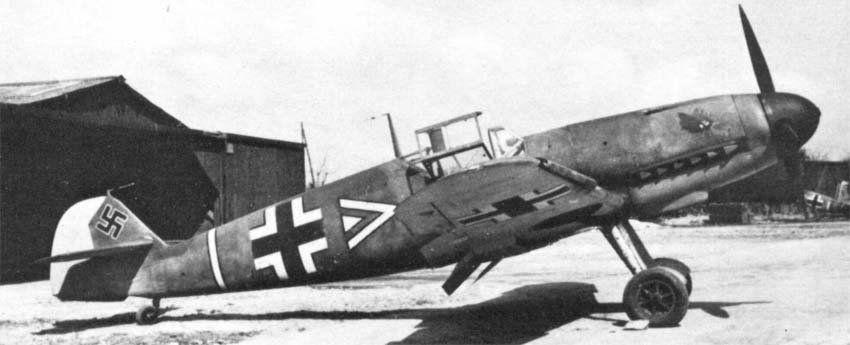
A more subtle point was the absence of a copper driving band on a bullet (hence, machine gun) and its presence on a shell (hence, cannon). Thus, the 15-mm cannon, designated MG 151/15 in documents, with a 200-round ammunition supply, began to be installed on the second series ‘Friedrichs’, which otherwise differed little from their predecessors.
Early Bf 109F-2s also featured external reinforcing plates on the tail section, riveted directly at the factory. The aircraft received a new high-pressure oxygen system. The 400-liter fuel tank was made of 10-mm rubber, housed in a plywood box. The multi-layered rubber had an unvulcanized inner layer that would swell in the presence of gasoline when punctured, sealing the leak.
The plywood box for the fuel tank was also thoughtfully designed: aluminum sheets, when punctured, created burrs that prevented the hole from sealing, whereas plywood did not. For some time, Bf 109F-2 fighters were built in parallel with Bf 109F-1s. Both types of aircraft continued to be equipped with DB 601N engines, which required 96-octane C3-grade gasoline.
The maximum speed of the Bf 109F-2 at ground level reached 502 km/h (according to British data, even 517 km/h), and at its calculated altitude of 6000 m, it was around 600 km/h. Three sub-modifications of the Bf 109F-2 are known, with the first two produced in small series and the third being experimental:
-
The F-2/B fighter-bomber with an under-fuselage ETC 250 bomb rack, capable of carrying a 250 kg bomb.
-
The F-2/Trop tropical fighter with an anti-dust filter and an enlarged supercharger air intake.
-
The F-2/Z high-altitude fighter with a nitrous oxide injection system, wider propeller blades, an F-2/Trop type supercharger air intake, and an increased capacity, larger oil cooler.
German aircraft industry truly ramped up ‘Friedrich’ production only in March-April 1941; before that, starting from December 1940, it produced 100-120 single-engine fighters per month. Including the spring ‘production boom’, the total number of F-modification ‘Messerschmitts’ manufactured until June 22, 1941, is estimated at approximately 1800-1850 units. These aircraft, in terms of their complex flight and technical characteristics, surpassed any fighter of the anti-Hitler coalition allies.
Combat Evaluation and Later Variants
The first ‘Friedrichs’ fell into the hands of Soviet and British specialists almost simultaneously in July 1941. As mentioned, Major R. Pingel, commander of III/JG26, unsuccessfully attacked a British bomber; his Bf 109F-2 took a hit to the radiator, forcing the German pilot to belly-land the ‘one hundred nine’ on British soil, slightly damaging the propeller and engine cowling. Incidentally, as an exception, the aircraft was armed with the scarce MG 151/20 cannon at the factory at Pingel’s request.
It was common practice for manufacturers to slightly modify fighters for recognized aces, endowing them with special qualities. For example, it is known that the engines of two Bf 109F-2s belonging to A. Galland ran on 100-octane gasoline and apparently produced slightly more power than serial models, possibly being DB 601E engines. Furthermore, one of Galland’s aircraft carried heavy-caliber (13-mm) MG 131 machine guns instead of a pair of MG 17s (it was called Bf 109F-2/U), while another, in addition to the standard Bf 109F-2 armament, retained MG/FF cannons in the wings (similar to the Bf 109E-4).
The first attempt to evaluate German fighter flight data in the Soviet Union occurred soon after Germany’s attack, in late July 1941, when the 410th Bomber Aviation Regiment, or what remained of it, was recalled from battles on the Western Front. The regiment had been formed in the early days of the war based on the bomber aircraft department of the Red Army Air Force Research Institute. From July 5 to 22, the 410th BAP conducted 235 sorties, losing 33 Pe-2s, including 22 to enemy fighter fire.
Crew reports led to a disheartening conclusion: ‘Messerschmitts’ had a noticeable speed advantage over the newest Soviet bombers. This was unexpected, as the maximum horizontal speed of the Bf 109E, determined during 1940 tests, only slightly exceeded that of the ‘Peshka’ (Pe-2), with a difference not exceeding 15-20 km/h at altitudes of 4000-5000 m. In fact, as noted by regimental commander Colonel A.I. Kabanov in his report, ‘German fighters easily caught up with Pe-2s and managed to make three to five attacks in pursuit’.
In this and other documents, it was indicated that ‘Bf 109, Bf 110, and He 113 fighters flew faster than our bombers, both outdated and modern, such as the Yak-4 and Pe-2.’ Soviet specialists rightly assumed that the Germans had installed higher-powered engines on the ‘Messerschmitts’, allowing a sharp increase in flight speed. In the initial period of the war, He 113 fighters were mentioned in reports from Soviet aviation units almost as frequently as the Bf 109.
According to the Soviet command’s understanding, the He 113 was a modification of the well-known He 100 aircraft, purchased by the Soviet Union before the war (allegedly, steam cooling was replaced by water cooling in series production). It was considered the fastest fighter in the Luftwaffe. In reality, the Germans did not use any He 113 on the Soviet-German front; this designation concealed the Bf 109F. It should be noted that externally, the ‘Friedrich’ indeed differed quite significantly from the ‘Emil’, especially in the shape of the fuselage nose section and the elliptical wingtips.
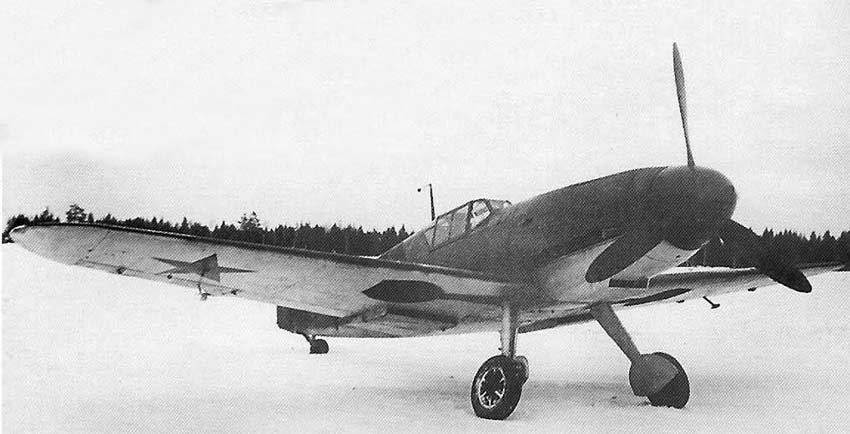
Probably, the first relatively intact Bf 109F-2 (serial No. 12766) was captured near Leningrad, in the Tosno area, on July 20, 1941. It must be said that Luftwaffe fighters preferred in 1941-1942 to conduct battles, and especially ‘free hunting’, over enemy territory, as many Soviet crews here lowered their vigilance. This time, return fire was accurate; the ‘Messerschmitt’ could not cross the front line and made an emergency landing behind Soviet troops.
Its pilot, Lieutenant G. Raub of I/JG54, died in a shootout with Red Army soldiers, and the captured ‘Messerschmitt’ decorated a trophy exhibition in Leningrad a few days later. As far as is known, ‘trophy exhibits’ were also present in Moscow, Kyiv, and Kharkov in 1941. Of course, for soldiers and commanders, especially from the Air Force and Air Defense, it was useful to examine the formidable enemy in detail.
However, more important was studying the enemy aircraft in the air, evaluating its strengths and weaknesses, and developing recommendations for combating it. Such work could not be carried out until the end of 1941, although in the second half of November 1941, two more slightly damaged ‘Messerschmitts’ (Bf 109F-2 serial Nos. 12811 and 12913) and one pilot from squadron 6/JG52 were captured by our troops northwest of Moscow.
Plates were removed from the aircraft, allowing identification that the fighters were built by the AGO factory in the summer of 1941. A real opportunity to test the German novelty was missed, apparently hindered by bad weather conditions and the evacuation of the Air Force Research Institute to Sverdlovsk. Furthermore, German ground troops were practically at the gates of Moscow, and all flights in this zone were strictly regulated by Air Defense command. Very often, friendly aircraft were shot at and downed, despite their appearance supposedly being well-known to both pilots and anti-aircraft gunners. But it’s easy to imagine their reaction to a ‘Messerschmitt’ appearing in the sky, even with red stars!
The successful Soviet winter counter-offensive significantly increased the number of trophies. In the Moscow area alone, from December 5 to 31, 1941, 34 enemy aircraft were captured, most of which were either faulty or destroyed by the enemy during retreat. Several Bf 109Fs also fell into the hands of Soviet aviation specialists, subsequently transferred for study to TsAGI, aviation design bureaus, and repair bases.
Engineers from the N.E. Zhukovsky Air Force Academy made a significant contribution to collecting and studying captured enemy equipment, carrying out a special assignment from the Red Army Air Force staff on the Kalinin Front. German fighters remained of greatest interest. The head of the Air Force Research Institute’s fighter department, Military Engineer 1st Rank A.N. Frolov, carefully analyzed all available information on the Bf 109F, comparing the ‘Messerschmitt’ with new types of Soviet fighters.
In a report signed on February 14, 1942, it was noted that the Yak-1 was better suited than other Soviet fighters for combat with the Bf 109F, although it still lagged behind the ‘Friedrich’ in speed and climb rate at low altitudes. It was harder for the Soviet LaGG-3 fighter to fight the ‘Messerschmitt’, as it significantly trailed in main flight data, except for the power of its gun armament.
Furthermore, the LaGG-3 was characterized by ‘heavy’ controls, especially when transitioning between maneuvers. As for the MiG-3, this fighter had good characteristics at altitudes of 5000 m and above, where battles occurred relatively rarely, but near the ground, it lost in maneuverability to the lighter Bf 109F. A significant drawback of the MiG-3 was its very weak armament, consisting of one heavy machine gun BS and two rifle-caliber ShKAS machine guns.
A.N. Frolov stated: ‘The enemy has an advantage in main flight-tactical data over all types of our new fighters up to an altitude of 2000 m… The takeoff and landing characteristics of our aircraft are unsatisfactory (they are particularly bad for the LaGG-3). The takeoff run length is large, and the existing tendency to turn right complicates formation takeoffs and requires special attention when departing from confined field airstrips. High landing speed and rollout distance also require exceptional attention and sufficient experience when precisely calculating approaches for landing…’
To conduct a more detailed and thorough evaluation of the Bf 109F, the Red Army Air Force Research Institute leadership deemed it necessary to conduct tests. Finally, such an opportunity arose. On February 22, 1942, Oberleutnant A. Niess, commander of 8/JG51, lost his bearing and was fired upon by a machine gun near the village of Tushino. Damage to the radiator and a hole in the fuel tank forced the German officer to make an emergency landing in Soviet territory.
The ‘Messerschmitt’, captured by Red Army soldiers, was quickly restored by the technical staff of the 47th Air Division. However, the very first flight in the captured fighter ended in an accident; the pilot, unfamiliar with the aircraft’s handling characteristics, could not keep it straight during takeoff, resulting in damage to the landing gear strut and wingtip. Another repair had to be carried out (this time by a TsAGI team), after which the Bf 109F-2 (serial No. 9209) was transferred to the Red Army Air Force Research Institute. The machine was accepted by Engineer-Captain A.S. Rozanov, who was considered one of the institute’s specialists in German fighters.
From the very first days, he encountered serious problems. It was found, in particular, that the aircraft had already undergone serious repairs at least four times and was quite worn out. Unstable spring weather and frequent air defense flight bans also hindered the work. On April 5, 1942, Rozanov wrote to his direct superior, A.N. Frolov: ‘A “scam” arose during the construction of the altitude characteristic. The supercharger pressure decreases slightly up to an altitude limit of 2900 m, and then drops sharply. It is possible that the supercharger clutch is heavily worn and becomes “powerless” with altitude. I report regularly to command, and they, of course, scold me for delaying the tests. We will have to “pump up” the altitude-speed characteristic with science…’
By mid-April 1942, the report on the Bf 109F tests was completed. Rozanov’s conclusions differed little from those A.N. Frolov made before the tests, but there were some differences. Specifically, it was reliably established that the Bf 109F flew 70 km/h faster near the ground than the Bf 109E.
Approximately half of this speed increase came from the more powerful DB 601N engine, and the other half from improved aerodynamics. For instance, improved radiator tunnels and shapes added 12-14 km/h, retractable tail wheel and elimination of tail unit bracing added 7-8 km/h, and discarding drooped ailerons and slotted flaps (which eliminated gaps creating additional drag) added another 6-7 km/h.
The operational assessment of the fighter occupied an important place in the report. Soviet specialists noted good access to engine components, especially spark plugs, a conveniently designed engine cowling, and a significant easing of pilot workload due to the implementation of various automatic systems, including those regulating water and oil temperatures in the engine.
During the tests, institute specialists conducted a mock aerial combat between the Bf 109F and a Yak-1 (serial No. 0511) and developed recommendations for Red Army Air Force combat units. In doing so, they “turned a blind eye” to the malfunction of the captured aircraft’s turbo-coupler. As a result, it appeared that the Soviet fighter’s chances of victory increased with altitude.
While the ‘Messerschmitt’s’ complete superiority near the ground was unquestionable, and Soviet pilots were advised to engage in head-on attacks, at 3000 m, the chances were equalized, and at 5000 m, the ‘Yakovlev’ supposedly gained a complete advantage in speed and maneuverability. In other words, pilots were instructed to draw German fighters to higher altitudes.
Unfortunately, these recommendations did not reflect the true state of affairs. German materials and test results in Great Britain indicated that the Bf 109F with the DB 601N engine achieved a maximum speed of 597-600 km/h at 6000 m, not 552 km/h as stated in the Air Force Research Institute report. Consequently, the ‘Messerschmitt’ surpassed all domestic fighters, including production MiG-3s (by 20-30 km/h), at altitudes up to 5000 m. For the ‘Yak’, the recommendation to lure the enemy to altitudes above 5000 m diametrically contradicted reality. The work materials and detailed technical description of the Bf 109F were duplicated and disseminated to commanders and staff.
By mid-summer 1941, Daimler-Benz announced that it had resolved the most serious problems related to the series production of the DB 601E engine. Concurrently, a new VDM 9-12010A propeller was prepared for serial production. According to Messerschmitt’s plans, the next ‘Friedrich’ version was to be a fighter variant with the discredited MG/FF-M motor-cannon.
Meanwhile, Mauser informed the chief designer that it had begun serial production of the 20-mm variant of the MG 151 cannon (its rate of fire, compared to the 15-mm modification, was lower but remained good, at 750 rpm with a muzzle velocity of 790 m/s). As a result, it was decided to arm the ‘Friedrichs’ with MG 151 cannons, with the F-3 modification receiving a 15-mm barrel cannon and the F-4 a 20-mm barrel. It soon became clear that the latter variant was much more popular with aircrews, and it was built in large quantities starting in May 1941 at the Wiener-Neustadt factory and from June at ‘Erla’.
The aircraft’s maximum speed at all altitudes increased by 10-25 km/h (relative to the Bf 109F-2) due to the more powerful engine, and climb rate also improved. Designers enhanced the fuel tank’s self-sealing protection and reinforced pilot protection by installing a sloped armored headrest. Some aircraft were equipped with an additional multi-layered partition, consisting of a stack of duralumin sheets, mounted behind the fuel tank.
These sheets were easily pierced by rifle-caliber bullets, but they stripped the incendiary compound from the bullet and also caused it to lose stability, approaching the main armor not nose-first but sideways. Armored windshield glass was installed on the cockpit canopy; the same 60-mm glass was also fitted to modified Bf 109F-2s, but it was mounted externally, as an addition to the normal unarmored visor. On some aircraft, armored glass was also installed behind the pilot in the armored seat backrest to improve rear visibility.
Reinforcing elements were now mounted inside the tail section of the fuselage and were no longer visible. Typically, ‘Friedrichs’ were equipped with a FuG 7a radio and a Revi C/I2D gunsight. The cockpit featured a switch allowing fire from only the cannon, only the machine guns, or both simultaneously. The take-off weight of W. Messerschmitt’s fighter grew rapidly: if the Bf 109F-1 weighed 2615 kg and the Bf 109F-2 weighed 2800 kg, the Bf 109F-3 was already 2915 kg. Despite awareness of the detrimental nature of this practice, the trend continued with the Bf 109F-4, whose take-off mass ranged from 2930-3015 kg depending on the sub-modification.
The armament of the Bf 109F-4 drew contradictory opinions from Germany’s most experienced fighter pilots. While W. Mölders was completely satisfied with the light armament of a 20-mm cannon and two machine guns, A. Galland considered the reduction in armament a step backward. As a result of discussions regarding armament, Messerschmitt developed a ‘field modification kit’ for the Bf 109F-4 fighter. This kit consisted of a pair of MG-151/20 cannons in underwing gondolas, with an ammunition load of 120 rounds per gun. The fighter equipped with these additional cannons was designated Bf 109F-4/R1.
Although the additional armament increased the aircraft’s firepower and combat capabilities as an attack aircraft or interceptor, it negatively affected the machine’s stability and maneuverability due to increased drag and weight. The aircraft developed a tendency to oscillate, and its aerial combat capabilities against enemy fighters decreased.
On April 22, 1942, on the Southern Front north of Slavyansk, Soviet pilots managed to shoot down a Bf 109F-4/R1 fighter (serial No. 13043) belonging to I/JG77, which landed in Soviet territory. The trophy was thoroughly studied by a team led by Military Engineer 1st Rank Stepanov. Engineers paid special attention to further changes in the machine’s design and the identification of vulnerable points. The Zeiss optical sight, the abandonment of an automatic system limiting engine operation time in boost mode, and new oxygen equipment also received attention.
As a result of careful study of the Bf 109F, Soviet specialists concluded that the most vulnerable part of the propeller-engine group were the cylinder heads. A single hit to this area by a shell or incendiary bullet was enough to cause a fire. It is known that the ‘Messerschmitt’s’ water and oil radiators, which presented an easily hit target due to their large surface area, as well as two expansion tanks of the cooling system, were not protected by armor.
Almost simultaneously, the Bureau of New Technology at TsAGI conducted a thorough study of a captured Bf 109F-4/Z (with the GM-1 boost system, jokingly deciphered in Germany as ‘Göring’s Mixture’), produced in early 1942. Externally, this ‘Messerschmitt’ differed little from other fighters of the family. Our specialists noted changes in the hydraulic system, the cooling air supply scheme to the carburetor, the modified supercharger air intake design, and the use of a more powerful generator; however, the GM-1 system itself was apparently absent from the aircraft (when present, a sizable nitrous oxide tank was mounted in the compartment behind the cockpit, which would be impossible to miss).
However, this was not uncommon for the Luftwaffe: both field and factory modification kits were often removed from aircraft if their operational area changed for various reasons. For the Bf 109F-4/Z, Germans also provided for the use of dust filters on the supercharger air intake, explained by preparation for the summer campaign in steppe regions. The F-4/Z model’s instrument panel featured a boost indicator with main engine operating modes highlighted in color. The maximum speed of the Bf 109F-4/Z was determined to be 612 km/h at an altitude of 6400 m, roughly corresponding to British data (on March 30, 1942, a Bf 109F-4/Z fighter of Oberleutnant W. Diesselhorst from 5/JG1 was shot down near Nordwick).
On May 29, 1942, Unteroffizier E. Volkmann from III/JG3, along with his wingman, Gefreiter A. Kuhn, lost their bearings and landed two perfectly serviceable Bf 109F-4s in a plowed field near Chuguev. One of them, serial No. 7640 with a yellow side number “12” on the fuselage, was photographed from various angles and prepared for testing at the Air Force Research Institute. However, it turned out that a captured ‘Friedrich’ in the USA had crashed, and the Allies requested a similar aircraft.
General A.A. Novikov, commander of the Red Army Air Force, authorized the shipment of the new ‘Messerschmitt’ overseas. Western sources indicate that Bf 109F-4 (serial No. 7640), under tactical designations EB-1 and later EB-100, successfully underwent a full range of flight tests.
Several other removable armament kits were tested on the Bf 109F-4, but by mid-1942, the G-series was already replacing the ‘Friedrichs’, so only a few of these entered service. For instance, some aircraft used an under-fuselage rack capable of carrying a 250 kg bomb, a 300-liter tank, or (via an ER-4 adapter) four 50 kg bombs. These fighters were designated Bf 109F-4/R6.
A reconnaissance variant, designated Bf 109F-4/R8, is also known, featuring Rb70/30 or Rb50/30 cameras in the tail section of the fuselage; aircraft of this type were assigned to short-range reconnaissance units. Almost all ‘Friedrich’ variants allowed for the construction of special ‘tropical’ sub-modifications, but the Bf 109F-4/trop became the most common.
This machine was characterized by: an anti-dust filter on the engine supercharger air intake; a ‘desert’ emergency kit with water, food, and a self-defense weapon for the pilot; special seals in the hydraulic system and covers on the rods of remotely controlled devices; and an attachment point for an umbrella to protect the cockpit from overheating on the ground.
It should not be assumed that ‘tropical’ fighters were used only in Africa. A significant portion of these aircraft went to the Eastern Front for operations in the Far North, where filters prevented snow from entering the supercharger, and in the steppe south, where strong winds frequently raised fine but engine-hazardous dust.
Little is known about the last two modifications in the ‘Friedrich’ family, as only a few dozens of machines were produced. According to some data, both were built as tactical reconnaissance variants. For instance, a Bf 109F-5 aircraft (serial No. 8754) with the motor cannon removed and an Rb 70/30 camera in the tail section was lost on May 30, 1942, by reconnaissance squadron 1(F)/122.
However, a second machine, also a Bf 109F-5 type, which fell into Allied hands after an emergency landing in September 1943, turned out to be a high-altitude fighter with the GM-1 system. Its pilot, Unteroffizier T. Meisen, reported during interrogation that he served in the little-known JGr50 group, deployed concurrently with JGr25 specifically to combat ‘Mosquito’ aircraft.
Green’s authoritative reference indicates that the Bf 109F-6 was an unarmed reconnaissance aircraft, but with a special compartment allowing the installation of Rb 20/30, 50/30, or 75/30 cameras. However, other data suggests that the Bf 109F-6 represented a concession to those Luftwaffe pilots who felt it necessary to increase the machine’s firepower while maintaining a low flight mass. For this purpose, the Bf 109F-6 was equipped with a lighter DB 601N engine, but two additional MG 17 machine guns were mounted in the wings, in addition to the standard MG 151/20 cannon and fuselage-mounted MG 17 machine guns for late ‘Friedrichs’.
It is likely that a portion of these machines were later converted into reconnaissance aircraft by the Germans, which explains Green’s version. It’s interesting to note that the renowned German ‘expert’ A. Galland went even further in increasing the ‘Friedrich’s’ firepower: his unique Bf 109F-6/U armament consisted of an MG 151/20 motor cannon, four MG 17 machine guns (two in the wings), and two additional underwing MG/FF cannons!
Many Bf 109F airframes were used for various research projects. For example, one Bf 109F-2 (serial No. 9246) underwent testing with four EG 65 launchers for 73-mm Rheinmetall-Borsig RZ-65 rockets. These could be launched in salvos against ground targets or dense bomber formations, but the complexity of installation and high aerodynamic drag of the setup led to the cessation of work.
The potential of a V-tail unit was investigated on a Bf 109F-4 (serial No. 14003, VJ+WC). K. Baur made the first flight on January 21, 1943, and F. Wendel later continued the tests. The tests revealed no advantages of the V-tail compared to conventional designs; longitudinal stability even decreased, and the effort required to control the aircraft during rollout significantly increased.
Prototype Bf 109V24 was later used for wind tunnel testing in Göttingen of an under-fuselage radiator developed for the Me 309, and subsequently, boundary layer studies were conducted on it at the Caudron-Renault research center. The Bf 109V23 aircraft was converted to test the tricycle landing gear for the Me 309 fighter, for which a non-retractable nose gear strut was installed.
Bf 109F-1 (serial No. 5642), designated V31, was used to test widely spaced landing gear struts that retracted towards the centerline. On Bf 109-V30 and V30a machines (Bf 109F-0 serial Nos. 5716 and 5717), a pressurized cabin for the Me 309 was developed. Experimental work was undertaken where Bf 109F airframes were equipped with different engines, including air-cooled engines. For example, experimental ‘Friedrichs’ are known with BMW-801 engines and even American ‘Twin Wasps’. One of the machines was equipped with the latest super-powerful Jumo-213, but this attempt did not receive further development.
Technical Specifications
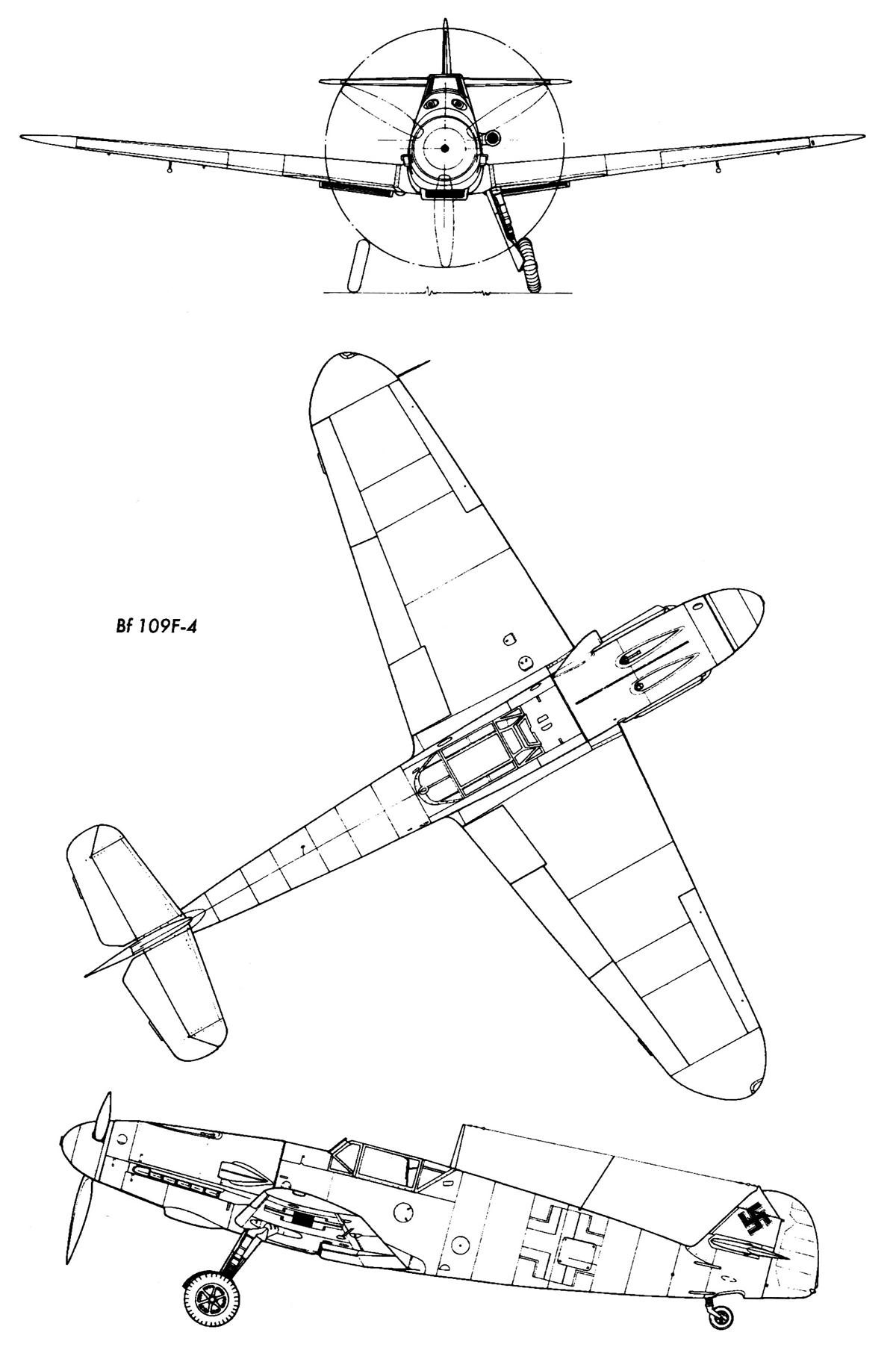
| Modification | Bf 109f-4 |
| Wingspan, m | 9.90 |
| Length, m | 8.85 |
| Height, m | 2.60 |
| Wing area, m2 | 16.20 |
| Empty weight | 2392 |
| Takeoff weight | 3120 |
| Engine type | 1 Piston engine Daimler-Benz DB 601E-1 |
| Power, hp | 1 x 1350 |
| Maximum speed at sea level, km/h | 535 |
| Maximum speed at altitude, km/h | 620 |
| Cruising speed at altitude, km/h | 570 |
| Range with nominal fuel, km | 480 |
| Range with 300 L auxiliary tank, km | 845 |
| Maximum rate of climb, m/min | 1308 |
| Service ceiling, m | 12000 |
| Crew, crew members | 1 |
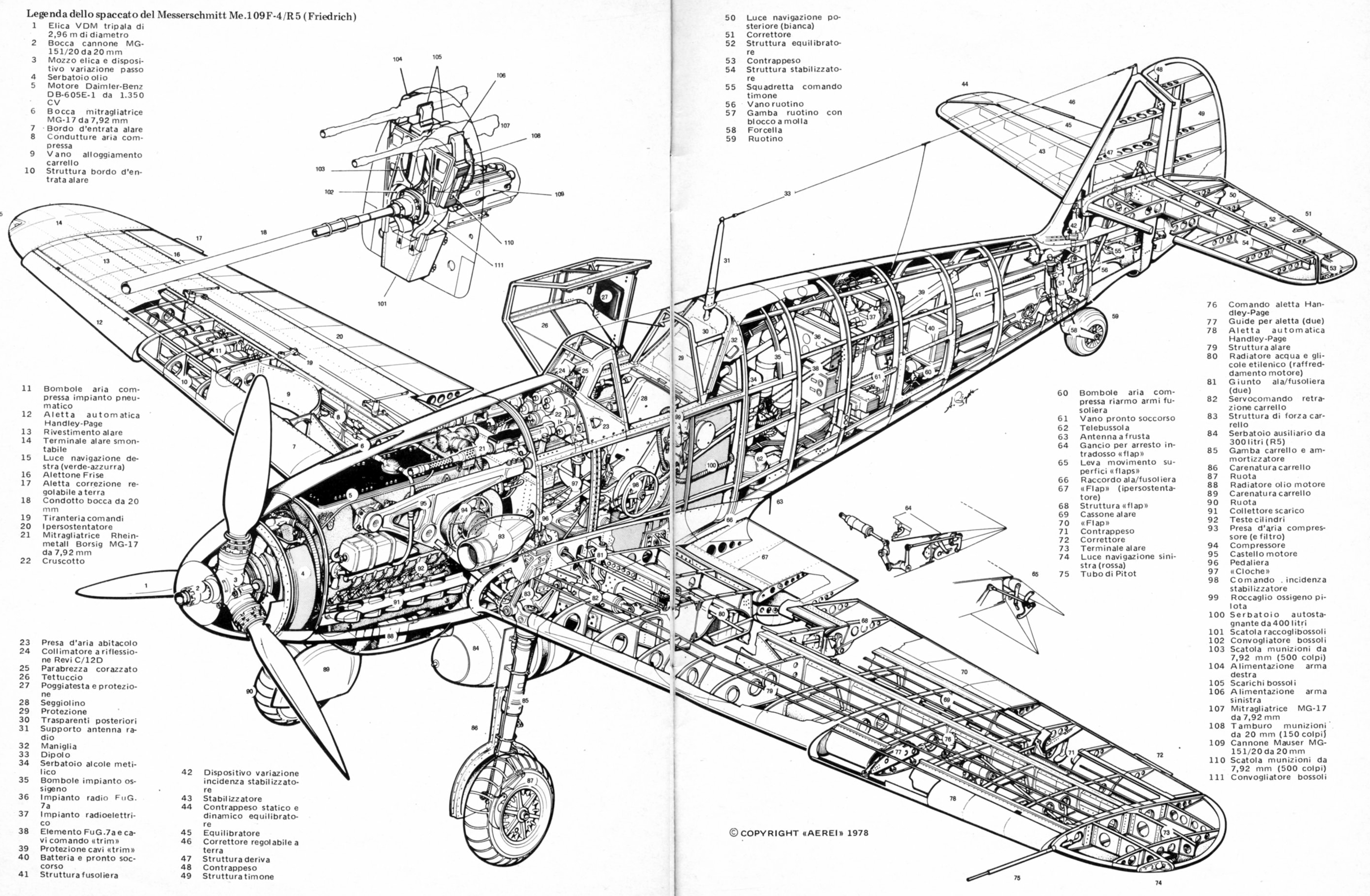
| Armament | one 20-mm MG 151 cannon mounted in the engine’s ‘V’ with 150 rounds, two 7.9-mm MG 17 machine guns with 500 rounds per gun. |
Image and diagram gallery of the Messerschmitt Bf 109F 'Friedrich'
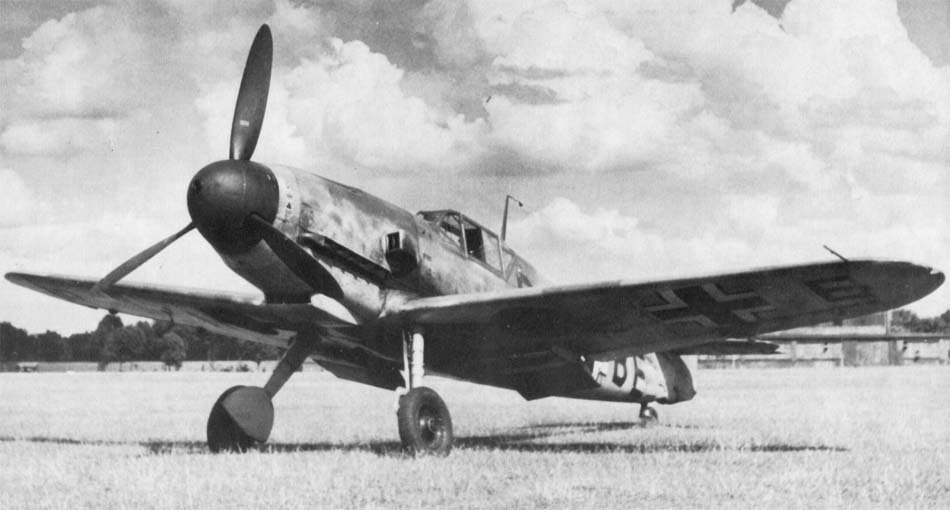 Bf.109F |
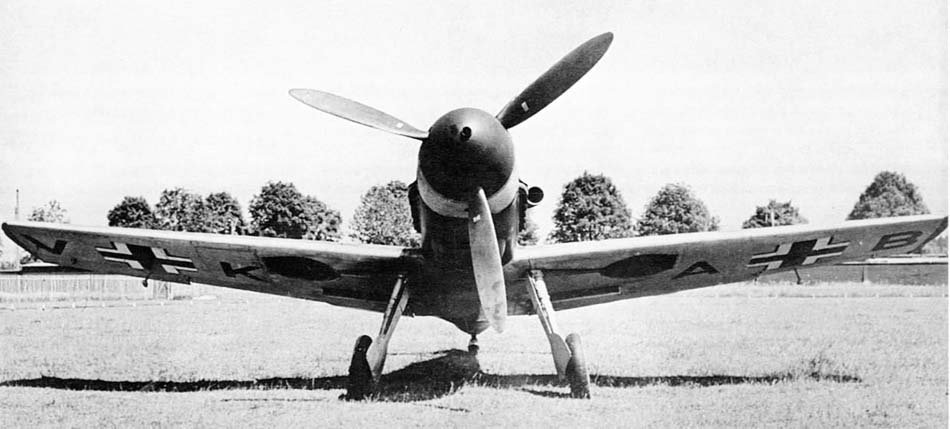 Bf.109F |
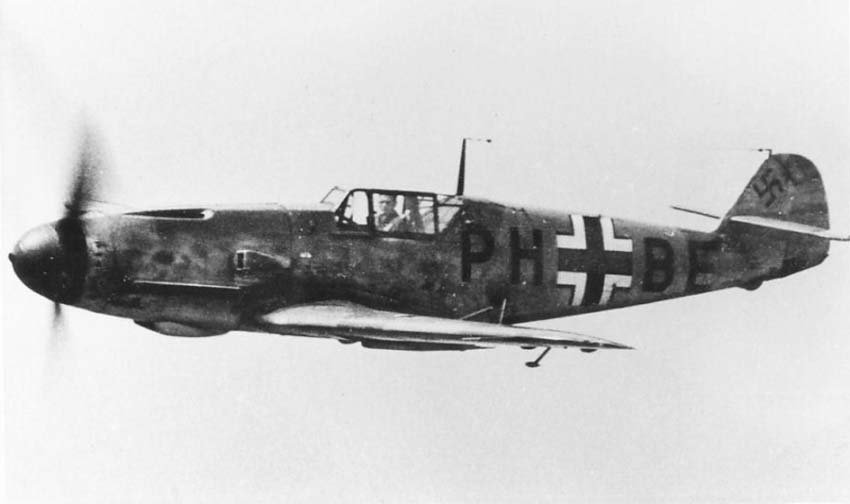 Bf.109F |
 Bf.109F |
 Bf.109F |
 Bf.109F |
 Bf.109F |
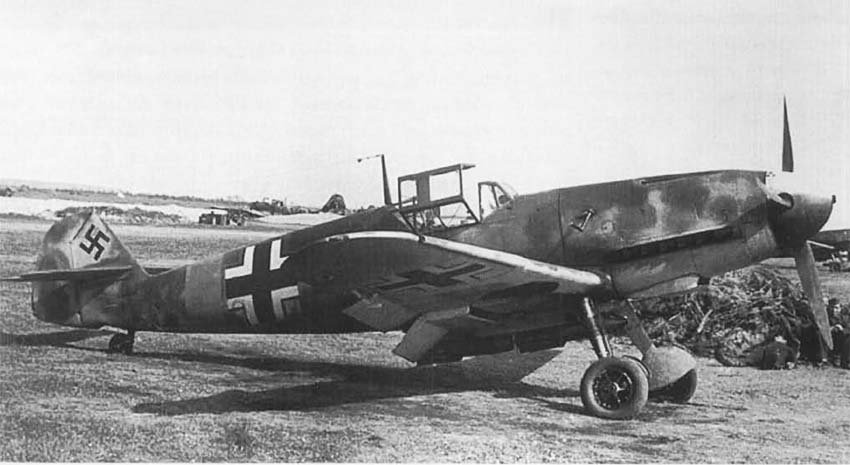 Bf.109F |
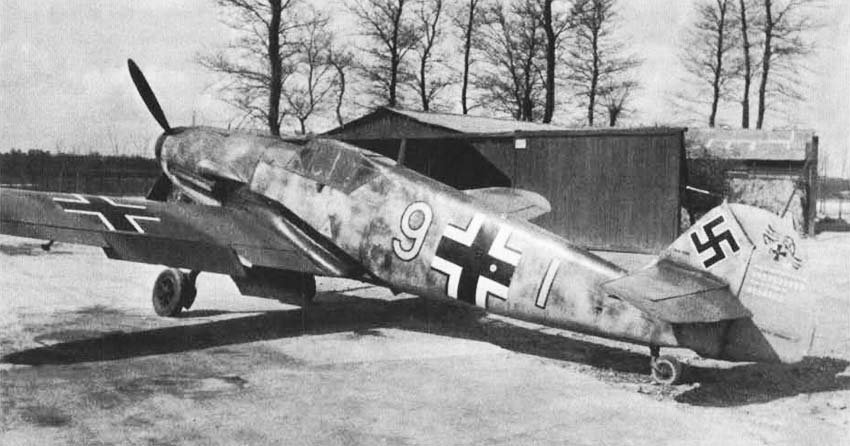 Bf.109F |
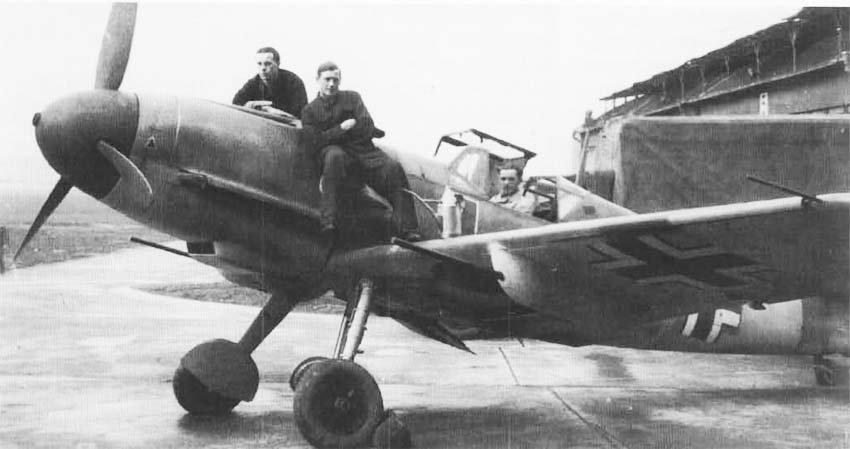 Bf.109F |
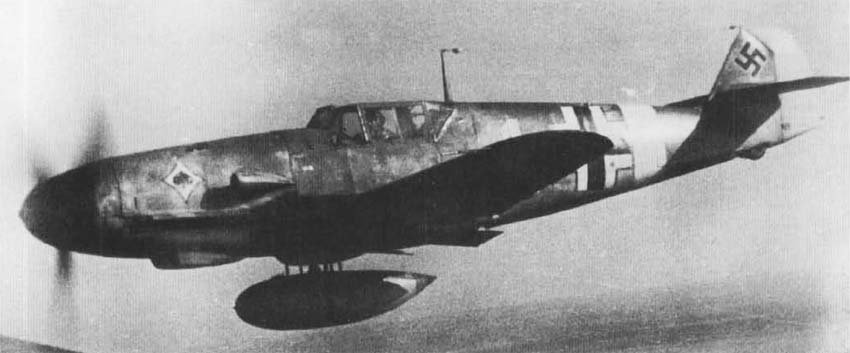 Bf.109F |
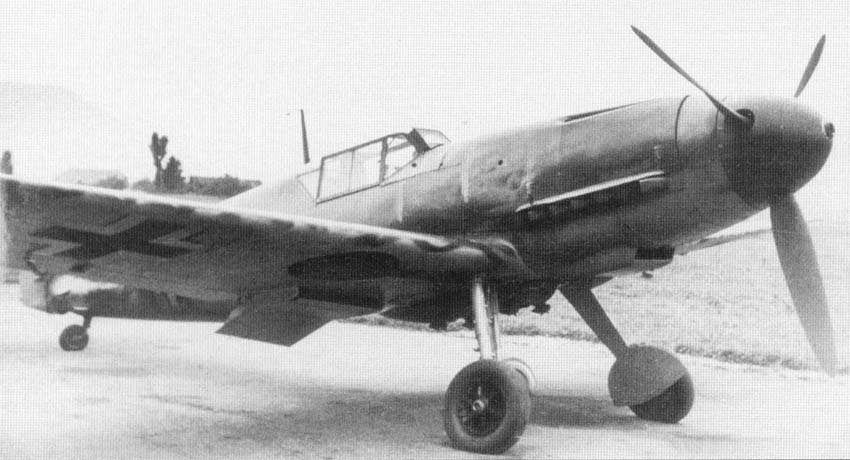 Bf.109F |
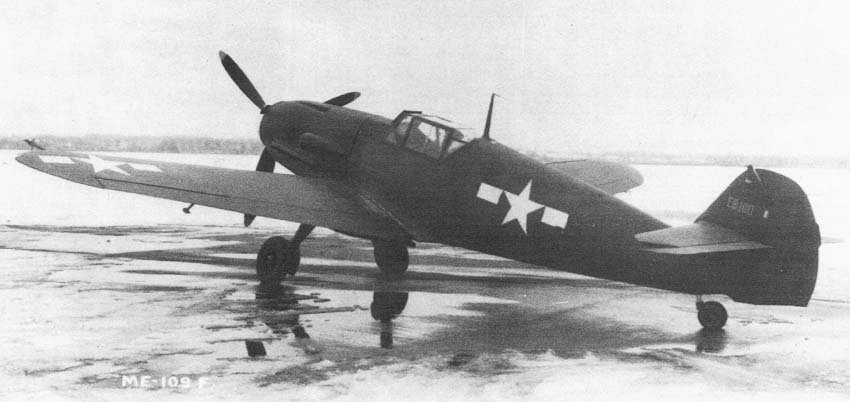 Bf.109F |
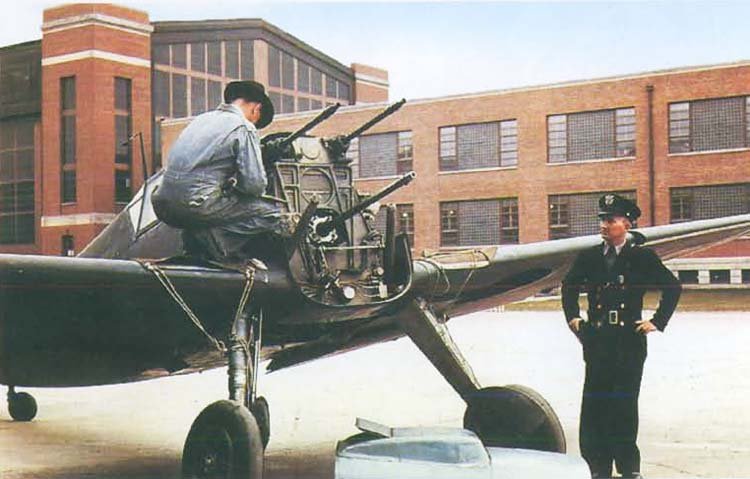 Bf.109F |
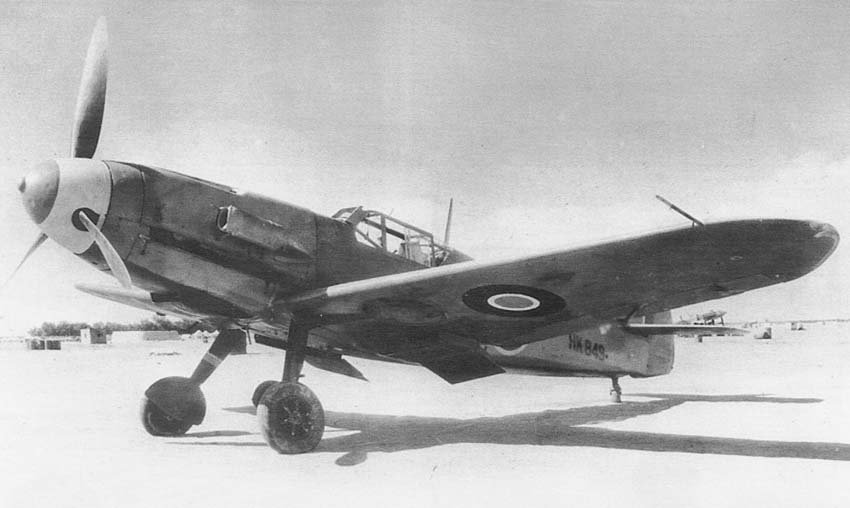 Bf.109F |
 Bf.109F |
 Bf.109F |
 Bf.109F |
 Bf.109F |
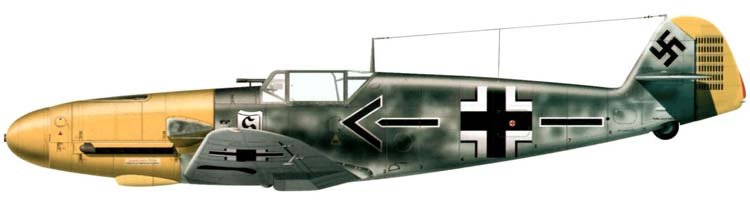 Bf.109F |
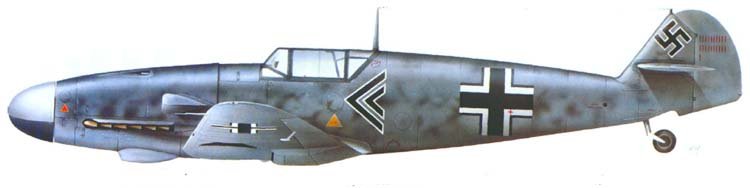 Bf.109F |
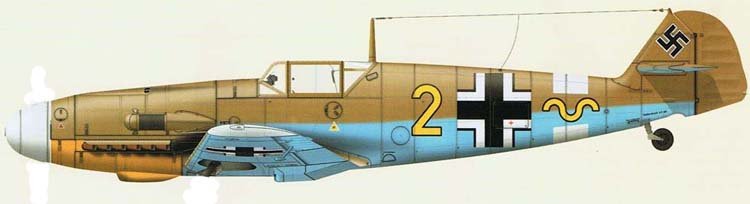 Bf.109F |
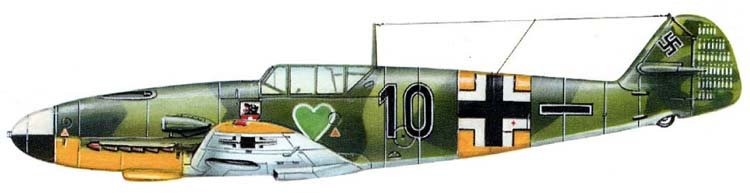 Bf.109F |
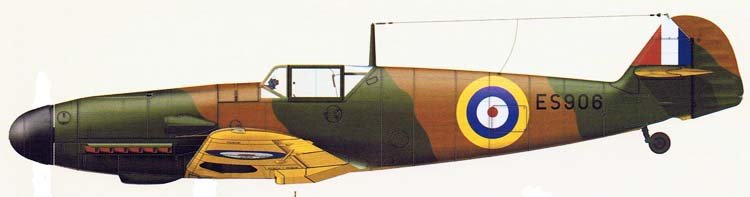 Bf.109F |
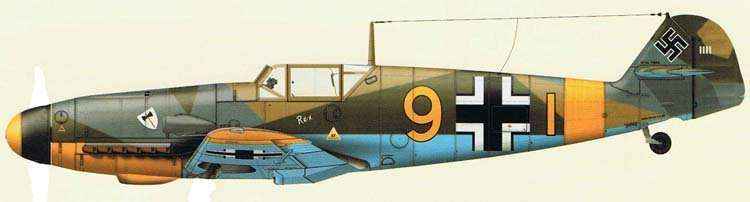 Bf.109F |
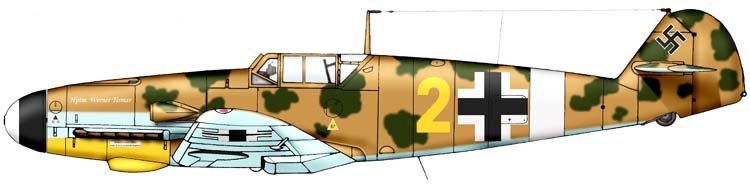 Bf.109F |
ArchivoAéreo Editorial Team
A group of aviation researchers and enthusiasts dedicated to documenting and preserving global aeronautical history. All articles are reviewed to ensure historical accuracy.
Sources & Accuracy
The information presented in this technical sheet has been compiled from declassified flight manuals, historical archives, and specialized literature. While we strive for maximum accuracy, some performance data may vary depending on the specific variant or operational conditions.