Nakajima C6N Saiun (Untraceable Cloud)
During World War II, numerous successful combat aircraft of various classes were created in Japan’s aviation factories. Among these, reconnaissance aircraft held a special place. In the late 1930s, the Imperial Navy Air Arm adopted the single-seat Mitsubishi C5M reconnaissance aircraft, which was successfully used in battles in China. Representatives of the Air Force also became interested in the aircraft, deciding to adopt it, assigning it their designation Ki-15.
The most famous reconnaissance operation of the C5M aircraft is considered to be the hunt for two British battleships: “Prince of Wales” and “Repulse.” A single C5M from the 22nd Staff Sentai (regiment) managed to locate these two ships and guide Japanese strike aircraft towards them. With the beginning of battles in the Pacific, a new reconnaissance aircraft, the Ki-46, appeared; it stood out among Japanese aircraft for its outstanding characteristics and was successfully used until the very end of the war.
Development of the C6N Saiun
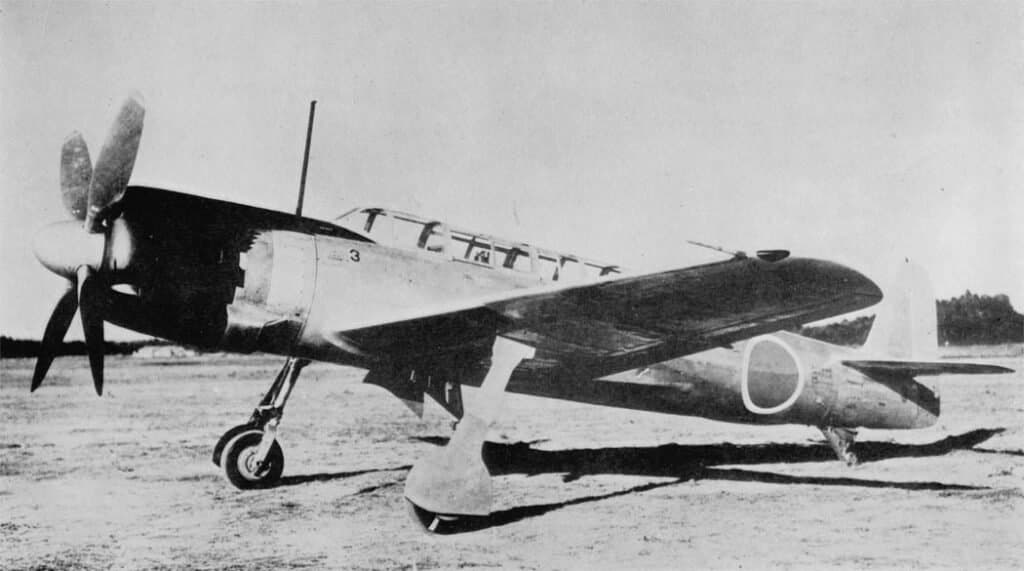
In mid-1944, Allied pilots encountered another reconnaissance aircraft in the air, possessing not only high speed but also extended flight range. This aircraft, which commanded the respect of the enemy, was created by the Nakajima company and bore the designation C6N1 Saiun (translated from Japanese as “untraceable cloud”). In terms of maximum speed, it was only 34 km/h slower than the famous British Mosquito multi-role aircraft.
In the initial months of the Pacific War, the Imperial Navy discovered a lack of a high-speed carrier-borne reconnaissance aircraft in its inventory. Initially, it was assumed that this role would be filled by single-engine Kugisho D4Y1 and D4Y2 Suisei dive bombers, fitted with cameras. These converted aircraft received new designations: D4Y1-C and D4Y2-C.
However, the first months of combat revealed that these machines had insufficient ceiling and speed, and a reconnaissance aircraft needed a larger operational radius. Thus, the Japanese were unsuccessful in transforming a successful dive bomber into a full-fledged reconnaissance aircraft. Based on the results of early engagements, the Imperial Navy Staff formulated requirements for a specialized reconnaissance aircraft.
According to the 17-Shi specification, issued in spring 1942, the three-man aircraft was to have a maximum speed of 648 km/h, a cruising speed of 384 km/h, and a practical ceiling of at least 6000 meters, which it needed to reach in eight minutes. Landing speed was not to exceed 130 km/h, and the required flight range was 2780 km. These specifications were very demanding for their time.
For comparison, the best Japanese carrier-borne fighter at the time, the A6M2 Reisen (Zero), developed a speed 100 km/h slower, and its maximum flight range was only 2000 km. American fighters operating in the Pacific in 1942 also lagged behind the 17-SHI in speed. No competitive bidding was held for the 17-SHI reconnaissance aircraft, as the command had already decided on Nakajima (Nakajima Hikoki Kabushiki Kaisha) as the developer, signing a contract on June 30, 1942.
Experienced engineers Yasuo Fukuda and Yoshizo Yamamoto led the development of the new reconnaissance aircraft. From the outset, they faced numerous problems, primarily the lack of a sufficiently powerful engine in Japan. Fukuda proposed a tandem-engine powerplant, previously used only in racing aircraft, consisting of two 1000 hp engines, each driving its own propeller through a hollow shaft for the first engine and a shaft passing through it for the second.
As the tandem powerplant project neared completion, a new Nakajima Homare 11 engine, boasting 1800 hp, became available. Its relatively small frontal area and acceptable power allowed a shift in design approach to a standard, proven aircraft configuration. The project was designated N50, and a wooden mock-up of the aircraft was approved by an Imperial Navy aviation specialist commission on August 8, 1942.
The first of nineteen prototypes was rolled out from the assembly shop on April 26, 1943. Two days later, it was transferred to the fleet for flight tests. From this moment, the aircraft received the service designation “Experimental Carrier-borne Reconnaissance Aircraft 17-SHI Saiun Model 11,” or C6N1 Model 11. The aircraft’s first flight took place on May 15, 1943.
During testing, the machine demonstrated satisfactory flying qualities, but the engine’s operation caused many complaints; it ran unsteadily and failed to deliver its declared power. Consequently, the Imperial Navy’s speed requirements were not met, with a speed of only 638 km/h achieved. This unsatisfactory situation prompted both the military and the company to initiate work on improving the aircraft.
To this end, over the course of a year until April 1944, Nakajima decided to build three more experimental machines and six pre-production C6N1s, which would be used for testing various engine types. Specifically, the 4th, 5th, 7th, and 8th examples were used to test the new Nakajima Homare 22 engine, rated at 2000 hp, with a four-bladed propeller. The 6th example was fitted with a Homare 21 engine with a three-bladed propeller of 3.2 meters in diameter.
Comparative tests showed that the most successful powerplant was the Homare 21 engine with a Sumitomo KL38C three-bladed propeller. This was adopted as the primary engine for production aircraft. After the release of the 14th C6N, which also failed to achieve the specified speed, the Imperial Navy reconciled with this, as even these characteristics were significantly higher than those of the D4Y2-S.
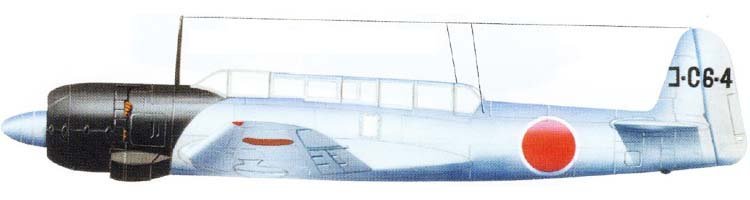
Finally, in spring 1944, the aircraft was accepted into service as a carrier-borne reconnaissance aircraft. It was given the official designation Saiun Model 11. Production aircraft of the first series were equipped with the Homare 21 engine with a three-bladed propeller. Their external distinction was also the absence of fuselage windows in the navigator’s cockpit.
The first production model was assembled in July 1944. By the end of the war, the Japanese had produced 463 C6Ns, of which 19 were experimental prototypes. Early 1945 marked the peak of the aircraft’s production, with 64 machines produced in March, 60 in April, and another 58 in May. All prototypes and experimental series aircraft were assembled at the Koizumi plant, while 379 production machines were built by the Handa plant, and 65 additional Saiun were license-produced by Nippon Hikoki.
Operational History and Variants
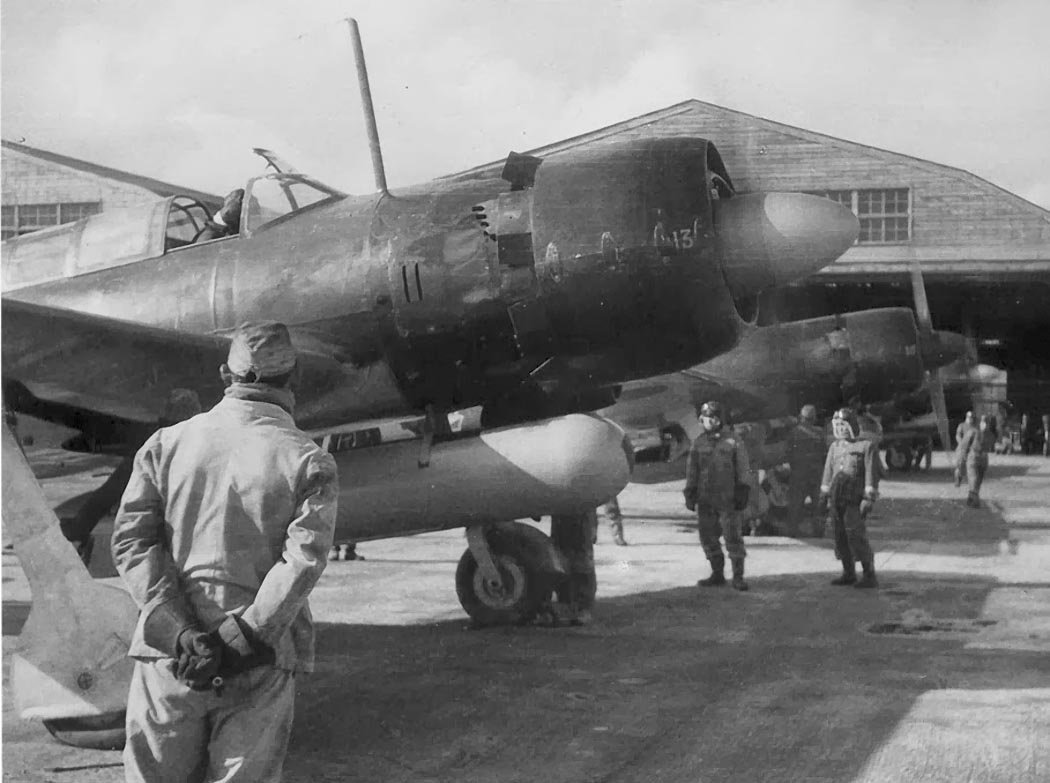
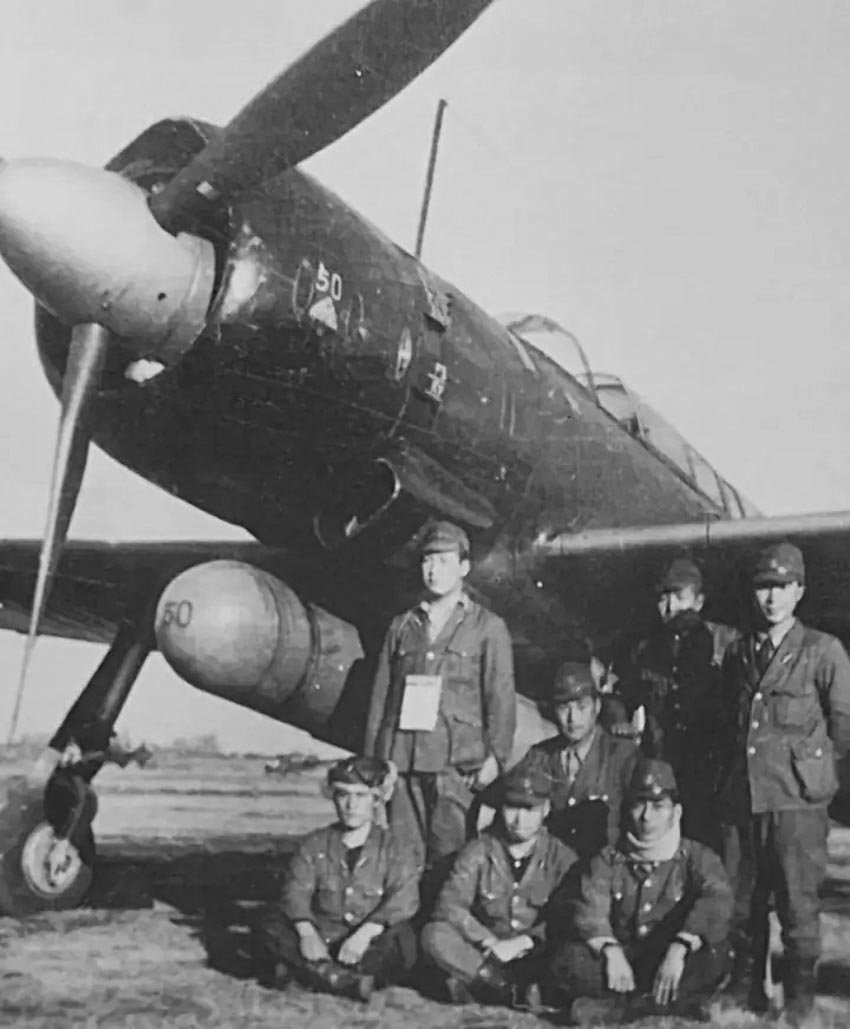
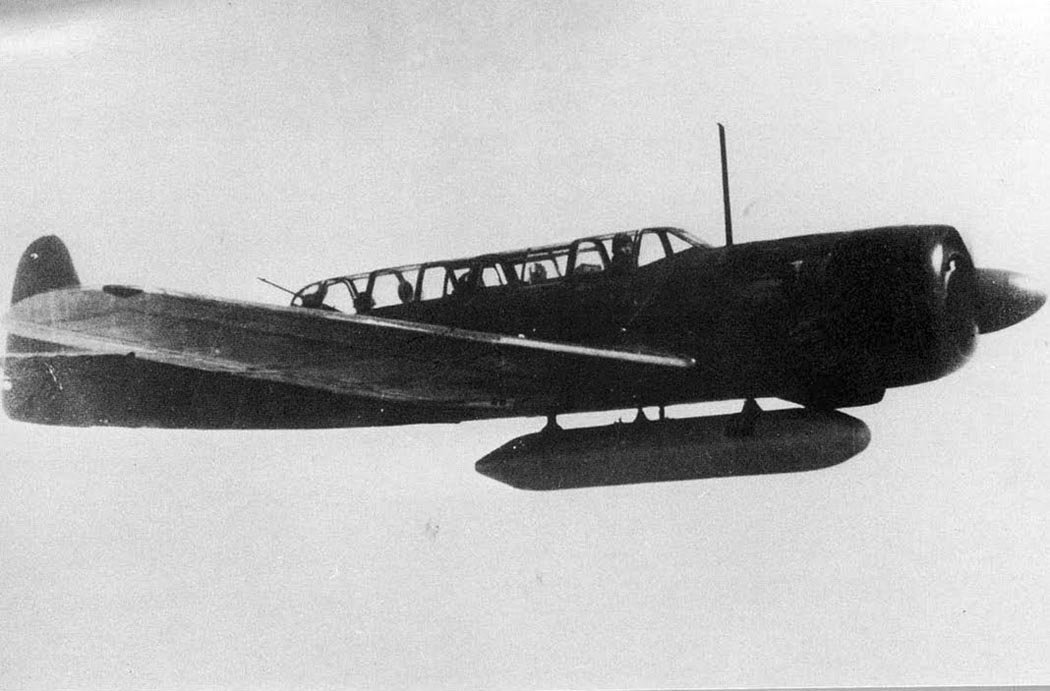
The C6N received its baptism of fire in the skies over the Mariana Islands. The aircraft made a strong impression on the Americans, who were shocked by its speed and flight range, which, with the use of a 762-liter external tank, reached 5550 kilometers. Under the code classification adopted by the USA for Japanese aircraft, the C6N was designated “Myrt.”
The reconnaissance aircraft’s high flight characteristics and its successes in early combat sorties led to the development of various modifications based on it. One such modification was a bomber-torpedo aircraft, designated C6N1-B Model 21. The conversion did not require significant changes; the attachment points for the external fuel tank were reinforced to allow the suspension of a standard 800 kg aerial torpedo or a bomb of the same caliber. Two forward-firing synchronized 13-mm machine guns were installed in the fuselage above the engine.
The aircraft was ready for serial production, but the naval battles in the Philippine Sea, during which the Japanese lost several aircraft carriers—potential carriers for these new aircraft—rendered them unnecessary and brought the project to a halt.
Unlike the torpedo bomber, the night fighter variant was used in aerial combat. The idea of creating a night fighter based on the carrier-borne reconnaissance aircraft was proposed by Commander Yasuna Kozono of the 302nd Kokutai (air group). He decided to convert several C6N1s for this purpose. The modification involved installing two 20-mm cannons in the navigator’s cockpit area at a 30-degree upward angle, similar to the “Schräge Musik” installations on German night fighters. The cannon installation was successfully carried out by the unit’s technical personnel, and the machine received the designation C6N1-S.
Flight tests revealed that, despite an insufficient ceiling, the aircraft possessed good flight characteristics. In particular, the C6N1-S remained the fastest Japanese night fighter until the end of the war. All C6N1-S aircraft were transferred to the 302nd Kokutai, based in Atsugi. However, the main drawbacks that prevented the aircraft from successfully countering the primary threat—American B-29 bombers—were the absence of onboard radar and a low ceiling.
To address these shortcomings, it was necessary to reduce the aircraft’s weight and increase the engine’s high-altitude performance. Nakajima was tasked with developing a night fighter with improved high-altitude capabilities, which involved installing a new engine with a turbocharger. This work proceeded simultaneously in several directions. In one instance, the aircraft was fitted with a Homare 24RU engine, equipped with a Hitachi Model 92 turbocharger located in the lower part of the engine compartment, and a VDM C6 P10 four-bladed propeller. This aircraft was designated C6N2 Model 12.
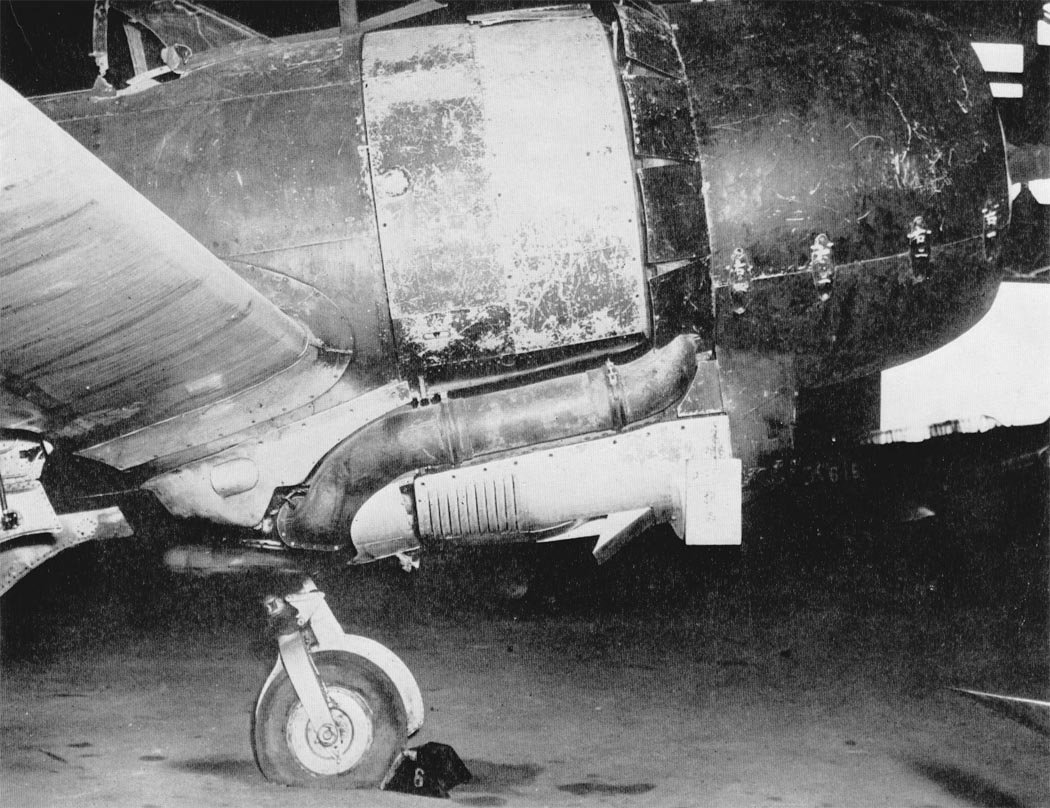
The main external distinguishing feature of the new Model 12 from Model 11 was an additional air intake for the turbocharger. Construction of the first C6N2 was completed in February 1945, and aircraft tests were conducted at Misawa Air Base until July 1945. During testing, the machine achieved a maximum speed of 639 km/h, and its ceiling increased from 8500 to 12,500 meters. Although the results confirmed the designers’ calculations, the aircraft did not enter serial production due to the unreliable operation of the turbocharger and engine.
A second variant of the high-altitude night fighter was the C6N3 KAI 1, which featured an improved Nakajima Homare 24 engine and a new turbocharger. Work on this fighter ceased with the end of the war. Concurrently, work was underway on three more aircraft modifications: C6N4 Saiun KAI 2, C6N5 Saiun KAI 3, and C6N6 Saiun KAI 4. The Kai 2 and Kai 3 aircraft were planned to be fitted with Mitsubishi MK9A (Ha-43-11) engines, rated at 2200 hp, with a Hitachi Model 10 turbocharger. The Kai 4 was intended to be constructed entirely from wood, minimizing the use of scarce steel and duralumin. However, all these developments remained only on the designers’ drawing boards and were not realized due to the war’s end.
Combat and Preservation
It should be noted that, although the C6N Saiun was designed as a carrier-borne reconnaissance aircraft for use from Taiho-class aircraft carriers, it never actually flew from a deck. The first aviation unit to receive the new machines was the 121st Kokutai, formed on October 1, 1943. This regiment was already equipped with Kugisho D4Y1-C reconnaissance aircraft, converted from D4Y1 bombers. Training on the new equipment was conducted at Katori Air Base.
In February 1944, in anticipation of another American offensive, the 121st Kokutai was stationed on Tinian Island in the Mariana archipelago. The first three C6N1s flew to the regimental airfield in mid-May 1944, and the number of new reconnaissance aircraft was subsequently increased to seven. All aircraft that became part of the 121st Kokutai belonged to the experimental series. The first combat sorties by the reconnaissance aircraft were carried out in the Marshall Islands area on May 30 and 31.
To the great disappointment of the Japanese pilots, the experimental series machines did not have external fuel tanks, and flights over such long distances were only possible with intermediate landings at Truk airbase on Nauru Island. At dawn on May 30, a C6N1 flown by Lieutenant Commander Chihaya from the Hi-kotaho unit set course for Majuro Island. Two hours later, the aircraft flew over the American naval base. The crew managed to detect and identify five aircraft carriers, several cruisers, and battleships.
Patrolling American carrier-borne fighters attempted to intercept the reconnaissance aircraft, but Chihaya, using his speed advantage, easily broke away from pursuit and successfully landed the aircraft on Nauru. The next day, Chihaya conducted a reconnaissance raid into the Kwajalein Atoll area, where a large formation of eight destroyers and two dozen transport ships was discovered. This time too, the aircraft successfully returned to base. On June 5, the crew of another C6N1 distinguished themselves. In the Majuro base area, they discovered a large formation of American ships. Until June 9, Japanese reconnaissance aircraft appeared over American naval bases three more times with impunity. F6F Hellcat fighters, with a maximum speed of 611 km/h, proved unable to counter the new C6N1s.
Despite the successful reconnaissance raids, the major naval battle that unfolded in June 1944 in the Philippine Sea was lost by the Japanese. On June 15, three C6N1 Saiun from the Yokosuka unit flew to Iwo Jima. The aircraft were intended for Operation “A,” aimed at striking an American carrier formation. However, poor weather conditions around Iwo Jima prevented the reconnaissance aircraft from operating. On June 20, the weather improved, and two C6N1s took to the air, heading towards the Mariana Islands. Along the flight route, the crews encountered not only bad weather but also a large unit of F6F Hellcat fighters, which prevented the Japanese pilots from completing their reconnaissance flight.
Although Operation “A” ended in failure, the Japanese General Staff continued to believe that the war could still be won through a single decisive strike. To conduct this, the T-kogeki Butai special air group was formed in the summer of 1944. It comprised the most experienced crews of the Imperial Navy Air Arm, and the best Mitsubishi Ki-67 Hiryu bombers from the 762nd Kokutai were allocated to the group. Air reconnaissance for the group was entrusted to the 11th Hikotai, commanded by Lieutenant Commander Takagi, which included D4Y1-C, Ki-46, and C6N1 Saiun aircraft.
The crews of the T-kogeki Butai special air group first engaged in combat during the Battle of Formosa, which lasted from October 12 to 16, 1944. On the first day of the battle, three C6N1s took off for reconnaissance; two of them were intercepted and shot down. Two days later, another C6N1 successfully completed a reconnaissance flight. At 16:32, its crew discovered American ships off Ishigaki Island, and 45 minutes later, two aircraft carriers. As a result, over the next few days, torpedo bombers from the T-kogeki Butai attacked the discovered ships.
In the autumn of 1944, the main battles unfolded in the Philippine Islands area. C6N1s from the 12th and 4th Hikotai also took active part in these battles. The first four C6N1s arrived on Negros Island on October 27 and conducted a reconnaissance flight the very next day. Under the complete air superiority of US aviation, the 12th and 4th Kokutai suffered significant losses, and by mid-November, virtually no serviceable C6N1s remained. However, the Japanese command did not withdraw reconnaissance units from the combat zone. Soon, ten C6N1s and several D4Y1-Cs arrived to reinforce them. But by January 1945, no more than three serviceable C6N1s remained in the Philippines, and in early February, their personnel were transferred to Formosa (Taiwan).
The only reconnaissance unit remaining in the Philippine archipelago at this time was the 102nd Hikotai, which was equipped with D4Y1-C and Ki-46 aircraft. But these machines were also quickly lost in aerial combat. Starting in June 1944, Japanese cities and industrial areas began to be subjected to massive bombings by heavy American B-29 bombers. Initially operating from Chinese territory, these aircraft could only reach certain areas of Japan. After the American capture of the Mariana Islands and the establishment of airbases there, B-29s were able to reach any point on Japanese territory.
The Imperial Navy Staff developed an operation to attack American airfields to disable them and destroy the B-29s located there. The operation was designated Mitate No. 1, aiming to destroy the maximum number of B-29s while they were on the ground. To accomplish this, the Japanese formed a unit of twelve pilots from the 317th Hikotai, temporarily subordinated to the 252nd Kokutai. The task was formulated simply enough: to carry out a bomb and machine-gun attack on aircraft parking areas, and after expending all ammunition, to crash their planes into them.
At 8:00 on November 27, 1944, twelve Reisen bombers took off from Chidori airfield on Iwo Jima. To prevent navigational error, the group was led by two C6N1s from the 12th Hikotai. In addition to navigation support, the C6N1 crews were tasked with recording the results of the strike. After two hours of flight to the target, one of the C6N1s was forced to return due to engine problems. Only the other C6N1 continued the flight. At 10:40, it changed course and separated from the strike group’s combat formation to approach the Mariana Islands from the south, while the Reisen strike group approached from the north. Before beginning observation of the attack, the reconnaissance crew photographed military targets on Tinian and Saipan islands.
The attack on the American airbase began at 13:10. In the first pass, the Japanese managed to destroy two B-29s and severely damage a third. They also set several P-47 fighters on fire. After two passes, the surviving Reisen pilots crashed their aircraft into the aircraft parking areas, ultimately doubling American losses. All Japanese pilots from the strike group perished, while the C6N1 crew returned to Iwo Jima at 15:17. On December 1, 1944, Vice-Admiral Teraoka, commander of the 3rd Kantai, presented C6N1 pilot Hiroshi with a commendation for exceptional courage and skill.
The Japanese General Staff, seeing the front gradually approaching the home islands, made desperate attempts to change the situation. One such attempt was Operation Asuza, which envisioned an attack on the American fleet in the Ulithi area. In late January 1945, seven C6N1s from the 3rd Hikotai and 752nd Kokutai flew to the airbase in Truk. The operation began on February 11. A flight of reconnaissance aircraft departed for its first, and as it turned out, last reconnaissance flight. Two aircraft had to return to base due to technical problems, and the third crashed into the Pacific Ocean, failing to reach its target. To cap off all the troubles, the 3rd Hikotai lost its commander, who died in one of the subsequent combat sorties.
Thus, by February 12, only three C6N1s remained operational. Of these, only one was able to perform combat missions, necessitating several reconnaissance flights per day. Due to the loss of almost all material, the remnants of the 3rd Kokutai were moved to the rear for reorganization, replaced by the 102nd Kokutai, which successfully operated from February 13 to May 12, conducting reconnaissance flights of enemy naval formations and monitoring the situation at B-29 basing airfields.
On February 13, a C6N1 crew discovered ships of the American strike group heading to attack Iwo Jima and the Japanese Islands. The new commander of the 3rd Kokutai, Takuma Miki, was also aboard the reconnaissance aircraft. On March 14, C6N1 crews performed seven reconnaissance flights of the American strike group heading to attack Okinawa. One of the crews managed to locate it and guide an air strike to the ships. However, given the situation, Operation Asuza had to be postponed, and efforts focused on the defense of the home islands. Nevertheless, C6N1s from the 3rd Kokutai carried out reconnaissance flights on March 9 and 11 to locate American fleet formations.
As a result of four reconnaissance flights, 23 aircraft carriers, 18 battleships, 32 cruisers, and a large number of other ships were discovered. Two days later, Japanese Kugisho P1Y1 Ginga bombers attacked the American ships. However, only one Japanese pilot managed to break through to the aircraft carrier Randolph. To determine the results of the attack, Saiun aircraft performed six reconnaissance flights.
In the Battle of Okinawa, C6N1 crews successfully carried out a variety of tasks: reconnaissance of enemy troops, designation of their forward units, assessment of damage inflicted on the enemy, weather reconnaissance, and passive jamming of American radars. The 11th Hikotai showed the greatest activity in the combat sector. C6N1s from the 132nd, 653rd, and 765th Kokutai also participated in the battles. Similar tasks were assigned to C6N1s based in Japan itself.
Great success accompanied the crew of Mitsuru Takeda from the 4th Hikotai of the 343rd Kokutai. On March 19, 1945, his crew discovered a group of American aircraft heading towards Cape Kure, which allowed the Japanese to prepare for the enemy. Kawanishi N1K2-J Shiden-KAI fighters were scrambled for interception. Japanese pilots managed to destroy 52 American carrier-borne aircraft in one battle, including 48 Hellcat and Corsair fighters and four Helldiver bombers. The Japanese lost only six of their own machines, including one C6N1 Saiun reconnaissance aircraft.
Cases of combat use of C6N1-S night fighters were noted in late summer 1945. The first modified C6N1 Saiun departed on a combat mission on the night of August 1-2, 1945. The aircraft’s crew managed to locate a B-29 bomber and fired at it with its onboard cannons. The B-29 sustained damage, but there is no precise data on its destruction.
On July 24 and 25, 1945, Japanese fighters in the Kure area attacked British carrier-borne aircraft from carriers of Task Force 57. The crew of a C6N1 Saiun from the 102nd Hikotai, observing the British aircraft, managed to determine the location of the aircraft carriers, which were soon attacked by Japanese Aichi B7A1 Ryusei bombers from the 5th Hikotai. Lieutenant Eiichi Fuji’s aircraft managed to penetrate the air defense system and strike one of the aircraft carriers. A repeat strike on the carrier formation was carried out on August 9 and 13 by Ryusei aircraft. The results of the strike were determined by a pair of C6N1 Saiun from the 102nd Hikotai.
On the last day of the war, August 15, 1945, four C6N1 Saiun from the 11th Hikotai were conducting reconnaissance flights of enemy ship formations. At 5:40 AM, one of them was intercepted and destroyed by US Army Air Forces First Lieutenant Reidy—the Japanese reconnaissance aircraft became the last plane shot down in World War II.
After Japan’s surrender, five C6N1 Saiun aircraft fell into American hands and were transferred to the USA for testing. Today, a single C6N1 with serial number 4161 survives. It is located in the National Museum of the United States Air Force in Dayton, Ohio.
Design and Specifications of the C6N1 Saiun
The single-engine Nakajima C6N1 Saiun carrier-borne aircraft was produced in reconnaissance variants (C6N1, C6N2) and basic night fighter variants (C6N1-S and C6N3-S). The reconnaissance aircraft crew consisted of three people—pilot, navigator, and radio-gunner—while the night fighter had two: pilot and radio-gunner.
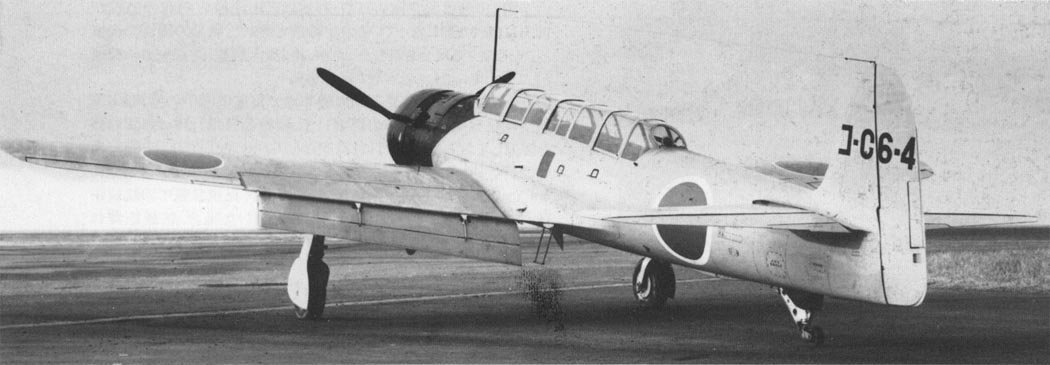
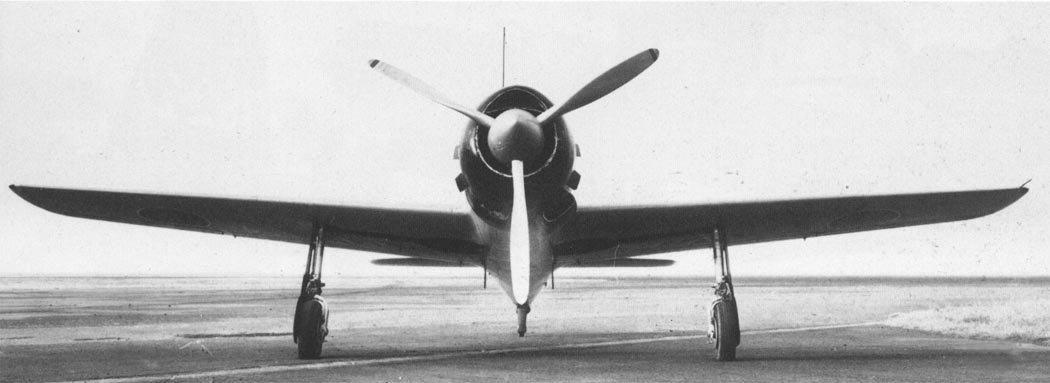
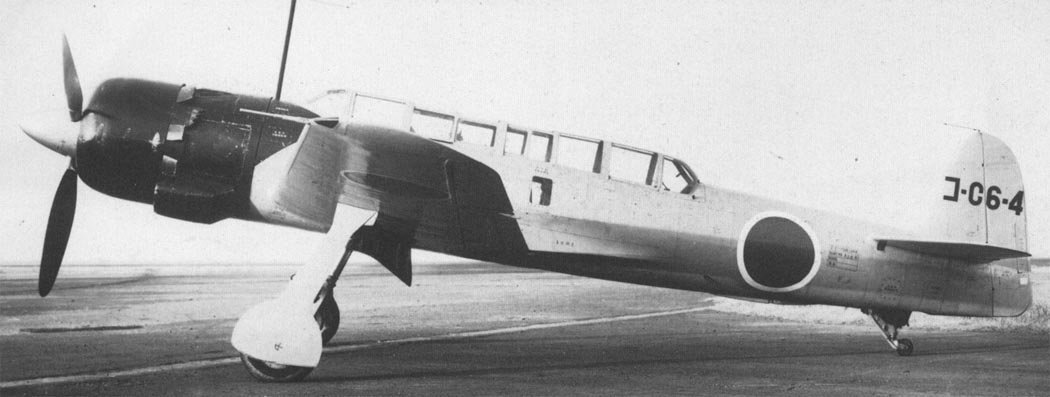
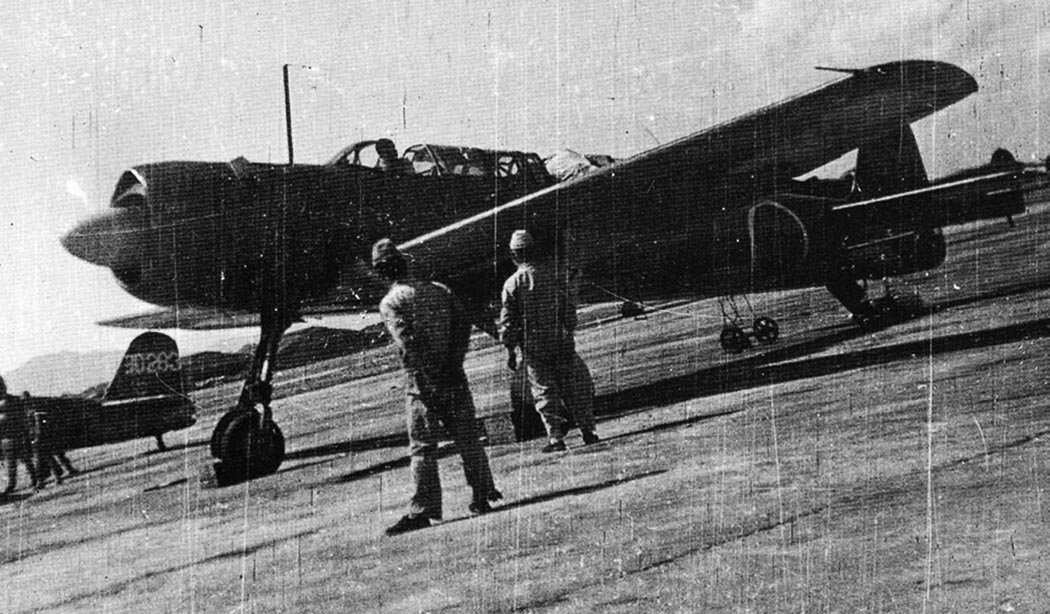
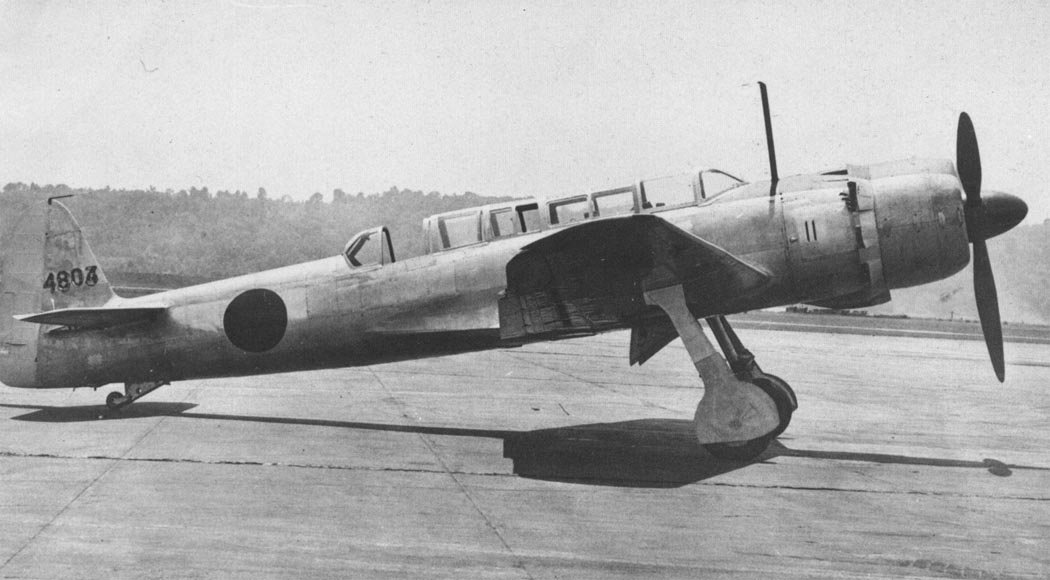
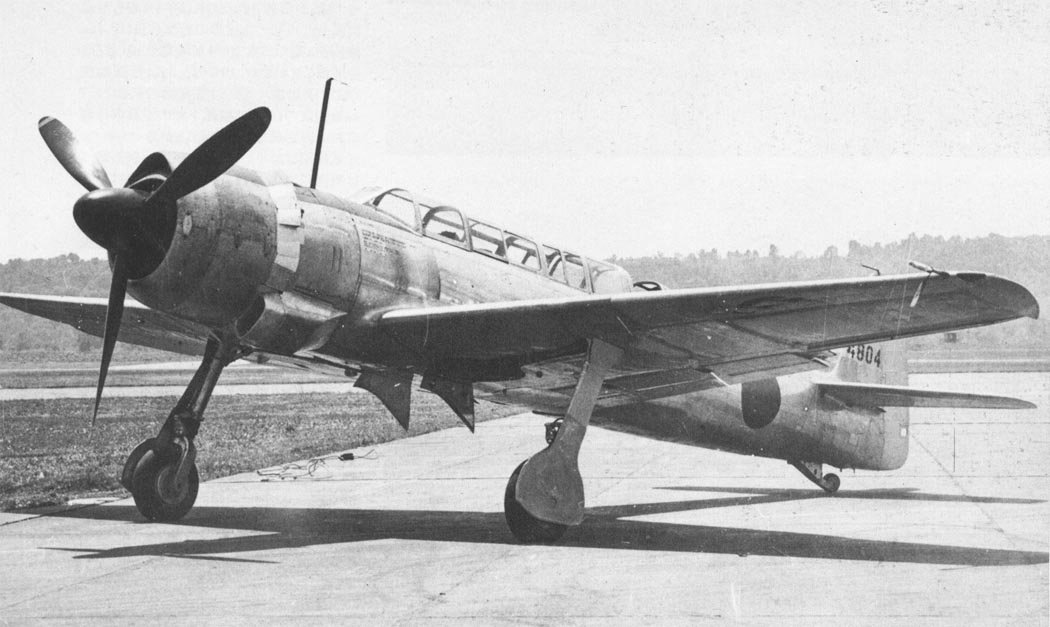
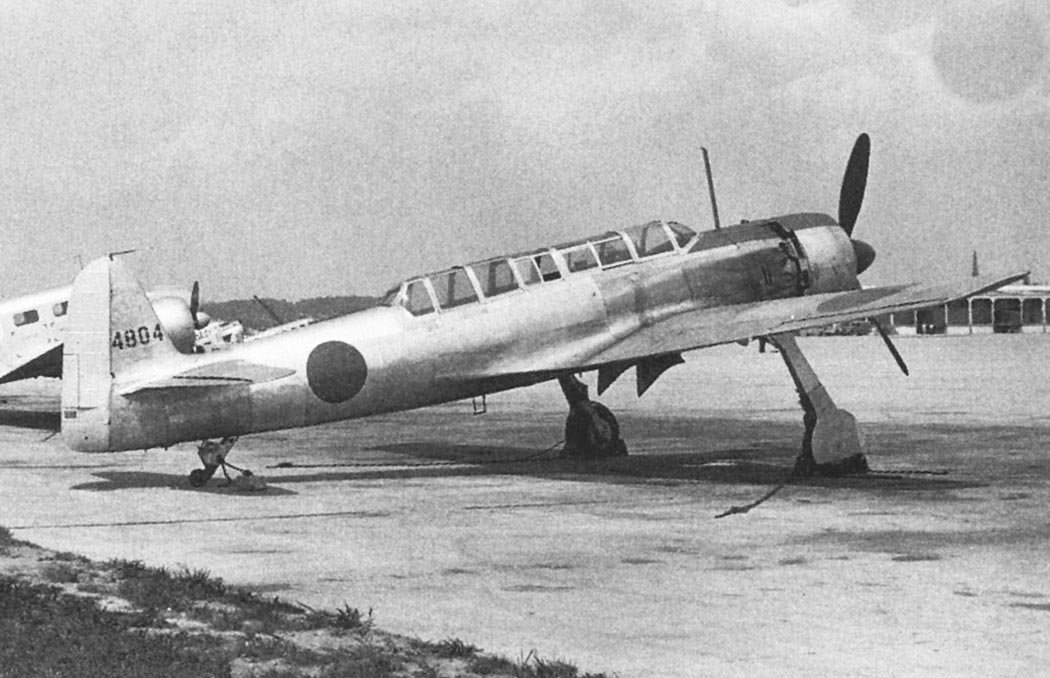
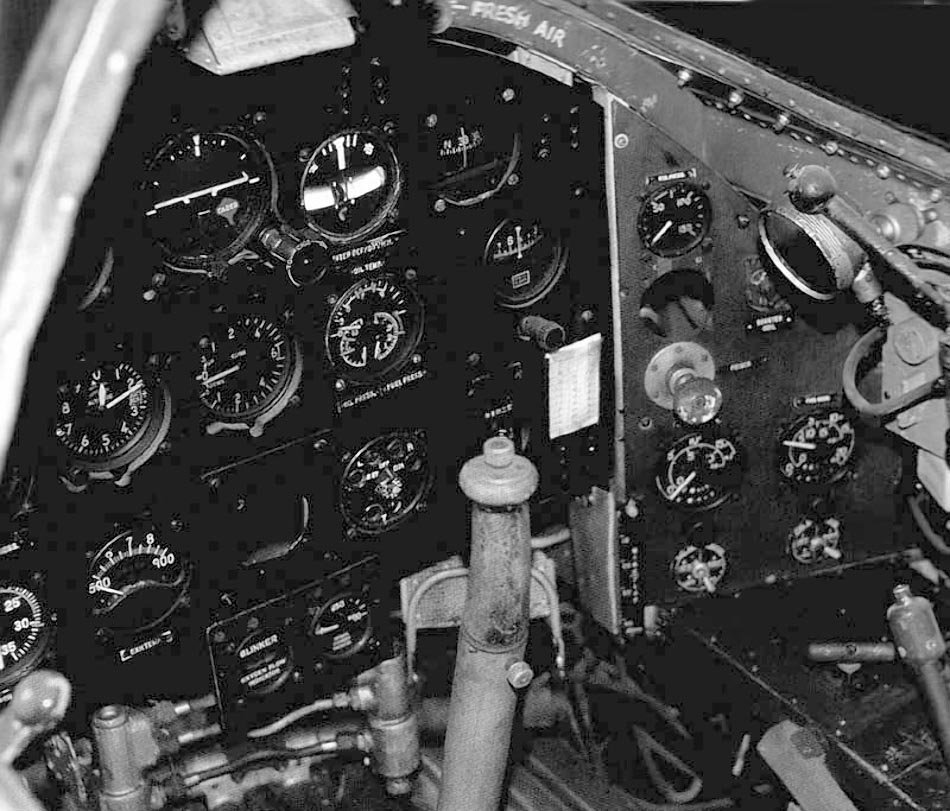
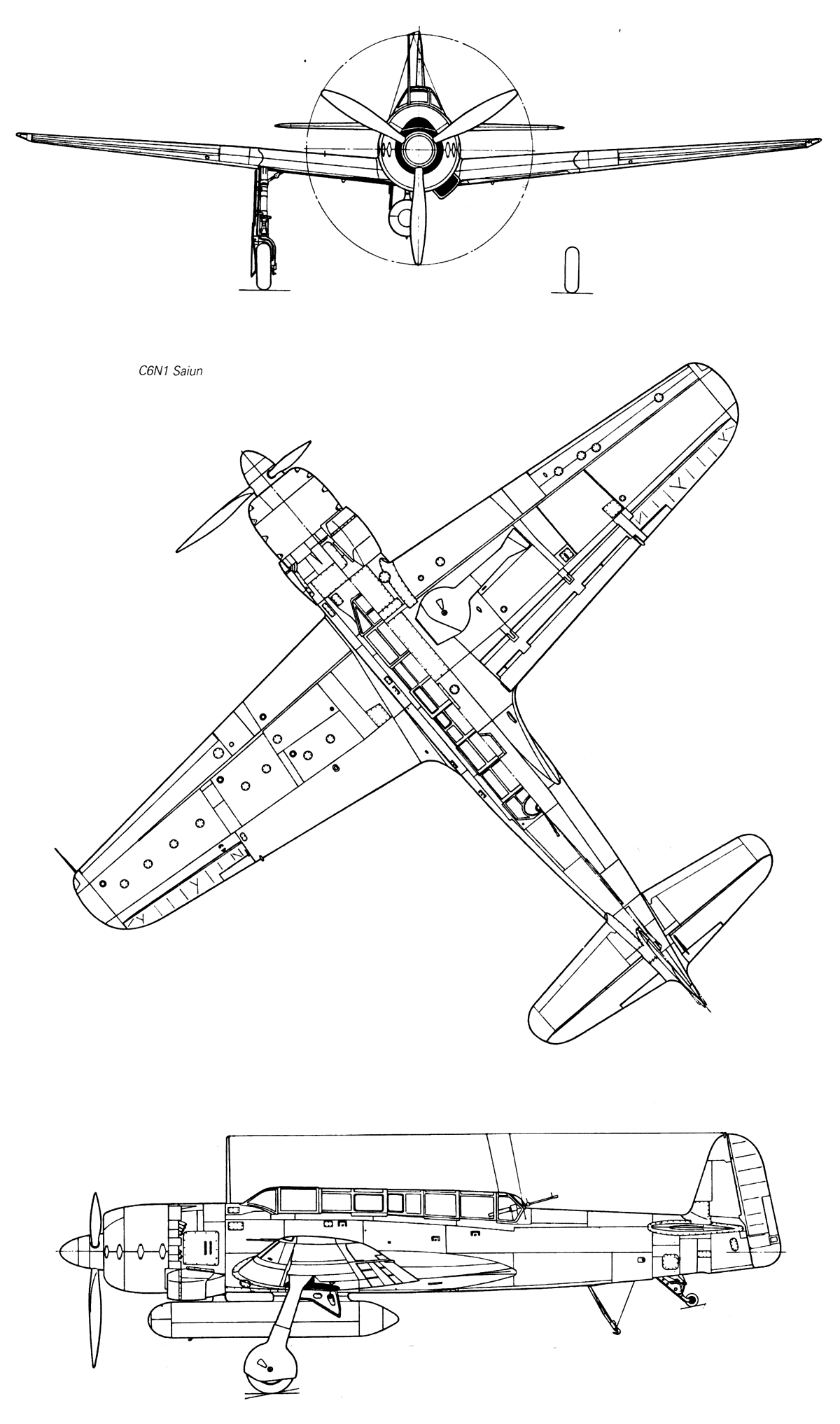
The all-metal aircraft was a low-wing monoplane. The semi-monocoque fuselage had a relatively small frontal area, significantly reducing its drag. The forward fuselage housed the engine, fuel automation units, and an oil tank with an oil cooler. The central fuselage contained a fully glazed cockpit, where crew members were arranged in tandem. The instruments and equipment in the pilot’s cockpit allowed for flight in both simple and complex weather conditions, day and night. The sliding canopy section for the pilot opened by moving backward.
Immediately behind the pilot was the navigator (who, by Japanese tradition, served as the crew commander). The navigator’s cockpit housed navigation equipment and F-8 and K-8 cameras. The camera windows were located in the lower part of the fuselage. In the bomber-torpedo variant, additional aiming equipment was installed in the navigator’s cockpit. A special rectangular window in the cockpit floor was positioned above the cameras.
Behind the navigator was the radio-gunner. His cockpit housed radio station units and a defensive 7.92-mm Type 1 machine gun. In the C6N1-S night fighter variant, the crew consisted of two people—pilot and radio-gunner—and the navigator’s cockpit area housed the cannon installation.
The tail section of the fuselage, also of monocoque construction, carried the fin, stabilizer, arresting hook, and tail wheel landing gear. The aircraft’s wing was all-metal, two-spar, with a small aspect ratio and area. The wing spars were I-beam section. The wing profile was laminar, NACA 63. The ribs were of truss construction. The low aspect ratio wing design allowed for non-folding outer wing panels. The free volume between the spars was occupied by fuel tanks.
To ensure an acceptable landing speed, the wing was fitted with large-span, double-slotted Fowler flaps that occupied the entire trailing edge of the wing, from the aileron to the fuselage. The first flap section deflected 45 degrees, and the second section (relative to the first) deflected another 20 degrees. The ailerons were installed along the trailing edge of the wing and deflected upwards by 25 degrees and downwards by 18 degrees. In landing mode, the ailerons deflected downwards by 15 degrees and upwards by 10 degrees. To reduce control stick forces, the ailerons were equipped with trim tabs. Automatic leading-edge slats were located on the leading edge of the wing (at half-span). The upper and lower wing skin panels had numerous access hatches, facilitating aircraft maintenance. The main landing gear bays were also located in the lower part of the wing. The Pitot tube was installed on the left wing panel.
The tail unit was conventional. The fin was two-spar, with duralumin skin, and had a small incidence angle relative to the aircraft’s axis to compensate for propeller torque. The transverse structure of the fin consisted of stamped ribs. The rudder was duralumin, with fabric covering. A trim tab was installed on the rudder to reduce forces on the foot pedals and for balancing. To fit within the limited dimensions of an aircraft carrier’s elevator for deck basing, the rudder folded forward along the left side of the fuselage when parked and was fixed in that position.
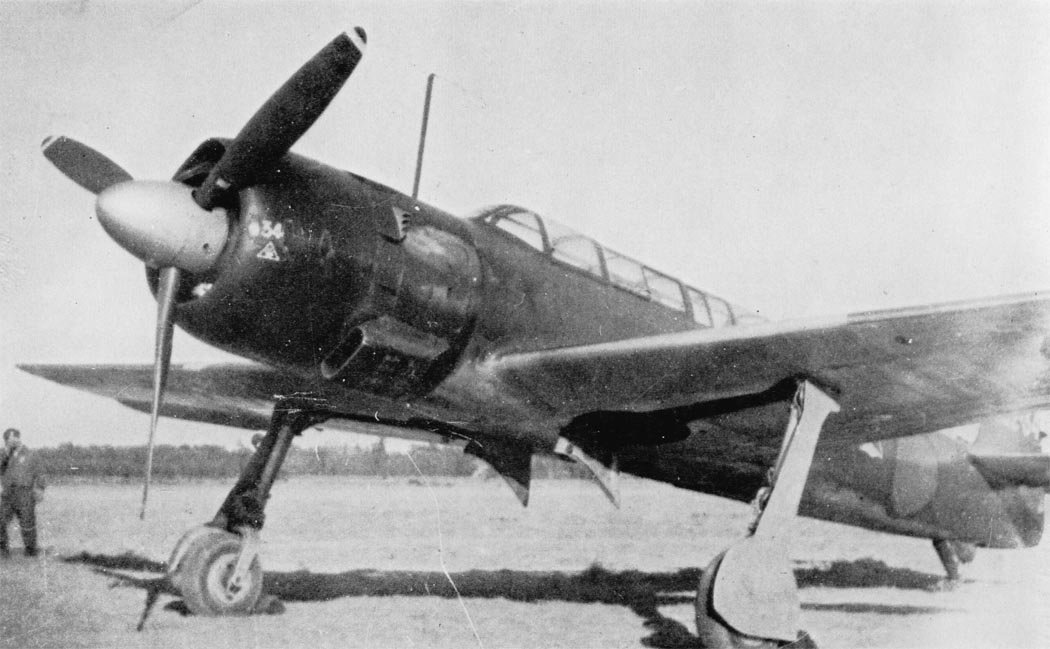
The stabilizer had a similar two-spar construction. The stabilizer skin was duralumin. The elevator was also duralumin, with fabric covering and a trim tab. Control of all control surfaces was rigid, via the control stick and pedals. The landing gear was retractable, tricycle-type, with a tail wheel. The main landing gear retracted into the wing. The retraction system was hydraulic. The main landing gear wheels were equipped with pneumatic drum brakes. The main landing gear struts had considerable height, allowing a large fuel tank to be housed under the fuselage. The tail landing gear retracted into the fuselage, rearwards. An arresting hook was installed in front of the tail wheel, retracting into a special niche in the lower part of the fuselage.
The powerplant on the C6N1 prototype consisted of an 18-cylinder air-cooled Nakajima NK9A Homare 11 (Ha-45-11) radial engine with a takeoff power of 1800 hp, driving a four-bladed metal propeller of 3500 mm diameter. Ten wing fuel tanks held 1366 liters of fuel.
Serial production C6N1 Model 11, C6N1-S, and experimental C6N1-B Model 21 aircraft were equipped with 18-cylinder air-cooled Nakajima NK9A Homare 21 (Ha-45-21) radial engines with a takeoff power of 1990 hp, driving a three-bladed all-metal variable-pitch (VP) VDM C6 P10 propeller, manufactured under German license. The capacity of the wing fuel tanks was 1340 liters.
Experimental C6N2 Model 22 and C6N3 KAI 1 aircraft were fitted with 18-cylinder air-cooled Nakajima NK9K-L Homare 24 (Ha-45-24) radial engines with a takeoff power of 2000 hp, driving a four-bladed metal propeller of 3500 mm diameter. The capacity of the wing fuel tanks was 1340 liters.
C6N4 KAI2, C6N5 KAI3, and C6N6 KAI 4 aircraft were planned to install Mitsubishi MK9A (Ha-43-11) engines with a Hitachi Model 10 turbocharger, rated at 2200 hp. A characteristic external feature of this modification was the installation of a tunnel-type oil cooler offset to the left of the aircraft’s axis, which freed up the lower fuselage for accommodating an enlarged fuel tank, torpedo, or bomb.
In all cases, the engines were mounted on a steel tube engine mount, secured to the first main frame. The engine cowling consisted of quick-release panels, providing convenient access to all components of the engine compartment. Cooling airflow was regulated by flaps at the rear of the cowling. Between the engine and the firewall were a 56-liter oil tank, electric starter, generator, and fuel and hydraulic booster pumps.
The armament of the C6N1 consisted of a defensive 7.92-mm Type 1 machine gun (a licensed German MG15) with a rate of fire of 1250 rounds per minute, mounted on a pintle in the radio-gunner’s cockpit. The ammunition load was 825 rounds, distributed in 11 box magazines of 75 rounds each. Spare magazines were stored in a special bag on the right side of the gunner’s cockpit.
The armament of the C6N1-B included two forward-firing 13-mm Type 2 machine guns, installed in the upper fuselage forward of the pilot’s cockpit, and one defensive 7.92-mm Type 1 machine gun, located in the radio-gunner’s cockpit with 500 rounds per barrel. An 800-kg bomb or a torpedo of the same weight could be suspended from the under-fuselage hardpoint.
The armament of the C6N1-S and C6N3 KAI 1 aircraft consisted of two 20-mm Type 99 cannon installations (or one 30-mm cannon), mounted in the navigator’s cockpit and angled 30 degrees upwards relative to the aircraft’s horizontal axis. No defensive machine gun was included.
Technical Specifications
| Modification | C6N1 |
| Wingspan, m | 12.50 |
| Length, m | 11.00 |
| Height, m | 3.96 |
| Wing area, m2 | 22.50 |
| Empty weight | 2968 |
| Normal takeoff weight | 4500 |
| Maximum takeoff weight | 5260 |
| Engine type | 1 Piston engine Nakajima NK9H Homare-21 |
| Power, hp | 1 x 1900 |
| Maximum speed, km/h | 606 |
| Cruising speed, km/h | 387 |
| Practical range, km | 5300 |
| Combat range, km | 3320 |
| Maximum rate of climb, m/min | 736 |
| Service ceiling, m | 10470 |
| Crew, crew members | 3 |
| Armament | one 7.7-mm machine gun in a defensive mount at the rear of the cockpit. |
Image and diagram gallery of the Nakajima C6N Saiun (Untraceable Cloud)
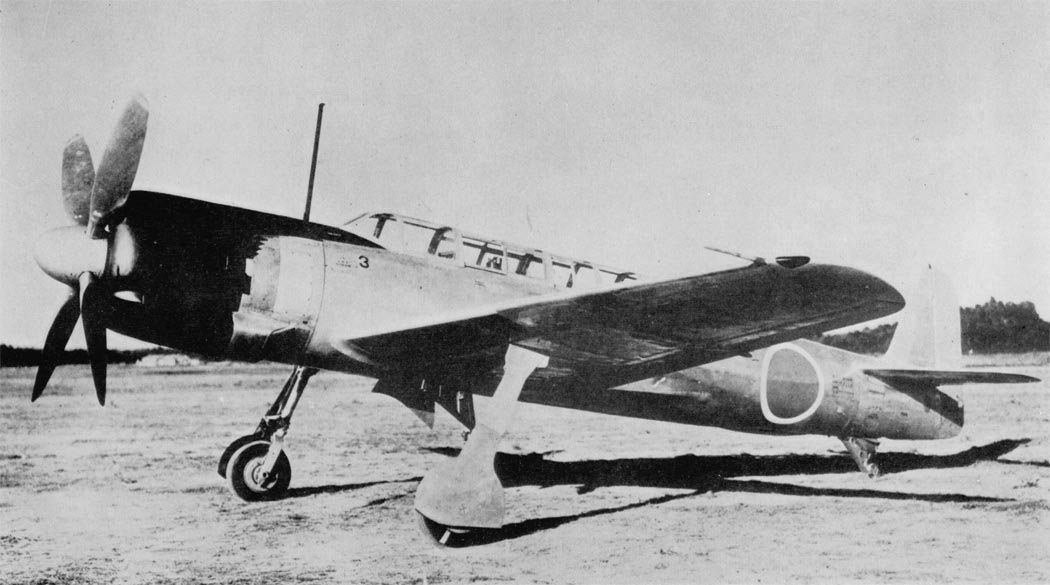 C6N Saiun |
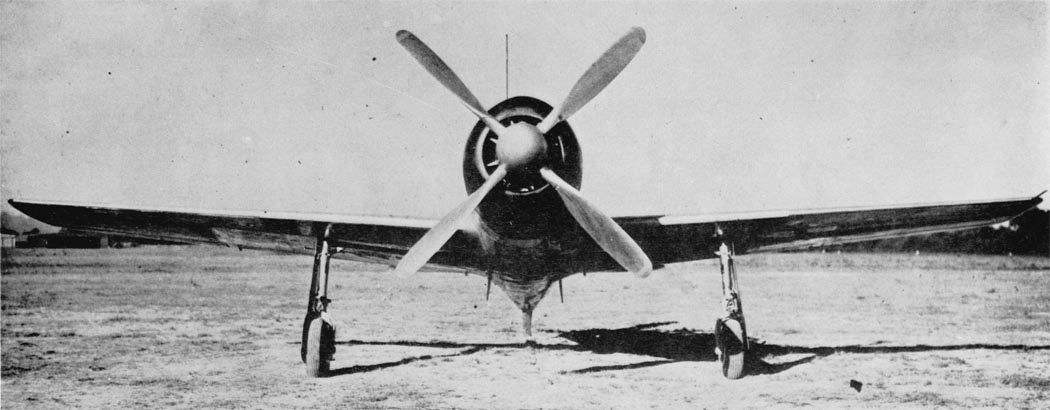 C6N Saiun |
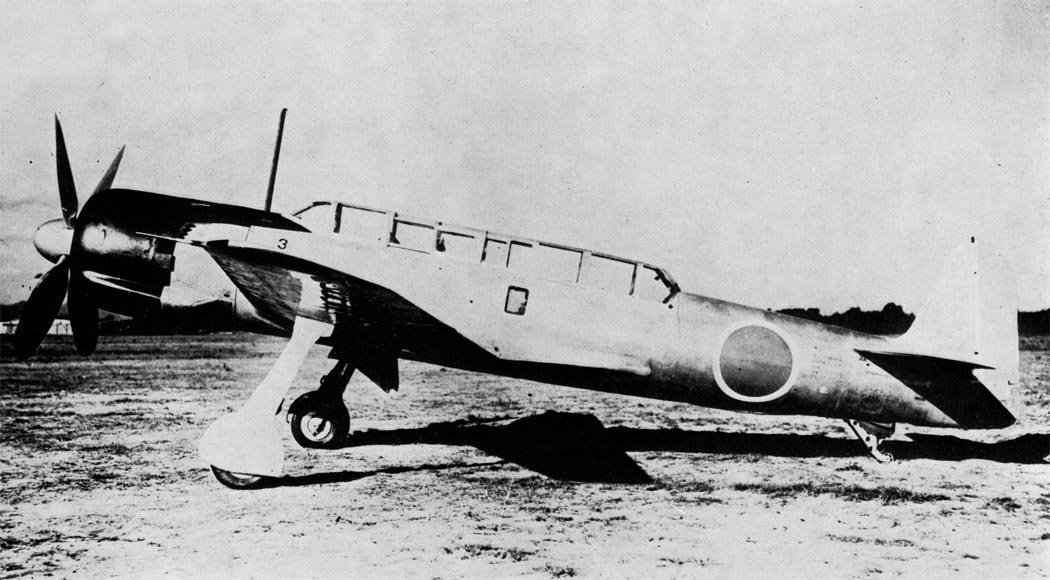 C6N Saiun |
 C6N Saiun |
 C6N Saiun |
 C6N Saiun |
 C6N Saiun |
 C6N Saiun |
 C6N Saiun |
 C6N Saiun |
 C6N Saiun |
 C6N Saiun |
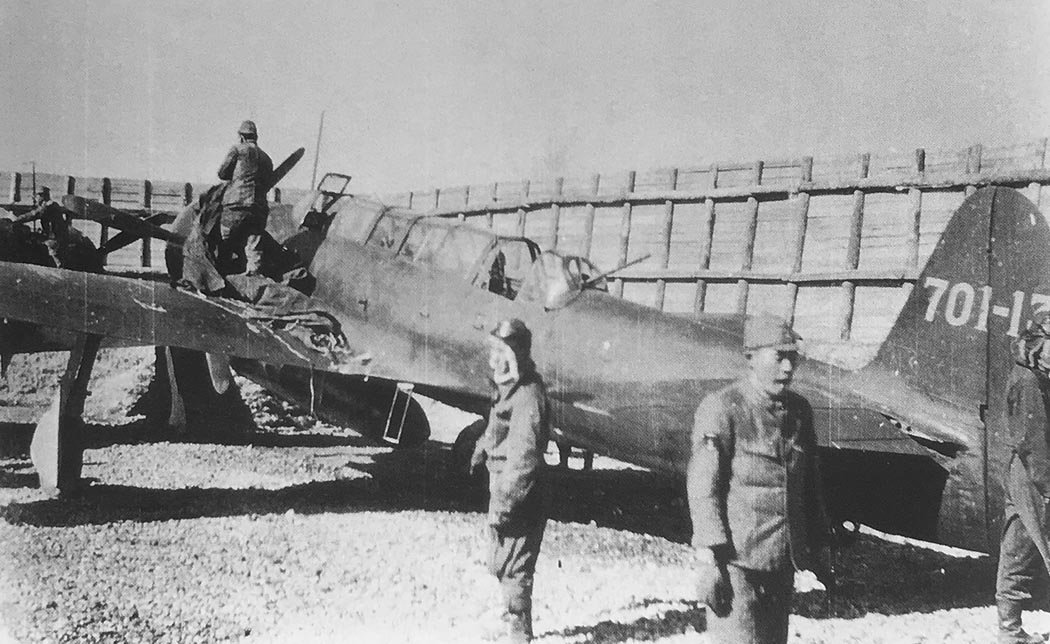 C6N Saiun |
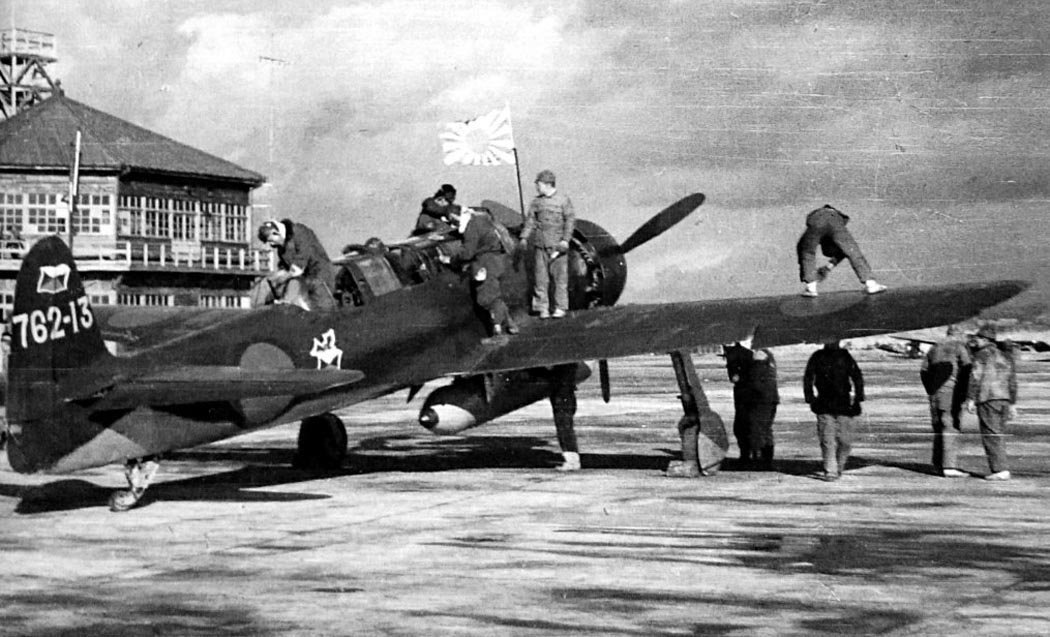 C6N Saiun |
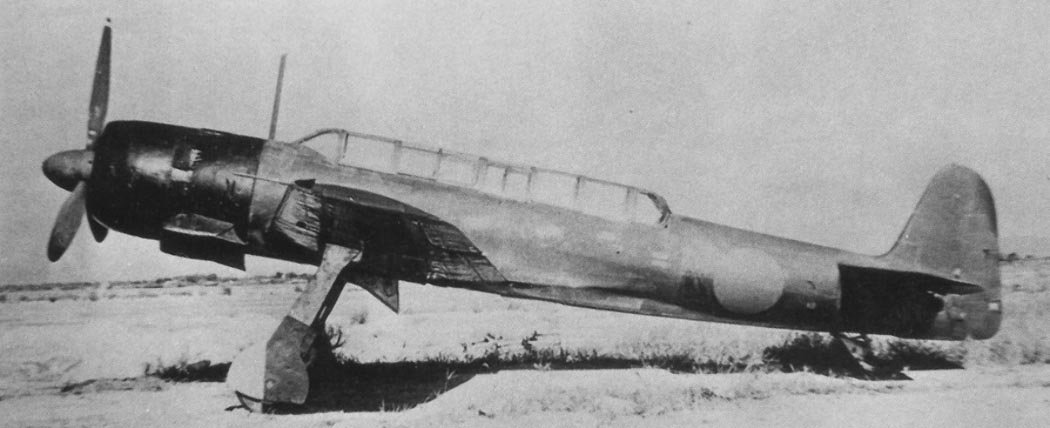 C6N Saiun |
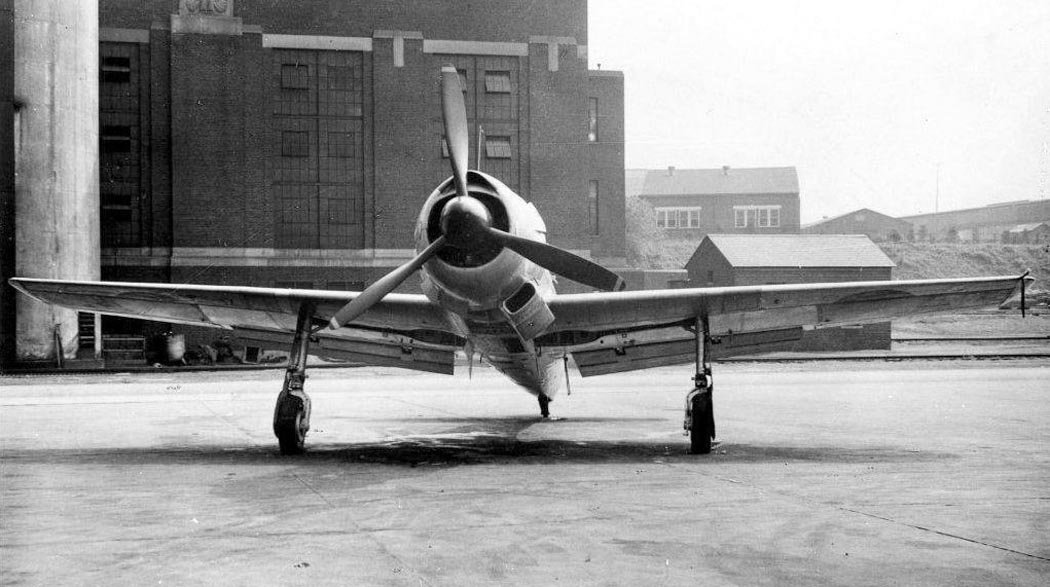 C6N Saiun |
 C6N Saiun |
 C6N Saiun |
 C6N Saiun |
 C6N Saiun |
 C6N Saiun |
 C6N Saiun |
 C6N Saiun |
 C6N Saiun |
 C6N Saiun |
ArchivoAéreo Editorial Team
A group of aviation researchers and enthusiasts dedicated to documenting and preserving global aeronautical history. All articles are reviewed to ensure historical accuracy.
Sources & Accuracy
The information presented in this technical sheet has been compiled from declassified flight manuals, historical archives, and specialized literature. While we strive for maximum accuracy, some performance data may vary depending on the specific variant or operational conditions.