Northrop Beta
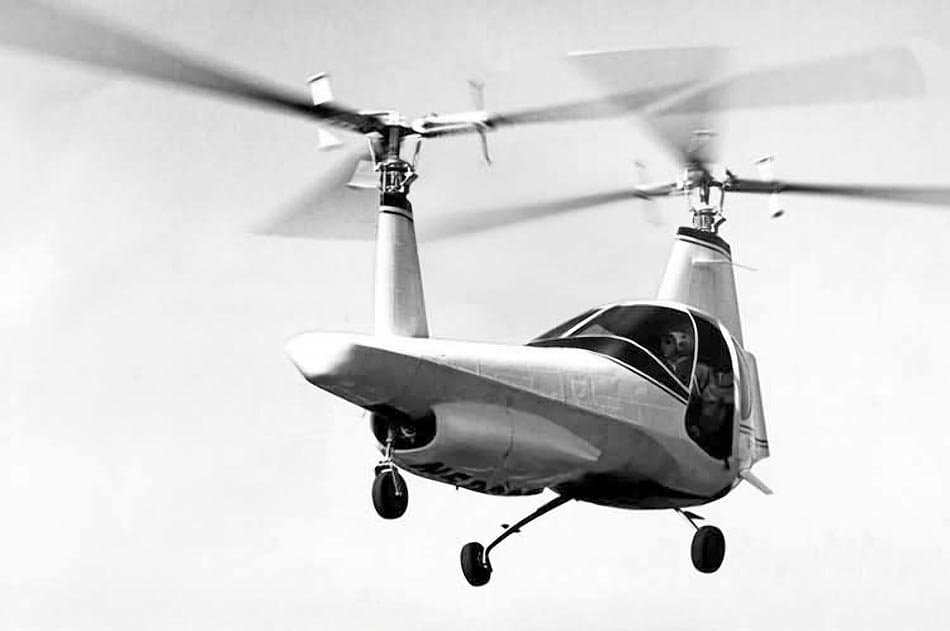
Northrop, building on the success of its Alpha model, developed the Beta sport aircraft. The prototype, known as Beta 3 (NX963Y), made its inaugural flight on March 3, 1931. It was a two-seater, all-metal low-wing monoplane, powered by a 160 hp (119 kW) Menasco Buccaneer 6 radial engine. Unfortunately, the Beta 3 crashed during a demonstration flight over California.
Evolution to Beta 3D
A second variant of the aircraft, designated Beta 3D (N12214), was constructed in 1932. This model featured a single-seat cockpit and a more powerful 300 hp Pratt & Whitney R-985-1 Wasp Jr. engine. These enhancements allowed the aircraft to achieve a top speed of 322 km/h. For context, the fastest production fighters of the US Army Air Corps (USAC) at the time, such as the Boeing P-12A and Curtiss P-6, barely reached 310 km/h.
Market Challenges and Fate
The Beta 3D was transferred to the subsidiary Stearman Aircraft for demonstration flights. However, the prevailing economic conditions in the country prevented any orders from being secured. The aircraft was resold several times before it ultimately crashed on May 4, 1934, due to a wing issue.
Technical Specifications
| Modification | Beta 3 |
| Wingspan, m | 9.70 |
| Aircraft length, m | 6. 60 |
| Aircraft height, m | 1.80 |
| Wing area, m2 | 12. 70 |
| Empty weight | 5 15 |
| Maximum takeoff weight | 8 03 |
| Engine type | 1 Piston engine Menasco Buccaneer 6 |
| Power, hp | 1 x 160-165 |
| Maximum speed, km/h | 282 |
| Cruising speed, km/h | 255 |
| Crew, crew members | 2 |
Image and diagram gallery of the Northrop Beta
 Beta |
 Beta |
 Beta |
 Beta |
 Beta |
 Beta |
 Beta |
 Beta |
ArchivoAéreo Editorial Team
A group of aviation researchers and enthusiasts dedicated to documenting and preserving global aeronautical history. All articles are reviewed to ensure historical accuracy.
Sources & Accuracy
The information presented in this technical sheet has been compiled from declassified flight manuals, historical archives, and specialized literature. While we strive for maximum accuracy, some performance data may vary depending on the specific variant or operational conditions.