Sopwith Buffalo
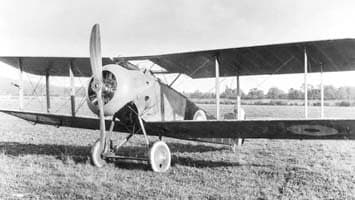
Following the Sopwith T.F.2 Salamander attack aircraft, Sopwith Aviation Co. decided to develop an aircraft classified by the British as a “patrol contact” plane. This specification required a two-seater aircraft with armor, capable of battlefield reconnaissance and limited engagement of enemy personnel with machine gun fire and light bombs. Thus, the aircraft was somewhat a “classmate” to planes like the A.E.G J.I, Albatros J.I, and Salmson 4 Ab.2.
Development and Design
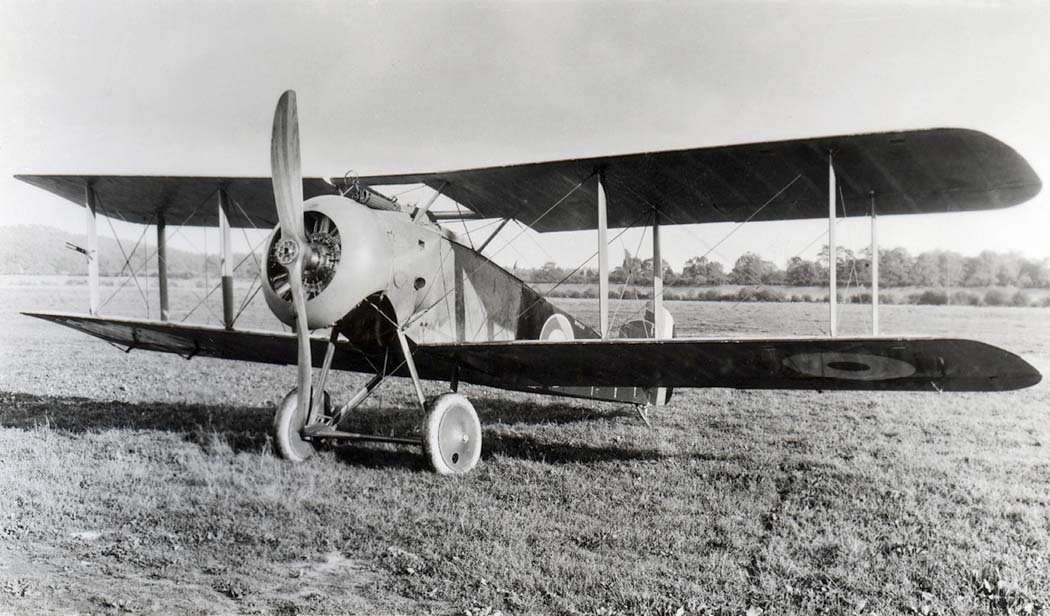
Work commenced in the summer of 1918 and progressed very quickly, as two existing aircraft were used as the foundation: the experimental two-seater Sopwith Bulldog fighter (for the tail section, wing, and empennage) and the Salamander (for the engine and armor). The armor, weighing 340 kg and 5-10 mm thick, protected both the power plant and the crew.
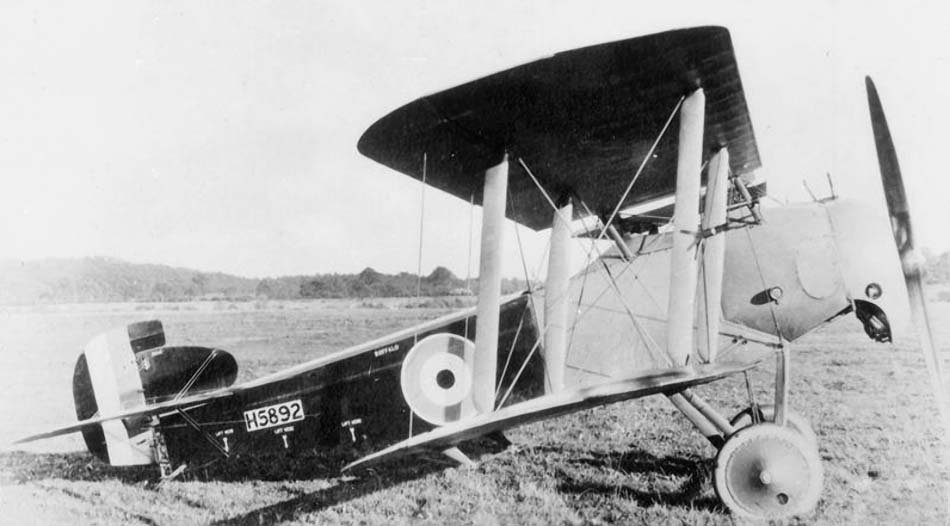
Two prototypes were ordered under contract 35a;2796/C3192, and serial numbers H5892-H5893 were assigned shortly thereafter, on September 6. The aircraft’s initial designation was Sopwith 3F-2, but by late August, it officially became known as the Sopwith Buffalo.
Flight Testing and Fate
The first prototype (H5892) made its maiden flight on September 18, 1918. Just nine days later, on September 27, the Buffalo was sent to France, although it saw virtually no combat use. The second aircraft was ready in November, having undergone several modifications, including the installation of a Scarff turret in place of the usual simple but inconvenient one.
Additionally, the armor around the observer’s cockpit was extended, and the rudder was modified. Final tests for both machines continued until the end of April 1919, yielding excellent results. On April 25, both aircraft were scheduled for deployment with the 43rd Division of the expeditionary force in Germany, but both sustained damage during their transfer flight.
It is known that H5892 was returned to England, specifically to the Brooklands base, in March 1920 and was possibly painted in a camouflage scheme similar to the Salamander. The ultimate fate of these aircraft remains unknown, and serial production was never initiated due to the cessation of hostilities at the end of the war.
Technical Specifications
| Modification | Buffalo |
| Wingspan, m | 10.29 |
| Length, m | 7.30 |
| Height, m | 2.67 |
| Wing area, m2 | 21.12 |
| Empty weight | 988 |
| Normal takeoff weight | 1393 |
| Engine type | 1 Piston engine Bentley BR2 |
| Power, hp | 1 x 230 |
| Maximum speed, km/h | 183 |
| Cruising speed, km/h | 162 |
| Rate of climb, m/min | 229 |
| Crew | 2 |
| Armament | Synchronized 7.7-mm Vickers machine gun and Lewis machine gun on turret. |
Image and diagram gallery of the Sopwith Buffalo
 Buffalo |
 Buffalo |
 Buffalo |
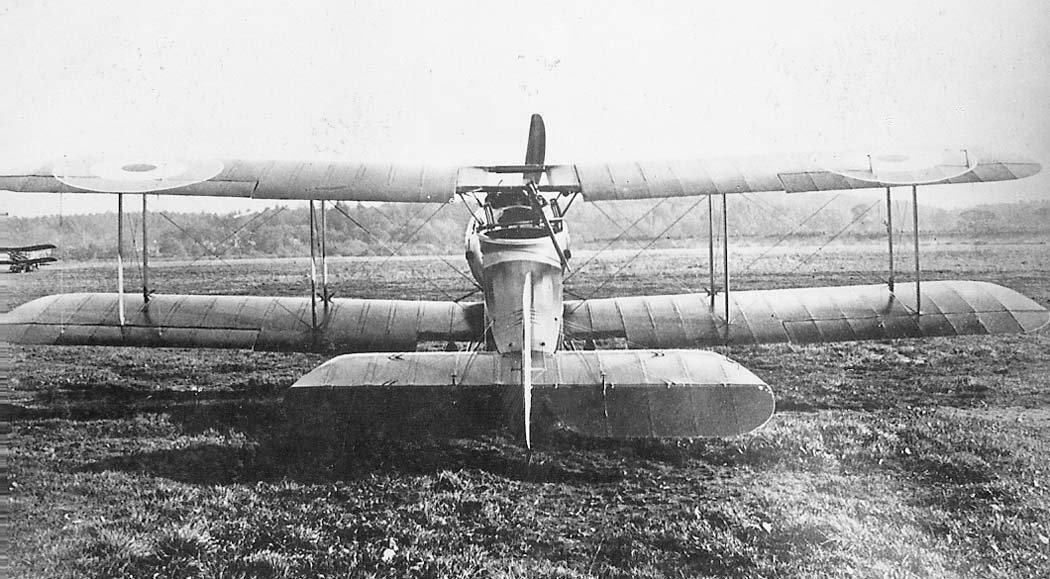 Buffalo |
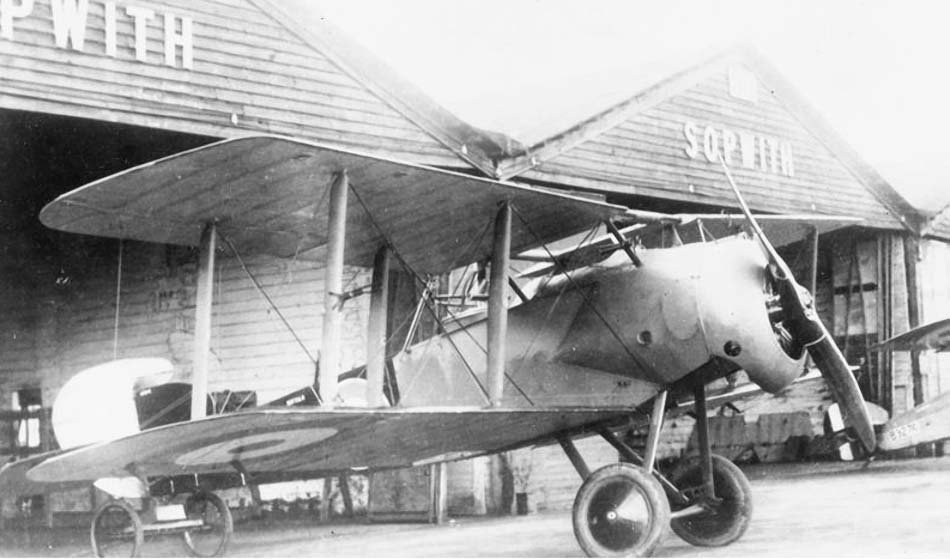 Buffalo |
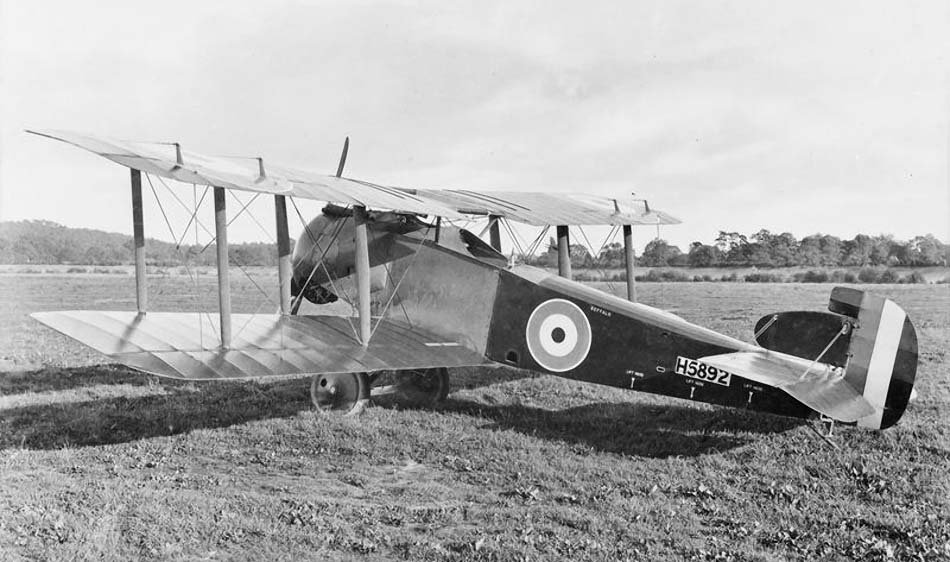 Buffalo |
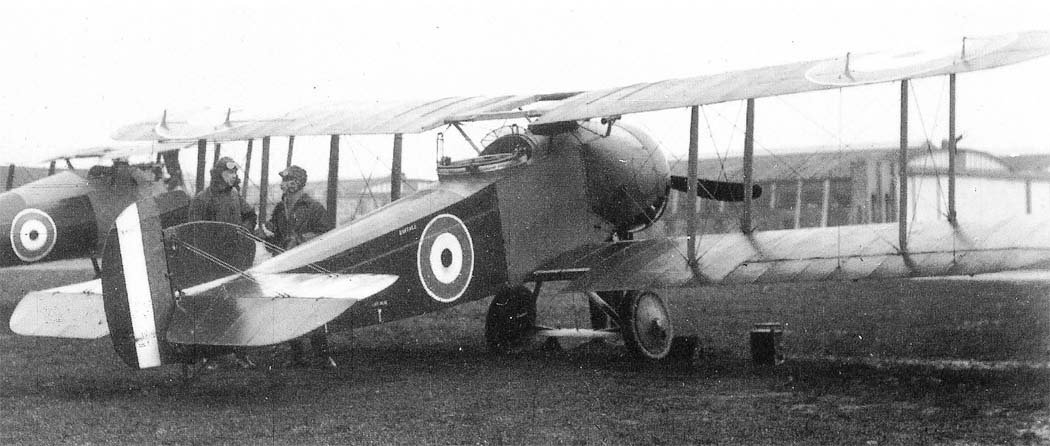 Buffalo |
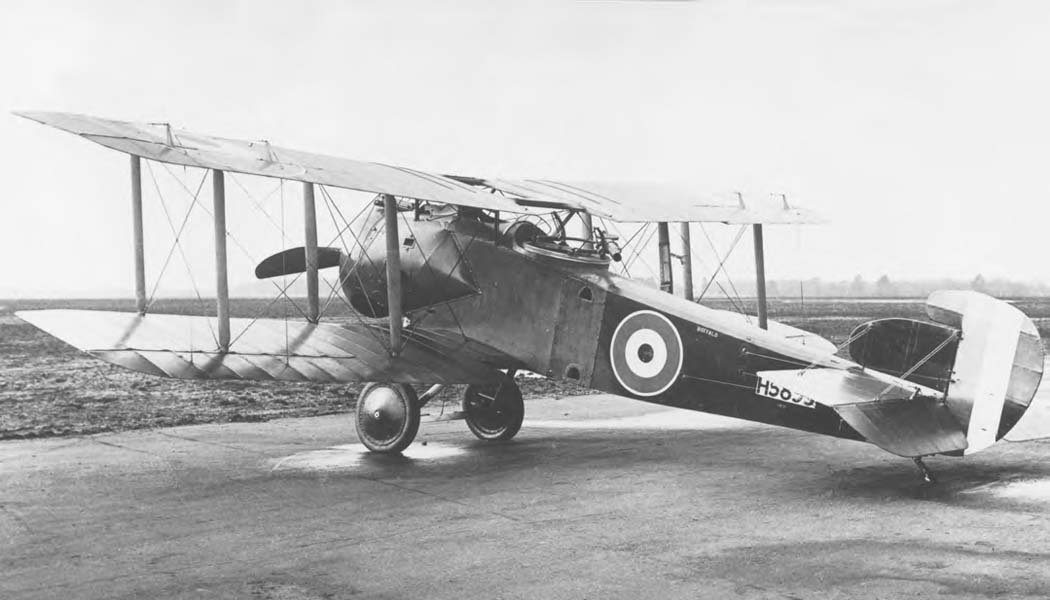 Buffalo |
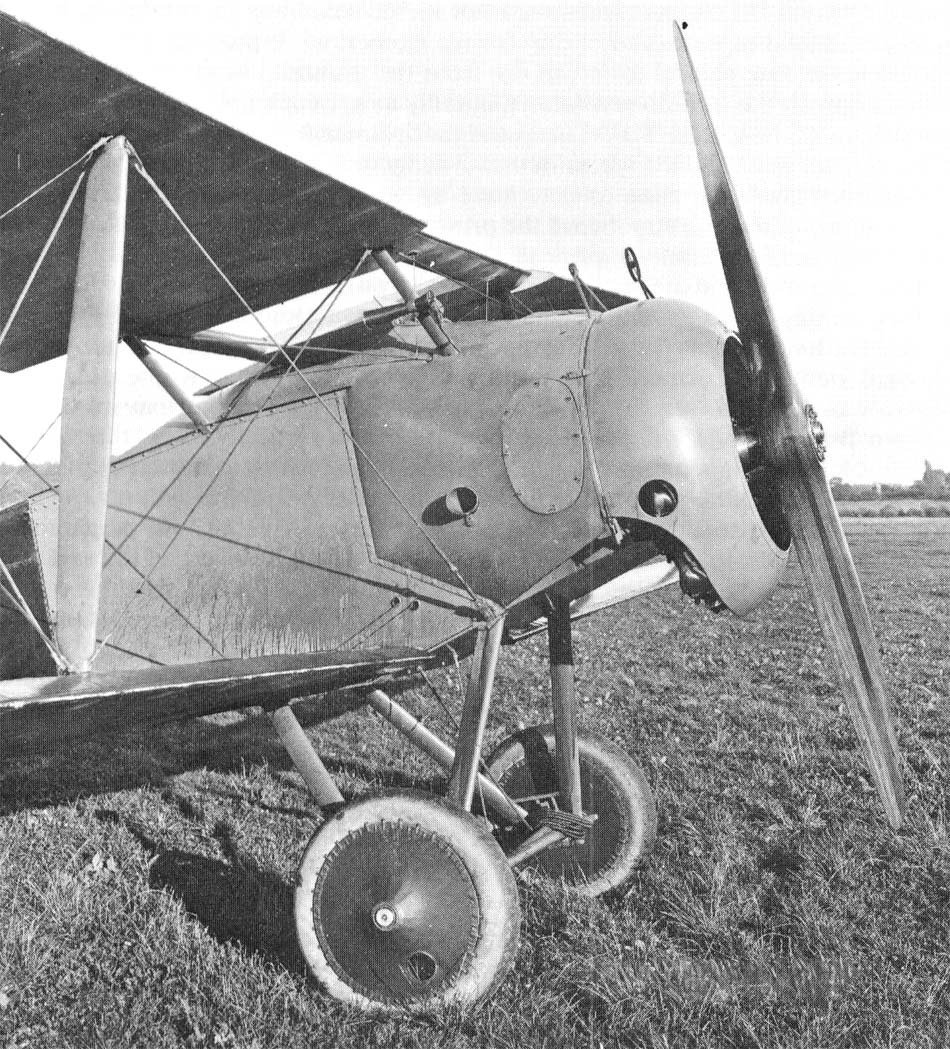 Buffalo |
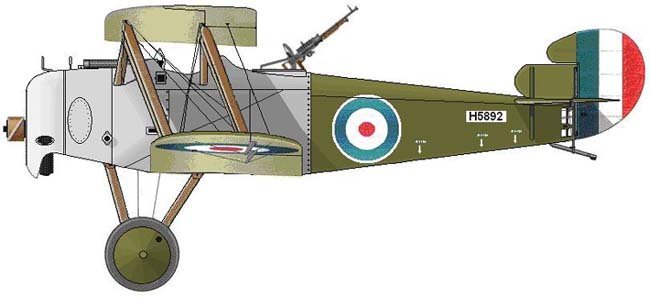 Buffalo |
ArchivoAéreo Editorial Team
A group of aviation researchers and enthusiasts dedicated to documenting and preserving global aeronautical history. All articles are reviewed to ensure historical accuracy.
Sources & Accuracy
The information presented in this technical sheet has been compiled from declassified flight manuals, historical archives, and specialized literature. While we strive for maximum accuracy, some performance data may vary depending on the specific variant or operational conditions.