American engineer Howard Huntington began his aircraft manufacturing activities in the early 1910s. In 1914, he built an unusual multiplane, and the following year, a more classic biplane with a 90-hp Gyro Duplex engine. In 1917, he designed a training aircraft for the U.S. Army, but the production contract was never signed.
The Huntington H-12 Chum Prototype
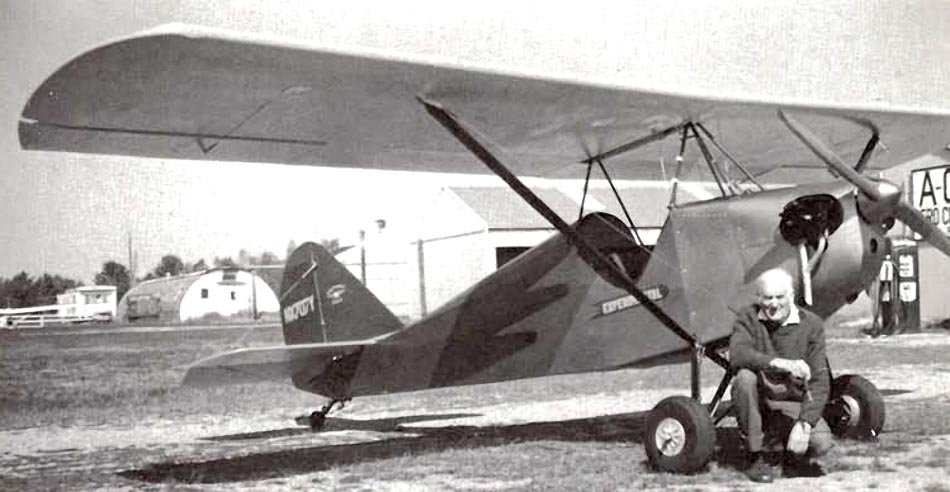
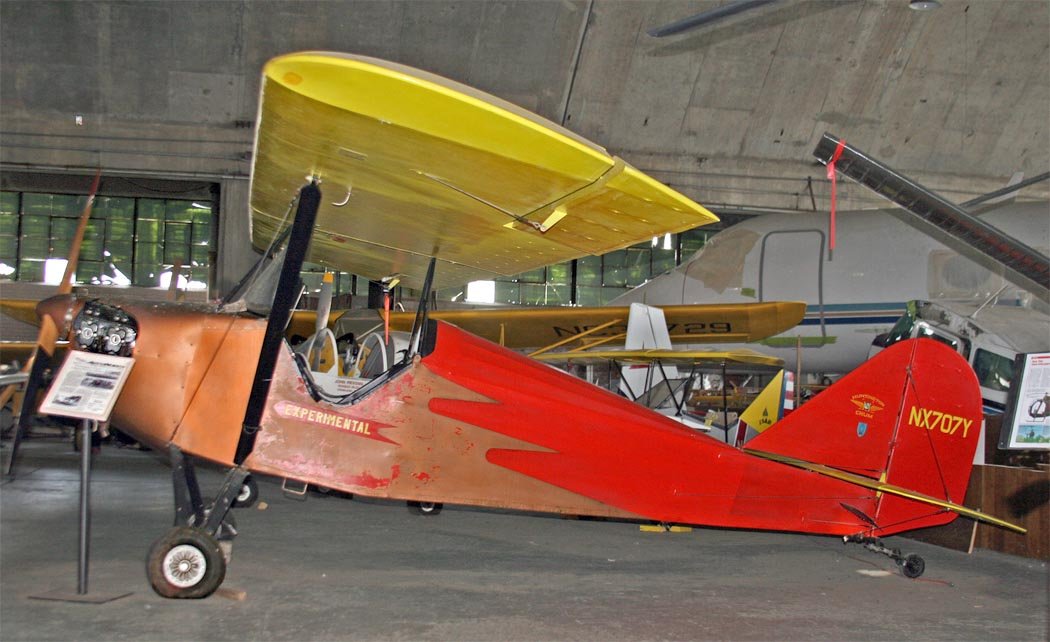
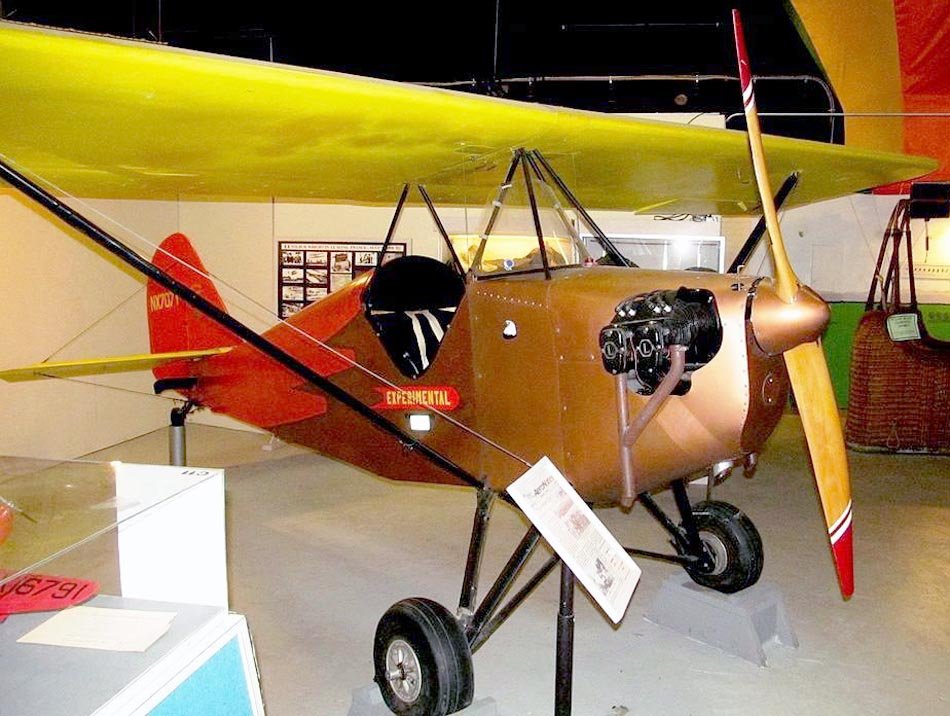
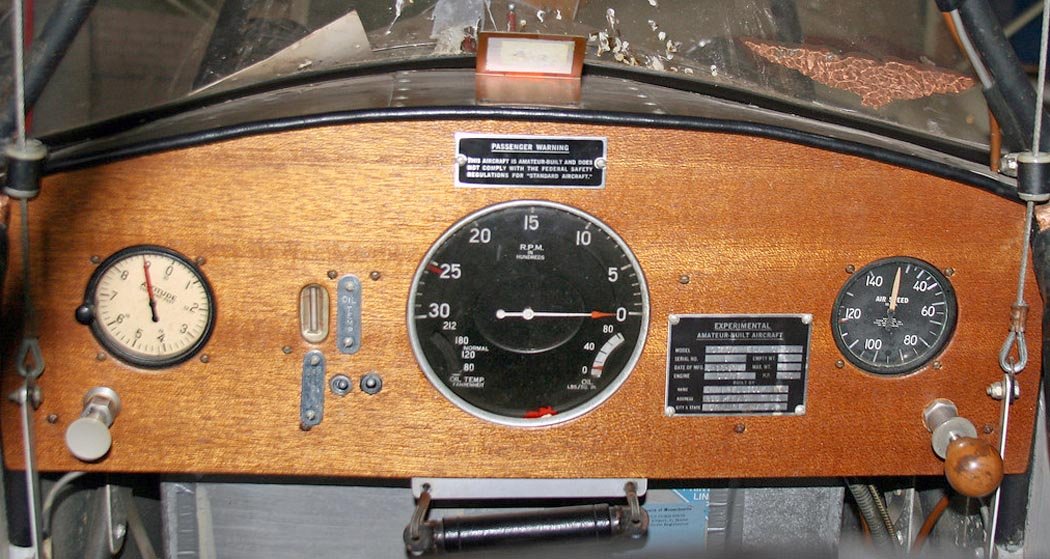
In 1922, Huntington constructed the prototype of an aircraft designated Huntington H-12 (or HD-12) Chum. This two-seat, strut-braced high-wing monoplane featured a “parasol” type wing, initially powered by a modest 12 hp V-twin motorcycle engine.
Following its initial flights, the aircraft received more powerful engines, including a 37 hp Continental A-40 or a 45 hp Szekely SR-3. There was also information indicating that the Chum was tested with an 85 hp Genet engine, demonstrating its potential for versatile performance.
Chum Production and Legacy
A total of three examples of the aircraft were completed in 1922, identified by registrations such as NX741Y (which later became NX707Y), NX792Y, and 11039. These early prototypes were crucial for developmental testing and refinement.
Decades later, in 1980, Erwin E. Stockwell meticulously restored the NX707Y, successfully flying it on October 24, 1980. This preserved replica was subsequently donated to the Empire State Aerosciences Museum, ensuring the legacy of the Huntington H-12 Chum, endures for future generations.
Technical Specifications
| Модификация | Chum |
| Размах крыла, м | 6. 10 |
| Длина самолета,м | 4. 42 |
| Высота самолета,м | 2.54 |
| Площадь крыла,м2 | 16.50 |
| Пустого самолета | 100 |
| Максимальная взлетная | 182 |
| Тип двигателя | 1 ПД |
| Мощность, л.с. | 1 х 12 |
| Максимальная скорость, км/ч | 97 |
| Крейсерская скорость, км/ч | 86 |
| Практическая дальность, км | 402 |
| Практический потолок, м | 2286 |
| Экипаж, чел | 2 |
Image and diagram gallery of the Huntington H-12 Chum