БИЧ-17
In 1933, work on DRP (dynamo-reactive guns, or recoilless guns) became a priority. In May, Kurchevsky was appointed head of the Special Design Bureau of the Main Artillery Directorate (OKB GAU), which fully occupied Factory No. 8 in Podlipki. To expand DRP efforts, Kurchevsky secured the transfer of another factory from the GAU department, No. 38, located near Artillery Factory No. 8, likely prompting his increased attention to it.
B.I. Cheranovsky, who had been developing “flying wing” aircraft designs for a decade and a half, also joined Kurchevsky. These aircraft were known as “Cheranovsky’s parabolas” because the leading edges of their wings were parabolic in shape. These apparatuses flew with varying degrees of success, and as is often the case with original developments, not always successfully.
The Development of Recoilless Guns
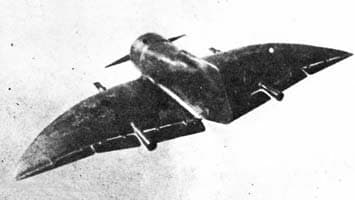
The БИЧ-14 aircraft, built in 1934 at Factory No. 39, was the latest “parabola” at the time and proved very complex to pilot, requiring refinement. Management did not understand the value of this work. Therefore, upon learning that the Special Works Directorate (USR) needed ideas and designers, Cheranovsky proposed building a fighter with APK-4 recoilless guns, based on his own design.
While the wide “parabola” wing and the absence of a horizontal stabilizer were ideal conditions for installing recoilless guns, the “tailless” design was very sensitive to changes in the center of gravity. Test results for the I-Z and I-12 fighters showed that after ammunition was expended, the aircraft’s center of gravity became “unacceptably aft.” Nevertheless, this Cheranovsky fighter, designated БИЧ-17, was under construction.
БИЧ-17 Design and Armament
The aircraft featured an all-wooden construction, an M-22 engine with 480 hp (with plans for a more powerful M-25 in the future), retractable two-wheel landing gear, and an enclosed canopy. Its armament consisted of two 80 mm APK recoilless guns, installed in the wing outside the propeller disk.
The aircraft’s scheme was a parabola-low-wing design with a 5° “gull” angle at the half-span for better directional stability (verified on models). This tailless aircraft scheme was particularly favorable for the installation of DRP. Construction was halted at 69% completion.
Project Cancellation and its Aftermath
However, only half a year later, “thunder struck” over Kurchevsky’s head. In mid-January 1936, a meeting of all participants in these events, from leading specialists to many ordinary implementers, took place at a test range near the village of Marfino in the Moscow region. Slightly later, a narrower meeting was held under the leadership of Tukhachevsky and Alksnis.
After evaluating the results of the APK recoilless gun tests conducted in Pereslavl, Yevpatoria, and Kuzminki, it was recognized that seven years of attempts to create a “super-powerful and cheap” weapon to strike fear into enemies had not yielded positive results. It was decided to cease Kurchevsky’s further activity in DRP development. In February, the USR was disbanded, and all work on the III-3, БИЧ-17, and LL aircraft was shut down.
Technical Specifications
| Modification | BICH-17 |
| Wingspan, m | 12.24 |
| Length, m | 5.00 |
| Empty weight | 1200 |
| Normal takeoff weight | 1880 |
| Engine type | 1 Piston engine M-22 |
| Power, hp | 1 x 480 |
| Crew, crew members | 1 |
| Armament | two 80-mm APK cannons |
Image and diagram gallery of the БИЧ-17
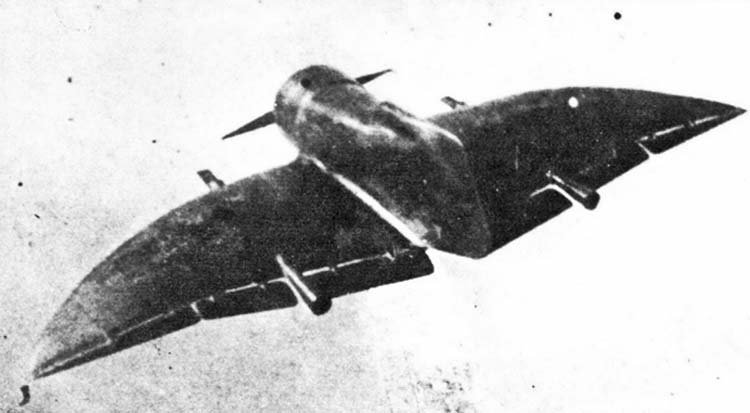 BICH-17 |
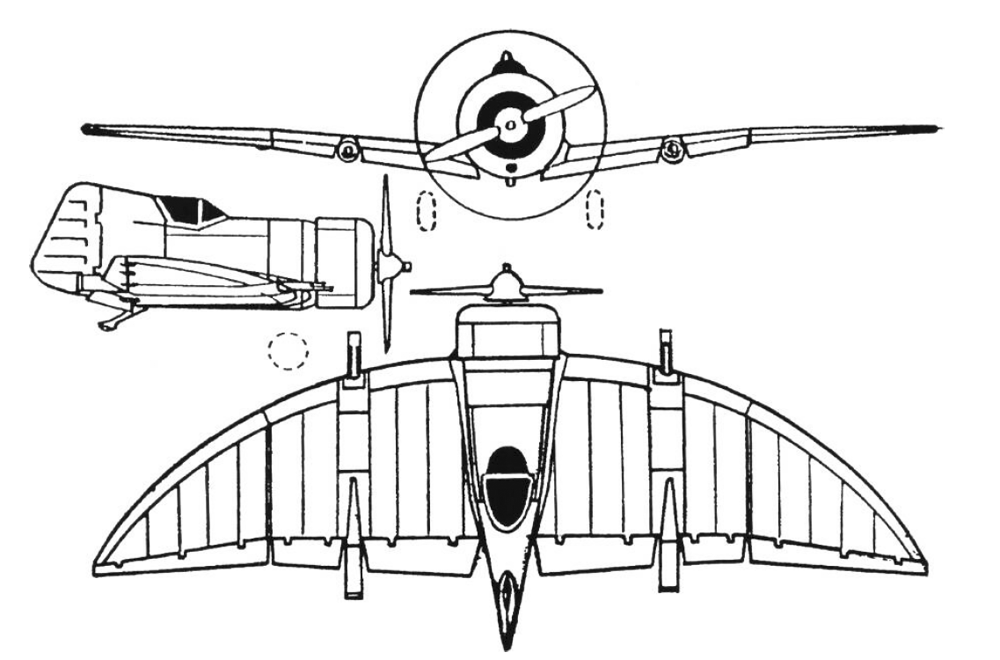 BICH-17 |
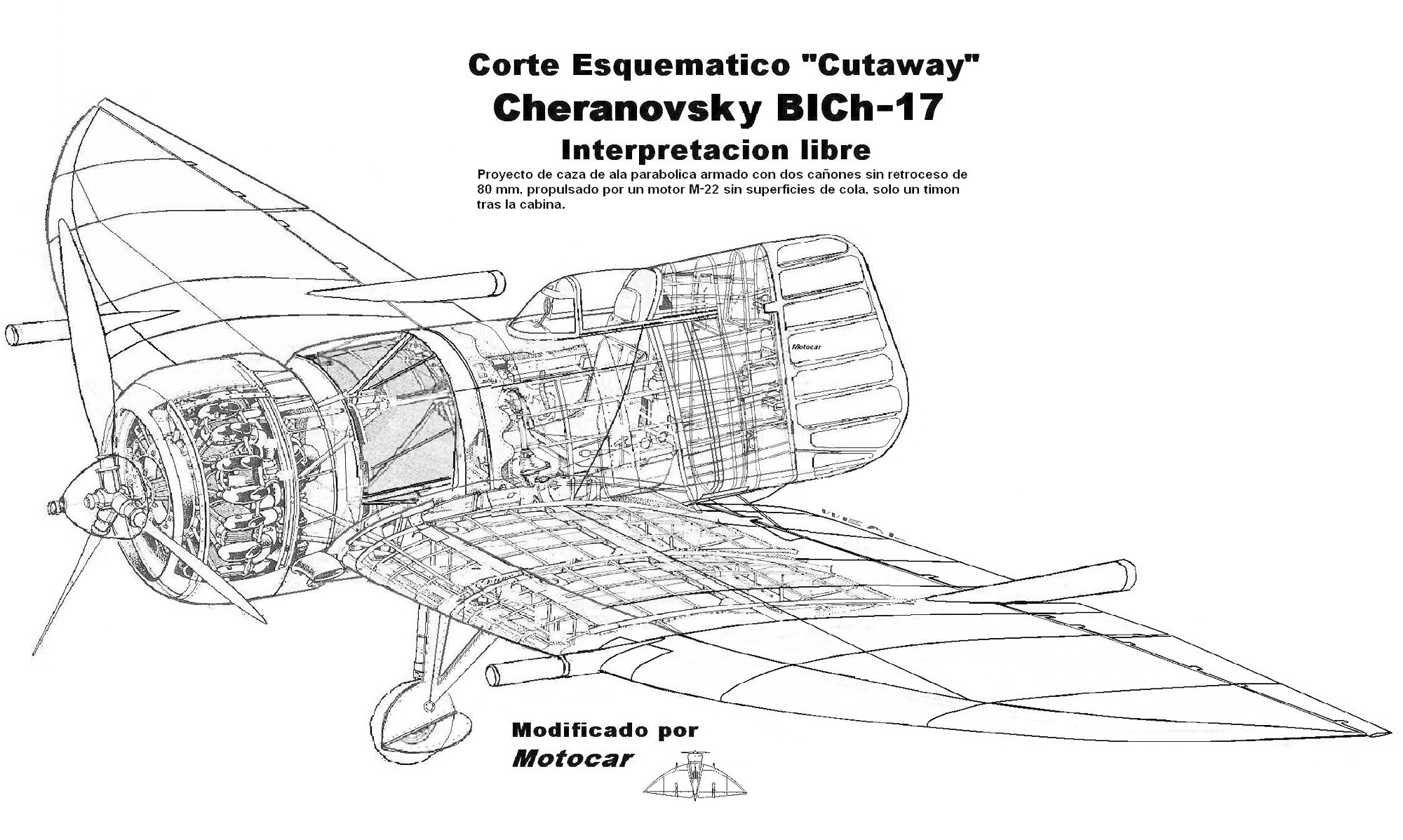 BICH-17 |
Equipo Editorial de ArchivoAéreo
Grupo de investigadores y entusiastas de la aviación dedicados a documentar y preservar la historia aeronáutica mundial. Todos los artículos son revisados para garantizar precisión histórica.
Fuentes y Rigurosidad
La información presentada en esta ficha técnica ha sido compilada a partir de manuales de vuelo desclasificados, archivos históricos y bibliografía especializada. Aunque nos esforzamos por mantener la máxima precisión, algunos datos de rendimiento pueden variar según la variante específica o las condiciones operativas.