Avia BH-33
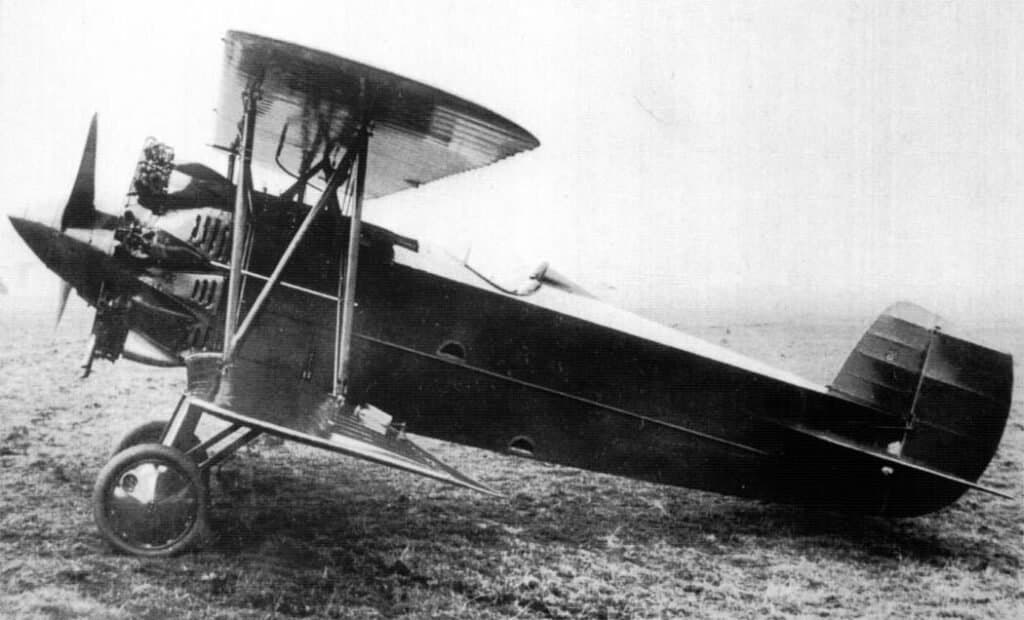
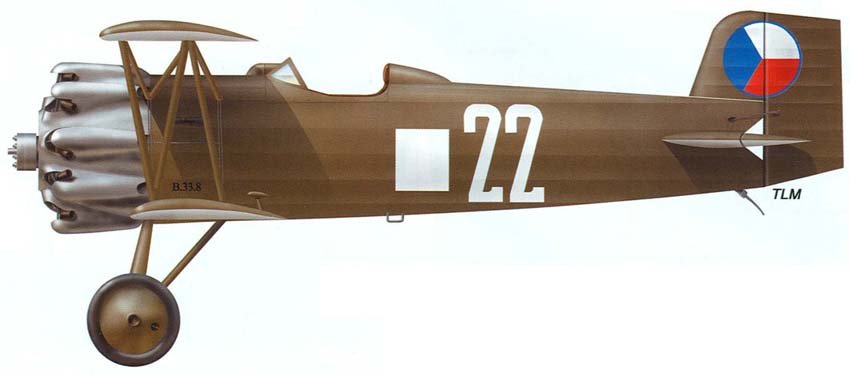
In 1927, Czechoslovak designers Pavel Beneš and Miroslav Hajn, working at the “Avia” company, designed the new BH-33 fighter. This model represented an evolution of the BH-21 concept they had created earlier. The fighter was designed around the British “Jupiter” engine from the “Bristol” company—a nine-cylinder, air-cooled radial engine, previously tested on the experimental BH-21J1, which was considered very promising at the time. The Czechoslovak firm “Walter” acquired a license for this engine.
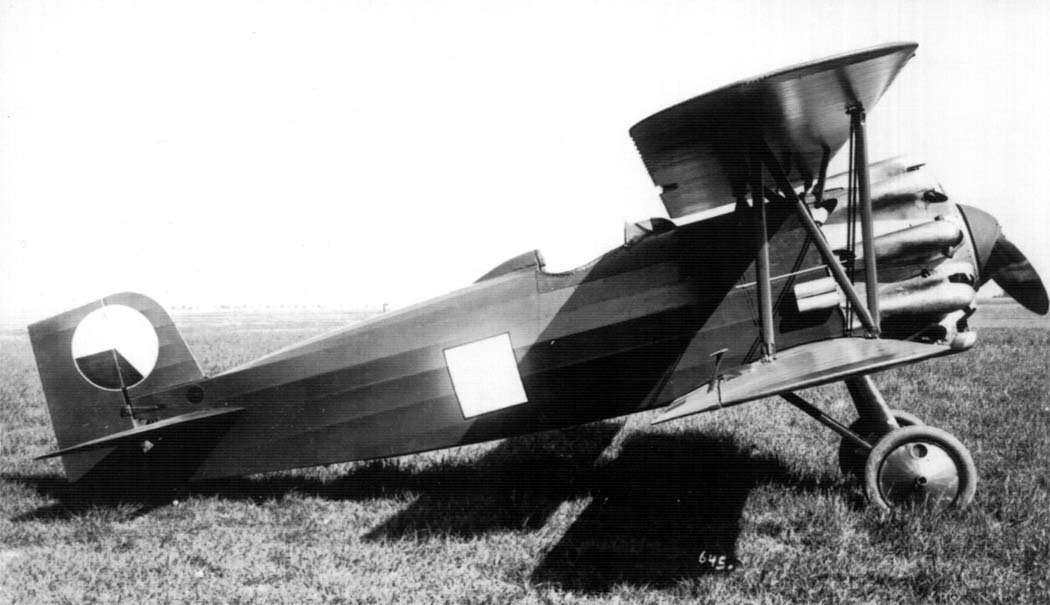
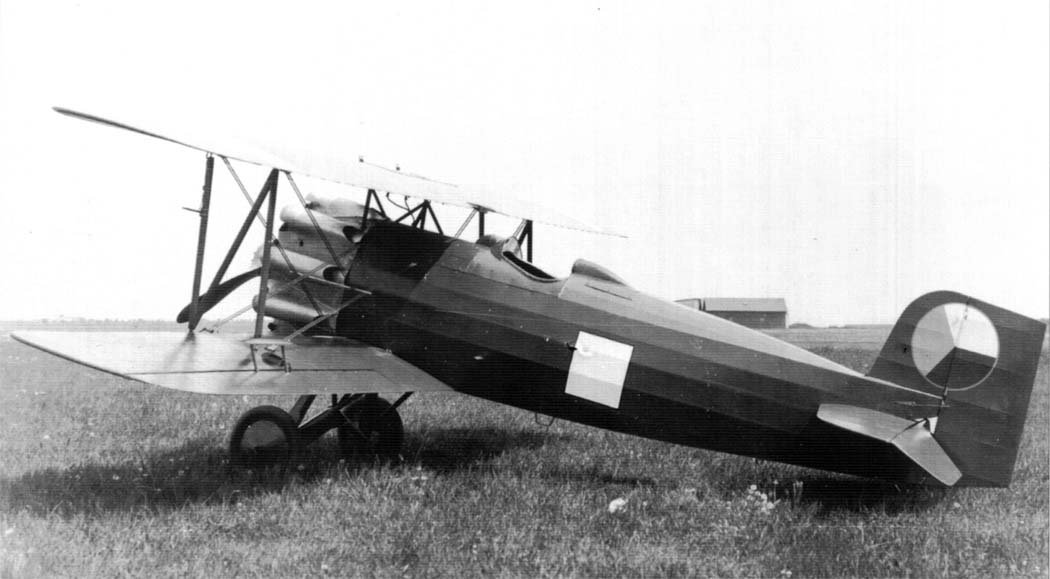
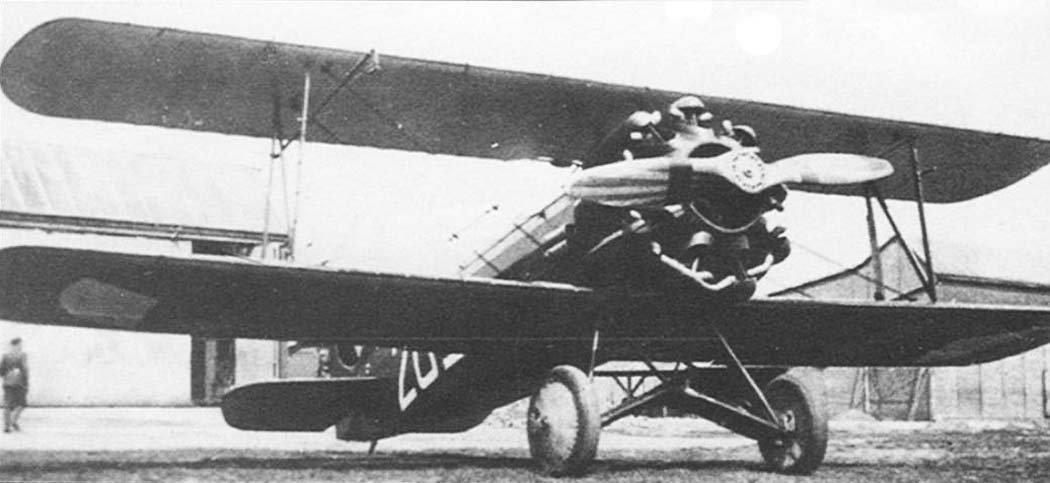
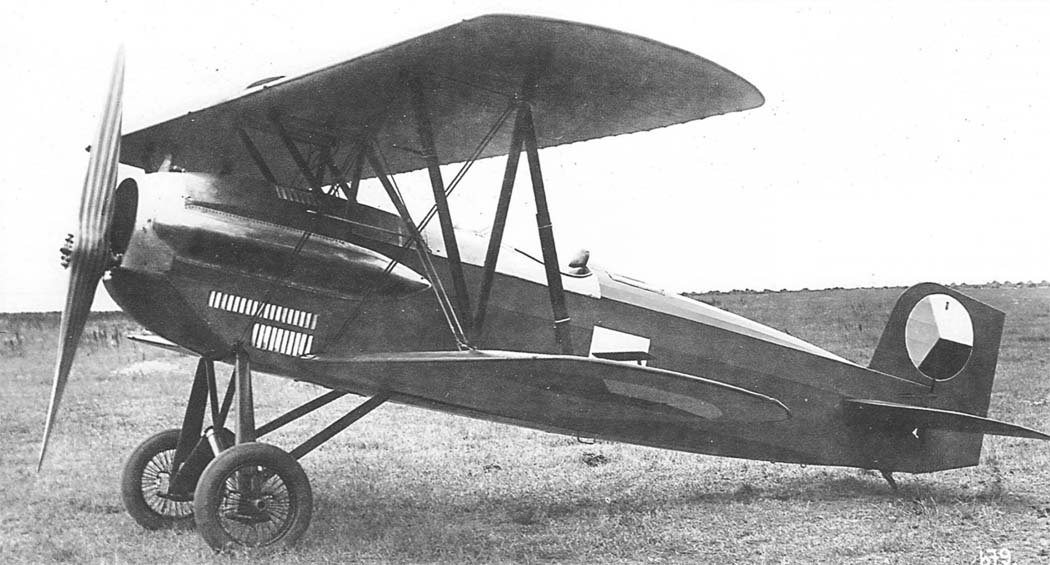
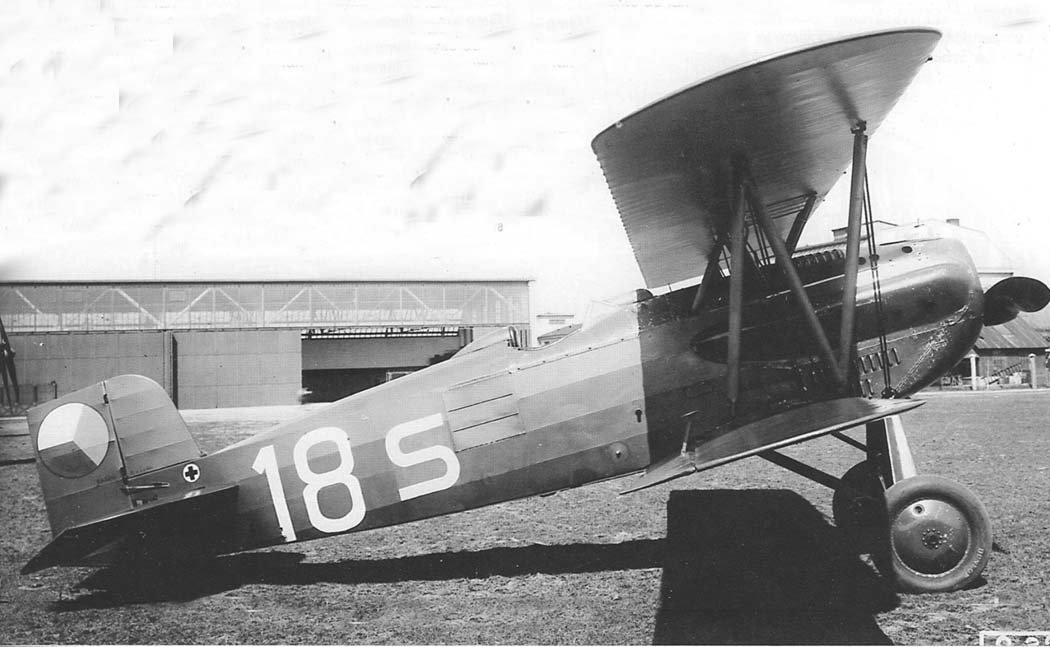
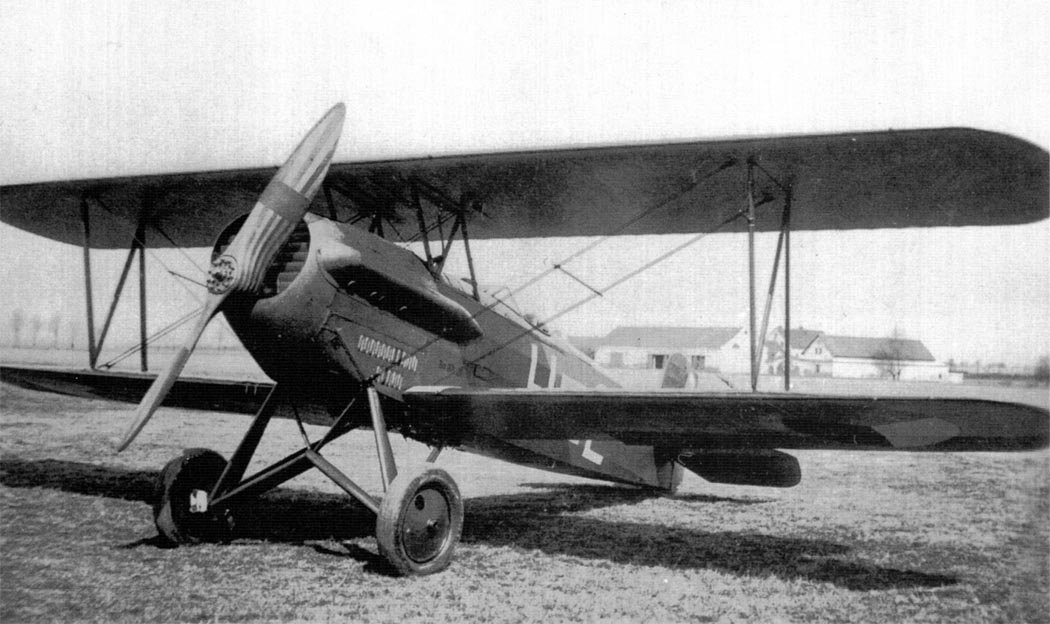
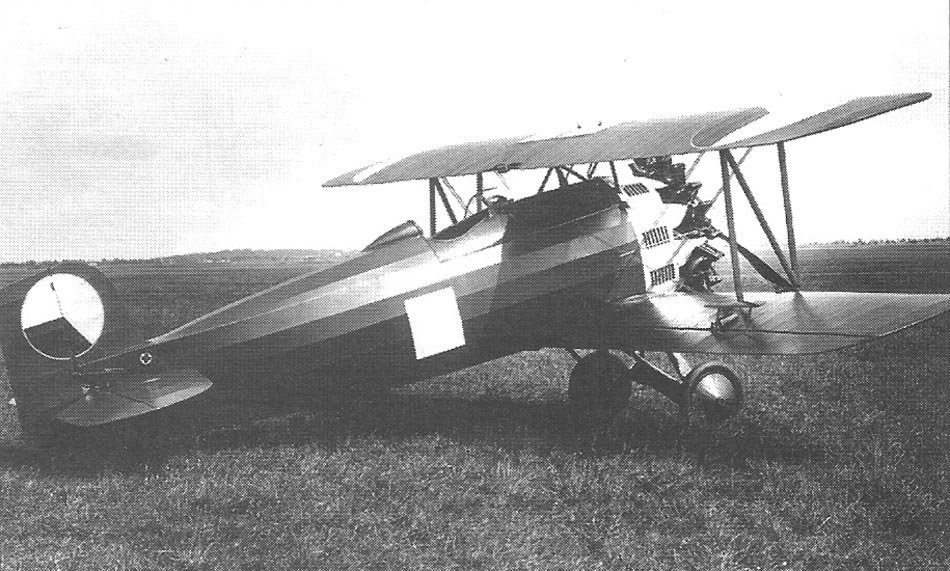
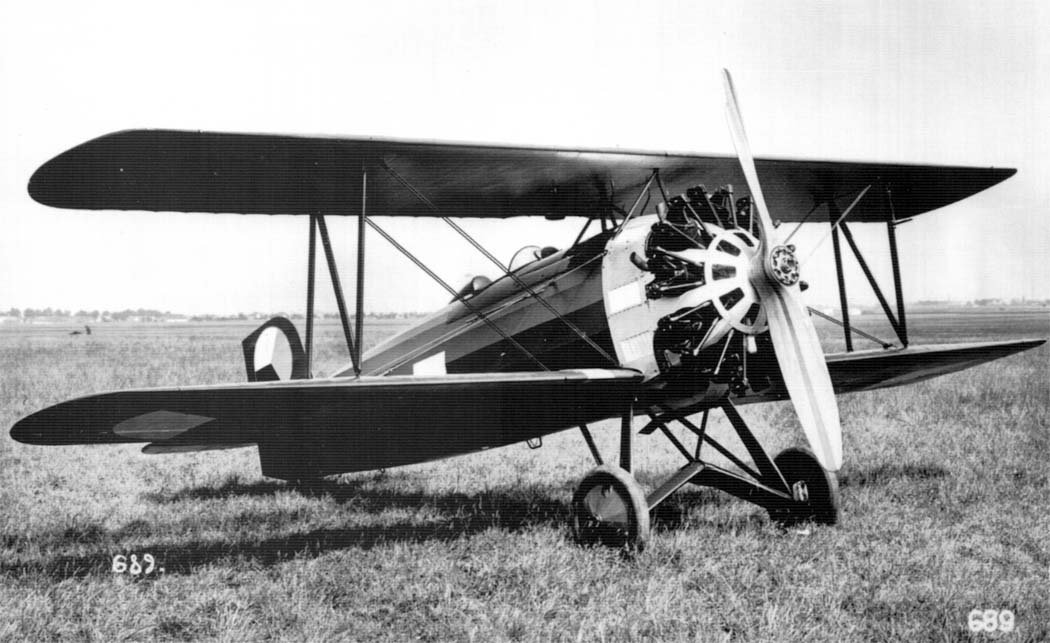
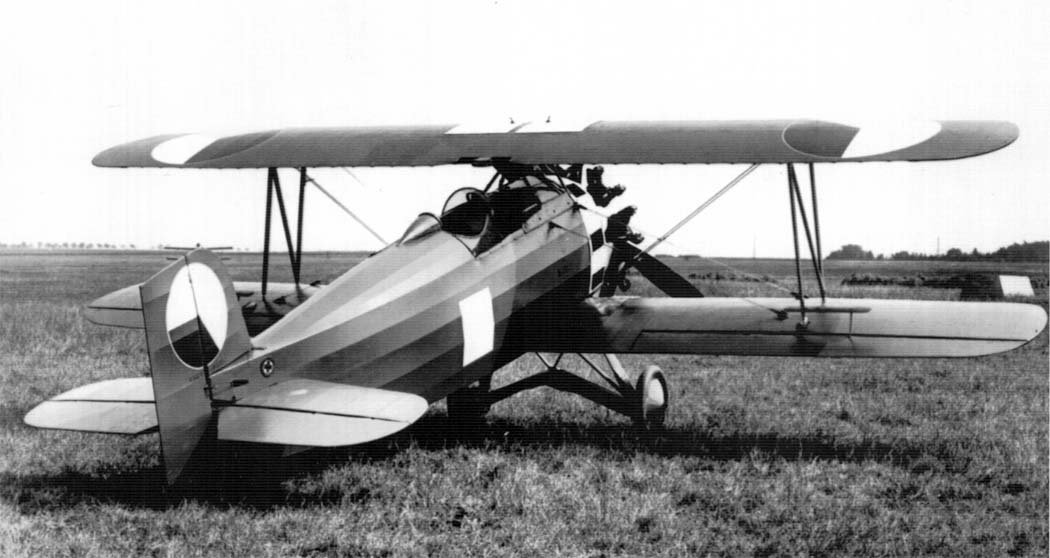
Early flights showed that the aircraft’s rate of climb improved, but its speed hardly increased, despite the engine’s greater power. Therefore, in the new BH-33 fighter, efforts were made to better adapt the airframe to the “Jupiter” engine’s characteristics. The BH-33, reminiscent of its predecessors in layout, was a compact wooden biplane with a fixed landing gear.
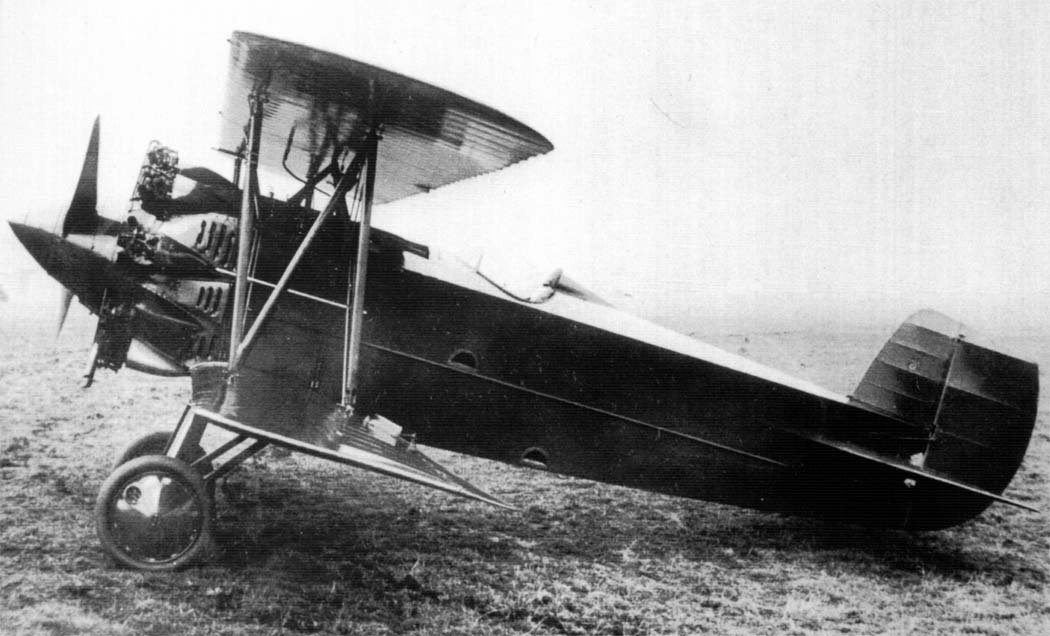
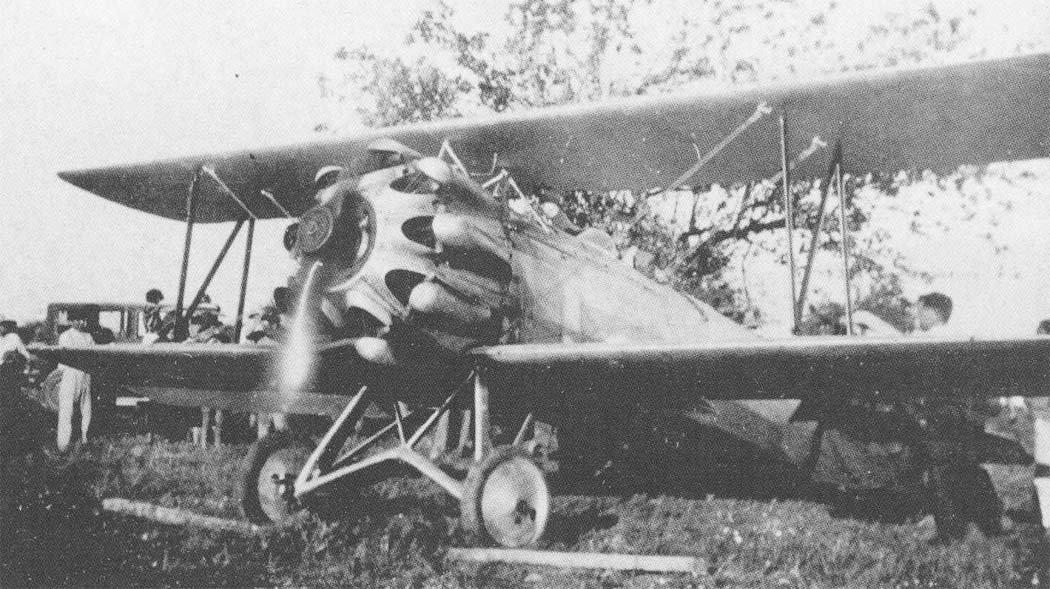
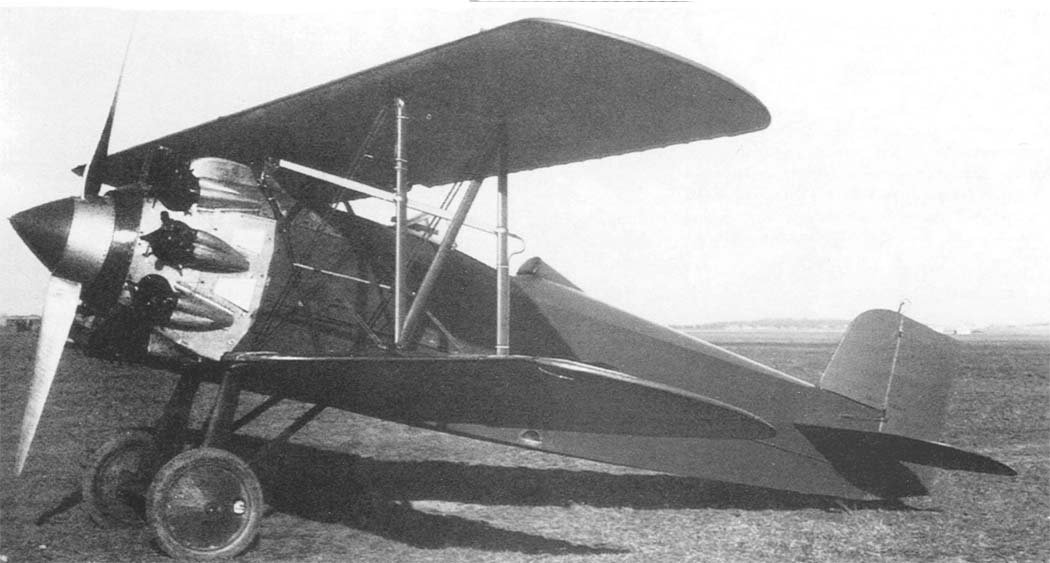
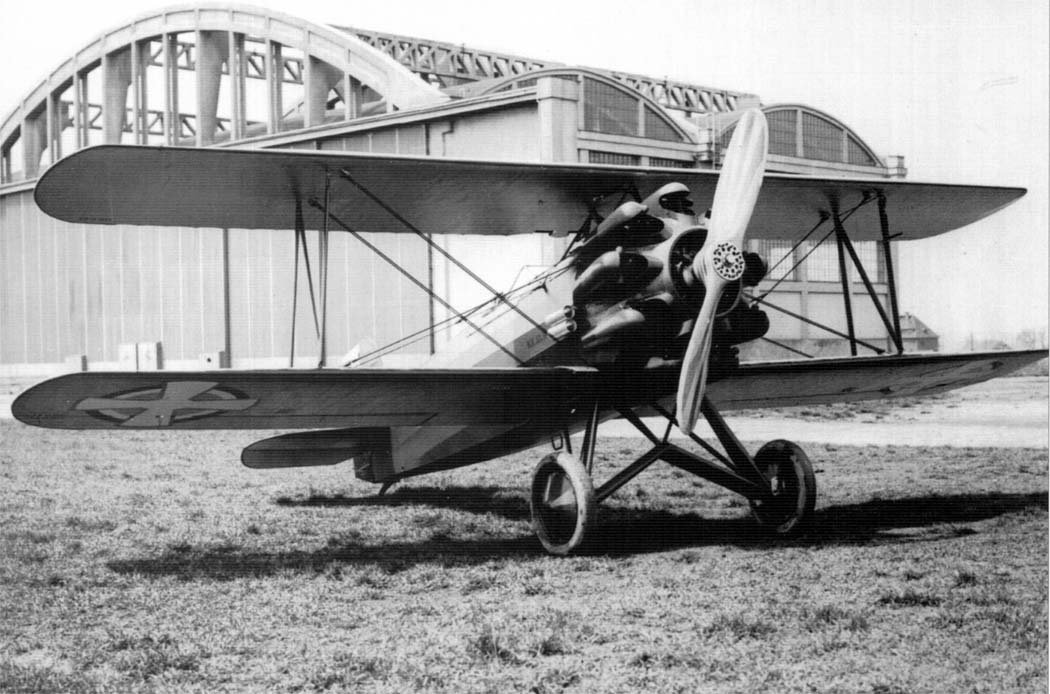
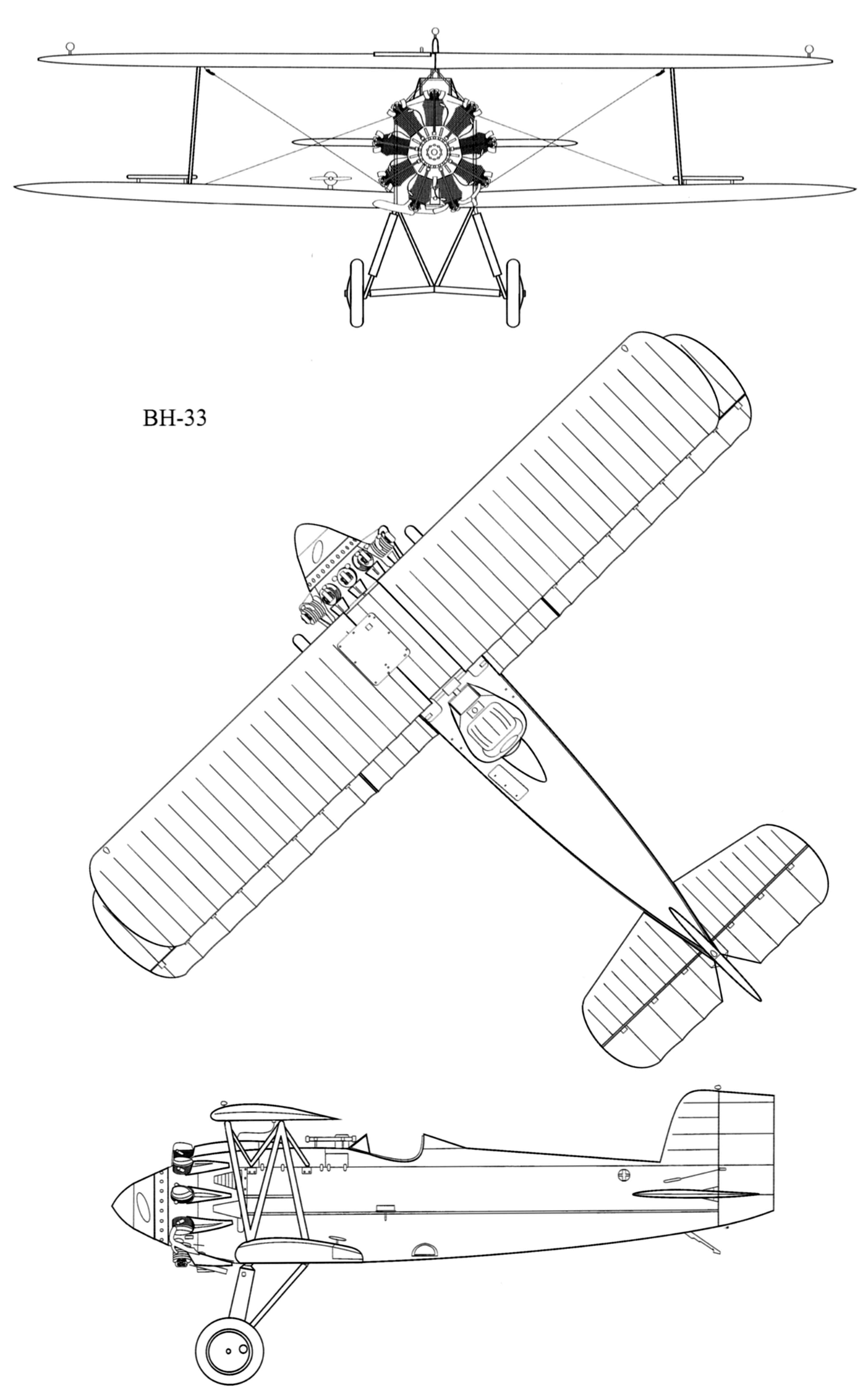
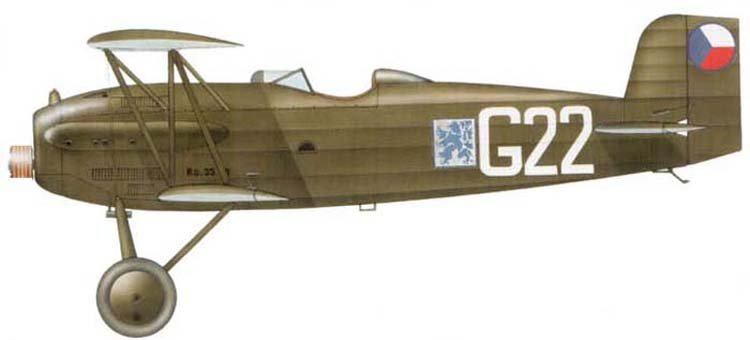
The front part of the fuselage immediately behind the engine had a round cross-section, while further back the sides became flat. The engine was centrally covered by a conical cowling that merged into a massive spinner for the two-bladed wooden propeller. A small fairing was positioned behind each engine cylinder. The fuselage had plywood skinning, and the empennage was fabric-covered.
The construction of both wings was very similar: two spars, a rather dense set of ribs, and plywood skinning. The plywood was covered with lacquered fabric on top. The fighter’s armament consisted of two synchronized “Vickers” machine guns, firing between the engine cylinders.
Initial Development and Early Versions
Two experimental BH-33 prototypes were built in parallel: one with a “Jupiter” VI optimized for medium altitudes, and the second with a high-altitude “Jupiter” VII. The high-altitude variant was the first to undergo trials in September 1928. Two days later, the second example took flight, differing from the first not only in engine but also in the shape of its rudder.
One of these aircraft, with a “Jupiter” VII (480 hp), passed official trials in October of the same year, demonstrating performance figures considered quite high for the time. Its speed at ground level reached 269 km/h, and the fighter climbed to 7000 m in 15 minutes. The Czechoslovak Ministry of Defense acquired both prototypes and ordered a series of five production aircraft. These production models differed from the prototypes by having small bomb racks under the lower wing.
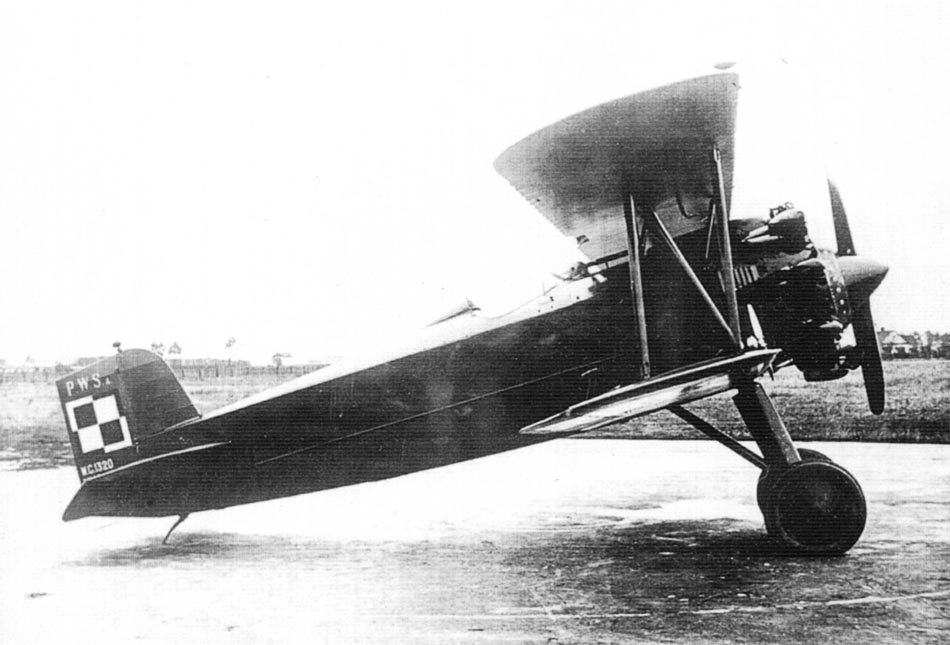
Belgium purchased three more identical aircraft. At one point, there were plans to build the BH-33 under license there, but for unknown reasons, this decision was later abandoned. One fighter with a “Jupiter” VII engine was sent to Poland. It became the model for serial production, which was launched under license at the “Podlaska Wytwórnia Samolotów” (PWS) factory in Biała Podlaska.
In 1930, 50 fighters were produced there under the designation PWS-A. These were equipped with imported “Jupiter” IV engines delivering 420 hp. Consequently, due to the reduced thrust, the maximum speed also dropped to 242 km/h. Externally, Polish-built aircraft were distinguished by a “broken” landing gear axle.
PWS-A fighters armed the 121st and 122nd squadrons, which were part of the 2nd Aviation Regiment. These machines were repeatedly featured in air parades. Captain Baian’s aerobatic trio demonstrated intricate formation flying with the PWS-A. From takeoff to landing, the fighters were connected by ribbons from which colorful flags hung. The PWS-A did not remain in service with the Polish Air Force for long. From 1933 onwards, they began to be replaced by indigenous all-metal monoplane fighters, the P-7a. Until 1935, these machines continued to be used for training purposes.
Improvements and International Production
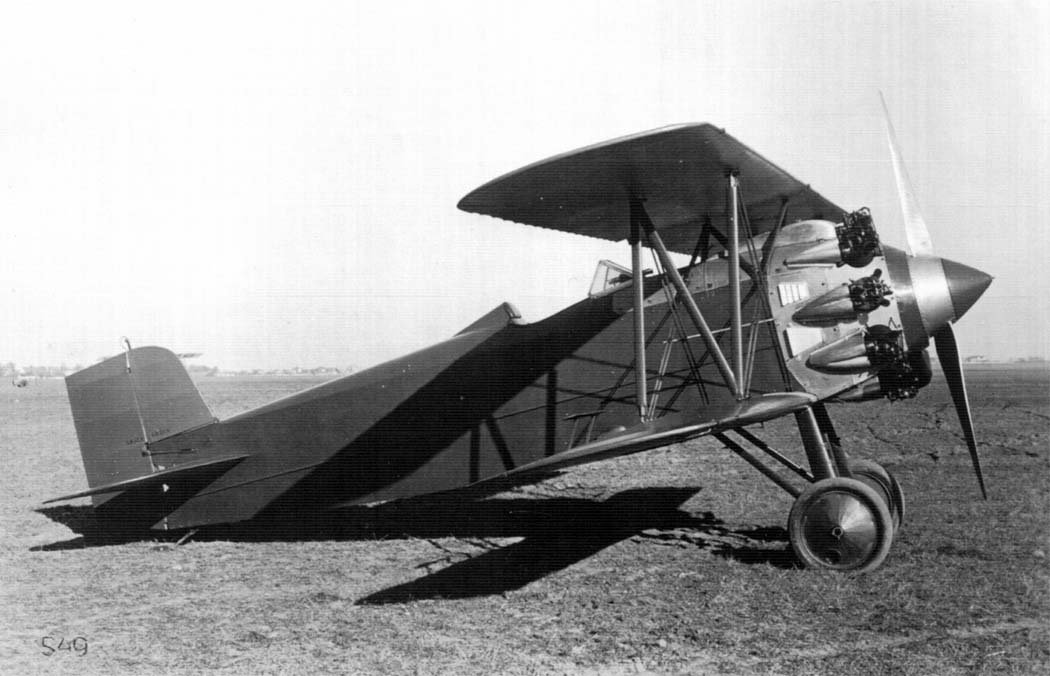
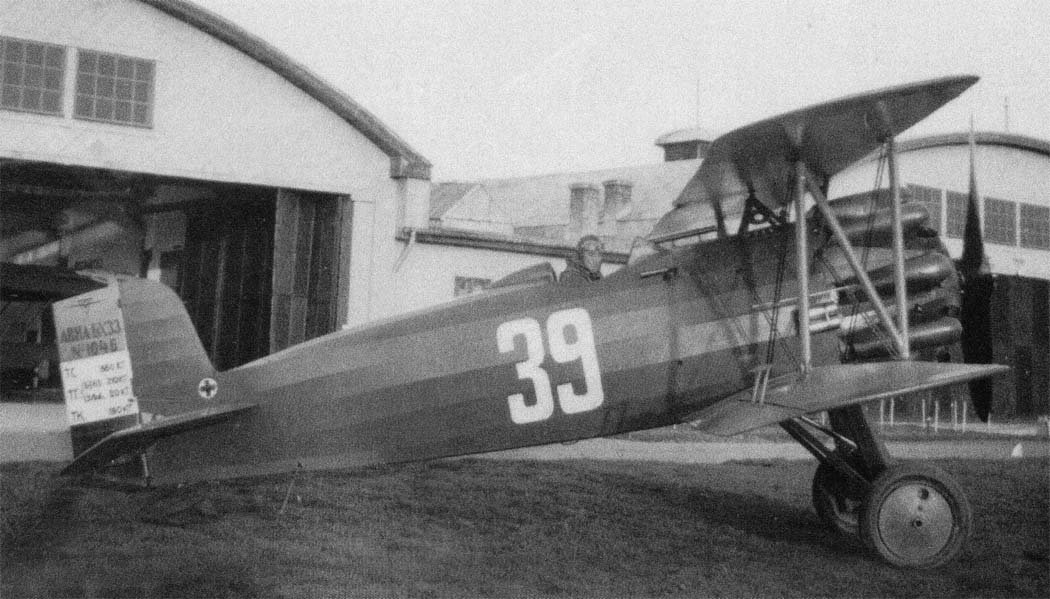
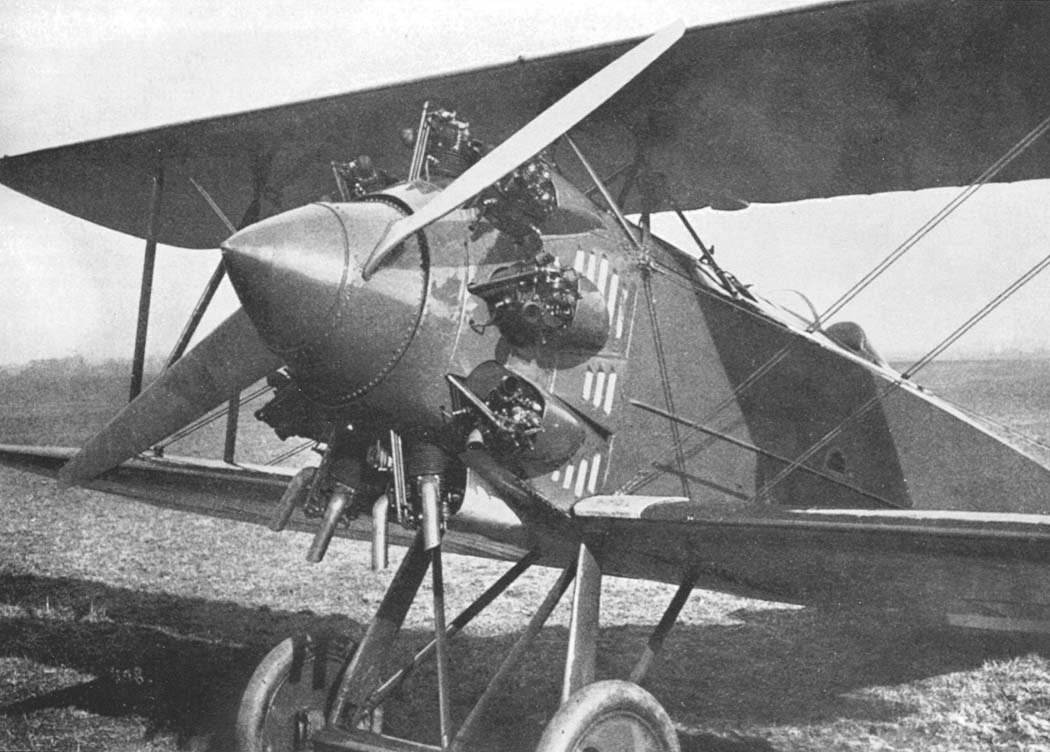
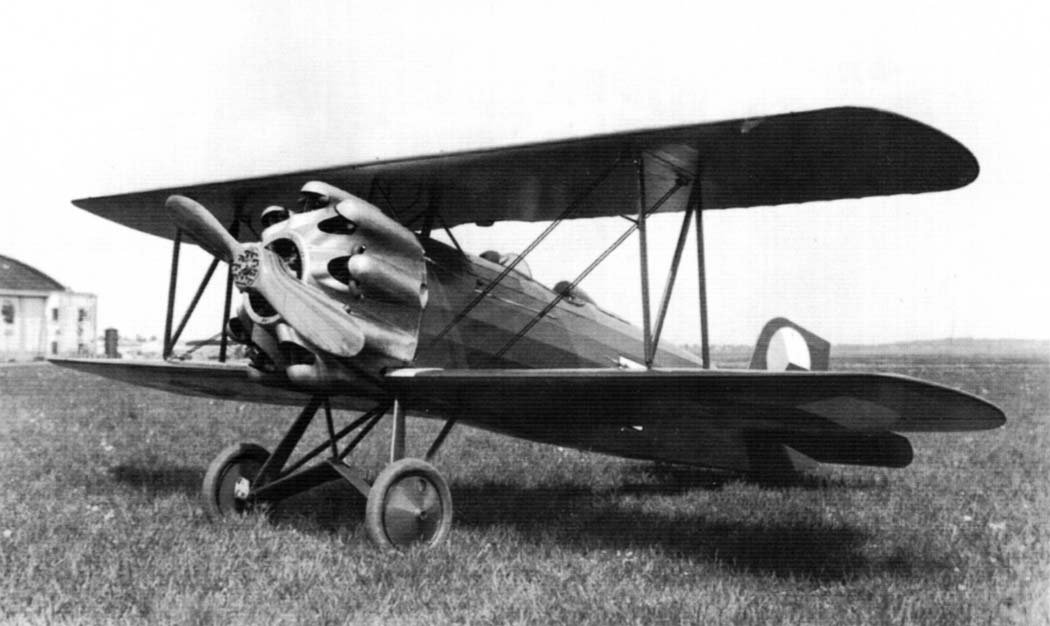
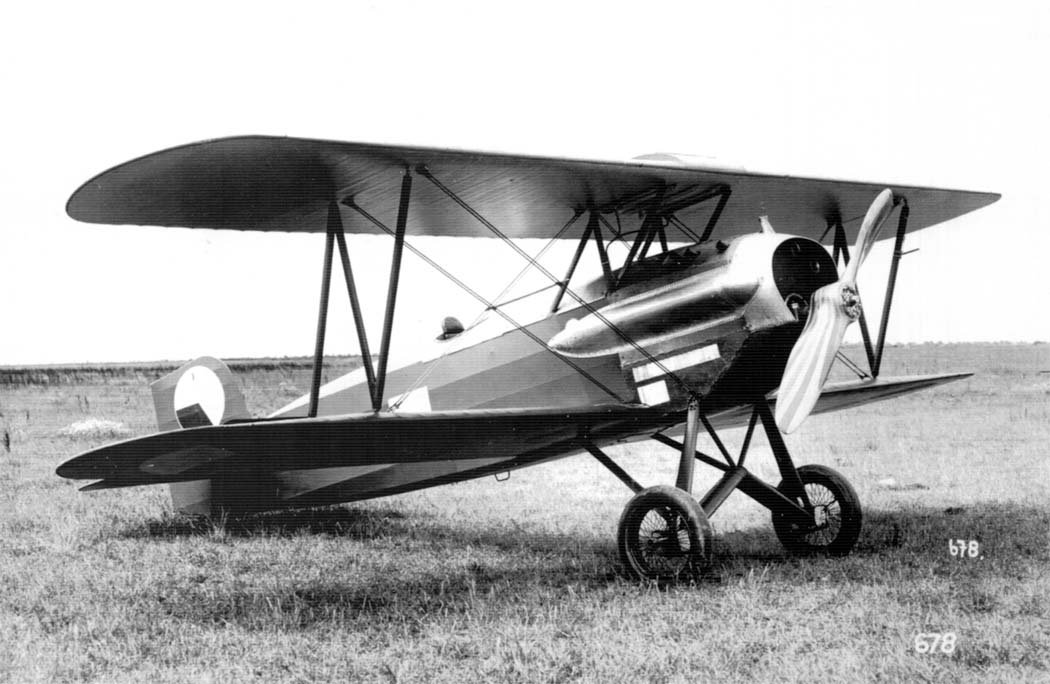
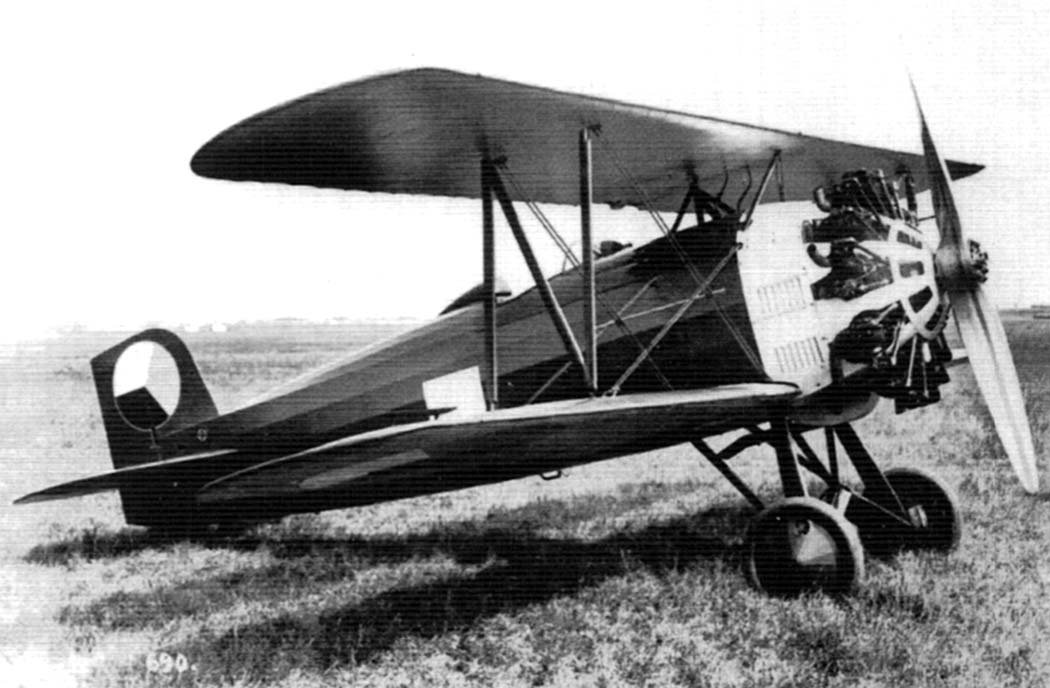
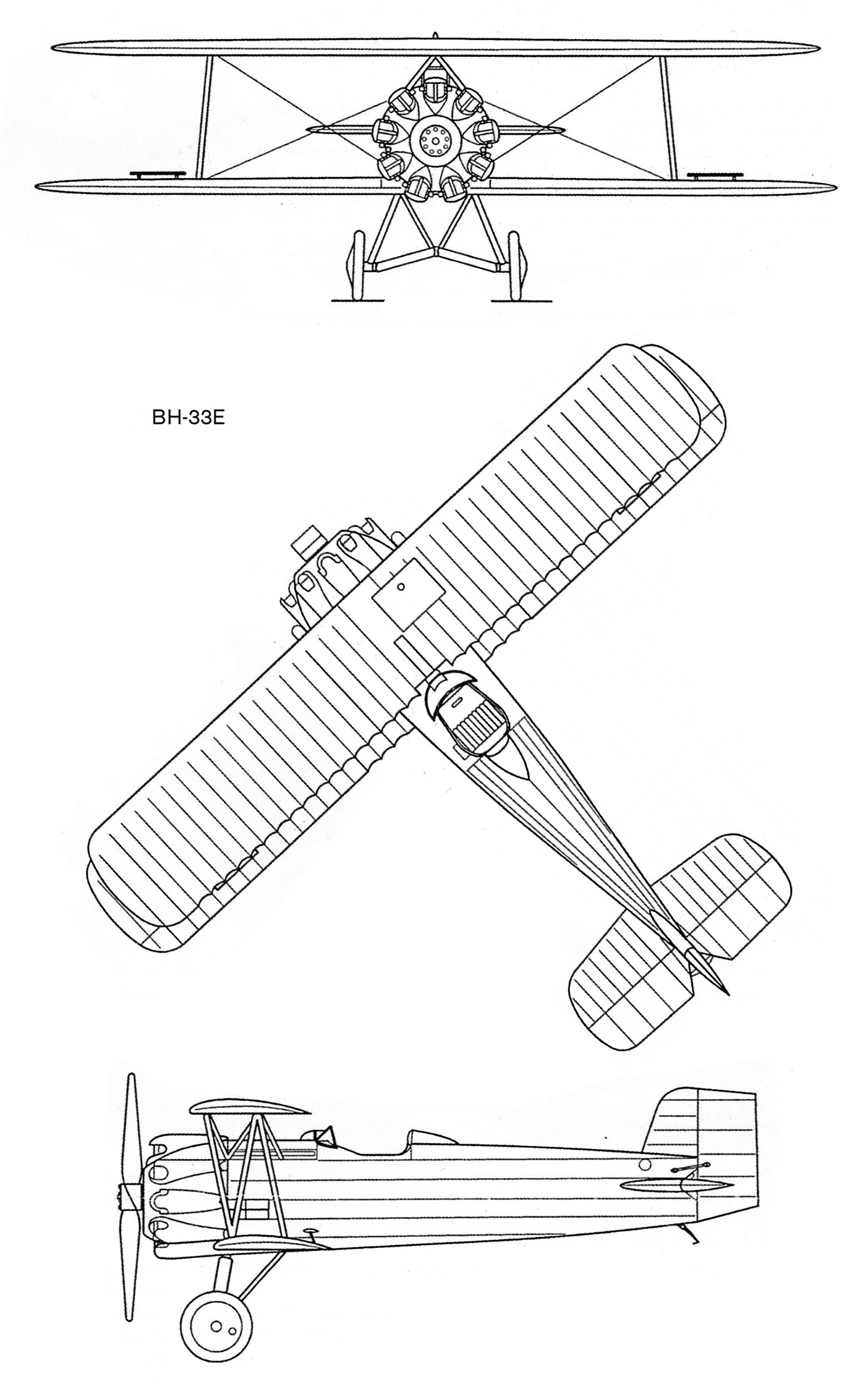
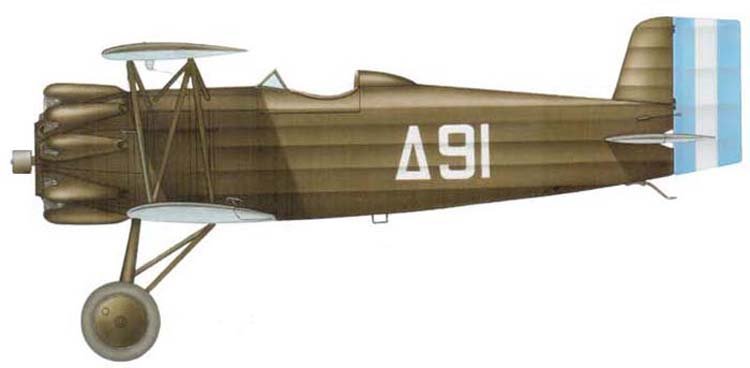
All early BH-33s and Polish PWS-A aircraft had a fully wooden fuselage with flat sides. In 1929, a new modification, the BH-33E, was created with a mixed fuselage construction. Its core was a steel tube truss, onto which frames and stringers were fitted. The entire structure was then covered with lacquered fabric. The fuselage cross-section became elliptical, which combined much better with the “Jupiter” VI radial engine, hidden within a new, complex-shaped cowling that covered each cylinder.
This design abandoned the front part of the cowling and the large spinner. The vertical empennage also received a steel frame welded from tubes. The wings and stabilizer remained wooden. The control surfaces combined a steel frame with fabric covering. The BH-33E made its first flight in May 1929. Despite a greater empty weight, its maximum speed increased by approximately 10 km/h, and its service ceiling by 1500 m. The rate of climb also improved. Initially, the engine overheated, but minor changes to the cowling allowed for an acceptable temperature regime.
In the same year, the BH-33E was displayed in Paris, where Staff Captain Malkovsky demonstrated a full range of aerobatic maneuvers. The Czechoslovak Ministry of Defense acquired two BH-33Es for the national aerobatic team, which participated in the Little Entente competitions held in Poland. Slightly later, for study, the company purchased an experimental BH-33E-VII with a high-altitude “Jupiter” VII in a modernized cowling.
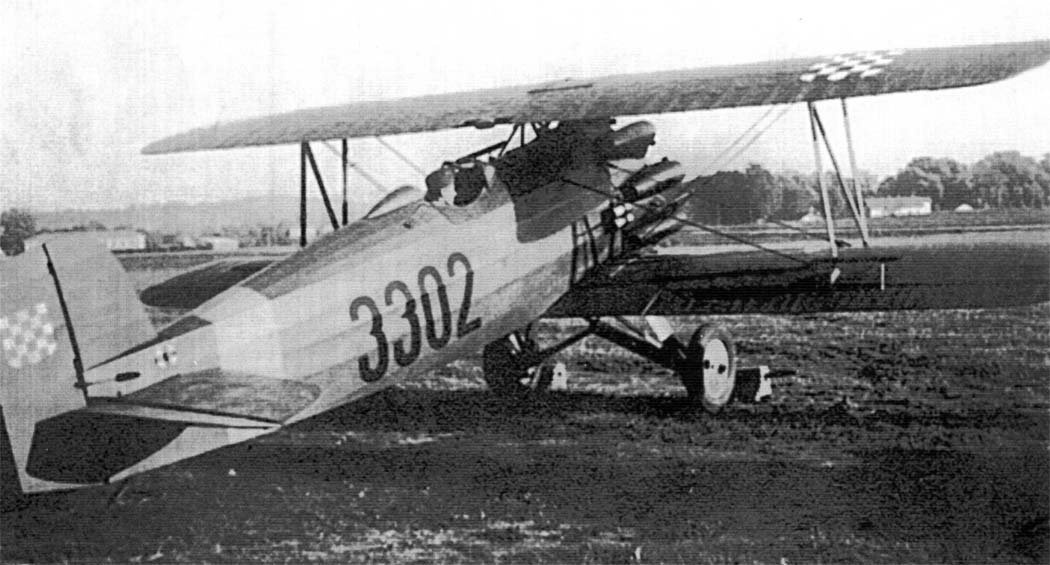
Three more fighters, designated BH-33E-SHS, were sold to Yugoslavia. Shortly thereafter, the “Ikarus” factory in Zemun acquired the production rights and built 42 aircraft, which entered service with the Yugoslav Air Force. Some BH-33Es survived until the German attack on Yugoslavia in 1941. It is known that two old biplanes even attempted to engage a group of “Messerschmitts.” The outcome, of course, was predetermined—both aircraft were shot down, and the pilots perished.
Several BH-33Es, captured at airfields, were subsequently handed over by the Germans to their Croatian allies. They used the old fighters against partisans as light attack and reconnaissance aircraft. One (according to other data, two) BH-33P was sent to Poland. It is possible that it was considered there as a potential replacement for the PWS-A. However, instead, indigenous PWS-10s began to be built in Biała Podlaska.
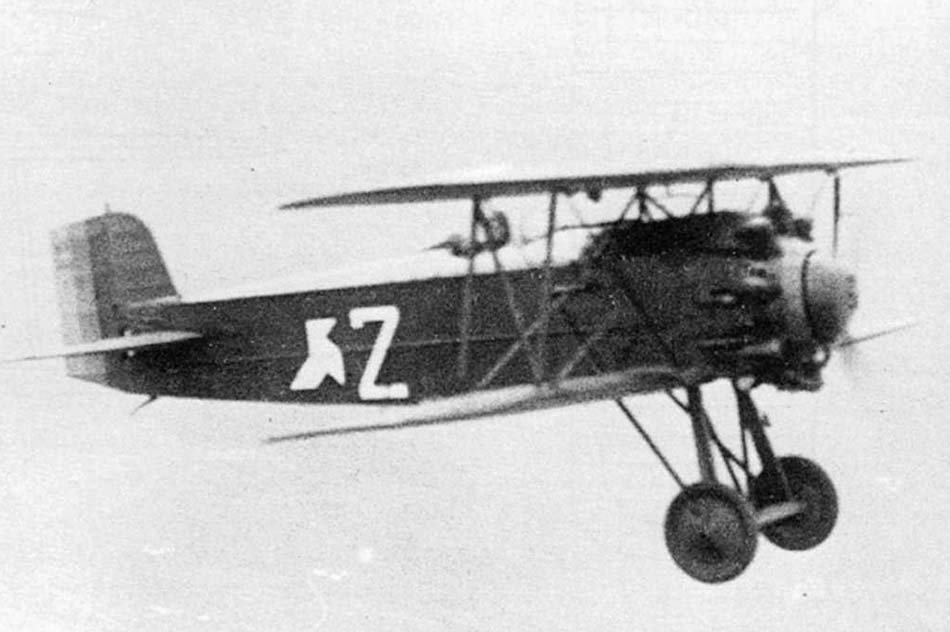
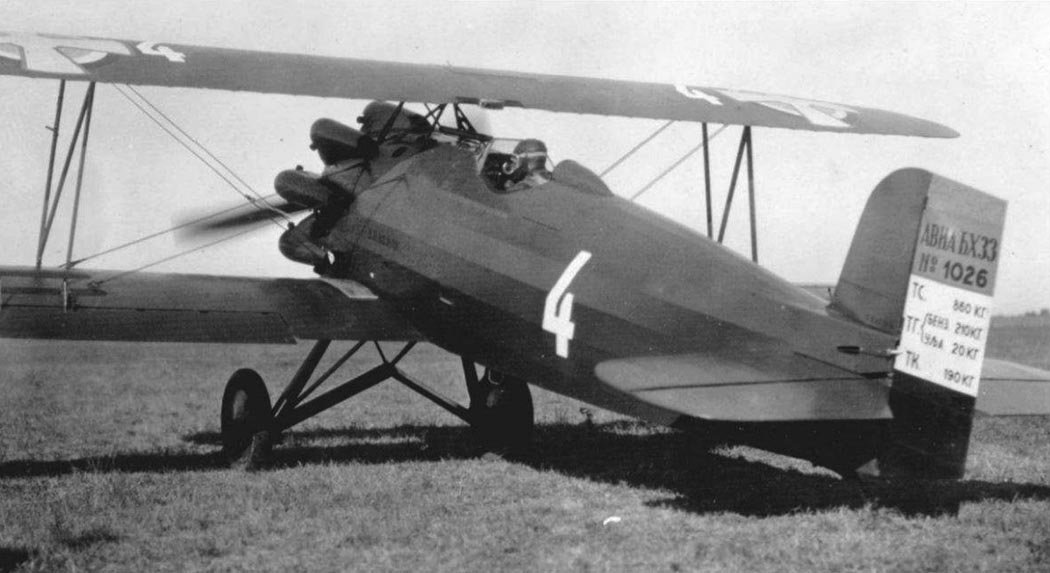
The Soviet Union purchased two BH-33s (which did not receive any special designation). The acquisition of fighters with “Jupiter” engines was included in the 1928 import plan. The possibility of supplying a series of such machines from Czechoslovakia or building them in the USSR under license was considered. This was primarily motivated by the low price. When converted to rubles, a BH-33 without an engine cost 13,000, while the domestic I-4 cost 35,000 rubles. German and British fighters cost roughly the same.
The aircraft (with factory numbers 1004 and 1005) arrived in the Soviet Union in the spring of 1929. Czech sources even speak of the purchase of three aircraft, but no trace of a third has been found in Soviet archives. The “Soviet” BH-33s were equipped with high-altitude “Jupiter” VII engines with “Avia-Reed” metal propellers and PV-1 machine guns (the latter, apparently, were mounted in the USSR). From May 1929, BH-33 No. 1004 entered the Air Force Research Institute. However, in August, the engine failed. The aircraft waited a long time for another engine.
As it turned out, it did not entirely match the old one; special bolts for securing the cylinder head fairings were missing, so flights proceeded without them. In August 1931, the BH-33 embarked on a new testing program, which was also not completed due to dangerous structural failure. Nails began to pull out and fall from the ribs. After each flight, mechanics found up to a dozen empty holes. Then the same began to happen with the fuselage, and warping of the plywood between the spars was discovered on the lower wing.
Flights were halted with the conclusion: “Due to the mass pulling out of nails, especially in the upper wing, the aircraft is subject to factory inspection and cannot be put into further operation without it.” However, a general understanding of the fighter had already been gained by this time. Test pilots highly praised the maneuverability and stability of the Czechoslovak fighter, its good visibility from the cockpit, and the ease of takeoff and landing. The test report noted, in particular: “The aircraft is pleasant in the air.”
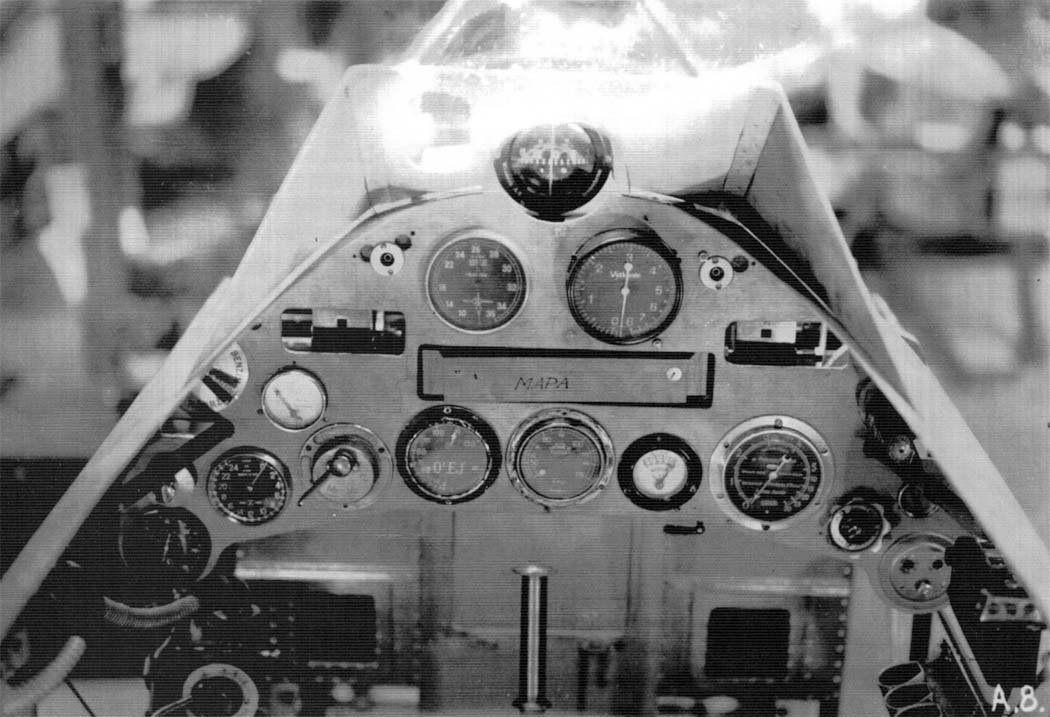
But its flight performance no longer met the requirements of 1931. In most respects, especially maneuverability, the BH-33 lost to the production I-5 with an M-22 engine, a Soviet copy of the “Jupiter.” Compared to the experimental I-5 with a “Jupiter” VII engine, the Czechoslovak fighter offered no advantages even at altitude. Additionally, other shortcomings were found. The seat design was deemed unsuccessful, causing pilot fatigue, as was the placement of instruments on the sides of the cockpit.
During takeoff, the BH-33 tended to bounce. It took a long time to accelerate—slower than the I-4 and I-5—and then gained altitude just as leisurely. The loads on the ailerons proved unusually high, and the rudder lost effectiveness at speeds below 90 km/h. The report noted: “The aircraft rolls to the right in all modes.” Justified doubts were expressed about the machine’s strength. Besides the unreliable joint of wooden parts found during testing, the attachment of the fin to the fuselage was also deemed insufficiently strong.
The overall conclusion from the tests was: “The tested ‘Avia’ BH-33 aircraft is of no interest to the Red Army Air Force…” The question of its purchase or licensed production was no longer raised. Meanwhile, Beneš and Hajn continued to improve their fighter. As a side branch of the BH-33’s evolution, the family of experimental BH-38 aircraft emerged. Their main difference from their predecessors was to be elongated NACA ring cowlings. The project for such a machine received the designation BH-38N. Two prototypes were assembled: the BH-38NH with an American “Hornet” radial engine and the BH-38-VII with a “Jupiter” VII. However, the innovation did not provide significant advantages, and these machines did not receive further development.
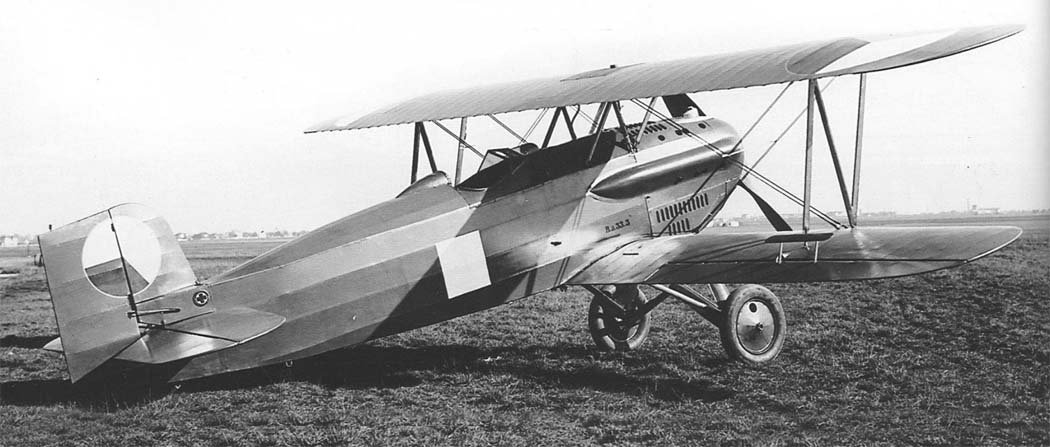
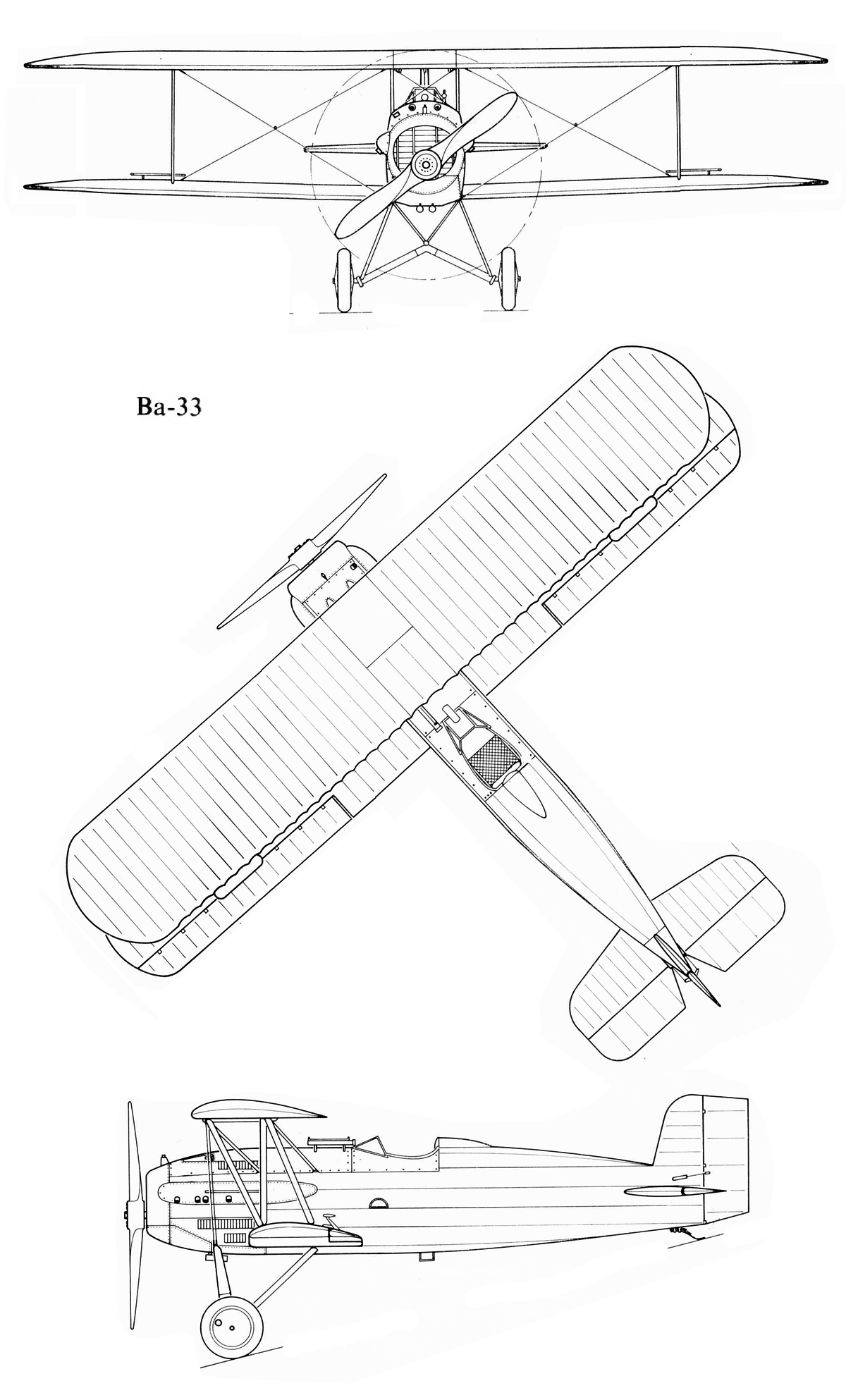
The only modification of the BH-33 that was built in relatively large quantities in Czechoslovakia itself was the Ba-33 type. The “Avia” company was part of the well-known “Škoda” concern, which included its own aircraft engine factory. There, a 12-cylinder V-type water-cooled “Škoda” L engine of 450 hp was produced. It seemed quite natural to try to apply it to the BH-33. The power was lower than that of the “Jupiter,” but the smaller frontal area of the water-cooled engine also created less air resistance in flight. This satisfied both “Škoda” and the military, who approved this decision.
As a result, the experimental BH-33L fighter appeared, making its first flight in August 1929. Initially, the machine had a retractable honeycomb radiator, which was later replaced by a frontal one, installed in front of the engine. The radiator had openings through which two synchronized machine guns, placed between the engine blocks, fired. The cabane strut pyramid, which supported the wing above the fuselage and had not changed in all previous modifications, was replaced by a pair of I-shaped struts. Another fuel tank was placed in the center section of the upper wing.
The installation of the “Škoda” L engine slightly improved the aircraft’s performance at low and medium altitudes. The maximum speed of the experimental BH-33L reached 315 km/h. However, at high altitudes, flight performance deteriorated, and the service ceiling dropped to 7000 m. The rate of climb at ground level remained approximately at the BH-33E’s level. By order of the Ministry of Defense, in 1929, four initial production Ba-33s were produced based on the experimental model. They participated in the aforementioned Little Entente air competitions in Poland. Czechoslovak, Polish, and Yugoslav pilots competed there with BH-33s of various variants.
Three Czechoslovak Ba-33s dropped out of the competitions due to engine failures, but on the fourth, Captain Soukup won the races, showing a speed of 298 km/h. In the same competitions, one Czechoslovak BH-33E finished second overall, and a Yugoslavian one fourth. Later, the Czechoslovak Air Force ordered several more batches of Ba-33s. A total of 81 units were produced. The new aircraft entered service with the 4th (the country’s only purely fighter) Aviation Regiment, stationed in Hradec Králové, and the fighter squadrons of the 1st and 4th mixed regiments.
Initially, the fighters were armed with two “Vickers” machine guns, but these were later replaced by Czechoslovak Vz.28 machine guns (i.e., “model 1928”), which were a conversion of the same “Vickers” to the 7.92 mm caliber cartridge. Pilots praised the Ba-33 for its good handling and maneuverability. At an air parade in Prague in September 1933, the flight of three Ba-33s connected by rubber cords was demonstrated. The aircraft were piloted by Kautsky, Řečka, and Hubáček.
Service, Fate, and Technical Details
In the mid-1930s, after the more advanced B-534 fighter entered service, the old Ba-33s were transferred to reserve and used for training purposes. In particular, cadets at the Prostějov school flew them. All fighter and training units received several of these aircraft, using them to practice piloting skills and group formation flying. In this capacity, the Ba-33s survived until the Munich crisis. During these days, they were again put into service as reserve fighters. But there was no need to fight.
All equipment of the Czechoslovak army fell into German hands. The “Luftwaffe” didn’t really need these old machines and distributed the few still serviceable Ba-33s to aviation mechanic schools as training aids. When the puppet Slovak government was formed under German protection in March 1939, it created its own Air Force. This largely consisted of aircraft from the former 3rd Czechoslovak aviation regiment, including two Ba-33s. However, they did not serve for long and were soon decommissioned.
During the serial production period, the Ba-33 was offered for export to various countries. One aircraft, for example, was demonstrated in Mukden, Manchuria, in 1931. It subsequently fell into the hands of specialists from the Japanese Army Air Force. However, no foreign orders were received. In 1929, the last modification, the BH-33N, emerged with a German “Hornet” engine. This machine was designed without the participation of Beneš and Hajn, who had moved to another firm. Flight tests of the BH-33N began in August 1929. However, it too remained an experimental prototype.
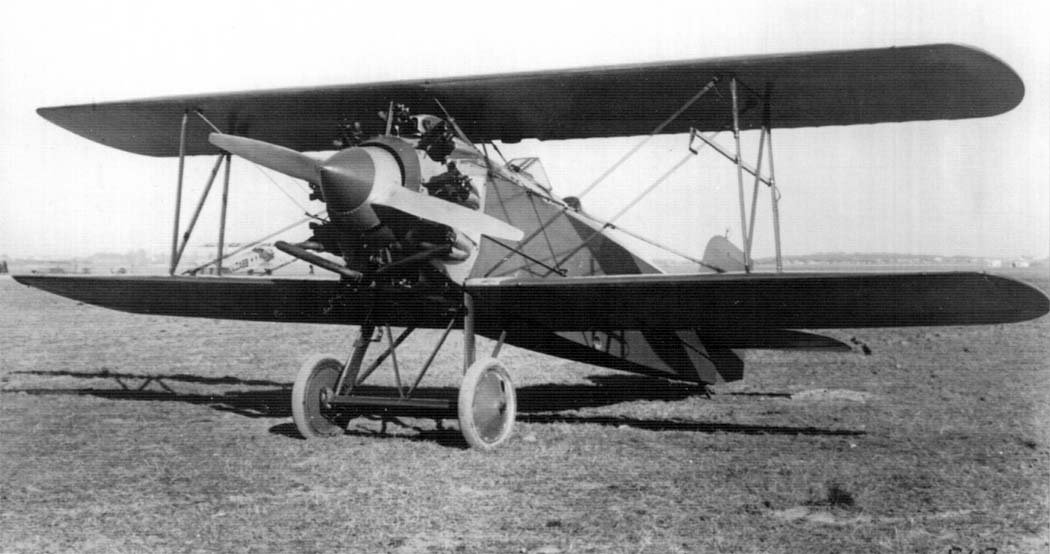
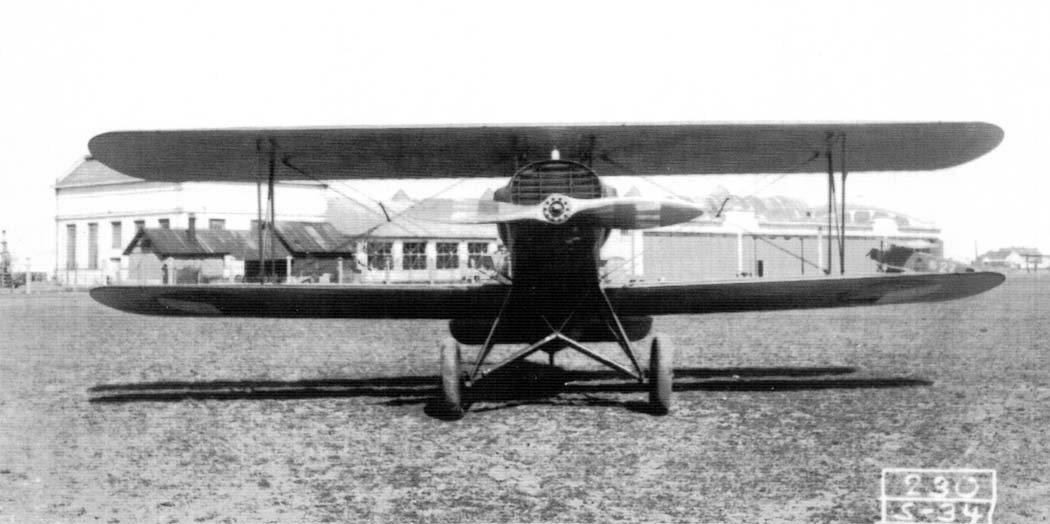
Technical Description: The aircraft of the BH-33 family were single-engine, single-seat fighter biplanes with conventional tail empennage and fixed landing gear. The biplane wing box was characterized by the upper wing being offset approximately 600 mm forward relative to the lower wing. The interplane struts were N-shaped. Ailerons were present only on the lower wing. The wing was entirely wooden. The pilot’s cockpit was open. Armament consisted of two synchronized rifle-caliber machine guns of various models, depending on customer preference. Ammunition varied from 500 to 800 rounds per gun.
Individual modifications of the BH-33 differed quite significantly in construction. For instance, the basic BH-33 (B-33), as well as the PWS-A produced under license in Poland, had a wooden fuselage of quadrilateral cross-section (rounded in the upper part). The fuselage structure consisted of four longerons and frames “strung” onto them. The engine mount was attached to the first frame, and the main landing gear struts to the second. The pilot’s cockpit was located behind the second frame. The fuselage skinning was plywood (duralumin in the front section).
The powerplant for the BH-33 was a 9-cylinder “Jupiter” VI or VII engine with an “Avia-Reed” two-bladed metal propeller; for the PWS-A, it was a “Jupiter” IV with an “Avia” or “Szomański” wooden propeller. The main fuel tank, with a capacity of 265 liters, was located between the first and second frames. The oil tank capacity was 25 liters. The BH-33E (BH-33-SHS) featured a metallic fuselage structure (welded from steel tubes) that retained the quadrilateral cross-section. The powerplant on Yugoslav-built aircraft was a “Jupiter” 9AD engine with an “Avia” wooden propeller.
The BH-33L (Ba-33) was equipped with a 12-cylinder W-type liquid-cooled “Škoda” L engine. The capacity of the main fuel tank was 298 liters, and the auxiliary tank (under the upper wing) was 45 liters. In addition to machine gun armament, this modification could carry six 10-kg bombs under the fuselage.
Technical Specifications
| Modification | BH-33L |
| Wingspan, m | 8.90 |
| Length, m | 7.22 |
| Height, m | 3.13 |
| Wing area, m2 | 25.46 |
| Empty weight | 1117 |
| Normal takeoff weight | 1560 |
| Engine type | 1 Piston engine Skoda L |
| Power, hp | 1 x 580 |
| Maximum speed, km/h | 298 |
| Cruising speed, km/h | 280 |
| Practical range, km | 450 |
| Rate of climb, m/min | 594 |
| Practical ceiling, m | 8000 |
| Crew | 1 |
| Armament | 2 forward 7.92-mm machine guns vz.28 |
Image and diagram gallery of the Avia BH-33
 BH-33 |
 BH-33 |
 BH-33 |
 BH-33 |
 BH-33 |
 BH-33 |
 BH-33 |
 BH-33 |
 BH-33 |
 BH-33 |
 BH-33 |
 BH-33 |
 BH-33 |
 BH-33 |
 BH-33 |
 BH-33 |
 BH-33 |
 BH-33 |
 BH-33 |
 BH-33 |
 BH-33 |
 BH-33 |
 BH-33 |
 BH-33 |
 BH-33 |
 BH-33 |
 BH-33 |
 BH-33 |
 BH-33 |
 BH-33 |
 BH-33 |
 BH-33 |
 BH-33 |
Equipo Editorial de ArchivoAéreo
Grupo de investigadores y entusiastas de la aviación dedicados a documentar y preservar la historia aeronáutica mundial. Todos los artículos son revisados para garantizar precisión histórica.
Fuentes y Rigurosidad
La información presentada en esta ficha técnica ha sido compilada a partir de manuales de vuelo desclasificados, archivos históricos y bibliografía especializada. Aunque nos esforzamos por mantener la máxima precisión, algunos datos de rendimiento pueden variar según la variante específica o las condiciones operativas.