Avro Canada C-102 Jetliner
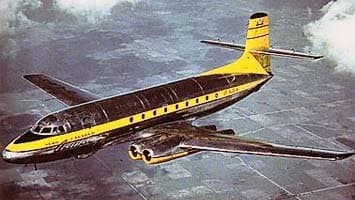
In December 1945, the British company “A.V. Roe Ltd” acquired the Canadian firm “Victory Aircraft Ltd”. This factory in Malton, Ontario, had produced Avro Lancaster bombers during the war, leading to the creation of “A.V. Roe Canada Ltd” (known as “Avro Canada” from 1954 as “Avro Aircraft Ltd”).
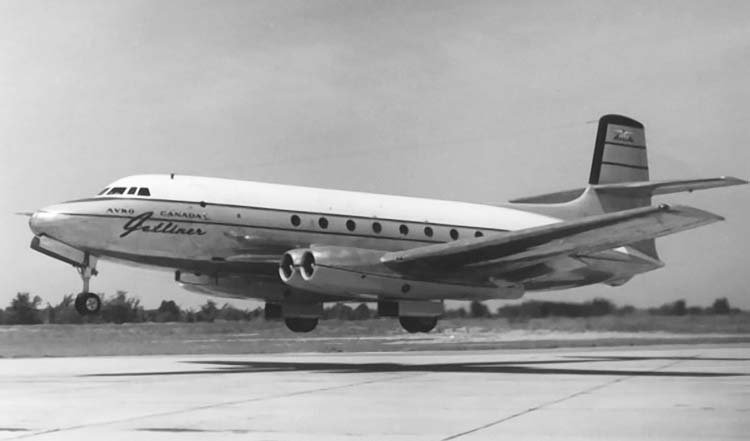
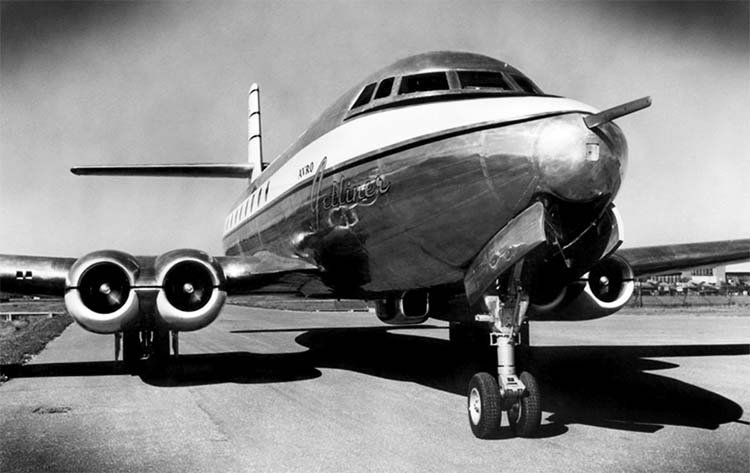
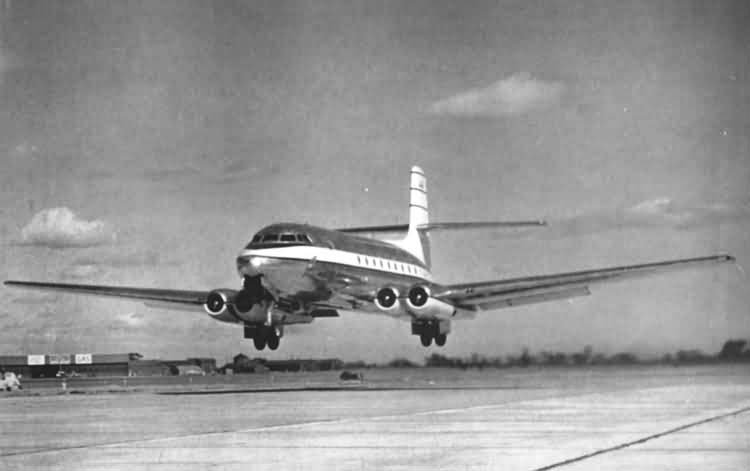
One of the first tasks assigned to the new company in 1946 was the development of a 50-seat, medium-range passenger aircraft with a pressurized cabin, commissioned by Trans-Canada Airlines. Similar in size to the British Avro Tudor, the Avro Canada C-102 Jetliner differed with its nose-gear landing structure, a new tail empennage, and a powerplant of four turbojet engines.
First Flight and Early Challenges
The prototype made its first flight on August 10, 1949. It was the first jet aircraft to fly in North America and the second in the world, just 13 days after the de Havilland 106 Comet. Seven days later, it suffered severe damage due to a landing gear malfunction. The Jetliner was repaired and took to the air again weeks later.
Its initially installed four Derwent 5 turbojets were replaced for testing purposes by a pair of Derwent 8s (on the right outer and left inner nacelles) and a pair of Derwent 9s.
Testing and Unique Experiences
Howard Hughes personally tested the Jetliner for his airline, flying it from his private airfield in Culver City, California. At the time, little was known about jet aircraft. A New York airport administrator insisted that the Jetliner be parked far from the terminal and equipped with pits under its “fire-spitting” engines to catch any dangerous particles.
Project Discontinuation
Despite active demonstrations of the liner to airlines, no orders followed, and further work was curtailed. Possessing enormous potential, the project was never fully realized. Its further development was halted by the federal government in 1951 to concentrate the company’s efforts on the development of the CF-100 Canuck jet fighter.
Technical Specifications
| Modification | C.102 |
| Wingspan, m | 29.90 |
| Aircraft length, m | 25.12 |
| Aircraft height, m | 8.06 |
| Wing area, m2 | 107.49 |
| Empty weight | 16738 |
| Maximum takeoff weight | 29484 |
| Engine type | 4 Rolls-Royce Derwent 5 Turbojets |
| Thrust, kgf | 4 x 1633 |
| Maximum speed, km/h | 737 |
| Cruising speed, km/h | 649 |
| Practical range, km | 2012 |
| Practical ceiling, m | 12285 |
| Crew | 3-4 |
| Payload | up to 50 passengers |
Image and diagram gallery of the Avro Canada C-102 Jetliner
 C.102 Jetliner |
 C.102 Jetliner |
 C.102 Jetliner |
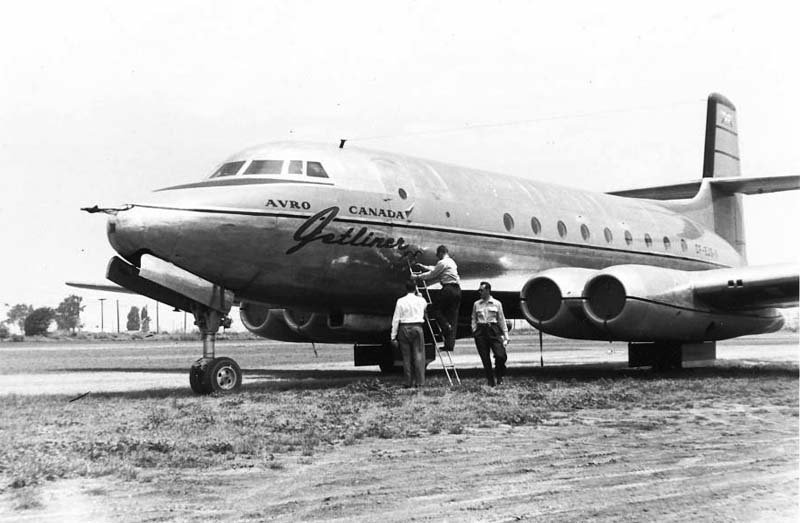 C.102 Jetliner |
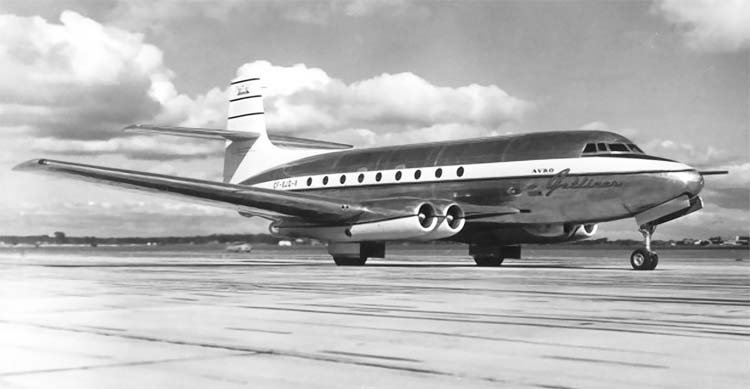 C.102 Jetliner |
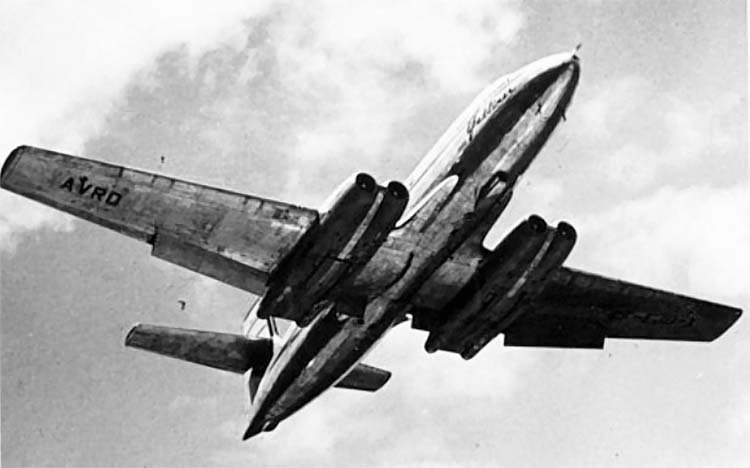 C.102 Jetliner |
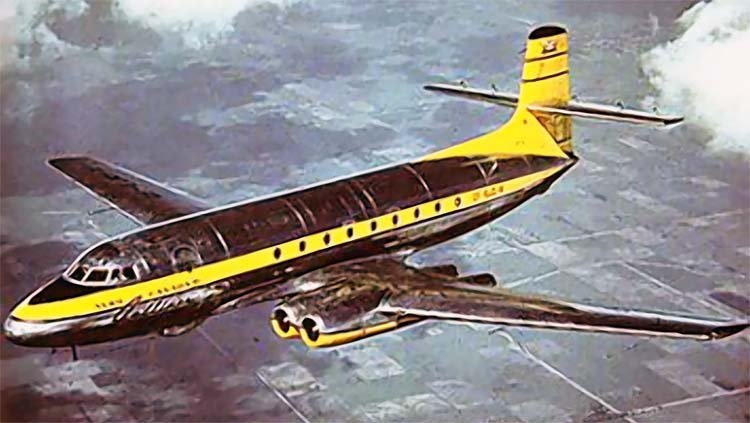 C.102 Jetliner |
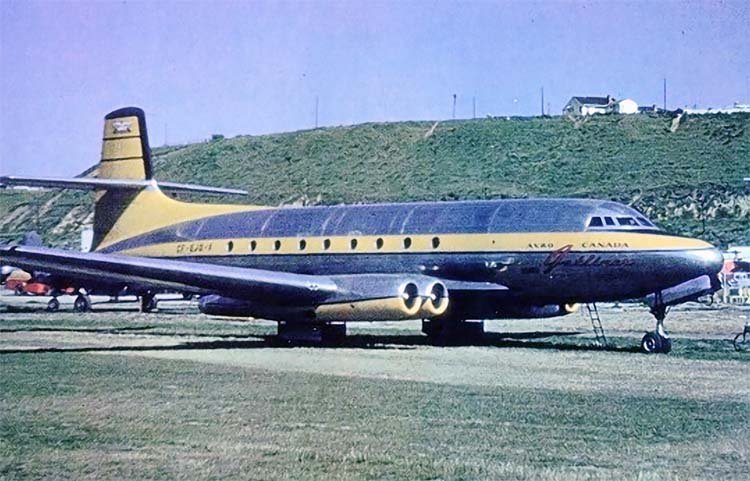 C.102 Jetliner |
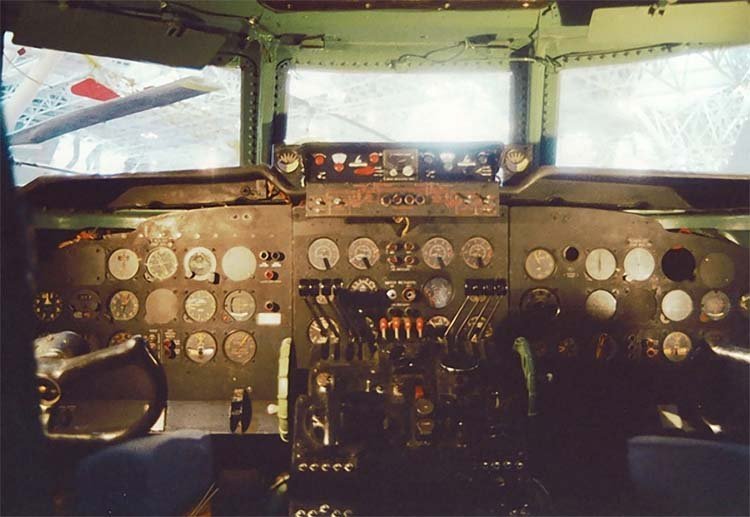 C.102 Jetliner |
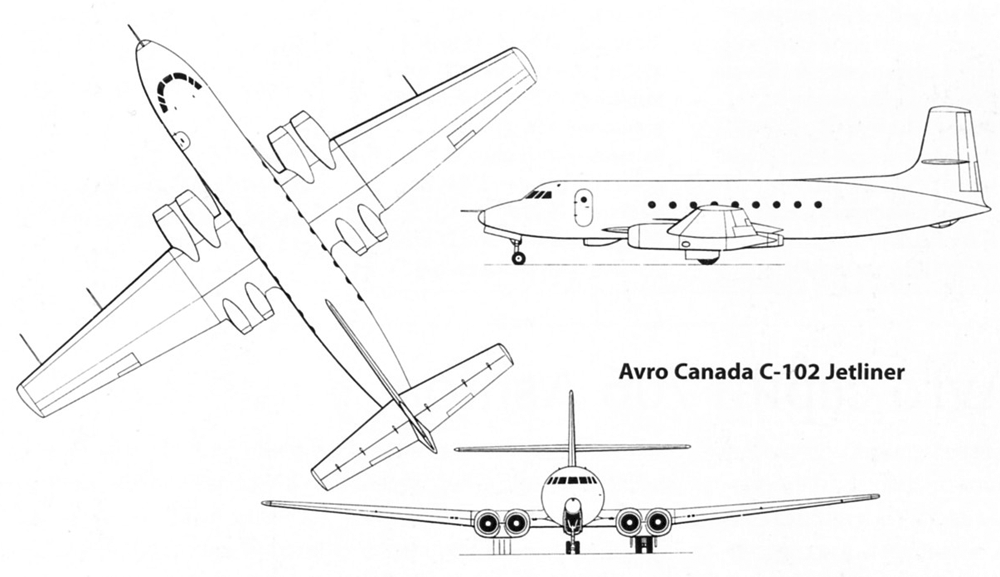 C.102 Jetliner |
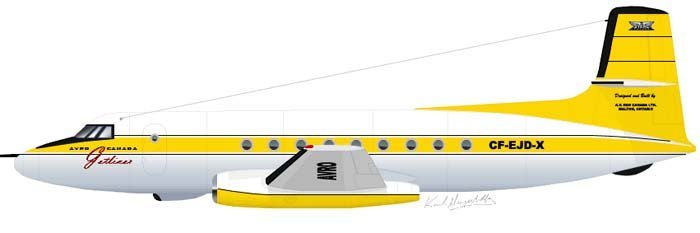 C.102 Jetliner. Photo: Jetliner.purpleglen.com |
Equipo Editorial de ArchivoAéreo
Grupo de investigadores y entusiastas de la aviación dedicados a documentar y preservar la historia aeronáutica mundial. Todos los artículos son revisados para garantizar precisión histórica.
Fuentes y Rigurosidad
La información presentada en esta ficha técnica ha sido compilada a partir de manuales de vuelo desclasificados, archivos históricos y bibliografía especializada. Aunque nos esforzamos por mantener la máxima precisión, algunos datos de rendimiento pueden variar según la variante específica o las condiciones operativas.