B-2 Racer
Initial Design and Construction
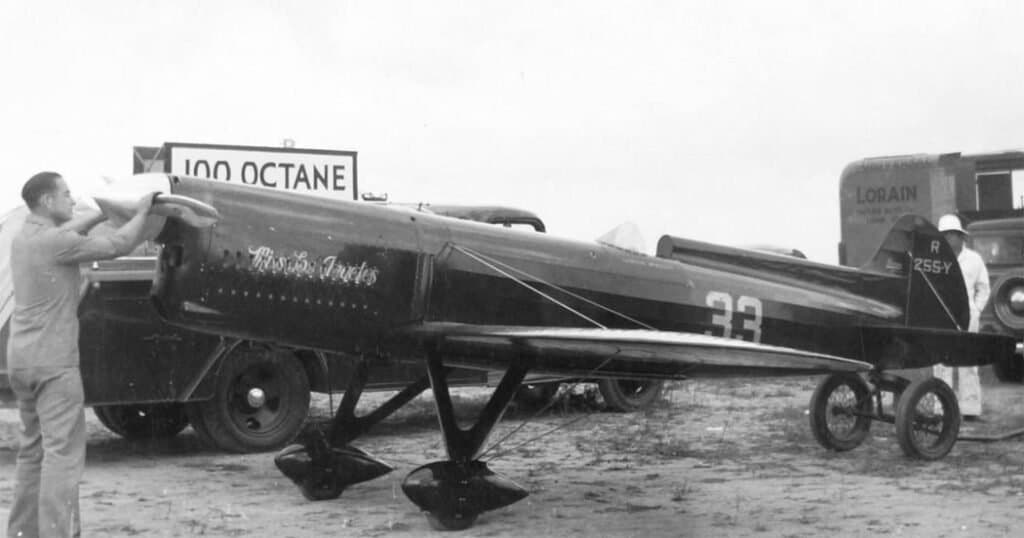
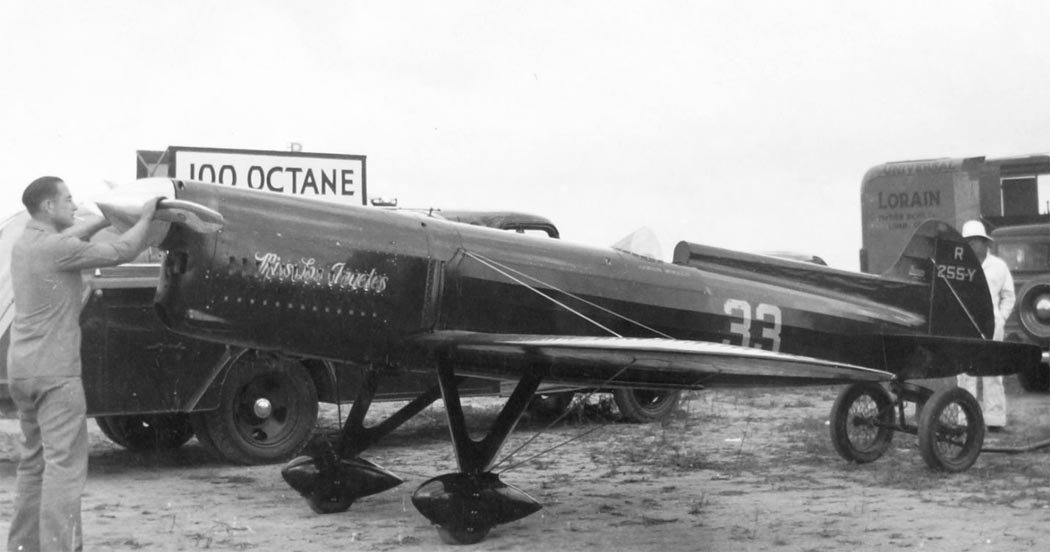
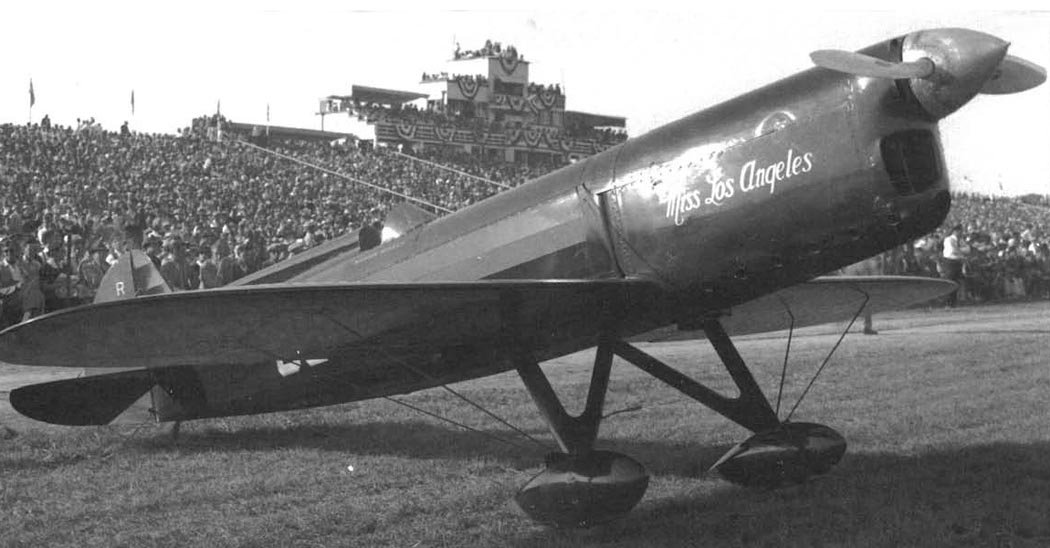
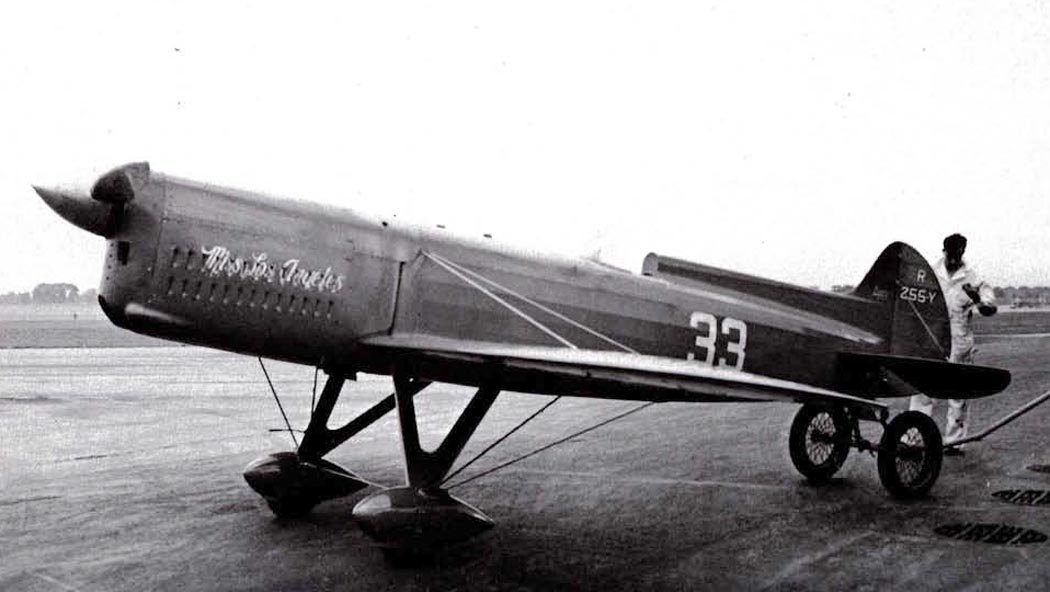
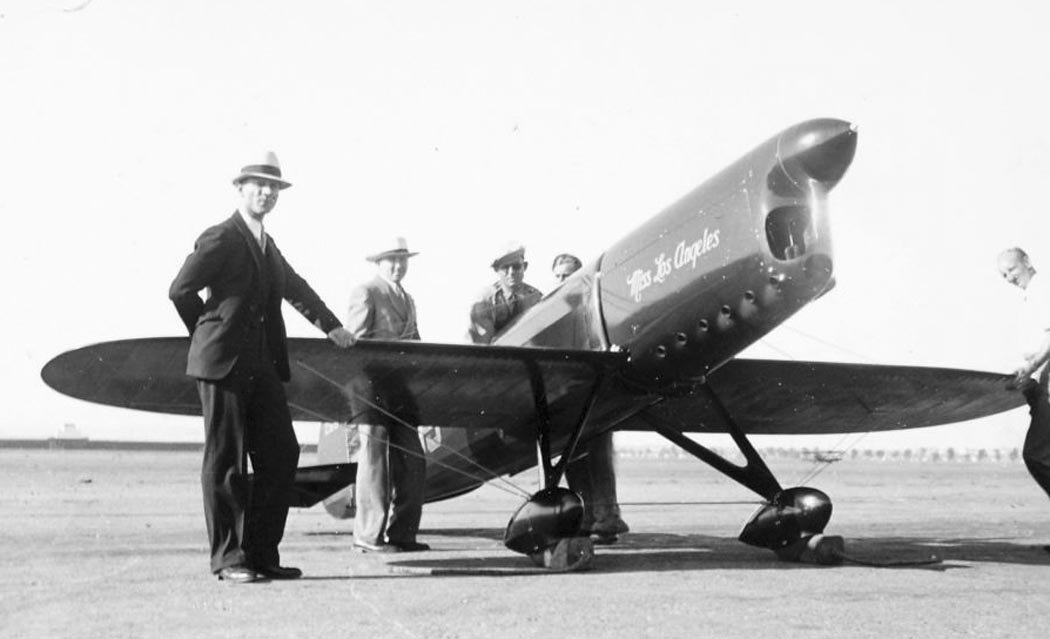
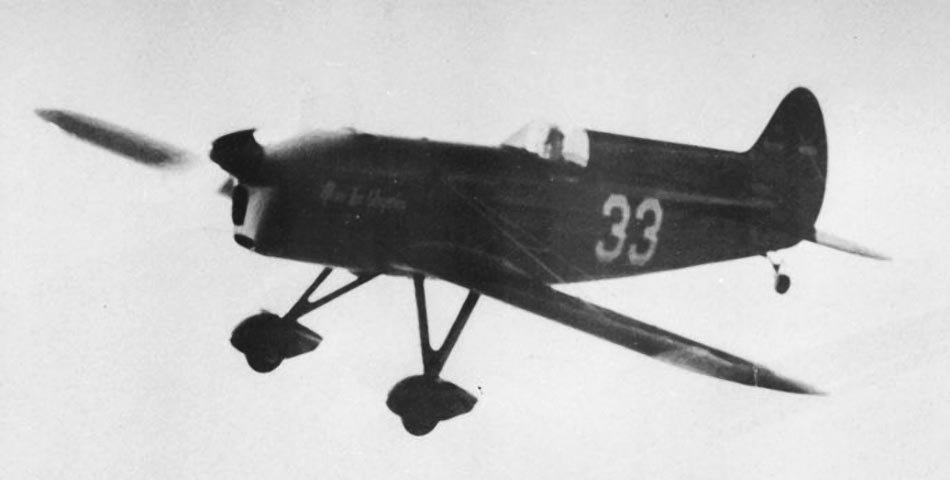
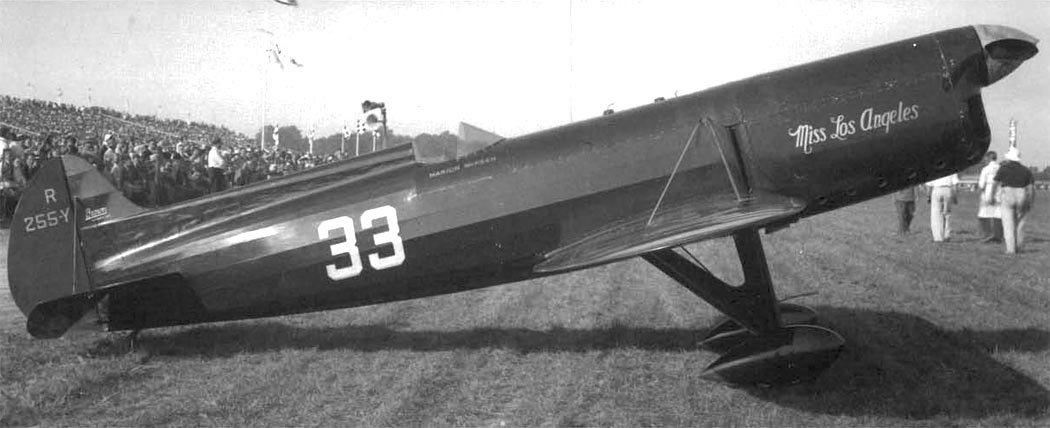
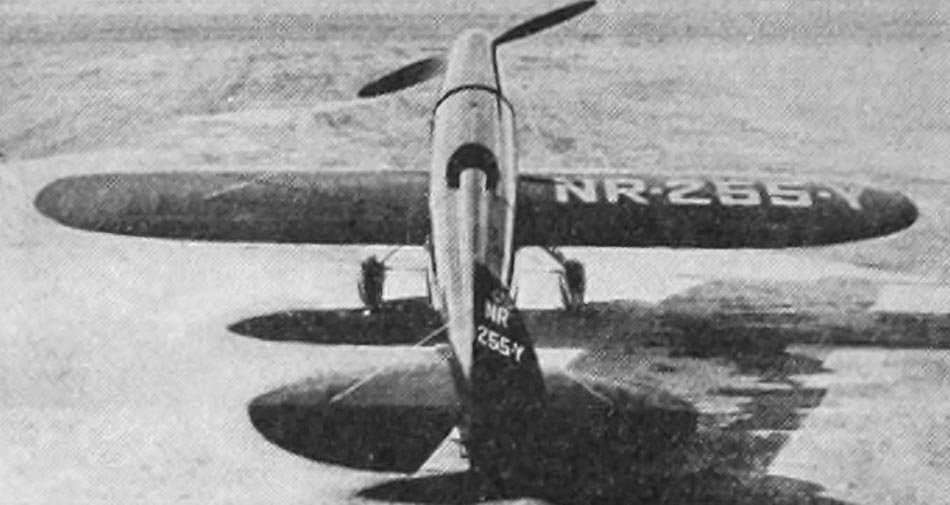
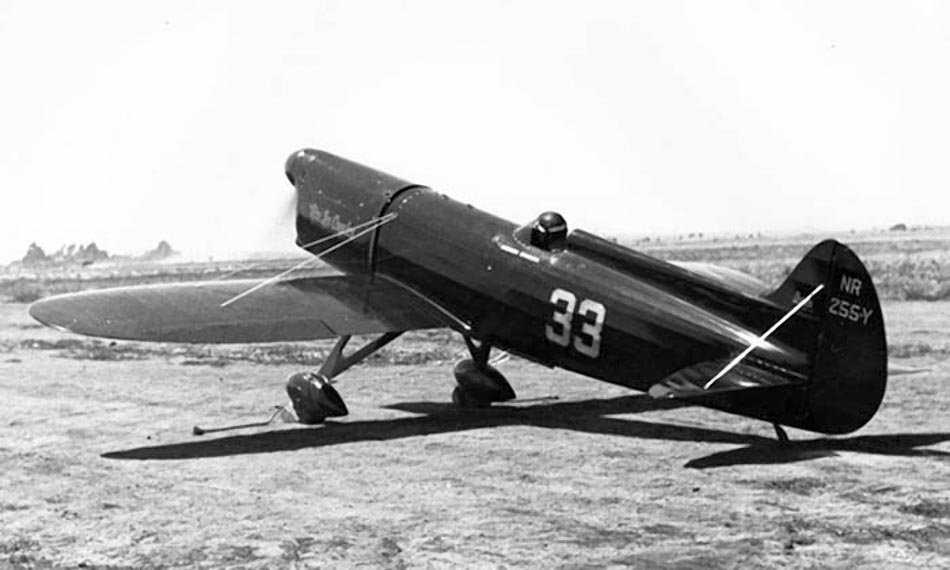
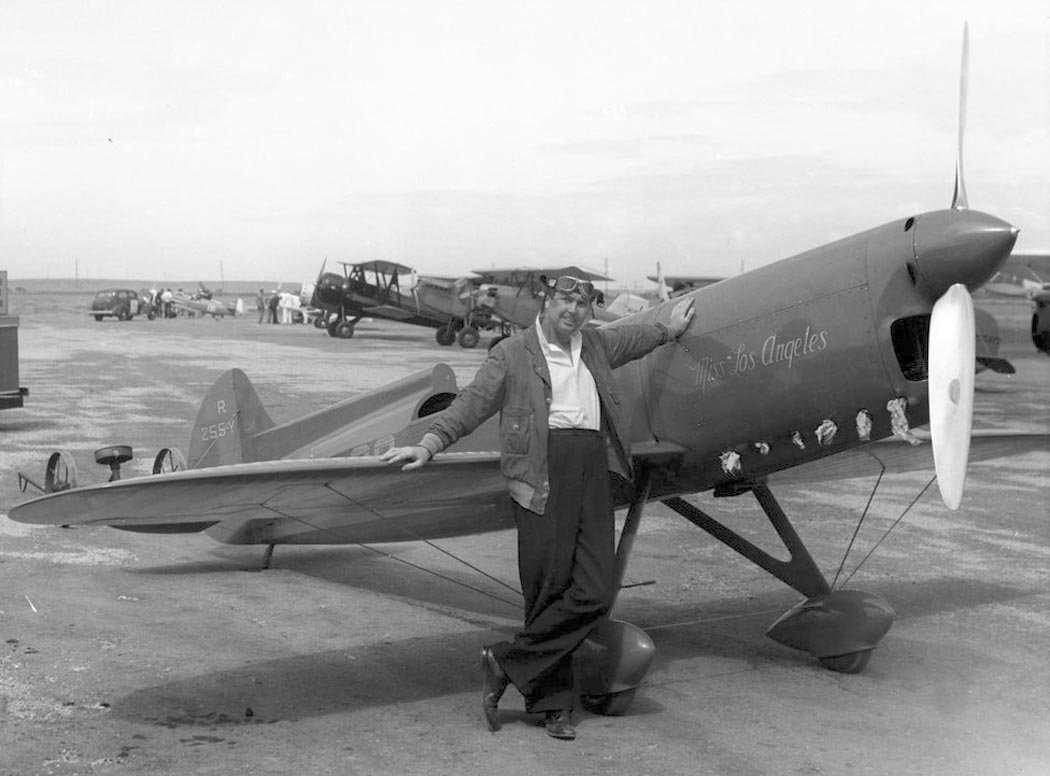
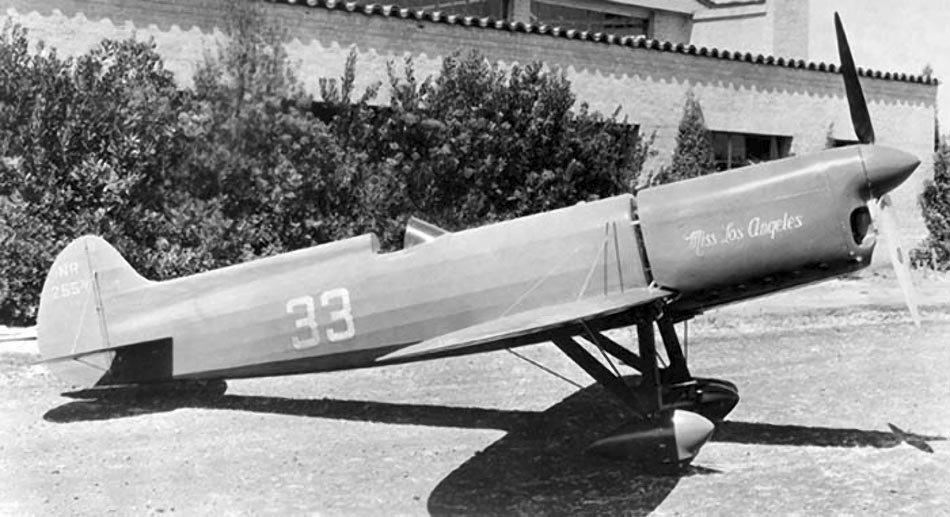
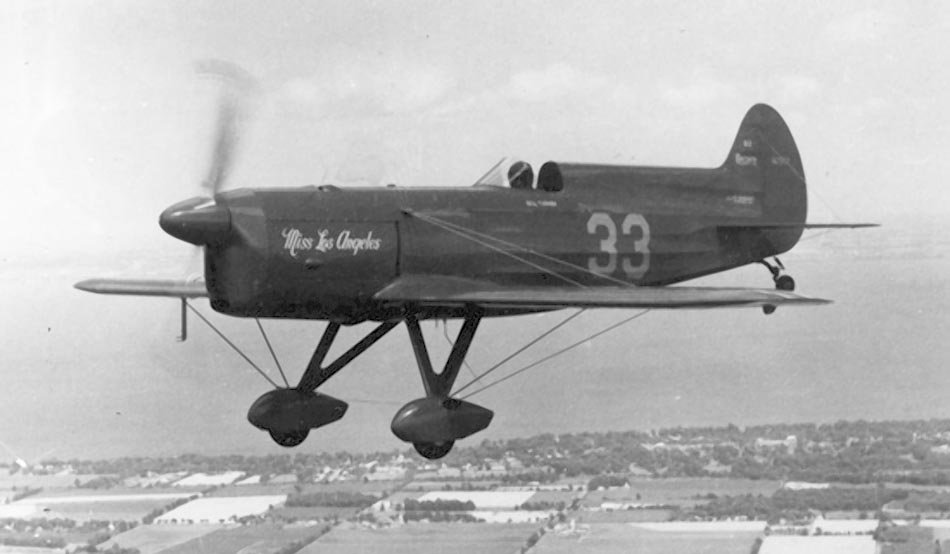
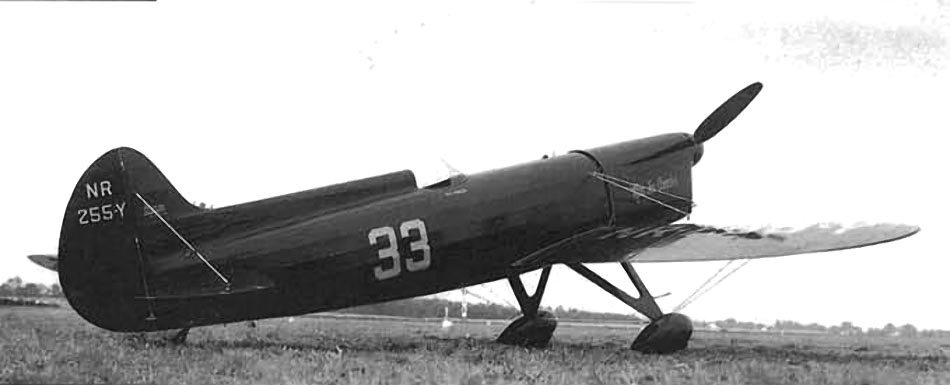
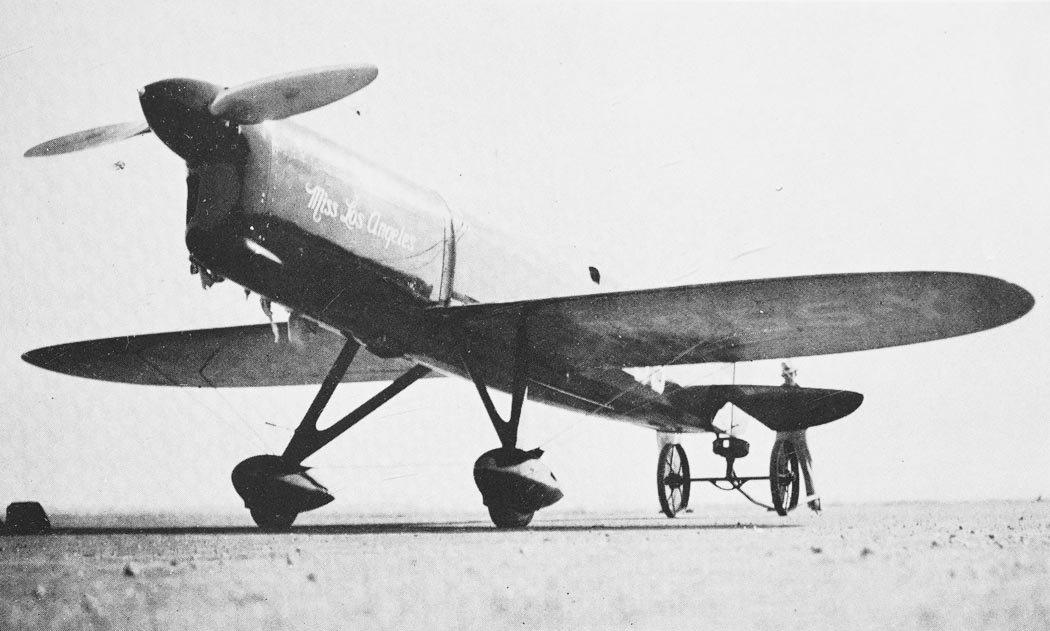
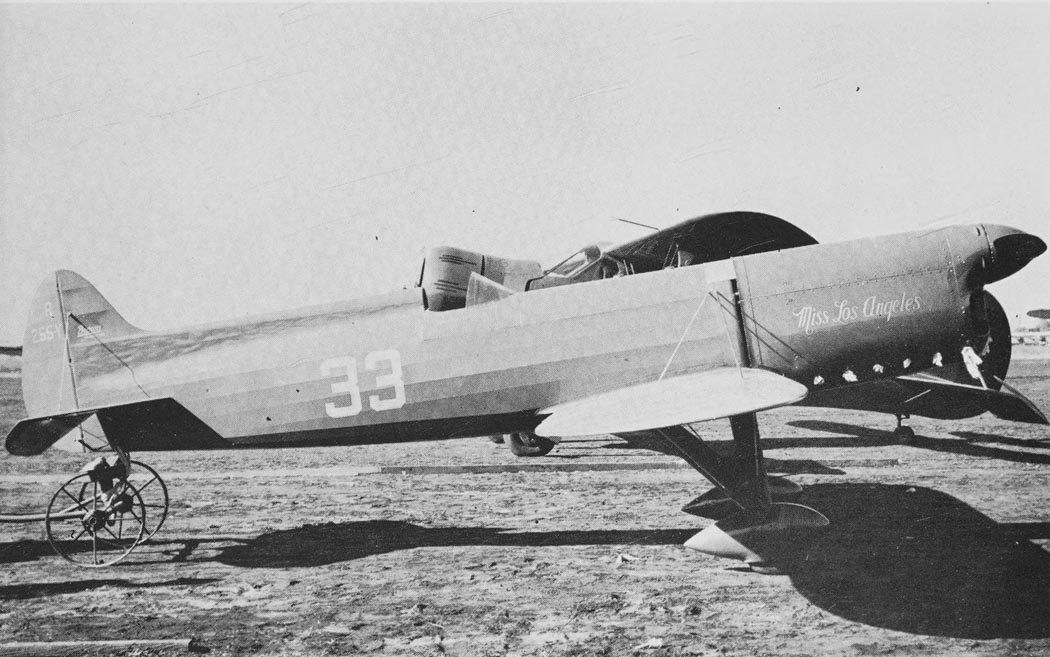
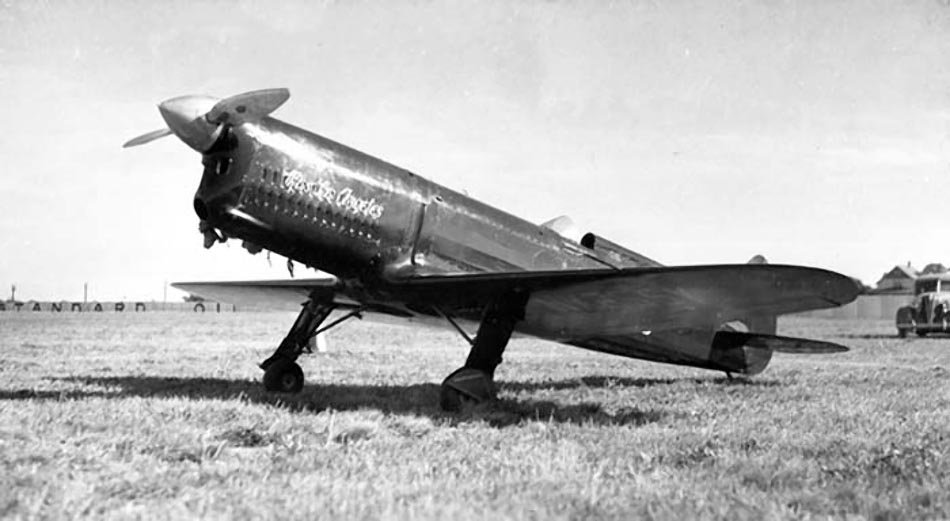
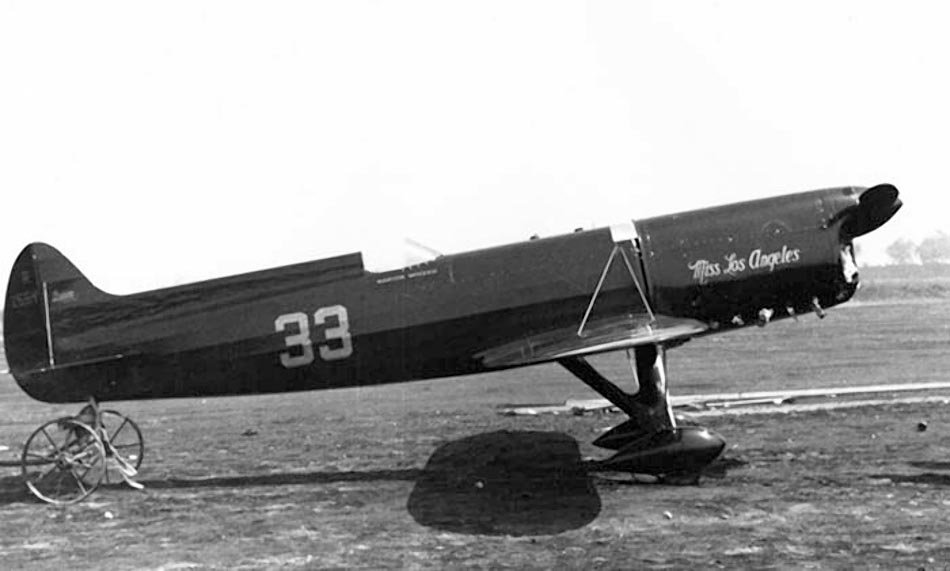
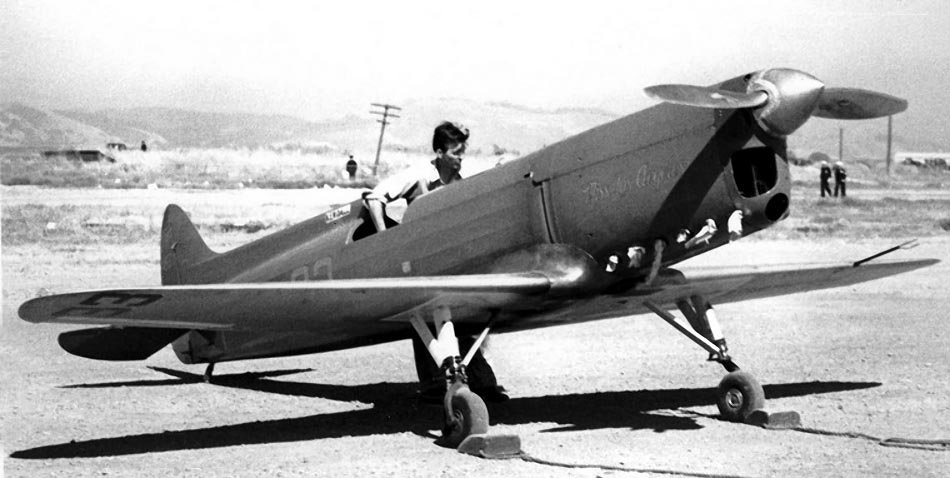
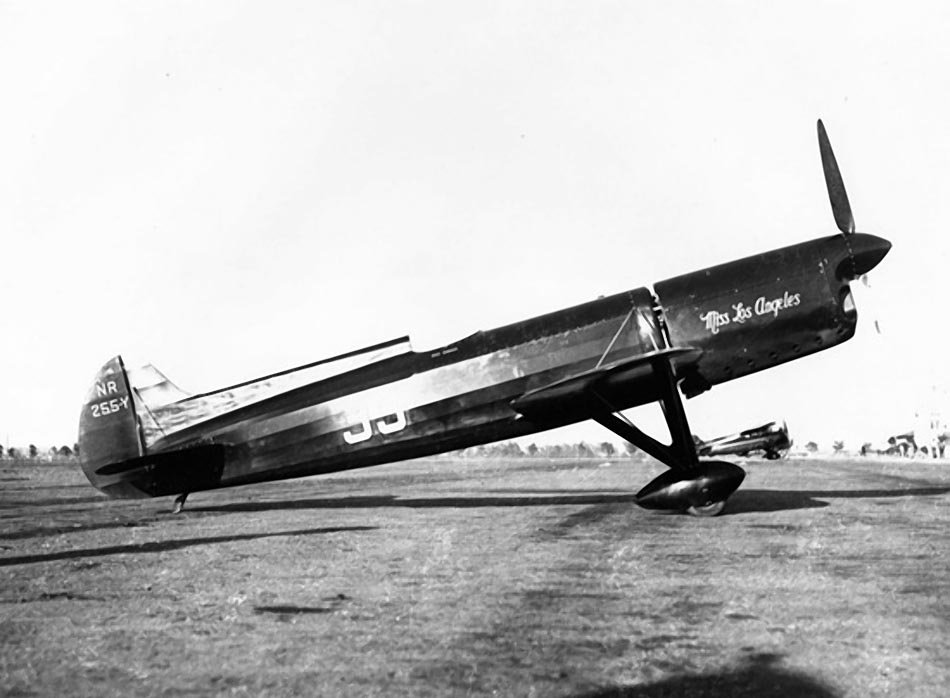
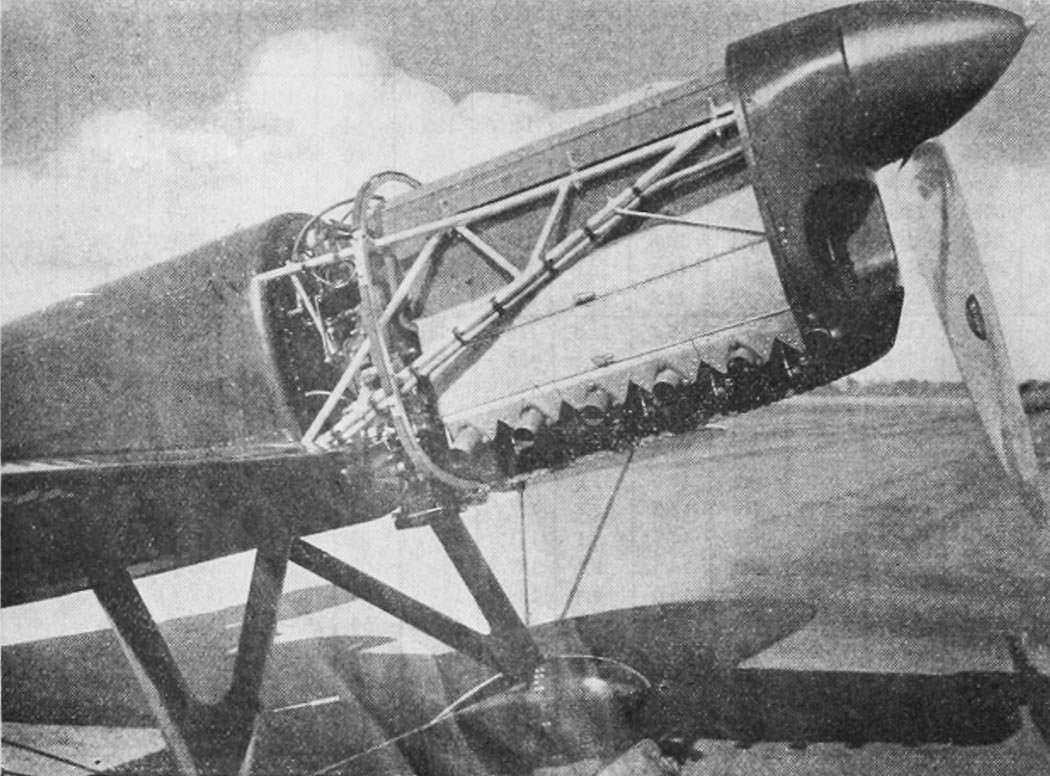
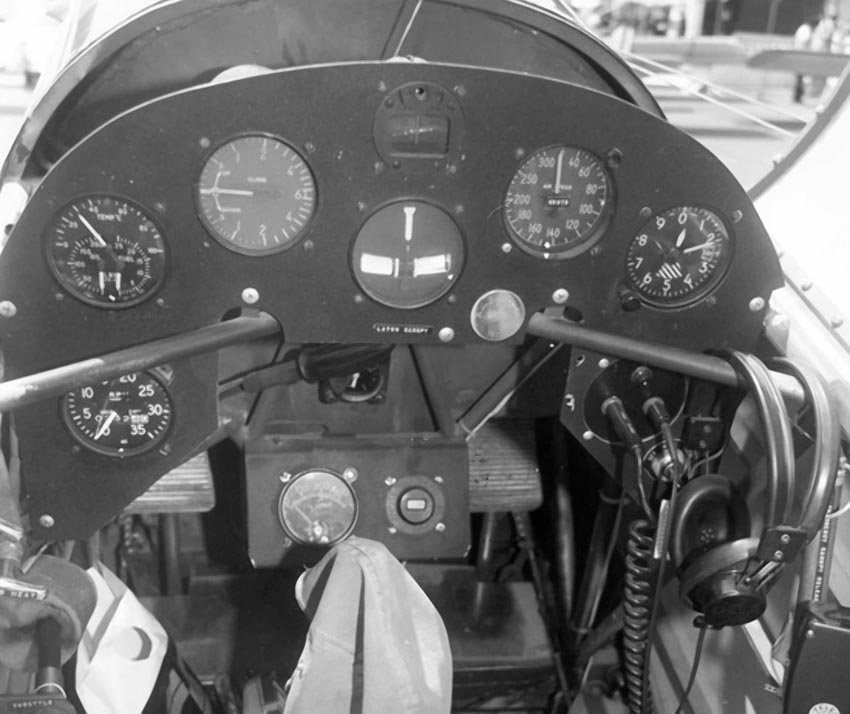
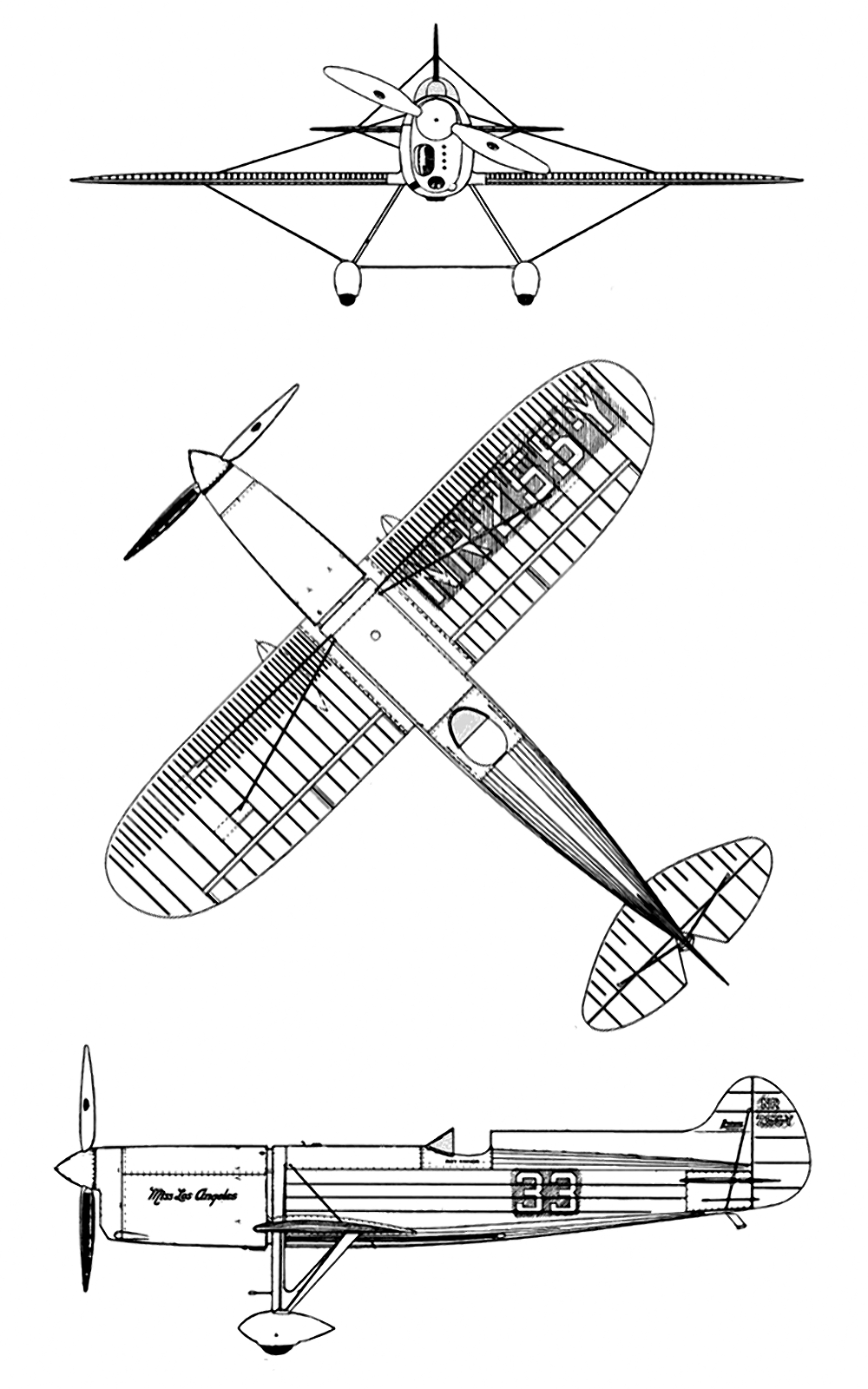
The B-2 Racer, a racing aircraft, was built in 1934 by the Brown Aircraft Co. It was a single-seat, low-wing monoplane of mixed construction featuring fixed landing gear. The aircraft was powered by a 160 hp Menasco B-6 engine.
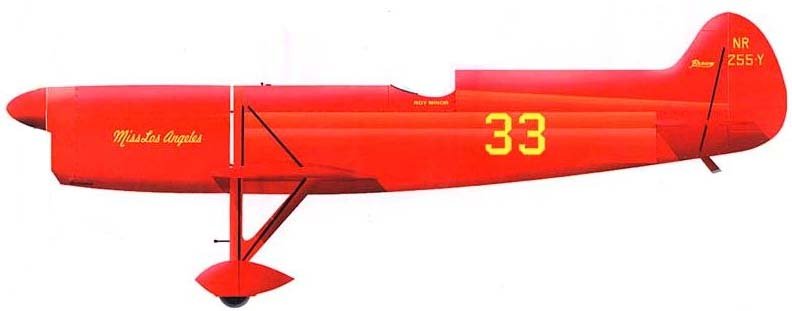
Dubbed “Miss Los Angeles,” the aircraft made its debut in 1934 at the prestigious National Air Races.
Early Racing Triumphs
Piloted by Roy Minor, the B-2 (NR255Y) secured first place, achieving a speed of 213.257 miles per hour. Shortly after, the team added a second-place finish in the Thompson Trophy, showcasing its competitive edge.
From 1935 to 1937, the aircraft regularly participated in various air races. However, in these subsequent competitions, it never achieved a position higher than fifth place.
Modifications and Tragic End
In 1938, the B-2 Racer was involved in an accident and was subsequently rebuilt in 1939 with new wings and retractable landing gear. Nevertheless, these modifications were soon reverted after it became clear that the innovations had only worsened the aircraft’s performance.
Later that same year, during the Greve Trophy, pilot Lee Williams crashed fatally due to engine failure, marking the tragic conclusion of the B-2 Racer’s history.
Technical Specifications
| Modification | B-2 |
| Wingspan, m | 5.87 |
| Aircraft length, m | 6.04 |
| Engine type | 1 Piston engine Menasco B-6 |
| Power, hp | 1 x 160 |
| Maximum speed, km/h | 371 |
| Crew | 1 |
Image and diagram gallery of the B-2 Racer
 B-2 Racer |
 B-2 Racer |
 B-2 Racer |
 B-2 Racer |
 B-2 Racer |
 B-2 Racer |
 B-2 Racer |
 B-2 Racer |
 B-2 Racer |
 B-2 Racer |
 B-2 Racer |
 B-2 Racer |
 B-2 Racer |
 B-2 Racer |
 B-2 Racer |
 B-2 Racer |
 B-2 Racer |
 B-2 Racer |
 B-2 Racer |
 B-2 Racer |
 B-2 Racer |
 B-2 Racer |
Equipo Editorial de ArchivoAéreo
Grupo de investigadores y entusiastas de la aviación dedicados a documentar y preservar la historia aeronáutica mundial. Todos los artículos son revisados para garantizar precisión histórica.
Fuentes y Rigurosidad
La información presentada en esta ficha técnica ha sido compilada a partir de manuales de vuelo desclasificados, archivos históricos y bibliografía especializada. Aunque nos esforzamos por mantener la máxima precisión, algunos datos de rendimiento pueden variar según la variante específica o las condiciones operativas.