Baumann Brigadier
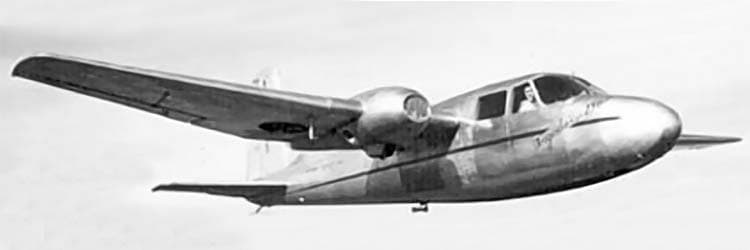
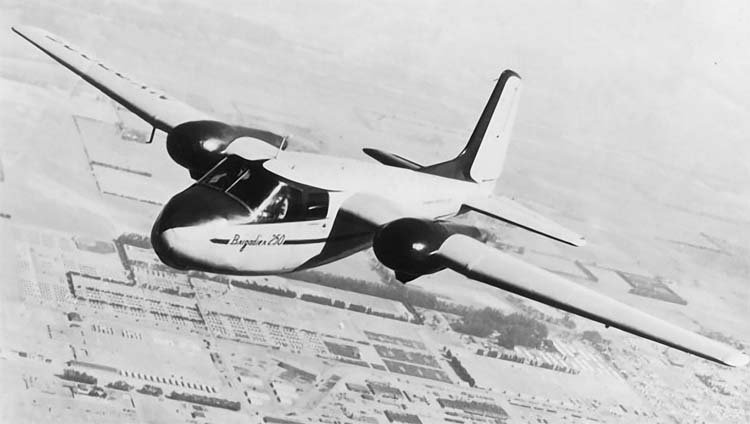
The Baumann Brigadier was a light passenger aircraft produced in small quantities by the “Baumann Aircraft Corporation” during the 1950s. It was essentially based on the B-250 prototype, which first flew in June 1947.
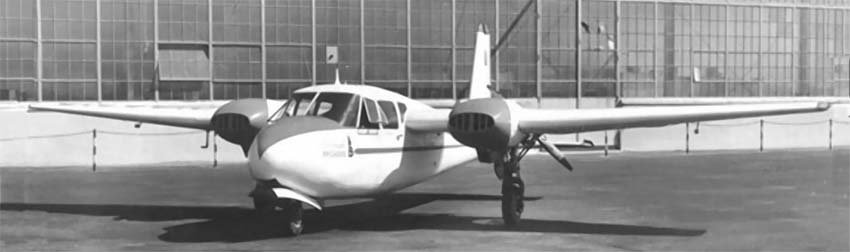
The prototype featured a mid-wing cantilever design with structural elements made from light alloys. It had a semi-monocoque fuselage, a simple empennage, and retractable tricycle landing gear.
Original Design Features
The power plant consisted of two horizontally mounted Continental C125 engines, each delivering 125 hp, positioned on either side of the fuselage. These engines were housed in wing nacelles and drove two-bladed pusher propellers with prominent spinners.
While the B-250 possessed good handling characteristics, it was distinctly underpowered. Consequently, the production model, the B-290, launched in a limited series in 1952, utilized a more powerful engine setup. Yet, even with this improvement, its radical appearance, and relatively spacious cabin, the aircraft failed to attract customer interest.
Planned Variants and Legacy
Two further versions with more powerful engines were planned: the B-360 Brigadier (with a 180 hp Lycoming) and the B-480 Super Brigadier (with a 240 hp Continental O-470), but neither of these concepts was ever realized.
One B-250 Brigadier was eventually purchased by the Piper company and operated under the designation PA-21 Twin.
Technical Specifications
| Modification | B-290 |
| Wingspan, m | 12.00 |
| Aircraft length, m | 8.36 |
| Aircraft height, m | 3.10 |
| Wing area, m2 | 19.20 |
| Empty weight | 998 |
| Maximum takeoff weight | 1588 |
| Engine type | 2 Piston engine Continental C-145-H |
| Power, hp | 2 x 145 |
| Maximum speed, km/h | 310 |
| Cruising speed, km/h | 266 |
| Practical range, km | 1207 |
| Rate of climb, m/min | 384 |
| Practical ceiling, m | 5486 |
| Crew, crew | 1 |
| Payload | 4 passengers |
Image and diagram gallery of the Baumann Brigadier
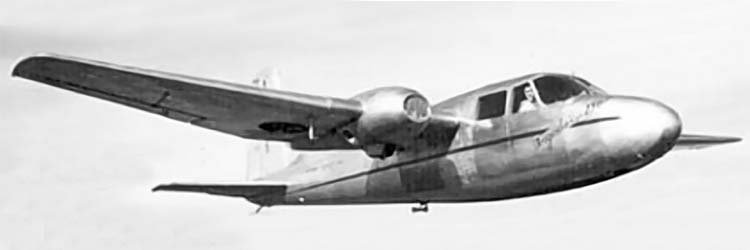 Brigadier |
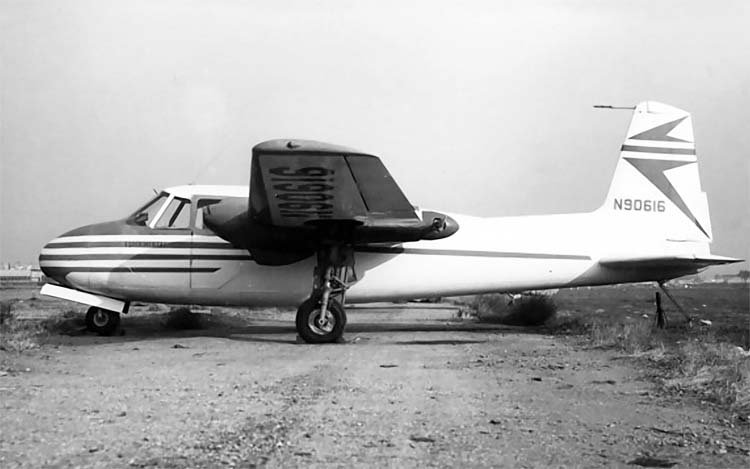 Brigadier |
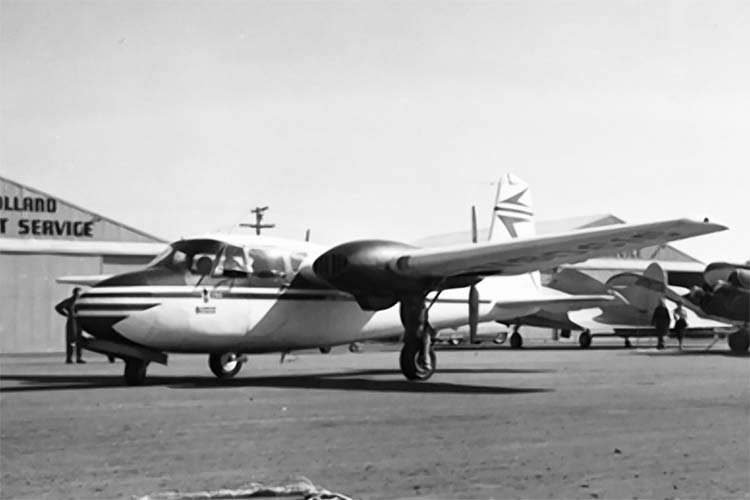 Brigadier |
 Brigadier |
 Brigadier |
Equipo Editorial de ArchivoAéreo
Grupo de investigadores y entusiastas de la aviación dedicados a documentar y preservar la historia aeronáutica mundial. Todos los artículos son revisados para garantizar precisión histórica.
Fuentes y Rigurosidad
La información presentada en esta ficha técnica ha sido compilada a partir de manuales de vuelo desclasificados, archivos históricos y bibliografía especializada. Aunque nos esforzamos por mantener la máxima precisión, algunos datos de rendimiento pueden variar según la variante específica o las condiciones operativas.