Be-200ChS
The second “two-hundred” (No. 7682000003) took to the air from the runway of the IAPO factory airfield on August 27, 2002. Its maiden forty-minute flight was piloted by a TANTK crew, consisting of test pilots N.P. Kuleshov and N.N. Okhotnikov, along with flight engineer A.N. Ternovoy. Unlike the first aircraft, this one was built in the Be-200ChS variant, with equipment specifications closely matching the requirements of the customer, the Russian Ministry of Emergency Situations (EMERCOM).
Later that month, the Be-200ChS (tail number RA-21512) flew to Taganrog, where it performed its first takeoff from water. On September 3, it was ferried to Gelendzhik. The amphibious aircraft’s appearance in the evening twilight over the bay, with its elegant light paint scheme, became a minor sensation. Throughout the “Hydroaviasalon-2002,” the Be-200ChS remained at the center of public attention.
Enhanced Features and Equipment
Externally, the Be-200ChS differed from the first aircraft (002) by its aforementioned paint scheme, the presence of two observation blisters, and more “refined” underwing floats. However, the primary differences, not visible to the naked eye, concerned the amphibian’s onboard equipment. The aircraft featured a modernized ARIA-200M flight and navigation complex, new EDSU and SPU-200ChS systems, an AOS onboard surveillance system, an SGU-600 external sound alert system, and an SX-5 searchlight.
The cargo cabin was equipped with workstations for two observers, fitted with the very blisters for visual target search. It also housed an “Orion-25S” inflatable boat and cargo equipment. The cabin walls and ceiling were covered with decorative panels manufactured by the British company AIM Aviation.
The Be-200ChS is designed to perform the following primary tasks: delivering rescue teams, necessary equipment, and essential goods to disaster areas, landing on nearby airfields and bodies of water. It also includes evacuating victims from disaster zones, searching for and detecting distressed ships and vessels, and precisely determining the coordinates of emergency hotspots. Furthermore, it allows for visual and technical classification of detected targets using onboard systems, as well as transporting fire brigades and cargo.
It is noteworthy that the “two-hundred” is being developed through extensive international cooperation. In addition to TANTK and IAPO, participants include “Motor Sich” (Ukraine) for D-436TP engines, “Aerosila” (Russia) for the TA-12-60 APU, ARIA (Russia/USA) for the ARIA-200M navigation complex, and AIM Aviation (UK) for the cabin interior. Other contributors are AIR Cruisers (USA) for emergency rescue equipment, TAMAM/IAI Division (Israel) for the onboard surveillance system, PALL (USA) for fuel system components, Goodrich Hella (USA/Germany) and Spectrolab (UK) for lighting equipment, and Vibro Meter (Switzerland) for power plant vibration measurement equipment, among many other organizations and firms.
Following the conclusion of “Hydroaviasalon-2002,” the Be-200ChS began a cycle of certification tests to obtain a type certificate for the Be-200ChS variant. Testing of the first flight machine also continued, with a full type certificate expected in 2003.
Production and World Records
Serial production of the aircraft is currently underway in Irkutsk. This year, two serial machines (101 and 102) are planned for delivery to the customer. The remaining Be-200ChS aircraft (machines 201, 202, 203, 301, 302) were scheduled to join the EMERCOM aviation fleet by the end of 2005. Test pilot L.G. Smely and flight engineer S.S. Khoroshikh from NPK “IRKUT” (current name of IAPO) have already flown the Be-200 independently and will be responsible for piloting the production aircraft.
At the TANTK Hydroaviation Aviation Training Center, since March of this year, retraining of flight and engineering personnel from Russian EMERCOM aviation for the Be-200ChS has been ongoing. IAPO’s facilities allow for the production of up to four amphibians per year. In the future, the production volume of the Be-200 could be doubled.
At the “Gelendzhik-2006” International Hydroaviation Exhibition, held from September 6 to 10, the Be-200ChS amphibious aircraft set eight world records over three days.
On September 6, the Be-200ChS (RF-21512) set a world speed record for a 500 km closed-circuit flight (without cargo) in class C-2i (seaplanes – water takeoff and landing). This record was particularly important and interesting because the crew included not only test pilot Nikolai Kuleshov from TANTK Beriev but also the Commander-in-Chief of the Air Force, Vladimir Mikhailov himself, acting as co-pilot.
The next day, September 7, the same aircraft set three more world records: maximum speed over a 1000 km closed circuit without cargo, and with commercial payloads of 1000 kg and 2000 kg.
Finally, on September 9, in two flights with the same “two-hundred,” the following world records were set in class C-3 (amphibious aircraft): maximum flight speed over a 500 km closed circuit without cargo, maximum flight speed over a 1000 km closed circuit without cargo, and maximum flight speed over a 1000 km closed circuit with commercial payloads of 1000 kg and 2000 kg.
By 2008, five more aircraft had been delivered: the second (RF-21512) on July 31, 2003, to Russian EMERCOM; the third (RF-32767) on April 19, 2004, to Russian EMERCOM; the fourth (RF-32768) on July 27, 2005, to Russian EMERCOM; the fifth (RF-32769) on October 31, 2006, to Russian EMERCOM; and the sixth (FHN-10201 (76820002703)) on April 30, 2008, to Azerbaijan’s EMERCOM. In addition to the seven ordered in 2001, the Russian EMERCOM ordered eight more, and negotiations were underway with potential European clients.
On June 20, 2003, the Be-200ChS received a limited category aircraft type certificate. In November 2008, the D-436TP engines, as part of the Be-200ChS, received European certification.
Technical Specifications
| Modification | Be-200ChS |
| Wingspan, m | 32.78 |
| Aircraft length, m | 32.05 |
| Aircraft height, m | 8.90 |
| Wing area, m2 | 117.40 |
| Empty weight | 28000 |
| Maximum takeoff weight (from water) | 40000 |
| Maximum takeoff weight (from land) | 42000 |
| Fuel capacity | 12500 |
| Engine type | 2 Turbofan engines Progress D-436TP |
| Maximum thrust | 2 x 7500 |
| Cruising thrust | 2 x 1500 |
| Maximum cruising speed, km/h | 700 |
| Economical speed, km/h | 560-600 |
| Practical range, km | 3100 |
| Patrol time, h | 6.5 |
| Practical ceiling, m | 8000 |
| Crew, crew members | 2 |
| Payload | up to 7500 kg of cargo or 7 LD-3 containers or 9 PA 1.5 pallets, up to 50 passengers in seats or up to 30 injured on stretchers. |
Image and diagram gallery of the Be-200ChS
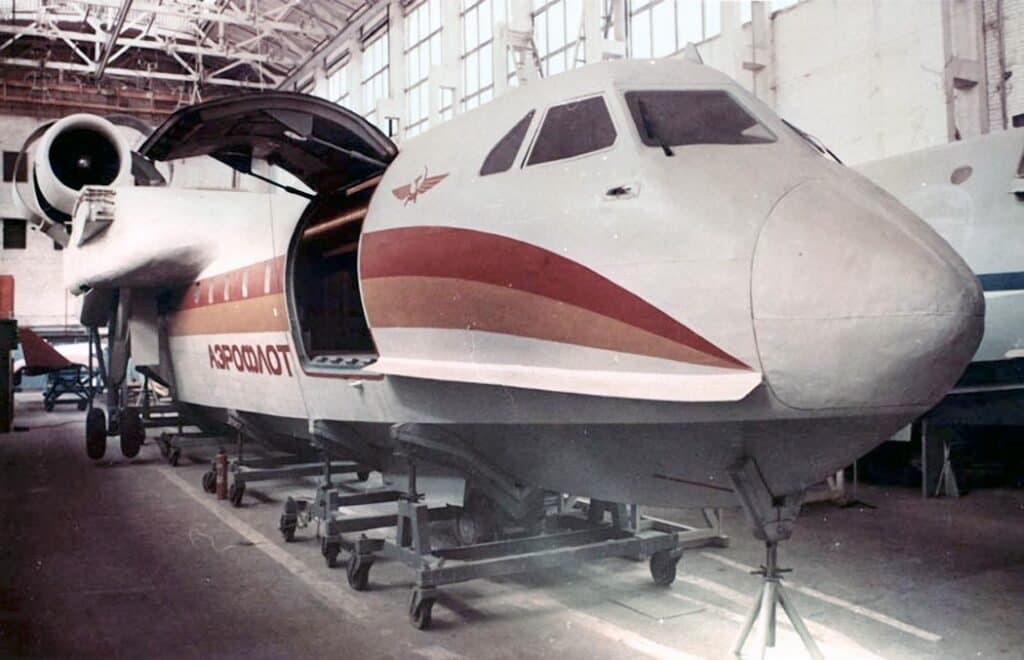
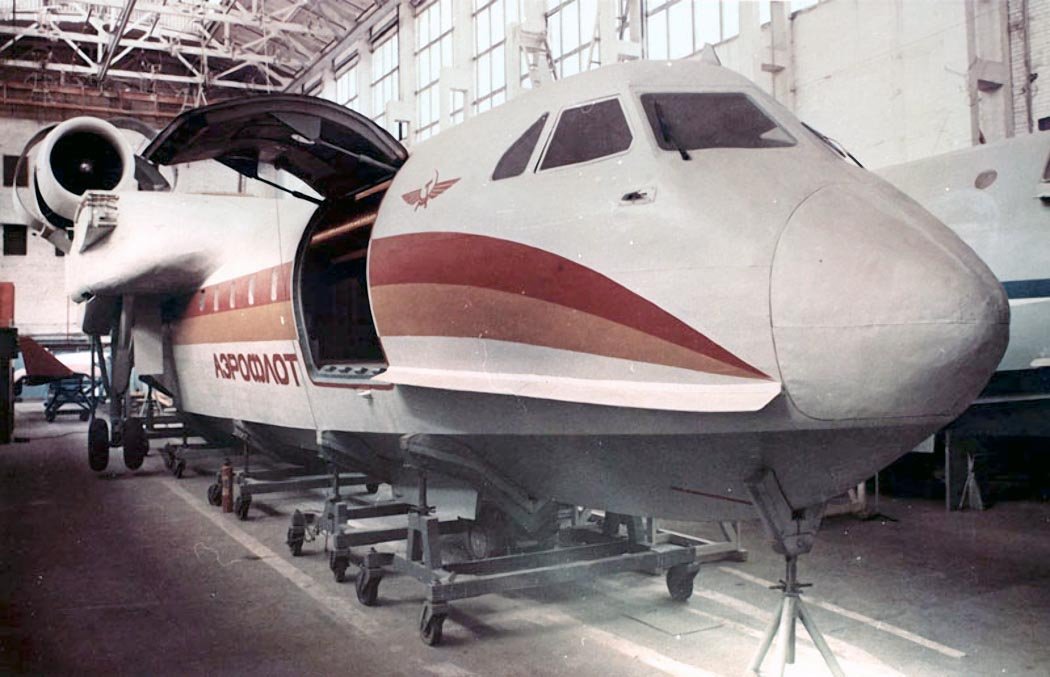 Be-200ChS |
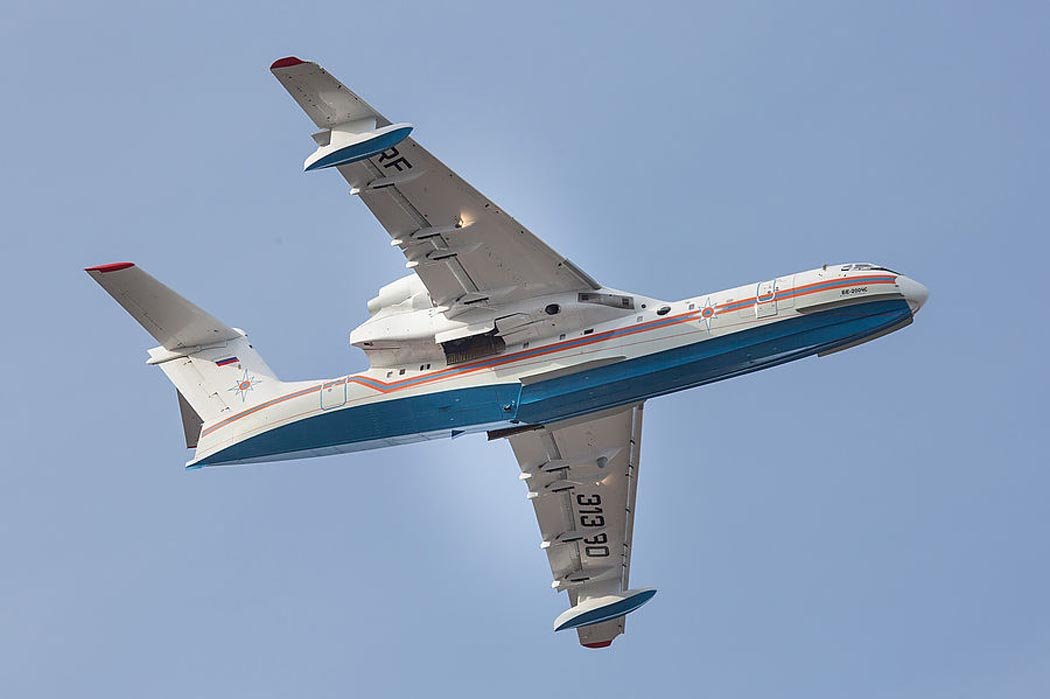 Be-200ChS. Photo: TANTK im. G. M. Berieva |
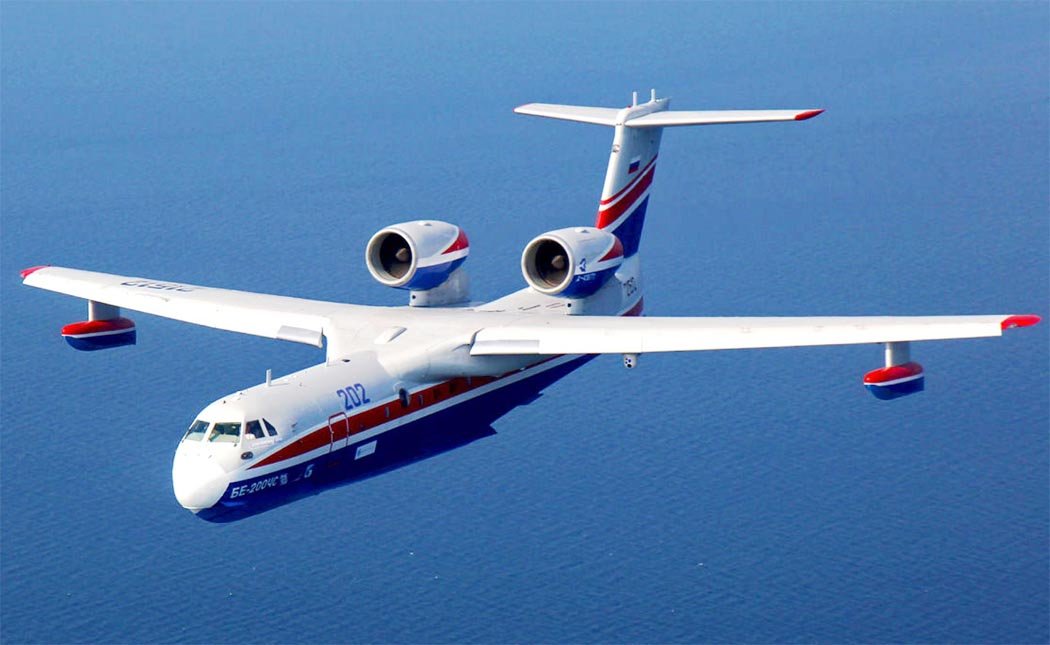 Be-200ChS. Photo: TANTK im. G. M. Berieva |
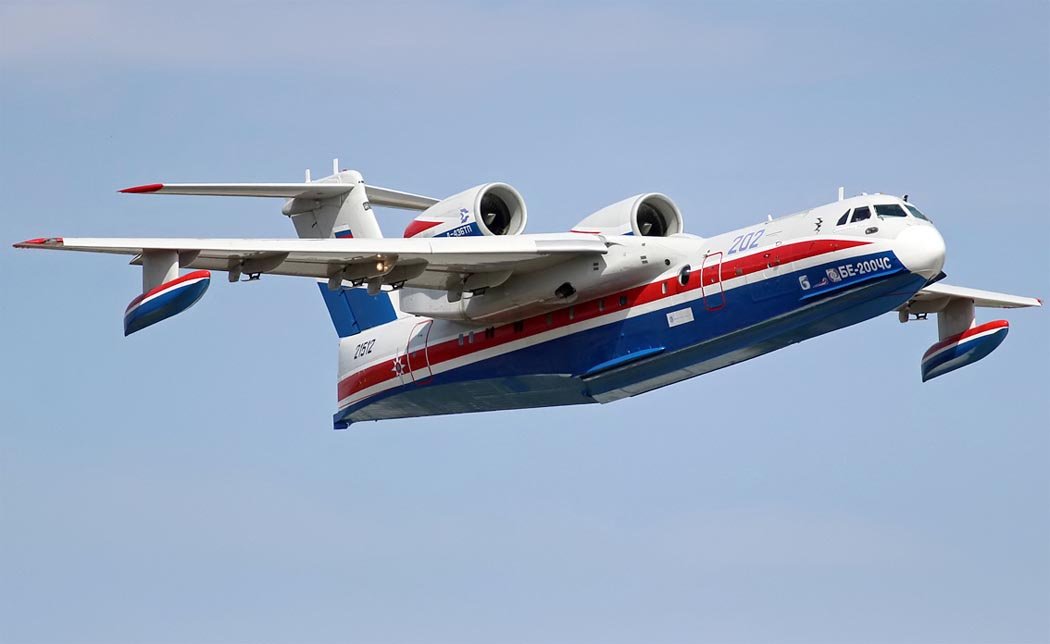 Be-200ChS. Photo: Rimma Sadykova |
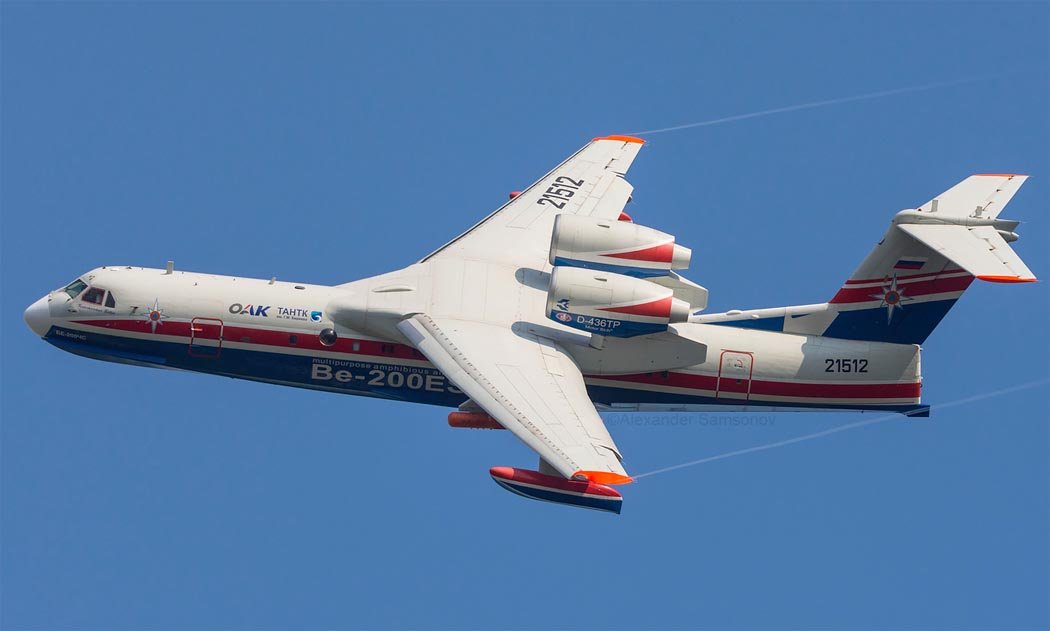 Be-200ChS. Photo: Aleksandr Samsonov |
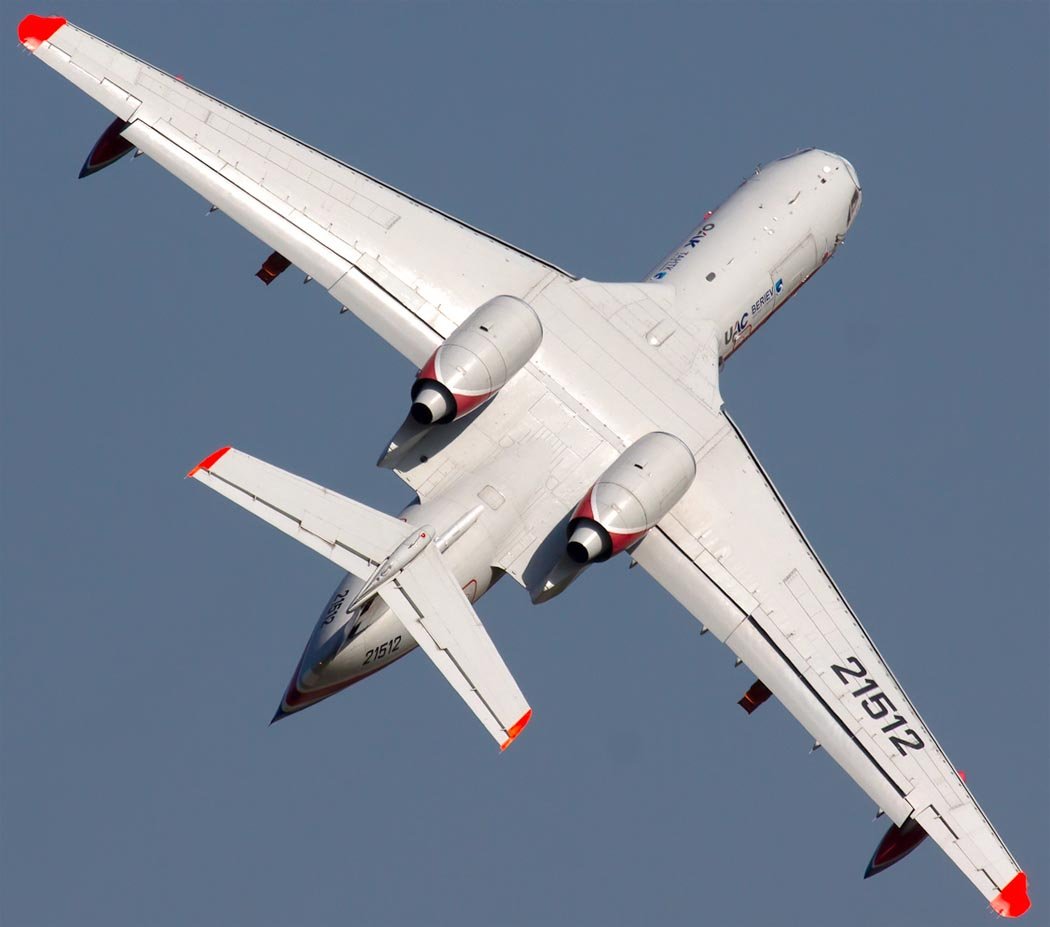 Be-200ChS. Photo: Vyacheslav Grushnikov |
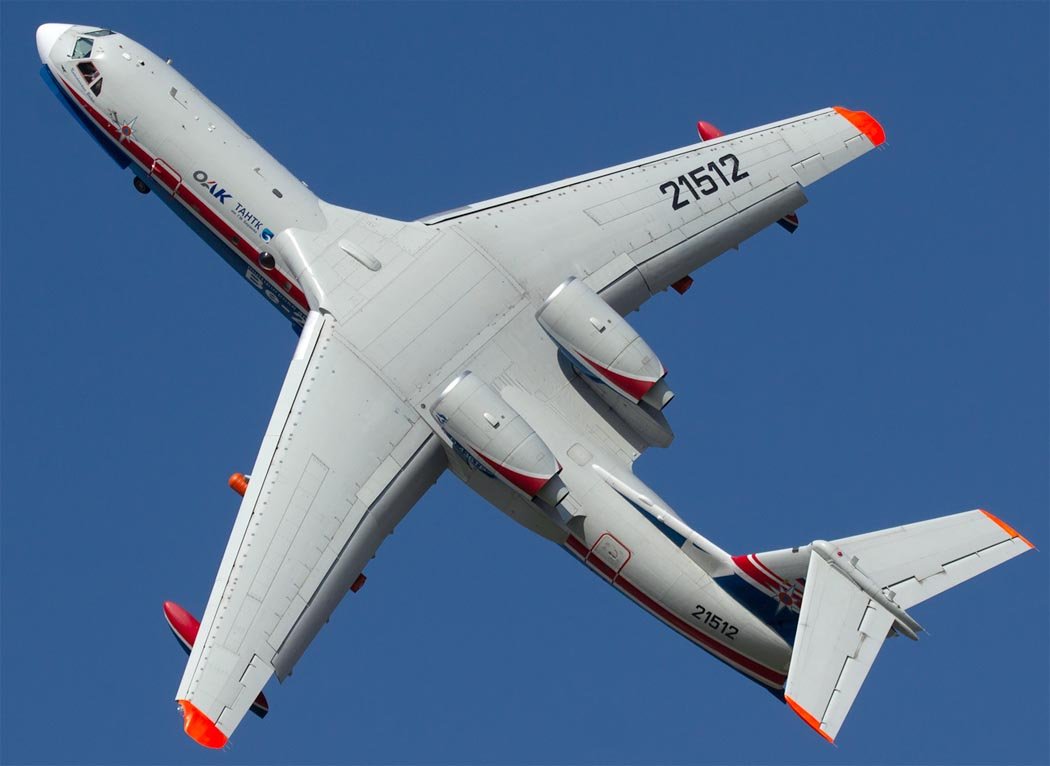 Be-200ChS. Photo: Vyacheslav Grushnikov |
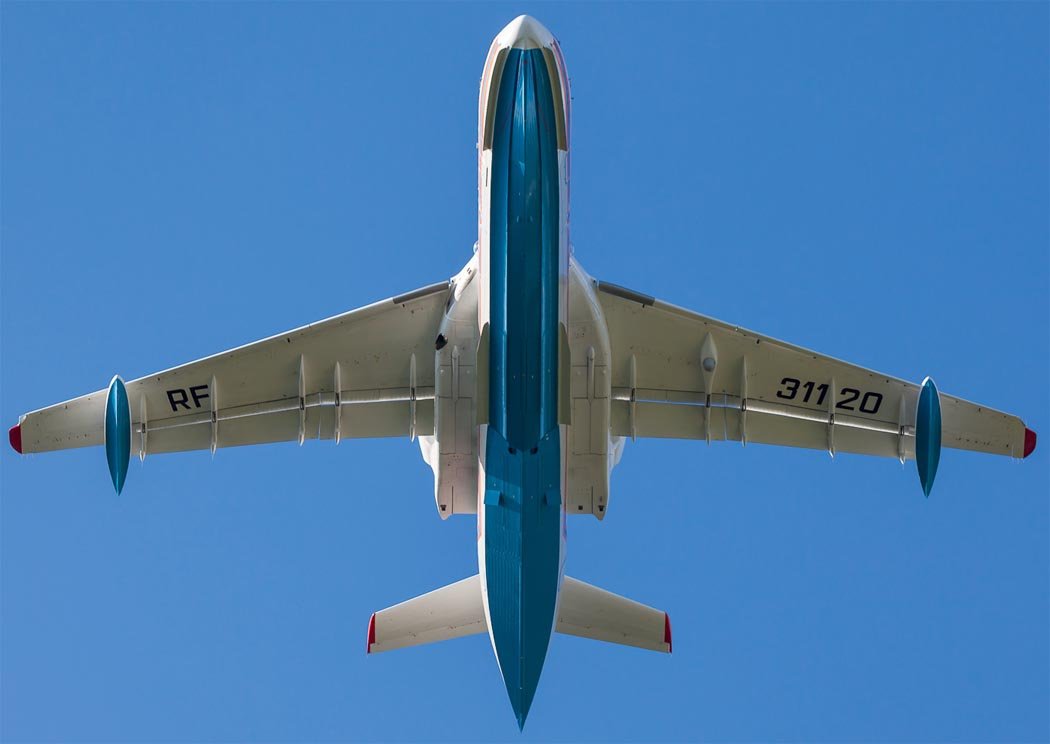 Be-200ChS. Photo: Aleksey (other) |
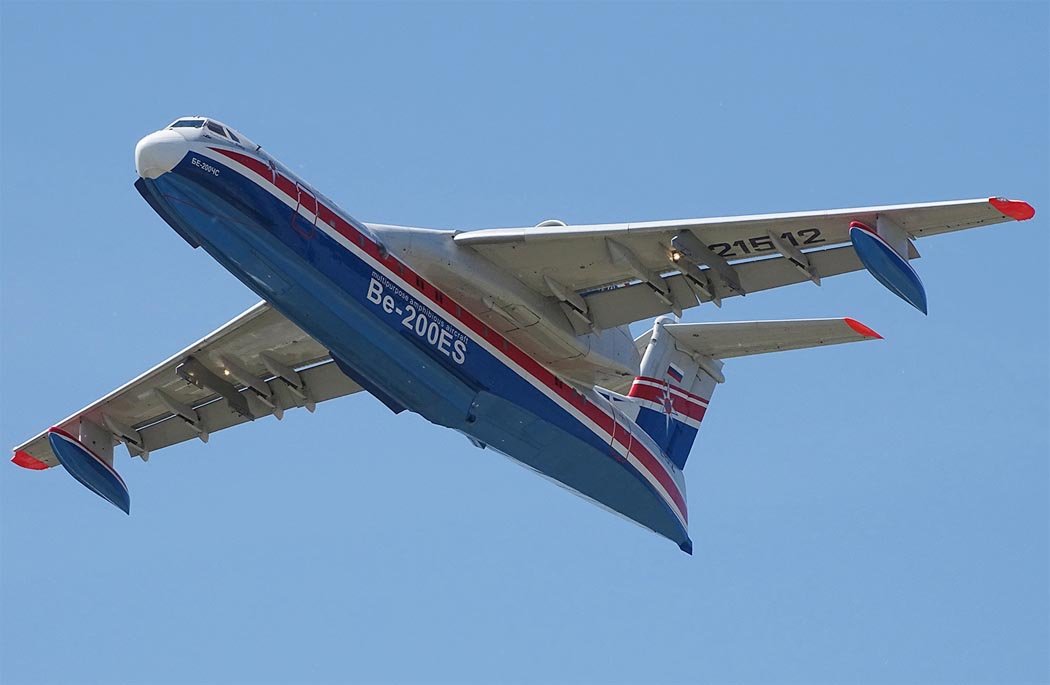 Be-200ChS. Photo: Denis Shulga |
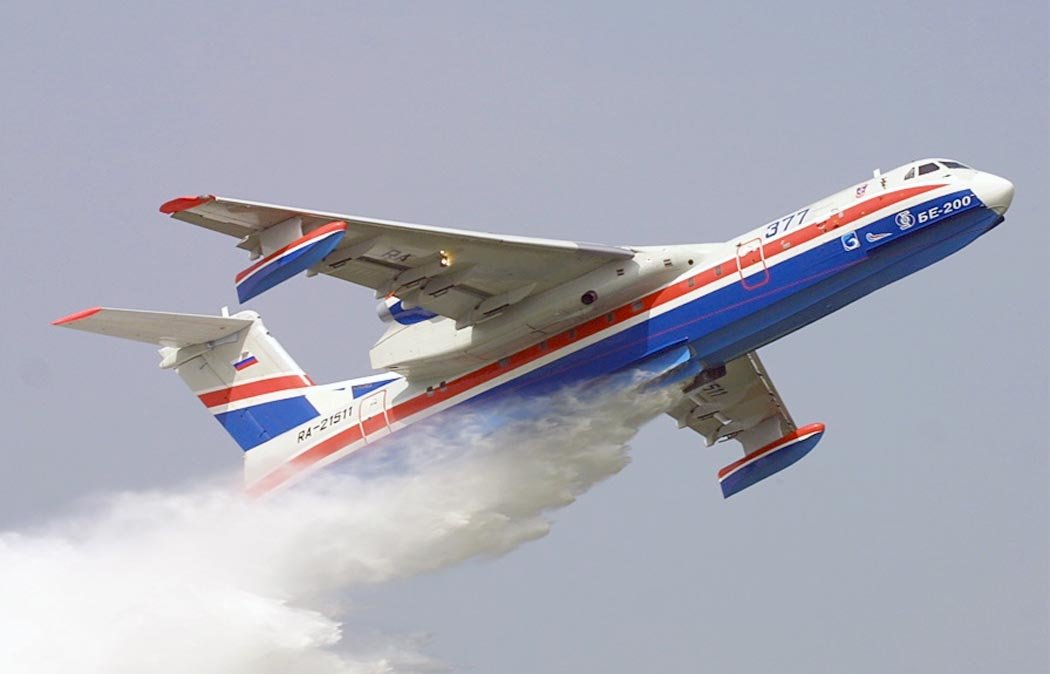 Be-200ChS. Photo: Aleksandr Karelin |
 Be-200ChS. Photo: Artem Baryshnikov |
 Be-200ChS. Photo: kiba |
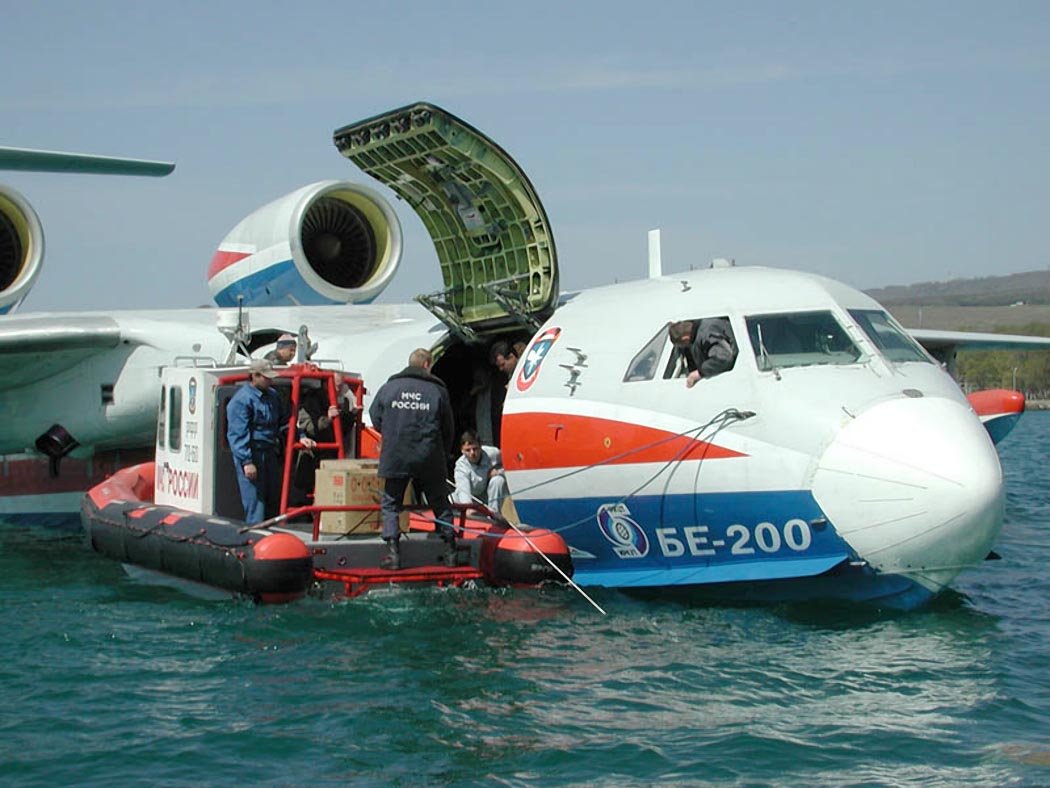 Be-200ChS. Photo: Aleksandr Kharlanov |
 Be-200ChS. Photo: Ivan Polushkin |
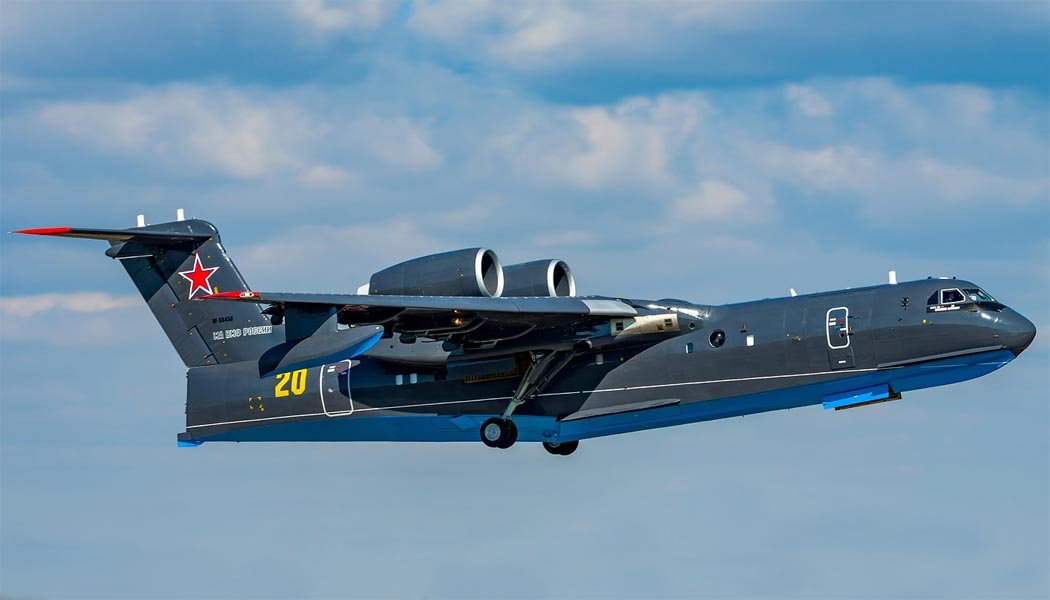 Be-200ChS |
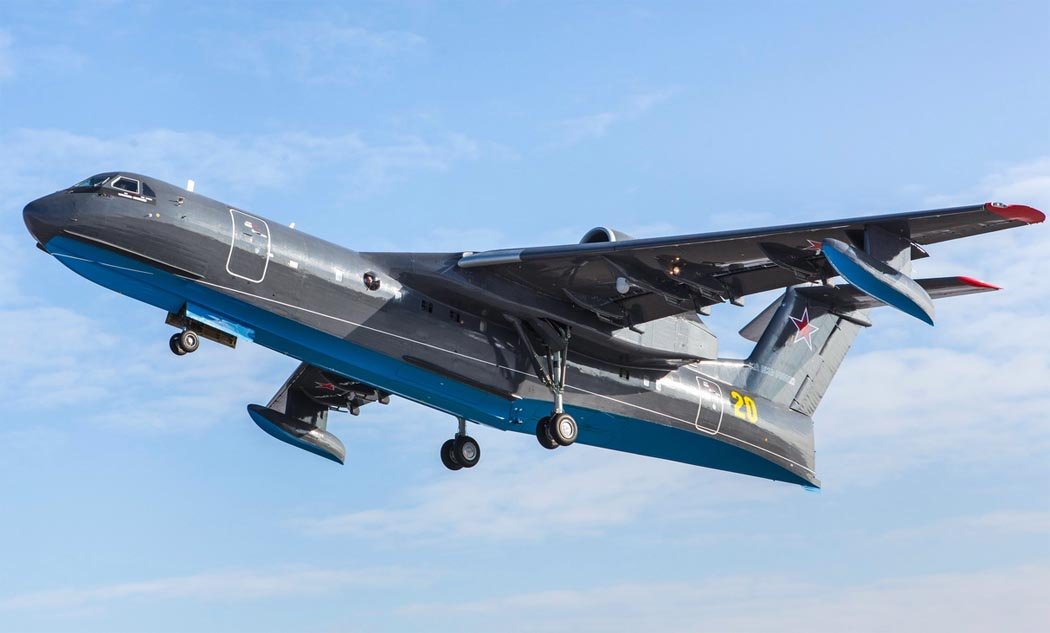 Be-200ChS |
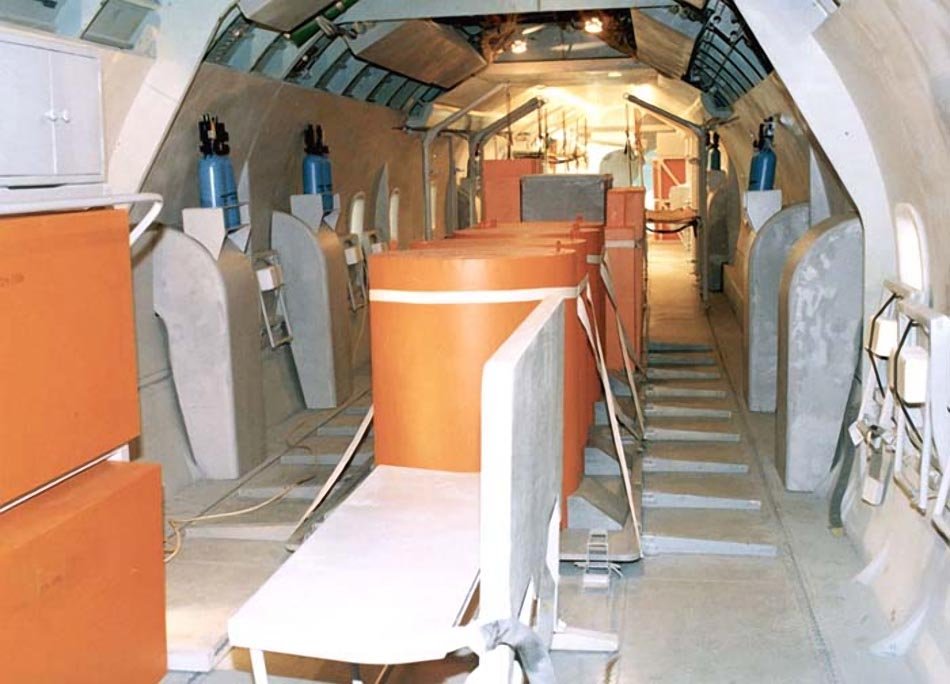 Be-200ChS. Photo: TANTK im. G. M. Berieva |
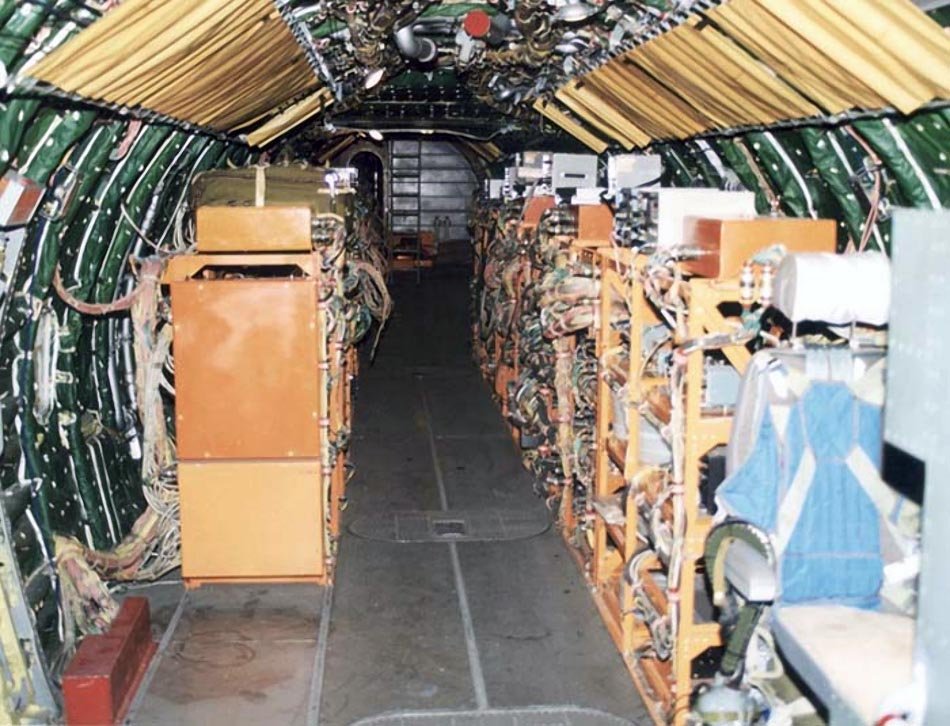 Be-200ChS. Photo: Igor Kolokolov |
 Be-200ChS. Photo: Aleksandr Mishin |
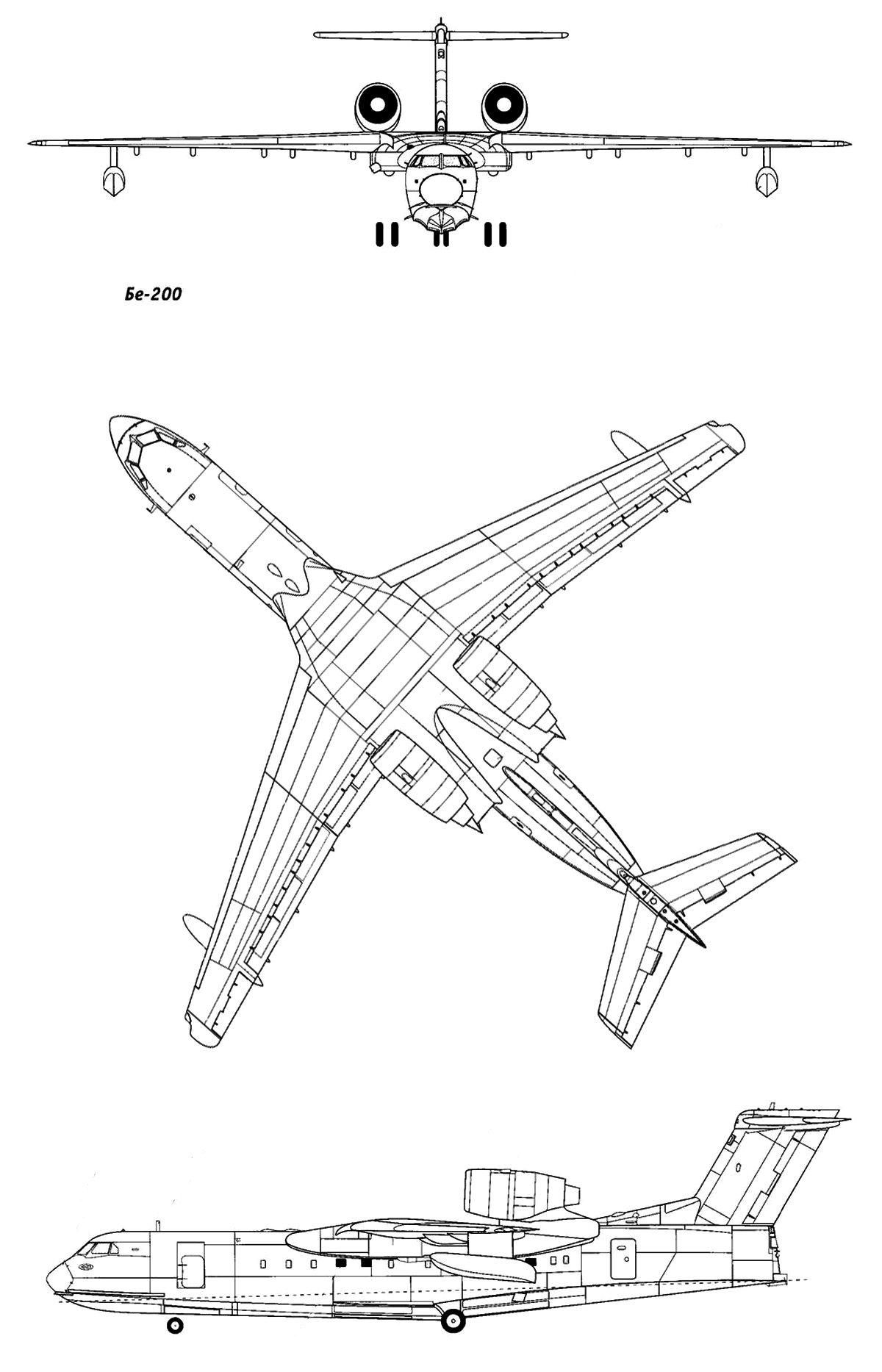 Be-200ChS |
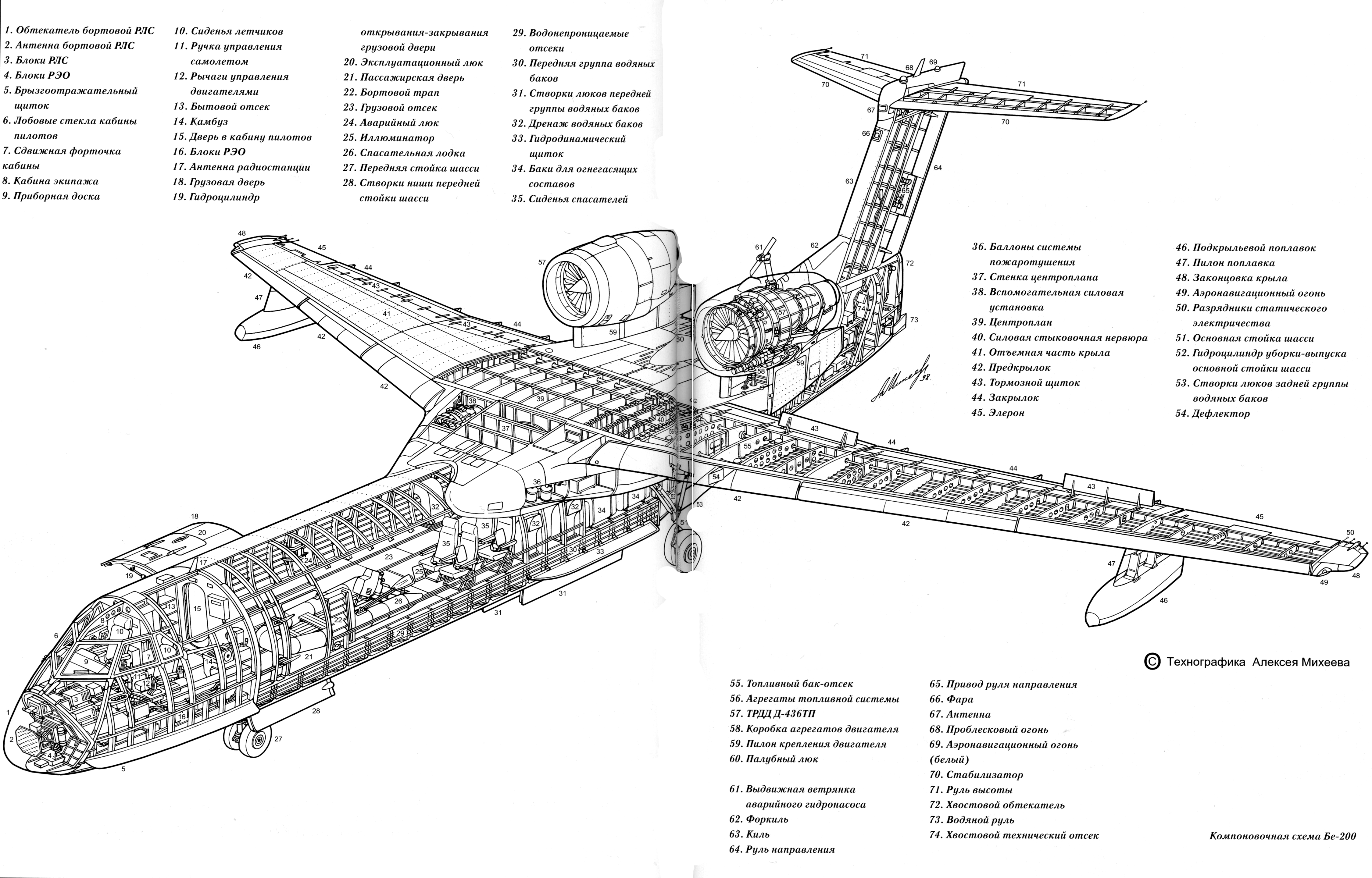 Be-200ChS |
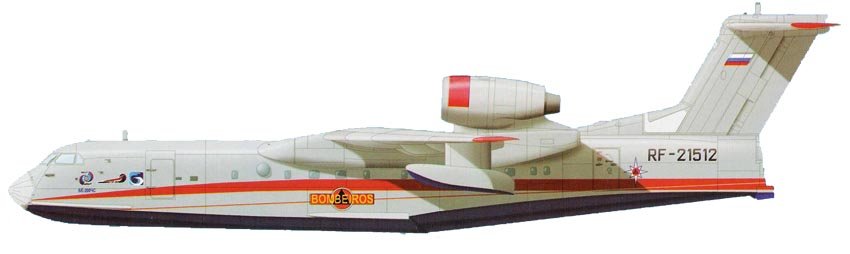 Be-200ChS. Photo: Aleksandr Kazakov |
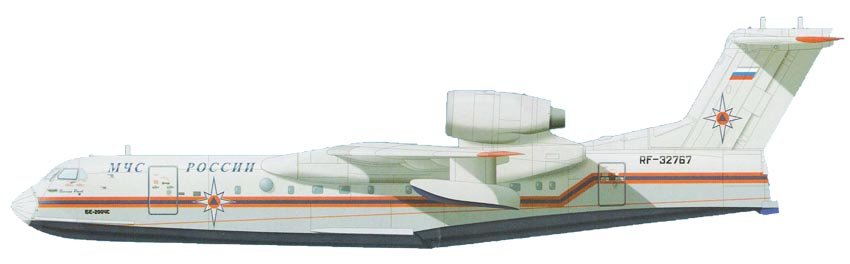 Be-200ChS. Photo: Aleksandr Kazakov |
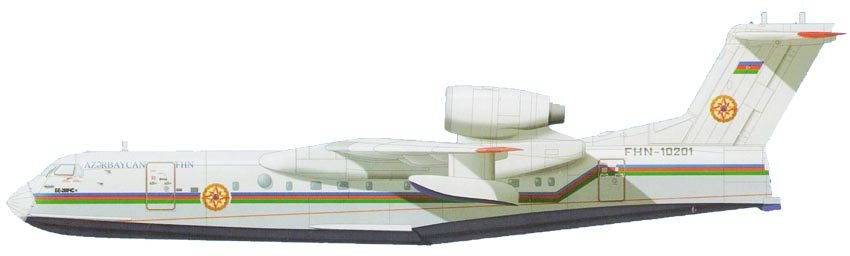 Be-200ChS. Photo: Aleksandr Kazakov |
Equipo Editorial de ArchivoAéreo
Grupo de investigadores y entusiastas de la aviación dedicados a documentar y preservar la historia aeronáutica mundial. Todos los artículos son revisados para garantizar precisión histórica.
Fuentes y Rigurosidad
La información presentada en esta ficha técnica ha sido compilada a partir de manuales de vuelo desclasificados, archivos históricos y bibliografía especializada. Aunque nos esforzamos por mantener la máxima precisión, algunos datos de rendimiento pueden variar según la variante específica o las condiciones operativas.