Beech 73 Jet Mentor
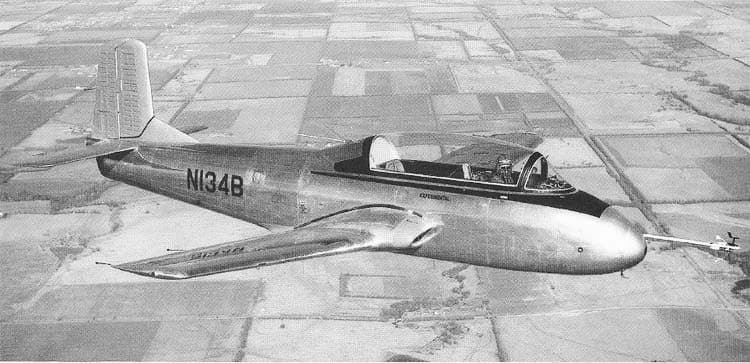
By the early 1950s, the U.S. Air Force decided to adopt a jet aircraft for initial pilot training. Following this, the “Beech” company began, on its own initiative, designing a comparatively inexpensive jet trainer. The single prototype, the Beech Model 73 Jet Mentor, went down in history as the first American jet training aircraft.
Innovative and Affordable Design
To significantly reduce the aircraft’s cost, structural elements of the Model 45 Mentor aircraft were extensively utilized in the new machine’s design. The cantilever-type wing was slightly modified, altering the root sections where the engine air intakes were located. The prototype was fitted with a Continental YJ69 engine, a licensed version of the French Turbomeca Marbore engine.
Evaluation and Fate
The prototype made its first flight on December 18, 1955. However, the aircraft was not accepted into service by the U.S. Air Force. The Canadian firm “Canadian Car Company” of Montreal, which built T-34A Mentor aircraft for the USAF, acquired the rights for serial production of the Jet Mentor. They saw it as a potential trainer for the Royal Canadian Air Force. The aircraft underwent evaluation trials in Canada, but no order for its serial production was received there either.
Technical Specifications
| Modification | Beech 73 |
| Wingspan, m | 9.98 |
| Length, m | 9.14 |
| Height, m | 2.98 |
| Wing area, m2 | 16.50 |
| Empty weight | 1295 |
| Maximum takeoff weight | 2020 |
| Engine type | 1 Turbojet Continental YJ69-T-9 |
| Unaugmented thrust, kN | 1 x 4.18 |
| Maximum speed, km/h | 460 |
| Cruising speed, km/h | 394 |
| Practical range, km | 800 |
| Practical ceiling, m | 8100 |
| Crew | 2 |
Image and diagram gallery of the Beech 73 Jet Mentor
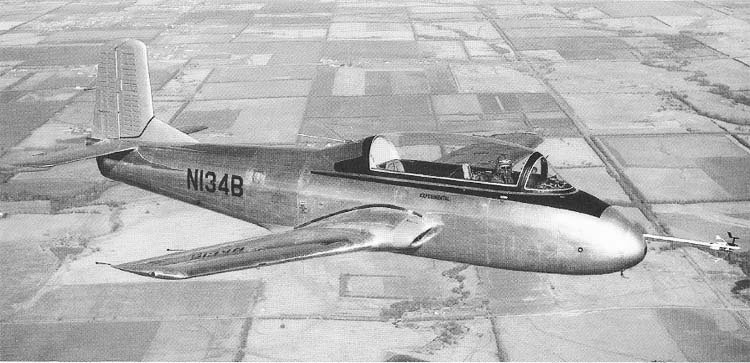 Beech 73 Jet Mentor |
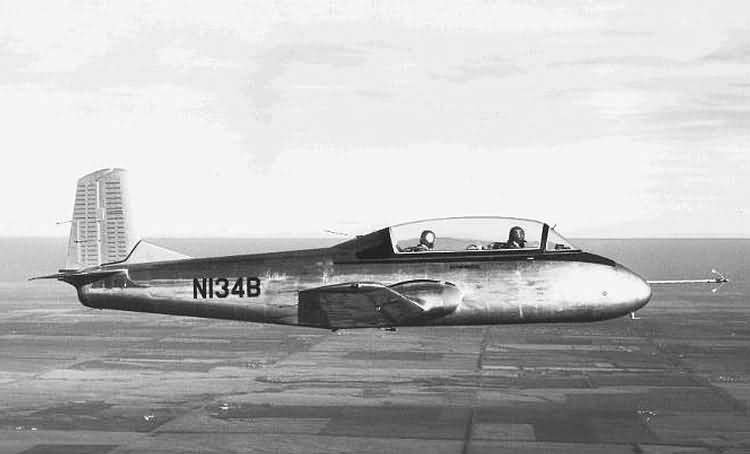 Beech 73 Jet Mentor |
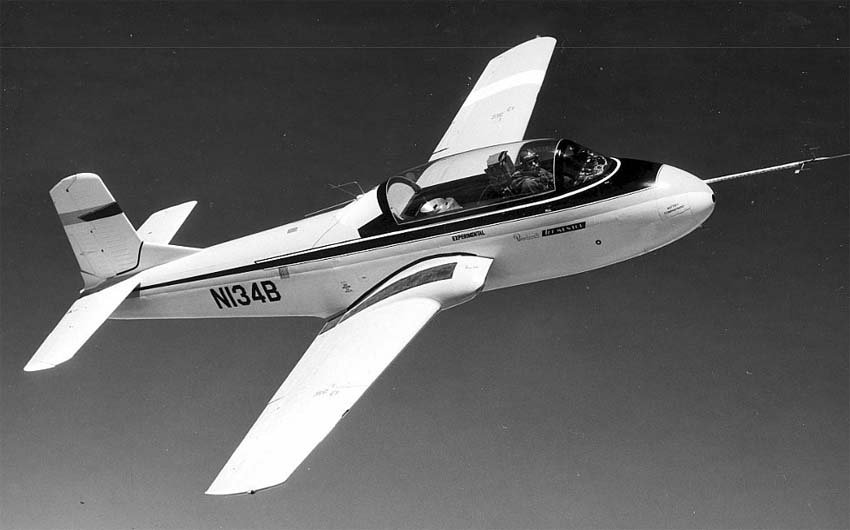 Beech 73 Jet Mentor |
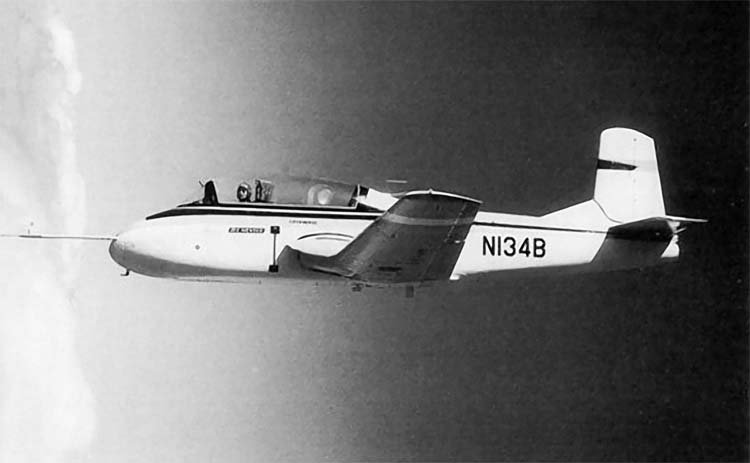 Beech 73 Jet Mentor |
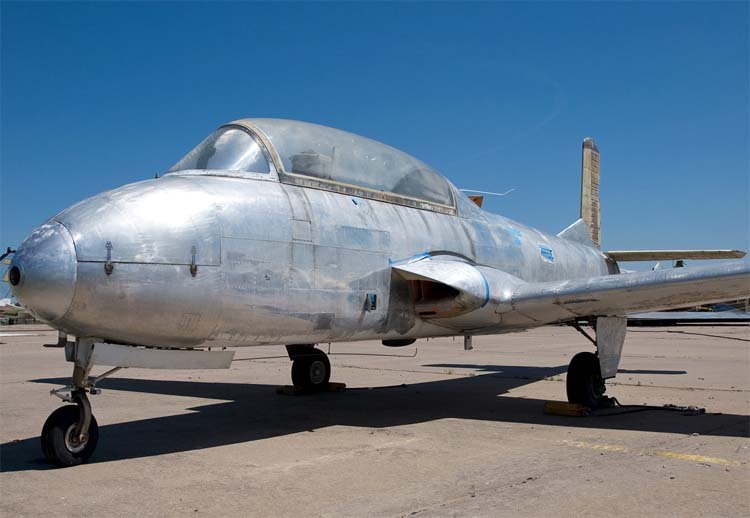 Beech 73 Jet Mentor |
Equipo Editorial de ArchivoAéreo
Grupo de investigadores y entusiastas de la aviación dedicados a documentar y preservar la historia aeronáutica mundial. Todos los artículos son revisados para garantizar precisión histórica.
Fuentes y Rigurosidad
La información presentada en esta ficha técnica ha sido compilada a partir de manuales de vuelo desclasificados, archivos históricos y bibliografía especializada. Aunque nos esforzamos por mantener la máxima precisión, algunos datos de rendimiento pueden variar según la variante específica o las condiciones operativas.