Beijing-1
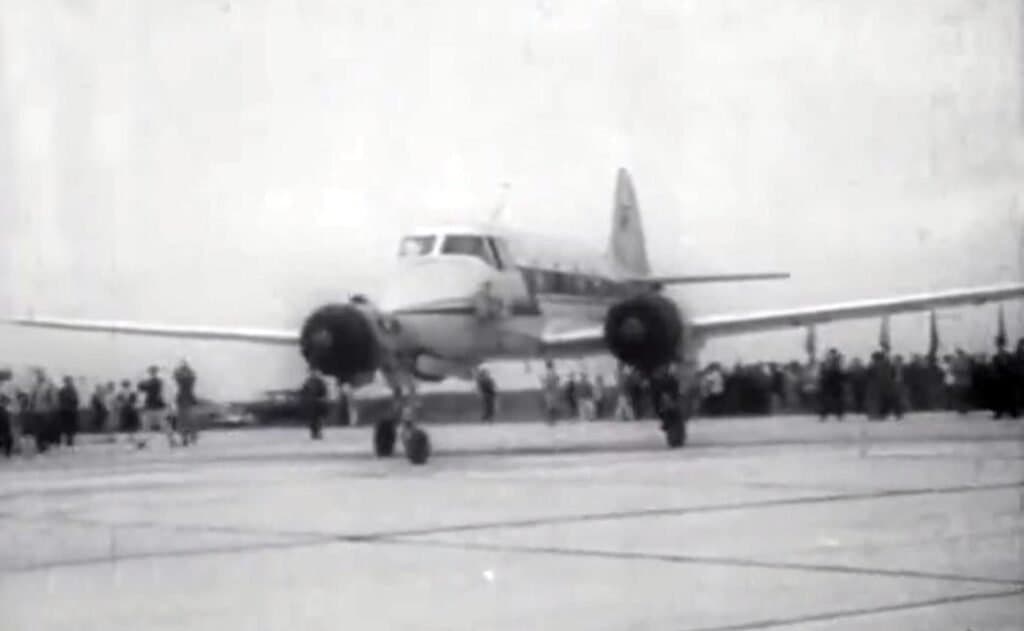
The “Beijing-1” (“Peking No. 1”) was a short-haul passenger aircraft, developed and tested by the Beijing Aerospace Institute (now Beijing University of Aeronautics and Astronautics, BUAA). It marked a significant milestone as the first aircraft built by an educational institution during China’s “Great Leap Forward.”
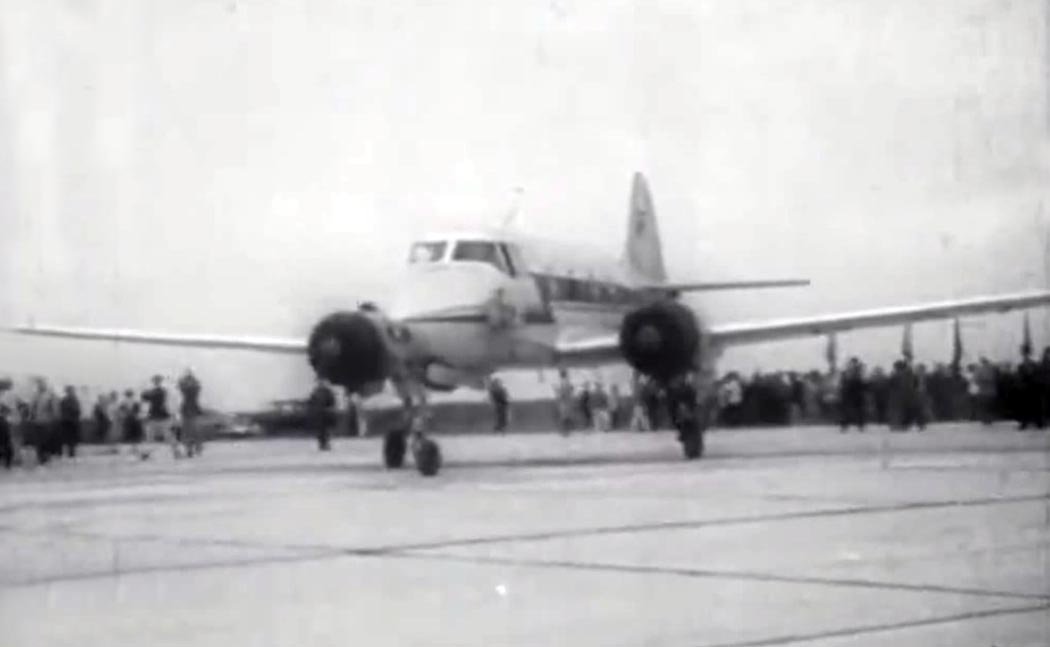
Design work commenced between June and July 1957, with experimental production beginning in February 1958, approved by Premier Zhou Enlai. The project was completed on September 20, 1958, and its maiden test flight took place at “Shoudu” (Capital) Airport on September 23.
The following day, it was named “Peking No. 1” in honor of China’s capital and conducted test flights on the Beijing-Tianjin and Beijing-Shanghai routes. Its successful debut was lauded by the “Renmin Ribao” newspaper in an article titled “The Great Victory of Aviation Education,” celebrating it as a “miracle” and an “unprecedented innovation.”
Innovative Team and Development
Under the direct supervision of Wang Derun, Dean of the Faculty of Aircraft Engineering, key personnel were appointed to steer the project. Wang Jingming, Party Secretary of the faculty, served as General Director, while Xu Jianyue, Deputy Dean, was appointed Production Director.
Xu Xinfu held the position of Chief Designer, with Yu Gongma (early stage) and Zhang Jichen (later stage) as Deputy Chief Designers. Zhang Kemin was the Lead Designer for the project, and Chang Rongfu served as Chief Technologist, assisted by Wang Yongbo and Wang Yipeng. Wu Yongshu was the Chief Inspector, and Rao Guozhang held the role of Chief Metallurgist.
Dean Wang Jingming also headed the “Beihang No. 1” steering group, which included Chief Designer Xu Xinfu, Lead Designer Zhang Kemin, Chief Technologist Chang Rongfu, and Chief Inspector Wu Yongshu. This dedicated group was responsible for resolving all issues from initial design through to the test flight.
The development of the Beijing-1 involved a technological and design bureau divided into 10 teams, alongside three preparatory and five production workshops. In total, over 1800 individuals participated in its design and experimental production, including 1159 students, 76 “cadre students,” 180 institute staff, 116 external collaborators, and over 116 instructors.
Legacy and Technical Specifications
On October 28, 1958, Pan Guoding and Wang Laiquan embarked on a five-day flight aboard the “Peking No. 1.” They traversed 2500 kilometers round trip, passing through Jinan, Xuzhou, and Nanjing, successfully completing a test flight along the Beijing-Shanghai route.
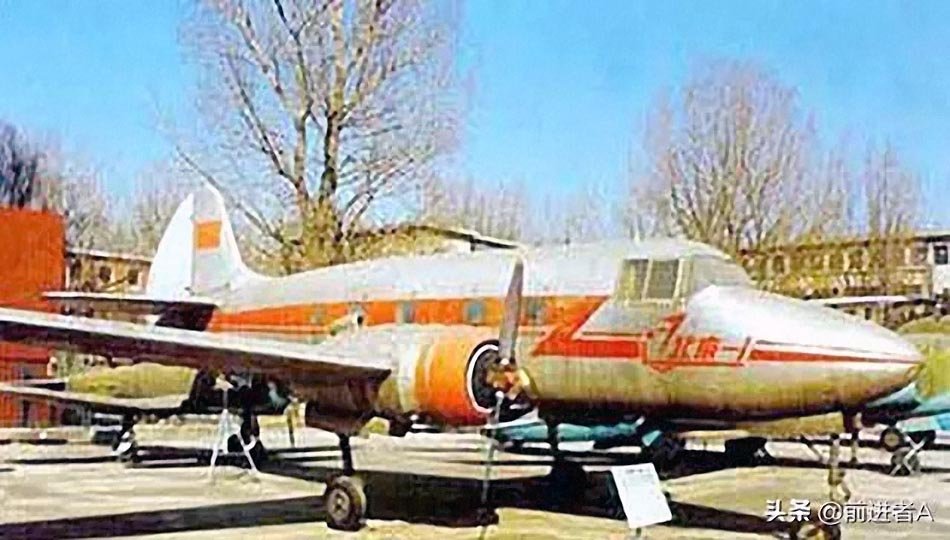
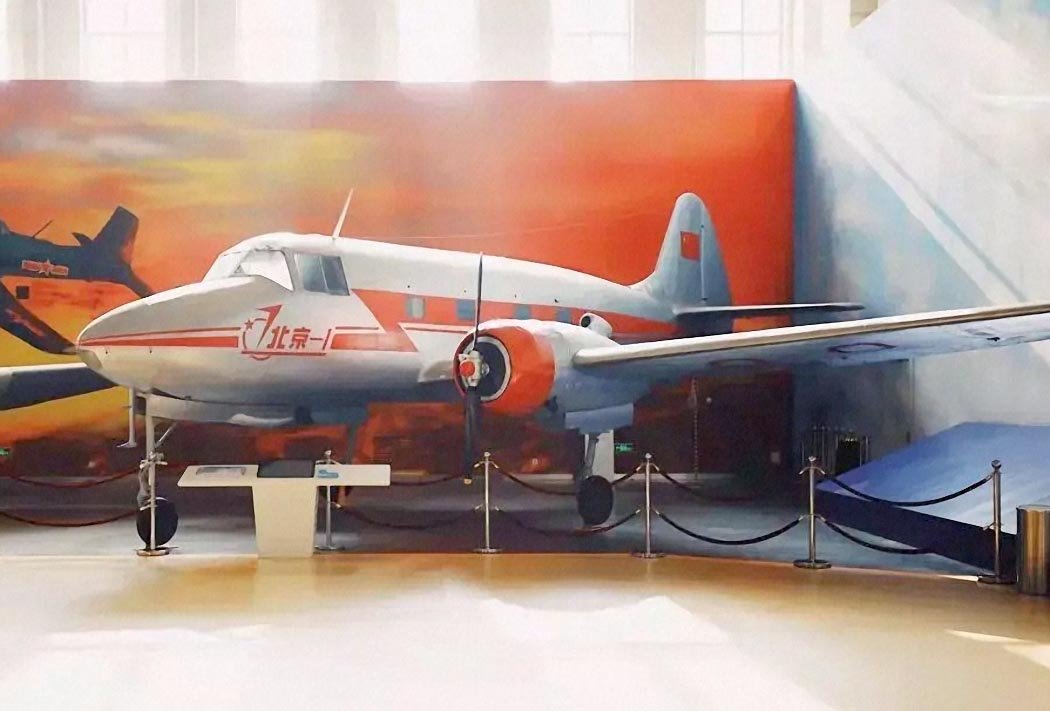
Today, this historic aircraft is preserved and displayed at the Aerospace Museum, located within the campus of Beijing University of Aeronautics and Astronautics (Beihang) on University Street.
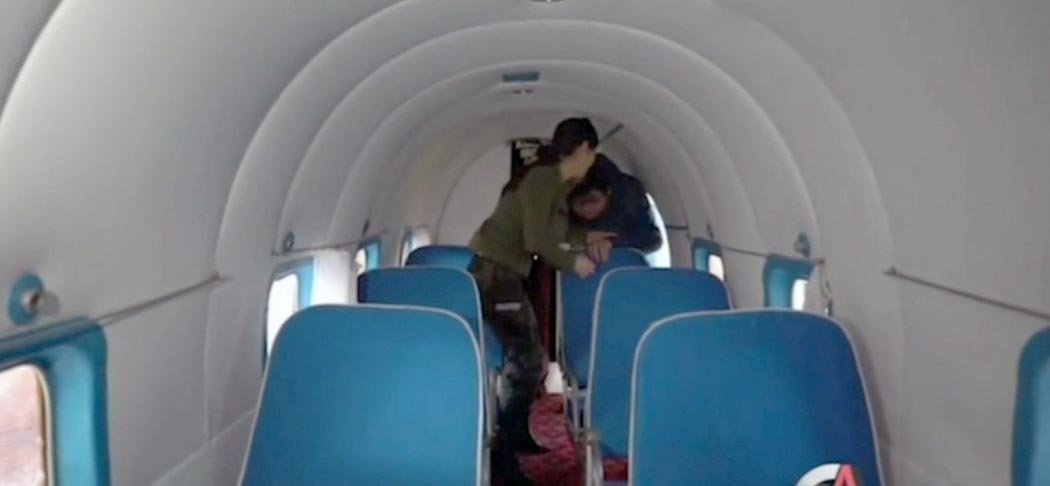
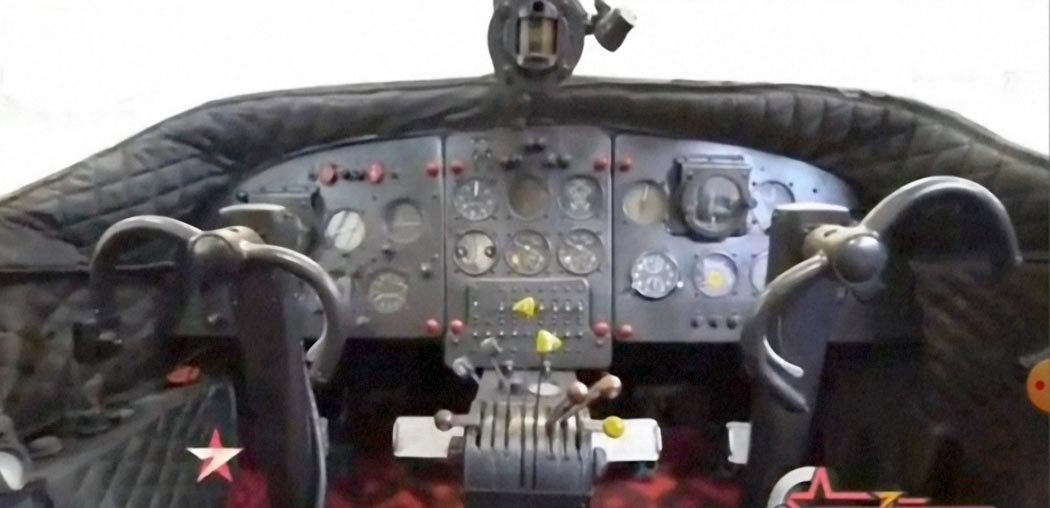
The Beijing-1 is a small regional passenger aircraft designed for 10 occupants (including two pilots). It features a nose-wheel landing gear and is an all-metal, low-wing cantilever monoplane powered by two AI-14R piston engines, each rated at 191 kW.
Technical Specifications
| Modification | Beijing-1 |
| Wingspan, m | 16.40 |
| Aircraft length, m | 12.40 |
| Maximum takeoff weight | 3000 |
| Engine type | 2 Piston engine AI-14R |
| Power, hp | 2 x 260 |
| Maximum speed, km/h | 312 |
| Economical cruising speed, km/h | 285 |
| Crew | 2 |
| Payload | 8 passengers |
Image and diagram gallery of the Beijing-1
 Beijing-1 |
 Beijing-1 |
 Beijing-1 |
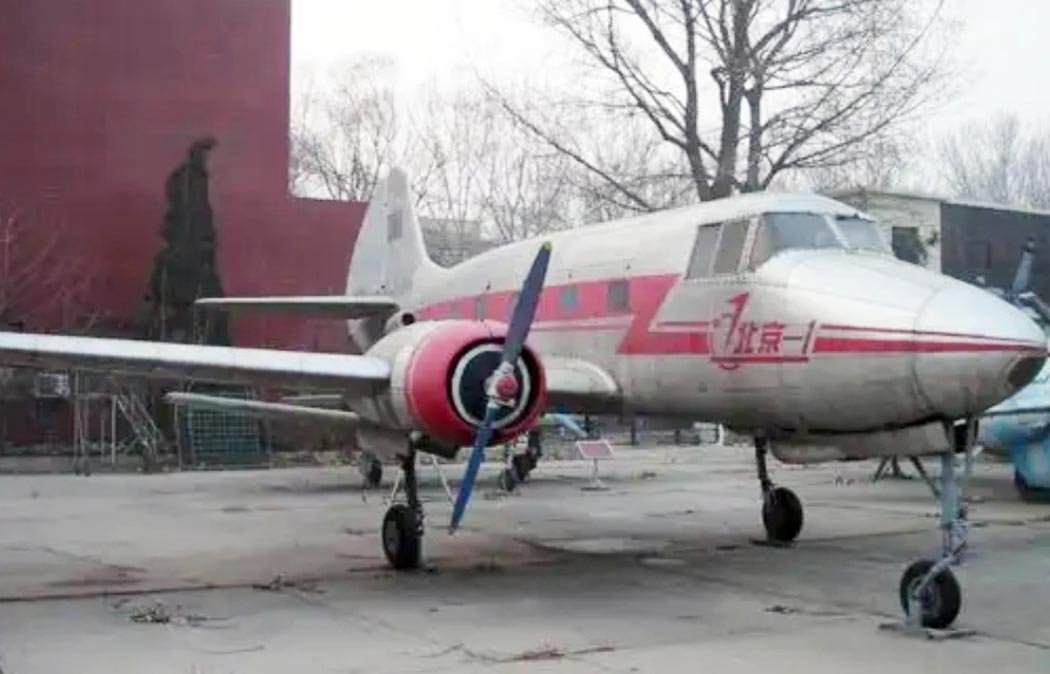 Beijing-1 |
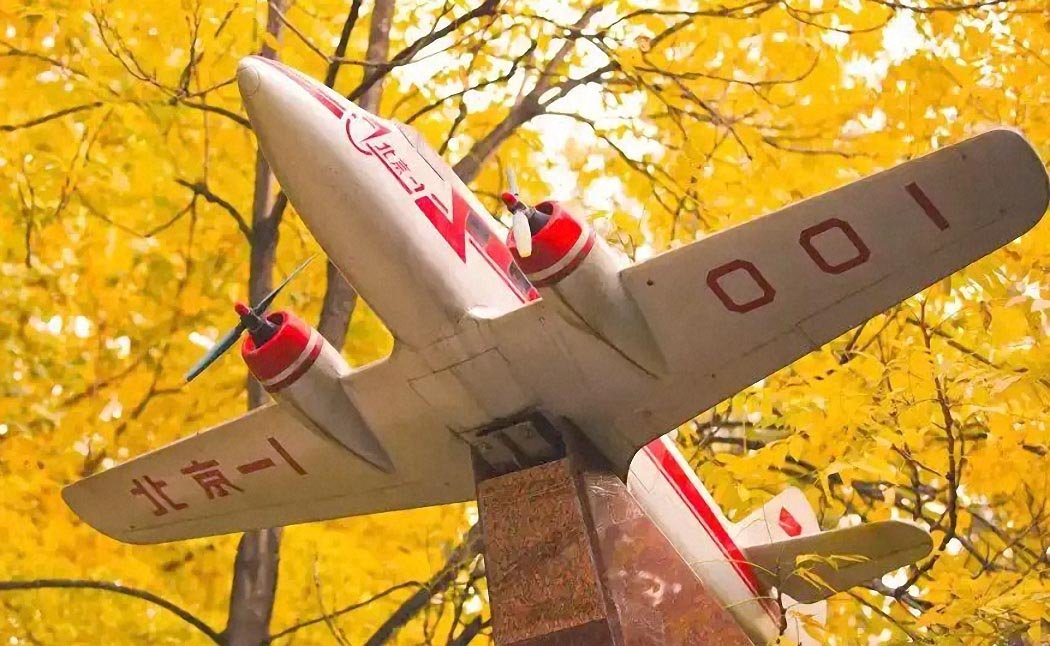 Beijing-1 |
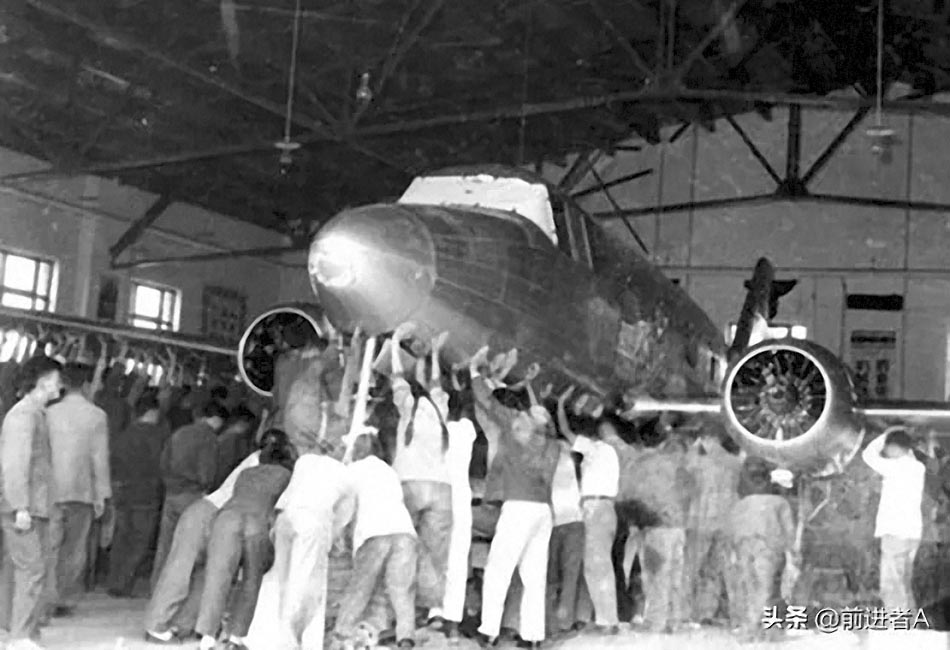 Beijing-1 |
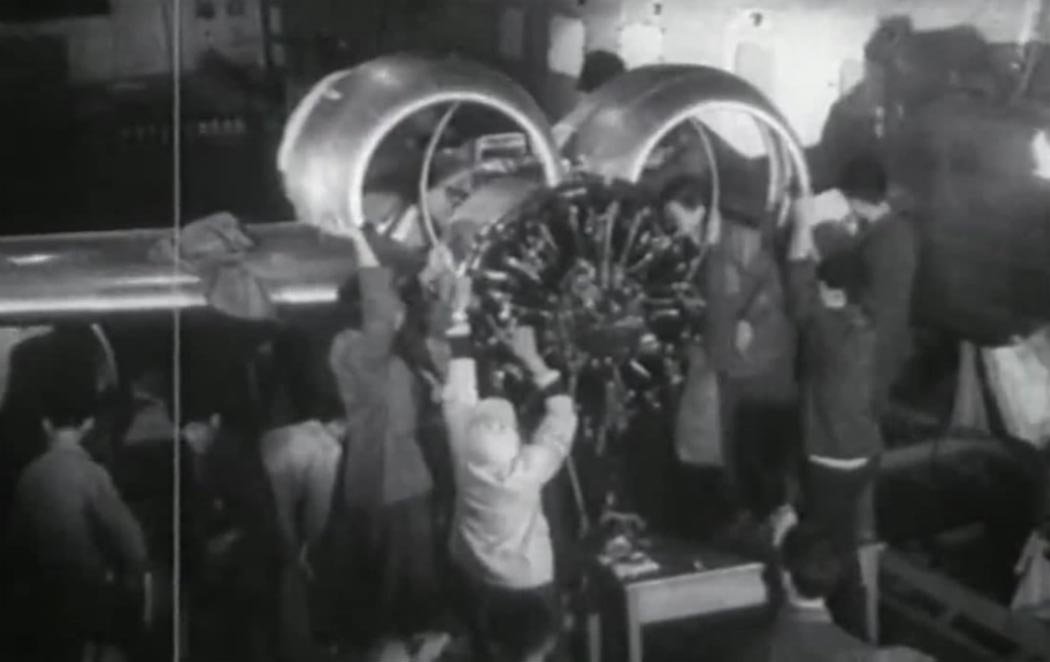 Beijing-1 |
 Beijing-1 |
 Beijing-1 |
Equipo Editorial de ArchivoAéreo
Grupo de investigadores y entusiastas de la aviación dedicados a documentar y preservar la historia aeronáutica mundial. Todos los artículos son revisados para garantizar precisión histórica.
Fuentes y Rigurosidad
La información presentada en esta ficha técnica ha sido compilada a partir de manuales de vuelo desclasificados, archivos históricos y bibliografía especializada. Aunque nos esforzamos por mantener la máxima precisión, algunos datos de rendimiento pueden variar según la variante específica o las condiciones operativas.