Bell 407
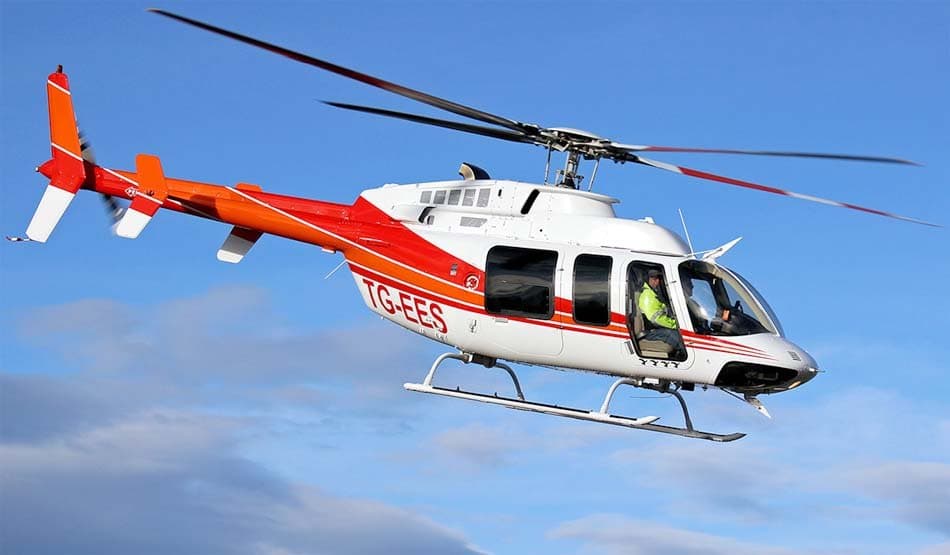
Introduction and Development
The Bell 407 is a light, multi-purpose helicopter developed by the American company Bell Helicopter Textron. It utilized the Bell 206L-4 LongRanger helicopter as its base model. The prototype made its first flight on April 21, 1994, followed by the first flight of a pre-production helicopter on June 29, 1995 (C-GFOS).
In 1996, the helicopter was certified by the FAA and TCCA, and the first units were ordered by Petroleum Helicopters. Production was swift, with over 300 helicopters built by 1999, and the 1000th helicopter was delivered on June 15, 2010.
Technical Features and Design
The Bell 407 features a four-bladed main rotor, originally developed for the OH-58D (Model 406). The blades and hub are made from composite material with no assigned service life, ensuring superior performance and flight comfort compared to previous models.
To enhance comfort and reduce noise, vibration-isolating elements are used in the main rotor pylon structure and in the skid landing gear, eliminating ground resonance. The 407’s fuselage is 18 centimeters wider than the Bell 206, increasing cabin volume, and the glazed area has been increased by 35%.
It is powered by a Rolls-Royce/Allison 250-C47 turboshaft engine, delivering a takeoff power of 813 hp (606 kW) and a maximum continuous power of 700 hp (522 kW). This engine is equipped with a single-channel FADEC electronic control system. The standard fuel capacity is 477 liters, with an optional 75-liter auxiliary tank in the rear baggage compartment.
The engine provides a higher maximum takeoff weight and improved performance in high temperatures and at high altitudes. The 407’s airframe generally resembles the Long Ranger, but differs in its carbon fiber tail boom. In its standard configuration, the helicopter seats two crew members and five passengers.
Innovations and Notable Achievements
In 1995, Bell conducted tests on a ducted tail rotor, but this idea was later abandoned. Bell engineers also explored the possibility of installing two engines on the Bell 407, but instead decided to develop an entirely new twin-engine helicopter, named the Bell 427, powered by two Pratt & Whitney Canada PW206D engines.
The Bell 407 gained significant recognition due to a record-breaking circumnavigation flight, which passed through both Earth’s poles. With two crew members, the aircraft departed from Fort Worth, Texas, on December 5, 2006, and returned on March 23, 2007. Over 189 days, more than 57,900 km were covered, involving several dozen landings, including at the South and North Poles, with a net flight time of 300 hours.
Technical Specifications
| Modification | Bell 407 |
| Main rotor diameter, m | 10.67 |
| Tail rotor diameter, m | 1.65 |
| Length, m | 12.74 |
| Height, m | 3.60 |
| Width, m | 2.29 |
| Empty equipped weight | 1203 |
| Normal takeoff weight | 2268 |
| Maximum takeoff weight | 2381 |
| Internal fuel, l | 484+ 72 |
| Engine type | 1 Rolls-Royce (Allison) 250C-47B Turboshaft engine |
| Nominal power | 1 x 606 |
| Flight power | 1 x 523 |
| Maximum speed, km/h | 259 |
| Cruising speed, km/h | 213 |
| Practical range, km | 611 |
| Flight endurance, h | 3.42 |
| Rate of climb, m/min | 408 |
| Practical ceiling, m | 6100 |
| Static ceiling, m | 3720 |
| Crew, crew members | 1-2 |
| Payload | up to 6 passengers or 1137 kg of external load |
Image and diagram gallery of the Bell 407
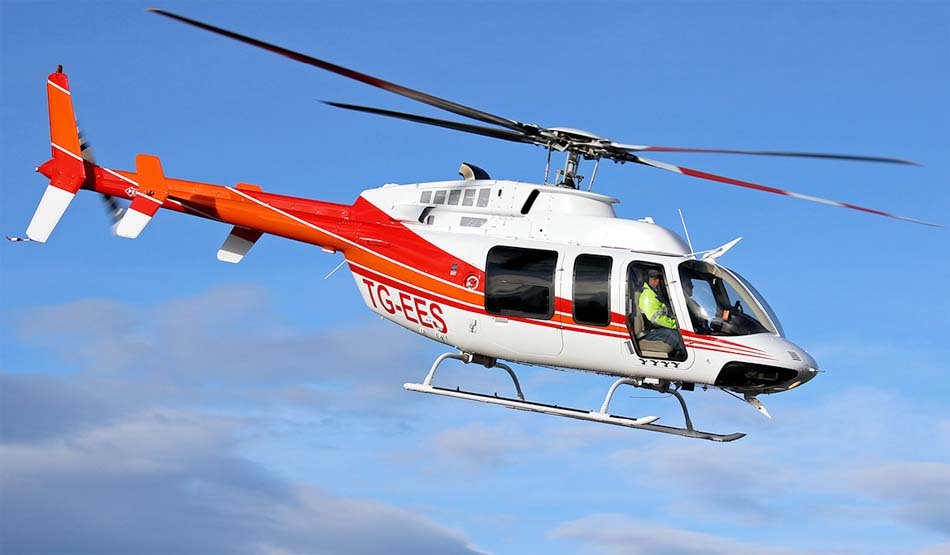 Bell 407 |
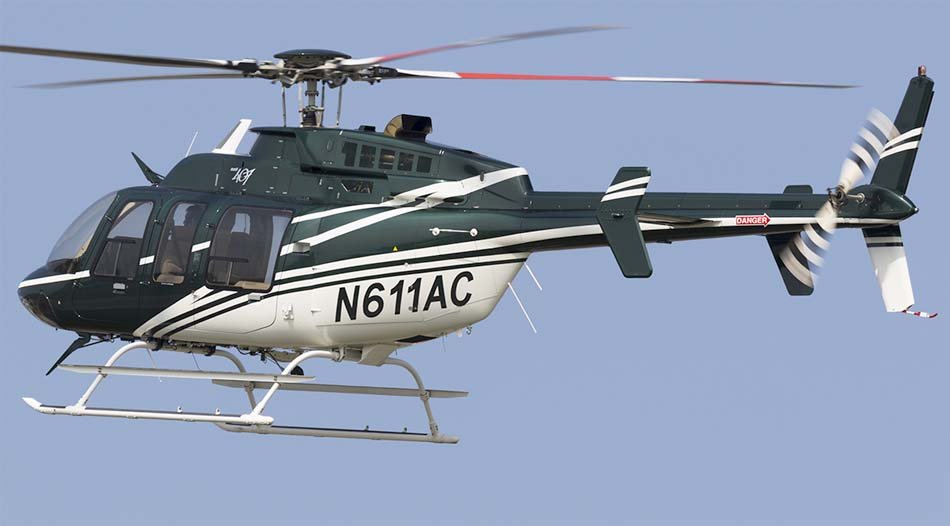 Bell 407 |
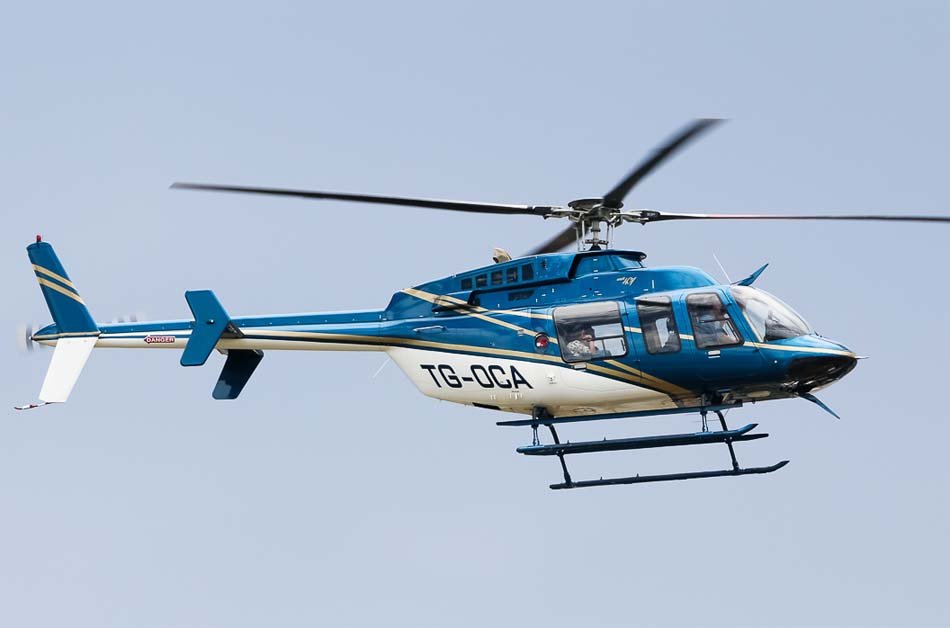 Bell 407 |
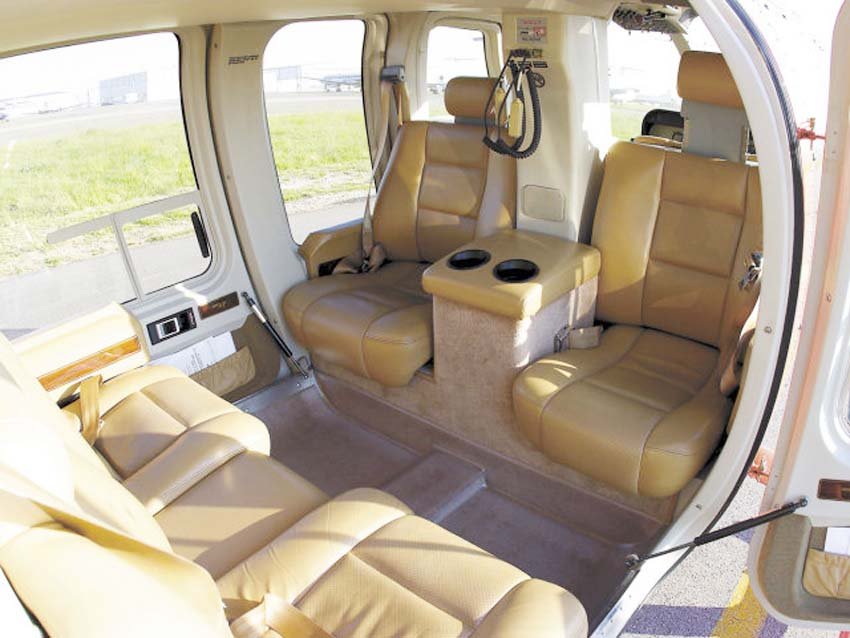 Bell 407 |
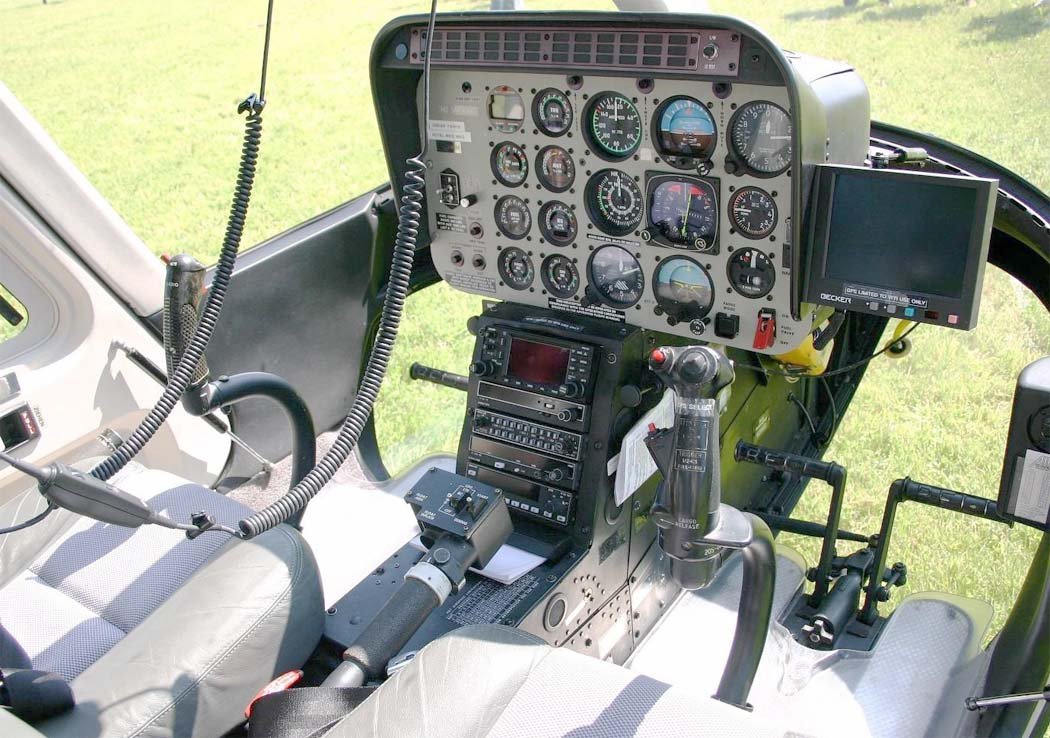 Bell 407 |
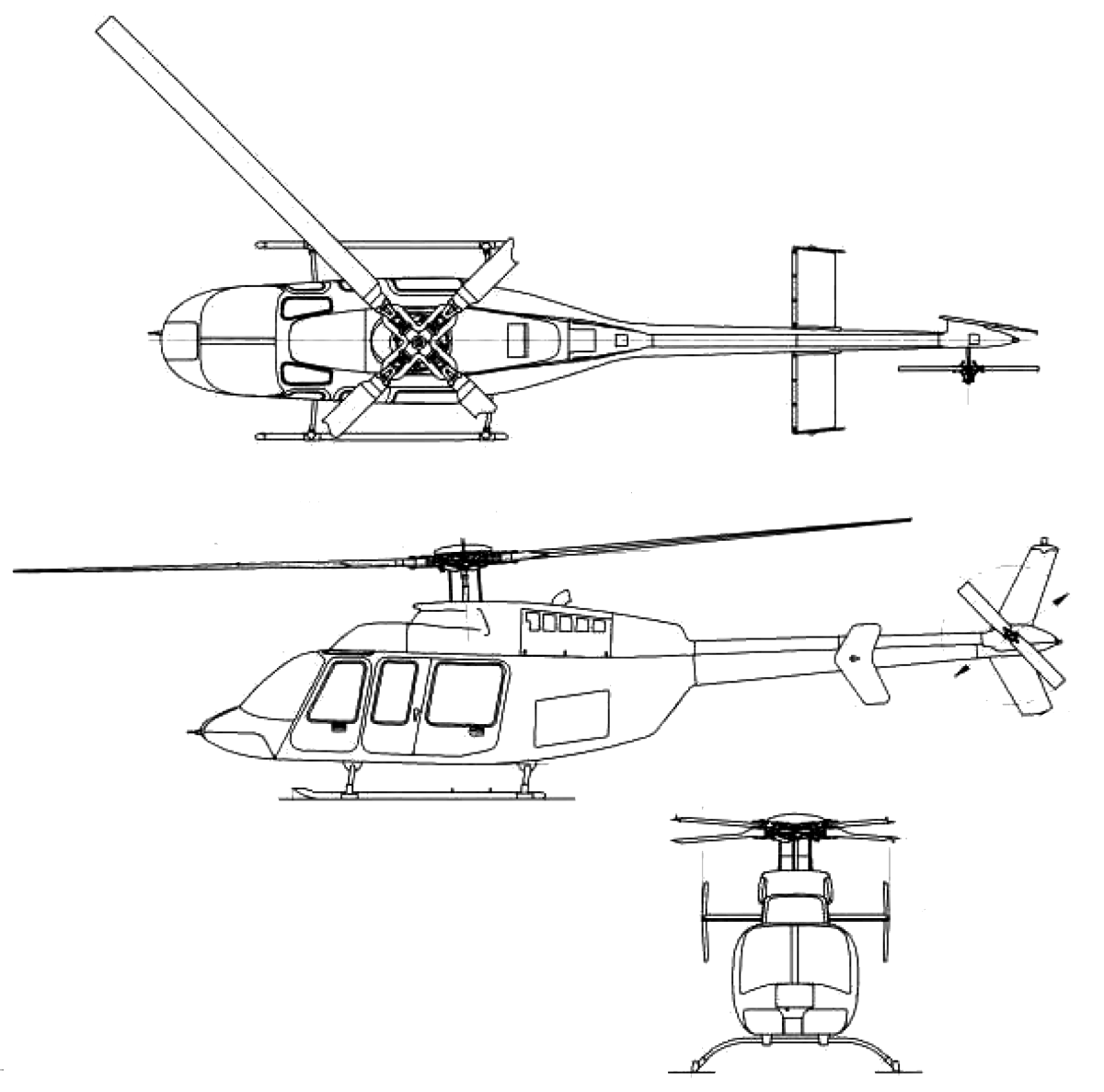 Bell 407 |
Equipo Editorial de ArchivoAéreo
Grupo de investigadores y entusiastas de la aviación dedicados a documentar y preservar la historia aeronáutica mundial. Todos los artículos son revisados para garantizar precisión histórica.
Fuentes y Rigurosidad
La información presentada en esta ficha técnica ha sido compilada a partir de manuales de vuelo desclasificados, archivos históricos y bibliografía especializada. Aunque nos esforzamos por mantener la máxima precisión, algunos datos de rendimiento pueden variar según la variante específica o las condiciones operativas.