Bellanca 28-90B
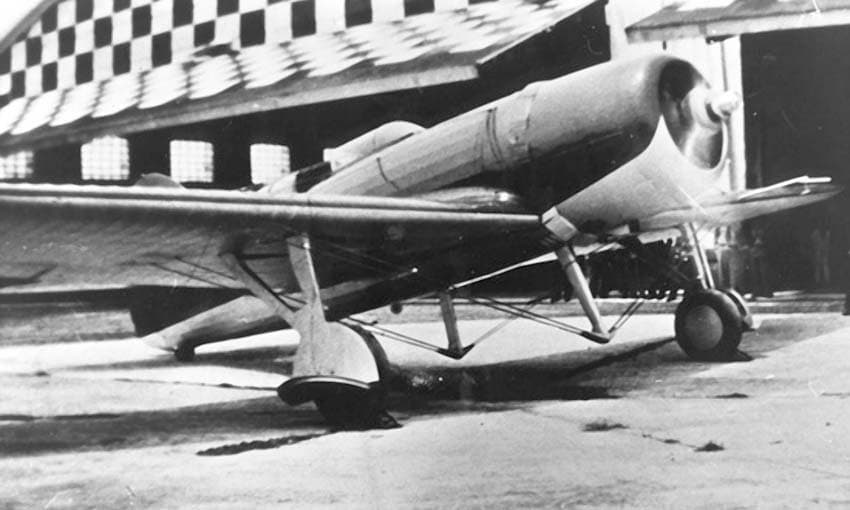
The American racing aircraft Bellanca 28-70 was designed and built by Irish engineer James Fitzmaurice specifically to participate in the 1934 MacRobertson Races—a high-speed flight from England to Australia. The machine, christened “Irish Swoop,” arrived in England by sea precisely on time. However, Fitzmaurice had to withdraw his creation from the competition, as new rules restricted fuel loading, and the designer was hesitant to release the aircraft without proper testing.
Thus, the 28-70 returned to the USA for testing but was soon heavily damaged during a landing. In 1936, it underwent modernization, receiving a 900-horsepower Pratt & Whitney Twin Wasp engine. The aircraft was designated Bellanca 28-90 and given the new name “Dorothy,” a variant used to achieve speed records during transatlantic flights. In 1937, pilot James Mollison ferried the upgraded machine to Madrid, where it was immediately purchased by the Republican government, which was actively collecting samples of any relatively modern aircraft for use in the civil war.
The Bellanca 28-90B in the Spanish Civil War
There is information that the “Dorothy” was lost during a reconnaissance mission, although no facts confirm this. Republicans were impressed by the Bellanca aircraft’s speed and long range, even before “Dorothy’s” arrival in Spain. In late 1936, they concluded a contract for the delivery of 20 Bellanca 28-90B aircraft, named “Flash,” which were scheduled to arrive the following year.
American law at the time prohibited the sale of weapons to warring nations, making such a deal legally impossible. Therefore, the machines were formally supplied to the French airline Air France as high-speed, long-range mail planes. The airline’s emblem was even painted on all aircraft to conceal their true purpose. Shortly after this delivery was completed, export restrictions were lifted.
From China to Mexico: A Global Odyssey
When the Chinese wished to purchase Bellanca aircraft for the war against Japan, the American government had no objections. The first aircraft in the 28-90FB fighter-bomber variant was received by the Chinese in June 1937, and the remaining 20, in the 28-90F fighter variant, arrived in August 1937 in Hankou. According to available information, the machines were equipped with bomb racks on site.
Most of these aircraft were destroyed on the airfield by Japanese bombs even before being put into service. Greece was another foreign client, purchasing 22 28-90B aircraft for a flight school. However, the Greeks soon canceled the order, and the constructed machines were redirected to Spain.
The Legacy of the ‘Flash’ and its Final Service
By then, the Spanish Civil War had ended with the defeat of the Republicans, resulting in the aircraft getting stuck in the Mexican port of Veracruz. They languished there, disassembled in crates, for about a year while the question of their destination was being resolved, with several versions considered. Ultimately, the machines ended up in the Mexican Air Force, assembled in the autumn of 1939 or spring of 1940, depending on the sources.
The 28-90B served briefly in the first air regiment of the Mexican Air Force. Four flight incidents related to the Bellancas are known, primarily resulting from pilot inexperience. At least two such cases are definitively confirmed: a forced landing near Lake Texcoco due to engine failure, and a belly landing due to flap and landing gear malfunction. The latter incident occurred on August 22, 1940, with pilot Captain Enrique Ochoa likely perishing.
The Bellancas did not remain in service for long; soon all of them were decommissioned. Some aircraft were placed in storage, others were used by novice technicians as training aids. One machine was bought in 1946 by Babbco Inc., a subsidiary of Charles E. Babb Company, which attempted to sell obsolete US Navy aircraft for training purposes. Thus ended the story of the Bellanca “Flash”.
In conclusion, it should be added that the fate of approximately 20 aircraft remains unknown. Some sources claim that most of them ended up in various countries on the South American continent, dispersing across the region.
Technical Specifications
| Modification | 28-90B |
| Wingspan, m | 14.07 |
| Length, m | 7.90 |
| Height, m | 2.64 |
| Normal takeoff weight | 3220 |
| Engine type | 1 Piston engine Pratt & Whitney R-1830-13 Twin Wasp |
| Power, hp | 1 x 900 |
| Maximum speed, km/h | 450 |
| Cruising speed, km/h | 364 |
| Practical range, km | 1285 |
| Practical ceiling, m | 10000 |
| Crew | 2 crew |
| Armament | two 7.62-mm Browning machine guns, light bombs |
Image and diagram gallery of the Bellanca 28-90B
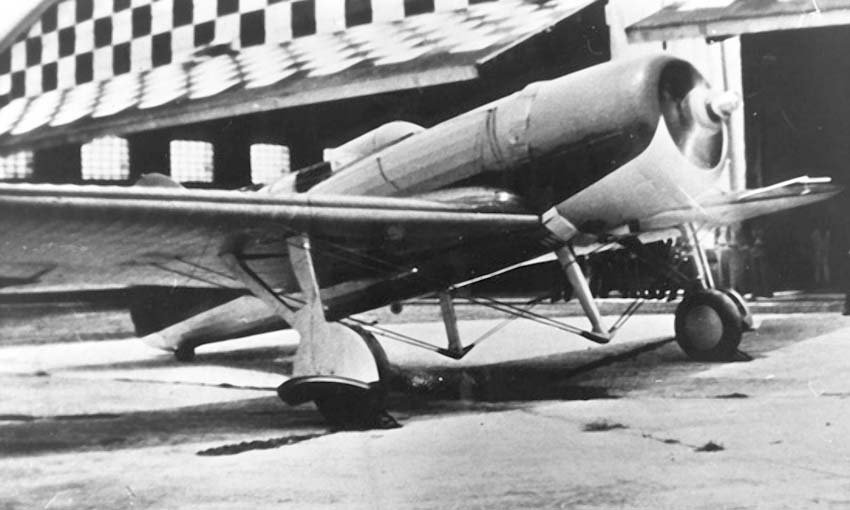 Bellanca 28-90B |
 Bellanca 28-90B |
 Bellanca 28-90B |
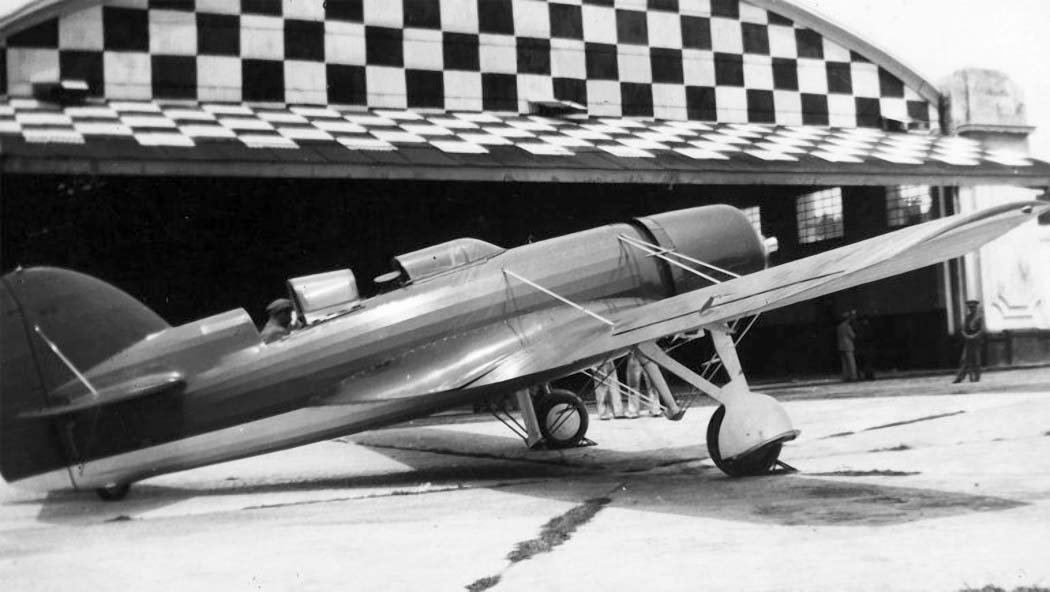 Bellanca 28-90B |
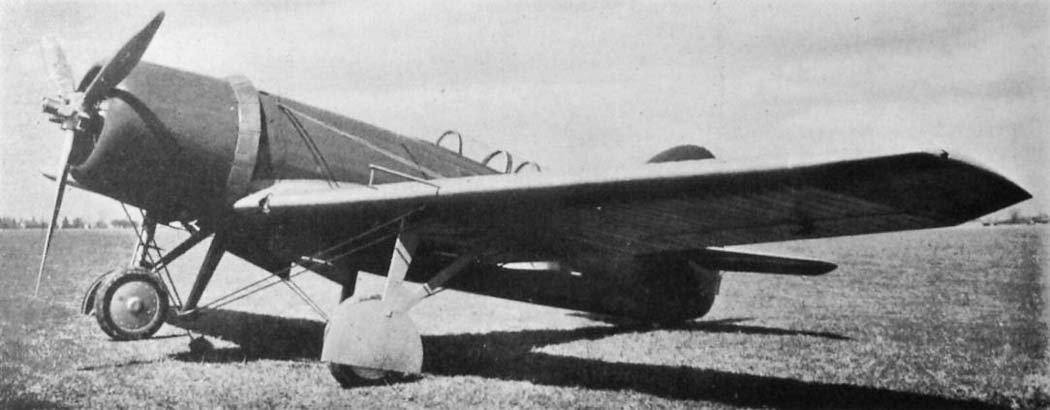 Bellanca 28-90B |
 Bellanca 28-90B |
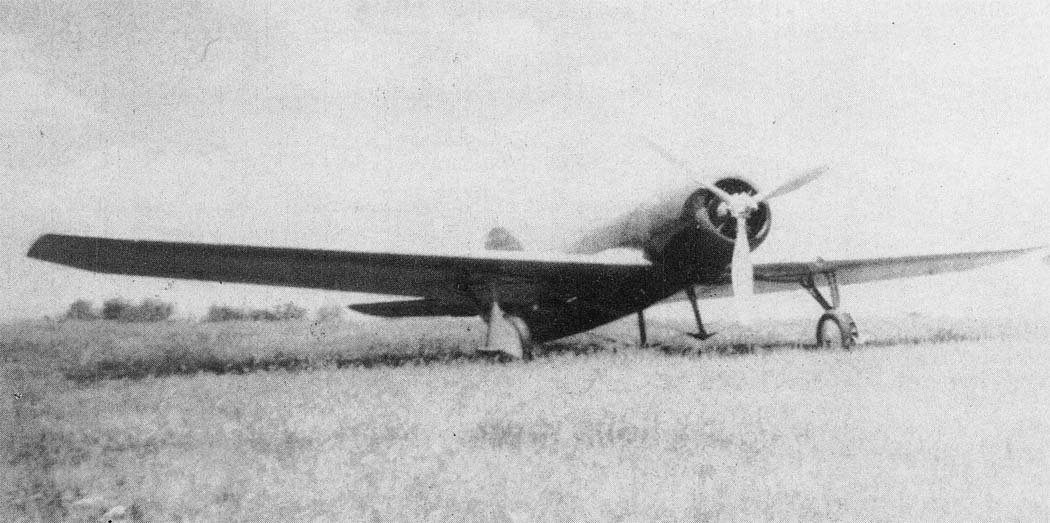 Bellanca 28-90B |
 Bellanca 28-90B |
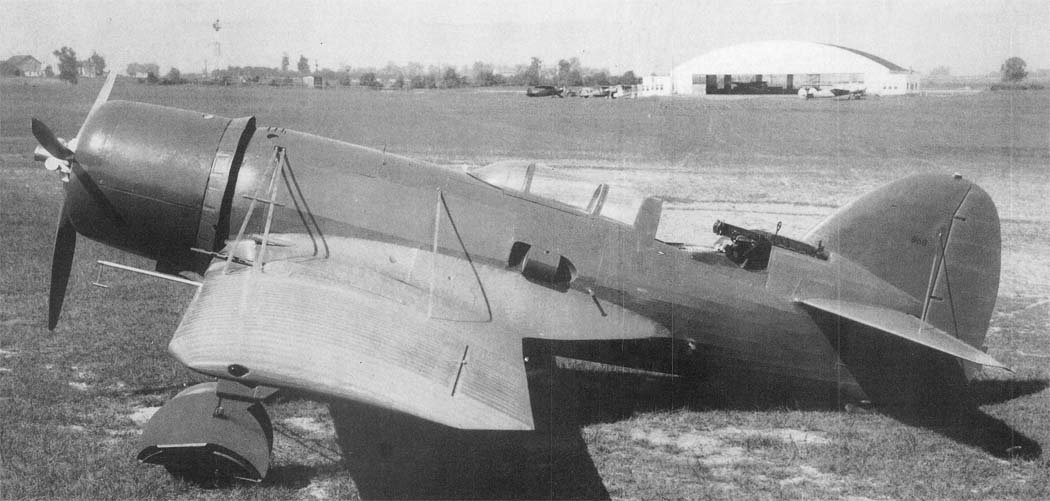 Bellanca 28-90B |
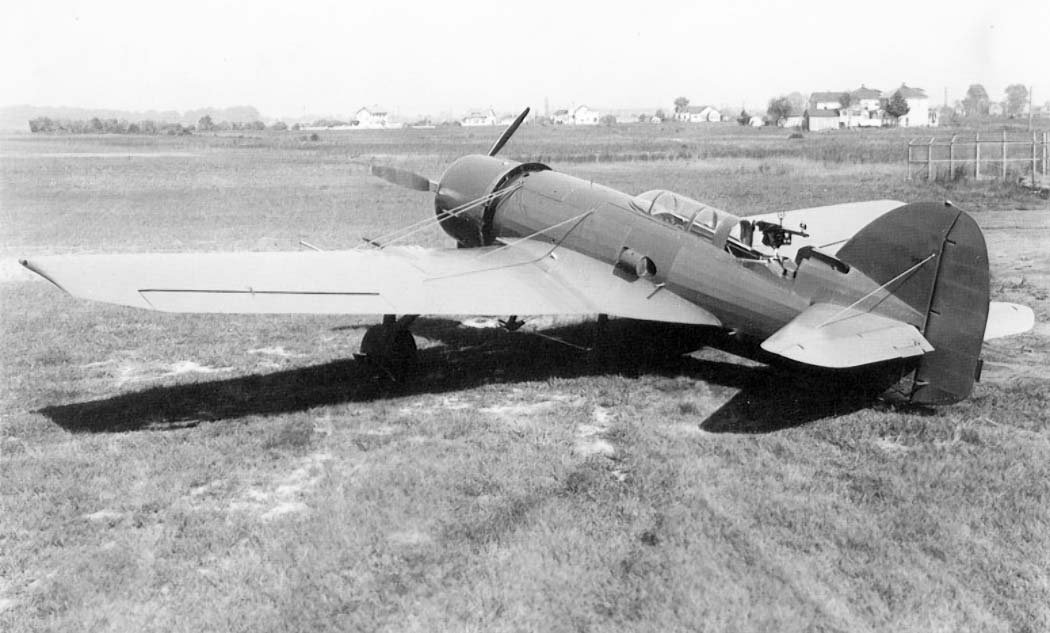 Bellanca 28-90B |
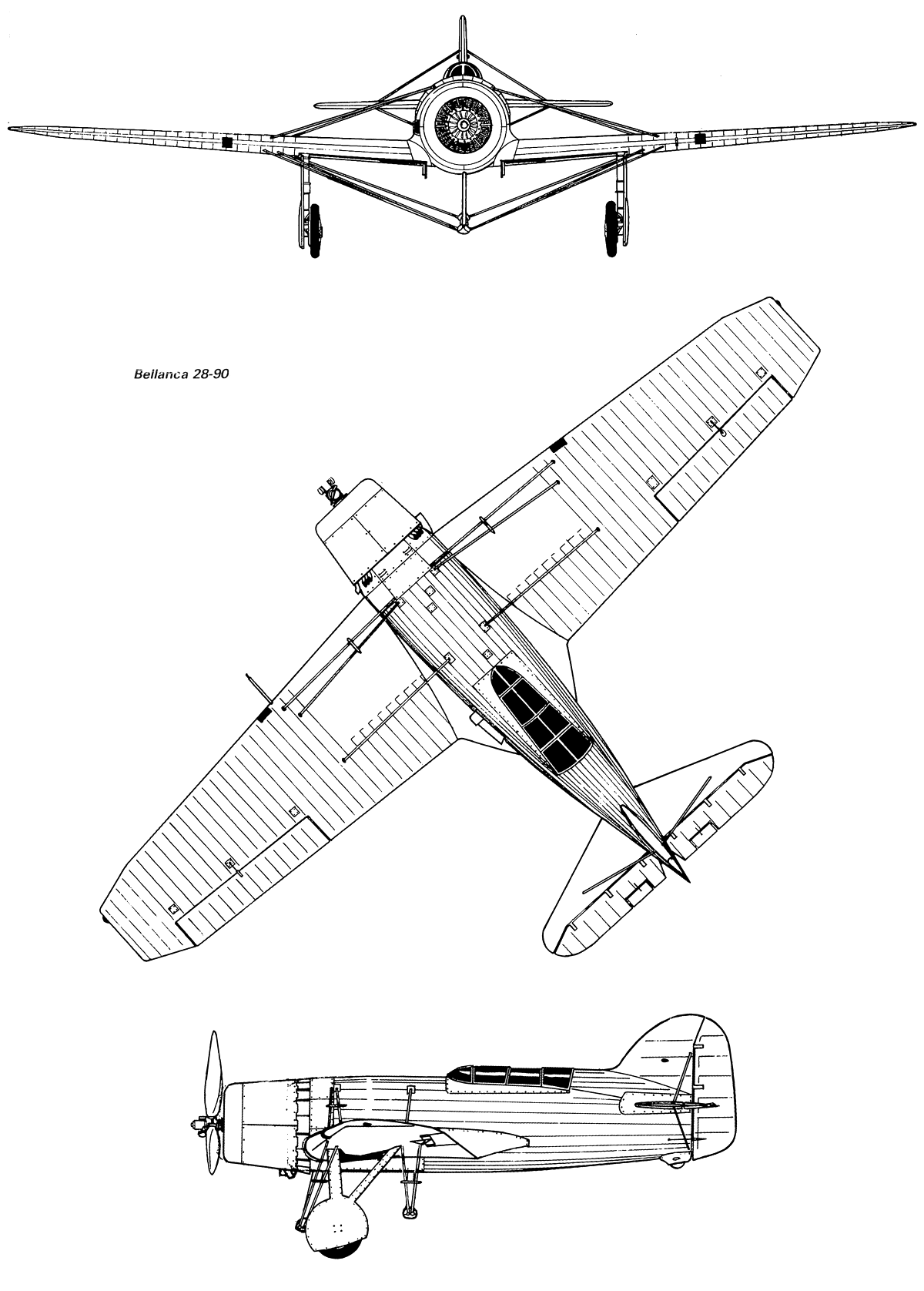 Bellanca 28-90B |
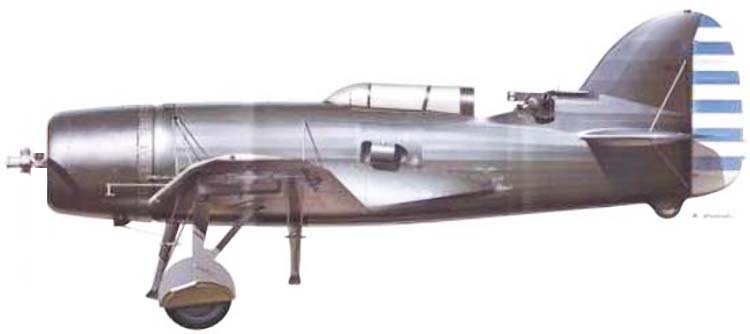 Bellanca 28-90B |
Equipo Editorial de ArchivoAéreo
Grupo de investigadores y entusiastas de la aviación dedicados a documentar y preservar la historia aeronáutica mundial. Todos los artículos son revisados para garantizar precisión histórica.
Fuentes y Rigurosidad
La información presentada en esta ficha técnica ha sido compilada a partir de manuales de vuelo desclasificados, archivos históricos y bibliografía especializada. Aunque nos esforzamos por mantener la máxima precisión, algunos datos de rendimiento pueden variar según la variante específica o las condiciones operativas.