Bellanca CF
Italian engineer Giuseppe Mario Bellanca created his first parasol-wing aircraft in Sicily, before bringing it to New York for testing. There, in 1911, he founded the Bellanca Aeroplane Company and a flight school, marking the beginning of his influential career in American aviation.
Bellanca continued his work, building a series of biplanes for the Maryland Pressed Steel Company, which emerged shortly after World War I. Later, the engineer moved west to Omaha, Nebraska, and established the Roos-Bellanca Aircraft Company together with Victor H. Roos and A.H. Fetters.
The Genesis of the Bellanca CF
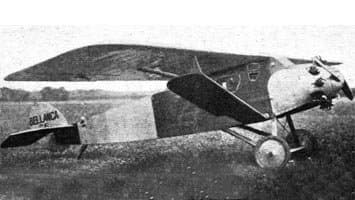
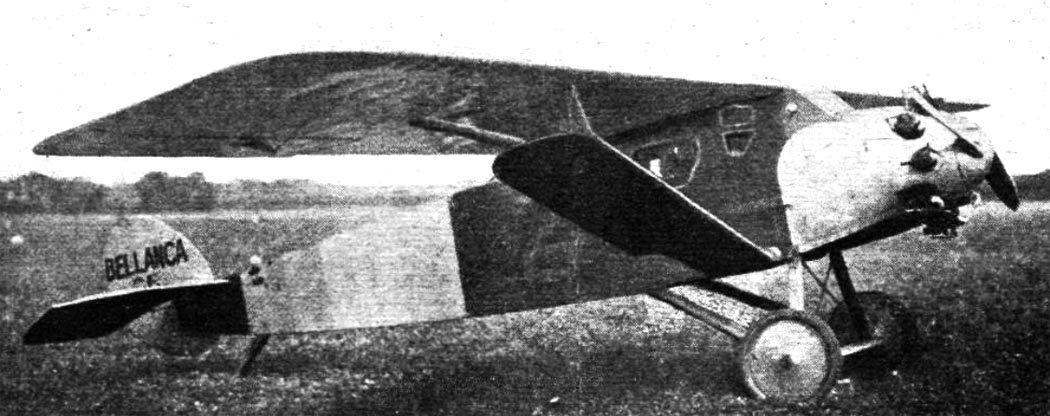
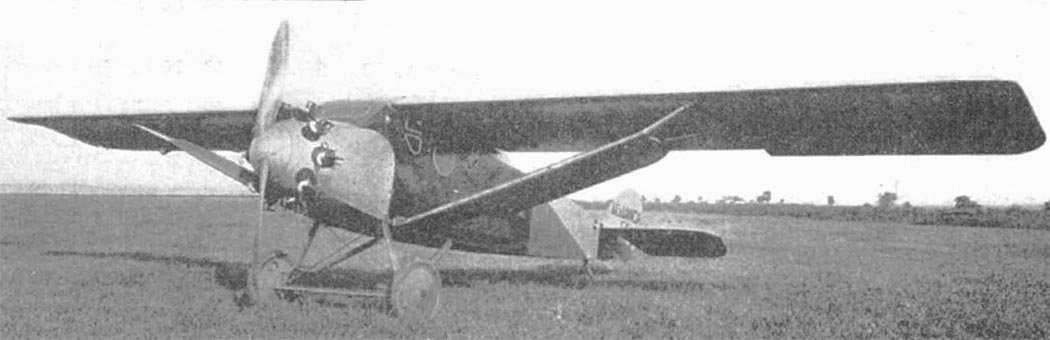
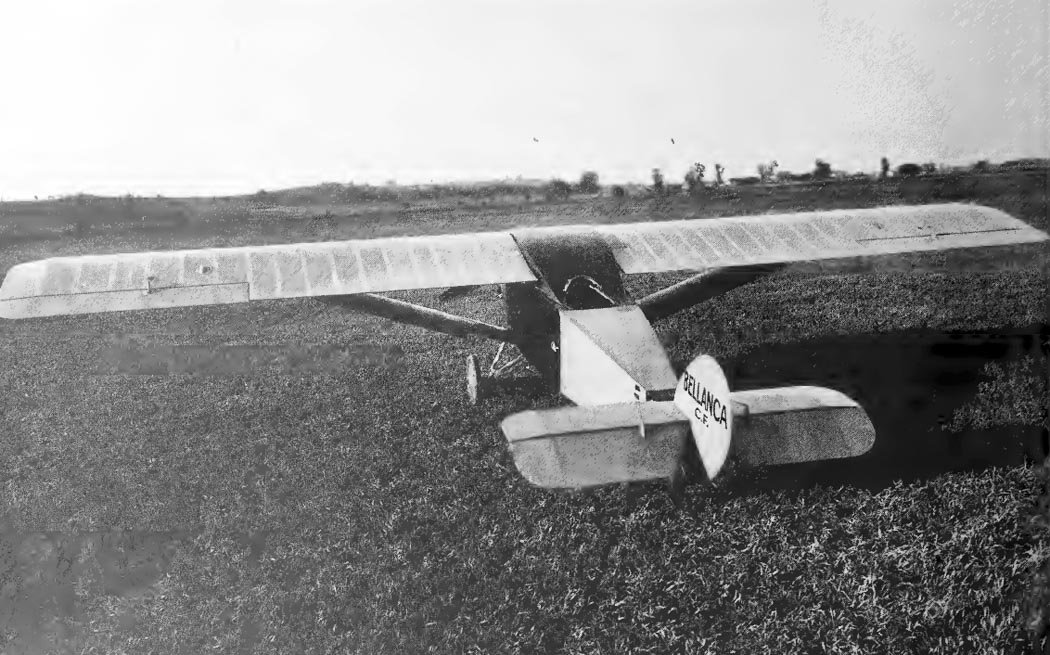
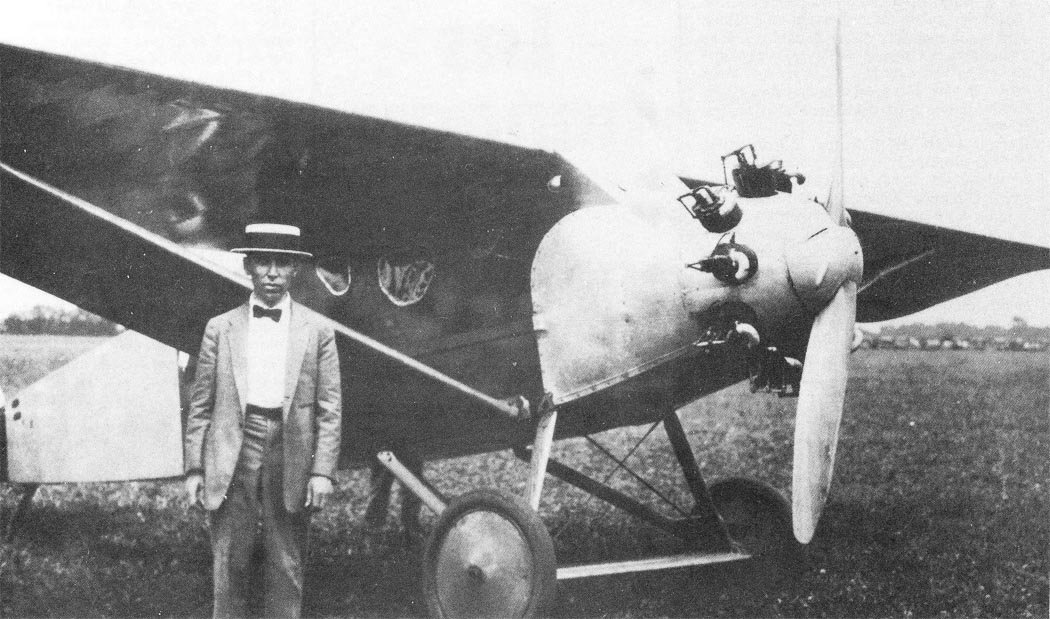
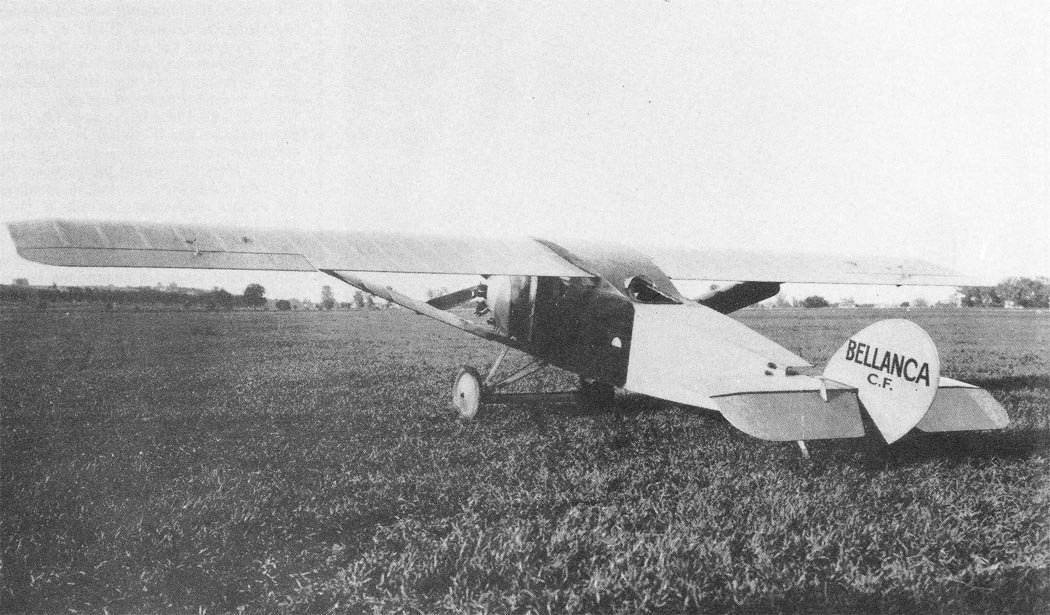
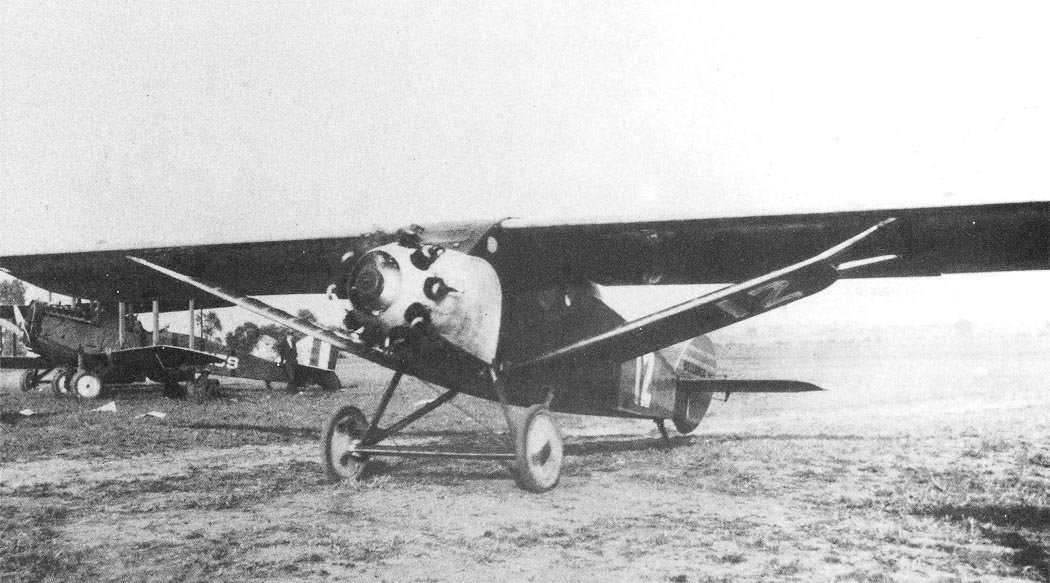
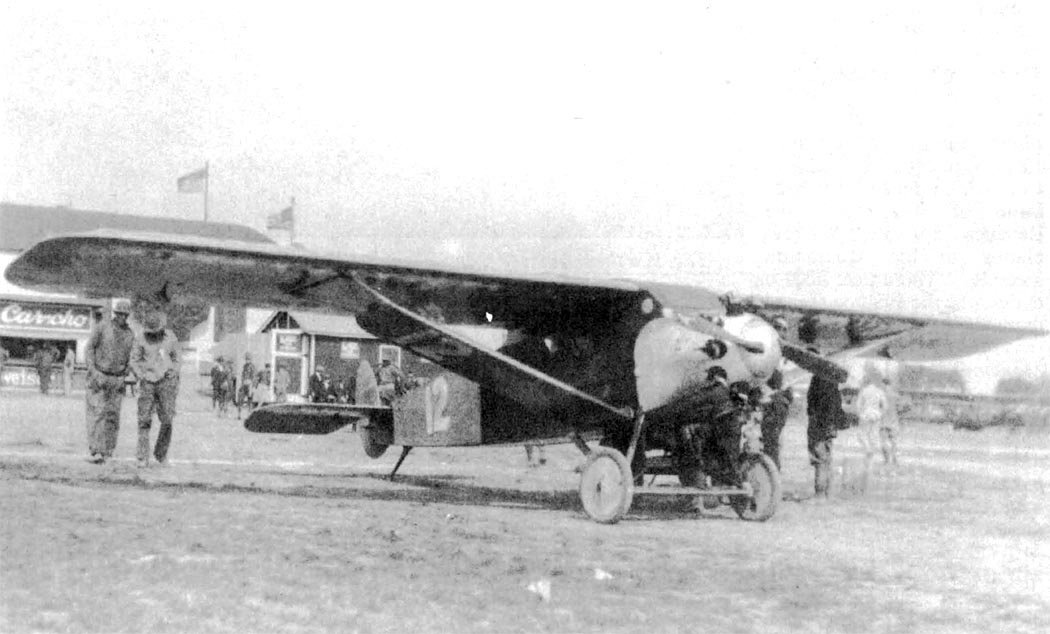
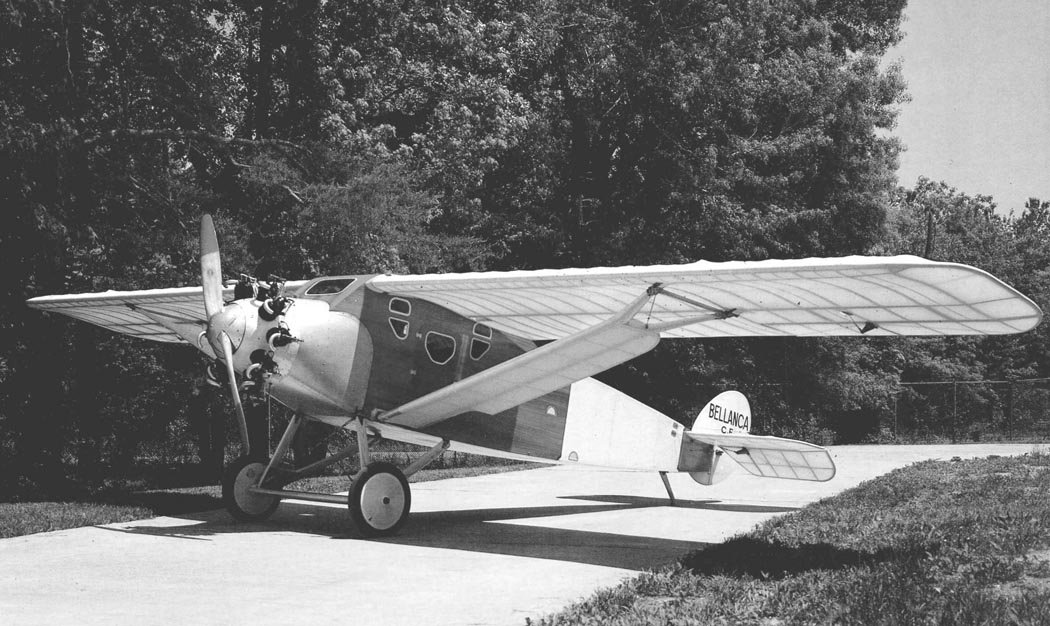
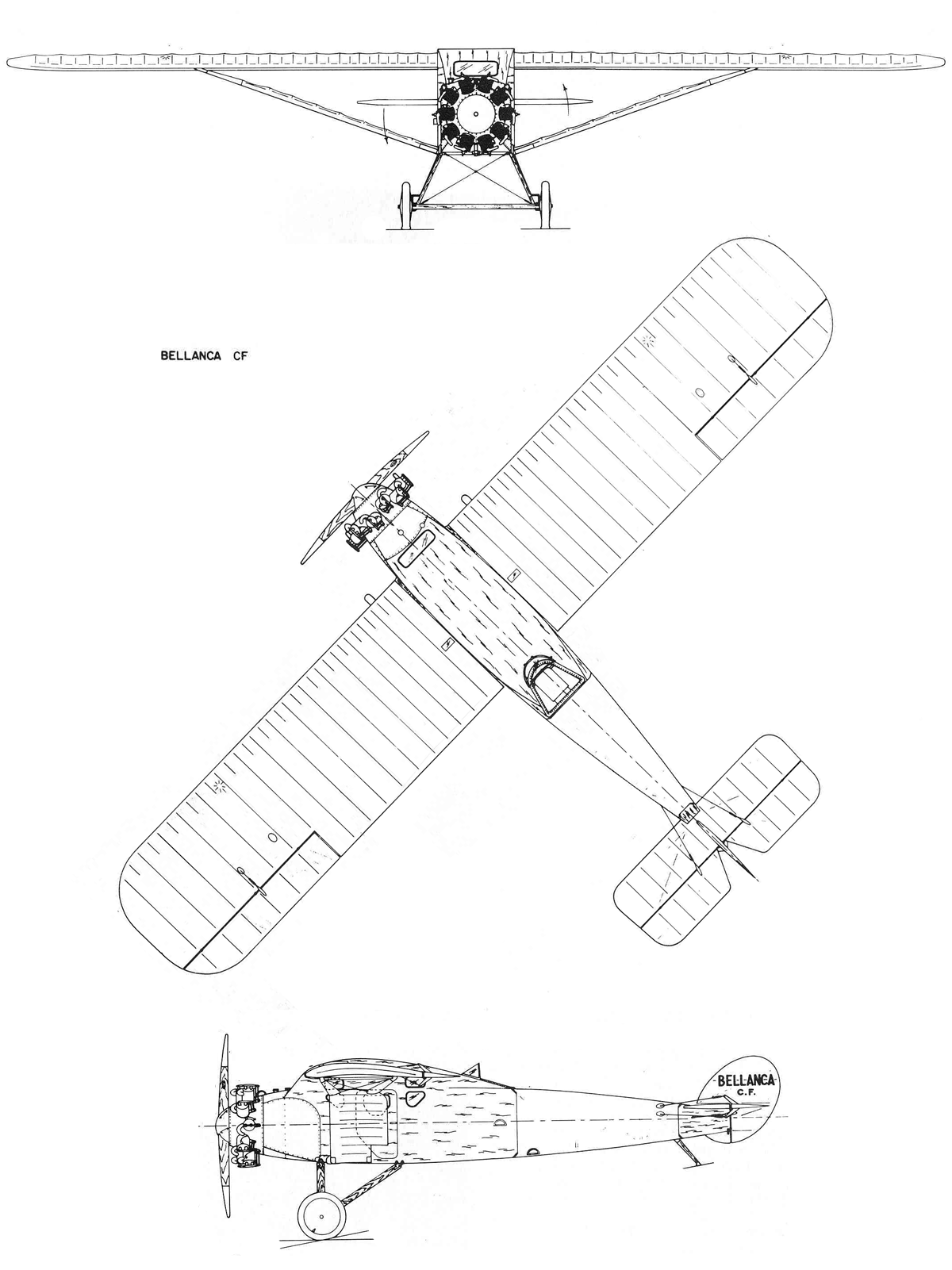
This company had a short lifespan and built only one aircraft: the Bellanca CF. Giuseppe Bellanca began its development in 1921. The Bellanca CF featured a mahogany fuselage covered in plywood, with fabric-covered wings, tail assembly, and struts, a robust yet elegant configuration for its era.
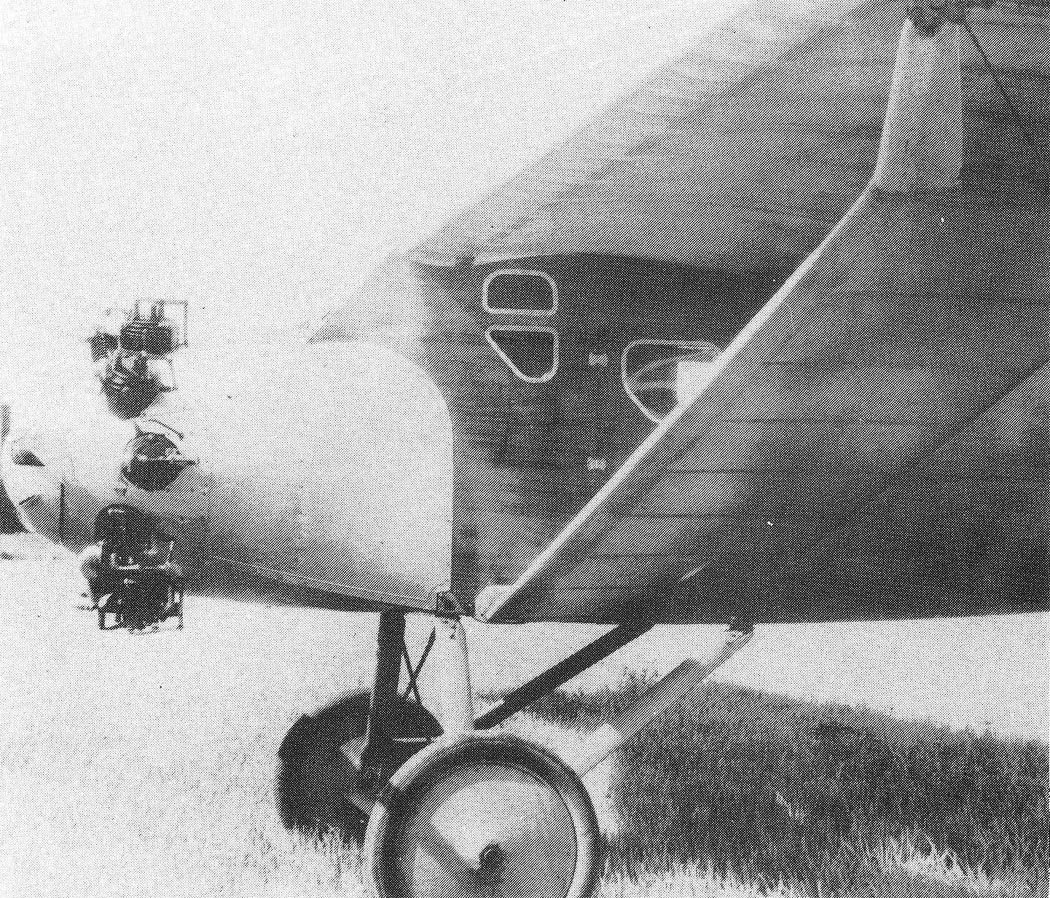
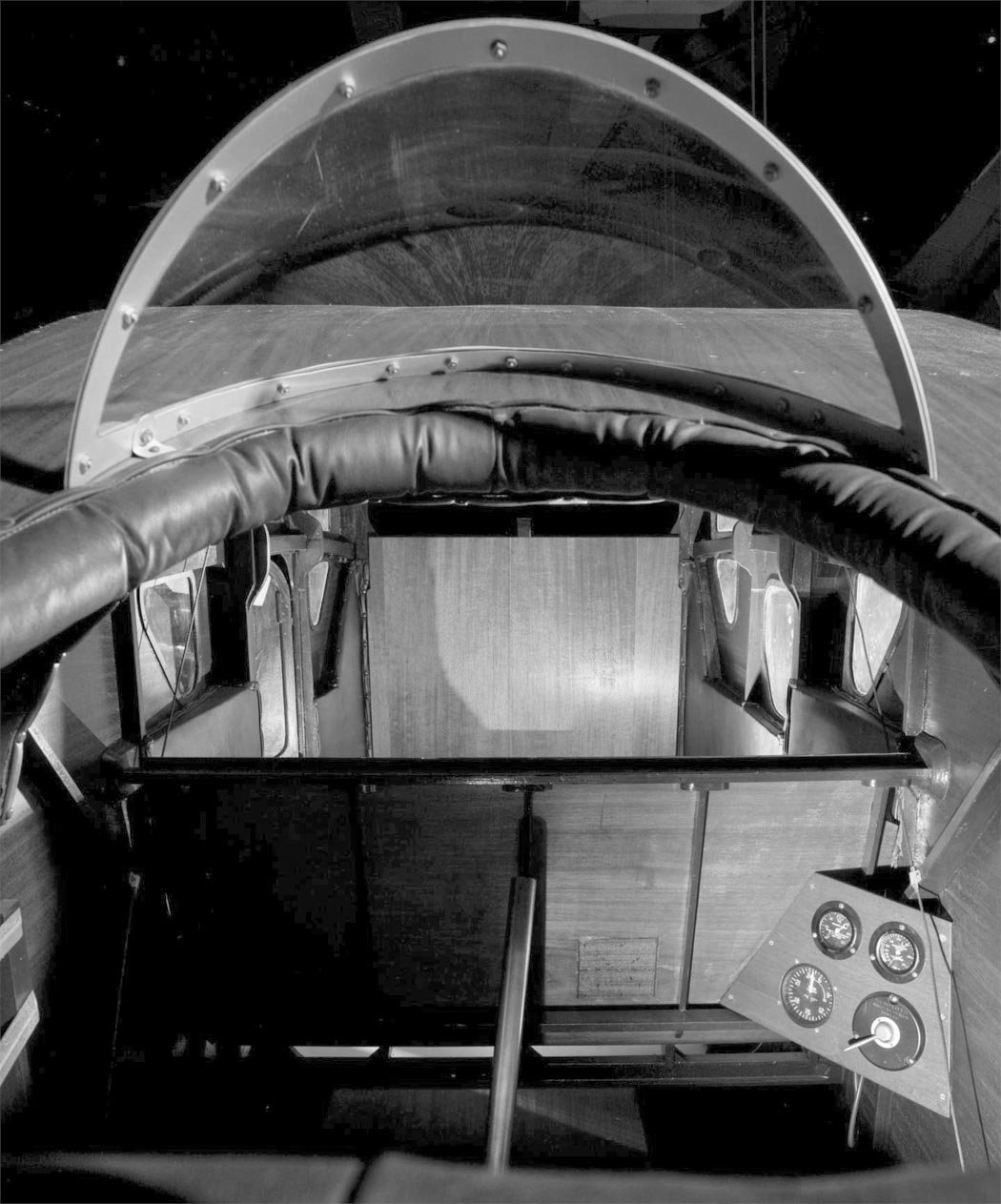
The aircraft boasted a fully enclosed cabin, equipped with small windows for the crew. Its fuselage was reinforced with steel wire, while the landing gear, covered with ivory laminate and birch veneer, demonstrated remarkable attention to detail. The wing struts, made of cedar, featured functional profiles designed to increase lift. Power was supplied by a 95 hp Anzani seven-cylinder radial engine.
The Bellanca CF was first flown by airmail pilot Harry G. Smith on June 8, 1922, at Fort Crook, Nebraska. During initial testing, the aircraft demonstrated its agility by performing loops and rolls, earning it a reputation for excellent handling. Following these successful flights, the CF was sent on a national tour to seek potential customers.
Notable Flights and Achievements
The CF was demonstrated at the Midwestern Flying Meet in Monmouth, Illinois, where it received four significant awards. Airmail pilot Bill Hobson flew the CF at the Tarkio Aero Meet, the Interstate Aero Meet, and the 1923 National Air Races, where it excelled by winning the efficiency contest. Additionally, two wedding ceremonies were held in its cabin mid-flight, adding a picturesque touch to its history.
However, Bellanca left the Roos-Bellanca company in 1924, joining Wright Aeronautical as a consultant. Although the Roos-Bellanca Aircraft Company had a short existence and built only one aircraft, the Bellanca CF’s enclosed cabin was ahead of its time, setting a precedent for future designs. This aircraft became a crucial step towards the series of record-setting planes Bellanca would later build.
Enduring Legacy and Modifications
The New York-based company Yellow Aircab acquired the CF in 1924 and modified it, updating the cabin, enlarging the windows, and installing a 110 hp Anzani nine-cylinder engine. In 1928, the aircraft received a 55-gallon fuel tank and a modernized vertical stabilizer to enhance its performance and range.
The sole CF was initially displayed at the Roosevelt Field Air museum, then passed to the Bellanca family. It was ultimately donated to the Smithsonian collection at the National Air and Space Museum in 1960, where it stands today as a pivotal piece of aviation history.
Technical Specifications
| Modification | Bellanca CF |
| Wingspan, m | 12.06 |
| Aircraft length, m | 7.19 |
| Aircraft height, m | 2.21 |
| Wing area, m2 | 31.70 |
| Empty weight | 428 |
| Maximum takeoff weight | 896 |
| Engine type | 1 Piston engine Anzani |
| Power, hp | 1 x 95 |
| Maximum speed, km/h | 178 |
| Cruising speed, km/h | 165 |
| Practical range, km | 1000 |
| Crew | 1 crew |
| Payload | up to 4 passengers |
Image and diagram gallery of the Bellanca CF
 Bellanca CF |
 Bellanca CF |
 Bellanca CF |
 Bellanca CF |
 Bellanca CF |
 Bellanca CF |
 Bellanca CF |
 Bellanca CF |
 Bellanca CF |
 Bellanca CF |
 Bellanca CF |
Equipo Editorial de ArchivoAéreo
Grupo de investigadores y entusiastas de la aviación dedicados a documentar y preservar la historia aeronáutica mundial. Todos los artículos son revisados para garantizar precisión histórica.
Fuentes y Rigurosidad
La información presentada en esta ficha técnica ha sido compilada a partir de manuales de vuelo desclasificados, archivos históricos y bibliografía especializada. Aunque nos esforzamos por mantener la máxima precisión, algunos datos de rendimiento pueden variar según la variante específica o las condiciones operativas.