Bellanca TES
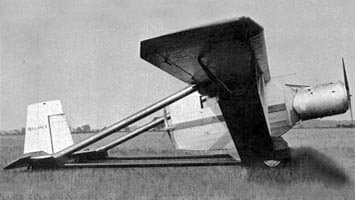
When the Bellanca company is mentioned, people usually recall either its modern light aircraft or the Airbus/Aircruiser – single-engine passenger/transport planes produced in a relatively small series and with a fairly recognizable appearance. However, even this aircraft has a sibling whose exterior is far more original.
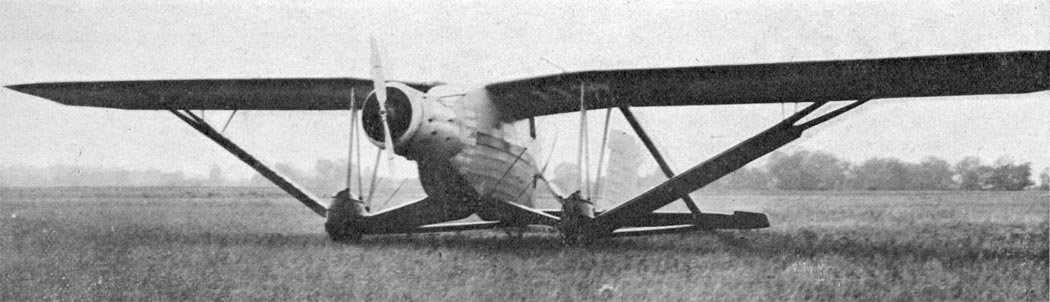
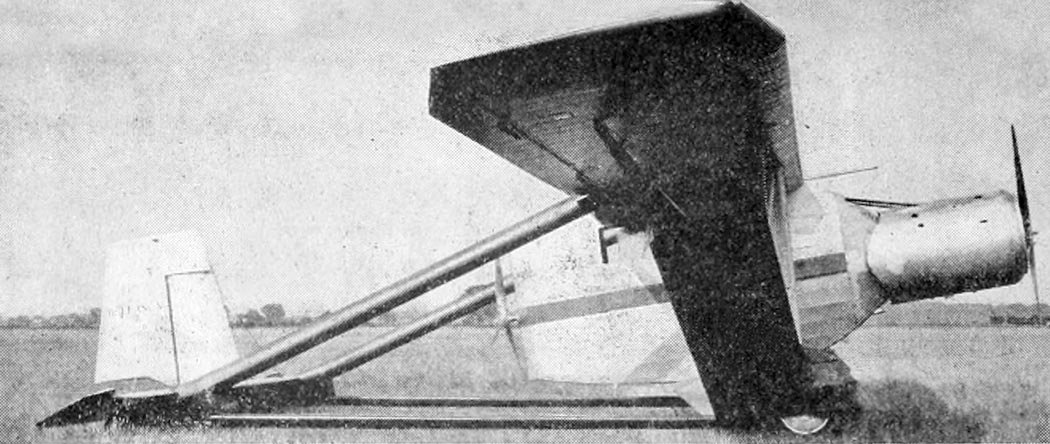
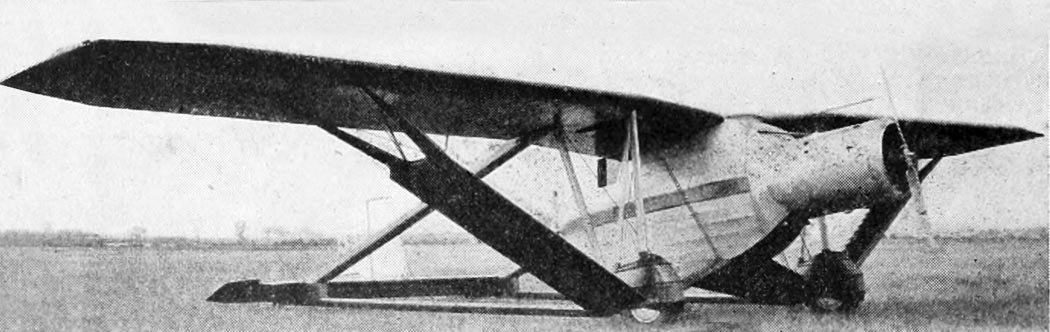
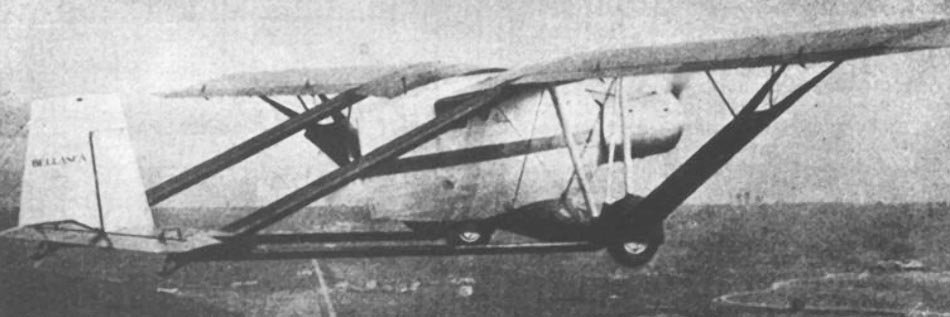
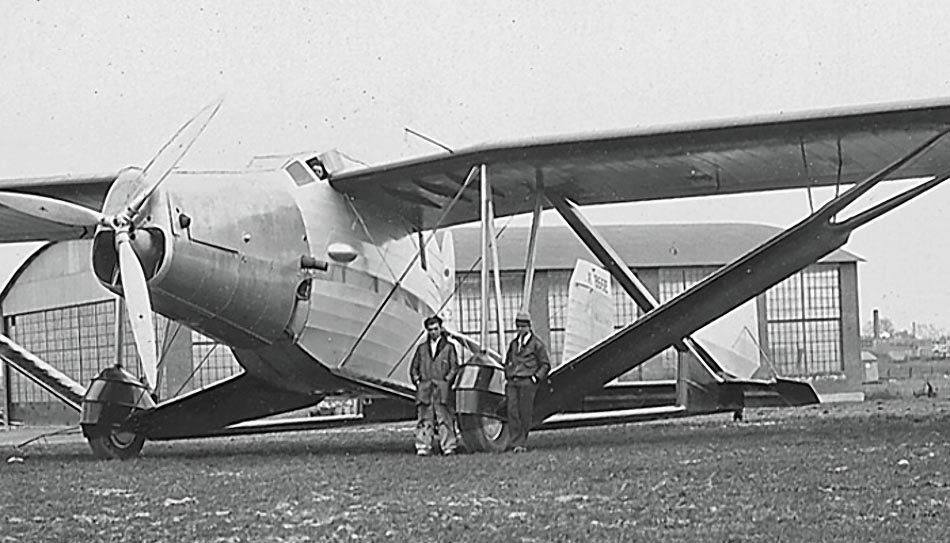
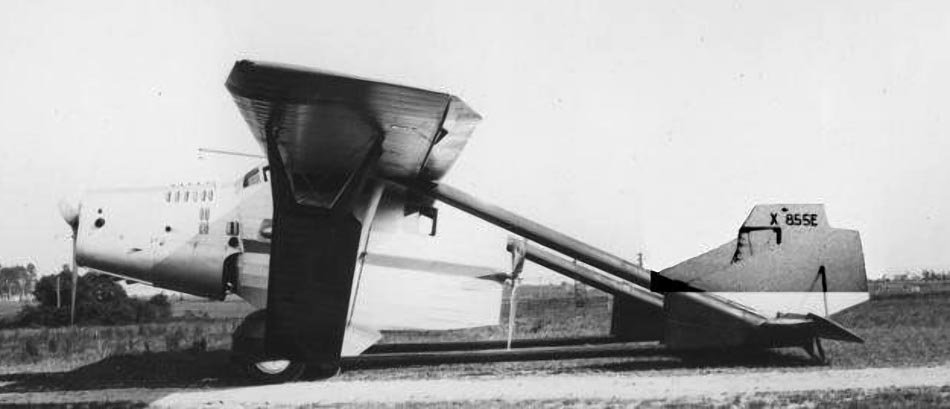
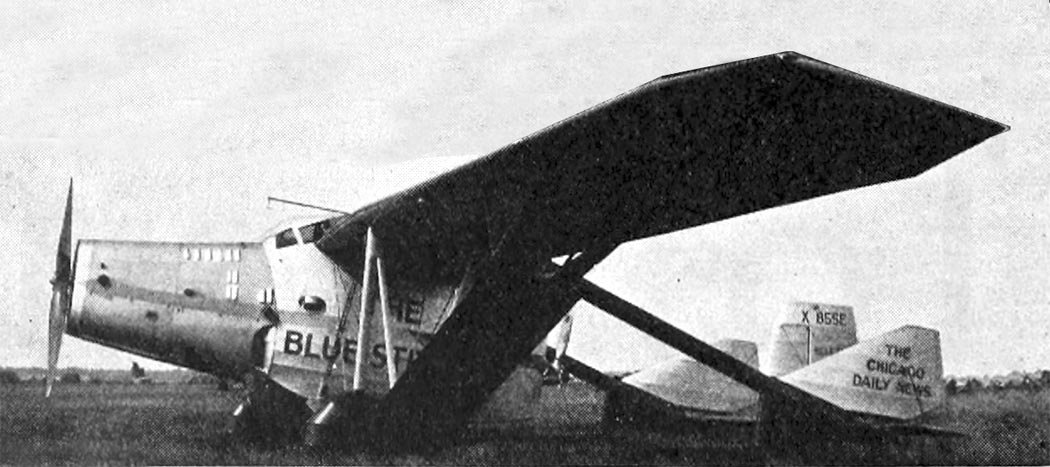
We are talking about the Bellanca TES (Tandem Experimental Sesquiplane), a long-range aircraft developed in 1929 by Giuseppe Mario Bellanca himself, a designer at the American firm Bellanca Aircraft Company.
An Innovative Propulsion Design
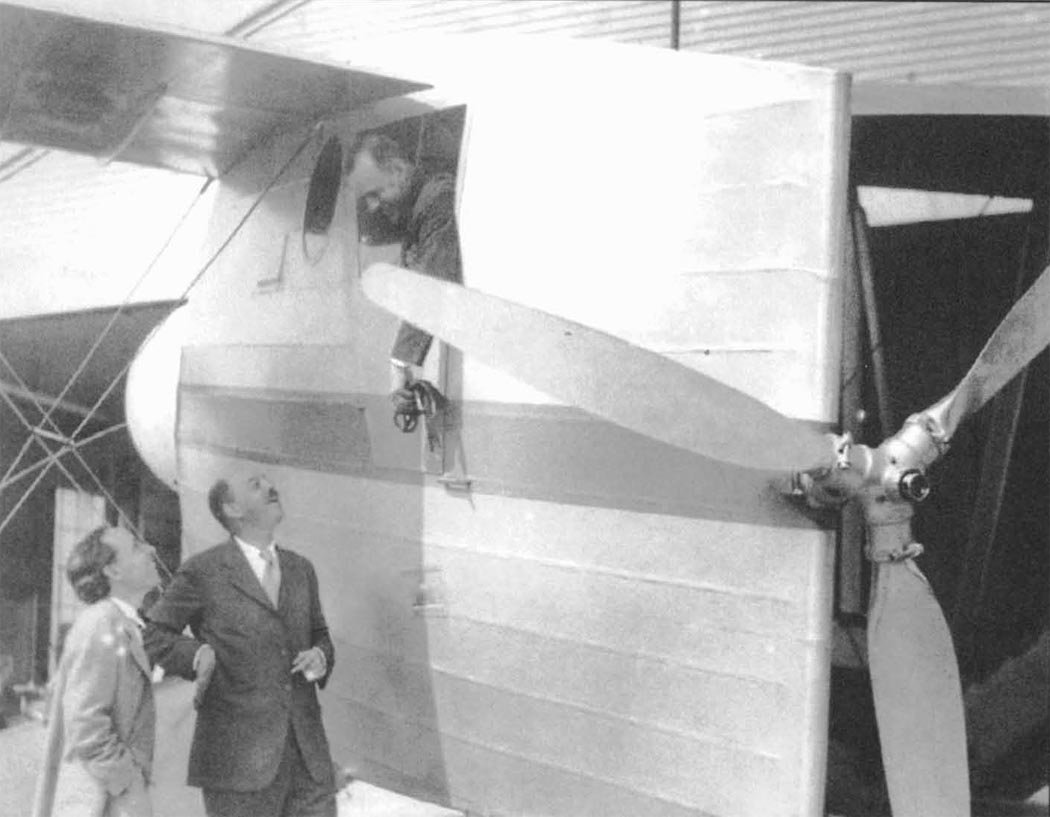
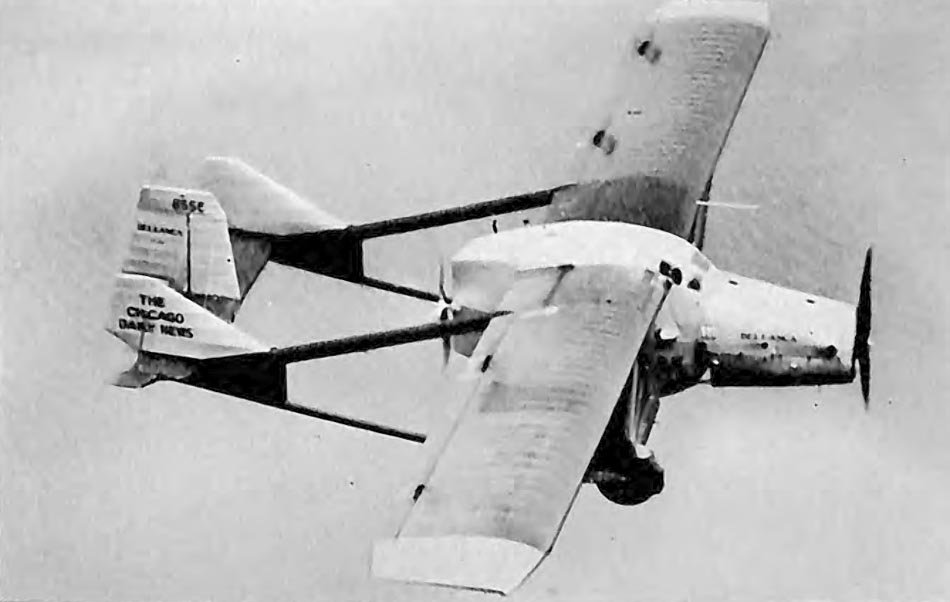
Two 425-horsepower Pratt & Whitney R-1340 Wasp engines were installed one behind the other: one in the traditional forward position, and the second behind it, in the lower part of the fuselage. The propellers were thus at both ends of the fuselage – one pulling, the other pushing.
In this manner, the twin-engine aircraft presented a single aerodynamic “front,” rather than three, as is typical for traditional twin-engine aircraft with engines mounted on the wings. This configuration aimed to optimize aerodynamics for long-duration flights.
The Bellanca TES and Aerial Endeavors
This twin-engine push-pull aircraft was built in 1929 to participate in a non-stop flight from Seattle to Tokyo, though it ultimately did not take part. Interestingly, the first such flight was accomplished by another aircraft from the same company.
Bellanca generally had a strong inclination towards long-distance flights. For instance, they had the chance to build an aircraft for Charles Lindbergh, but he ultimately chose Ryan’s “Spirit of St. Louis.”
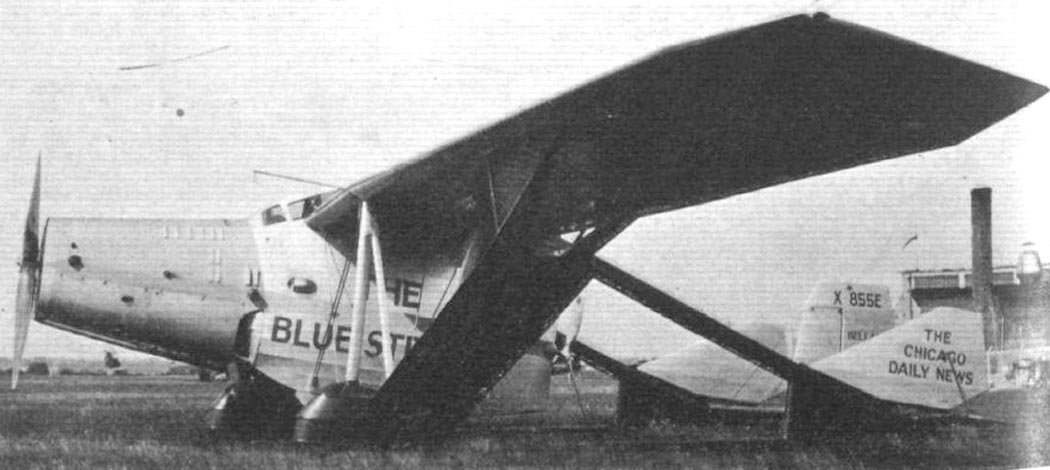
The Tragic End of the “Blue Streak”
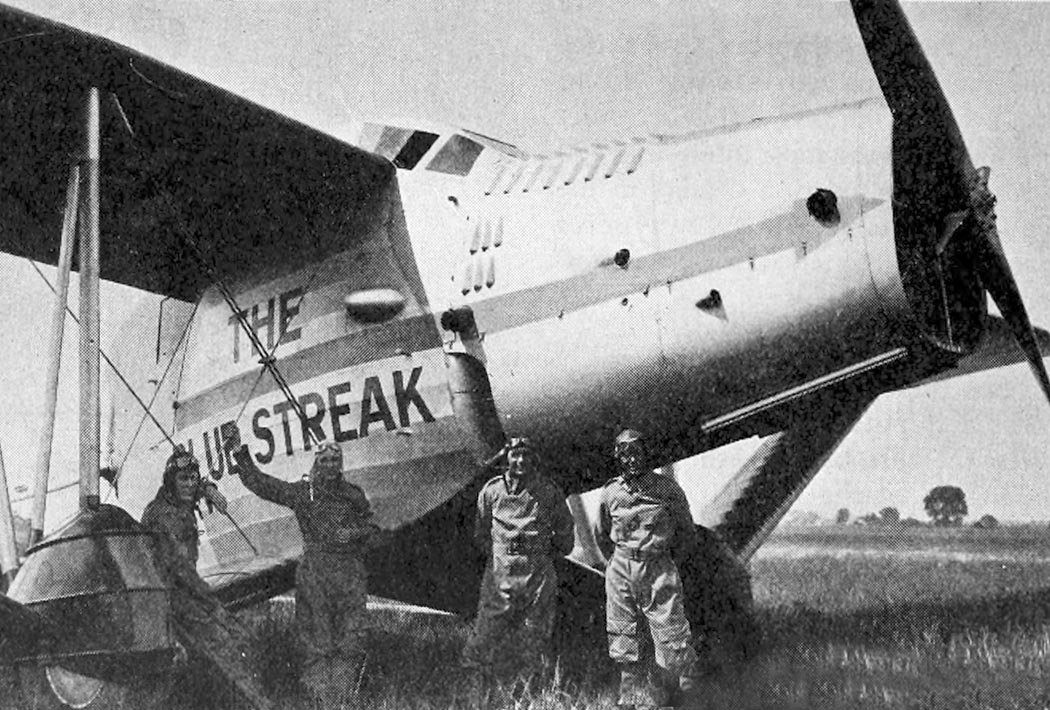
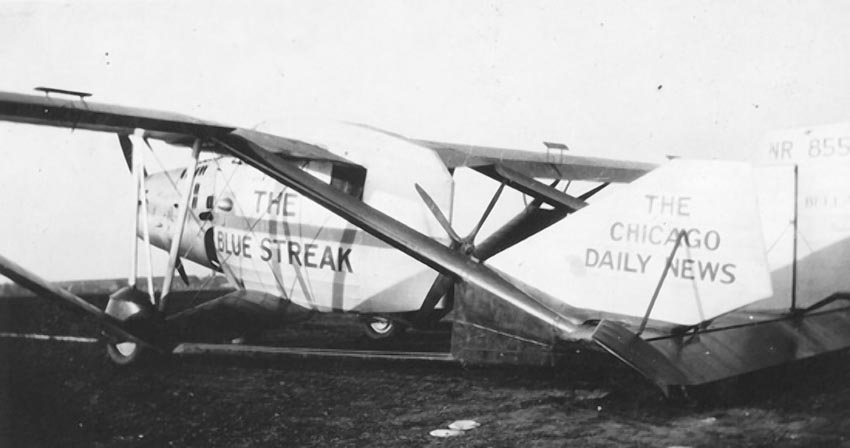
In 1930, the aircraft, which was renamed “Blue Streak,” had its engines replaced from Pratt & Whitney R-1340 Wasp to Curtiss V-1570 Conqueror, increasing the total power by 350 horsepower. This explains why the aircraft has different cowl shapes in some photographs.
However, its operational life was short. On May 26, 1931, the aircraft crashed due to the failure of the rear propeller shaft, bringing an end to the story of this innovative machine.
Technical Specifications
| Modification | Bellanca TES |
| Wingspan, m | 25. 35 |
| Aircraft length, m | 14. 40 |
| Aircraft height, m | 3.96 |
| Wing area, m2 | 84.73 |
| Empty weight | 3629 |
| Maximum takeoff weight | 7030 |
| Fuel, l | 8139 |
| Engine type | 2 Piston engines Curtiss V-1570 Conqueror |
| Power, hp | 2 x 600 |
| Maximum speed, km/h | 258 |
| Cruising speed, km/h | 219 |
| Practical range, km | 8047 |
| Crew | 2 |
Image and diagram gallery of the Bellanca TES
 Bellanca TES |
 Bellanca TES |
 Bellanca TES |
 Bellanca TES |
 Bellanca TES |
 Bellanca TES |
 Bellanca TES |
 Bellanca TES |
 Bellanca TES |
 Bellanca TES |
 Bellanca TES |
 Bellanca TES |
 Bellanca TES |
 Bellanca TES |
 Bellanca TES |
Equipo Editorial de ArchivoAéreo
Grupo de investigadores y entusiastas de la aviación dedicados a documentar y preservar la historia aeronáutica mundial. Todos los artículos son revisados para garantizar precisión histórica.
Fuentes y Rigurosidad
La información presentada en esta ficha técnica ha sido compilada a partir de manuales de vuelo desclasificados, archivos históricos y bibliografía especializada. Aunque nos esforzamos por mantener la máxima precisión, algunos datos de rendimiento pueden variar según la variante específica o las condiciones operativas.