Beobrazov's Triplane
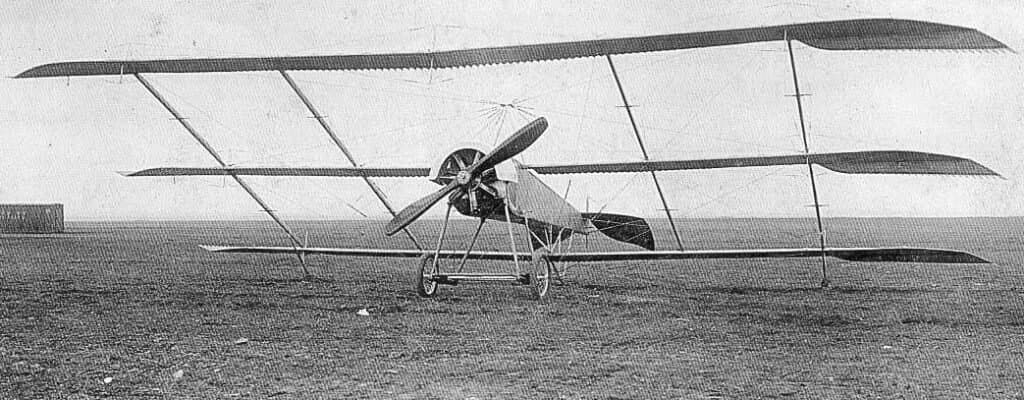
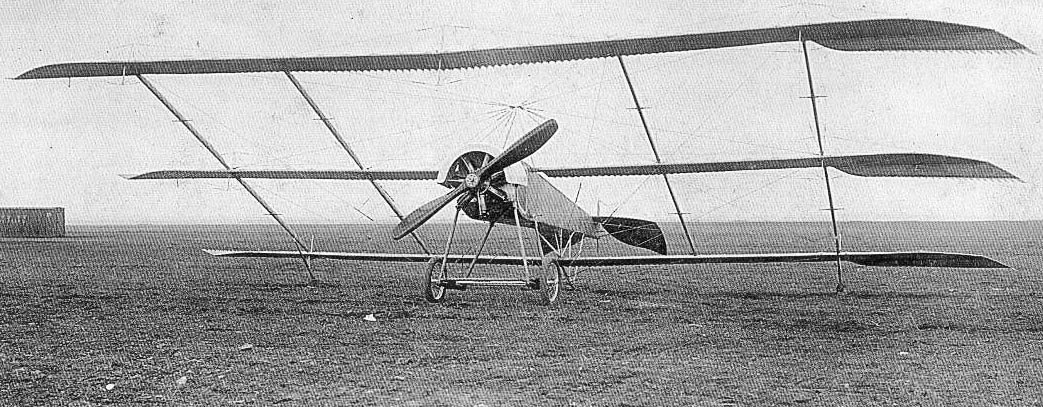
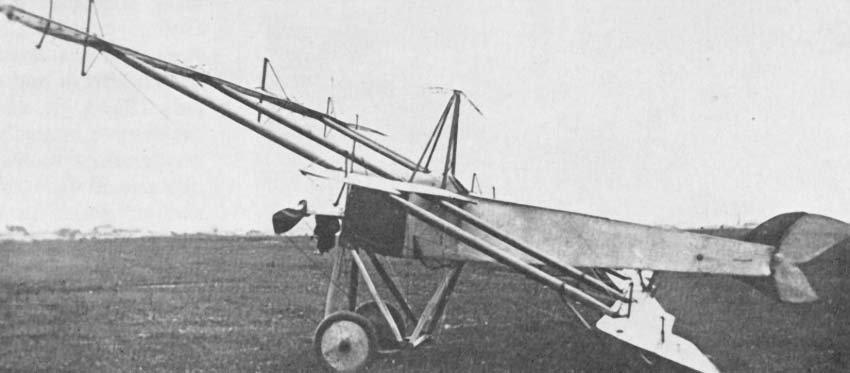
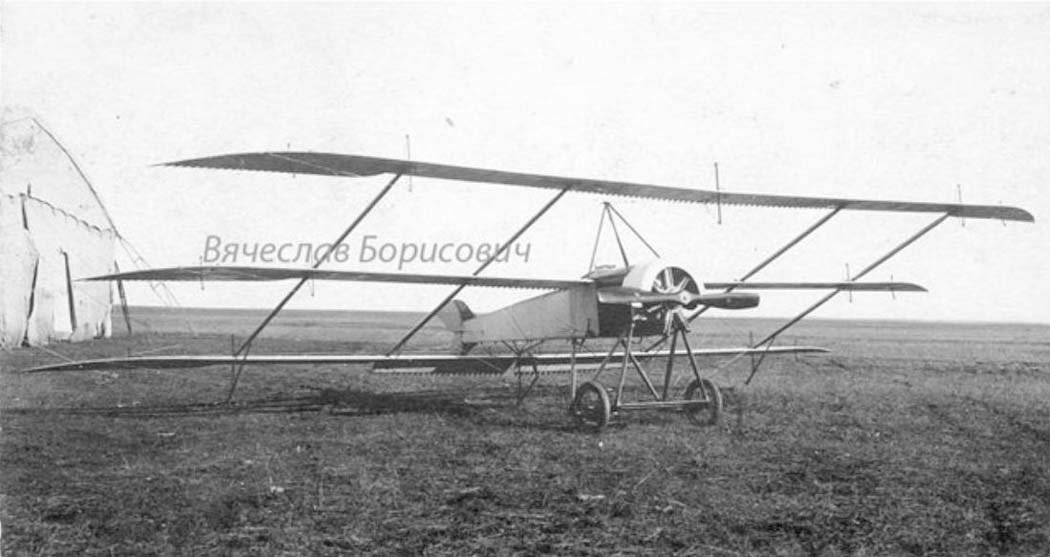
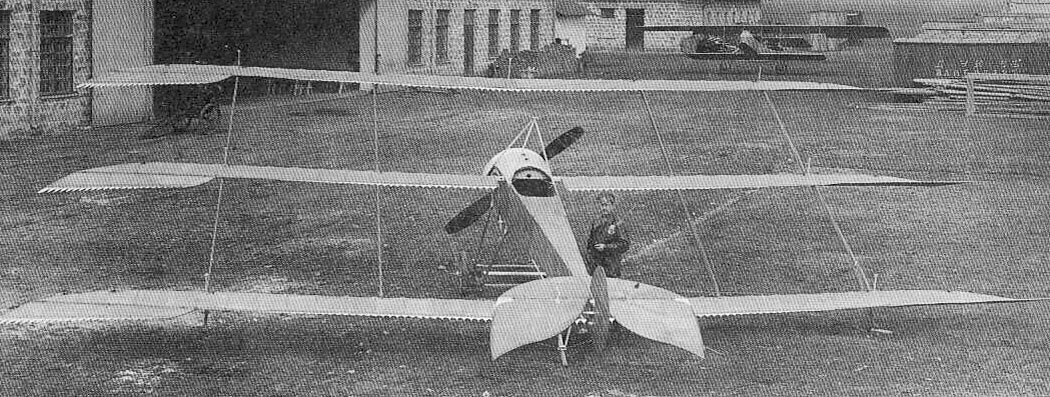
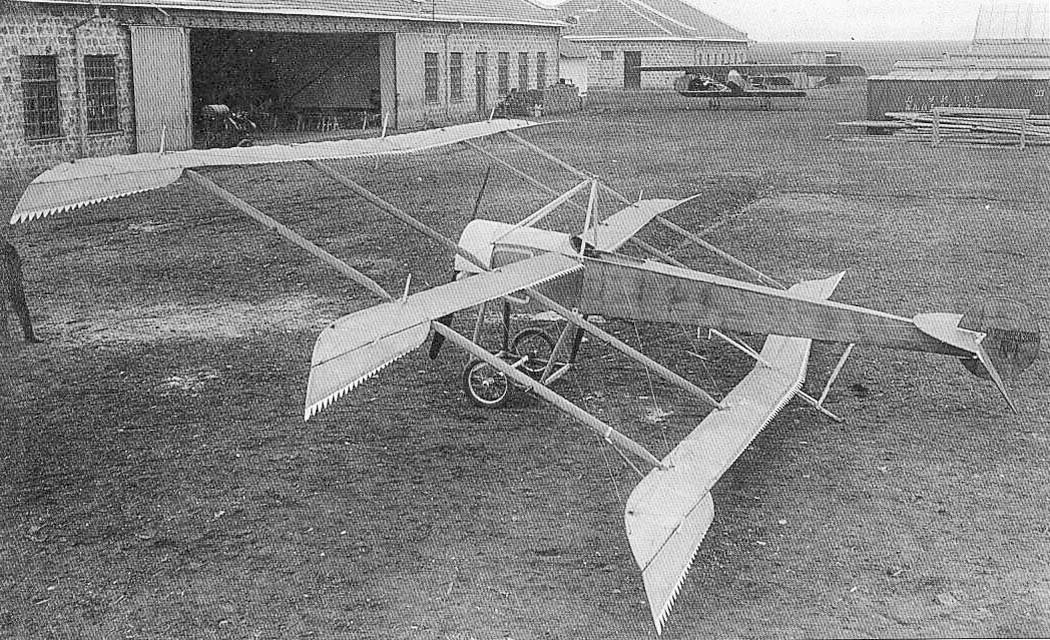
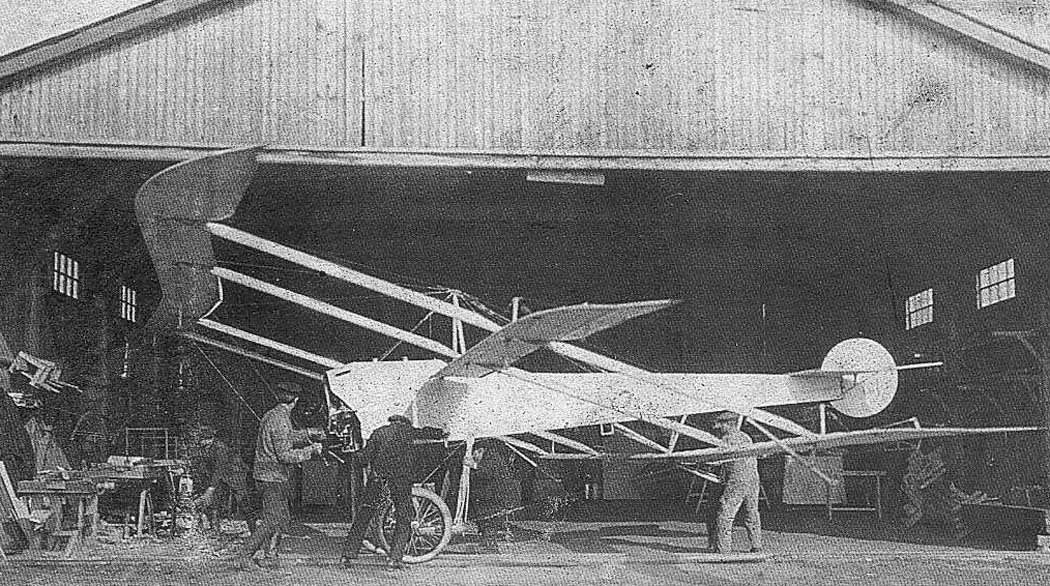
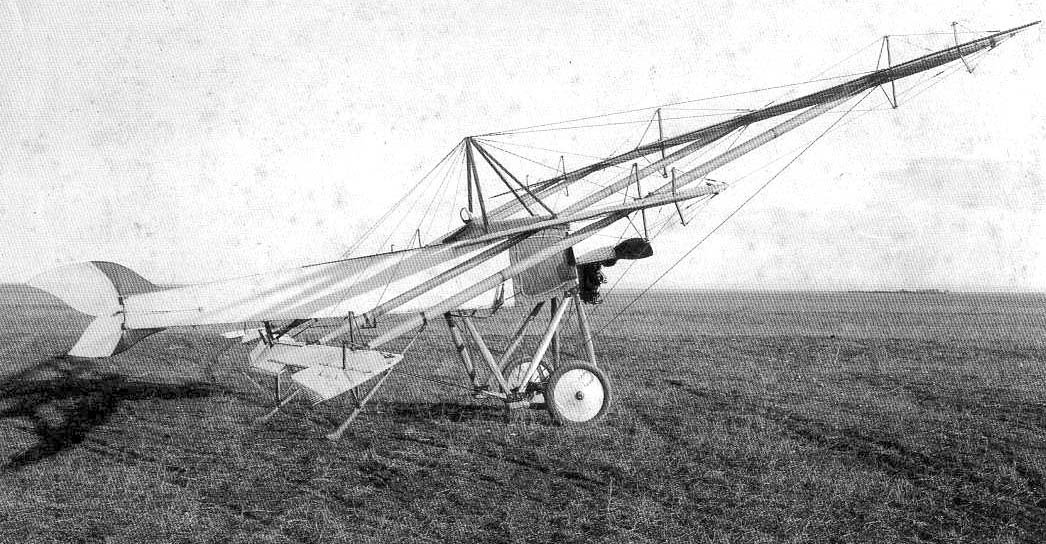
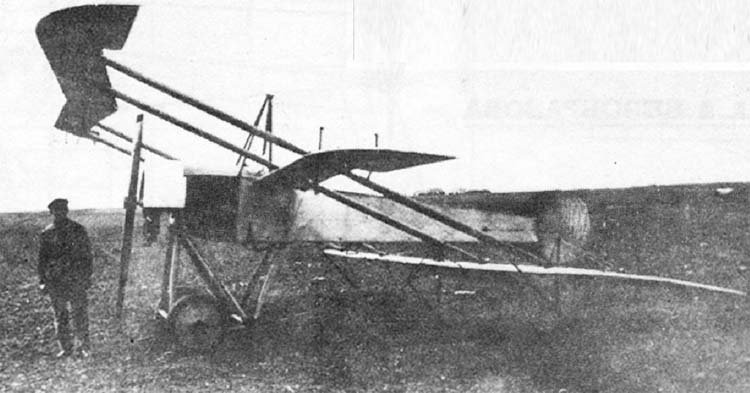
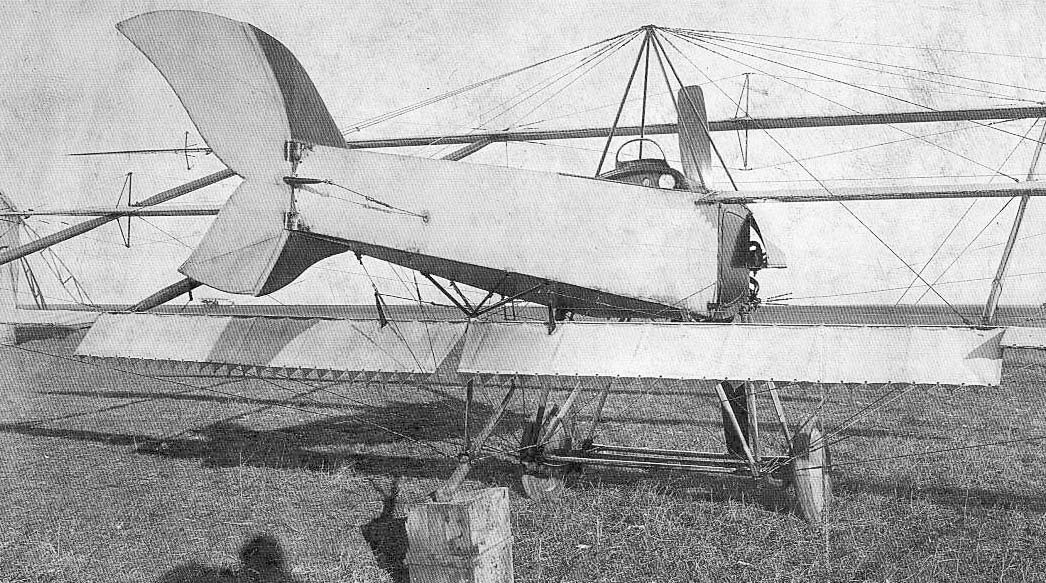
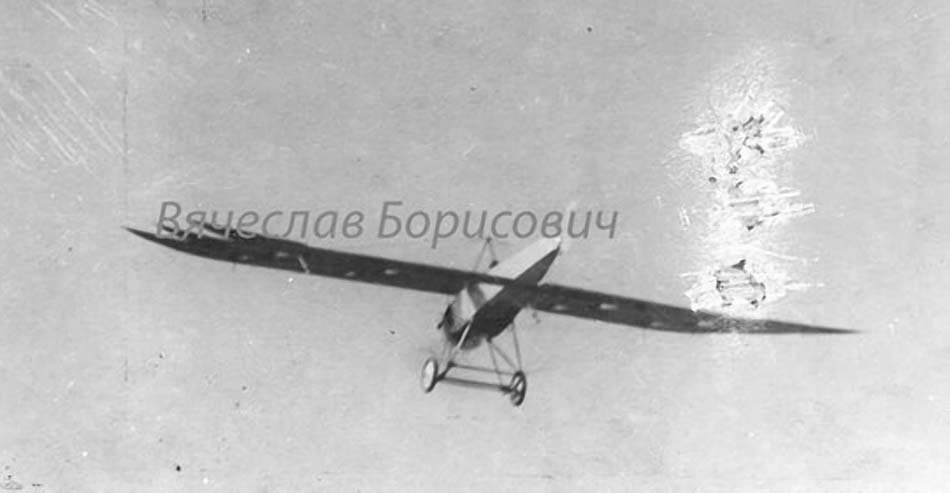
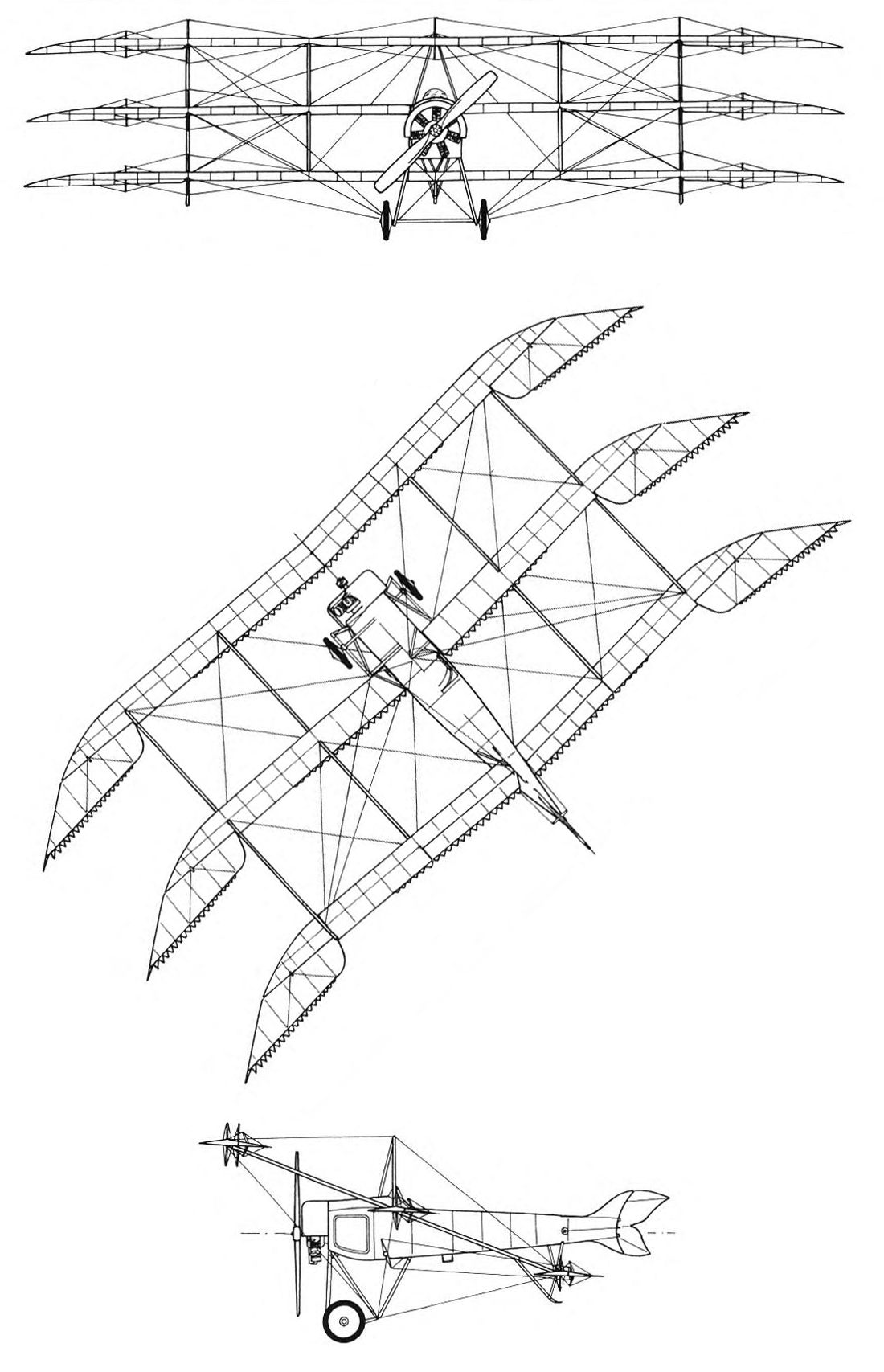
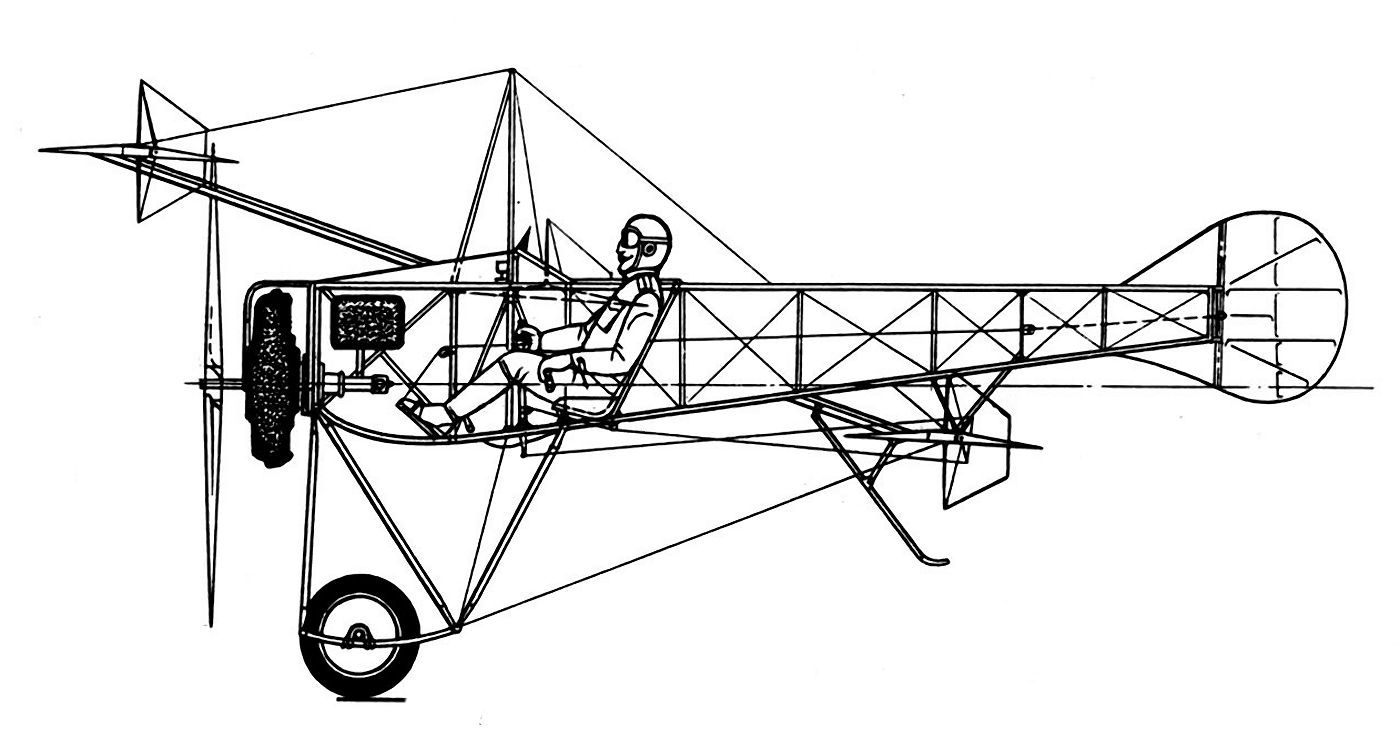
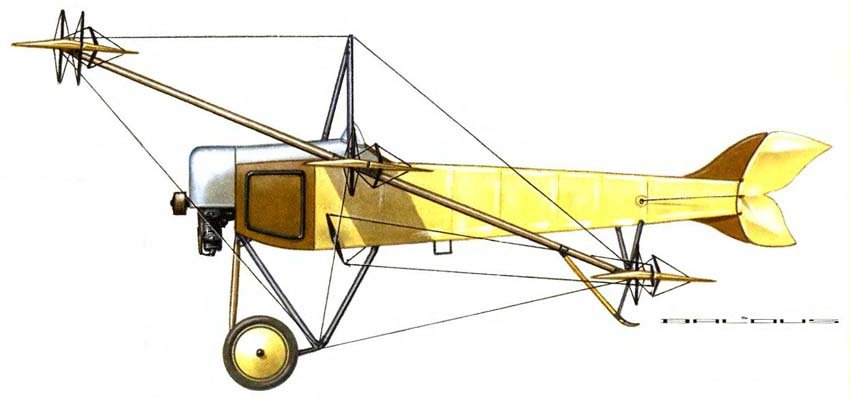
This original triplane, which can objectively be defined as an experimental aircraft, was notable for its lack of a horizontal tailplane. According to its designer, Alexander Alexandrovich Beobrazov, the three narrow lifting surfaces, combined with sufficient visibility, were intended to provide high stability and maneuverability across the entire range of flight speeds. The width of each of the three wings, over a significant portion of its span, was only 500 mm, and the cross-section profile was almost triangular with a sharp leading edge.
In his initial project, Beobrazov envisioned placing the engine in the center of a well-streamlined, spindle-shaped fuselage, utilizing an extended shaft to a pulling propeller. The pilot was intended to be housed in a closed cockpit with glazing on the sides and top of the fuselage, with additional visibility provided by a special periscope. However, realizing such original proposals in practice proved unrealistic.
Construction and Initial Trials
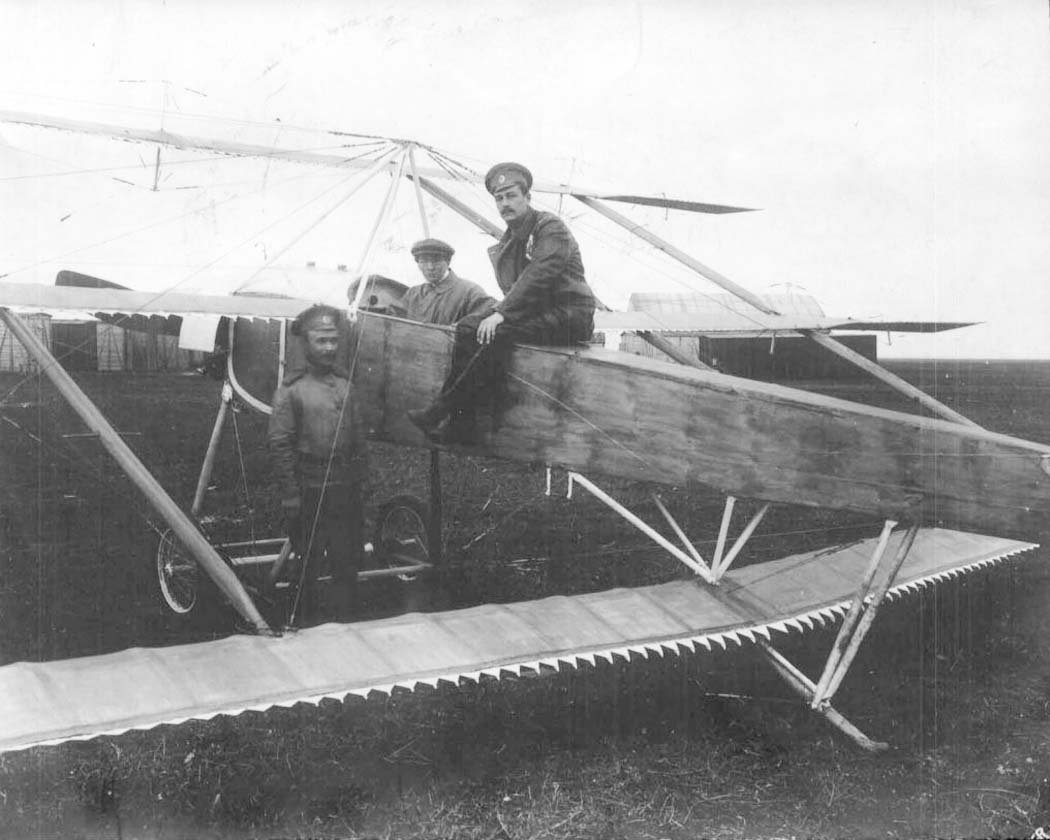
Therefore, Beobrazov’s aircraft fuselage was built using a conventional, widely adopted method, with a 60 hp Anzani engine (later an 80 hp Gnome) placed in the nose. The triplane was constructed in 1914 with the author’s funds, in rented premises on the outskirts of Khodynka Field in Moscow, with the active participation and design support of F.E. Moska. With the outbreak of war in the summer of 1914, A.A. Beobrazov, who was an ensign in the Russian army, went to the front, so the aircraft was completed without him.
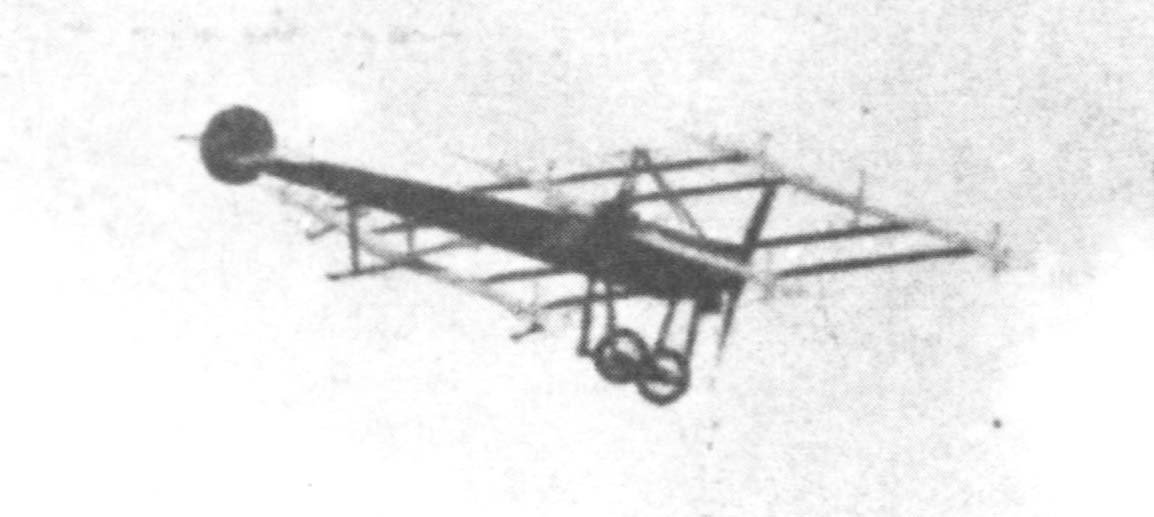
On October 2, 1914, F.E. Moska successfully tested Beobrazov’s triplane. Military inspector, Staff Captain Bystritsky, present at the tests, reported to Grand Duke Alexander Mikhailovich: “The flight, made in the presence of Moscow Governor Count Muravyov, took place about a week ago during school hours (Moscow School of Aviation), which is why I and many military pilots observed it.”
He continued: “The flight was performed with a total useful load of about 85 kg, lasted 10 minutes, take-off run was about 60-70 m. Landing run was about 70-80 m. Flight altitude did not exceed 100 m. Speed was about 100 km/h.”
Further Development and Accident
In December 1914, after suffering a severe wound at the front, A.A. Beobrazov went to the rear for treatment. At the same time, he sought funding to continue experiments with his aircraft. Towards the end of the year, reports reached the Supreme Command Headquarters from relevant authorities: “It is extremely desirable to provide Beobrazov with assistance for the immediate construction of a new aircraft, which would take insignificant time, and the apparatus could join the army by spring.”
However, a new model was not built. The author continued to refine the existing aircraft, relocating it to the Sevastopol Aviation School for more favorable flying weather. By mid-1915, Beobrazov’s triplane was improved and tested, after which it was returned to Moscow. Here, on August 6, 1915, during a takeoff attempt by pilot I.A. Orlov, the aircraft crashed, resulting in significant damage. The cause of the accident was a common fault for that era: a broken landing gear axle.
After the accident, the aircraft was extensively repaired but never flew again. The last mentions of it date back to February 1917.
Technical Specifications
| Modification | Triplane |
| Wingspan, m | 13.30 |
| Aircraft length, m | 6.90 |
| Wing area, m2 | 20.00 |
| Empty weight | 388 |
| Normal takeoff weight | 547 |
| Engine type | 1 Piston engine Gnome |
| Power, hp | 1 x 80 |
| Maximum speed, km/h | 100 |
| Cruising speed, km/h | 75 |
| Service ceiling, m | 2000 |
| Crew, crew members | 1 |
Image and diagram gallery of the Beobrazov's Triplane
 Triplane |
 Triplane |
 Triplane |
 Triplane |
 Triplane |
 Triplane |
 Triplane |
 Triplane |
 Triplane |
 Triplane |
 Triplane |
 Triplane |
 Triplane |
 Triplane |
 Triplane |
Equipo Editorial de ArchivoAéreo
Grupo de investigadores y entusiastas de la aviación dedicados a documentar y preservar la historia aeronáutica mundial. Todos los artículos son revisados para garantizar precisión histórica.
Fuentes y Rigurosidad
La información presentada en esta ficha técnica ha sido compilada a partir de manuales de vuelo desclasificados, archivos históricos y bibliografía especializada. Aunque nos esforzamos por mantener la máxima precisión, algunos datos de rendimiento pueden variar según la variante específica o las condiciones operativas.