Bernard 200
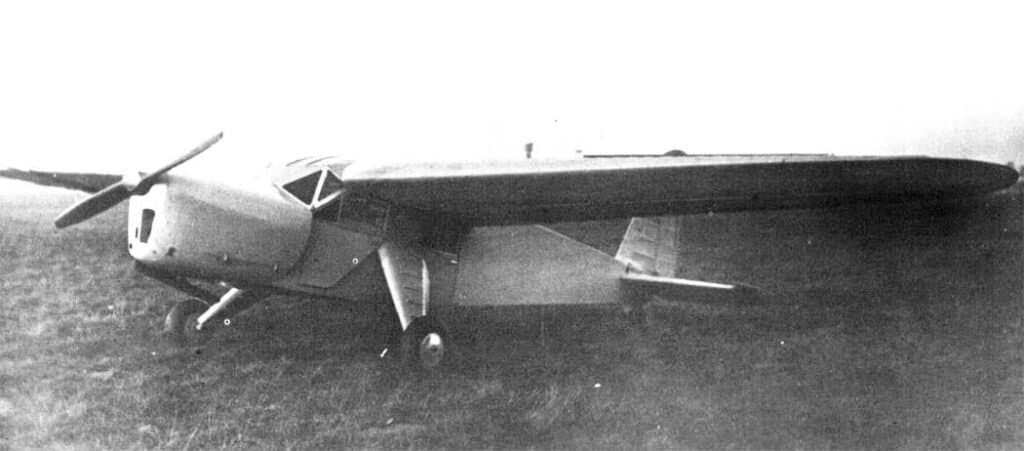
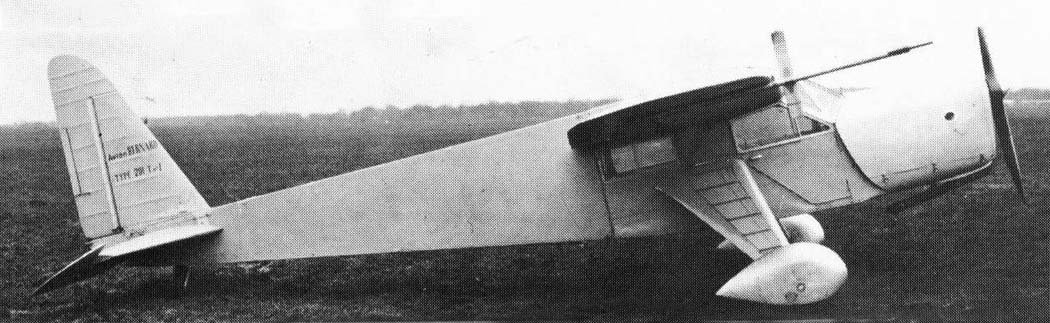
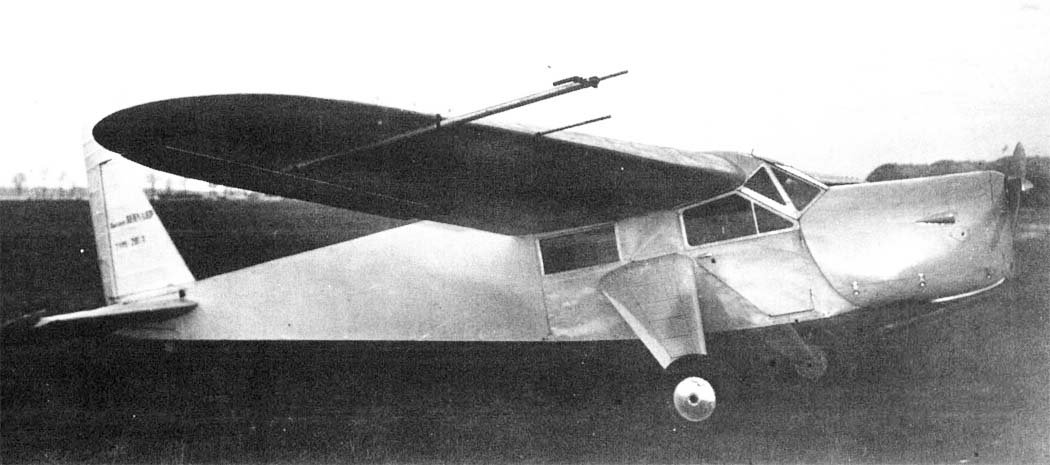
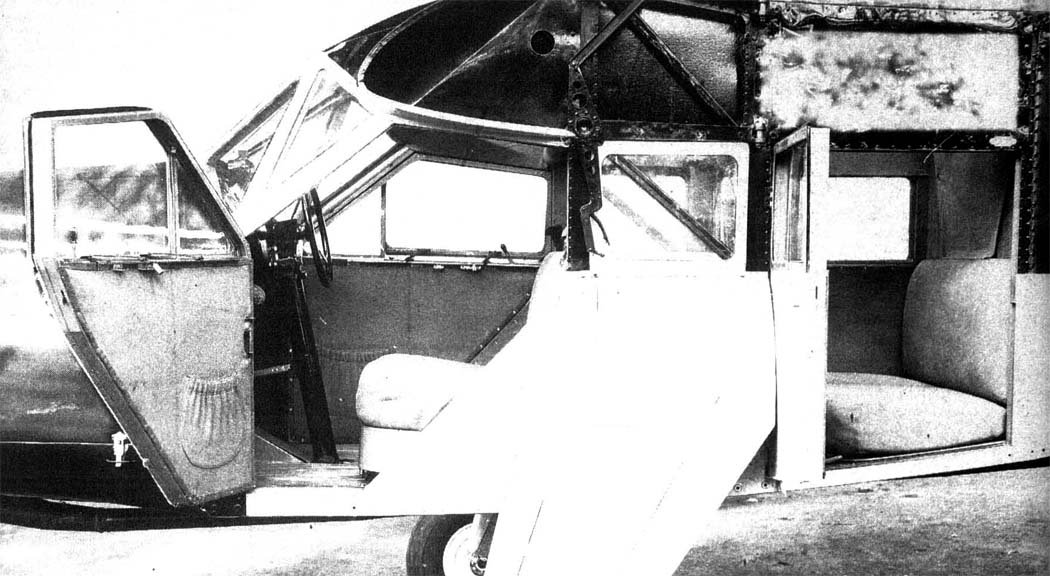
In the early 1930s, the firm Societe des Avions Bernard began designing a light four-seater multi-purpose aircraft. This aircraft was primarily intended for use as a tourist and light transport plane.
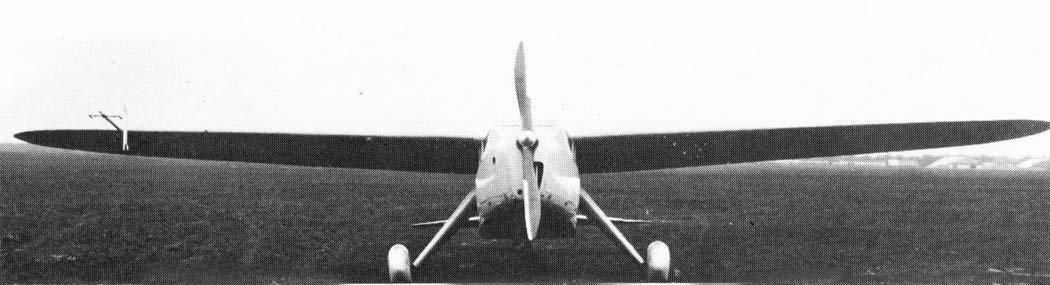
The first prototype, the Bernard 200T, took its maiden flight on November 25, 1932. It was a high-wing monoplane with a metal frame covered in fabric, equipped with a 120 hp De Havilland Gipsy engine, allowing it to reach a maximum speed of 192 km/h.
Early Development and Variants
Following the first example, a more successful variant appeared: the Bernard 201T, powered by a 135 hp De Havilland Gipsy Major engine. The aircraft’s first flight took place on January 12, 1933. A total of four aircraft were produced.
Two of these were subsequently converted into the Bernard 207T variant, fitted with a 120 hp De Havilland Gipsy Major I engine. With the same powerplant, in the summer of 1933, a single example of another modification was released: the Bernard 205T.
Bernard 201T Specifications
The technical specifications for the Bernard 201T included a wingspan of 11.96 m, a length of 7.70 m, a height of 2.00 m, and a wing area of 17.20 m². Its empty weight was 690 kg, with a normal takeoff weight of 1030 kg. Powered by a 135 hp De Havilland Gipsy Major engine, it achieved a maximum speed of 193 km/h. The crew consisted of 4 people.
Technical Specifications
| Modification | Bernard 201T |
| Wingspan, m | 11. 96 |
| Length, m | 7. 70 |
| Height, m | 2.00 |
| Wing area, m2 | 17. 20 |
| Empty weight | 690 |
| Normal takeoff weight | 1030 |
| Engine type | 1 Piston engine De Havilland Gipsy Major |
| Power, hp | 1 x 135 |
| Maximum speed, km/h | 193 |
| Crew | 4 |
Image and diagram gallery of the Bernard 200
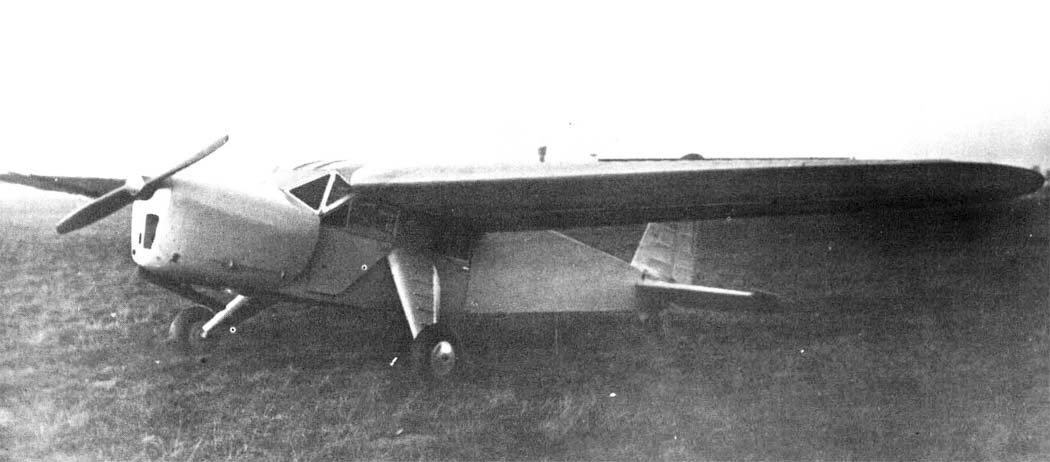 Bernard 200 |
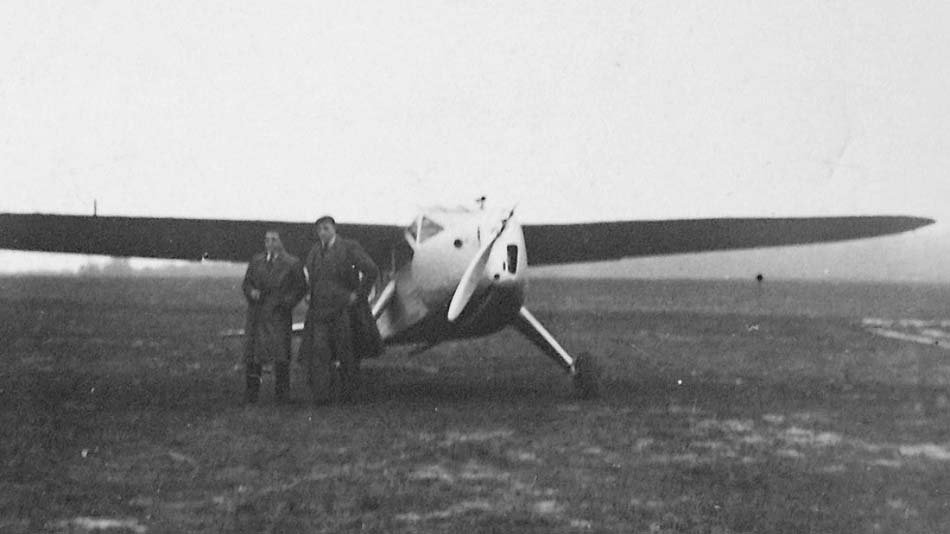 Bernard 200 |
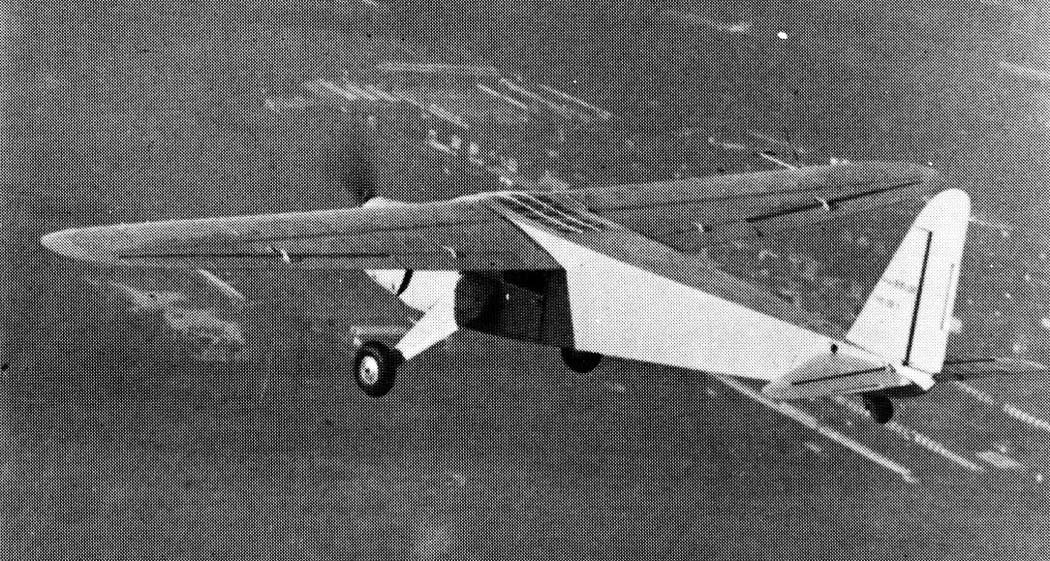 Bernard 200 |
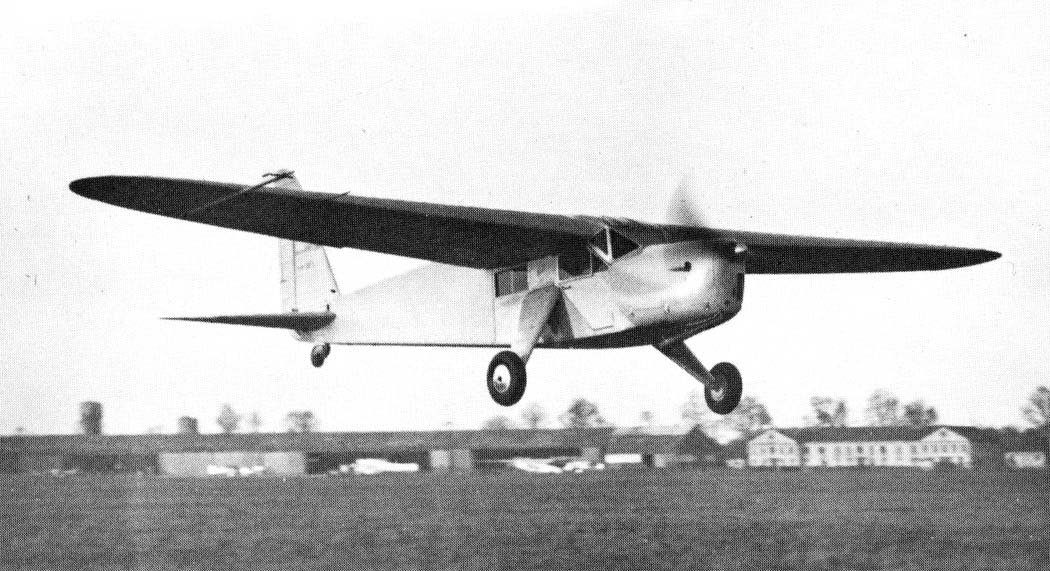 Bernard 200 |
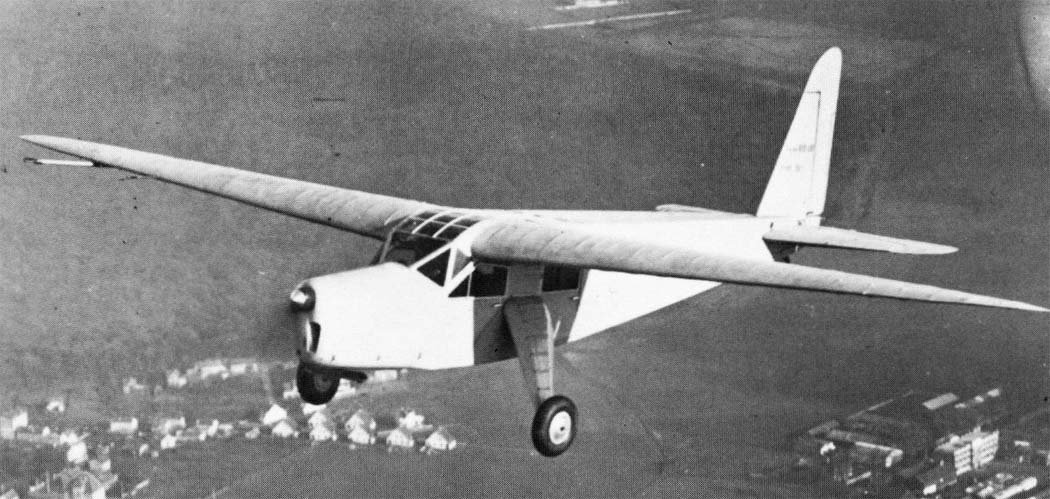 Bernard 200 |
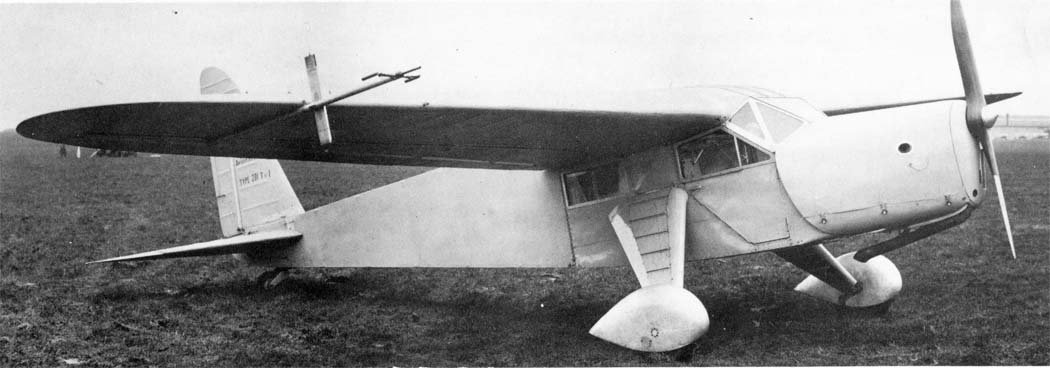 Bernard 200 |
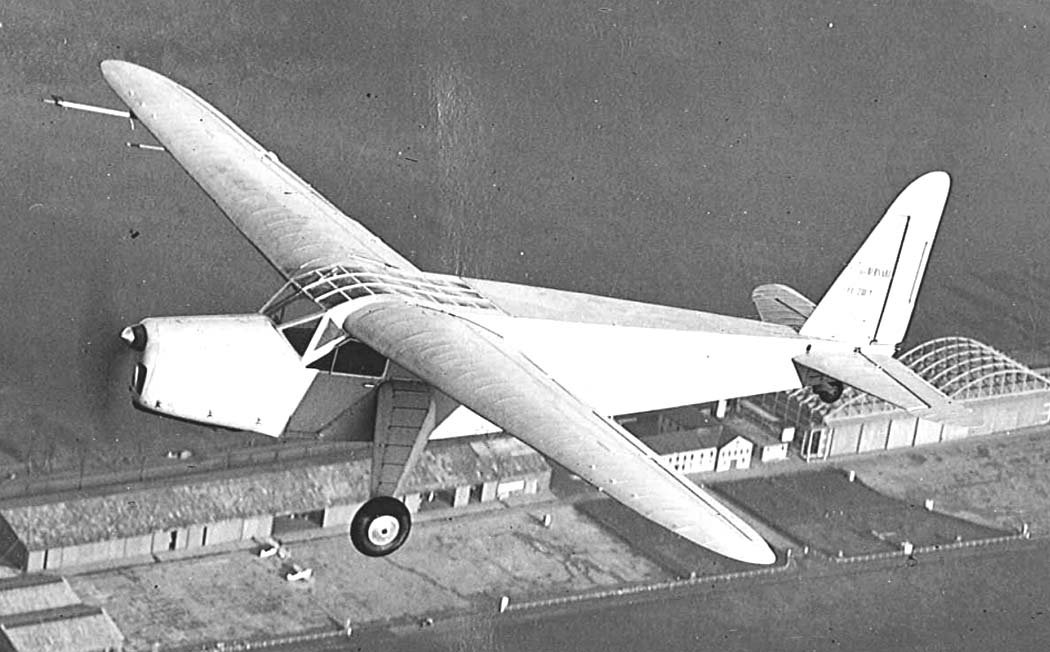 Bernard 200 |
 Bernard 200 |
 Bernard 200 |
 Bernard 200 |
 Bernard 200 |
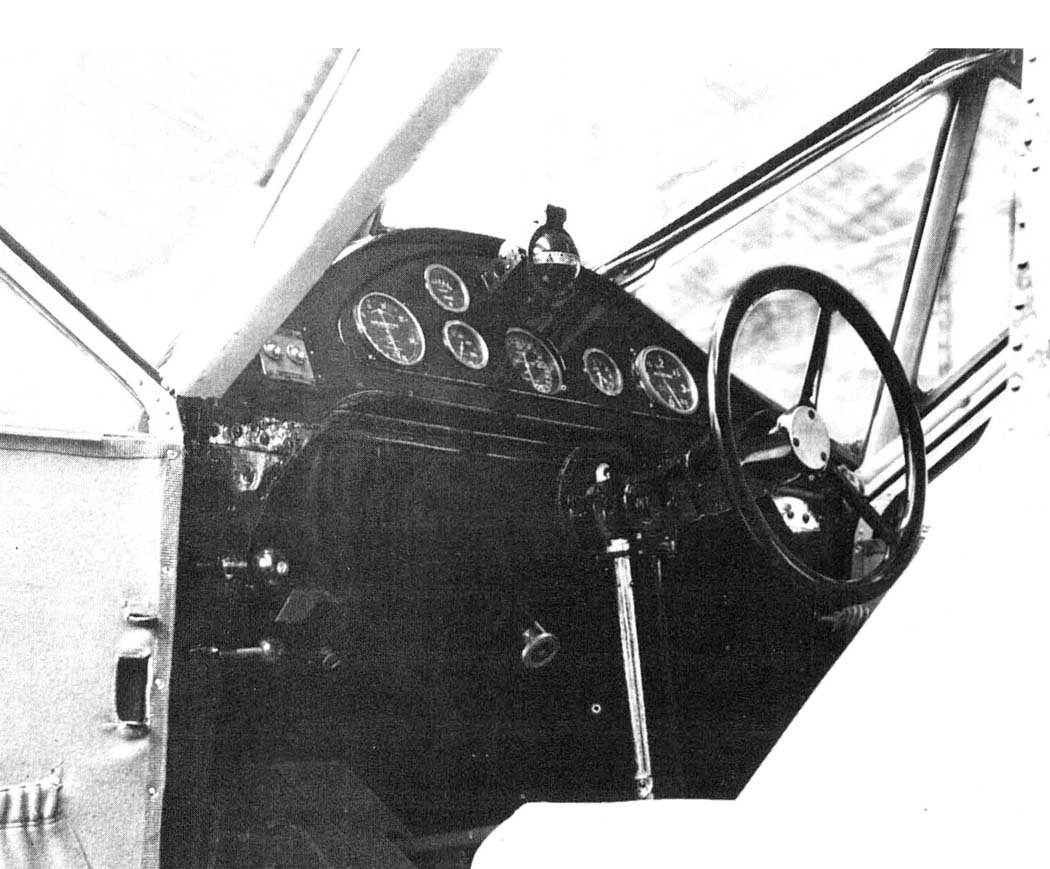 Bernard 200 |
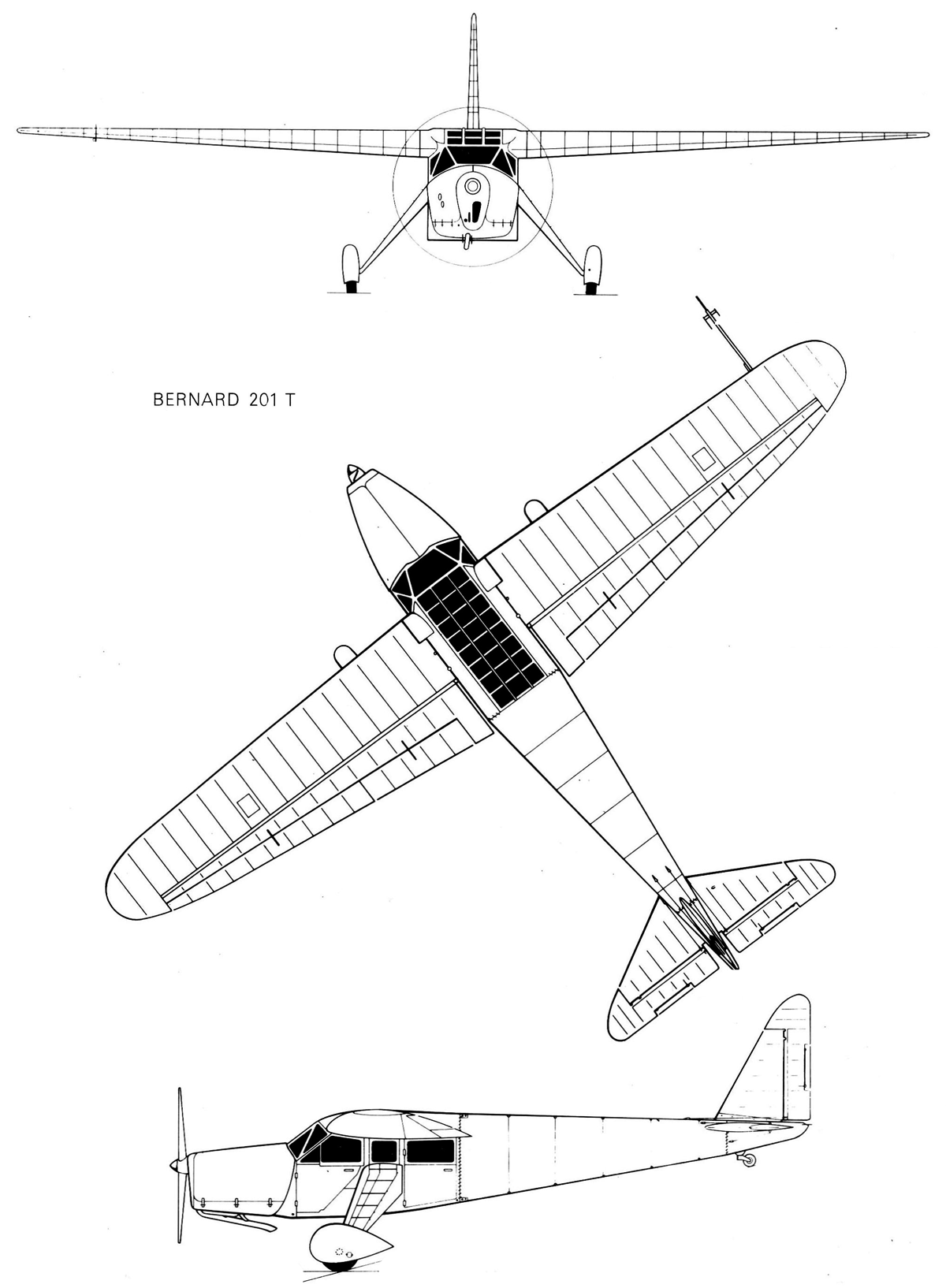 Bernard 200 |
Equipo Editorial de ArchivoAéreo
Grupo de investigadores y entusiastas de la aviación dedicados a documentar y preservar la historia aeronáutica mundial. Todos los artículos son revisados para garantizar precisión histórica.
Fuentes y Rigurosidad
La información presentada en esta ficha técnica ha sido compilada a partir de manuales de vuelo desclasificados, archivos históricos y bibliografía especializada. Aunque nos esforzamos por mantener la máxima precisión, algunos datos de rendimiento pueden variar según la variante específica o las condiciones operativas.