Bernard 60T
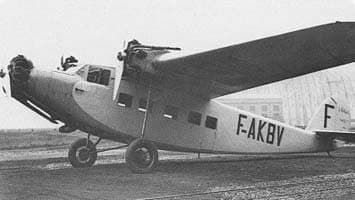
Following the construction of single-engine transport aircraft, the Société des Avions Bernard company began designing a three-engine aircraft, named Bernard 60T, in early 1929. This aircraft was a fourteen-seater high-wing monoplane, equipped with three engines.
The engine configuration included a nose-mounted Gnome-Rhône 9Ady engine producing 420 hp, and two wing-mounted Gnome-Rhône 5Bc engines, each rated at 240 hp. The aircraft’s maiden flight took place in August 1929. In the same year, it passed certification and received the civil registration number F-AKBV.
Evolution to the Bernard 61T
The second version of this aircraft was the Bernard 61T, released in 1933. The main distinguishing feature of this version was its new power plant, consisting of three identical Gnome-Rhône 7Kb engines, each producing 300 hp.
The Bernard 61T made its first flight on March 28, 1933. Like its predecessor, the Bernard 61T was produced as a single example, highlighting the experimental or prototype nature of both models.
Technical Specifications
| Modification | Bernard 61T |
| Wingspan, m | 21.50 |
| Length, m | 15.57 |
| Height, m | 4.30 |
| Wing area, m2 | 66.00 |
| Empty weight | 3500 |
| Normal takeoff weight | 5405 |
| Engine type | 3 Piston engine Gnome & Rhone 7Kb |
| Power, hp | 3 x 300 |
| Maximum speed, km/h | 245 |
| Cruising speed, km/h | 205 |
| Practical range, km | 800 |
| Practical ceiling, m | 6500 |
| Crew, crew members | 2 |
| Payload | up to 12 passengers |
Image and diagram gallery of the Bernard 60T
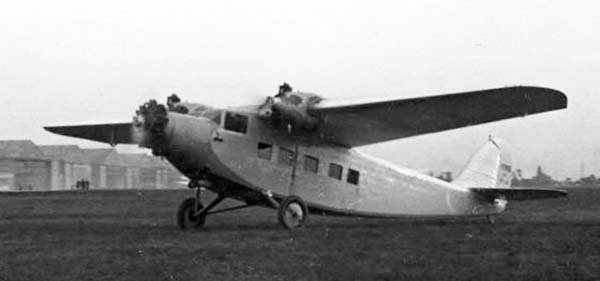 Bernard 60 |
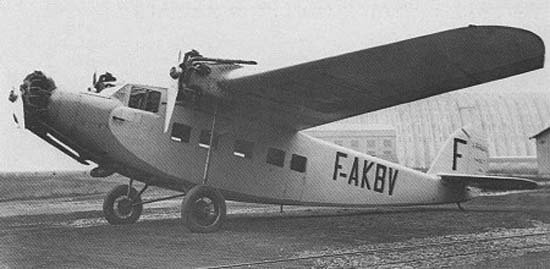 Bernard 60 |
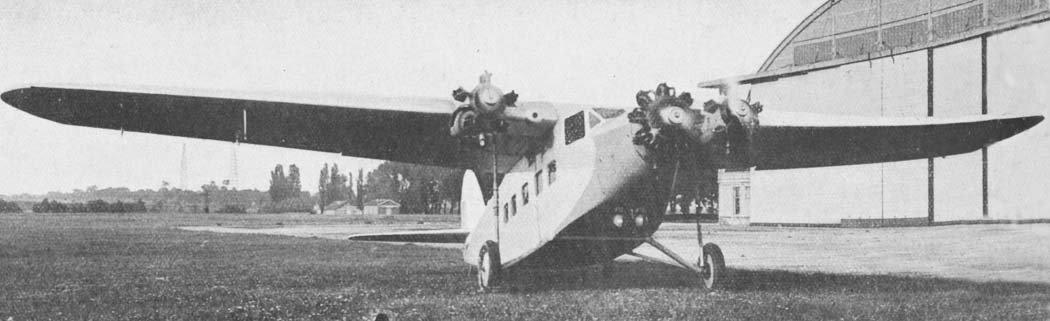 Bernard 60 |
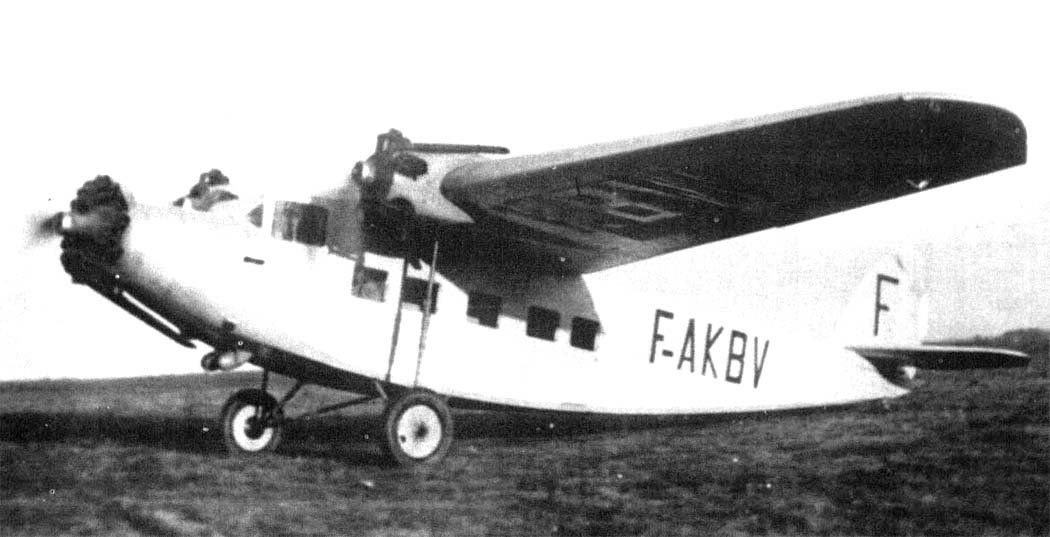 Bernard 60 |
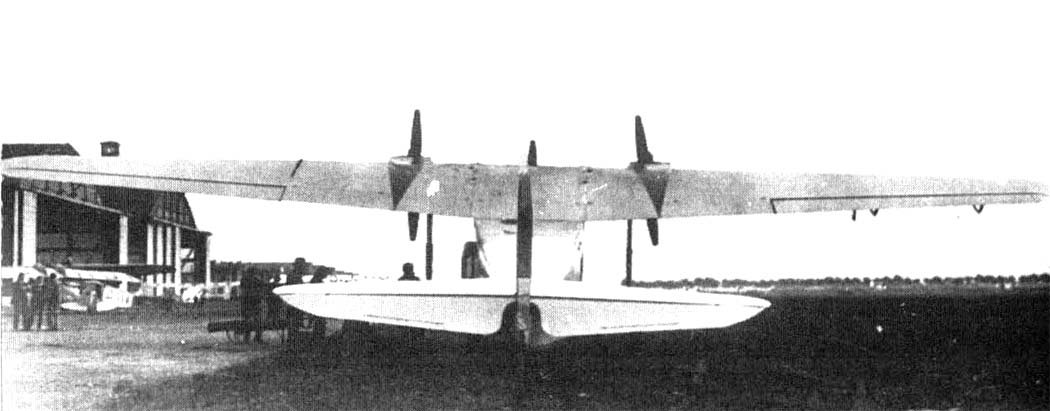 Bernard 60 |
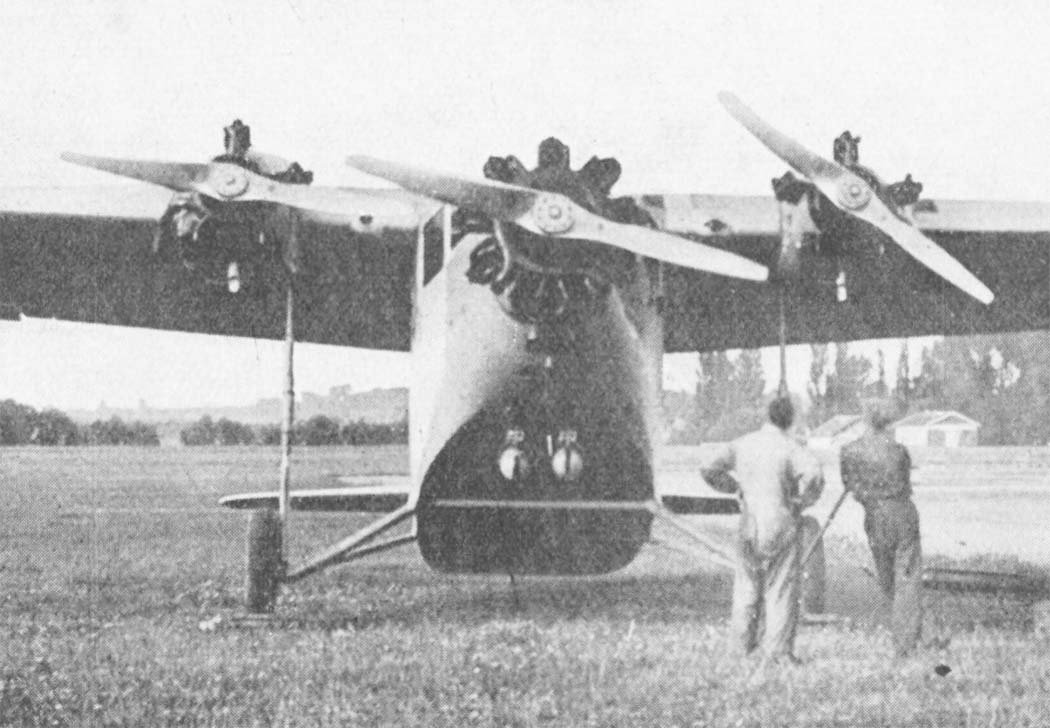 Bernard 60 |
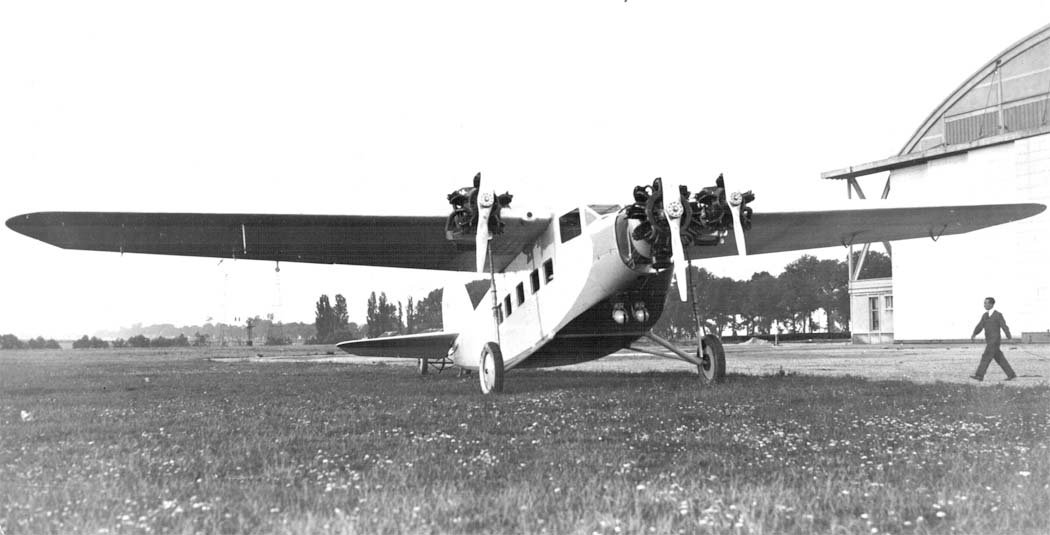 Bernard 60 |
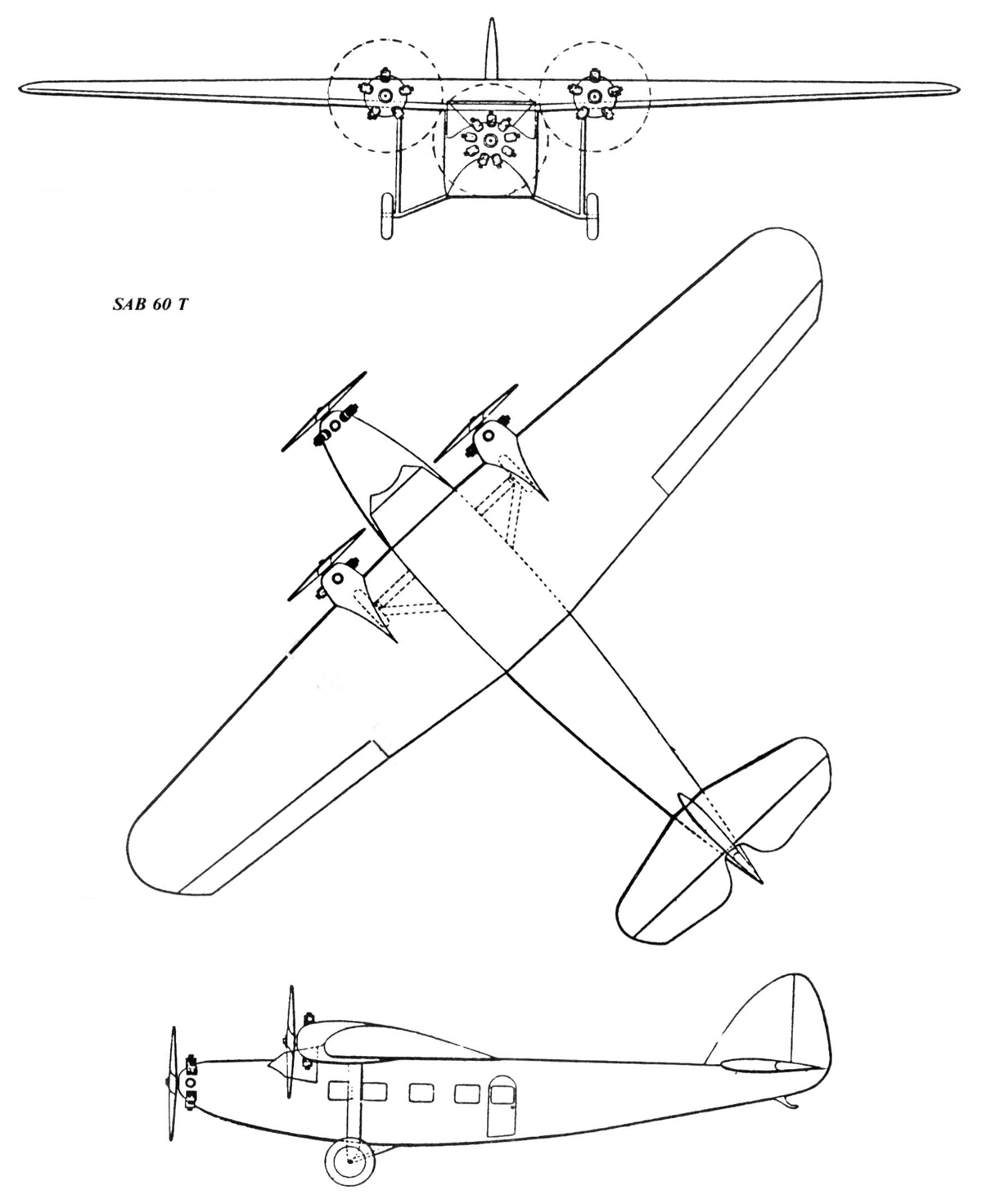 Bernard 60 |
Equipo Editorial de ArchivoAéreo
Grupo de investigadores y entusiastas de la aviación dedicados a documentar y preservar la historia aeronáutica mundial. Todos los artículos son revisados para garantizar precisión histórica.
Fuentes y Rigurosidad
La información presentada en esta ficha técnica ha sido compilada a partir de manuales de vuelo desclasificados, archivos históricos y bibliografía especializada. Aunque nos esforzamos por mantener la máxima precisión, algunos datos de rendimiento pueden variar según la variante específica o las condiciones operativas.