Bernard 80GR
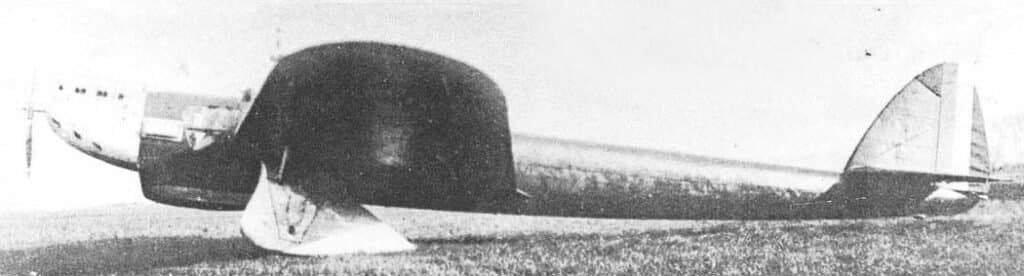
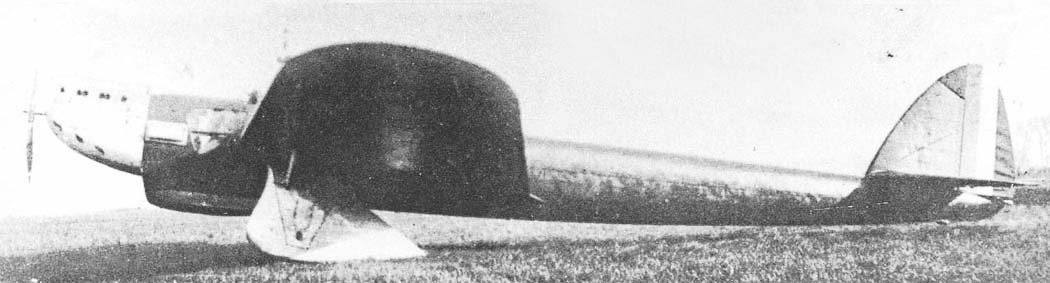
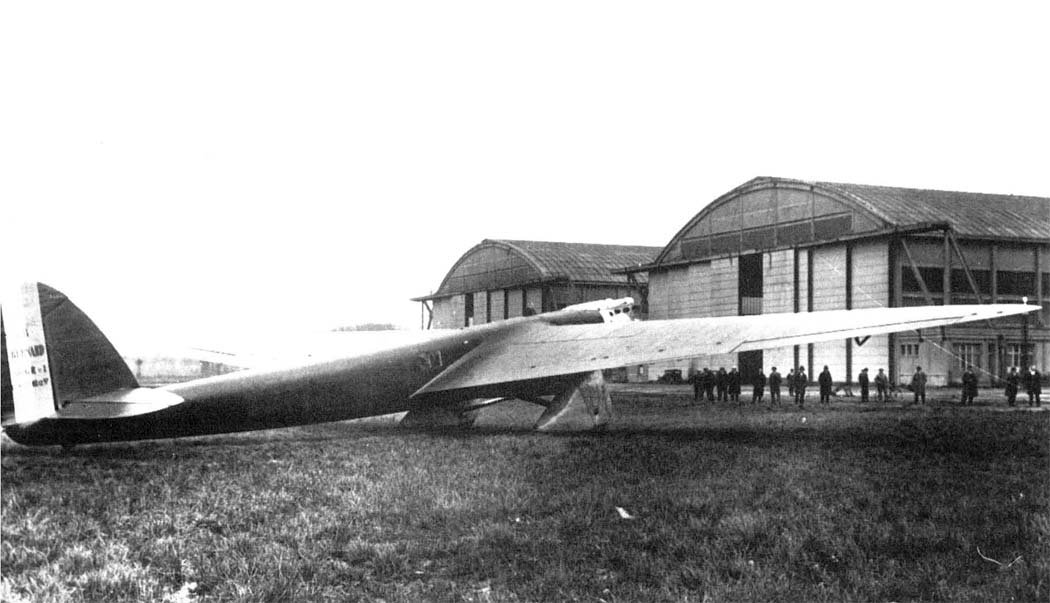
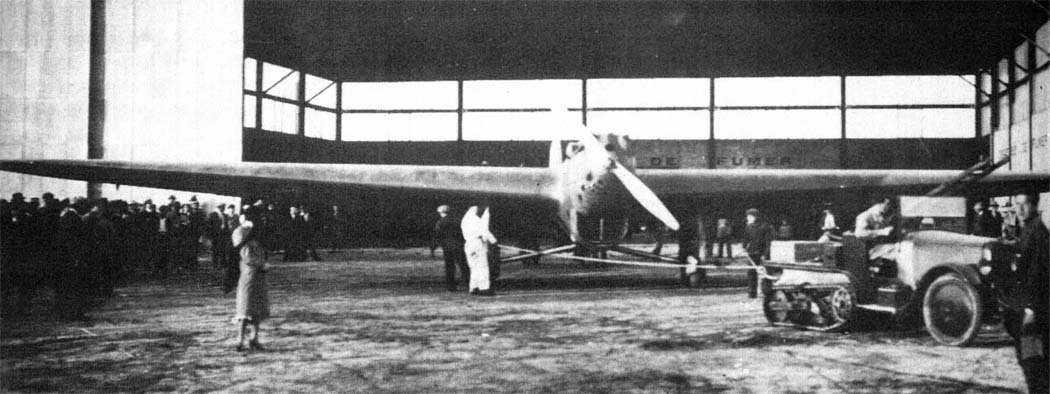
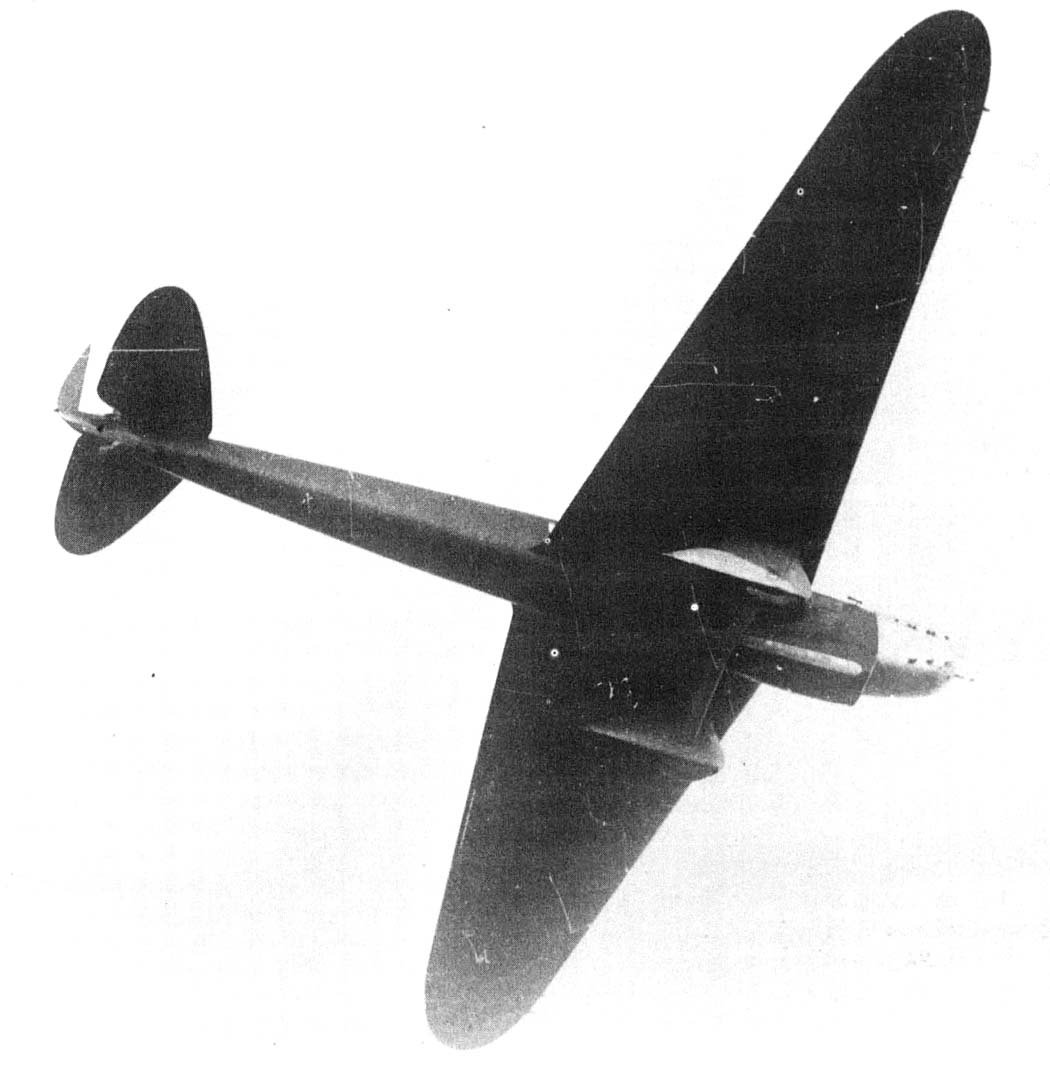
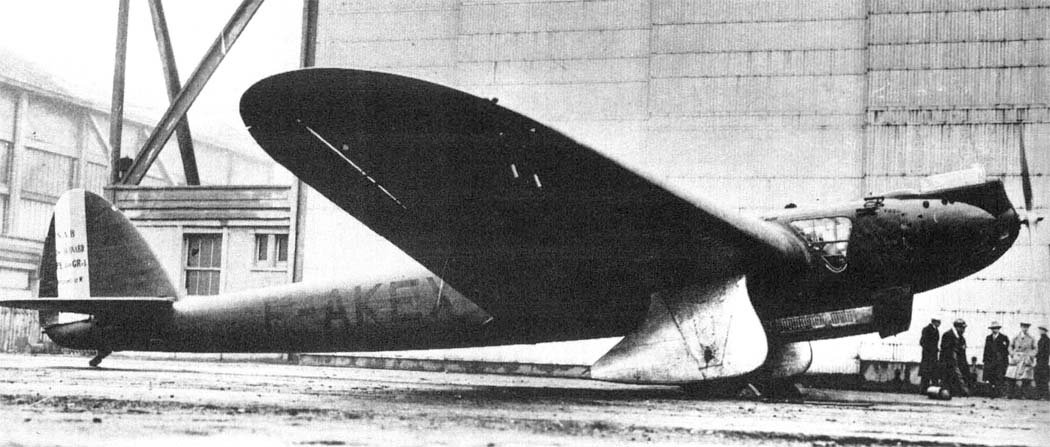
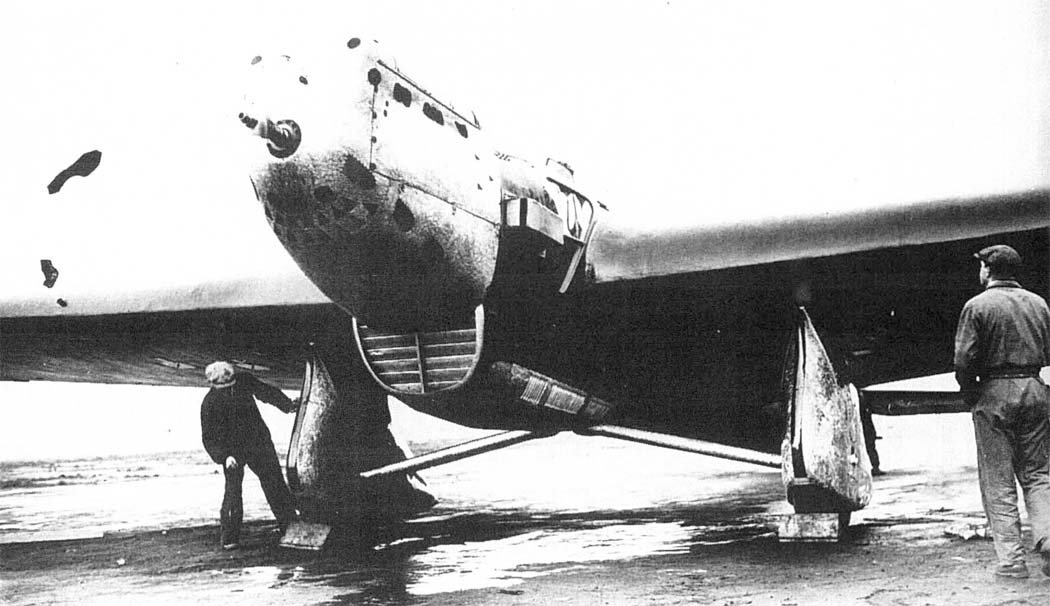
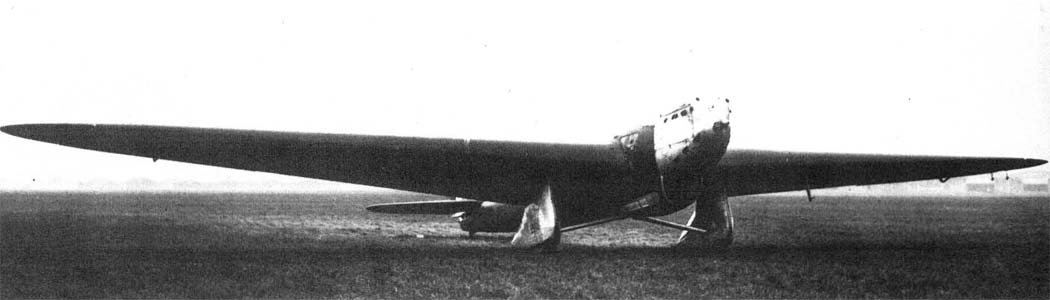
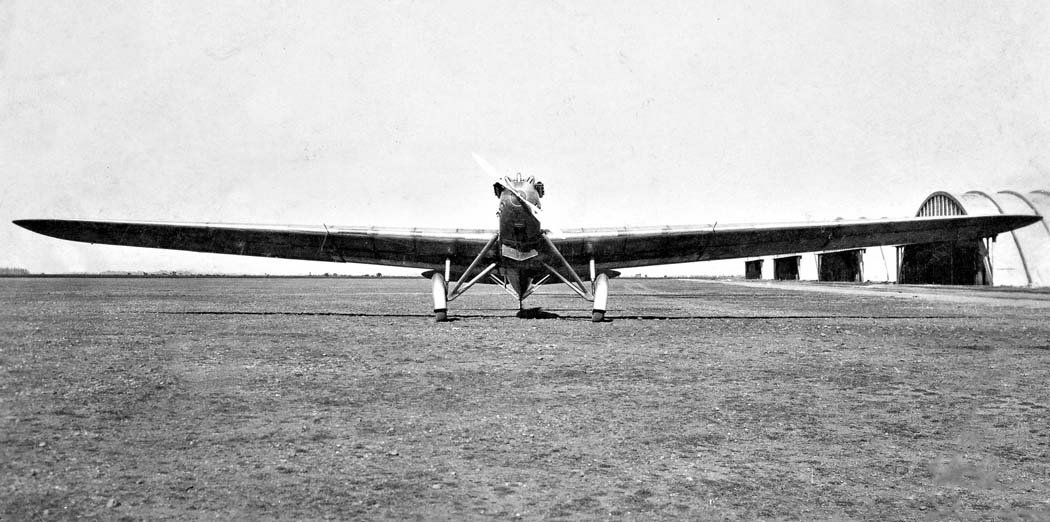
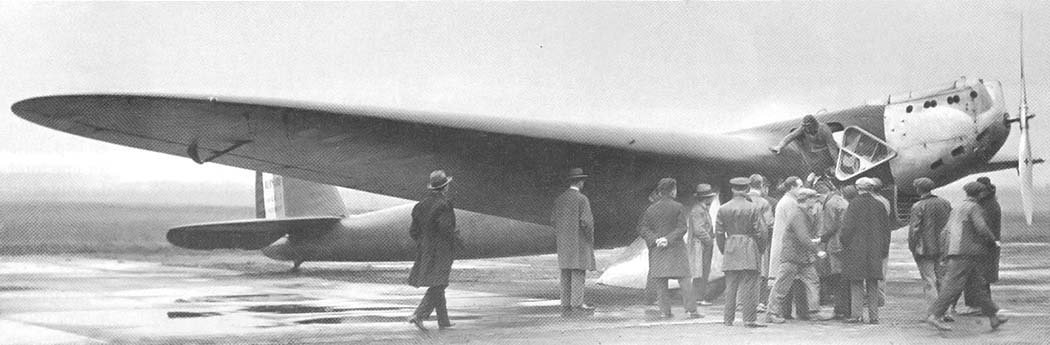
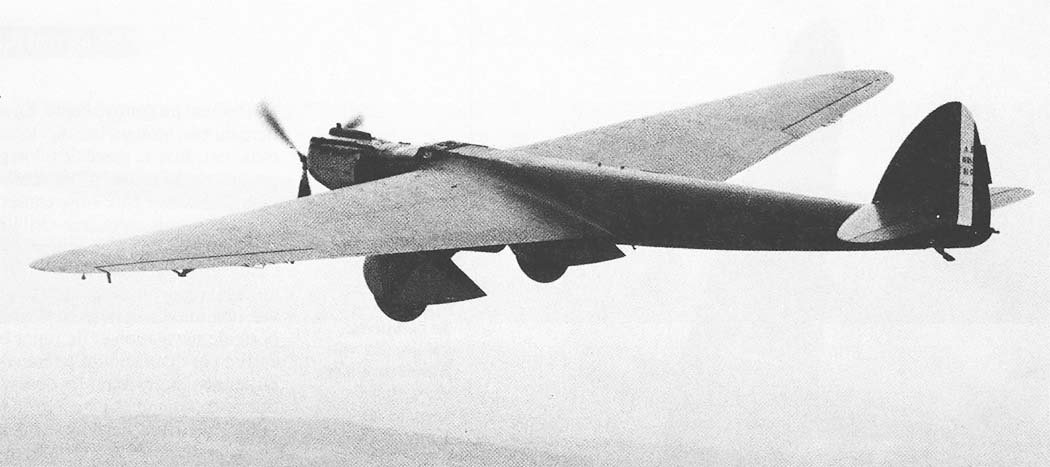
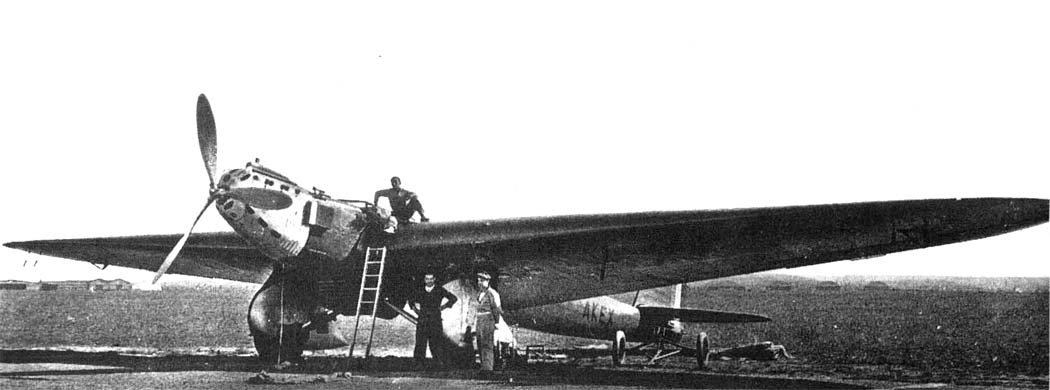
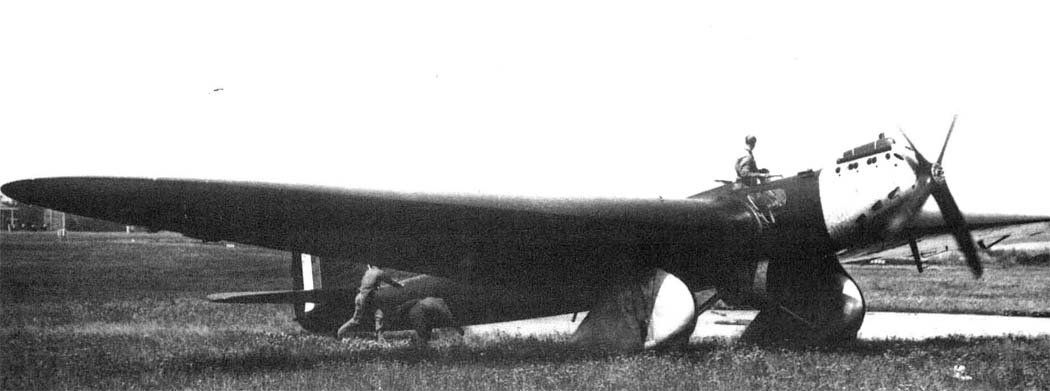
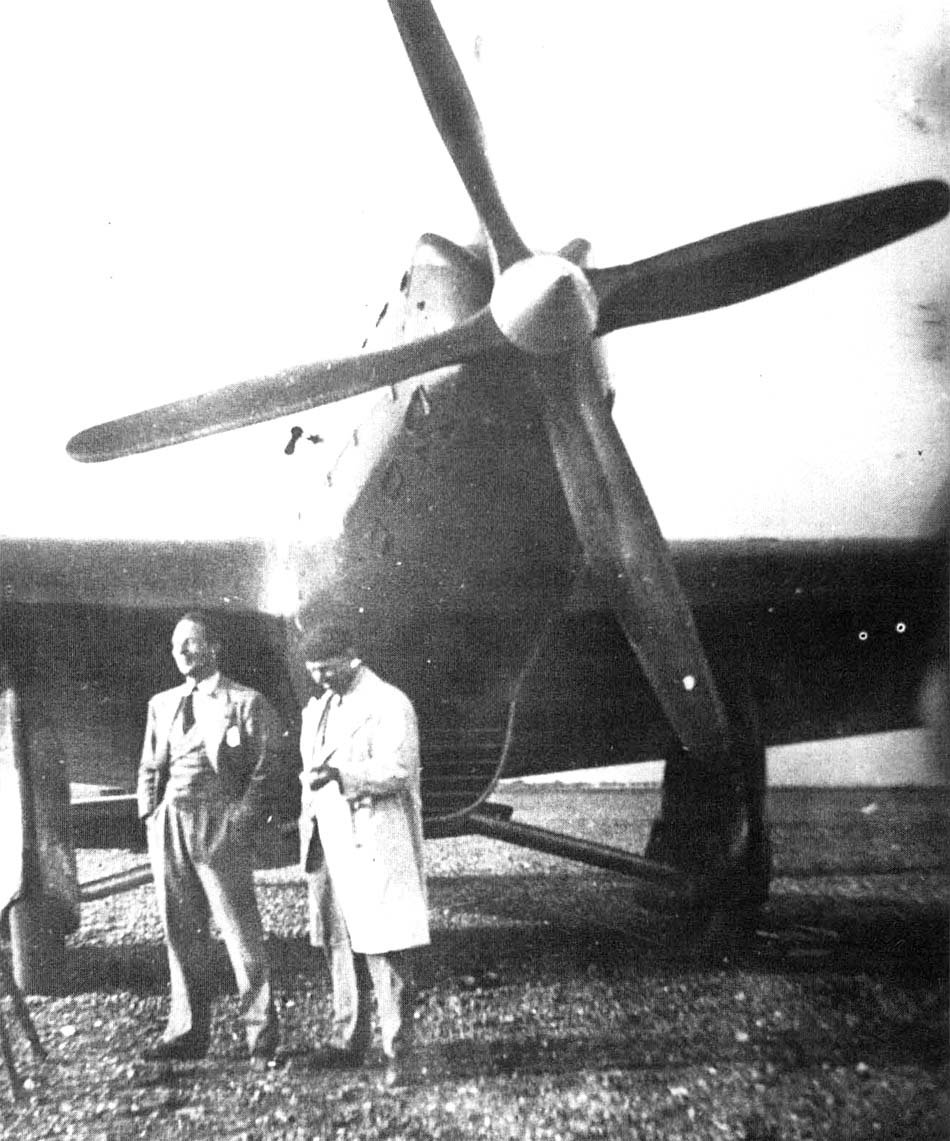
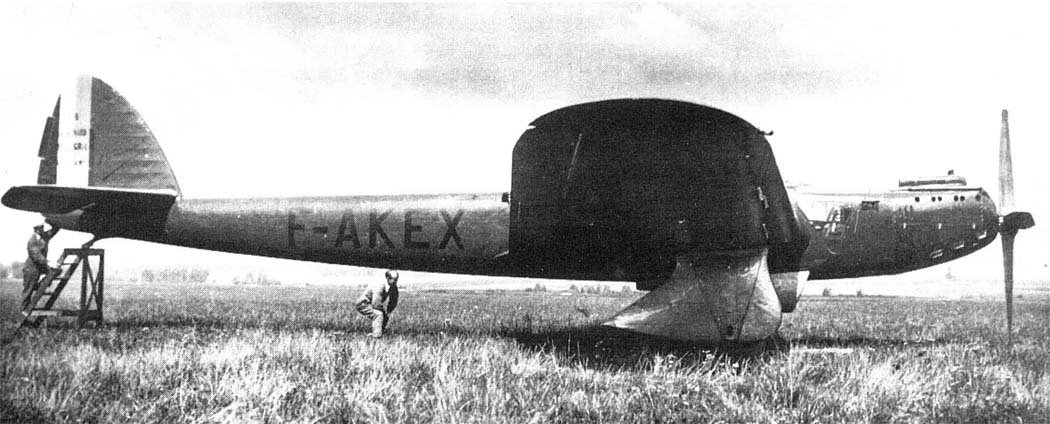
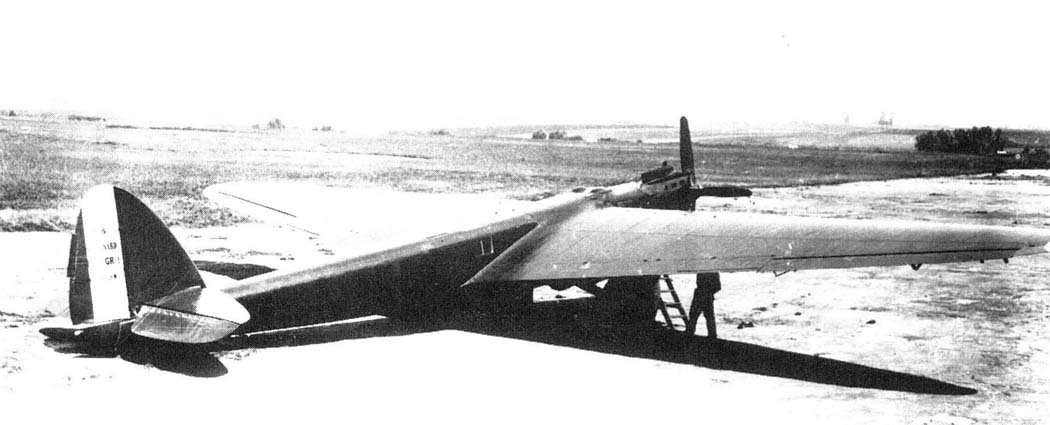
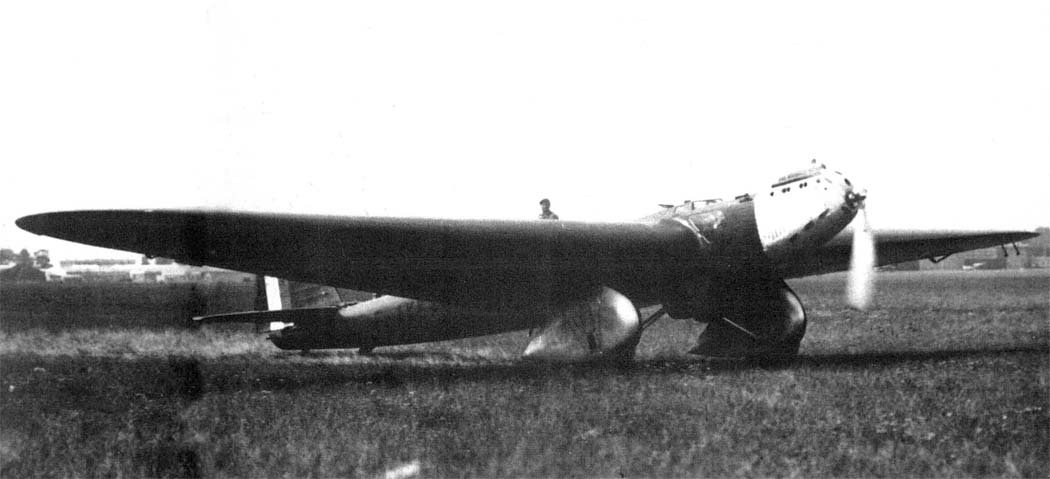
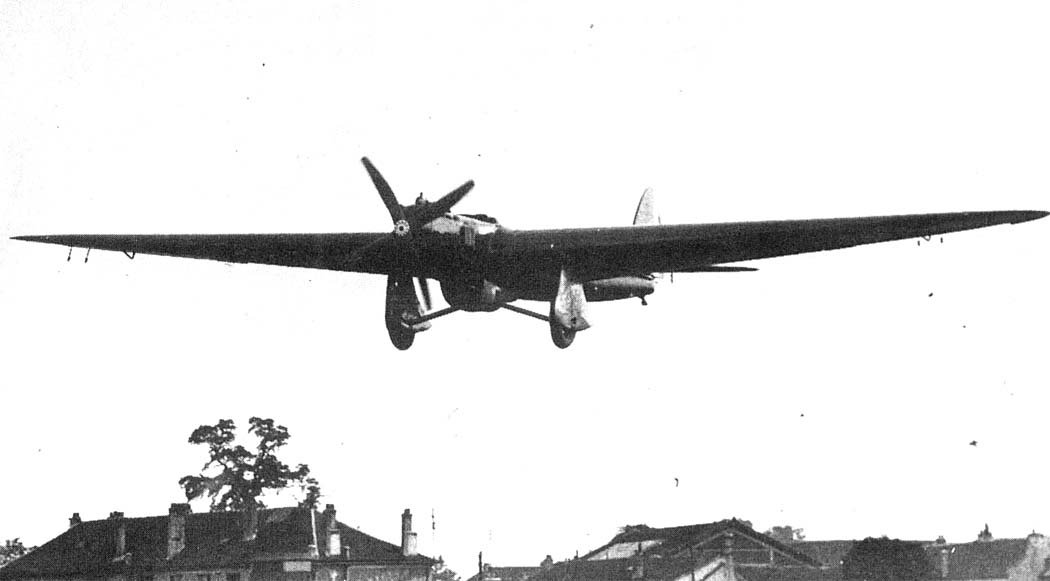
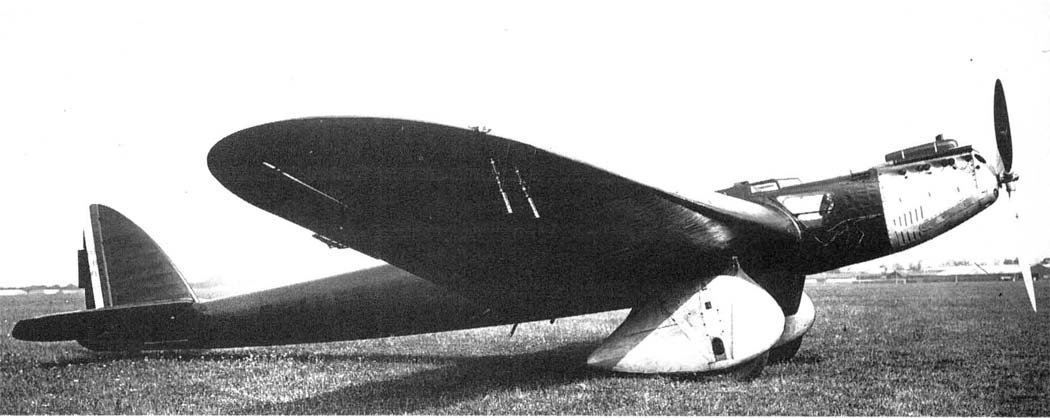
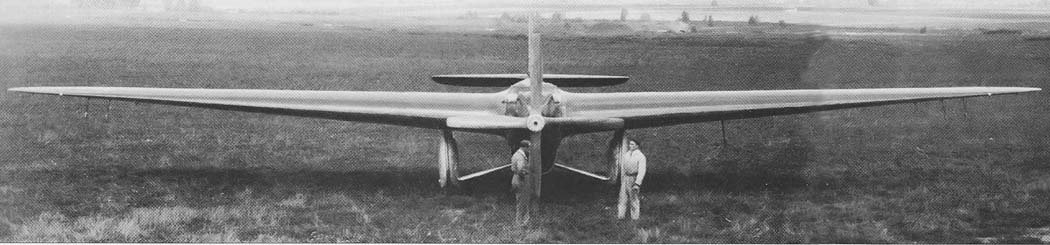
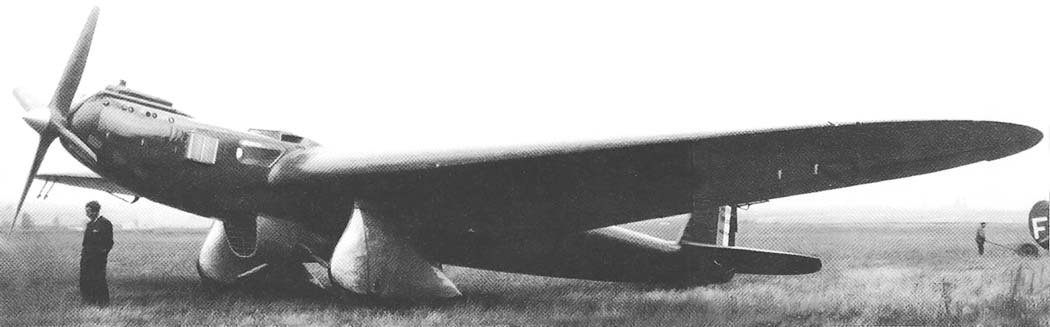
In 1930, the designers at Société des Avions Bernard created the record-setting aircraft Bernard 80GR. This two-seater wooden low-wing monoplane was powered by a 650 hp Hispano-Suiza 12Nb engine. The aircraft, named “Oiseau Tango,” first flew on November 27, 1930.
Subsequently, the aircraft’s destiny became closely intertwined with that of the famous French pilot Jean Mermoz. Mermoz, renowned in France as an air route pioneer, record-holder, and one of the country’s most popular pilots, accepted an invitation from Société des Avions Bernard. By 1931, he began preparations for a non-stop transatlantic flight from Paris to New York.
The Quest for Transatlantic Glory
In the Algerian town of Oran, three crews gathered, all intending to make the Paris-New York flight. These included the Dewoitine 33 crew (Doré and Le Brix), the Bleriot 110 crew (Bossoutrot and Rossi), and the Bernard 80GR crew (Antoine Pillar and Captain Mailloux). All aimed to break the existing Italian world distance record of 8,188.8 kilometers.
The entire endeavor was initiated by Albert Cohu, head of the main technical department at the Ministry of Aviation. In 1929, he proposed to Bleriot, Bernard, and Dewoitine representatives to develop an aircraft with a range of 7,000 kilometers, capable of crossing the North Atlantic. At Bernard, two well-known designers, Becherau and Galtier, took on the task.
They developed a monoplane of wooden construction with a thick-profile wing, equipped with a liquid-cooled Hispano-Suiza 12Nb inline engine. The aircraft was test-flown at Le Bourget on November 27, 1930, after which it was presented to the commission for new aviation constructions. On February 1, 1931, Pillar, Captain Mailloux, and mechanic Laversin flew the orange-painted Bernard 80GR to La Senia airfield in Oran, where Jean Mermoz joined them.
Before the transatlantic flight, it was decided to test the machine’s behavior during a long-duration flight. On February 23, the Bernard 80GR crew took off in an attempt to set a new world distance record over a closed circuit. The aircraft, with registration F-AKEX, was fueled with 6,300 liters of fuel. Initially, the flight proceeded without particular complications.
However, after some time, it suddenly became clear that fuel consumption during the flight was much higher than calculated. On February 25, a forced landing was necessary. The aircraft remained airborne for 50 hours and 2 minutes, covering a distance of 8,168 kilometers. It fell short by just twenty kilometers of repeating the Italian record, and it was later discovered that a poorly adjusted propeller was to blame.
Heroic Feats and Tragic Turns
The next day, the Bleriot 110, piloted by Rossi and Bossoutrot, made a triumphant landing. They set a new world record for distance over a closed circuit, flying 8,822 kilometers in 75 hours and 23 minutes. However, the Bernard crew was not about to give up. On the evening of March 30, 1931, Pillar and Mermoz, now in Spain, once again taxied their aircraft to the start.
This time they took 7,200 liters of fuel aboard, bringing the aircraft’s takeoff weight close to 10 tons. A specially constructed runway, 1,600 meters long, was built for the takeoff. The heavily loaded aircraft, struggling to lift off the ground, began to gain altitude very slowly. The pilots decided this time to reduce the flight speed from 190 to 157 km/h to minimize fuel consumption.
At dawn on April 2, after the aircraft had been airborne for 60 hours, the situation unexpectedly complicated. The engine temperature began to rise rapidly, indicating a lack of coolant. Pillar climbed out of the aircraft and cautiously made his way to the engine. Mermoz held his leg with one hand while managing to pilot the aircraft with the other.
Pillar finally reached the radiator. With enormous effort, he managed to unscrew the filler cap and began pouring in everything they could find on board: mineral water, coffee, champagne. Pillar severely burned his hands on the exhaust manifold, but despite the scorching pain, he continued his work. As a result, they managed to stay in the air for another four hours.
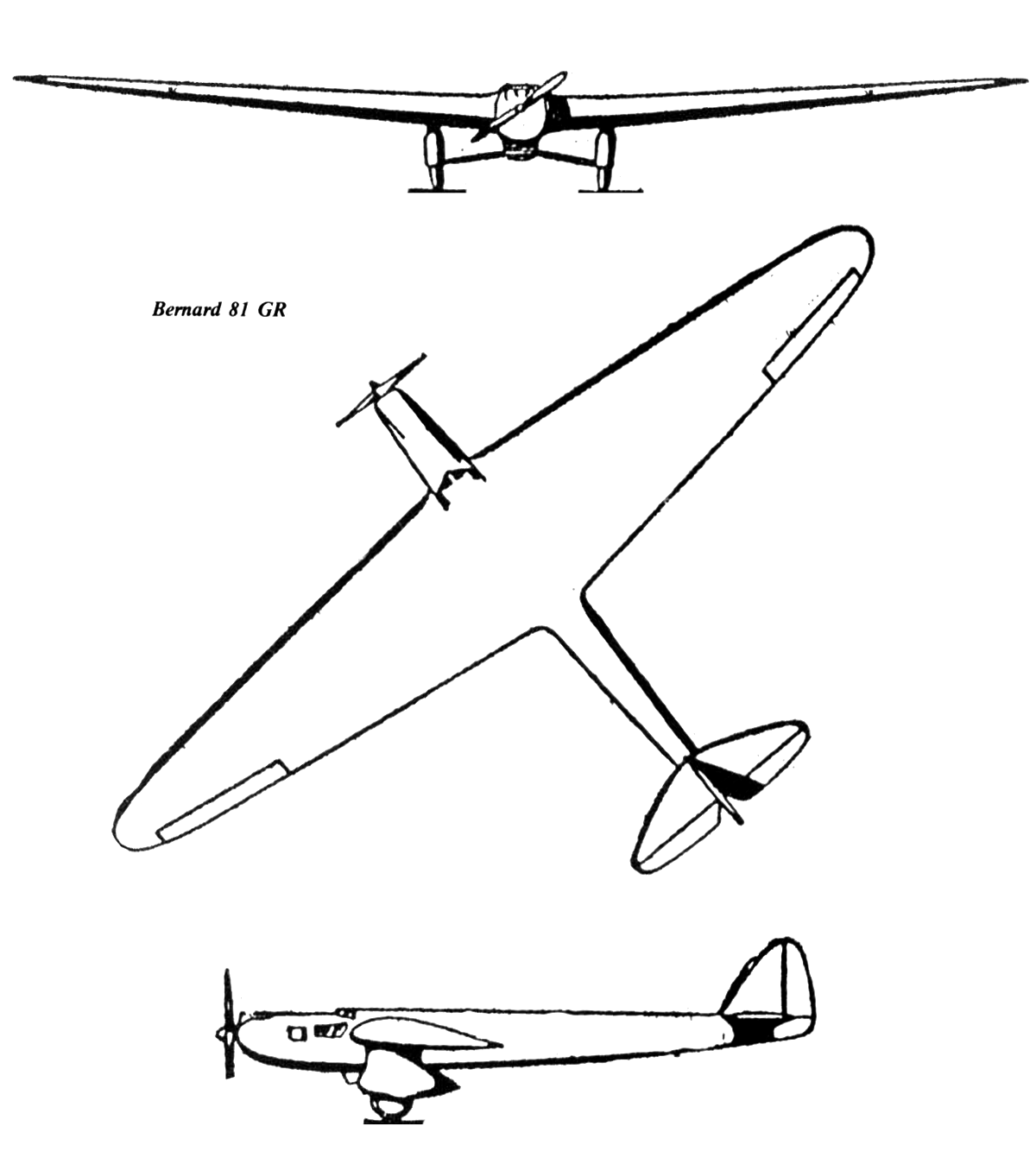
Pillar and Mermoz became the new record holders, flying 8,960 kilometers. But their time as champions was short-lived. On June 10, 1931, their result was surpassed by the Dewoitine 33 crew, which set a new distance record of 10,371 km. At this time, Bernard began work on modernizing the aircraft and preparing it for the North Atlantic flight. The new machine received the designation Bernard 81GR.
Tragically, Antoine Pillar did not live to see it; he unexpectedly died of peritonitis on June 15. In his memory, the new aircraft was named after him. However, luck had already turned away from Mermoz. In late 1931, he and Mailloux crashed the aircraft, suffering severe burns from hot water leaking from the broken radiator.
After a long treatment that lasted until August of the following year, Mermoz left the Bernard company. After his departure, the aircraft changed its name to “Oiseau Canari II.” Piloted by Assolant, it continued to fly until 1933.
Image and diagram gallery of the Bernard 80GR
 Bernard 80 |
 Bernard 80 |
 Bernard 80 |
 Bernard 80 |
 Bernard 80 |
 Bernard 80 |
 Bernard 80 |
 Bernard 80 |
 Bernard 80 |
 Bernard 80 |
 Bernard 80 |
 Bernard 80 |
 Bernard 80 |
 Bernard 80 |
 Bernard 80 |
 Bernard 80 |
 Bernard 80 |
 Bernard 80 |
 Bernard 80 |
 Bernard 80 |
 Bernard 80 |
Equipo Editorial de ArchivoAéreo
Grupo de investigadores y entusiastas de la aviación dedicados a documentar y preservar la historia aeronáutica mundial. Todos los artículos son revisados para garantizar precisión histórica.
Fuentes y Rigurosidad
La información presentada en esta ficha técnica ha sido compilada a partir de manuales de vuelo desclasificados, archivos históricos y bibliografía especializada. Aunque nos esforzamos por mantener la máxima precisión, algunos datos de rendimiento pueden variar según la variante específica o las condiciones operativas.