Bernard 82
Development and Origins
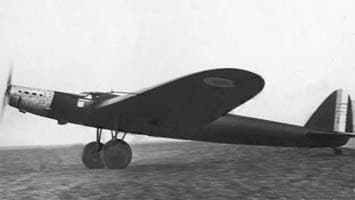
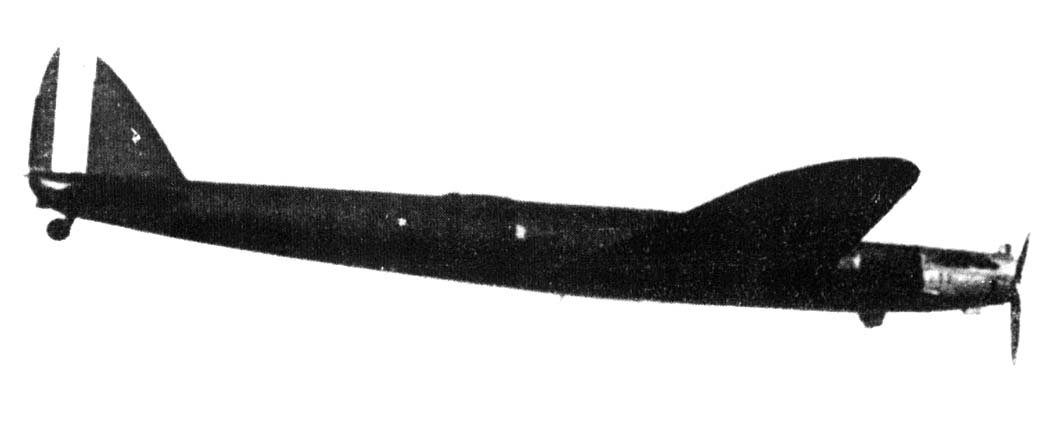
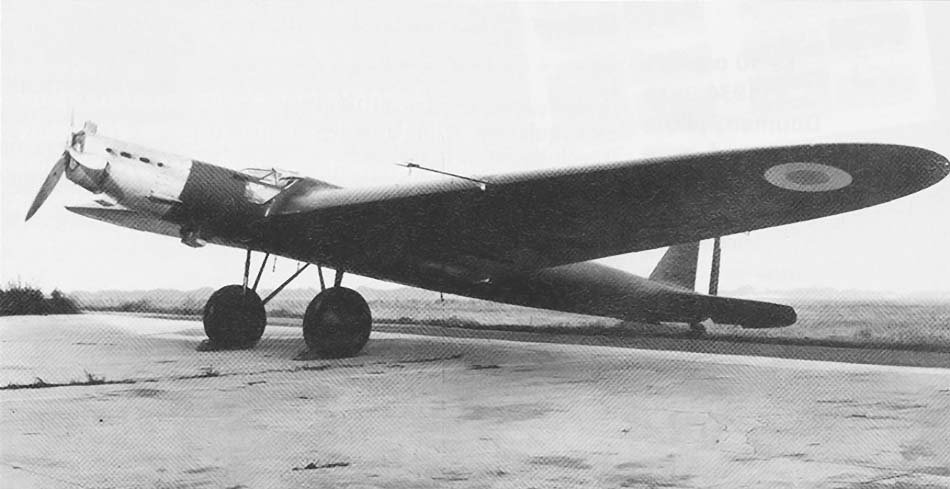
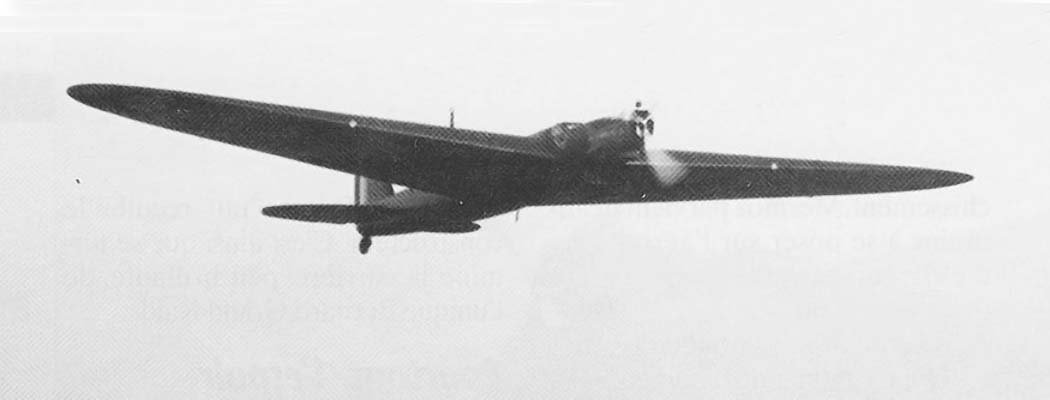
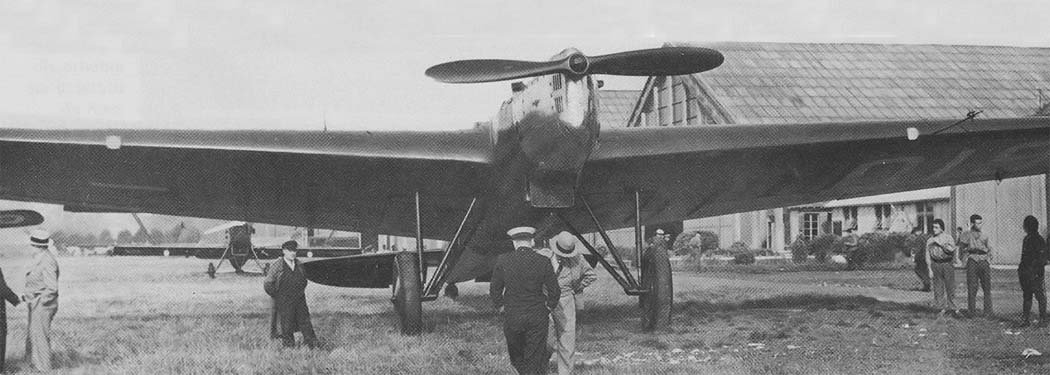
Leveraging invaluable experience gained from building the record-breaking Bernard 80/81GR (Grand Raid) aircraft, designers at Societe des Avions Bernard decided to construct a long-range bomber for the French Air Force. The project for this new aircraft, designated Bernard 82, was completed in early 1933.
Technical Specifications
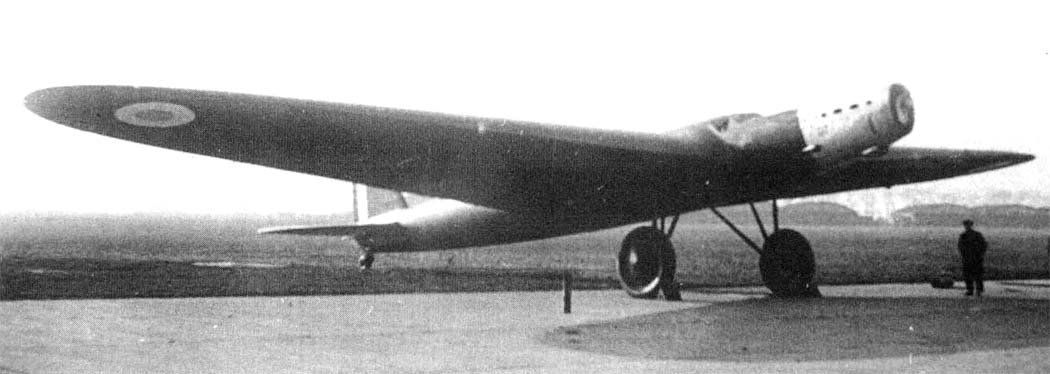
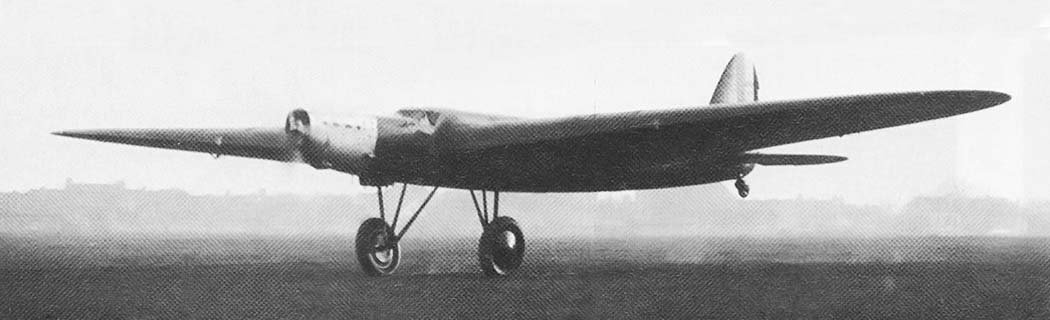
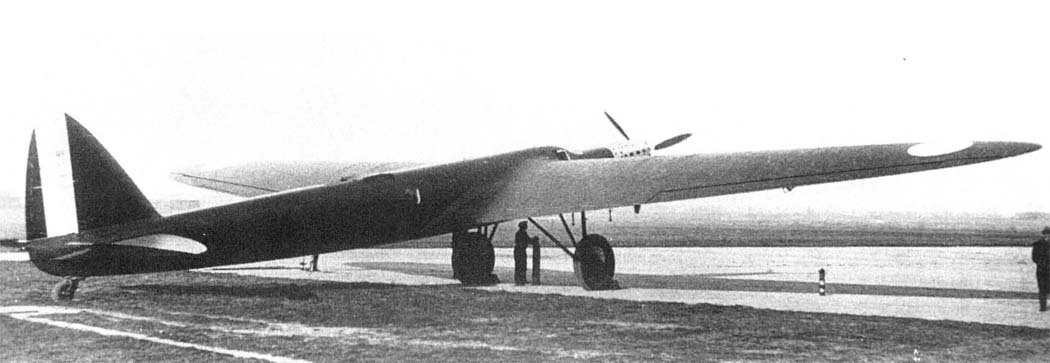
This was a three-seater, all-metal low-wing monoplane, equipped with an 860 hp Hispano-Suiza 12Ybrs engine. The aircraft’s armament consisted of a single defensive movable mount with a 7.7mm machine gun, and it could carry a combat load of 1000 kilograms of bombs.
Testing and Evaluation
Two prototypes of the aircraft were built, with the first taking flight in December 1933. During testing, the aircraft demonstrated a good range of 2800 kilometers. However, their speed made them easy targets for modern fighters, leading to the cessation of further work on this project.
Technical Specifications
| Modification | Bernard 82 |
| Wingspan, m | 27.10 |
| Length, m | 17.98 |
| Empty weight | 2823 |
| Normal takeoff weight | 5083 |
| Engine type | 1 Piston engine Hispano-Suiza 12Ybrs |
| Power, hp | 2 x 860 |
| Maximum speed, km/h | 317 |
| Cruising speed, km/h | 260 |
| Practical range, km | 2800 |
| Crew | 3 |
| Armament | one 7.7-mm machine gun, bomb load – 1000 kg |
Image and diagram gallery of the Bernard 82
 Bernard 82 |
 Bernard 82 |
 Bernard 82 |
 Bernard 82 |
 Bernard 82 |
 Bernard 82 |
 Bernard 82 |
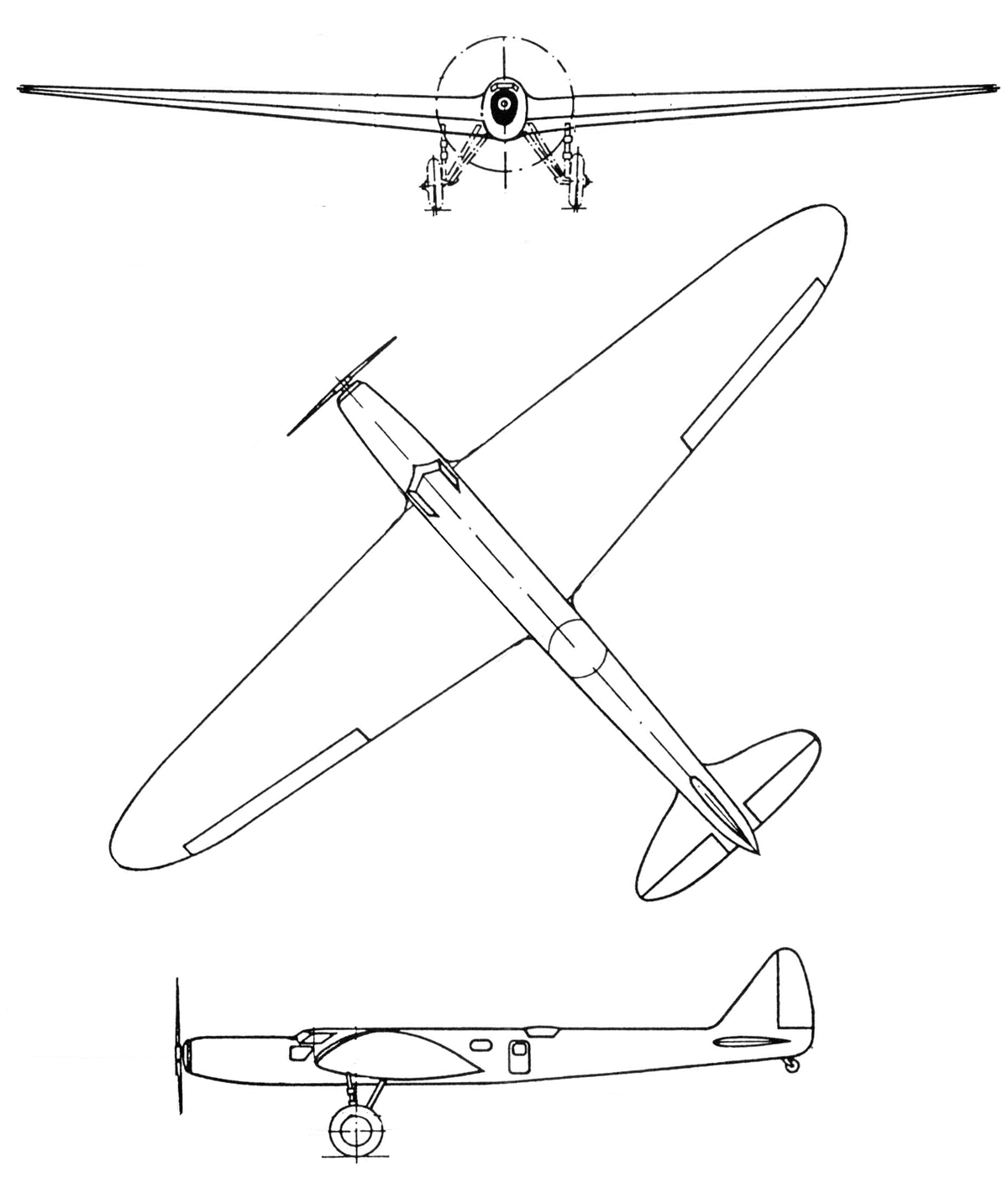 Bernard 82 |
Equipo Editorial de ArchivoAéreo
Grupo de investigadores y entusiastas de la aviación dedicados a documentar y preservar la historia aeronáutica mundial. Todos los artículos son revisados para garantizar precisión histórica.
Fuentes y Rigurosidad
La información presentada en esta ficha técnica ha sido compilada a partir de manuales de vuelo desclasificados, archivos históricos y bibliografía especializada. Aunque nos esforzamos por mantener la máxima precisión, algunos datos de rendimiento pueden variar según la variante específica o las condiciones operativas.