Bernard S-72
The Michelin Cup Air Races
The Michelin Cup air races were established in 1922 by André and Edmond Michelin. In 1929, a rule was introduced limiting the power output of participating aircraft to 230 horsepower. The total length of the race course was 2832 kilometers, with several mandatory stopping points between the start and finish for inspection and refueling. The average speed of participating aircraft was not to be less than 150 km/h.
Besides Le Bourget (the start and finish point), control points included Reims, Nancy, Strasbourg, Dijon, Clermont-Ferrand, Lyon, Montpellier, Perpignan, Toulouse, Pau, Bordeaux, Angers, Avord, and Tours. The competitions were held once a year during a specific period, and it was clear that the winner would be the pilot with the best chances, barring extreme weather conditions.
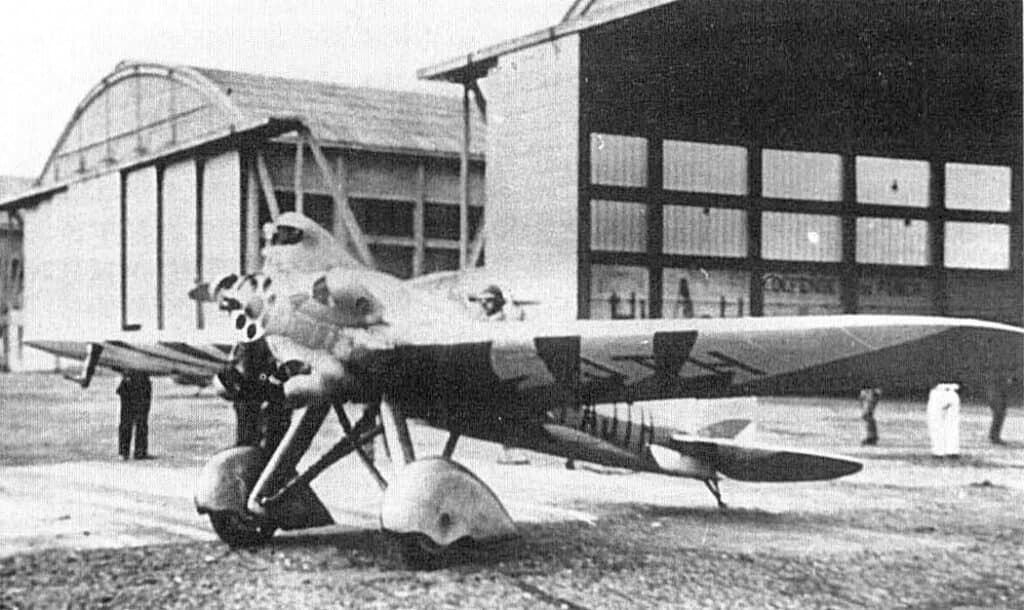
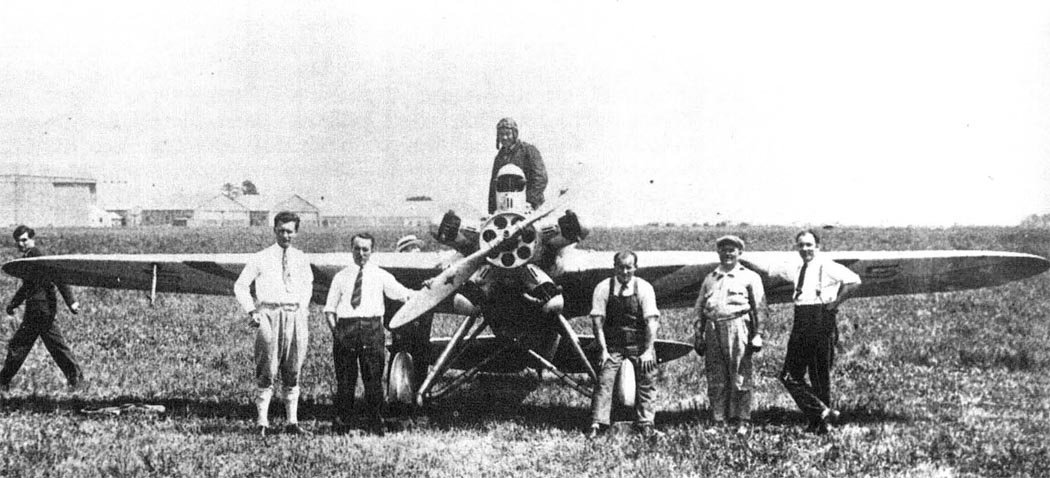
While only two aircraft participated in 1929, the following year saw four contenders: Challe on a Nieuport-Delage 48 Bis, Detroyat on a Morane-Saulnier 130, Haegelen on a Lorraine-Hanriot 41, and Paillard on the Bernard S-72. The latter aircraft was a former “sport” fighter 70 C1, which was a development of the 20 C1 fighter.
Design and Technical Specifications of the Bernard S-72
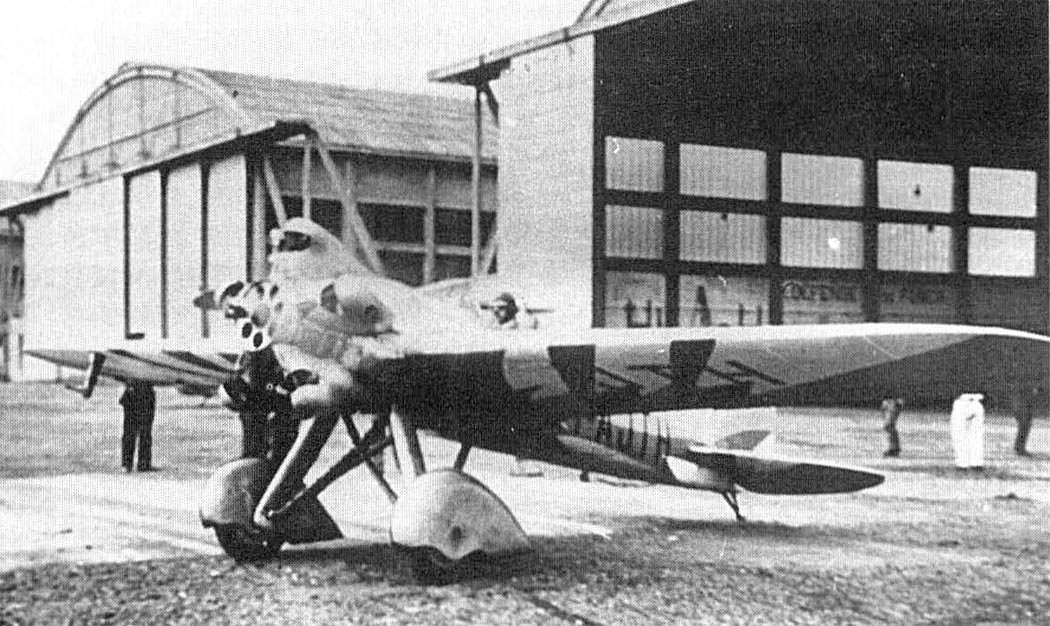
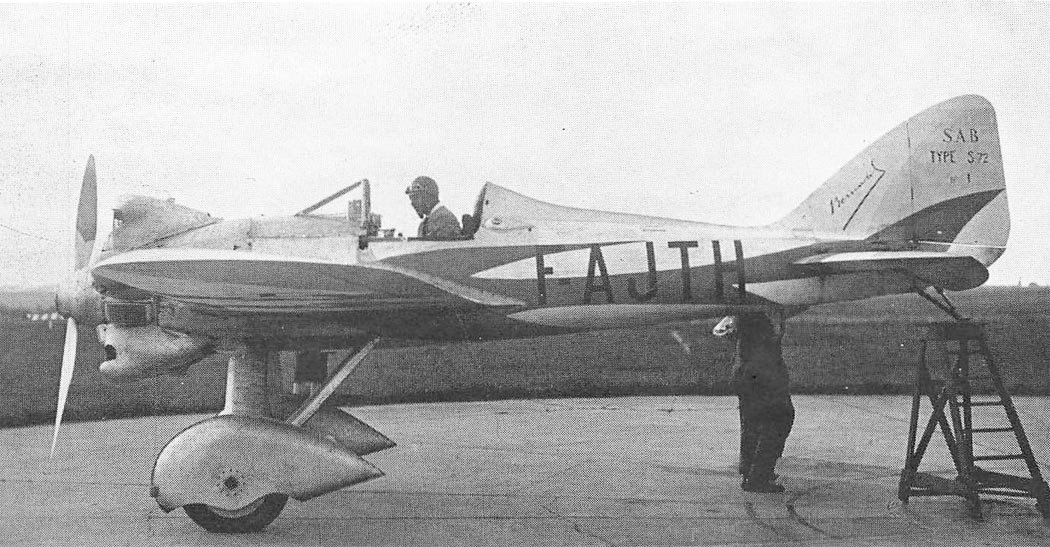
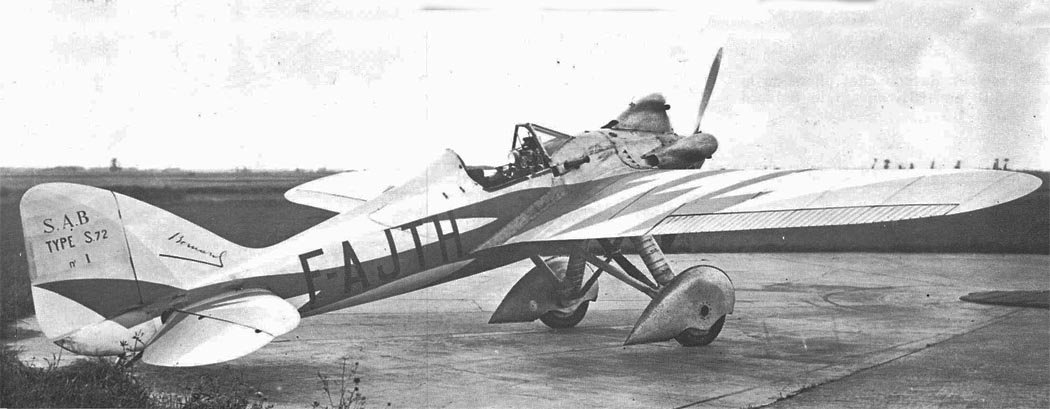
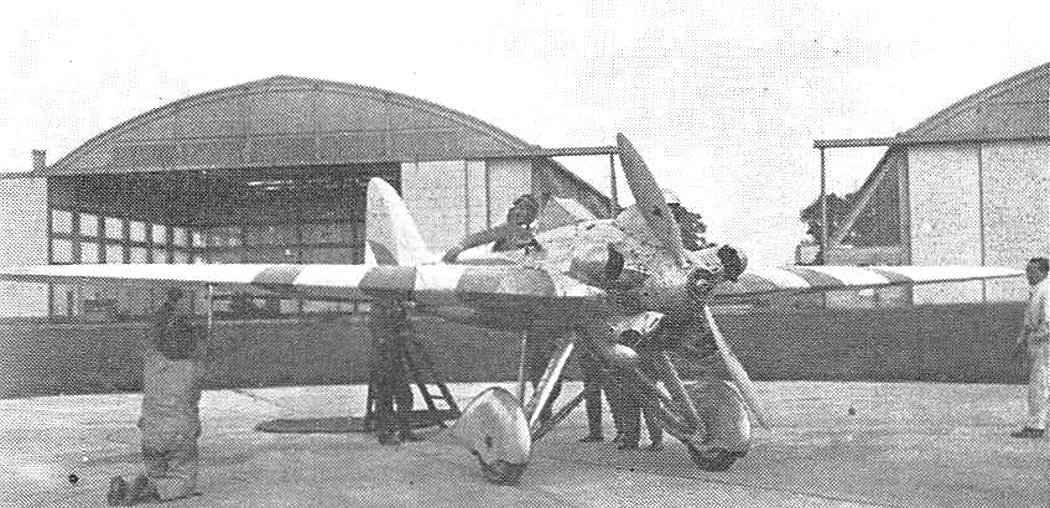
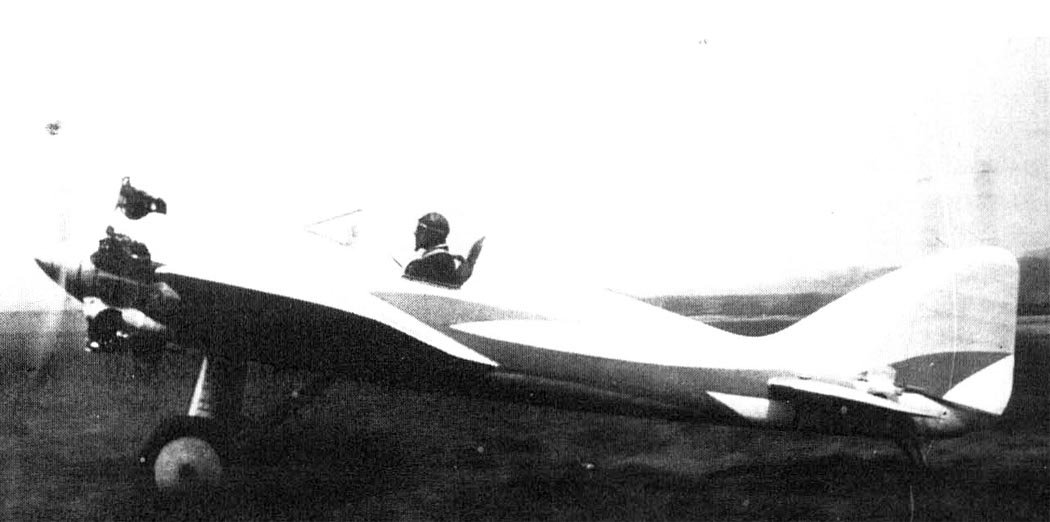
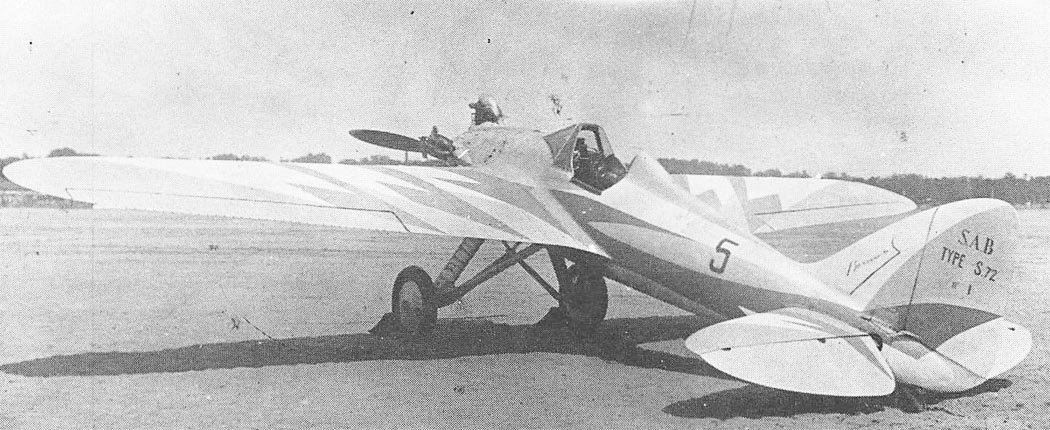
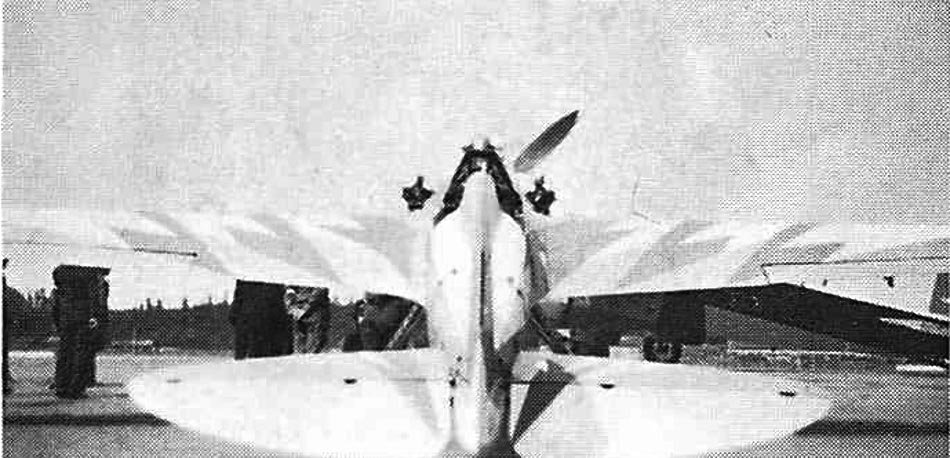
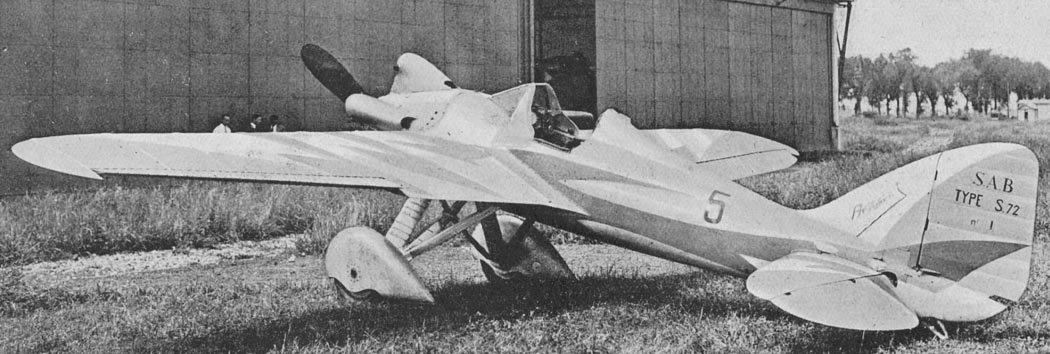
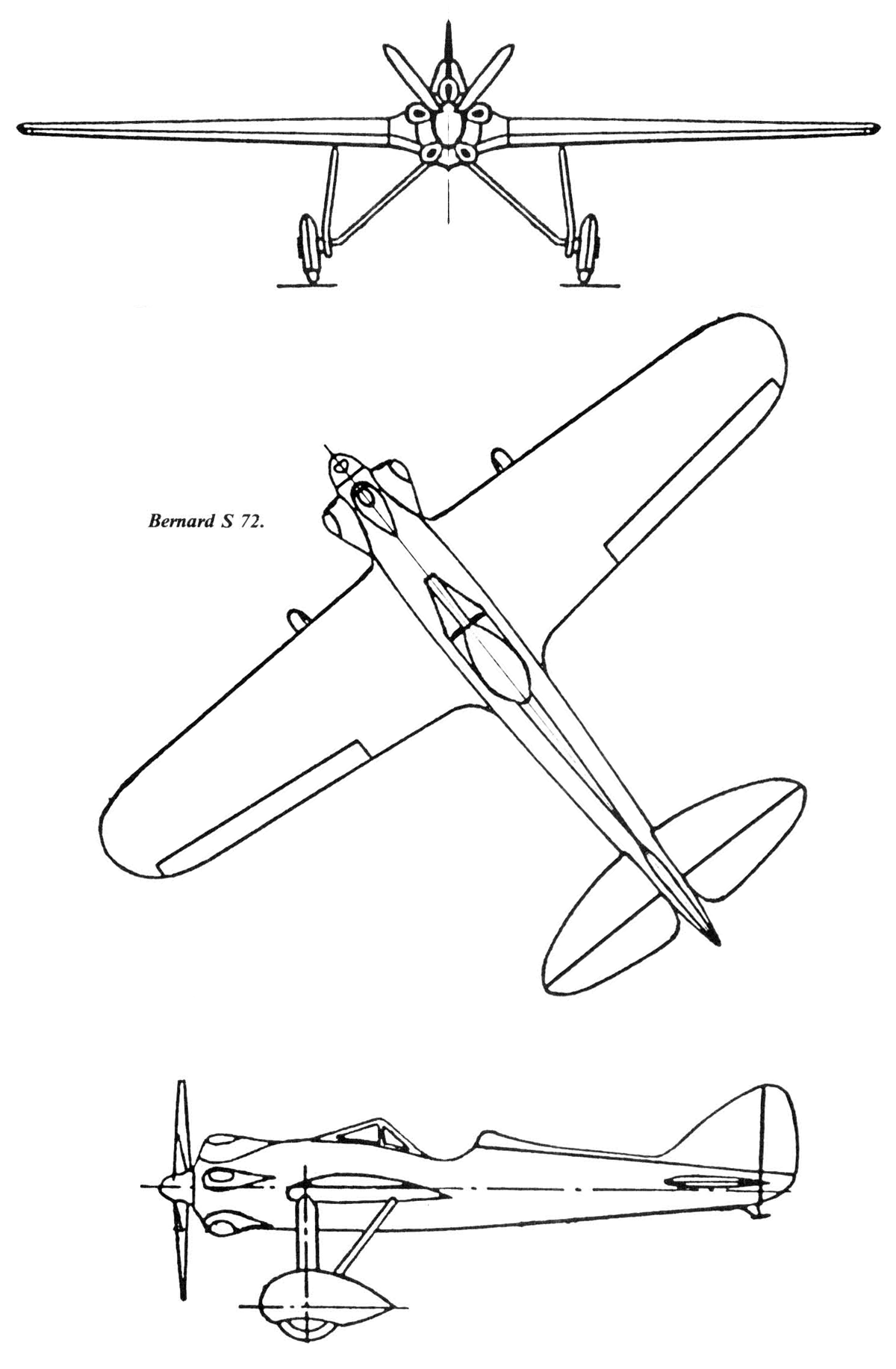
The Bernard S-72 was a cantilever monoplane with the wing positioned on the fuselage axis. The wing’s structure was based on a central block, consisting of several multi-cell spars, glued and placed transversely to the wing. This central block, which had the greatest thickness, was located in the middle part of the wing directly in front of the pilot’s cockpit. The wing had a transverse V angle of 1° 30’ and an aspect ratio of 6.3. The powerplant was installed at the front of the central wing block, and the fuselage’s tail section was attached to its rear.
The wing’s skin was made of plywood and was load-bearing, while fabric was used for the aileron skin. The aircraft’s fuselage had an egg-shaped cross-section. The fuselage’s structural frame consisted of two spars, caisson bulkheads, and stringers. The walls of the spars were made of plywood; in the upper and lower parts of the fuselage, spruce and plywood were used for the skin.
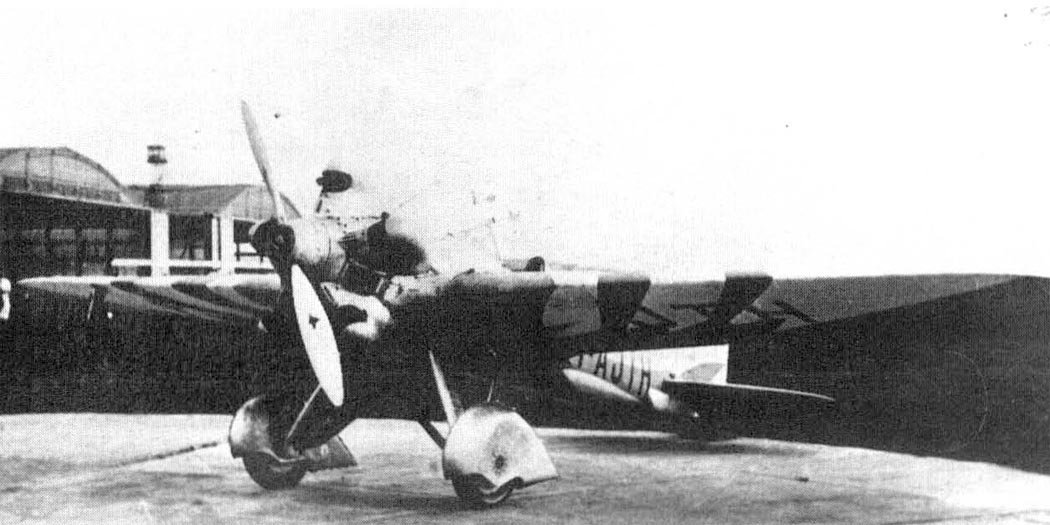
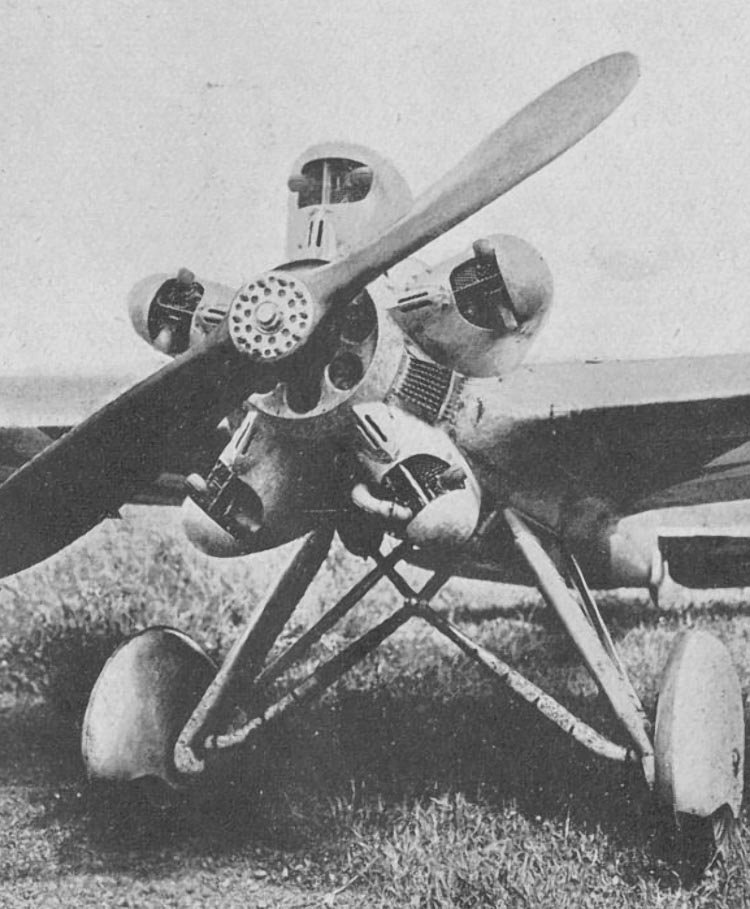
The powerplant was a five-cylinder, 230-horsepower Gnôme-Rhône Titan radial engine, cowled similarly to the HV 40 seaplane engine. Initially, a two-bladed wooden propeller was installed, which was soon replaced by a metal propeller from the Ratier company. The main landing gear struts were separate. Each strut consisted of two inclined tubular supports connected under the fuselage. The main struts were supported by V-shaped struts connected to the wing panels. The landing gear shock absorbers were designed by Bécherot.
The Ill-Fated 1930 Race and Its Legacy
Construction of the Bernard S-72 was completed in May 1930, and a few days later, the aircraft was test-flown by Paillard. On June 29, 1930 — the day before the end of the Michelin Cup races — at 5:38 AM, the S-72, painted in a “psychedelic” manner with dark blue, light blue, and white colors, took off from Bourges to participate in the competition.
It landed in Reims at 6:15 AM, in Nancy at 7:05 AM, in Strasbourg at 7:50 AM, in Dijon at 8:55 AM, and in Clermont-Ferrand at 10:00 AM. However, due to malfunctions in the engine’s lubrication system, Paillard was forced to land the aircraft near Brindas, not far from Lyon, and withdraw from the race. At this point, his average speed was 224 km/h.
The race winner was Michel Detroyat, who flew the course at an average speed of 199.982 km/h. Although the S-72 was modified into the S-73 for the 1931 competitions, this was the first and last time the Bernard company participated in the Michelin races, leaving a mark of ambition and advanced design.
Technical Specifications
| Modification | S-72 |
| Wingspan, m | 9. 20 |
| Length, m | 6. 70 |
| Height, m | 2. 45 |
| Wing area, m2 | 13. 45 |
| Empty weight | 680 |
| Normal takeoff weight | 938 |
| Engine type | 1 Piston engine Gnome & Rhone 5Bc |
| Power, hp | 1 x 240 |
| Maximum speed, km/h | 285 |
| Crew | 1 |
Image and diagram gallery of the Bernard S-72
 S-72 |
 S-72 |
 S-72 |
 S-72 |
 S-72 |
 S-72 |
 S-72 |
 S-72 |
 S-72 |
 S-72 |
 S-72 |
 S-72 |
Equipo Editorial de ArchivoAéreo
Grupo de investigadores y entusiastas de la aviación dedicados a documentar y preservar la historia aeronáutica mundial. Todos los artículos son revisados para garantizar precisión histórica.
Fuentes y Rigurosidad
La información presentada en esta ficha técnica ha sido compilada a partir de manuales de vuelo desclasificados, archivos históricos y bibliografía especializada. Aunque nos esforzamos por mantener la máxima precisión, algunos datos de rendimiento pueden variar según la variante específica o las condiciones operativas.