Bf 109E
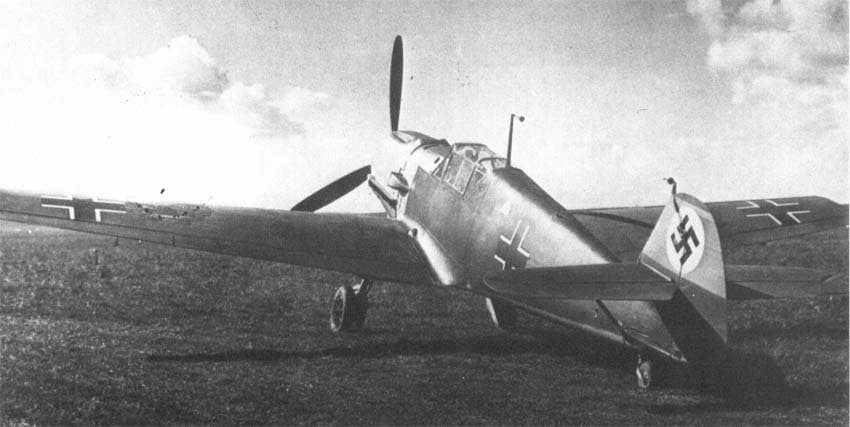
In recognition of W. Messerschmitt’s merits in equipping the German Luftwaffe with first-class aircraft, the Ministry of Aviation, in the summer of 1938, ordered that all machines designed by him should henceforth be named with the first letters of his surname – Me. However, this rule did not apply to older models such as the Bf 108, Bf 109, and Bf 110.
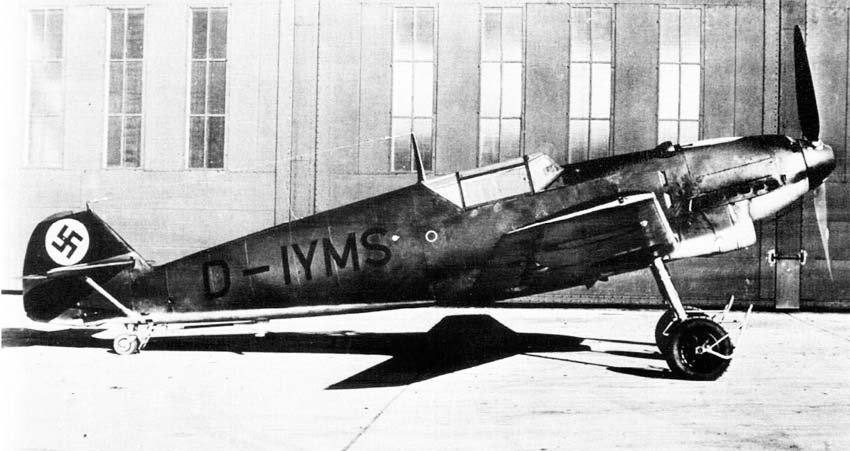
For the creation of the next E modification, the designers of the “one hundred nine” used already completed airframes from the pre-production batch of Bf 109D-0. Specifically, flight tests of machines designated Bf 109V14 (D-IRTT) and V15 (D-IPHR) began in the summer of 1938. Both aircraft received DB 601A1 engines with a takeoff power of 1050 hp at 2480 rpm, 1000 hp at 2400 rpm, and 810 hp at 2200 rpm at an altitude of 3700 m.
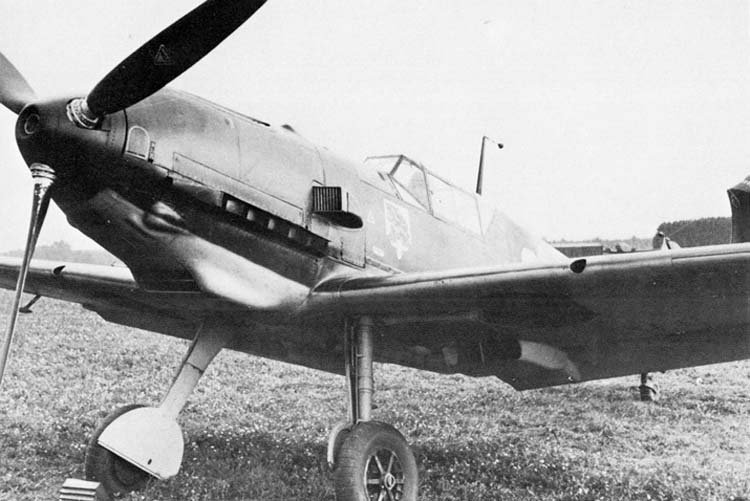
The Bf 109V14 was armed with two fuselage-mounted MG 17 machine guns and two wing-mounted MG/FF cannons, while the V15 had only machine guns. By the end of 1938, a pre-production series of eight Bf 109E-0 aircraft was released, intended for testing armament and engines. These were generally similar to the experimental machines, with their armament consisting of two fuselage and two wing-mounted machine guns. The fuselage of the Bf 109E-0 from the cockpit to the tail did not differ from the “Dora,” but the engine installation design changed significantly.
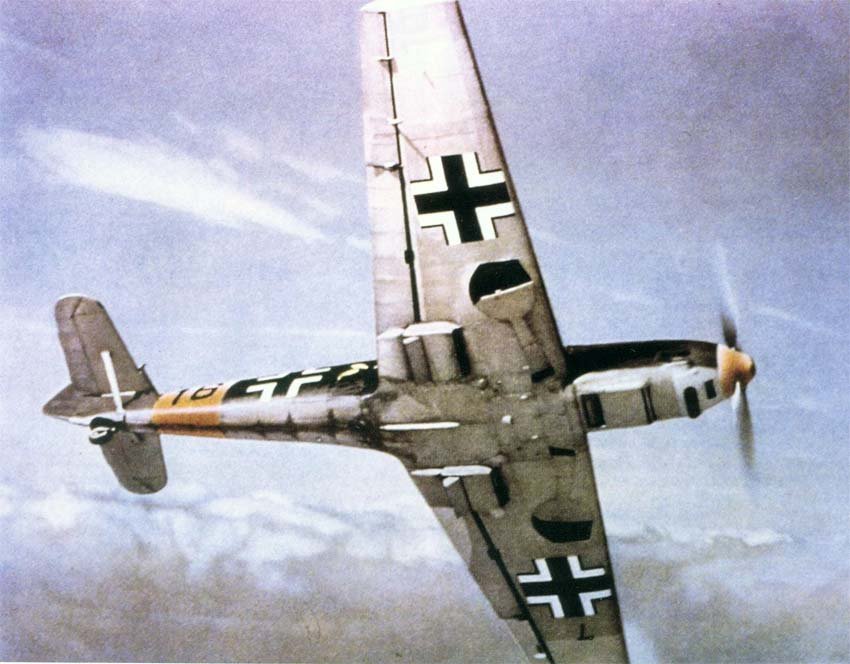
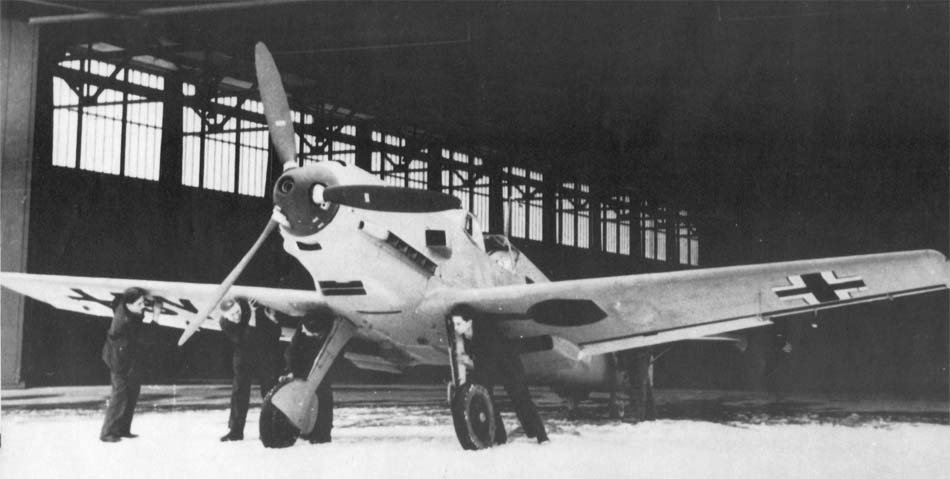
The oil cooler was placed in a tunnel beneath the engine, while the liquid (glycol) radiators were mounted symmetrically under the aircraft’s wing, in the root section behind the main landing gear wells.
In addition to the “Daimler-Benz” plants in Genshagen and Marienfelde, it was decided to expand DB 601 engine production to the “Henschel und Sohn” plant in Altenbauna and the “Büssing” enterprise. However, engine development was delayed, leading to a considerable accumulation of ready Bf 109E-1 airframes at aviation factories in the second half of 1938 (a repetition of the “Dora” story). This time, German engine manufacturers managed to overcome the situation with minimal losses and establish DB 601 production. The first production Bf 109E-1 fighter was delivered in January 1939.
Production of the E modification was launched in Regensburg, while the Augsburg plant switched to producing the twin-engine heavy fighter Bf 110. In addition to Messerschmitt’s own production plants, a number of other German enterprises later produced the Bf 109 under license:
Licensed Production and Early Features
“Erla Maschinenwerke” in Leipzig, which originally operated as an aviation department of a machinery factory organized by G. Otto in 1915, produced approximately 12,000 Bf 109s of various modifications between 1936 and 1945. In early 1933, the firm “Nestler und Breitfeld” built a light parasol monoplane with a 20 hp engine here, and after Hitler came to power, the company produced various aircraft such as the Ar 65, Ar 68, and He 51.
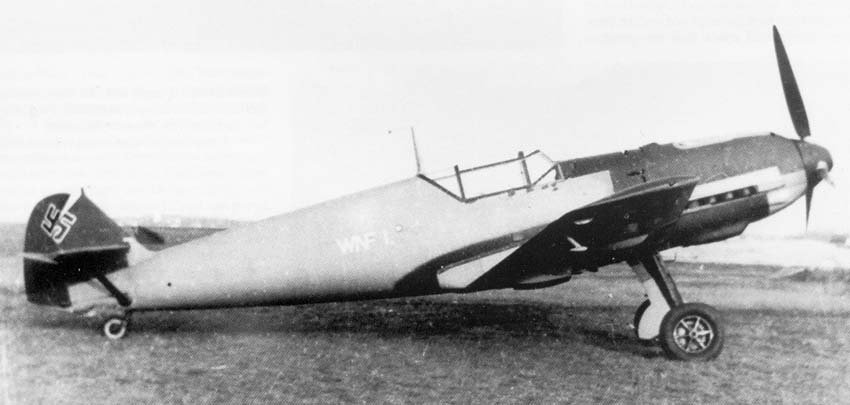
“Wiener-Neustadt Flugzeugwerke GmbH” (WNF) in the Austrian city of Wiener Neustadt, which opened in 1914 and produced Daimler engines under license. In 1935, the territory of this plant and a nearby factory engaged in cartridge production were merged into a single aircraft manufacturing enterprise. After the Anschluss of Austria, the WNF plant predominantly built Bf 109s.
“Fieseler Flugzeugbau,” the successor to “Gerhard Fieseler Werke GmbH” founded in 1896 near Kassel. Gerhard Fieseler was a well-known German pilot, aerobatics master, and designer. In 1932, this enterprise merged with the firm “Kegel,” which produced light aircraft and gliders. In addition to fighters, the multi-purpose Fi 156 aircraft were produced here, and experimental work on V-1 rockets was carried out before the war.
“Aktien Gesellschaft Otto Flugzeugwerke GmbH” (AGO) in Oschersleben, founded by father and son Otto in 1909, began building military aircraft five years later. The company went bankrupt during the crisis, was restored in 1934 by engineer J. Müller, then in 1936 mastered the production of the light twin-engine AGO Ao 192 “Kurier,” and subsequently produced Bf 109 and FW 190 fighters.
“Arado” in Warnemünde, belonging to the firm “Arado Flugwerke GmbH” with its main enterprise in Babelsberg, near Berlin. It was the successor to “Flugzeugbau-Friedrichshafen” founded in 1917. In 1925, the firm acquired and rebuilt the enormous plant in Warnemünde. During the economic crisis, the firms “Arado” and “Heinkel” created a unified concern, and by 1935, more than 1800 people worked in Warnemünde. In addition to Bf 109s and FW 190s, during the war, the “Arado” plant mass-produced Ar 96 training aircraft.
The Bf 109E-1 fighter possessed several advantages over most contemporary fighters due to its direct fuel injection system into the cylinders. It was no longer susceptible to negative G-forces arising when transitioning from horizontal flight to a dive, which was a problem for carbureted engines. Unlike previous “one hundred nines,” the “Emils” were equipped with a VDM three-bladed variable-pitch propeller.
The aircraft received a FuG 7 transceiver, but despite the Germans being aware of the introduction of armor on Soviet fighters in Spain, the German fighter had no pilot protection, and its fuel tank remained unprotected, which undoubtedly reduced the machine’s survivability. Production Bf 109E-1s were armed like the Bf 109E-0 (i.e., they carried four 7.92mm MG 17 machine guns). The ammunition for the fuselage MG-17s consisted of 1000 rounds per barrel, while the wing boxes held 420 rounds each.
Bf 109E in Combat and Testing
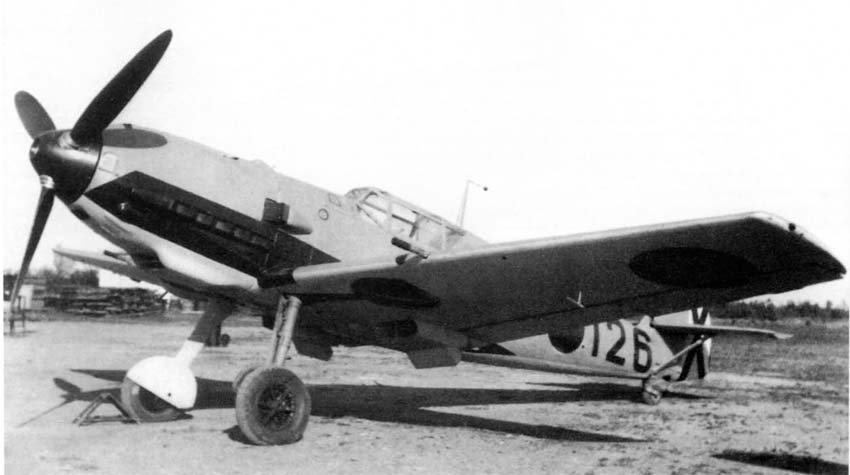
Bf 109E-1 aircraft began to arrive in Luftwaffe fighter units at the very beginning of 1939. Despite the deficit experienced by the German Air Force and the nearing end of the war in Spain, Hitler decided to send a number of “Emils” to the Iberian Peninsula. This was due to significant losses and wear and tear of early “Messerschmitt” modifications in the Condor Legion units; furthermore, Spain was now considered a proving ground for new weapons.
Among the first to re-equip with the Bf 109E-1 was the 2.J/88 unit. In return for this “service,” the German government demanded that Franco allow German capital into the mining industry, purchase German mining equipment worth 5 million marks, and pay for the legion’s rearmament with iron ore. General Franco accepted this proposal, and German aid allowed him to win the Battle of Catalonia.
Nevertheless, the Bf 109E-1s arrived too late to participate in this offensive. In reality, by the end of March 1939, when the war ended, only half of the arriving “Emils” had been assembled in Spain, and they practically did not participate in combat.
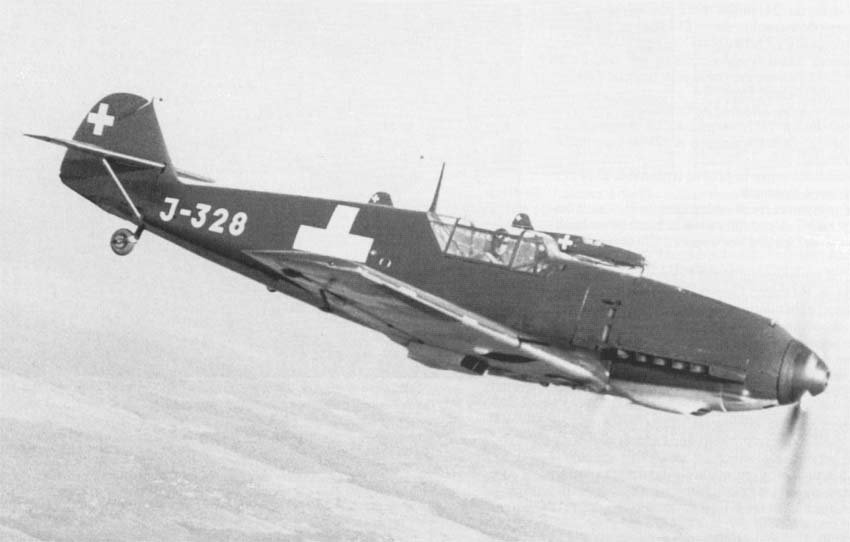
As mentioned above, re-equipping Luftwaffe fighter aviation with Bf 109E-1 aircraft was a priority, but a lack of hard currency forced acceptance of one export contract – for Switzerland. The Swiss Air Force was to receive 10 fighters with Jumo 210 engines between December 1938 and January 1939. This was followed by a contract for 30 Bf 109E-1s. All of them, like the previous model, were supplied to the Swiss without armament or radio equipment.
The first aircraft was accepted by Switzerland on April 14, 1939. Soon, the Swiss ordered another 50 fighters of the E-1 and E-3 modifications, deliveries of which were completed during the height of the war, in April 1940. Subsequently, the Swiss “one hundred nines” occasionally had to engage in aerial combat with both accidental and deliberate airspace violators from both warring sides. The last Swiss “Messerschmitt” was retired from service on December 28, 1949.
If in 1938 the total production of Bf 109 fighters amounted to about 400 machines (in this year, the German aviation industry managed to produce 450 single-seat fighters, including a small number of Ar 68 and He 112), then in the first eight months of 1939 (before the invasion of Poland), 1091 Bf 109s were built. Thus, the average monthly production rate was brought up to 136 Bf 109s. It should be noted that some of the airframes for the “Emils” were manufactured in 1938 and were awaiting production DB 601 engines. During the four concluding months of 1939, another 449 “one hundred nines” rolled out of the assembly plants.
The main manufacturers of the Bf 109 fighter in that year were the Leipzig “Erla Maschinenwerke” plant and the Kassel “Fieseler” plant. These two enterprises produced 1393 Bf 109s, while Messerschmitt’s plant in Regensburg produced only 147. During spring-summer 1939, most Luftwaffe fighter units rapidly re-equipped with the Bf 109E-1 from older types of “Messers.”
It is interesting to note that by the beginning of World War II, Bf 109 fighters armed five of the seven groups of squadrons of the so-called “destroyers” or “heavy fighters” ZG (due to a shortage of standard Bf 110s). In May 1939, the Luftwaffe underwent another wave of renumbering of aviation units and subunits according to a new principle: each of the four created air fleets received a group of numbers (25 each) for its constituent squadrons. Thus, squadrons of the 1st Air Fleet could now have numbers from 1 to 25, squadrons of the 2nd Air Fleet from 26 to 50, and so on.
As part of the “instructor” division, where new combat application techniques were developed and command personnel were trained, two squadrons were deployed – LG1 and LG2. The numbering of units belonging to naval aviation remained the same. By the end of May, the Luftwaffe had 24 groups armed with Bf 109 fighters.
In W. Messerschmitt’s design bureau, the refinement of the fighter’s engine and armament continued. In early summer, one of the pre-production Bf 109E-0s was fitted with a DB-601Aa engine. This aircraft received the designation Bf 109V17 (D-IWKU) and served as the prototype for the Bf 109E-3 fighter. The design of the DB-601Aa engine provided for the possibility of installing a 20mm MG/FF cannon in the cylinder block valley, firing through the propeller spinner.
The engine’s power in takeoff mode was 1175 hp at 2480 rpm, and at an altitude of 4500 m, 1020 hp at 2400 rpm. The Bf 109E-2 modification with a DB-601A engine and MG/FF motor-cannon was considered an unnecessary intermediate step and was not transferred to serial production (according to some reports, a small number of machines of this type were still built at the Regensburg plant).
The Bf 109E-3 fighter replaced the E-1 on assembly lines in autumn 1939 and began entering Luftwaffe service at the end of the year. Initially, the Bf 109E-3’s armament was indeed enhanced compared to the preceding modification by installing a 20mm MG/FF cannon, but problems with overheating, stoppages, and heavy recoil often led to the gun being removed in operational units immediately after receiving the fighter. On later Bf 109E-3s, the wing machine guns were replaced with MG/FF cannons with an ammunition load of 60 rounds per barrel.
The placement of the cannon magazine in the “Messerschmitt’s” wing required the implementation of a bulging fairing on the wing’s lower surface. The one-second salvo of two cannons and a pair of synchronized machine guns amounted to 2.2 kg—a very respectable figure for the last months of 1939.
Incidents and Allied Evaluations
November 22, 1939, was an unfortunate day for German fighters: three aircraft landed on French-controlled territory, and two of them were only slightly damaged. One of the machines (Bf 109E-1, factory No. 1251) belonged to I/JG76; its pilot, having lost orientation, made a forced “belly” landing and was captured by French soldiers. In January 1940, this aircraft was displayed in Paris on the Champs-Élysées.
Another pilot, Austrian Oberfeldwebel X. Kloymüller from II/JG51, due to a navigational error, landed his “Messerschmitt” directly at Strasbourg airfield. The machine sustained no damage; the pilot, stunned by surprise, was immediately arrested. The French decided to take full advantage of such a remarkable gift and planned an extensive set of tests. To ferry the “one hundred nine” to the research center in Orleans, Captain K. Rozanov (Rozanoff) was urgently sought, who already had experience flying the “Messerschmitt” and at that time was commander of squadron GC II/4. He flew to Strasbourg with two wingmen in Curtiss H-75 “Hawk” aircraft.
The “Messer” was supposed to return escorted by French fighters, otherwise incidents could not be ruled out: after all, a war, albeit a “strange” one, was ongoing. But it was precisely this foresight of the French command combined with Russian carelessness that played a cruel trick: almost reaching the final point of the route, Rozanov decided to show off his skill and perform several barrel rolls over the GC II/5 home airfield. Either he did something wrong, or his wingman Adjutant Baptiste made a mistake — in short, during the unplanned maneuver, a “Hawk” propeller cut off the tail of the “Messer,” after which Rozanov had to bail out.
Fortunately for the French and British, there was still a third intact Bf 109E-3 (factory No. 1304), which also landed on its wheels near Strasbourg due to a navigational error by a pilot from 1/JG76. This time, the experienced pilot Rozanov was not invited, and the “Messerschmitt” safely landed in Orleans on December 6, 1939. Due to poor weather in early winter 1939-1940, the machine flew little, but an express report issued by the test center that same month noted its maximum speed was 570 km/h at an altitude of 5000 m (curiously, the Germans themselves stated a maximum flight speed of 560 km/h at 4550 m in the Bf 109E-3 technical description).
The French again drew attention to the powerful yawing moment of the “Messer’s” engine during takeoff, which greatly complicated the takeoff roll, and to the more complex technique for performing a right combat turn compared to a left one.
In January 1940, the commander of the French Air Force, General Vuillemin, ordered a flight comparison between the Bf 109E-1 and the Dewoitine D-520 fighters (later the “German” was compared with the Bloch MB-152, Bloch MB-174, and Potez 63-11 aircraft). The issued report noted the “Messerschmitt’s” superiority in flight performance over both French fighters but emphasized that this superiority was not absolute.
According to French test pilots, twin-engine reconnaissance aircraft and bombers also had good chances in engagements with “Messerschmitts”: the Bloch MB-174 due to its high speed, and the Potez 63-11 due to its high maneuverability.
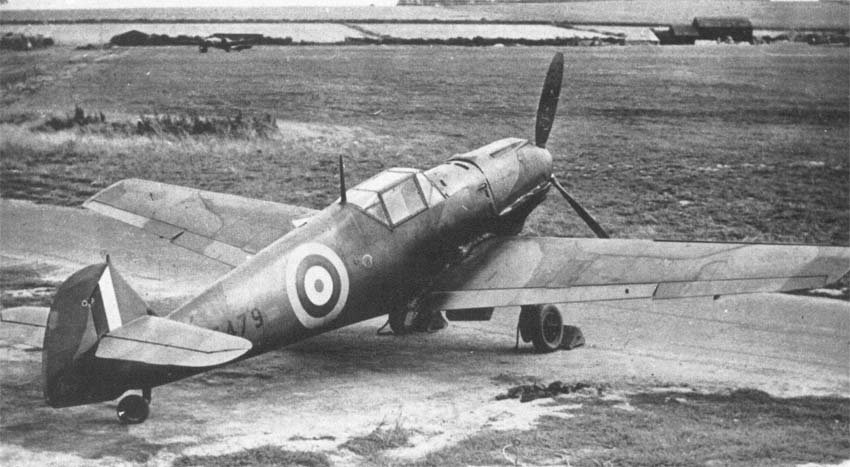
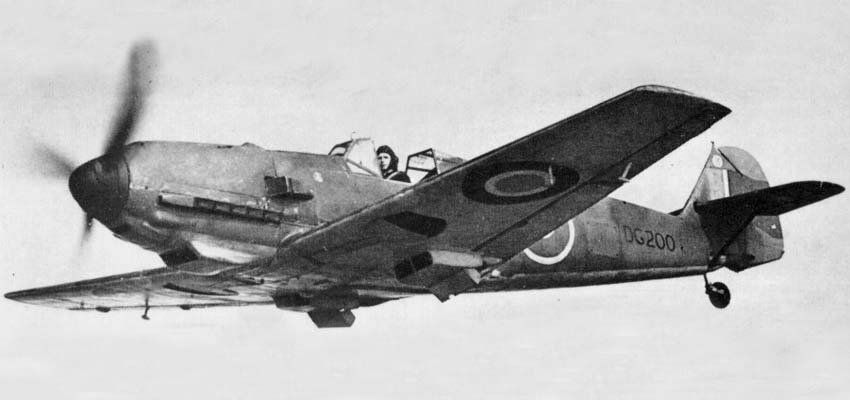
Less than a week before the German invasion of France, Belgium, and Holland, on May 4, 1940, the French handed over the already “seasoned” Bf 109E-3 (factory No. 1304) to the British, who also conducted two testing cycles: first at the Aircraft and Armament Experimental Establishment at Boscombe Down, and then at the Royal Aircraft Establishment in Farnborough. In the UK, the aircraft received the number AE-479. During tests, it was revealed that the “Hurricane,” even equipped with a “Rotol” constant-speed propeller, was inferior to the “one hundred nine” in all respects, except for horizontal maneuverability at low altitudes.
The “Spitfire” Mk I with a two-bladed, two-pitch propeller (at that time all “Spitfires” had such a propeller) also lagged behind its German opponent in most characteristics.
Among the negative properties of the “Messerschmitt,” British testers noted: the elevator and ailerons became too “heavy” at high speeds; due to high wing loading, the aircraft had a relatively high evolutionary speed and a fairly large turning radius; the absence of a rudder trim caused high pedal loads during diving; the cockpit was too cramped.
The general opinion of British pilots who flew the Bf 109E was that it was a very dangerous opponent. They noted excellent handling at low and medium speeds, excellent angles of attack at low speeds, no tendency to spin, and a short takeoff run. Another advantage of the “Messer” was a steep climb angle at low speed; none of the British machines could stay “on the tail” of a Bf 109E when performing this generally simple maneuver. German pilots knew this perfectly well and often used it to break away from a pursuer. Interestingly, this same “Emil” (factory No. 1304) was sent to the USA in April 1942 for comparative tests with American machines.
Bf 109E Evolution and the Battle of Britain
By the end of summer 1940, the Germans had taken into account the experience of fighting in France. The Bf 109E-3 cockpit canopy received a reinforced frame during modifications, and the pilot was protected by an 8mm armored backrest, weighing 24 kg. A little later, a 13kg armored headrest appeared above the pilot’s head in the hinged part of the canopy. It was finally decided to abandon the MG/FF motor-cannon. As a result of incorporating these and some other minor changes, the Bf 109E-4 appeared in serial production, replacing the E-3 on assembly lines in late summer 1940.
A characteristic external distinguishing feature of the E-4 was the new, rather angular but more robust canopy frame. That same summer, the “Icaria-Werke” firm from Welten proposed a belt-feed system for the MG/FF cannon, but its development dragged on until early 1941, and this wing armament variant was never implemented in series. However, the firing rate of the cannons used on the Bf 109E-4 was slightly increased.
The insufficient range of the “one hundred nine,” which significantly limited the combat capabilities of fighter units in the final stage of the French campaign, necessitated the development of a 300-liter detachable drop tank. It was made of pressed plywood and quickly became unusable. Moreover, fighter pilots considered it a fire hazard, so it was primarily used for ferry flights. If a fighter took off with such a tank for a combat mission, the pilot would always first deplete the fuel from this tank and then jettison it to avoid unnecessary risk during a potential aerial battle.
Another attempt to increase the “Emil’s” range was made by towing the fighter with a bomber. Tests involving the towing of a Bf 109E were conducted in Augsburg by test pilot K. Baur. The fighter was connected to a twin-engine Bf 110 by a cable using a lock on the propeller spinner. During takeoff, the engines of both aircraft operated; then, the propeller of the towed fighter was feathered. Although the tests were successful, this method of increasing the “Emil’s” range was deemed too exotic.
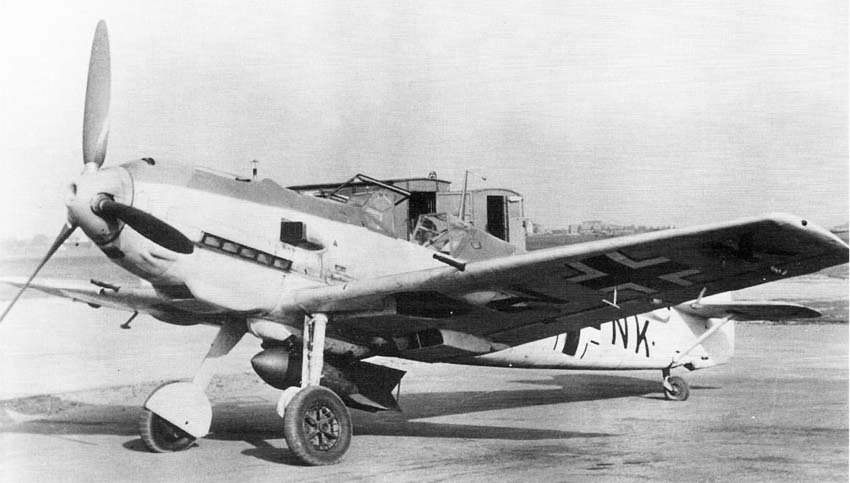
During the French campaign, the possibility of using the Bf 109E as a fighter-bomber (Jabo) was tested. A single 50 or 250 kg bomb was suspended on an under-fuselage bomb rack. Operational tests of the fighter-bomber were carried out by test group EGr210, commanded by Captain W. Rubensdörfer. Two detachments of this group were armed with twin-engine Bf 110 “destroyers,” and the third with single-engine Bf 109 modifications E-1/B and E-4/B. Subsequently, the EGr210 group was used by the Germans to combat shipping in the English Channel area.
Additionally, Bf 109 E-1/B and E-4/B fighter-bombers armed Group II(Sch.)/LG2. Pilots received only brief instructions on bombing methods, as their aircraft lacked any special sighting devices. However, the “Revi” gunsight proved suitable for dive bombing. The most favorable dive angle, 45°, was marked with a red line on both sides of the cockpit canopy. For bombing from low and medium altitudes, a dive speed of 600 km/h was recommended. The actions of the fighter-bombers were recognized as quite successful, leading H. Göring to order the formation of a separate Jabo detachment in each fighter squadron. A bomb rack was specially designed for the Bf 109E-4/B aircraft, allowing it to carry four SC50 bombs.
Parallel to the Bf 109E-4, a structurally identical reconnaissance aircraft, the Bf 109E-5, was produced in a small series. It did not have MG/FF cannons, but an Rb 21/18 camera was mounted in the rear fuselage section behind the cockpit.
In the summer of 1940, German engine manufacturers established serial production of the DB 601 N engine. The new engine boasted increased power: takeoff power up to 1200 hp at 2600 rpm, and a maximum of 1270 hp at 5000 m altitude for one minute. Unlike the preceding modification, which ran on 87-octane B4 gasoline, the DB 601N engine consumed 96-octane C3 gasoline, allowing the fuel-air mixture compression ratio to be increased from 6.9 to 8.2. Designers also had to slightly modify the cylinder head shape to enhance its strength.
This new engine variant equipped five “Emil” sub-modifications, including the Bf 109E-4/N fighter, as well as the Bf 109E-5/N and Bf 109E-6 reconnaissance aircraft. The latter, unlike the E-5, was armed with four MG 17 machine guns, and a hand-held camera was placed in the pilot’s cockpit. Externally, it was indistinguishable from a standard fighter. In early autumn 1940, the Bf 109E-7 began rolling off the assembly lines instead of the Bf 109E-4/N, featuring the same DB601N engine but with the capability to carry a 250 kg bomb or a 300-liter drop tank on a universal ETC-500 rack under the fuselage.
Visually, aircraft of this modification were distinguished by a more pointed spinner; however, this apparently applied to all machines equipped with DB601N engines. Additionally, some aircraft received armored glass in the frontal part of the canopy. The attack sub-modification Bf 109E-7/U2 was notable for having 5mm armor plates under the oil cooler and fuel pumps for protection against ground fire.
Variants Bf 109E-4/Trop, E-5/Trop, and E-7/Trop, specially prepared for operation in hot climates, were supplied to fighter units fighting in the Mediterranean theater of operations. In addition to a sand filter, which was mounted at the engine supercharger intake, these machines carried a special emergency kit and were equipped with a fastening point for a removable umbrella covering the cockpit. After takeoff, the pilot opened a flap, and until landing, air entered the supercharger, bypassing the dust filter. This ensured reduced resistance at the supercharger intake and increased engine power at medium and high altitudes. Before landing, the pilot again switched the airflow to the dust filter.
The Bf 109E-7/Z sub-modification apparently first employed the GM-1 afterburner system with nitrous oxide injection. It was stored in liquid form in a cylindrical tank mounted in the compartment behind the cockpit. The expulsion of nitrous oxide and its supply to the supercharger intake were carried out by compressed air. The action of nitrous oxide (the same laughing gas used in medicine for anesthesia) was complex.
Firstly, by decomposing at high temperatures, it released oxygen, which contributed to burning a larger amount of fuel in the cylinder volume and, thereby, increased power. Secondly, during the gasification of liquid nitrous oxide, its temperature sharply decreased, leading to a reduction in pressure of the cold fuel-air mixture. Thus, the mixture allowed the use of low-octane fuel in engines with a high compression ratio. Thirdly, the addition of a concentrated oxidizer allowed additional fuel to be supplied to the cylinders in rarefied air, which contributed to increasing the fighter’s ceiling, speed, and climb rate at high altitudes. A report on the Bf 109E-7/Z tests, dated December 8, 1940, indicated the following results: in the altitude range from 8000 to 11000 m, the fighter’s speed with the GM-1 system engaged increased by 60-105 km/h, and the climb rate by 2-3 m/s, which is quite significant for high altitudes.
Although the afterburner system proved effective and was used on many subsequent Bf 109 modifications, its application was accompanied by an increase in the aircraft’s flight mass and a decrease in its flight characteristics at low altitudes, where this system did not provide improvements in flight performance. The backward shift of the center of gravity due to the GM-1 installation also led to a deterioration of the fighter’s stability, especially at high angles of attack.
In autumn 1940, modifications Bf 109E-8 and E-9 were launched into series production. Their main distinction was the use of the DB 601E engine, which represented an even more boosted version of the “six hundred one” in terms of crankshaft speed and supercharging. Its takeoff power was increased to 1350 hp at 2700 rpm. Additionally, pilot armor was improved. The Bf 109E-8 was generally similar to the E-7 (except for the engine), while the Bf 109E-9 was manufactured as a reconnaissance variant without wing cannons, but with an Rb 50/30 camera in the rear fuselage section. It should be noted that the number of E-8 and E-9 produced was small, as preparations for the serial production of the more advanced Bf 109F modification were concluding that same autumn of 1940.
The Bf 109E was used in numerous research programs. For example, one unusual proposal aimed at increasing range was the use of two 300-liter tanks mounted over the wing and jettisoned after fuel depletion. Tests of the Bf 109E-4 with such tanks were conducted at the “Graf Zeppelin” research institute. The tanks were called “Werzelzepp.” It was established that consuming fuel from them did not affect the fighter’s handling, and their jettisoning was carried out safely.
Tank tests in Stuttgart in 1942 led engineer Isermann to the idea of using over-wing containers for transporting agents, who were intended to be dropped from low altitudes, as well as for evacuating the wounded. The container allowed one person with a parachute to be accommodated lying down. The same fighter used for testing over-wing tanks was equipped with containers and made several flights in the summer of 1943. Tests showed that its cruising speed decreased by only 20 km/h. Later, similar experiments were continued on the Bf 109G-12.
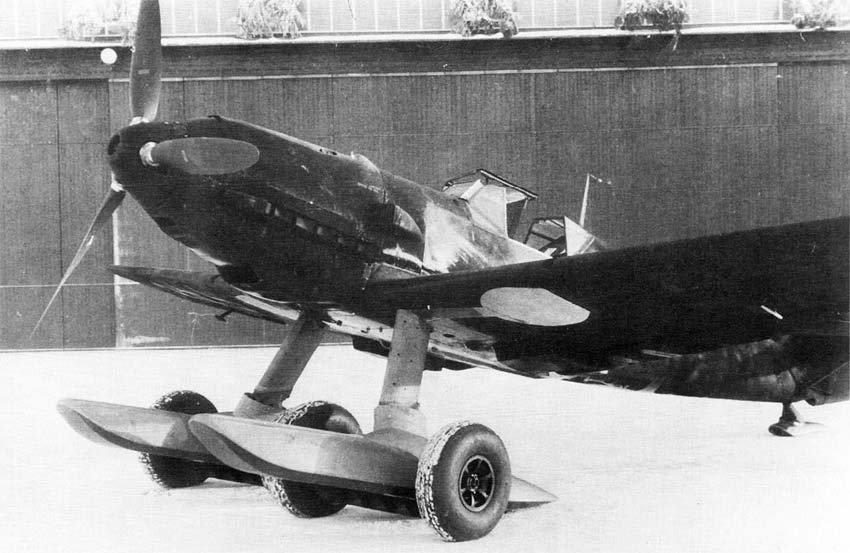
Another interesting experiment conducted on the Bf 109E-8 was equipping the fighter with a non-retractable ski landing gear. At Gardermoen airfield near Oslo during the winter of 1940-1941, a series of endurance tests of the ski landing gear were carried out. Test pilot G. Fey successfully performed 37 flights, but before the 38th landing, he noticed an unusual shadow cast by the left ski – it was hanging vertically! A simple breakage of one of the tension wires occurred, and landing became impossible. From the ground, a series of red flares shot into the air. Fey had no choice but to climb to a high altitude and parachute out. It was later discovered that the aircraft crashed to the ground in close proximity to a large ammunition depot…
The combat career of the Bf 109E began in 1939. Fifteen E-1s arrived in Spain in late spring; two of them had codes 6.117 and 6.130. A third E-1 from the Spanish series had a colorful career that ended only a few years before these lines were written; Bf 109E-1 with code 6.106 (factory N. 790) was transferred to the Spanish Air Force from the Condor Legion after only 25 flight hours in its technical log. After more than fifteen years of service in various fighter units and training centers, it was transferred to the initial flight training school in Logroño in 1954 as a training aid. Found in 1960 by the Munich Deutsches Museum, the aircraft was restored at “Hispano Aviation” in Seville and exhibited in Munich in the camouflage of JG 26 “Schlageter”.
During the invasion of Poland on September 1, 1939, the Luftwaffe had 12 fighter groups with 850 Bf 109E-1 and E-1/B. A thirteenth air unit was equipped with Arado Ar 68 and approximately 235 Bf 109D-1s, grouped into a heavy fighter squadron. Fighter aircraft did not fly in fighter squadrons then, but on paper, they were organized into JG 1, JG 2, JG 3, JG 26, JG 51, JG 52, and JG 53. One of the fighter groups had the status of LG 1, which included a staffel with searchlight-equipped machines, intended for night combat in the Bf 109E-1. The war in Poland was so short that fighter aviation did not get a full understanding of its skill and organization in combat conditions, as actions were mainly carried out by light bomber and assault units.
Probably the first exchange of “pleasantries” in the form of broadsides from the onboard weapons of Bf 109 and Bf 110 with the RAF was the raid of 24 Wellington bombers from RAF Squadrons 9, 37, and 149 on Wilhelmshaven on December 18, 1939. Bf 109s from III/JG 77 successfully intercepted and shot down 12 bombers, at a loss of 2 Bf 109s and several damaged by fire from the tail four-gun turrets; this was the first instance of effective tail defense being used in an encounter with the Luftwaffe. Lieutenant Johannes Steinhoff, Staffelkapitän of 3/JG 77, who shot down 2 bombers in this action, became Commodore of JG 7, flying the Me 262, with 176 confirmed aerial victories by the end of the war.
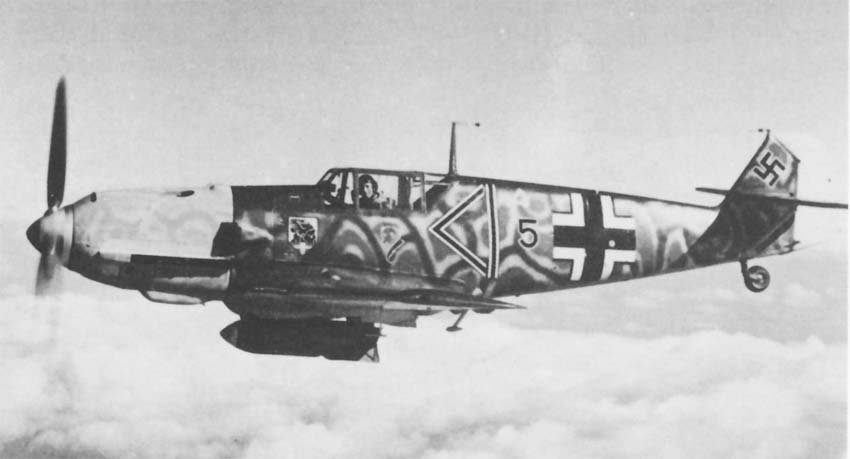
Bf 109E-3s, an improved subtype that entered Luftwaffe service by the end of 1939, participated in this battle. With two synchronized MG 17s in the nose, two wing cannons, and an MG FF/M motor-cannon (though installed, this cannon was ignored by most pilots as it caused strong vibration when firing), the E-3 became the most numerous in the series. 1868 were delivered in 1940, including several export batches: 40 to Hungary, 5 to the USSR, 2 to Japan (where serial production was planned but canceled by “Kawasaki”), 73 to Yugoslavia, 19 to Bulgaria, 16 to Slovakia, and no less than 80 to Switzerland. The last batch operated as part of Fliegerkompagnie 6, 15, and 21 of the Swiss Air Force with tail numbers from J-311 to J-390.
The next major action in which Bf 109Es actively participated was the Blitzkrieg in the west; 30 E-3s from I/JG 77, having participated in the Norwegian campaign in April 1940, saw no serious combat there. In April and the first week of May 1940, Luftflotte 2 and 3, equipped with fighter forces comprising 850 Bf 109s (from JG 3, 26, 27, 51, 52, 53, 54), were deployed on the western borders of the Reich.
The Armée de l’Air (French Air Force) then had about 530 fighters in 23 air groups: 11 with MS-406, 4 with Hawk 75A, and the remaining 8 with Dewoitine D.520, Bloch 151, or 152. A huge number of these machines were destroyed directly on the ground by the attack on May 10, similar to the Dutch Fokker D.XXI and the diverse composition of the Belgian Air Force. The Netherlands capitulated on May 15, Belgium 13 days later. In late May and early June, scattered French squadrons, stubbornly resisting, retreated fighting, which did not save them from final defeat; however, by the signing of the act of surrender in Compiègne on June 22, about 350 German aircraft had been destroyed. The Bf 109E finally underwent a serious test in the fire of Europe, proving itself worthy against French fighters and the Hurricanes of the British Expeditionary Force; approximately 450 of the latter were lost in this campaign. The appearance of Spitfires over Dunkirk leveled the playing field, but the aviation leadership was not inclined to look ahead and foresee future battles over the English Channel.
However, there was also one unpleasant circumstance that diminished the weight of the Luftwaffe’s numerical advantage: many “Emils” ended up on the ground due to a lack of fuel, failing to reach forward staging points. The short combat radius became a major stumbling block in the career of the Bf 109E.
Existing descriptions of the various “phases” of the Battle of Britain are largely based on contradictory interpretations, causing some confusion. Some describe the progression of events as follows: attacks on coastal and maritime targets, transitioning to airfields and industrial sites, culminating in daylight raids on London. By September, the center of gravity shifted to night bombing and “hit & run” fighter attacks. The chronology of this period is highly debated, but it is believed that mass attacks by groups of up to 50 aircraft on maritime targets in the English Channel took place in July. At this time, RAF Fighter Command could not actively use radars, which became available in large numbers much later.
Operation “Adler Tag” (“Eagle Day”) was postponed several times and finally set for August 13. The first large raid on the coast 5 days before it and attacks on radars on August 11 were a “quiet thunder” before the “eagle’s” strike. Two days into the Battle, the fiercest fighting began: 75 German and 34 British aircraft were shot down, and finally, on August 15, the destruction of Ju 87 dive bombers and bombers that took off without escort from bases in Norway. The subsequent three weeks (until September 7), the Luftwaffe was engaged in heavy raids on RAF fighter bases north of London and exhausting battles with Spitfires and Hurricanes, attempting to destroy British fighter aviation as such. Various bases suffered different damage, notably Manston and Biggin Hill.
The attacks on London, in retaliation for the recent bombing of Berlin, were based on several premises. Intelligence provided an incorrect picture of the “destruction” of the RAF, the distant location of remaining fighters, and London as an excellent target: port, capital, industrial center. However, after some time, the attackers received a worthy response, despite the fact that in the first 4-5 days, the numerical ratio of losses to victories favored the aggressors. By September 15, the Luftwaffe had lost 60 machines, i.e., 1.79 times more than the RAF (26 machines), and it became clear that this could not last long, as there were not enough fighter units for reliable bomber support.
Bf 109 pilots during the Battle fought with skill, determination, and bravery that propaganda could never overshadow. Sometimes, fighter squadrons could not participate in the much-needed escort of vulnerable Bf 110s and Ju 87s, mainly due to their short combat radius. During these months, the Bf 109E served with a heavy workload, sometimes performing several sorties a day for a variety of tasks—from escorting heavy bombers to “free hunting.” It would be unfair to blame the pilots for the heavy bomber losses, especially since in September their machines were modified when a staffel with bomb racks was formed in each fighter squadron. This was hardly a surprise for pilots who did not achieve significant results on these sorties; many tried to drop their “eggs” on the first available target to reduce the dangerous lack of maneuverability in hostile skies.
The Hurricane, in many ways inferior to the Bf 109E-3, was usually used more for intercepting bombers than for fighter-to-fighter combat, but it achieved many victories thanks to its firepower, extremely robust construction, and excellent “gun platform” qualities. The Spitfire, designed to combat the “Emils,” commanded deep respect from Bf 109 pilots. Although the technical advantages and disadvantages of the Bf 109E largely offset each other and allowed it to fight against the Spitfire, nevertheless, in addition to reliance on pilot skill and determination in group engagements, Luftwaffe crews consistently lacked an advantage due to fuel consumption, having only 20 minutes of actual combat time over England. The Battle of Britain cost both sides many of their best aces, such as Wick of JG 2 or Rhodes-Moorhouse of RAF Squadron 601, which was keenly felt.
Later Variants and Final Deployment
In addition to the “Emils'” participation in the greatest battle of the Battle of Britain, these short-winged fighters also saw action in other theaters before their replacement by the Bf 109F. During the Battle, E-4s reached the front, which, besides improved auxiliary armor and pilot visibility, differed from their predecessors mainly in armament. The motor-cannon was removed, and MG FF cannons were installed in the wings instead of machine guns. The E-4/B fighter-bomber carried bomb racks previously installed on the E-1/B. The Bf 109E-4N, equipped with a DB 601N engine with improved fuel injection and supercharging in its tropical configuration, was widely used in the Western Sahara. This subtype is associated with its operation only in JG 27 and 53, two squadrons that bore the main brunt of the air war over North Africa. The next variants in the series were the E-5 and E-6, short-range reconnaissance fighters with a camera behind the pilot’s seat, without wing armament; they differed only in engine: the E-5 had a DB 601A, and the E-6 had a 1200 hp DB 601N. Over the Mediterranean and Balkans, Bf 109E-7s, essentially E-4s with a 300-liter drop tank, entered service. They flew over Malta, as well as with III/JG 77 in Greece and the Balkans. (Ironically, the Balkan campaign saw battles between German and Yugoslav pilots, who also flew Bf 109E-3s from an export batch.) The Bf 109E-7/U2 was an attack aircraft with additional engine and radiator armor, widely used in North Africa. The E-7/Z was equipped with a GM-1 afterburner system, injecting nitrous oxide into the supercharger as an anti-detonant additive and to increase oxygen content in the mixture. The Bf 109E-8 combined all the features of previous types. In late spring 1941, the last serial variant, the Bf 109E-9, appeared—a reconnaissance aircraft without wing armament, with a 300-liter drop tank, an Rb 50/30 camera, and the same 1200 hp DB 601E engine as the E-8.
During the invasion of the USSR in June 1941, the “Emil” was already being phased out, but although some sources state that seven squadrons (JG 1, 3, 51, 52, 53, 54, and 77) participating in Operation Barbarossa were equipped with Bf 109F-1 and F-2, it remains a fact that Bf 109Es also flew over the USSR for several months. It is known, for example, that JG 54 and the assault squadron SG 1 fought in this theater with Bf 109E.
Technical Specifications
| Modification | Bf 109e-1 |
| Wingspan, m | 9.85 |
| Length, m | 8.65 |
| Height, m | 2.50 |
| Wing area, m2 | 16.40 |
| Empty weight | 1840 |
| Normal takeoff weight | 2500 |
| Engine type | 1 Piston engine Daimler-Benz DB 601A |
| Takeoff power | 1 x 1050 |
| Power at altitude | 1 x 1100 |
| Maximum speed, km/h | 548 |
| Cruising speed, km/h | 477 |
| Practical range, km | 660 |
| Maximum rate of climb, m/min | 930 |
| Practical ceiling, m | 10500 |
| Crew | 1 |
| Armament | Two wing-mounted 20-mm MG FF cannons with 60 rounds per gun, firing outside the propeller disc; two synchronized 7.9-mm MG 17 machine guns with 1000 rounds per gun, mounted on the engine mount above the engine. |
Image and diagram gallery of the Bf 109E
 Bf.109E |
 Bf.109E |
 Bf.109E |
 Bf.109E |
 Bf.109E |
 Bf.109E |
 Bf.109E |
 Bf.109E |
 Bf.109E |
 Bf.109E |
 Bf.109E |
 Bf.109E |
 Bf.109E |
 Bf.109E |
 Bf.109E |
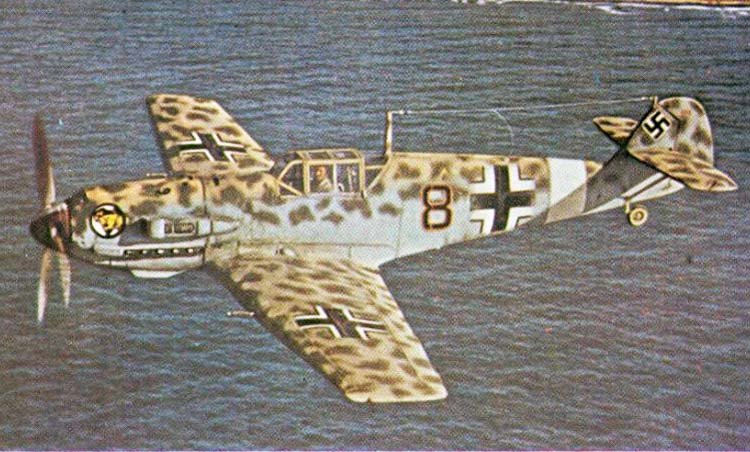 Bf.109E |
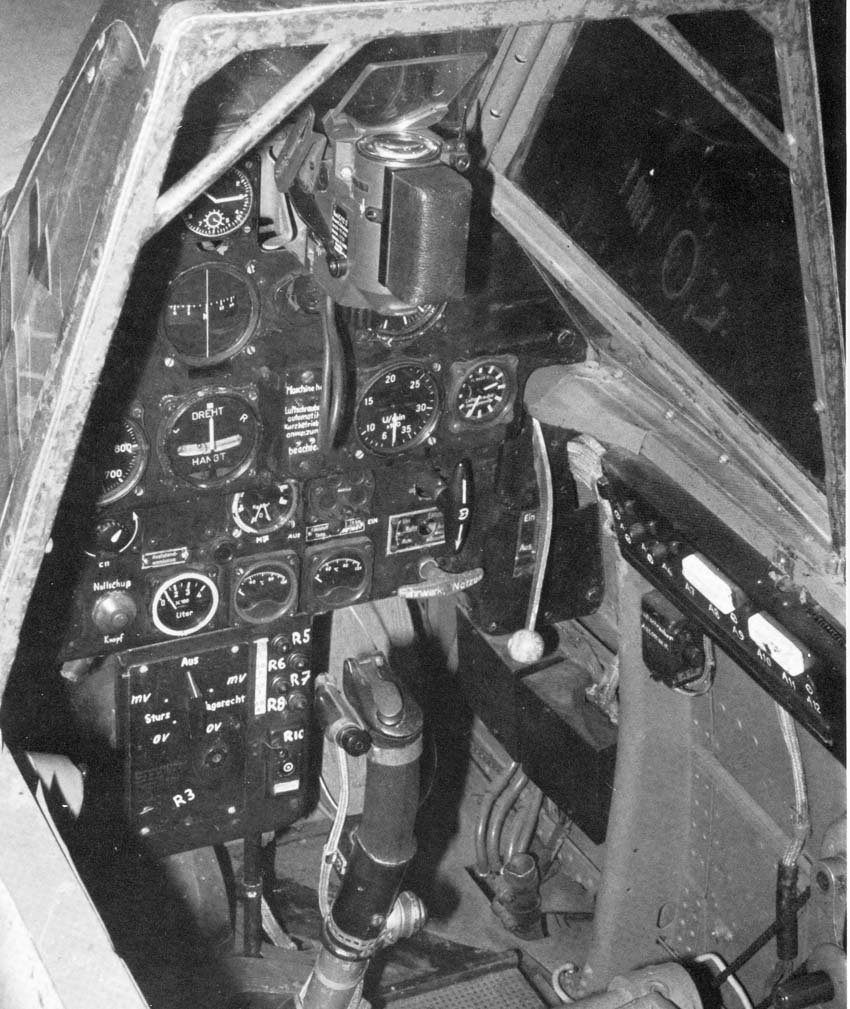 Bf.109E |
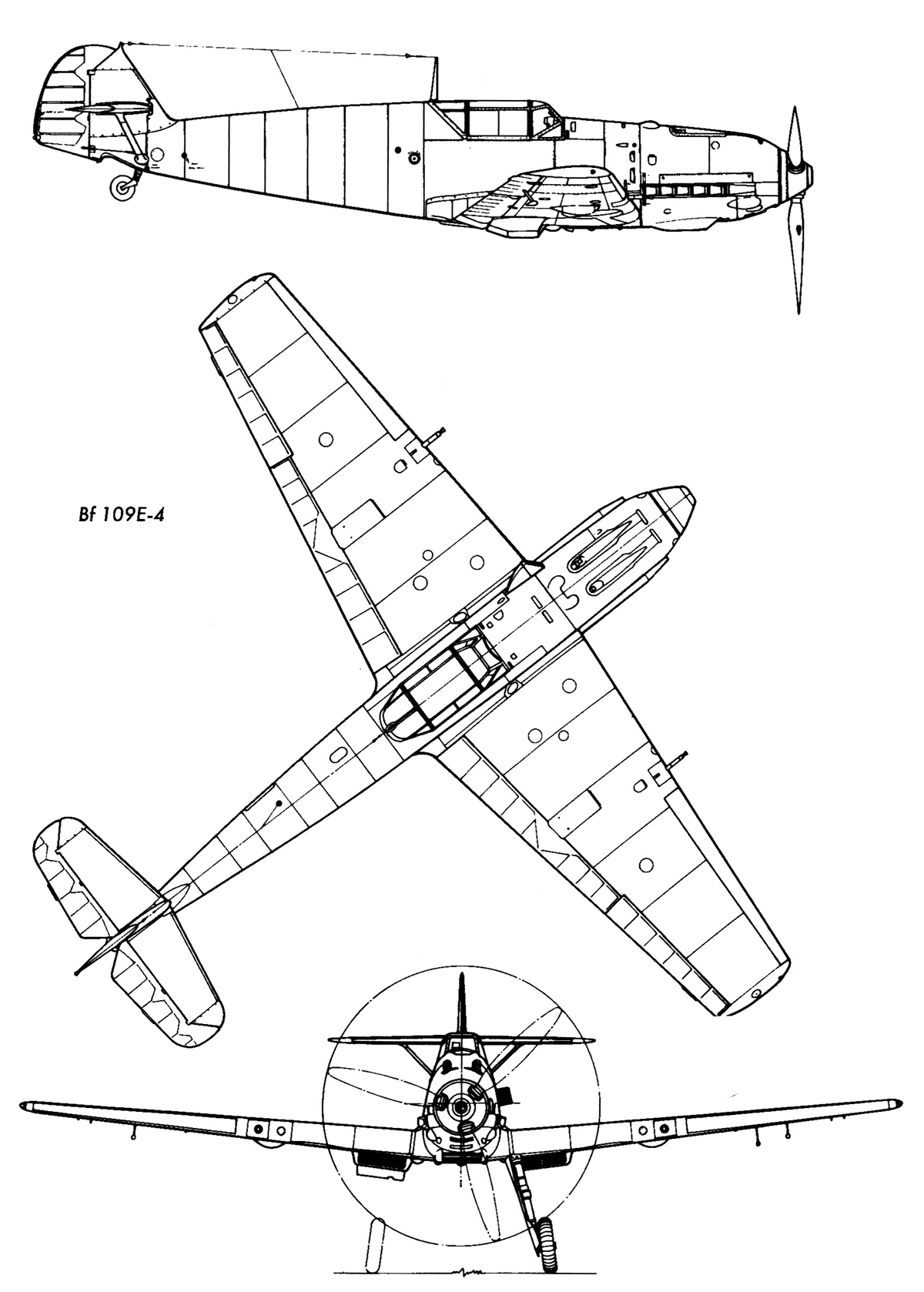 Bf.109E |
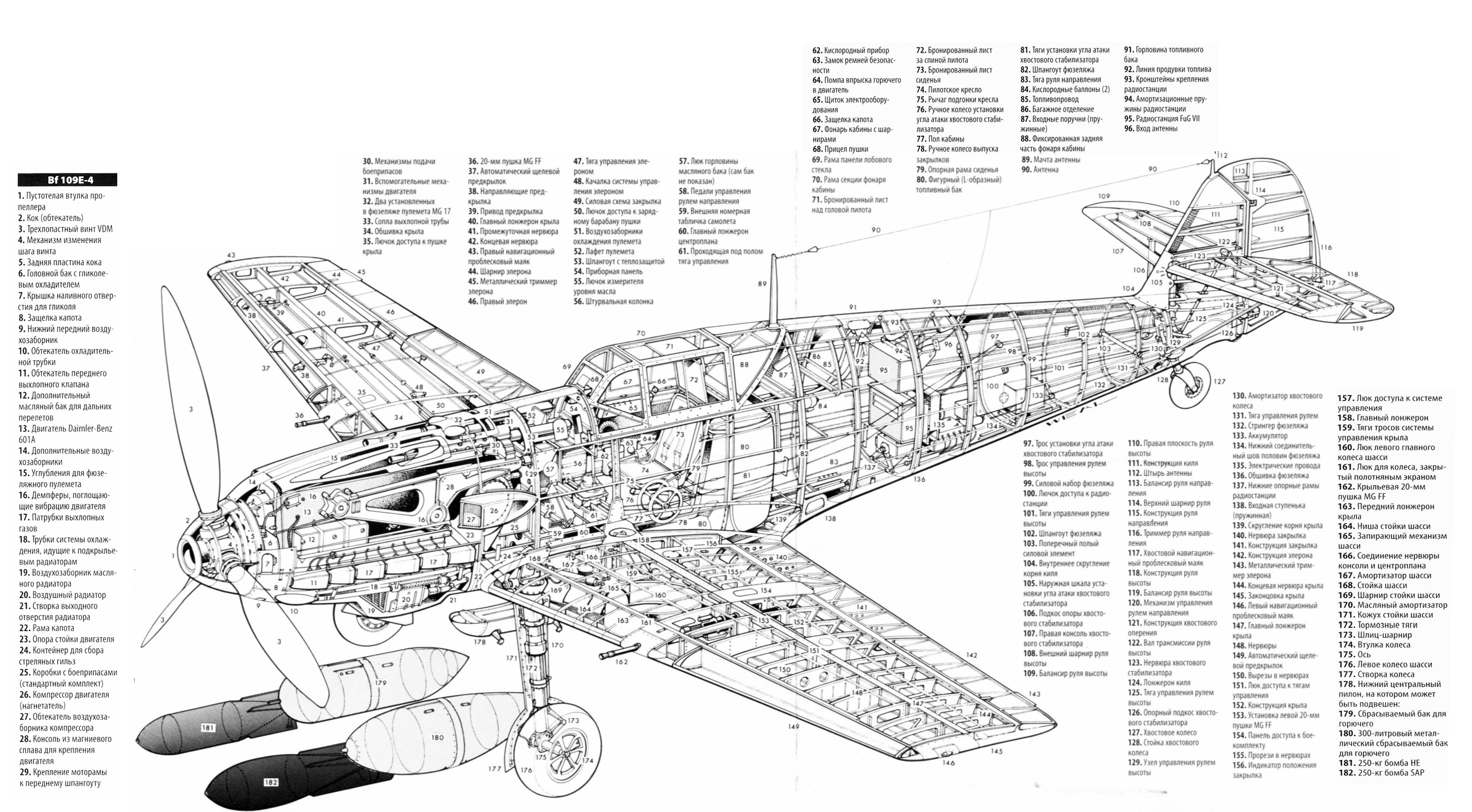 Bf.109E |
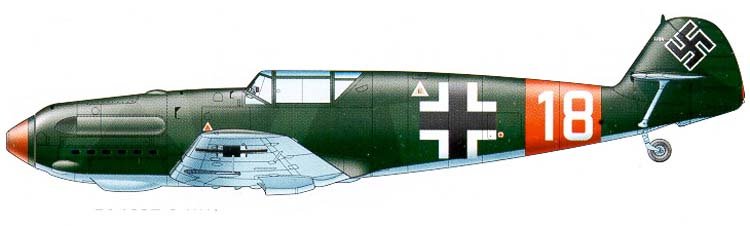 Bf.109E |
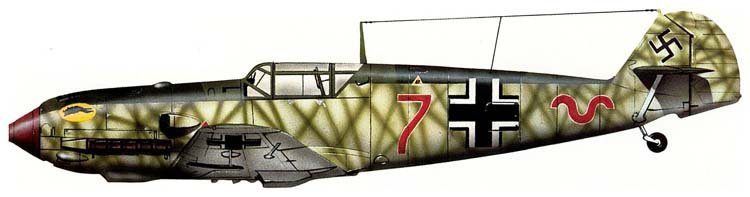 Bf.109E |
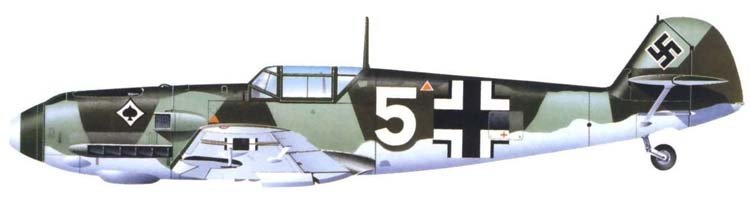 Bf.109E |
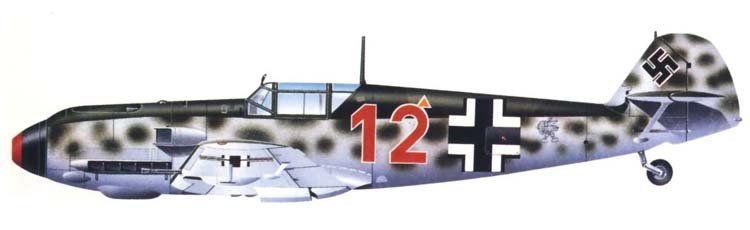 Bf.109E |
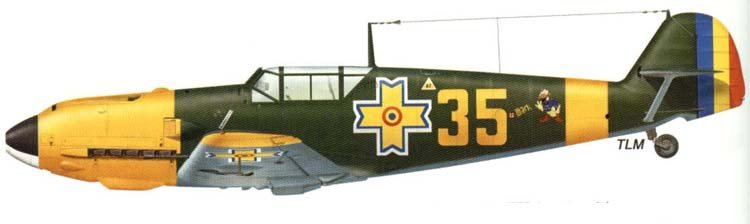 Bf.109E |
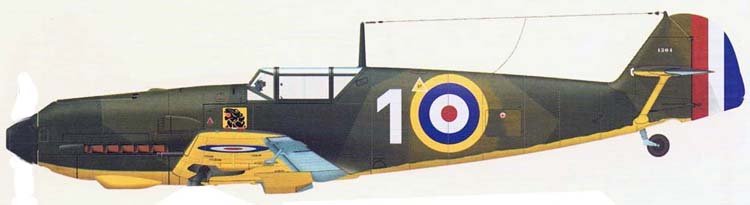 Bf.109E |
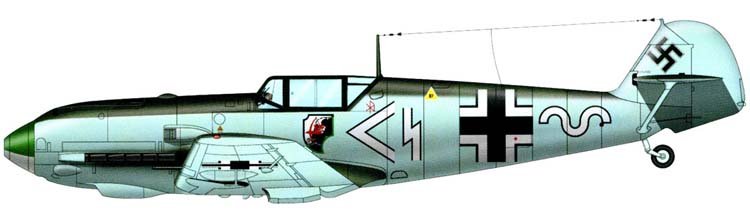 Bf.109E |
Equipo Editorial de ArchivoAéreo
Grupo de investigadores y entusiastas de la aviación dedicados a documentar y preservar la historia aeronáutica mundial. Todos los artículos son revisados para garantizar precisión histórica.
Fuentes y Rigurosidad
La información presentada en esta ficha técnica ha sido compilada a partir de manuales de vuelo desclasificados, archivos históricos y bibliografía especializada. Aunque nos esforzamos por mantener la máxima precisión, algunos datos de rendimiento pueden variar según la variante específica o las condiciones operativas.