Bf.161
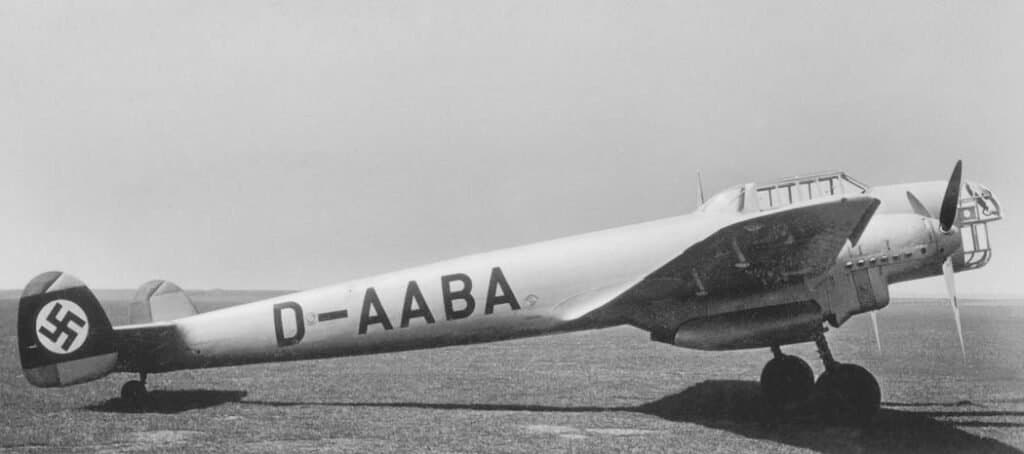
The concept of a multi-role aircraft, capable of performing as a bomber, heavy fighter, and reconnaissance platform, proved fashionable not only in France, which could rightly be considered a trendsetter in this field. Such a trend in aviation development affected all leading air powers, and Germany was no exception.
Origins of the Multi-role Concept
In accordance with a 1934 specification for an aircraft of this class, the Bayerische Flugzeugwerke firm developed the twin-engine multi-role fighter Bf.110, adopted the following year and serving throughout the war. While its development was underway, Luftwaffe requirements significantly changed. There was now a need to create a more specialized fast bomber that could also be used for reconnaissance.
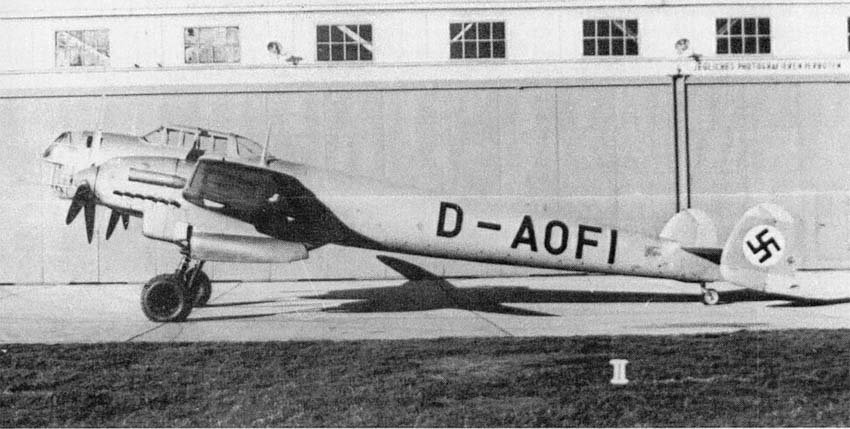
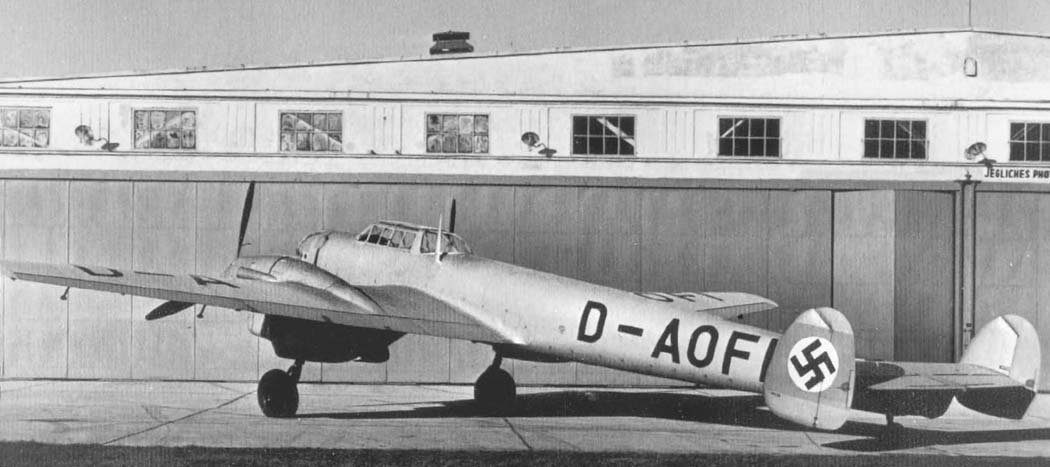
The early success during the trials of the Bf.110 heavy fighter allowed Bayerische Flugzeugwerke to quickly prepare technical documentation for a reconnaissance variant, designated as the Bf.161.
Development and Design of the Bf.161
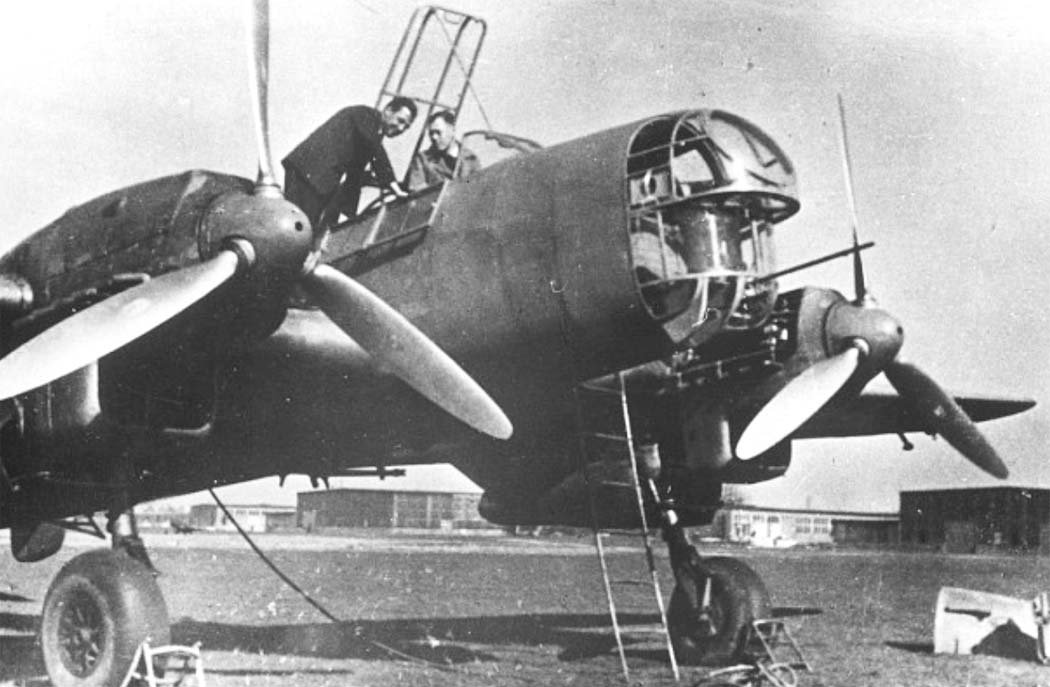
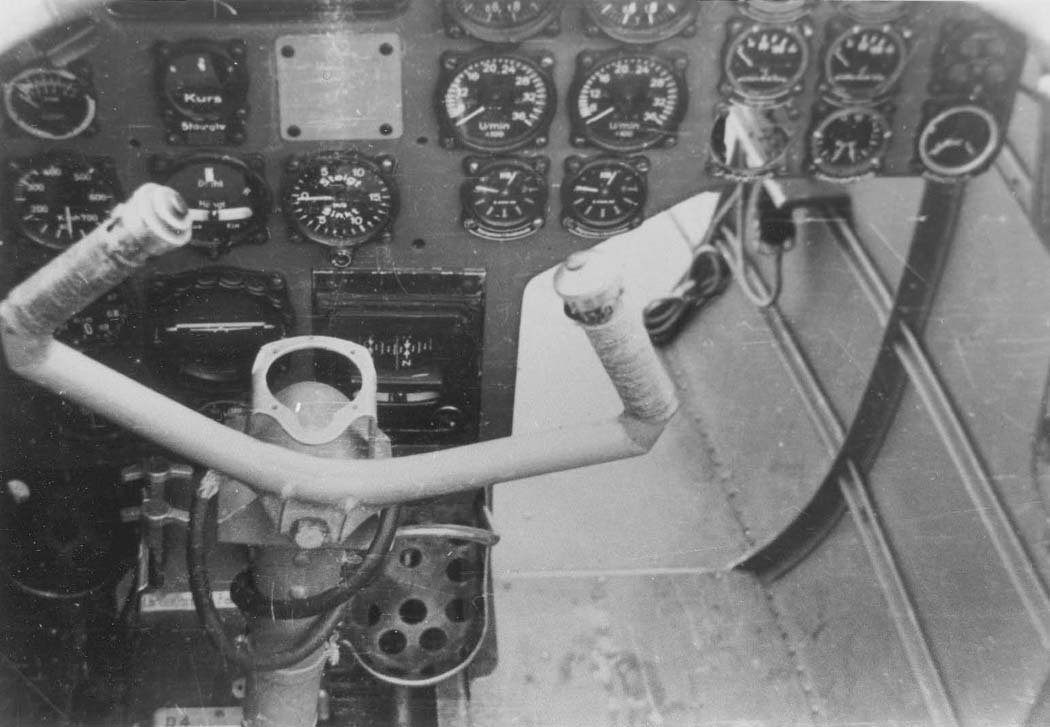
The aircraft was built incorporating data obtained from the “one-ten” trials and generally resembled its prototype. The reconnaissance aircraft received the wing from the Bf.110B with virtually no changes. However, the central and rear fuselage sections, as well as the engine-propeller group, were borrowed from the Bf.162 bomber, which was being built in parallel. Instead of a bomb bay, the Bf.161 was fitted with a photographic camera or an additional fuel tank. The aircraft’s crew consisted of 2-3 people, accommodated in a common cockpit in the forward fuselage section.
Testing and Fate of the Prototypes
The first reconnaissance prototype, the Bf.161V-1 (D-AABA), took to the air in spring 1938 – a year after the start of trials for the Bf.162 fast bomber, whose program had a higher priority. The conducted tests did not reveal any definite advantages over the existing Bf.110C, which could perform the same functions without significant redesign or disruption to serial production.
The Bf.161V-2 prototype, built the same year with a revised nose section, also failed to gain support. In 1939, the first prototype was sent to the test center in Rechlin. The second experimental aircraft was initially transferred to the center in Augsburg, and later moved to Peenemünde-West, where rocket technology tests were conducted, specifically for the Me-163A rocket interceptor.
Technical Specifications
| Modification | Bf 161 V1 |
| Wingspan, m | 16.69 |
| Length, m | 12.85 |
| Height, m | 3.64 |
| Wing area, m2 | 38.50 |
| Normal takeoff weight | 4869 |
| Maximum takeoff weight | 5521 |
| Engine type | 2 Piston engines Junkers Jumo 210E (Daimler-Benz DB 600Aa) |
| Power, hp | 2 x 979 (986) |
| Speed at sea level, km/h | 437 |
| Speed at altitude, km/h | 486 |
| Cruising speed, km/h | 423 |
| Practical range, km | 870 |
| Maximum rate of climb, m/min | 576 |
| Service ceiling, m | 8100 |
| Crew | 3 |
| Armament | one 7.9-mm MG 15 machine gun on a flexible mount in the rear of the cockpit; |
Image and diagram gallery of the Bf.161
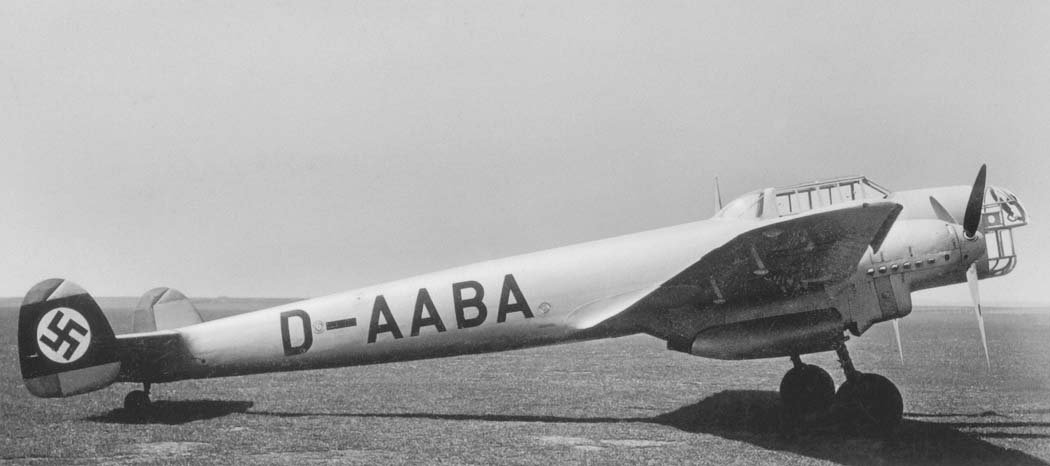 Bf.161 |
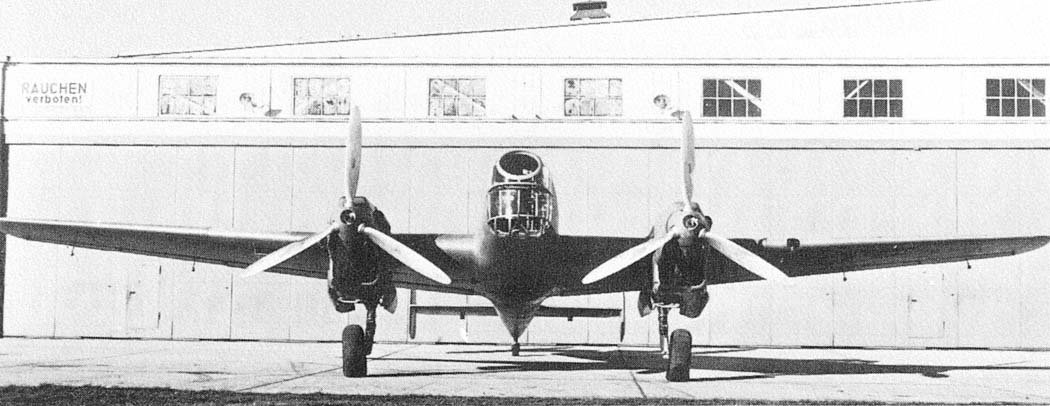 Bf.161 |
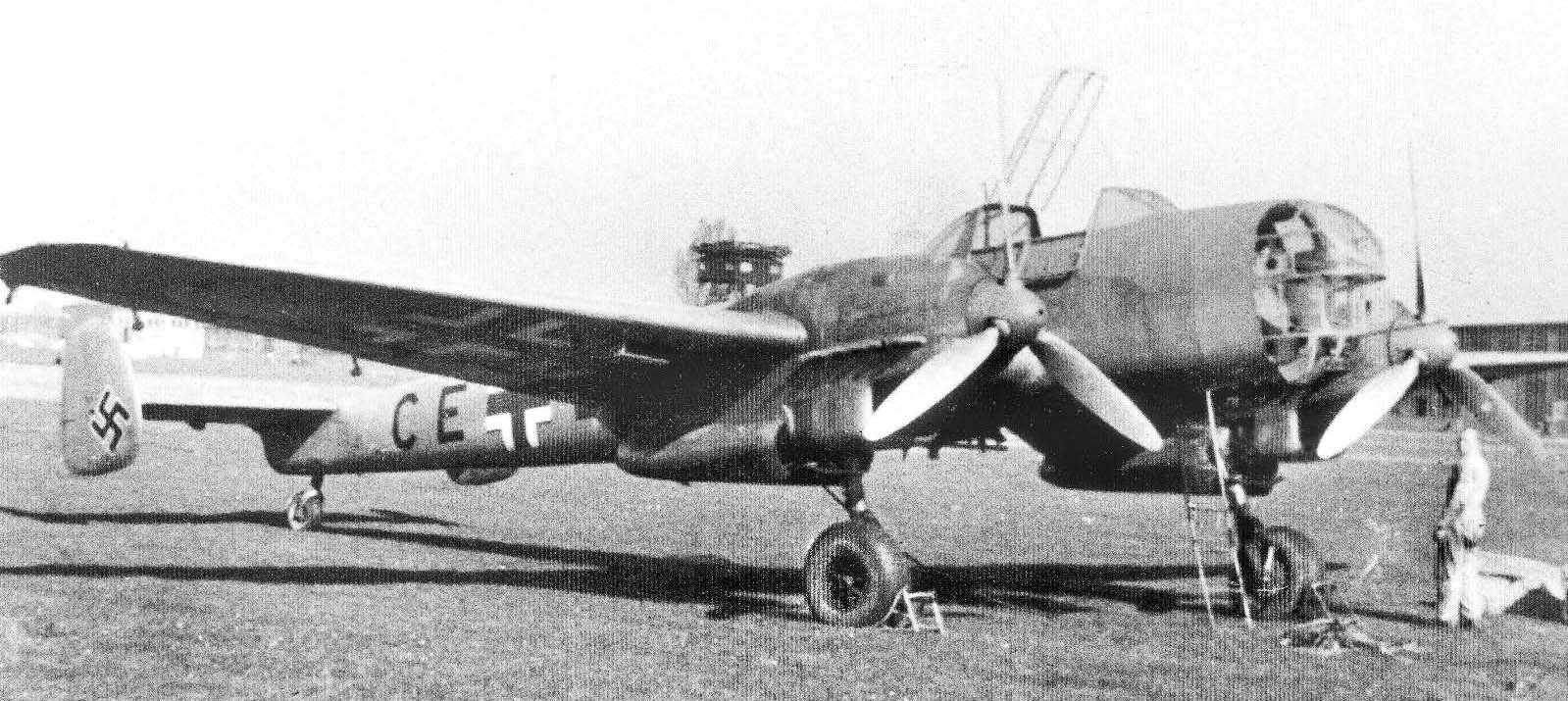 Bf.161 |
 Bf.161 |
 Bf.161 |
 Bf.161 |
 Bf.161 |
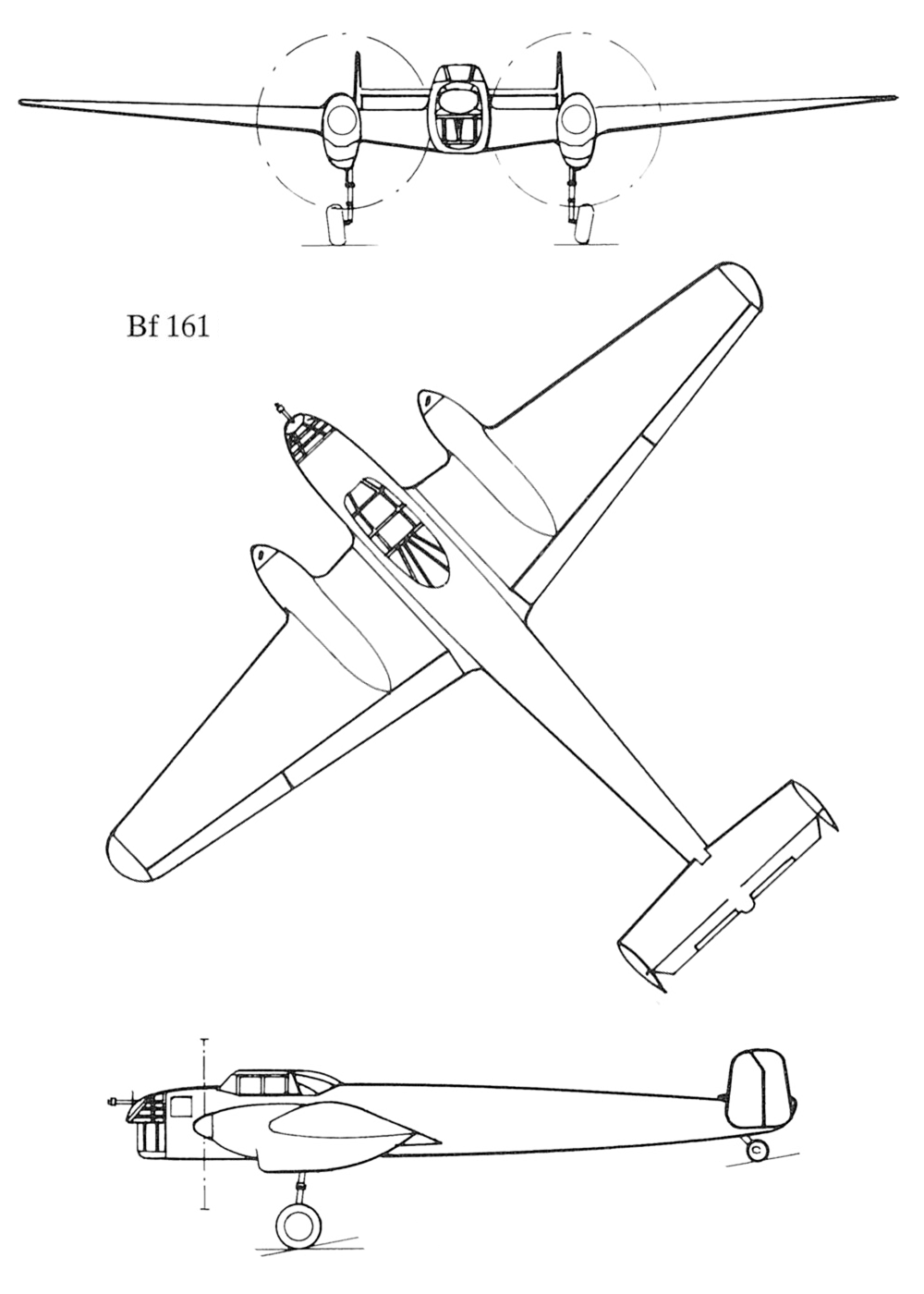 Bf.161 |
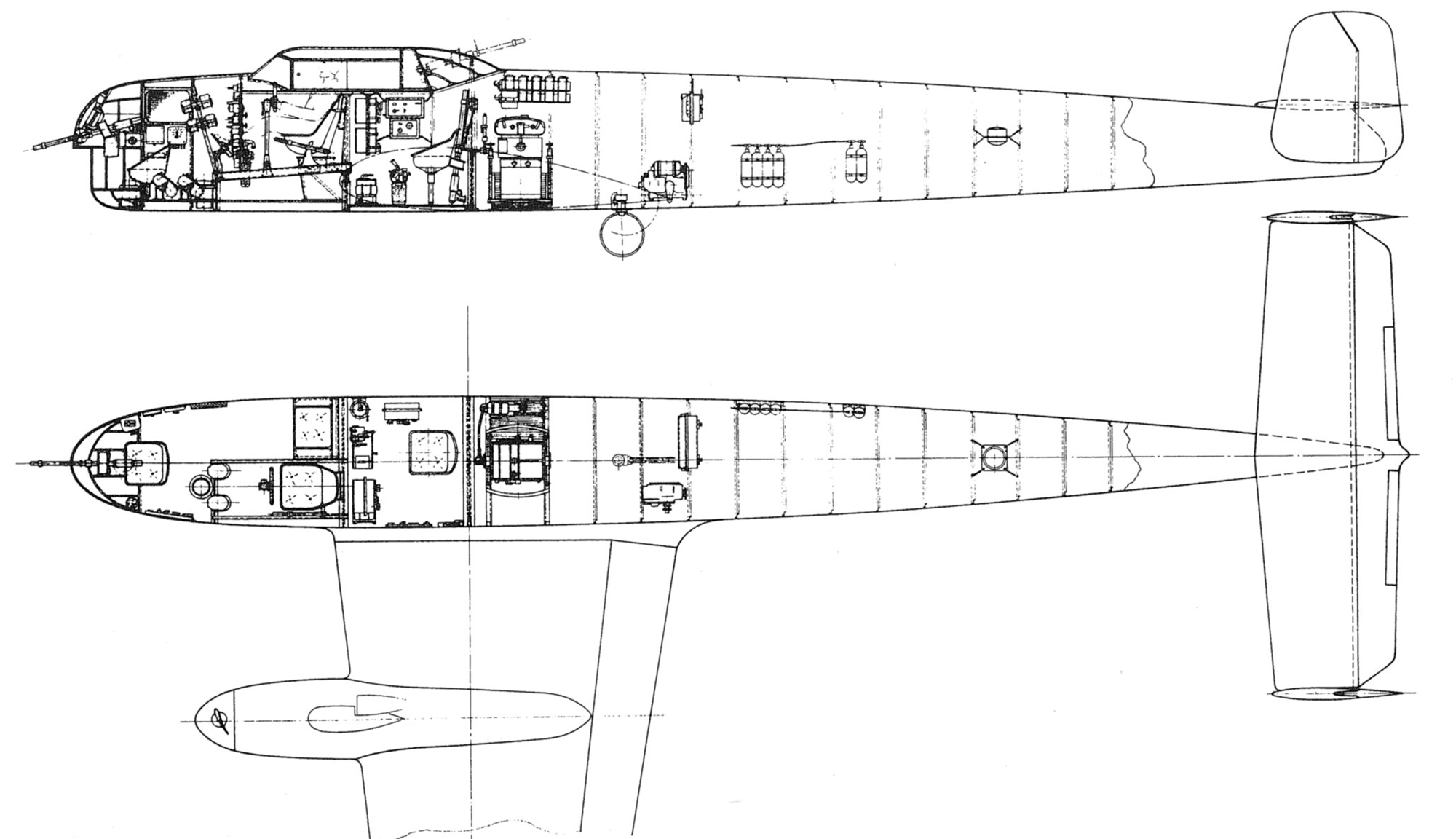 Bf.161 |
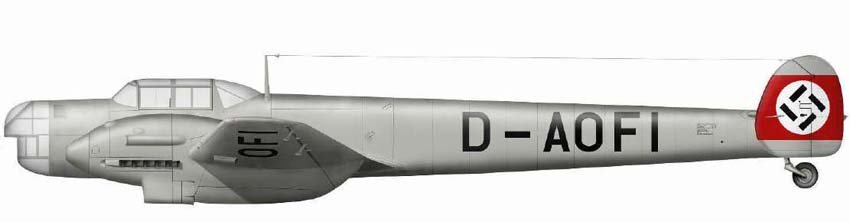 Bf.161 |
Equipo Editorial de ArchivoAéreo
Grupo de investigadores y entusiastas de la aviación dedicados a documentar y preservar la historia aeronáutica mundial. Todos los artículos son revisados para garantizar precisión histórica.
Fuentes y Rigurosidad
La información presentada en esta ficha técnica ha sido compilada a partir de manuales de vuelo desclasificados, archivos históricos y bibliografía especializada. Aunque nos esforzamos por mantener la máxima precisión, algunos datos de rendimiento pueden variar según la variante específica o las condiciones operativas.