BFW-1 Sperber
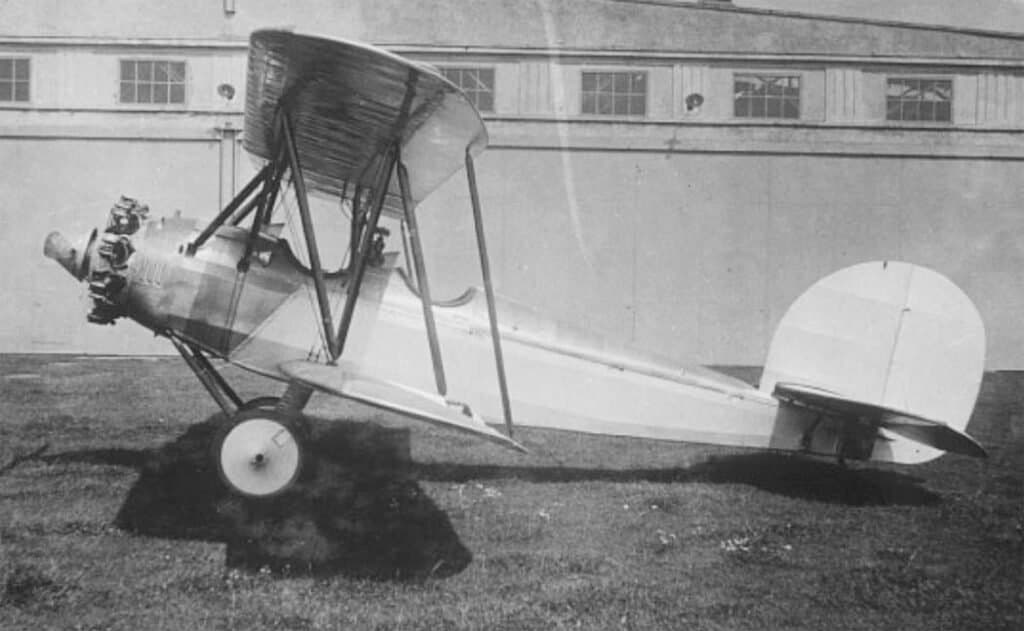
In 1926, the joint-stock aviation company Bayerischen Flugzeugwerke (BFW) was established in Munich. Shareholders included the German Ministry of Transport, the government of the Bavarian Republic, and the banking house Merck, Finck und Co. BFW acquired the bankrupt firm Udet-Flugzeugbau GmbH, along with the rights to its aircraft.
BFW’s first steps involved the production of the already popular Udet U-12a and U-12b Flamingo aircraft models. This acquisition was crucial for launching their operations and establishing their production capabilities in the German aviation industry.
Strategic Merger with Messerschmitt
At the same time, another state-owned company existed in Bavaria: Messerschmitt Flugzeugbau GmbH. The Ministry of Transport considered subsidizing two firms to be too wasteful and initiated negotiations to merge them. The result of these talks was a merger where BFW was to produce aircraft developed by Messerschmitt Flugzeugbau.
BFW also purchased the production rights for the M-17 and M-18 aircraft from Messerschmitt. All production facilities were relocated to Augsburg in 1927, consolidating their operations and paving the way for further innovations.
The BFW-1 Sperber: An Innovative Design
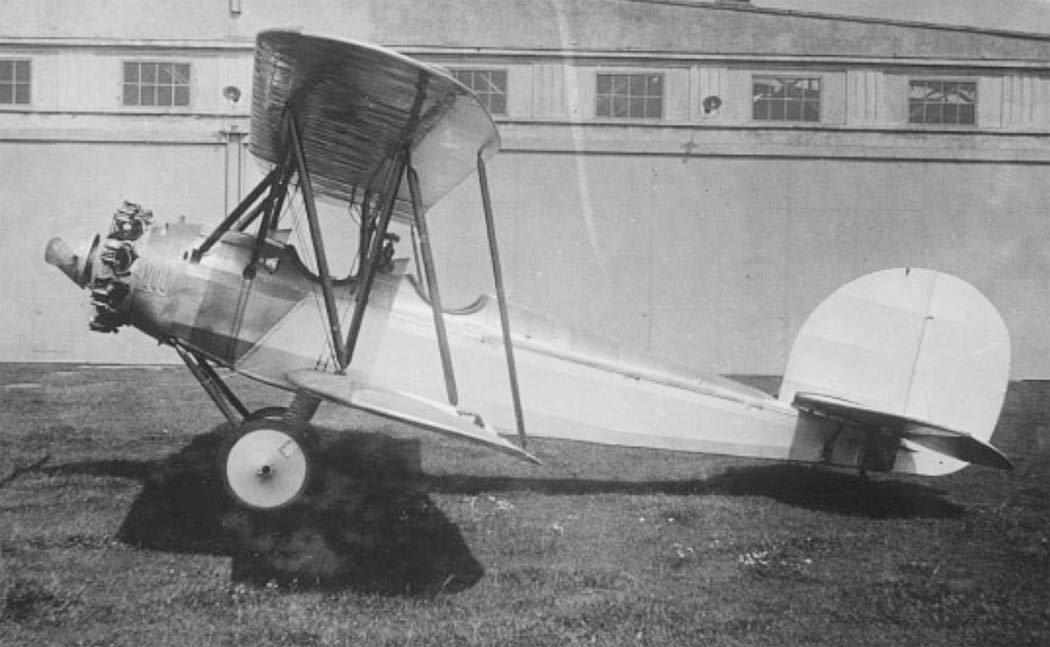
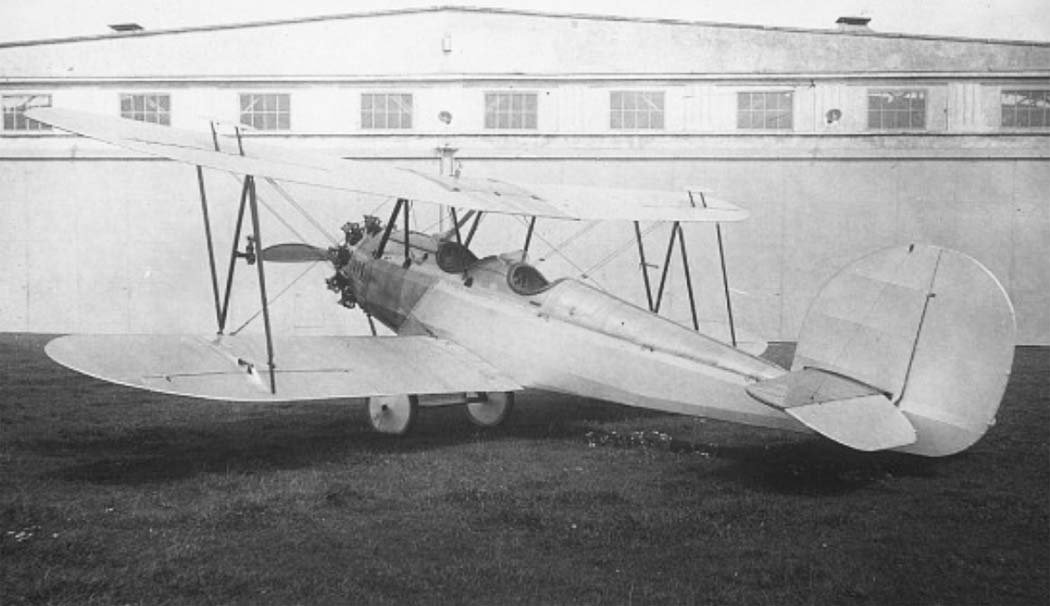
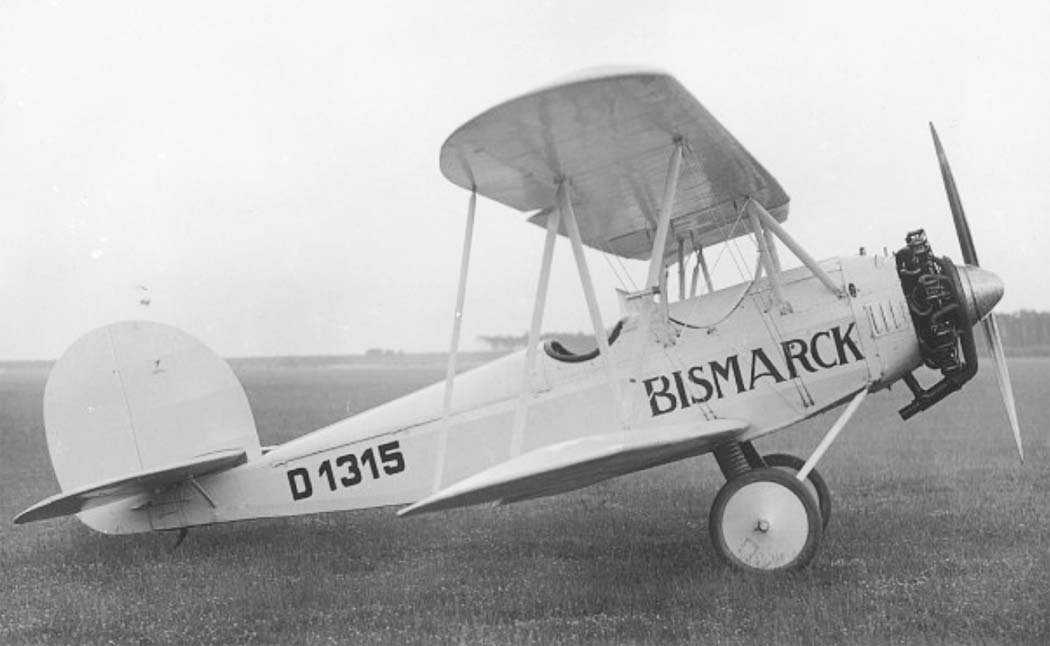
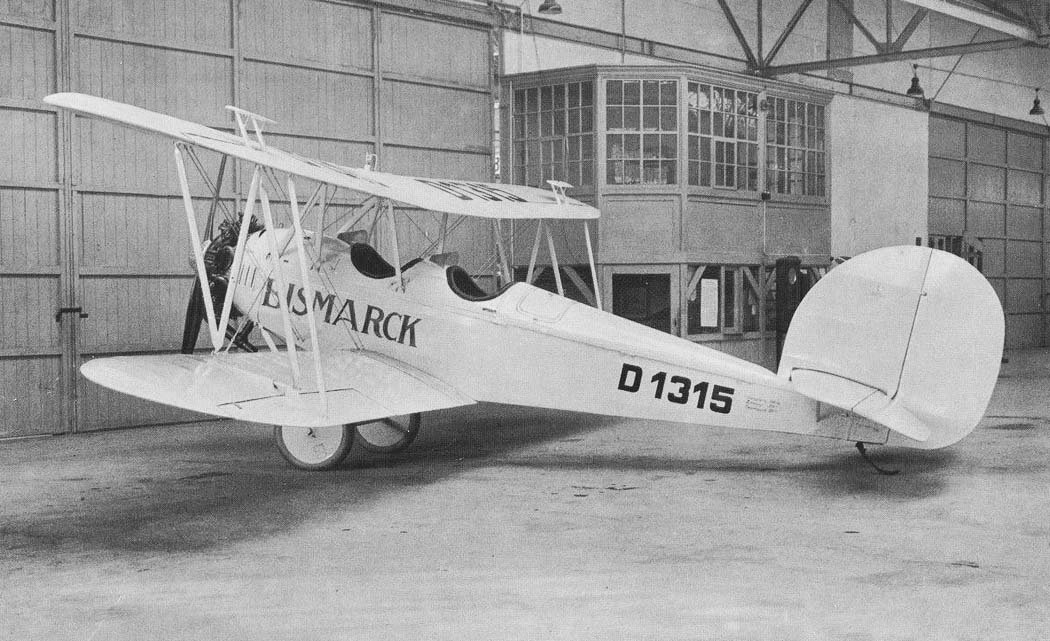
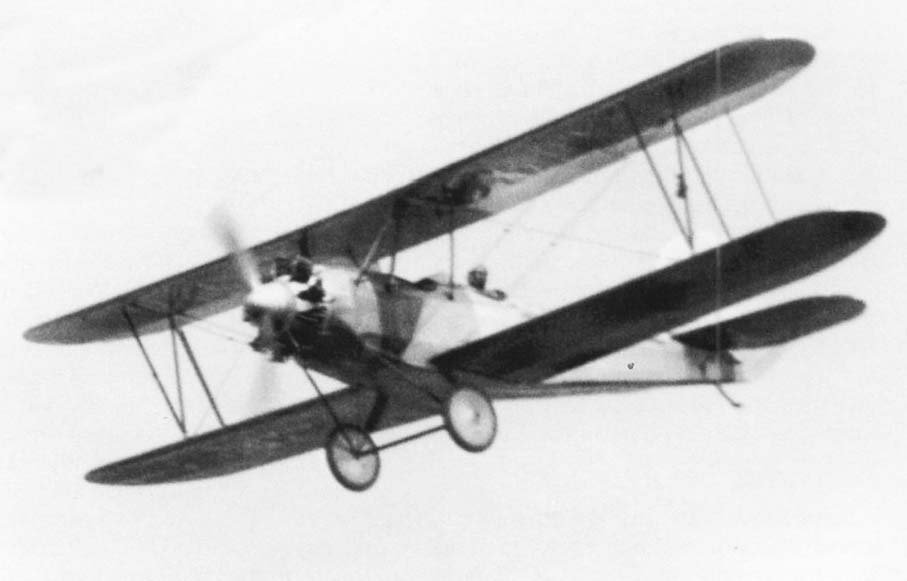
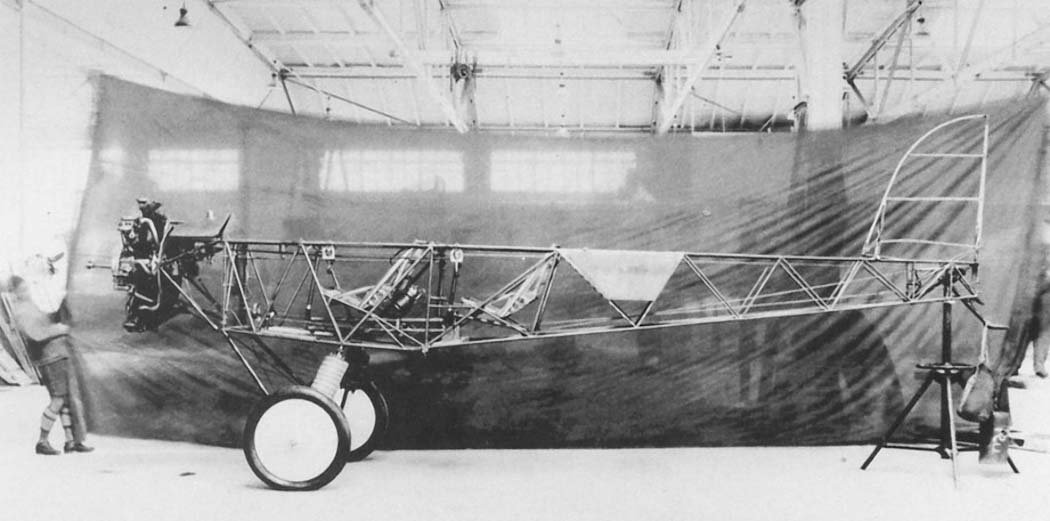
The first fruits of this joint venture were the BFW-1 and BFW-3 aircraft. The BFW-1 Sperber was a modified U-12b Flamingo, distinguished by its new fuselage. The frame of this fuselage was made from steel tubes, which provided greater robustness to the design.
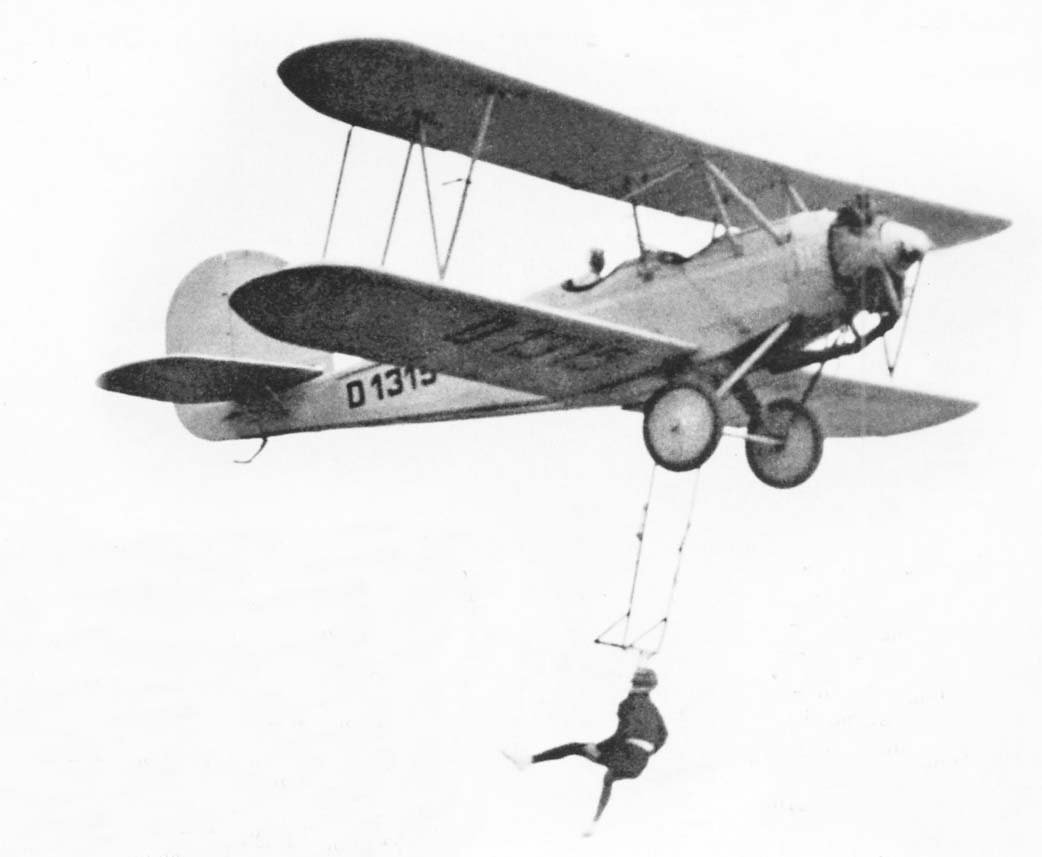
The first flight of the aircraft, equipped with a Siemens Halske Sh 12 engine, took place in the autumn of 1927. Initially, the aircraft was transferred to DVS, receiving registration number D-1315. Subsequently, it was acquired by Alexander von Bismarck, who performed with it at various airshows, demonstrating its capabilities and agility. Ultimately, the BFW-1 Sperber was sold to Prince zu Schaumburg-Lippe, continuing its notable journey in private hands. This aircraft marked an important milestone in the collaboration between BFW and Messerschmitt, showcasing the potential of their union.
Technical Specifications
| Modification | BFW-1 |
| Wingspan, m | 10.00 |
| Length, m | 7. 11 |
| Height, m | 2.82 |
| Wing area, m2 | 24.00 |
| Empty weight | 670 |
| Normal takeoff weight | 900 |
| Engine type | 1 Piston engine Siemens Sh 12 |
| Power, hp | 1 х 125 |
| Maximum speed, km/h | 137 |
| Cruising speed, km/h | 110 |
| Practical range, km | 400 |
| Service ceiling, m | 3600 |
| Crew | 2 |
Image and diagram gallery of the BFW-1 Sperber
 BFW-1 Sperber |
 BFW-1 Sperber |
 BFW-1 Sperber |
 BFW-1 Sperber |
 BFW-1 Sperber |
 BFW-1 Sperber |
 BFW-1 Sperber |
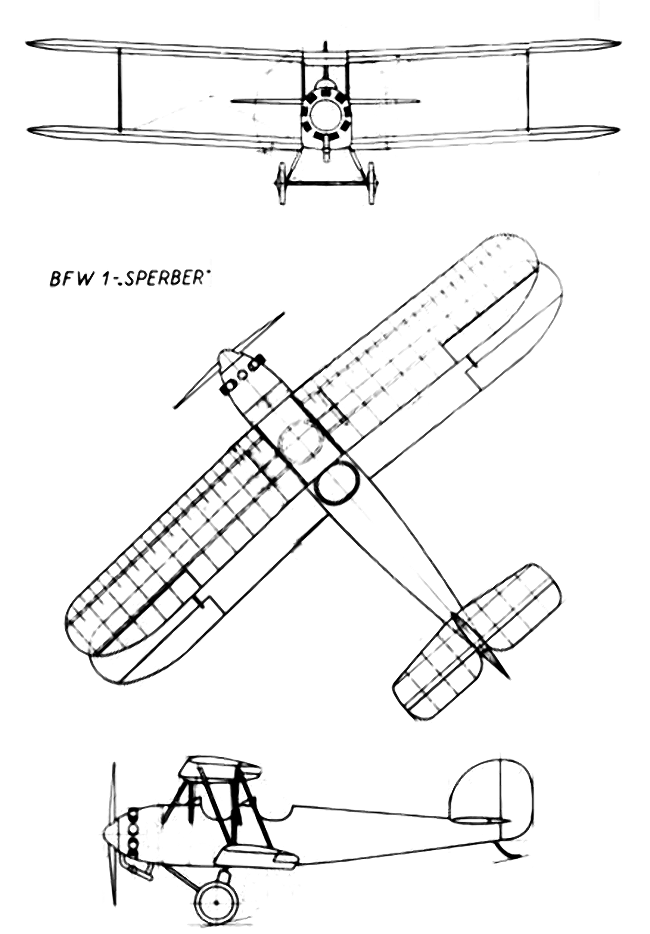 BFW-1 Sperber |
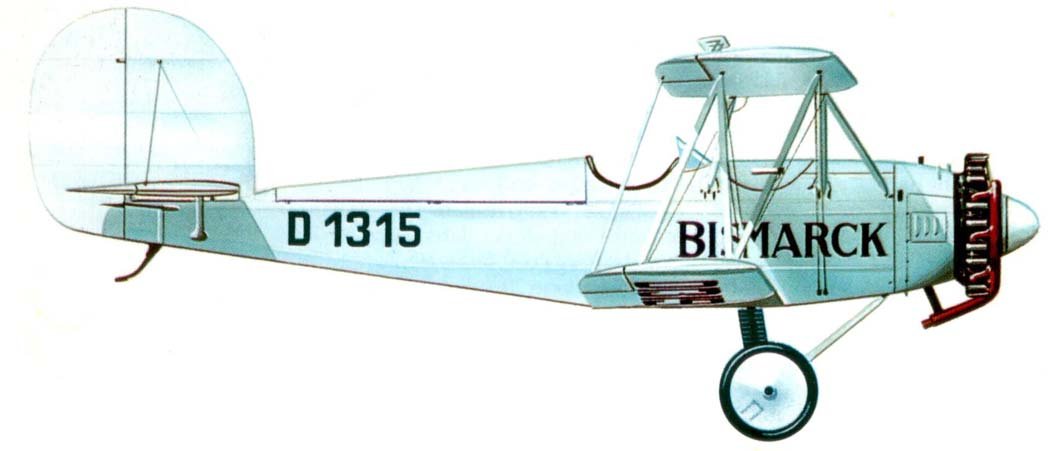 BFW-1 Sperber |
Equipo Editorial de ArchivoAéreo
Grupo de investigadores y entusiastas de la aviación dedicados a documentar y preservar la historia aeronáutica mundial. Todos los artículos son revisados para garantizar precisión histórica.
Fuentes y Rigurosidad
La información presentada en esta ficha técnica ha sido compilada a partir de manuales de vuelo desclasificados, archivos históricos y bibliografía especializada. Aunque nos esforzamos por mantener la máxima precisión, algunos datos de rendimiento pueden variar según la variante específica o las condiciones operativas.