BFW-3 Marabu
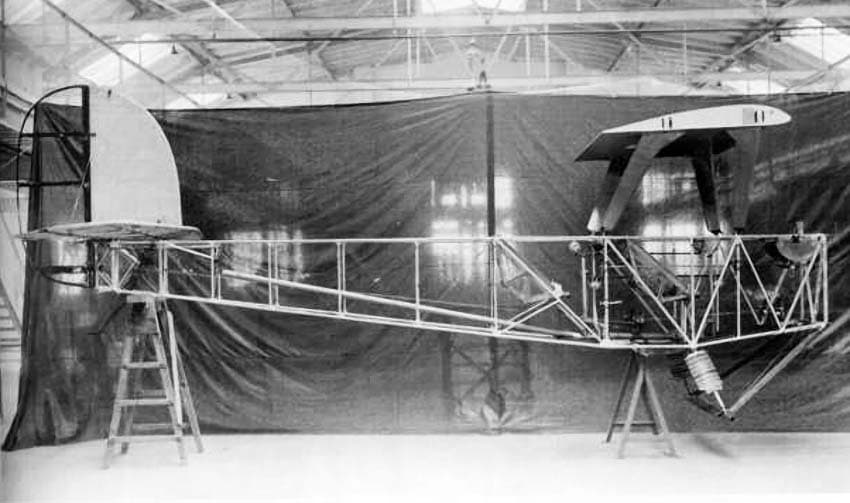
Origins and Design
Following the successful launch of its first proprietary aircraft, the BFW-1 Sperber, the Bayerischen Flugzeugwerke company further expanded its range. They subsequently manufactured another light multi-purpose aircraft, the BFW-3 Marabu. This new model built upon the company’s growing expertise in aircraft development.
Like its predecessor, the BFW-1, the Marabu was essentially a modified version of the U-12b Flamingo. However, the BFW-3 distinguished itself with a key difference: it featured a less powerful engine and a consequently reduced overall mass, aiming for potentially different operational characteristics or a lighter class.
Technical Specifications
The BFW-3 Marabu was powered by a Siemens Halske Sh 12 engine, capable of generating 86 horsepower. This engine choice contributed to its lighter design compared to the U-12b Flamingo it was based on.
Maiden Flight and Service
The aircraft’s inaugural flight, showcasing its new engine configuration and lighter build, took place in late 1927. After successfully completing its comprehensive trials, the BFW-3 Marabu was officially assigned the registration number D-925. It was subsequently delivered to the DVL (Deutsche Versuchsanstalt für Luftfahrt – German Aviation Research Institute) in August 1928 for further evaluation and service.
Technical Specifications
| Modification | BFW-3 |
| Wingspan, m | 10.00 |
| Length, m | 7.50 |
| Height, m | 2. 60 |
| Wing area, m2 | 24.00 |
| Empty weight | 529 |
| Normal takeoff weight | 800 |
| Engine type | 1 Piston engine Siemens Sh 11 |
| Power, hp | 1 x 86 |
| Maximum speed, km/h | 136 |
| Cruising speed, km/h | 108 |
| Practical range, km | 500 |
| Practical ceiling, m | 3300 |
| Crew | 2 |
Image and diagram gallery of the BFW-3 Marabu
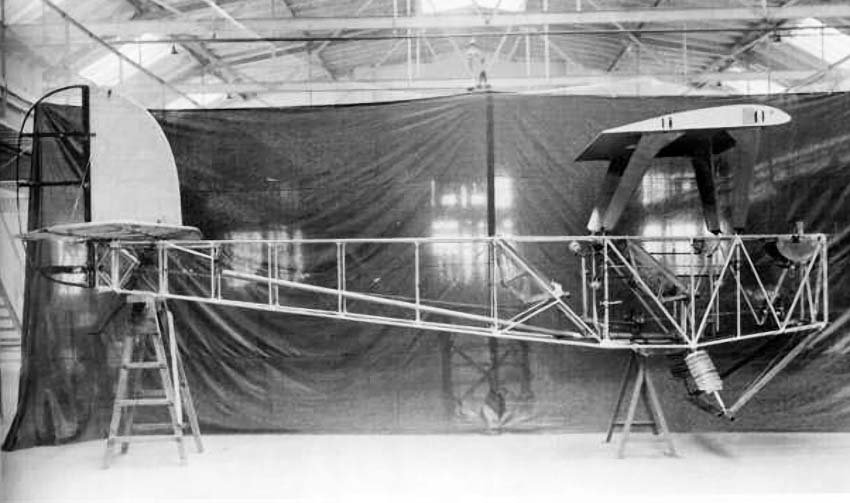 BFW-3 Marabu |
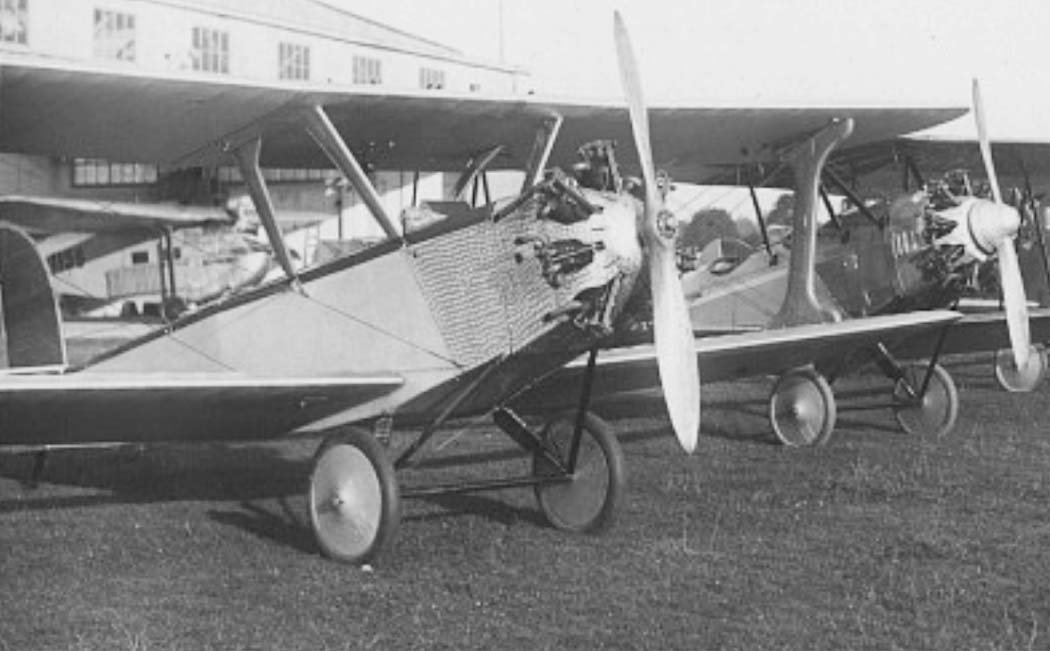 BFW-3 Marabu |
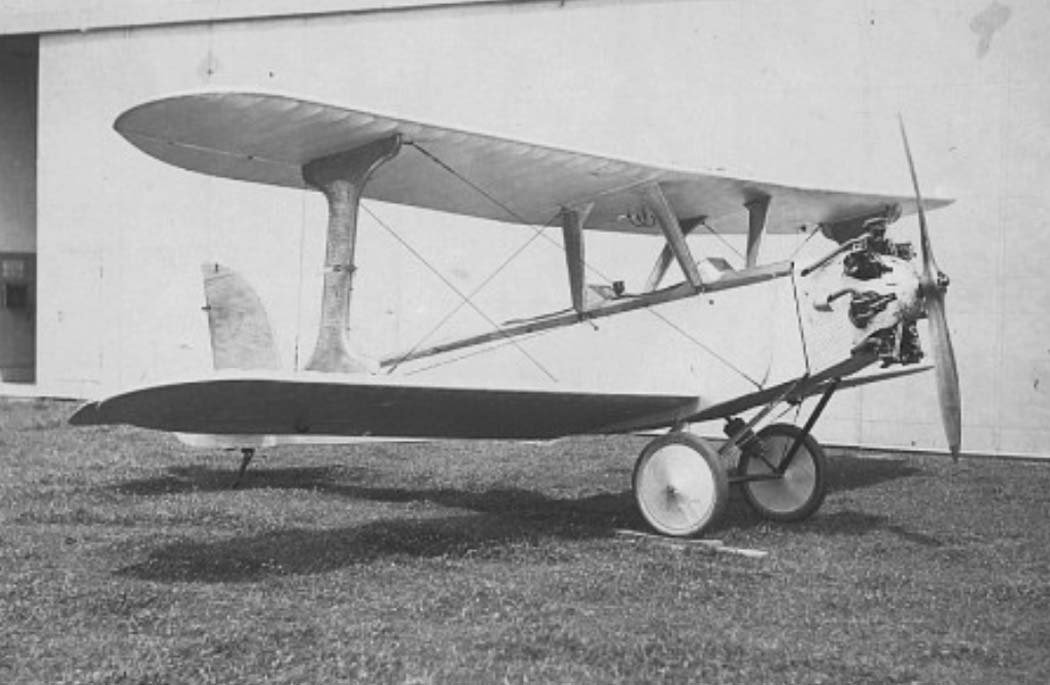 BFW-3 Marabu |
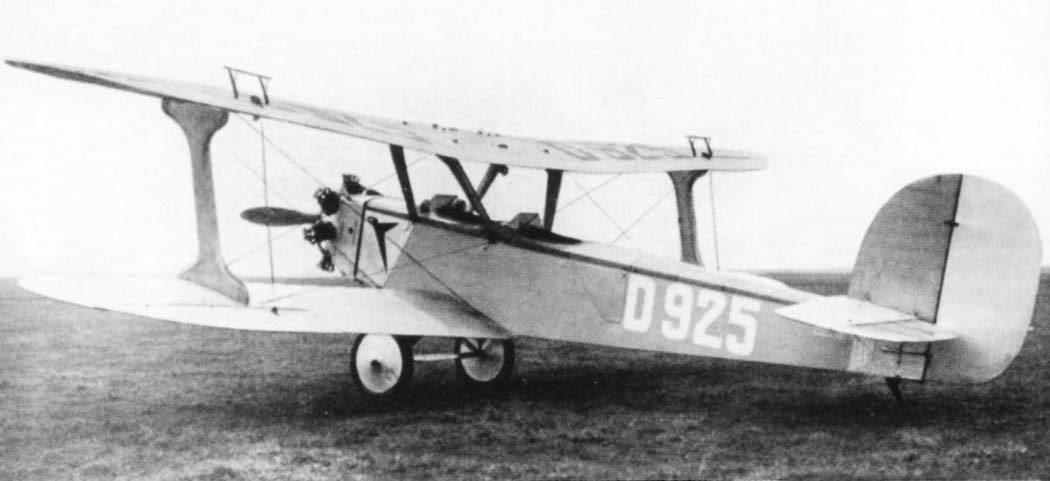 BFW-3 Marabu |
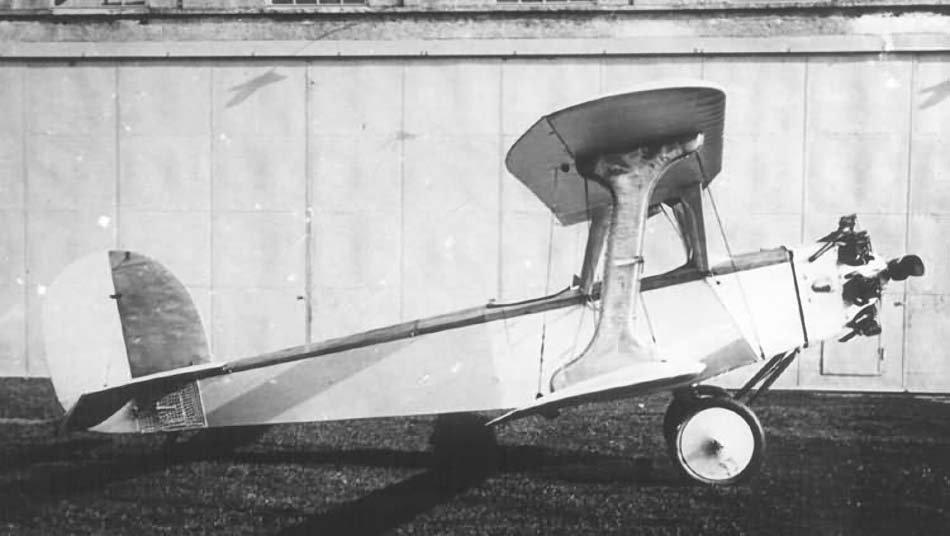 BFW-3 Marabu |
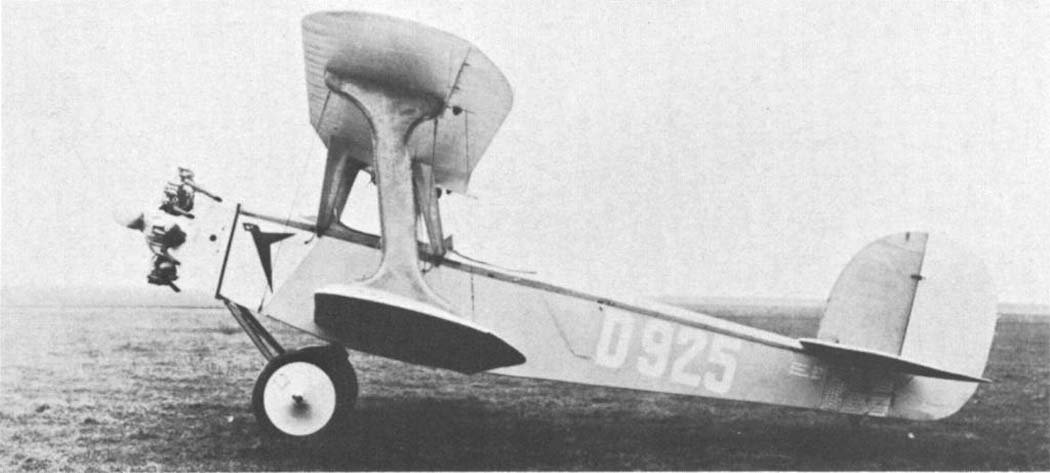 BFW-3 Marabu |
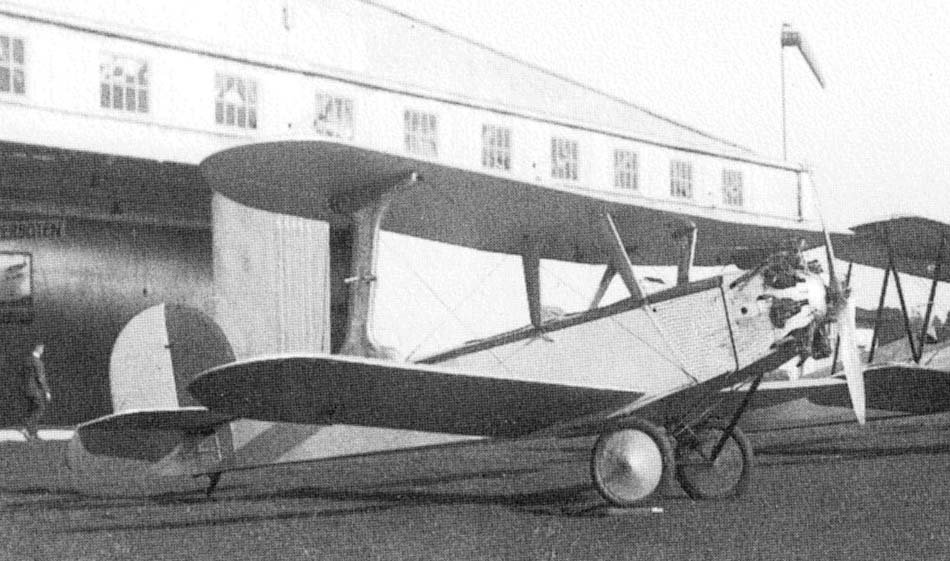 BFW-3 Marabu |
Equipo Editorial de ArchivoAéreo
Grupo de investigadores y entusiastas de la aviación dedicados a documentar y preservar la historia aeronáutica mundial. Todos los artículos son revisados para garantizar precisión histórica.
Fuentes y Rigurosidad
La información presentada en esta ficha técnica ha sido compilada a partir de manuales de vuelo desclasificados, archivos históricos y bibliografía especializada. Aunque nos esforzamos por mantener la máxima precisión, algunos datos de rendimiento pueden variar según la variante específica o las condiciones operativas.