BFW N.I
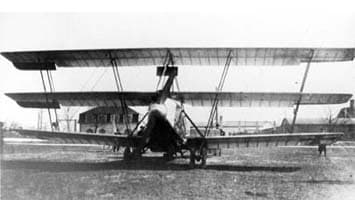
In August 1917, Idflieg commissioned the Munich-based firm Bayrische Flugzeugwerke (BFW) to construct a prototype night bomber. This aircraft was specified to be equipped with a single Mercedes D.IVa engine and capable of carrying up to 500 kilograms of bombs.
However, the development and construction of the BFW N.I prototype faced considerable delays. The exact date of its maiden flight is unknown, though it is understood that its testing commenced towards the end of summer 1918.
Design and Specifications
The sole N.I prototype was a two-seat, two-bay triplane. It was powered by a six-cylinder Mercedes D.IVa engine, delivering 260 hp (190 kW).
On its under-fuselage bomb racks, the bomber could carry one 300 kg bomb, two 100 kg, two 50 kg, and twelve 12 kg bombs. This brought the total bomb load to 744 kilograms, nearly 50% more than stipulated in the contract. This represented an almost record-breaking bomb load for a single-engine aircraft of its era.
An Unfinished Legacy
Unfortunately, the BFW N.I’s testing program could not be completed. Nothing further is known about the aircraft’s ultimate fate.
Technical Specifications
| Modification | N.I |
| Wingspan, m | 14.50 |
| Length, m | 9.20 |
| Height, m | 4.70 |
| Empty weight | 1500 |
| Normal takeoff weight | 2500 |
| Engine type | 1 Piston engine Benz Bz.IV |
| Power, hp | 1 x 200 |
| Crew, crew members | 2 |
| Armament | One 7.92-mm Parabellum machine gun mounted on a turret in the rear cockpit, up to 744 kg of bombs. |
Image and diagram gallery of the BFW N.I
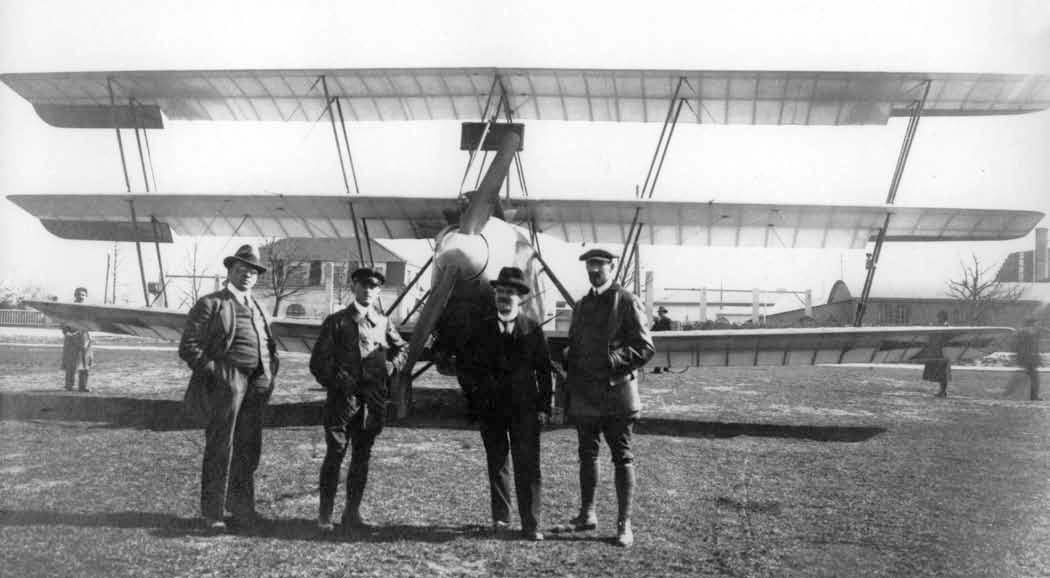 BFW N.I |
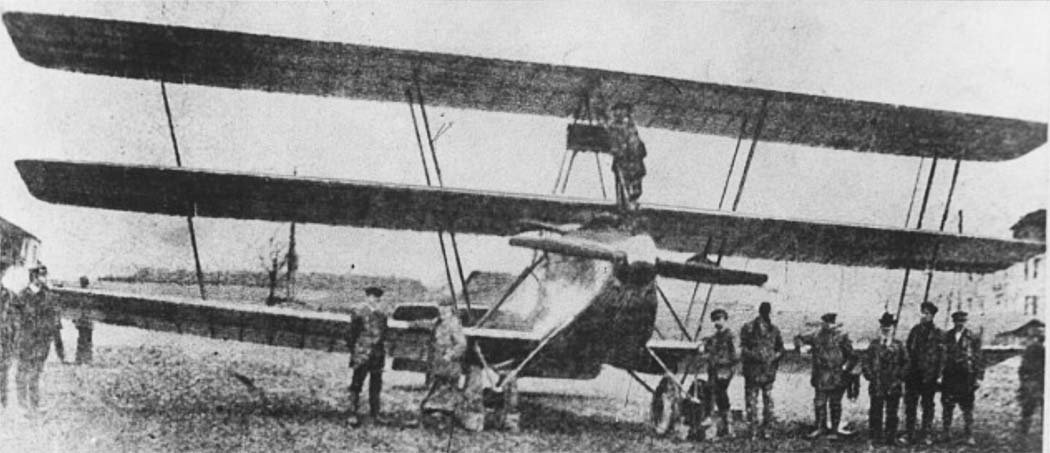 BFW N.I |
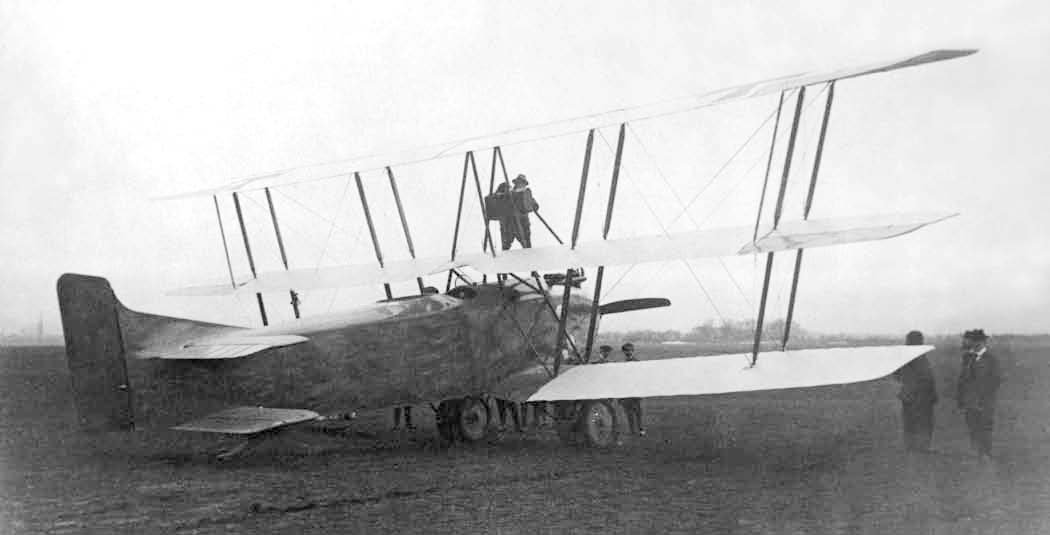 BFW N.I |
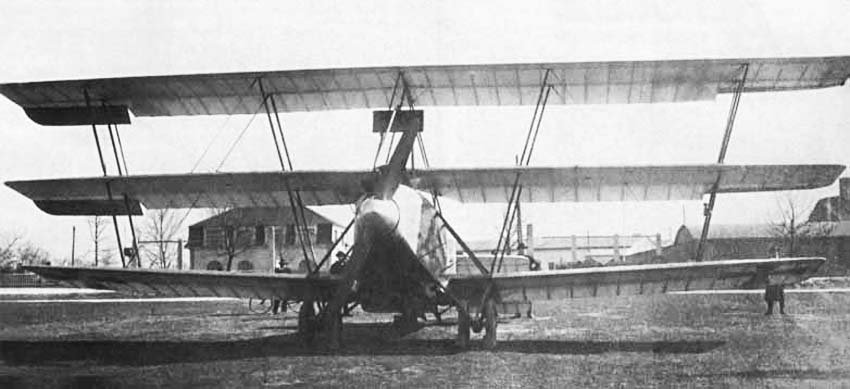 BFW N.I |
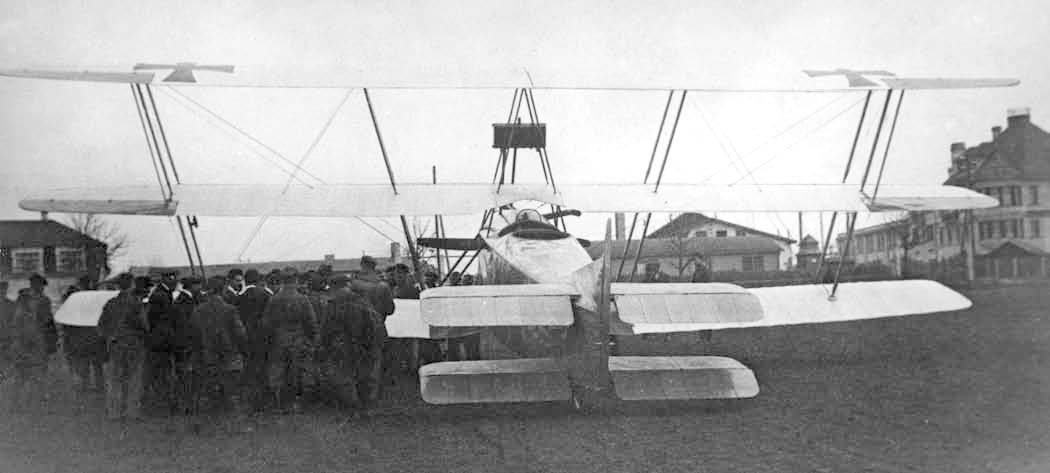 BFW N.I |
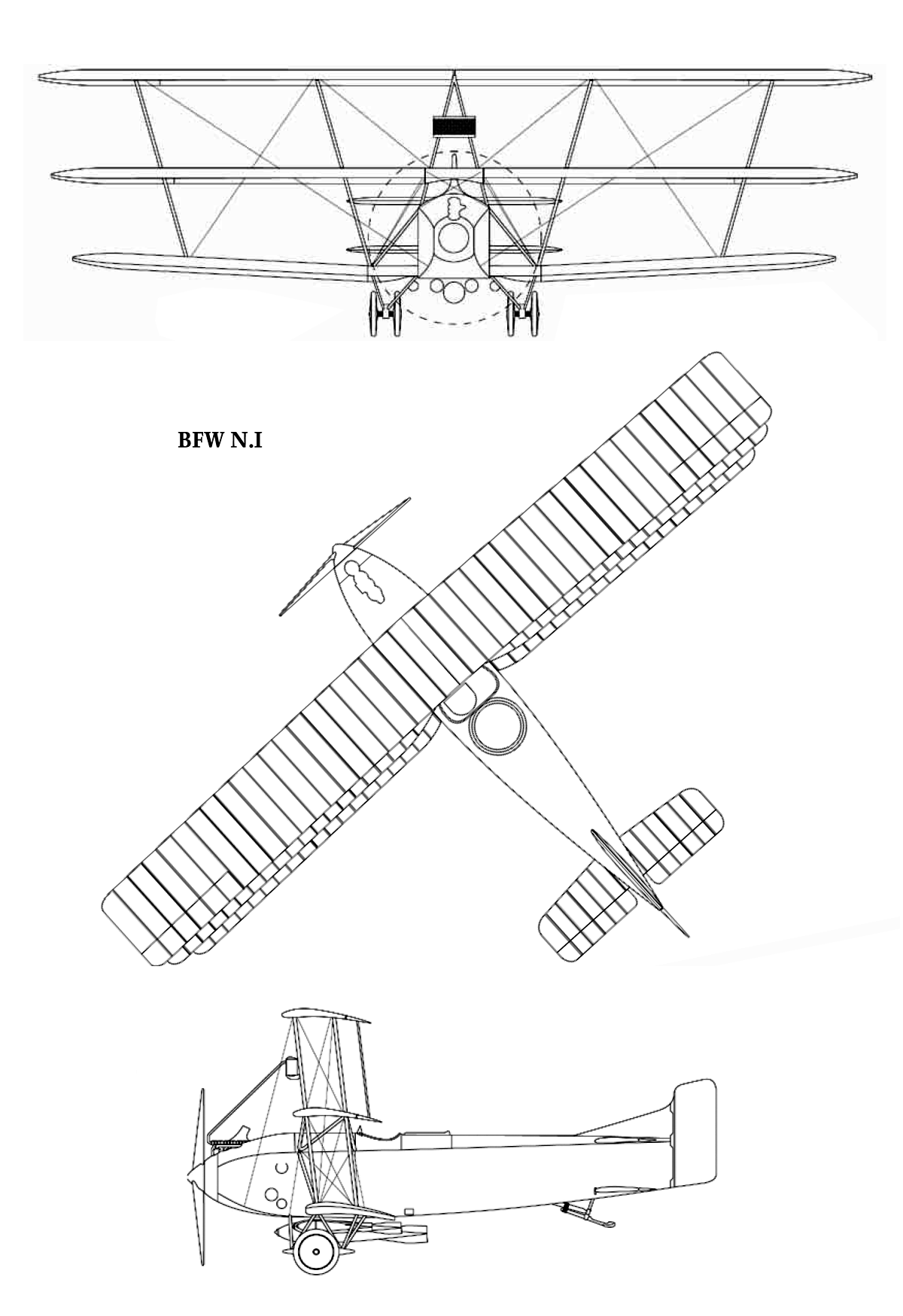 BFW N.I |
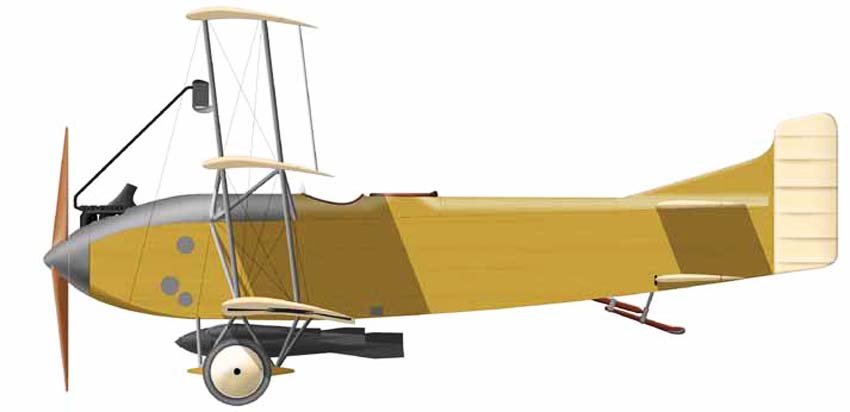 BFW N.I |
Equipo Editorial de ArchivoAéreo
Grupo de investigadores y entusiastas de la aviación dedicados a documentar y preservar la historia aeronáutica mundial. Todos los artículos son revisados para garantizar precisión histórica.
Fuentes y Rigurosidad
La información presentada en esta ficha técnica ha sido compilada a partir de manuales de vuelo desclasificados, archivos históricos y bibliografía especializada. Aunque nos esforzamos por mantener la máxima precisión, algunos datos de rendimiento pueden variar según la variante específica o las condiciones operativas.