BH-44
Initial Development of the BH-44
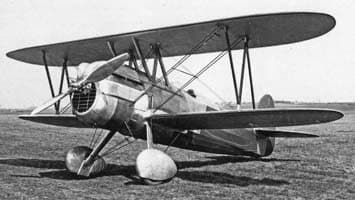
The BH-44 (also known as E-44) was a fighter aircraft prototype developed by the Czechoslovak firm Ceskomorawska-Kolben-Danek (CKD)-Praga. Work on this new fighter, intended for the Czechoslovak Air Force, began in 1931. This project held significant promise for strengthening the nation’s aerial defense capabilities.
Engine Challenges and Setbacks
Initially, the aircraft was planned to use the British Rolls-Royce Kestrel engine. However, unexpected problems arose: the engine could not develop even its nominal power when using the specific fuel type employed by the Czechoslovak Air Force. This technical incompatibility presented a considerable hurdle for the project’s progression.
Consequently, a Czechoslovak-produced twelve-cylinder Praga ESV engine, boasting 750 hp, had to be installed on the BH-44. During testing, several shortcomings were identified, with their rectification continuing until 1934. By this time, however, the requirements for fighter aircraft had significantly increased, leading to the decision to abandon further work on the aircraft.
Technical Specifications
| Modification | BH-44 |
| Wingspan, m | 9.25 |
| Length, m | 7.62 |
| Height, m | 2.76 |
| Wing area, m2 | 23.14 |
| Empty weight | 1330 |
| Normal takeoff weight | 1837 |
| Engine type | 1 Piston engine Praga ESV |
| Power, hp | 1 x 750 |
| Maximum speed, km/h | 330 |
| Cruising speed, km/h | 295 |
| Flight endurance, h.min | 1.50 |
| Maximum rate of climb, m/min | 500 |
| Service ceiling, m | 7500 |
| Crew, crew | 1 |
| Armament: | 2 forward machine guns M30, up to four light 10kg bombs |
Image and diagram gallery of the BH-44
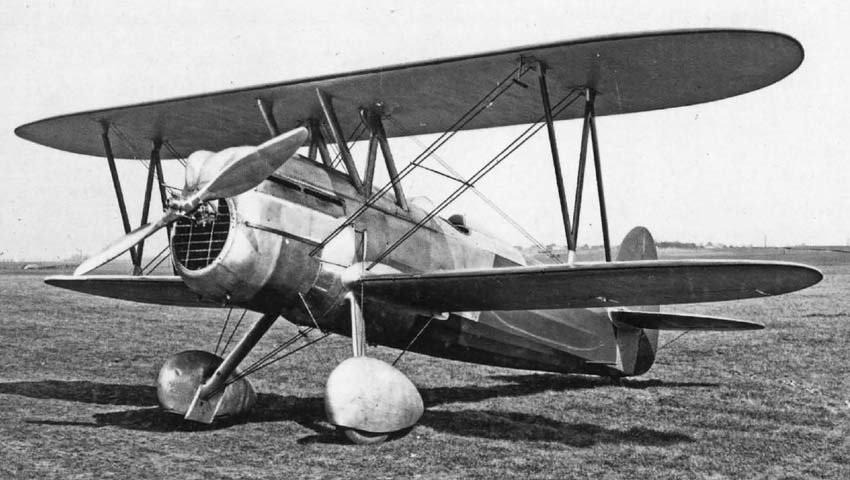 BH-44 |
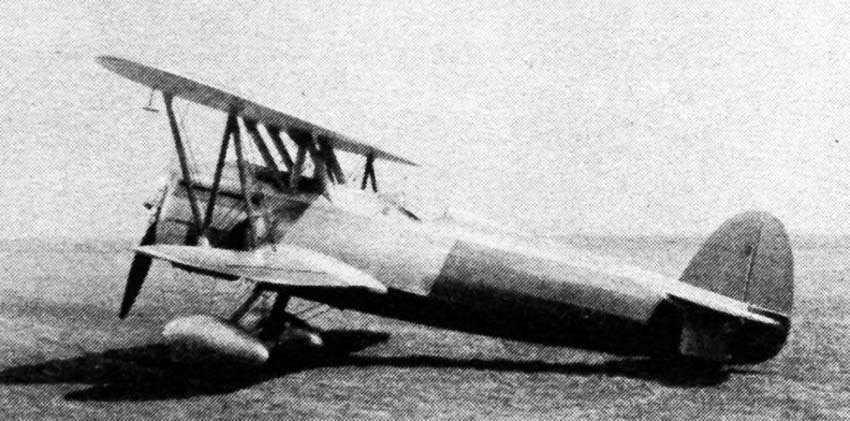 BH-44 |
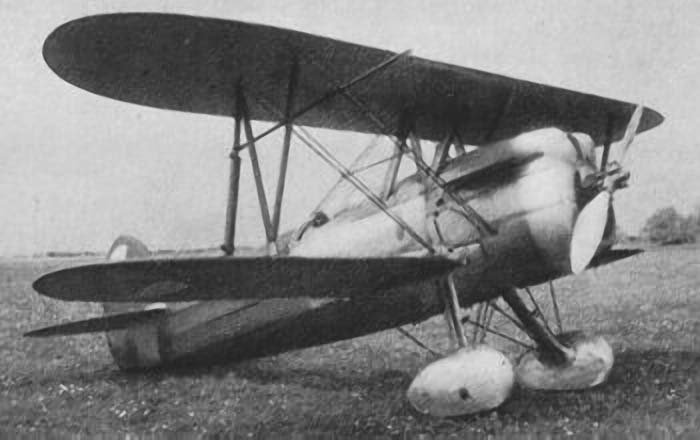 BH-44 |
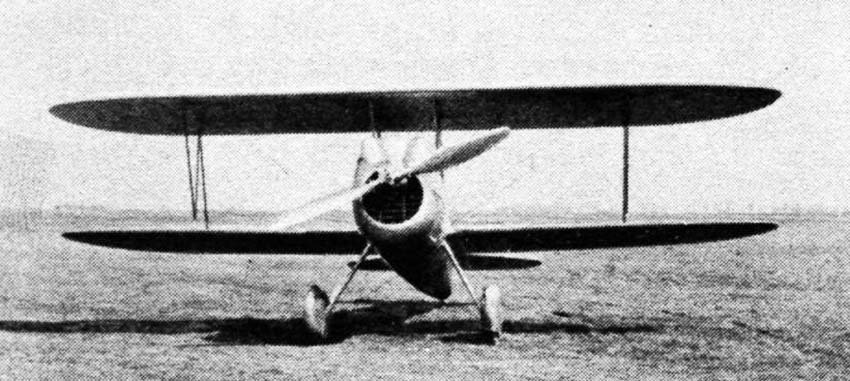 BH-44 |
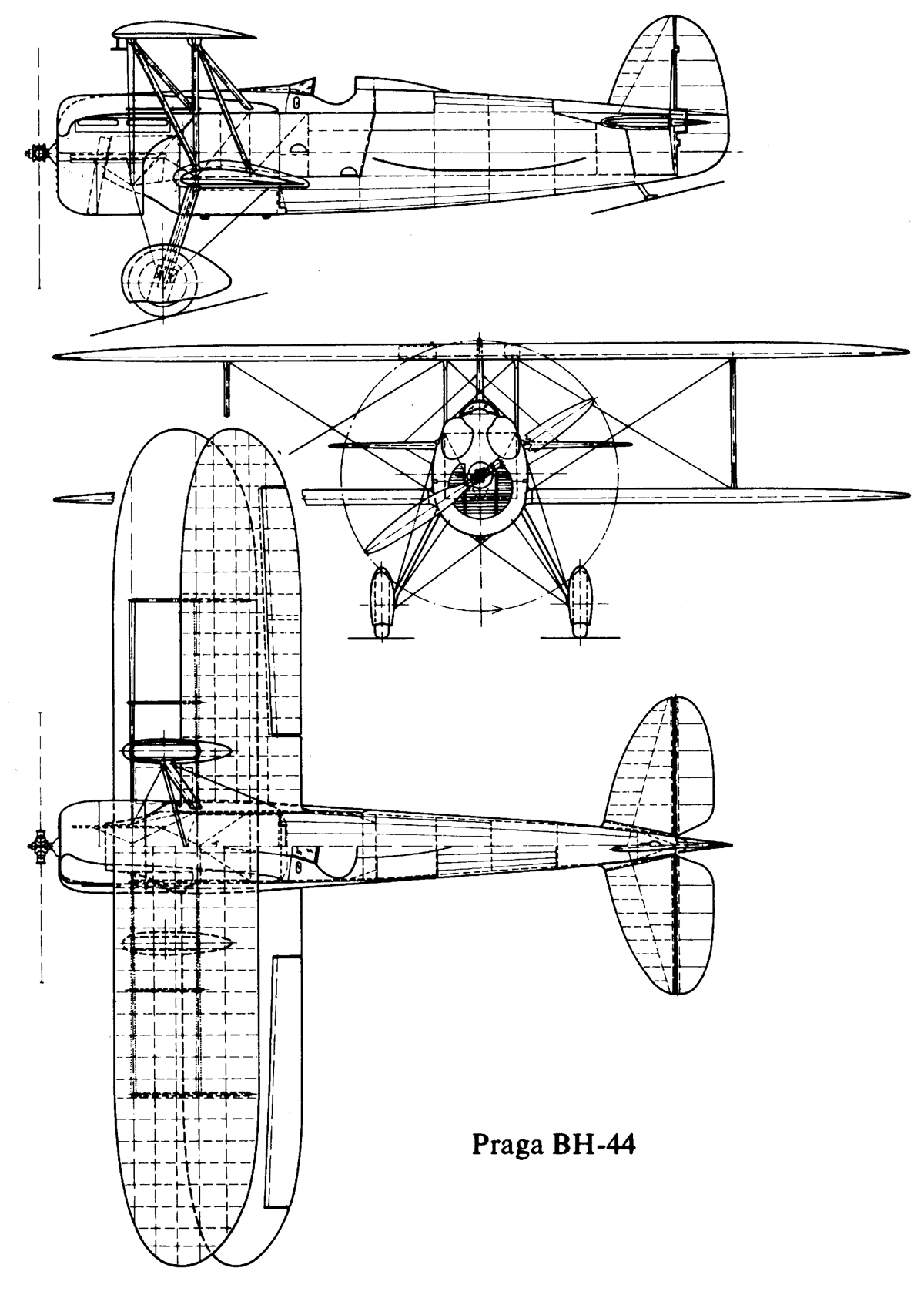 BH-44 |
Equipo Editorial de ArchivoAéreo
Grupo de investigadores y entusiastas de la aviación dedicados a documentar y preservar la historia aeronáutica mundial. Todos los artículos son revisados para garantizar precisión histórica.
Fuentes y Rigurosidad
La información presentada en esta ficha técnica ha sido compilada a partir de manuales de vuelo desclasificados, archivos históricos y bibliografía especializada. Aunque nos esforzamos por mantener la máxima precisión, algunos datos de rendimiento pueden variar según la variante específica o las condiciones operativas.