BIC-20 Pioner
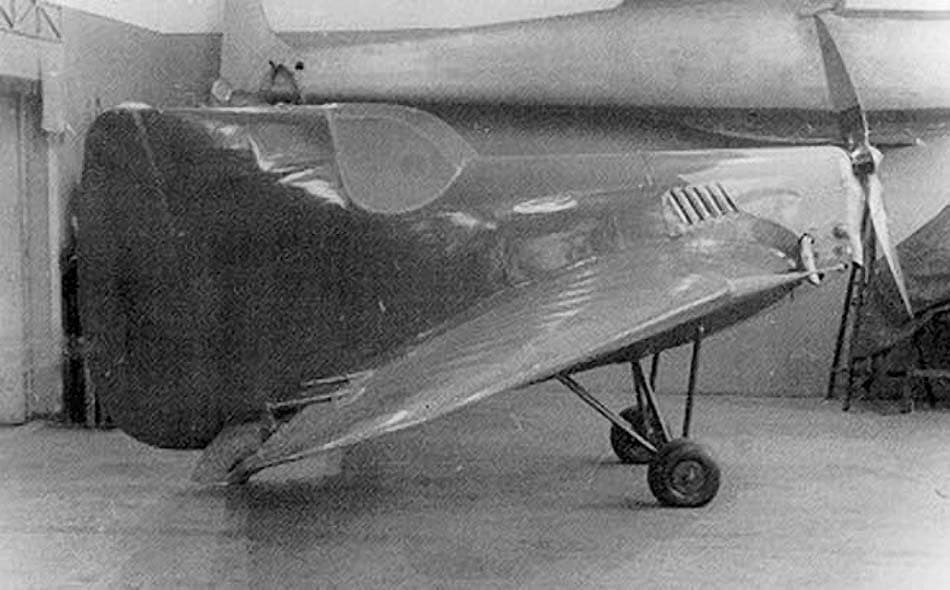
In the mid-1930s, B. I. Cheranovsky worked in the USSR on the practical application of “tailless” aircraft designs. In 1938, as part of a competition for light aircraft organized by Osoaviakhim, the designer created the BIC-20 “Pioner,” a single-seat, tailless sport aircraft of extremely small dimensions.
Innovating Tailless Aircraft Design
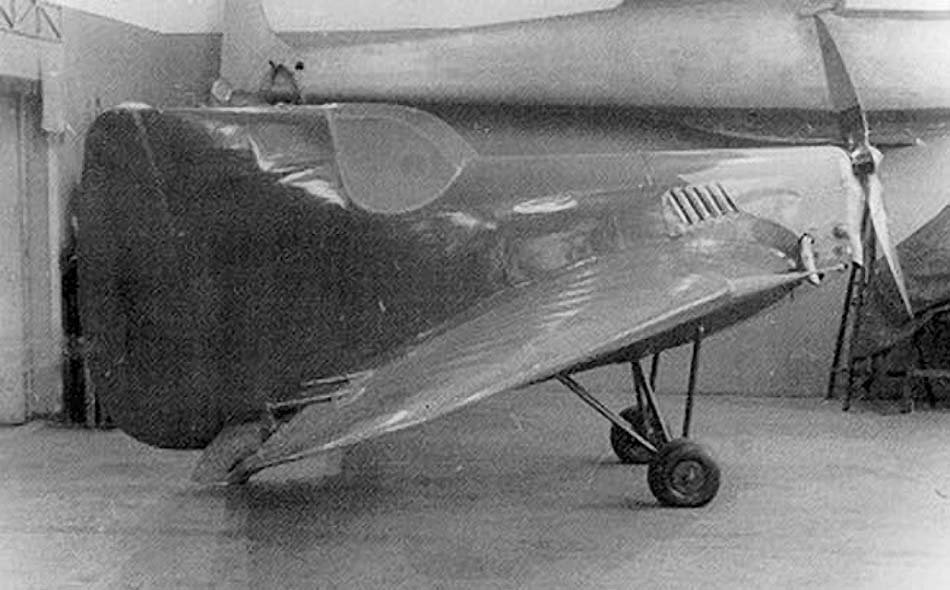
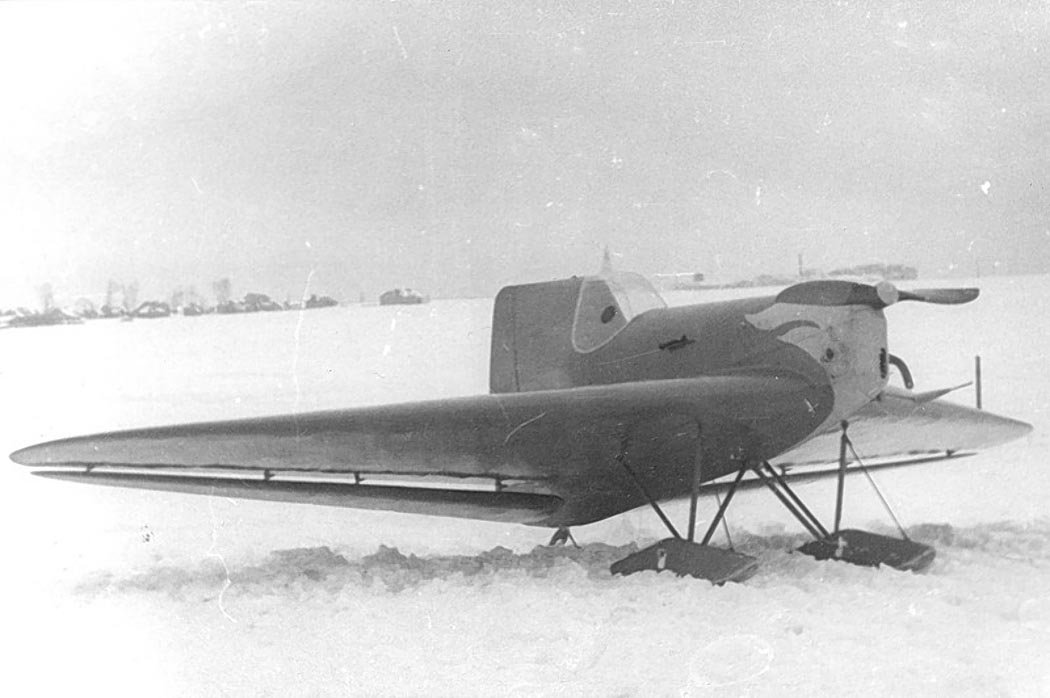
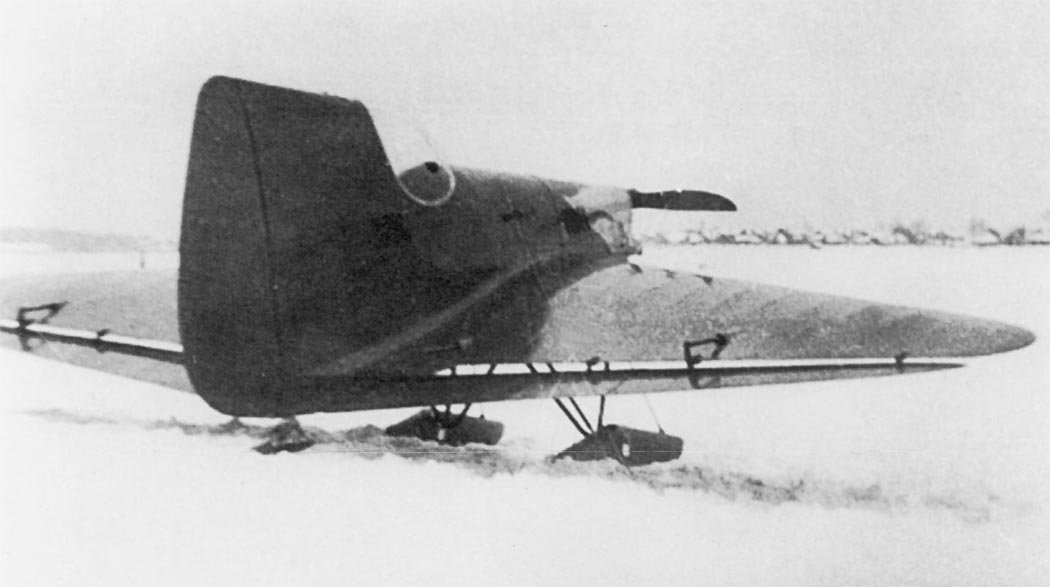
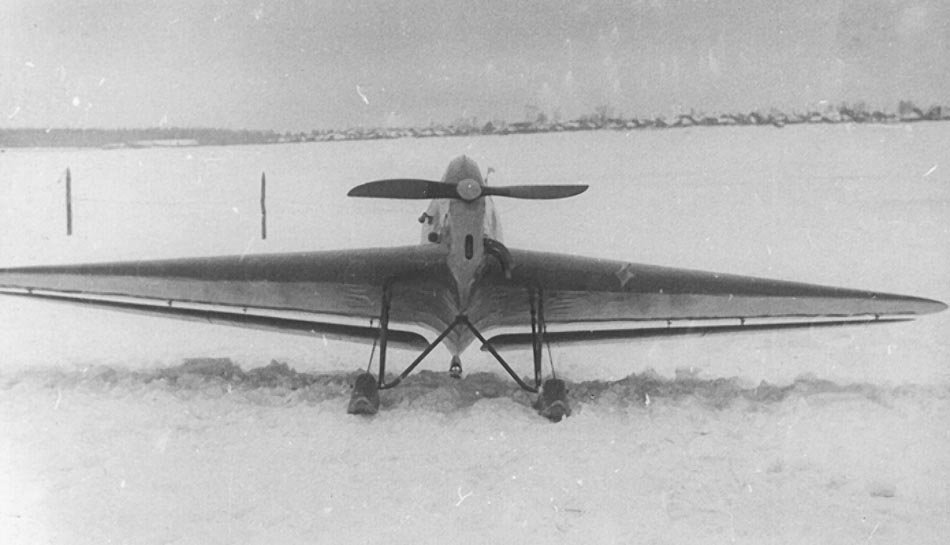
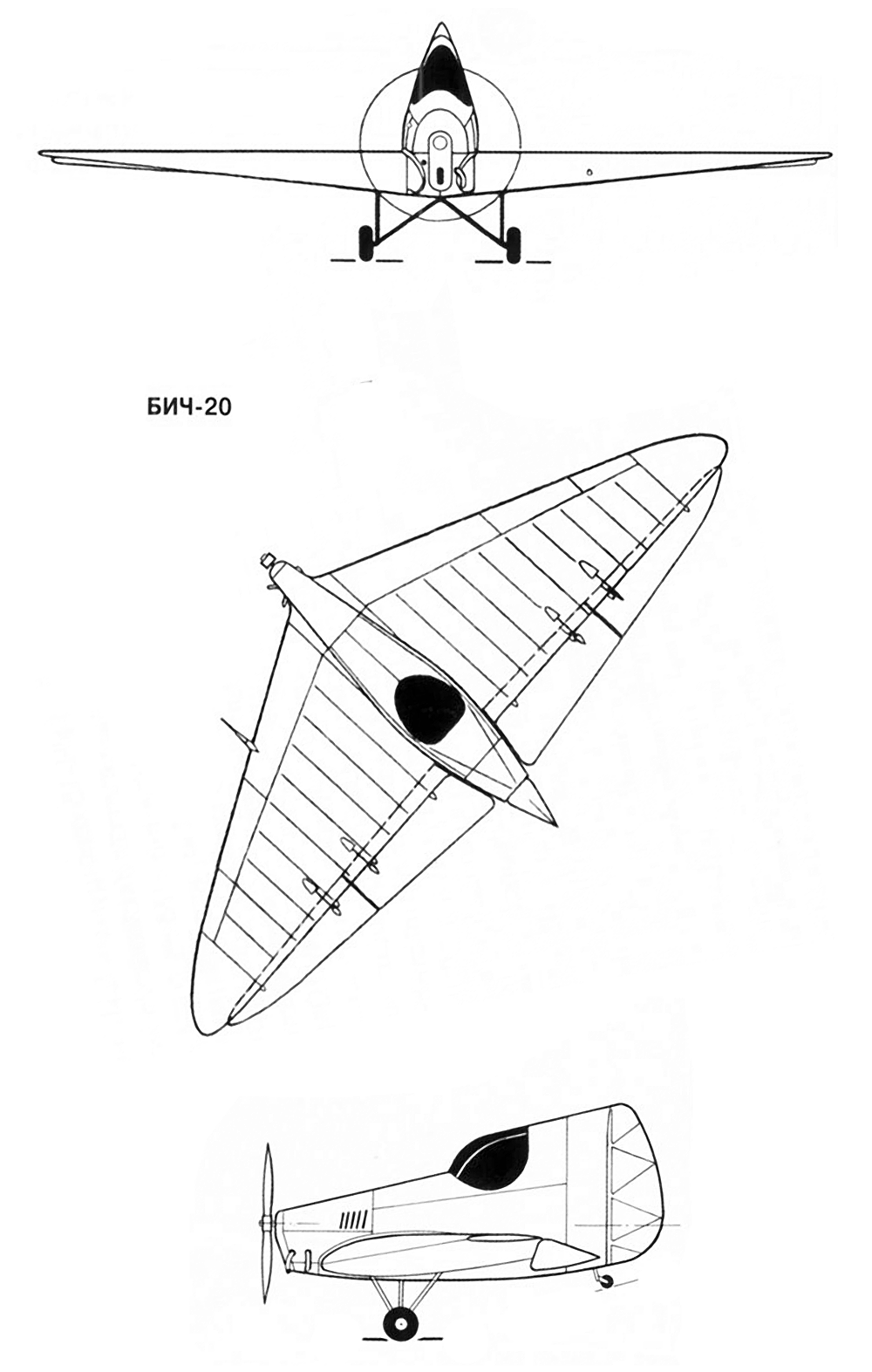
The BIC-20 was a low-wing monoplane (avietka) with a nearly triangular wing planform, powered by either a 20 hp “Obje Dunne” engine or an 18 hp “Blackburn Tomtit.” Behind the engine was the enclosed pilot’s cockpit, with its fairing forming the vertical empennage. The landing gear was pyramidal and non-retractable, and the aircraft itself was very small.
Its elevators and ailerons featured an inverted profile. The BIC-20 was Cheranovsky’s first aircraft to feature a trapezoidal wing and represented a development of the successfully proven BIC-7A. The central vertical empennage, which also served as the enclosed cockpit fairing, was positioned in the slipstream of the pulling propeller, and the hanging control flaps had an inverted profile.
Flight Performance and Pilot Feedback
According to test pilot V. L. Rastorguev, this aircraft exhibited no difference in controllability and other flight qualities compared to a normal type of aircraft, despite its original design. It was simple to control and offered excellent visibility.
Technical Specifications
| Modification | БИЧ-20 |
| Wingspan, m | 6.90 |
| Length, m | 3.60 |
| Wing area, m2 | 9.00 |
| Empty weight | 176 |
| Maximum takeoff weight | 28 0 |
| Engine type | 1 Piston engine Balckburn Tommit |
| Power, hp | 1 х 18 |
| Maximum speed, km/h | 160 |
| Crew | 1 |
Image and diagram gallery of the BIC-20 Pioner
 BIC-20 Pioneer |
 BIC-20 Pioneer |
 BIC-20 Pioneer |
 BIC-20 Pioneer |
 BIC-20 Pioneer |
Equipo Editorial de ArchivoAéreo
Grupo de investigadores y entusiastas de la aviación dedicados a documentar y preservar la historia aeronáutica mundial. Todos los artículos son revisados para garantizar precisión histórica.
Fuentes y Rigurosidad
La información presentada en esta ficha técnica ha sido compilada a partir de manuales de vuelo desclasificados, archivos históricos y bibliografía especializada. Aunque nos esforzamos por mantener la máxima precisión, algunos datos de rendimiento pueden variar según la variante específica o las condiciones operativas.