Blackburn B-26 Botha
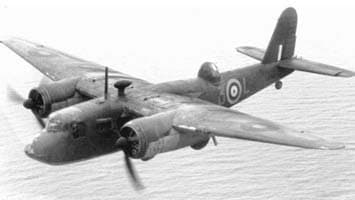
Development and Initial Specifications
When the British Air Ministry issued a specification for a three-seat, twin-engine reconnaissance bomber capable of carrying a torpedo, technical documentation was submitted in response by both Blackburn and Bristol. The proposals from both aircraft manufacturing firms suggested the use of the Bristol Perseus engine with 850 hp.
However, the crew requirement was soon increased to four, leading to the release of a new specification and the subsequent order for two prototypes, designated B-26 Botha and Beaufort, respectively. The increased weight resulting from the project revisions led to the Beaufort being equipped with 1,130 hp Bristol Taurus radial engines, the supply of which was limited. Initial production versions of the Botha were to use 880 hp Bristol Perseus X engines.
Production and Testing
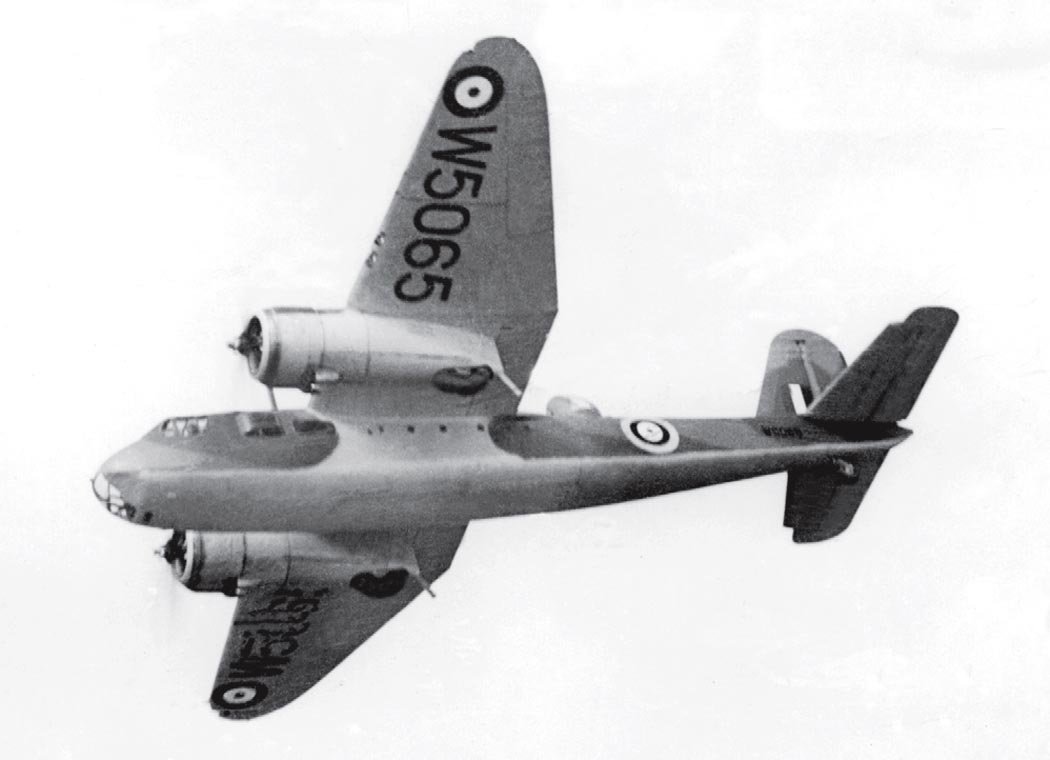
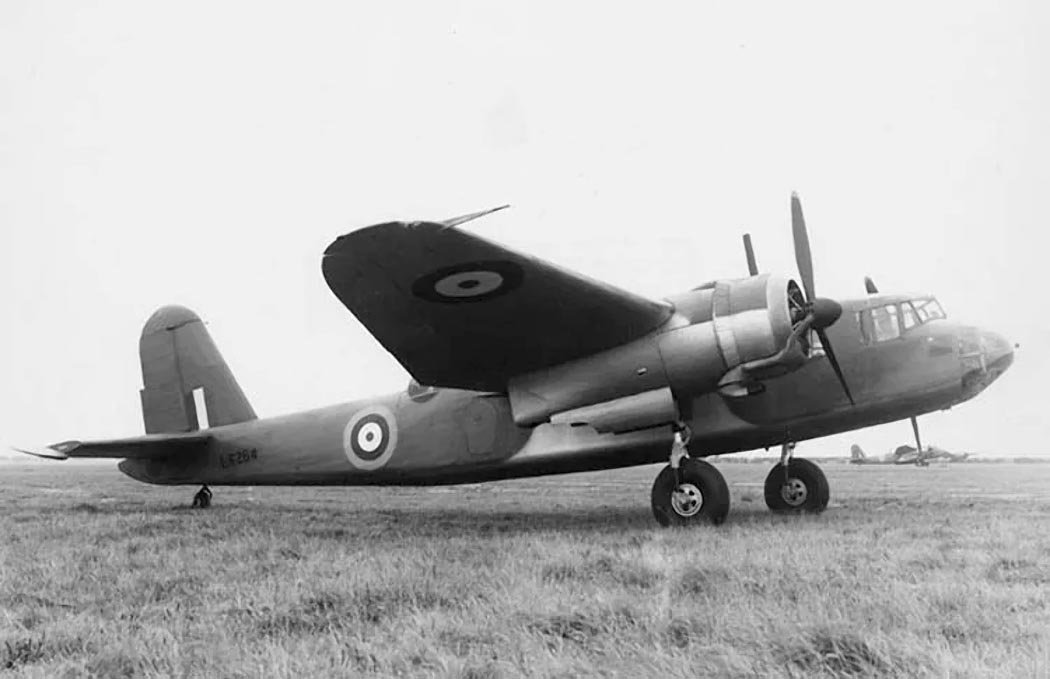
Orders for 442 aircraft were received in 1936, and the first production machine took to the air on December 28, 1938. Following flight tests, the tail area was increased, and horn-balanced elevators were installed to improve longitudinal controllability. The aircraft was then tested as a torpedo bomber.
Operational History and Challenges
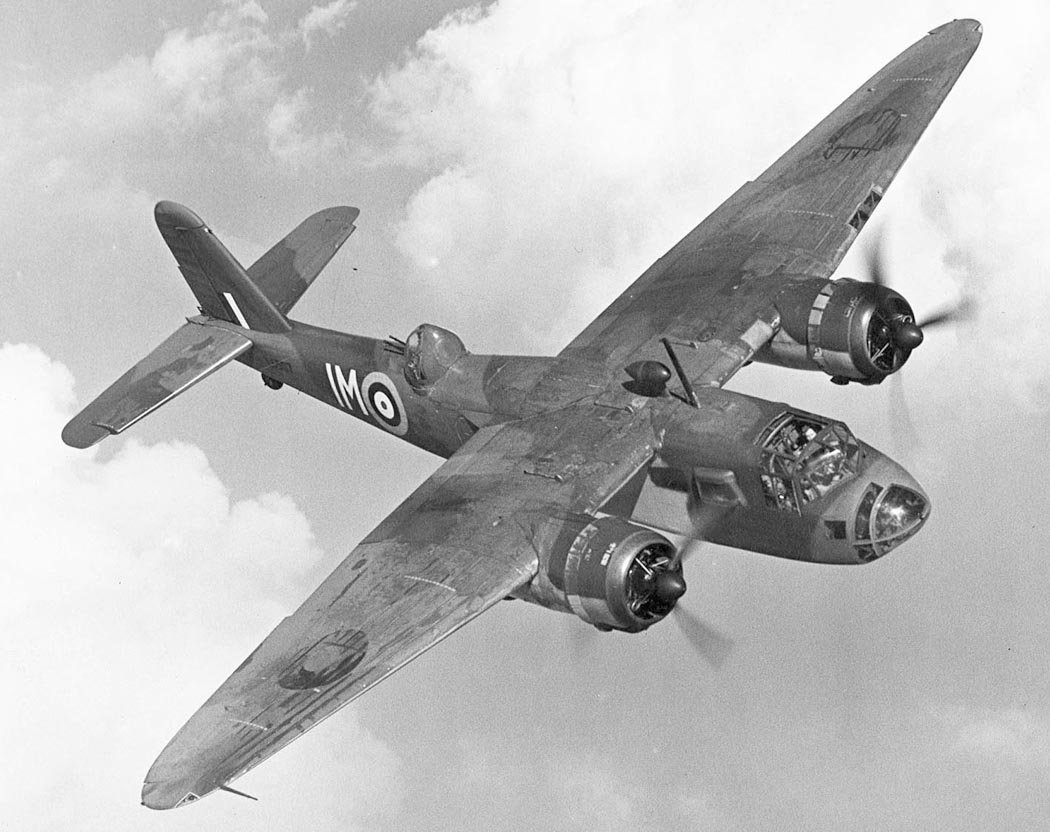
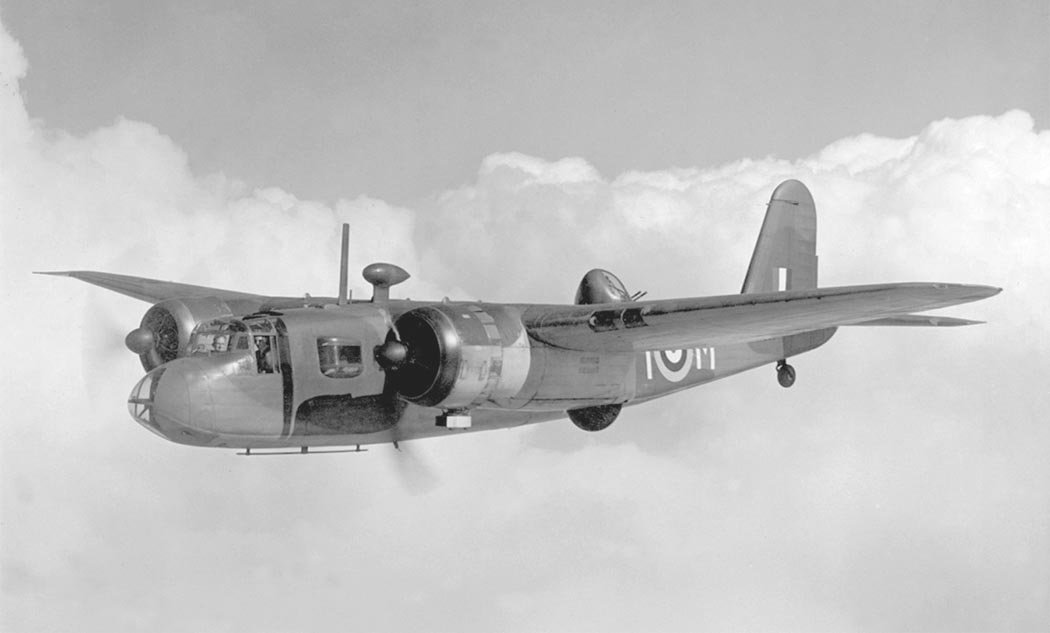
The first Botha entered service with the Royal Air Force (RAF) on December 12, 1939. In the first half of 1940, a series of unexplained crashes occurred, leading to severe criticism of the Botha. Bristol managed to increase the power of the Perseus Mk XA engines to 930 hp, and some additional improvements were made.
Despite these enhancements, the Botha demonstrated clearly poor combat qualities, and it was decided to transfer it to training units, where it continued to be involved in fatal accidents. In late 1942, some airframes were delivered to RAF Technical Training Schools. Several Botha aircraft were used for target towing. A total of 580 Botha aircraft were built.
Armament and Final Fate
The Blackburn B-26 Botha was armed with one forward 7.7mm machine gun and two 7.7mm machine guns mounted in a dorsal turret. It could carry one torpedo internally within the fuselage, or bombs and depth charges weighing up to 907 kg. The aircraft was officially withdrawn from service in September 1944.
Technical Specifications
| Modification | Botha |
| Wingspan, m | 17.98 |
| Length, m | 15.58 |
| Height, m | 4.46 |
| Wing area, m2 | 48.12 |
| Empty weight | 5366 |
| Maximum takeoff weight | 8369 |
| Engine type | 2 Bristol Perseus XA Piston engines |
| Power, hp | 2 x 930 |
| Maximum speed, km/h | 401 |
| Cruising speed, km/h | 341 |
| Practical range, km | 2044 |
| Practical ceiling, m | 5335 |
| Crew, crew members | 4 |
| Armament | one forward 7.7 mm machine gun and two 7.7 mm machine guns mounted in a dorsal turret; one internal torpedo, bombs or depth charges weighing up to 907 kg. |
Image and diagram gallery of the Blackburn B-26 Botha
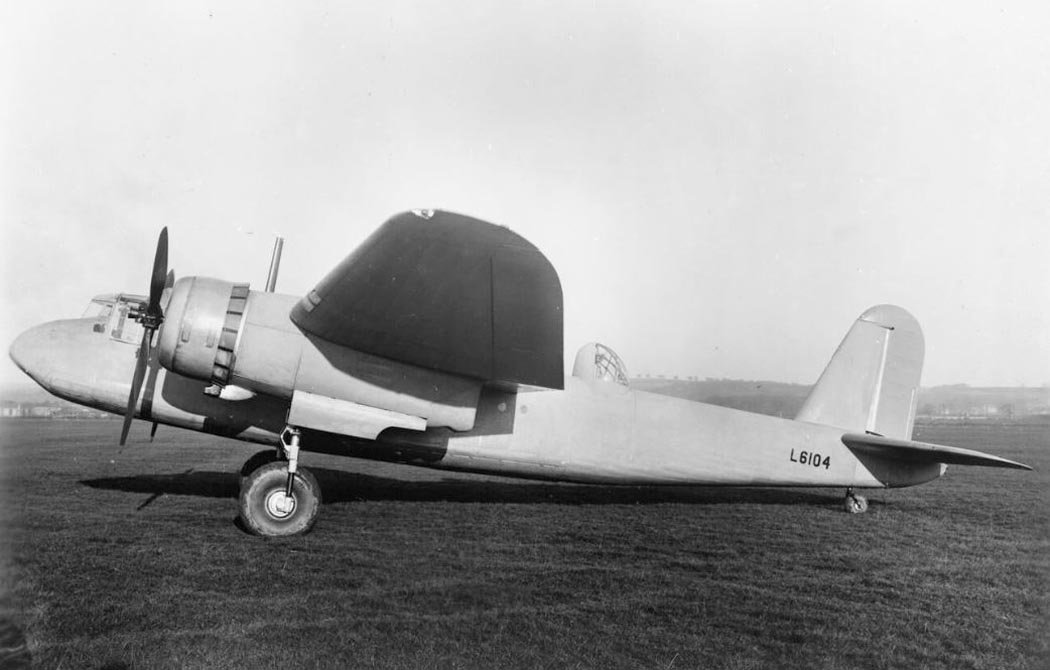 B-26 Botha |
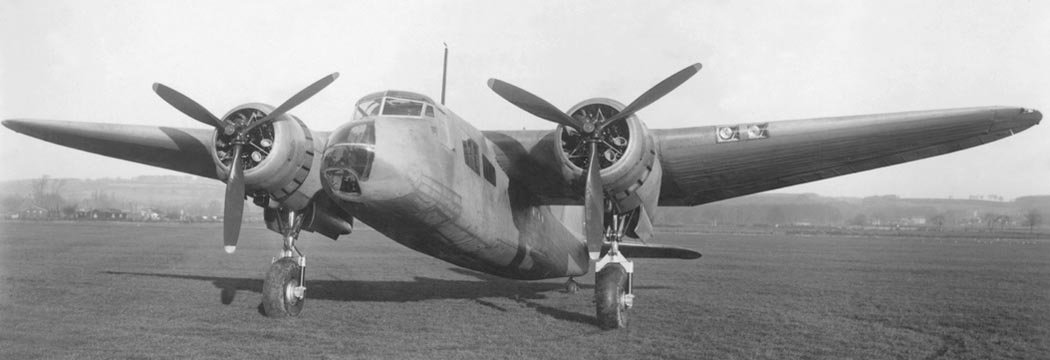 B-26 Botha |
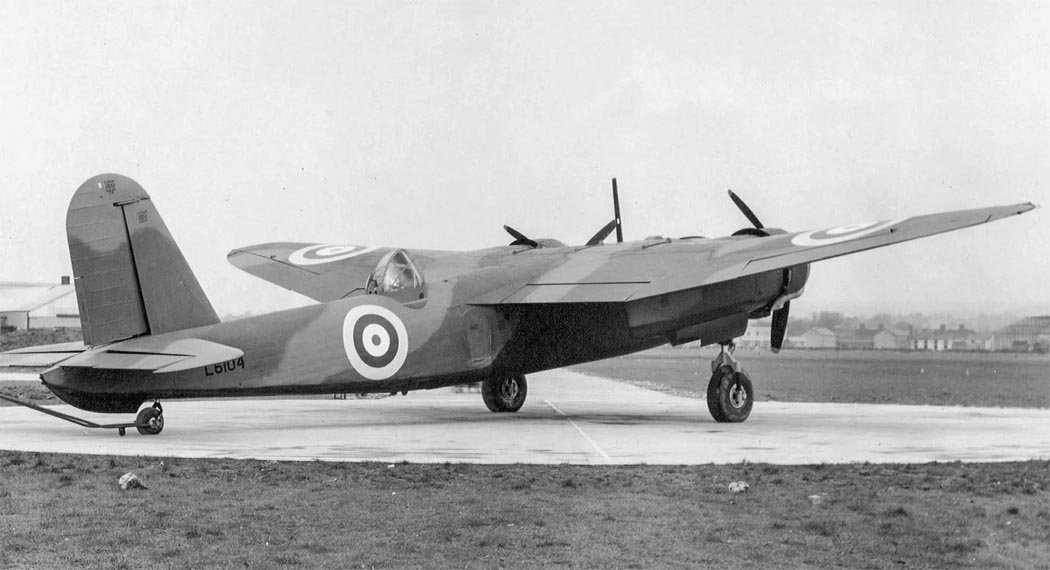 B-26 Botha |
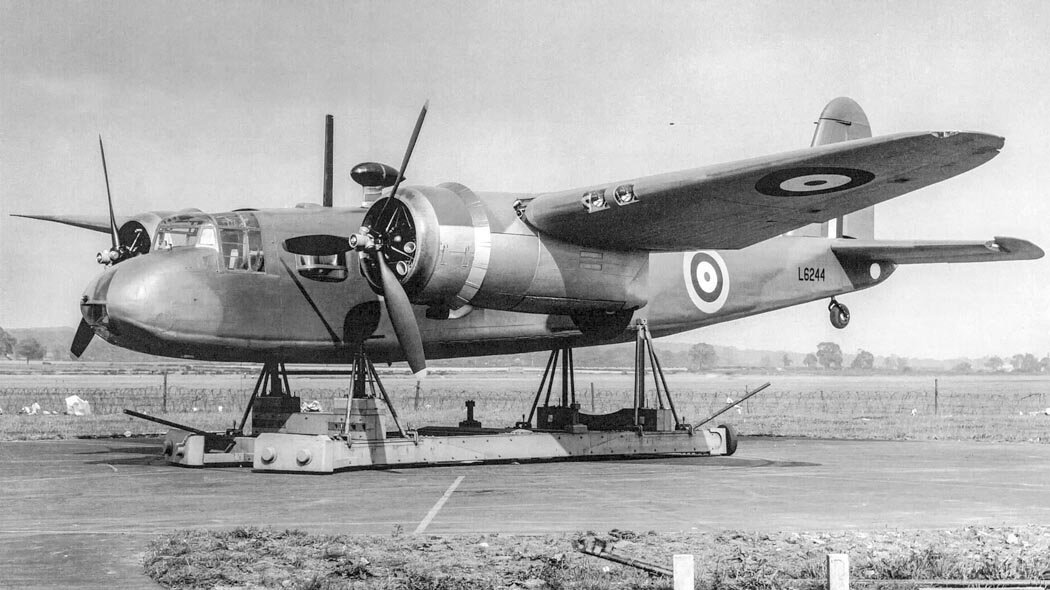 B-26 Botha |
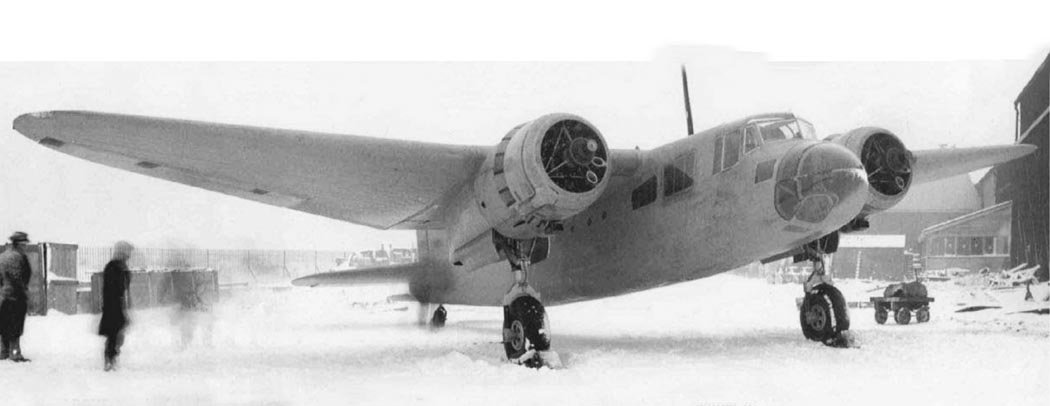 B-26 Botha |
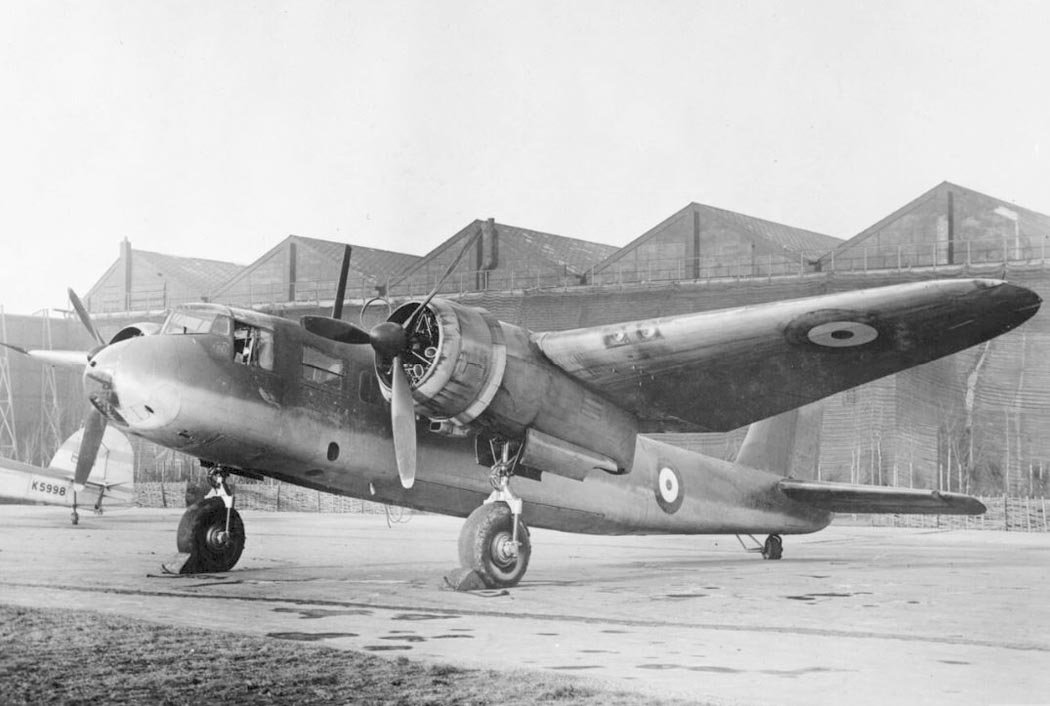 B-26 Botha |
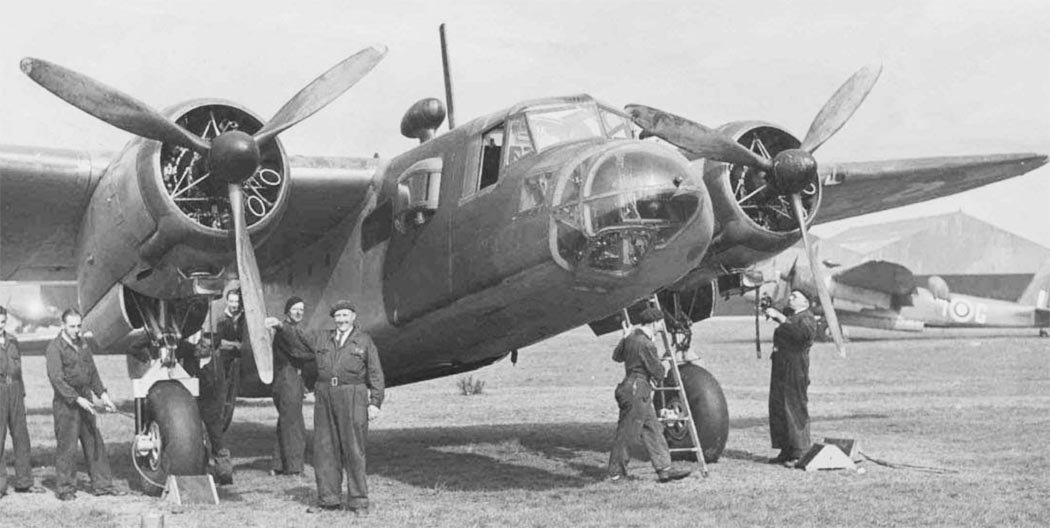 B-26 Botha |
 B-26 Botha |
 B-26 Botha |
 B-26 Botha |
 B-26 Botha |
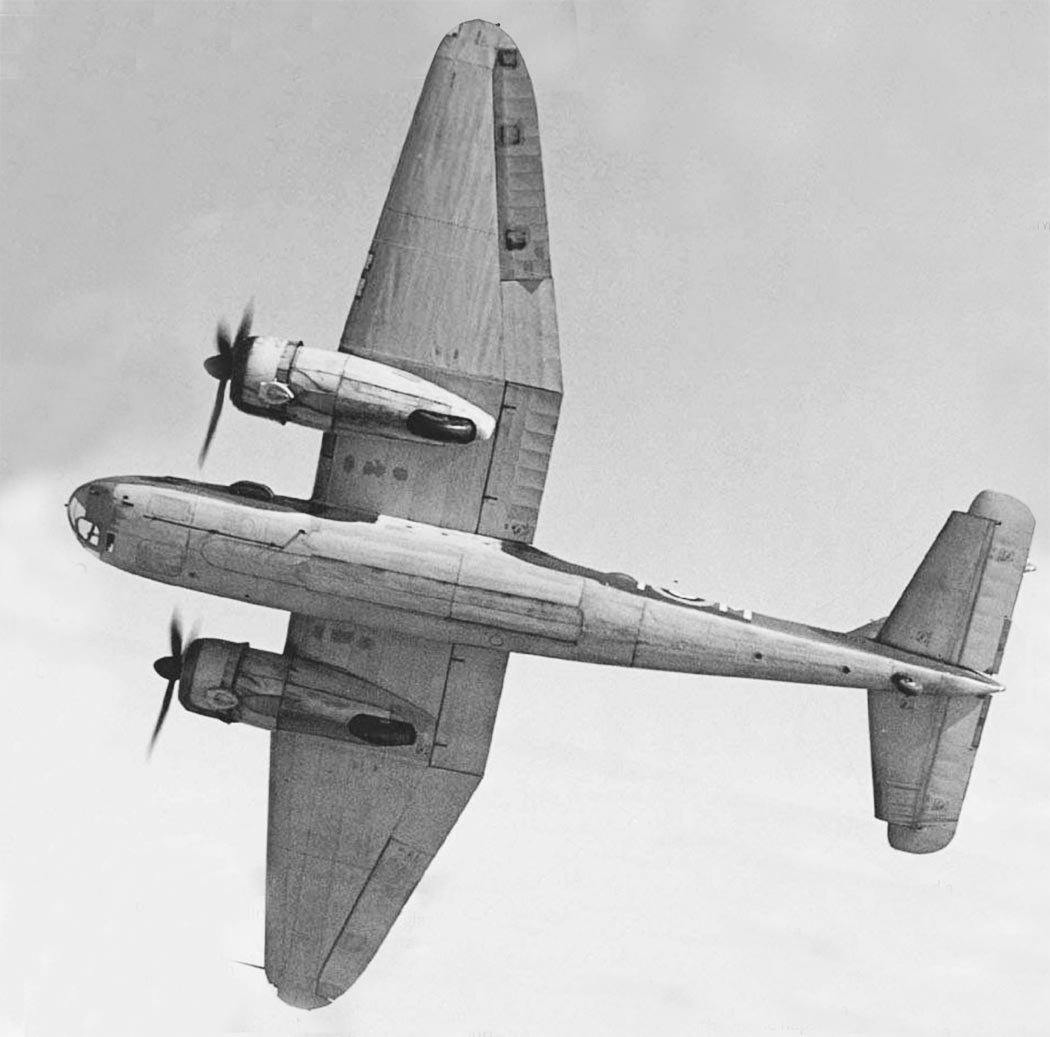 B-26 Botha |
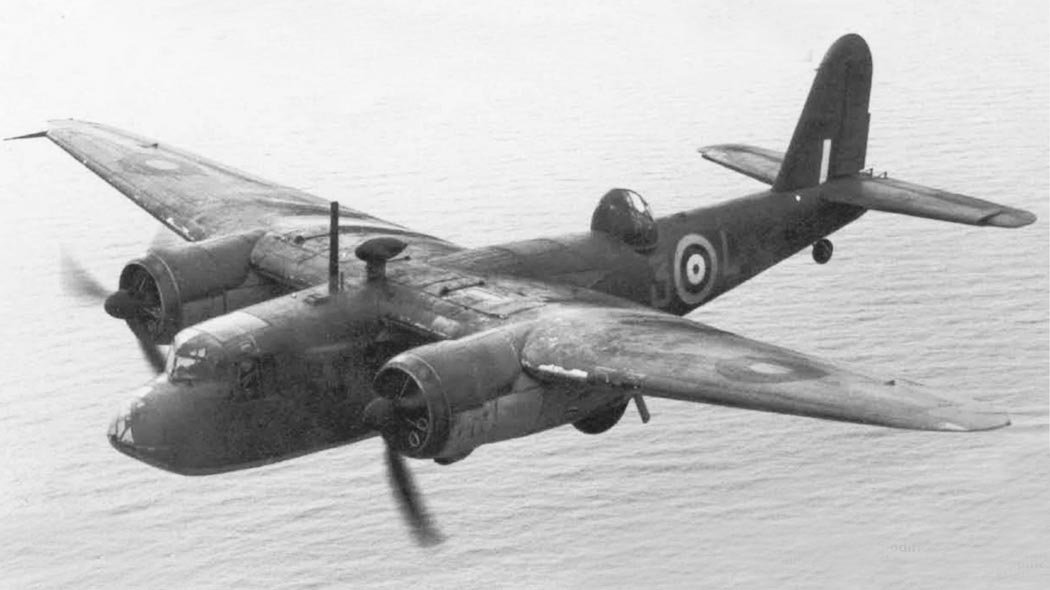 B-26 Botha |
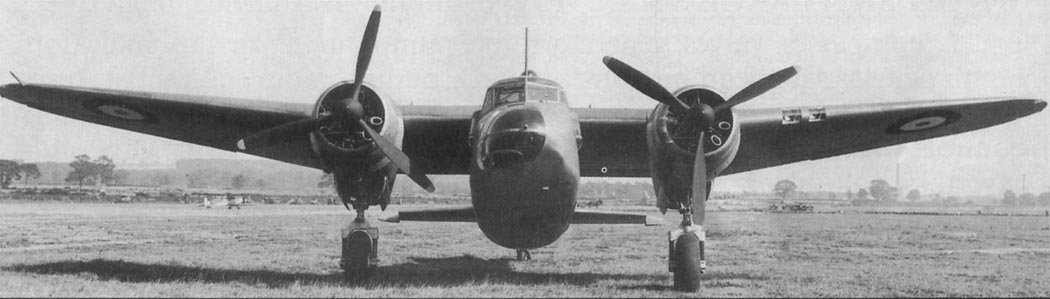 B-26 Botha |
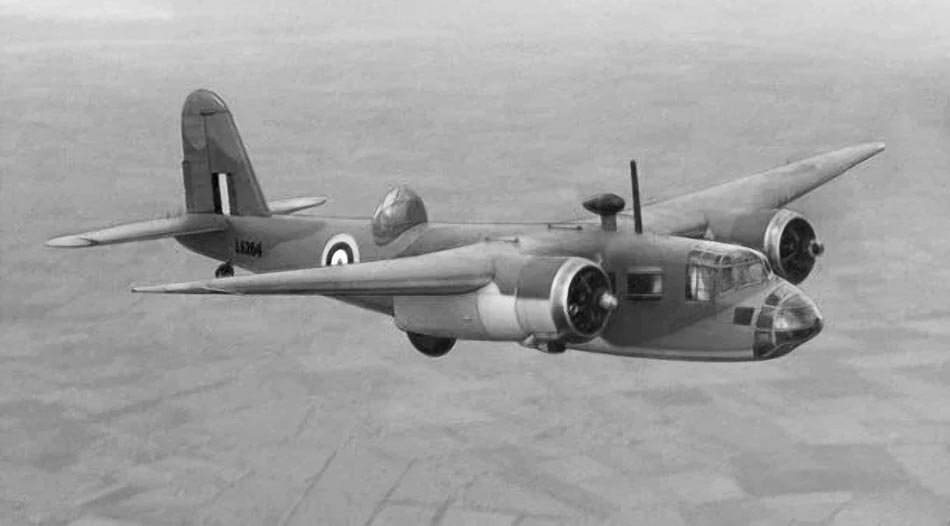 B-26 Botha |
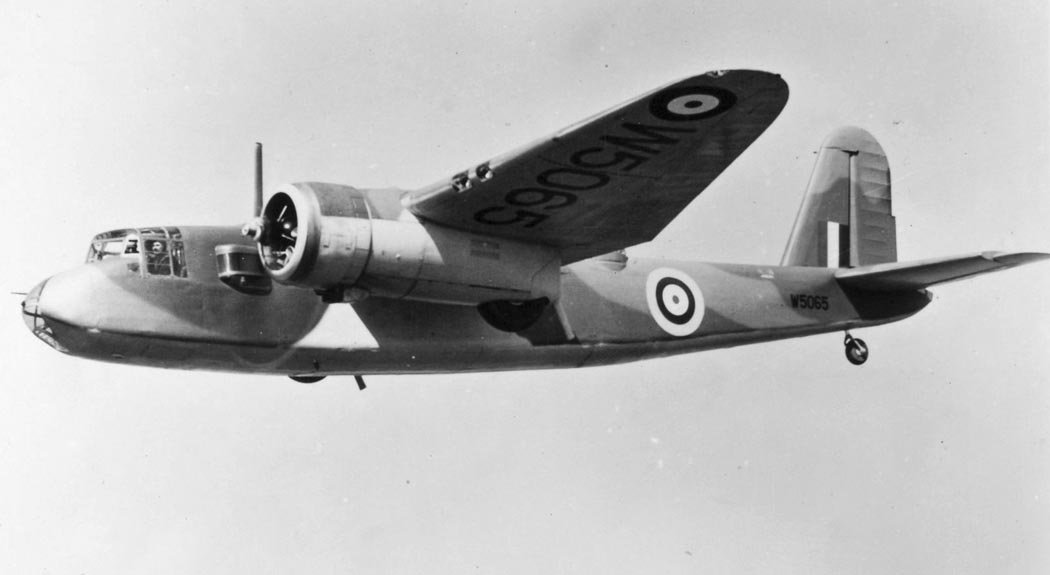 B-26 Botha |
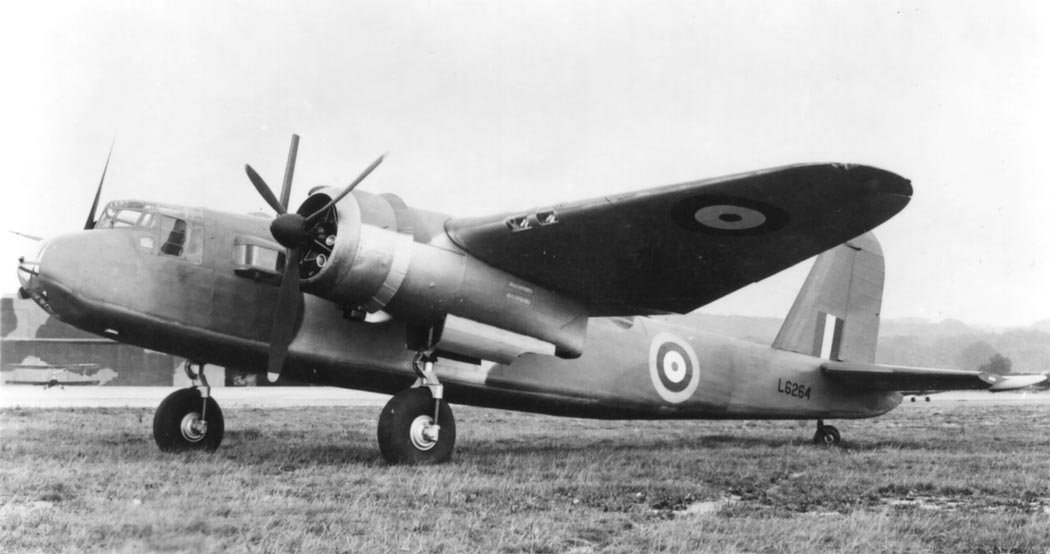 B-26 Botha |
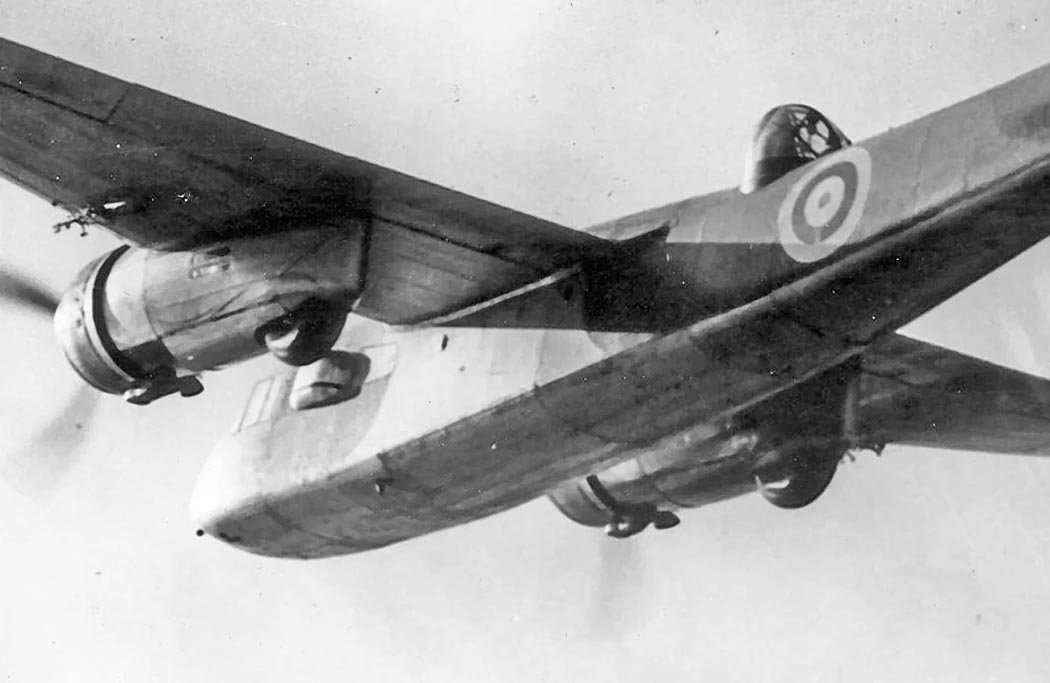 B-26 Botha |
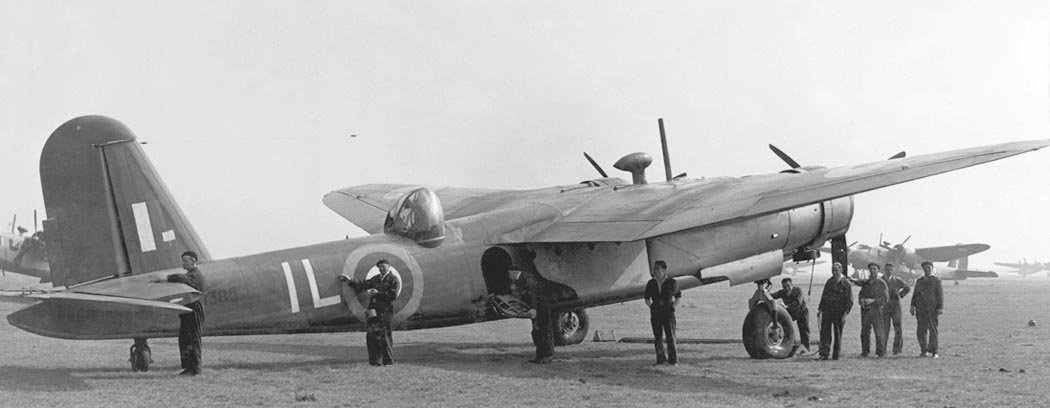 B-26 Botha |
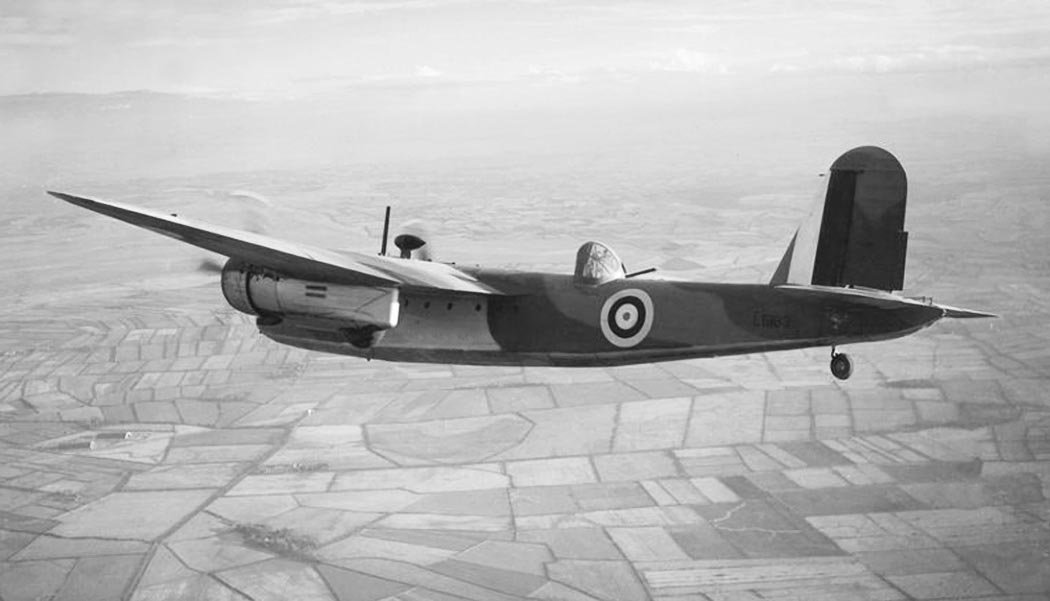 B-26 Botha |
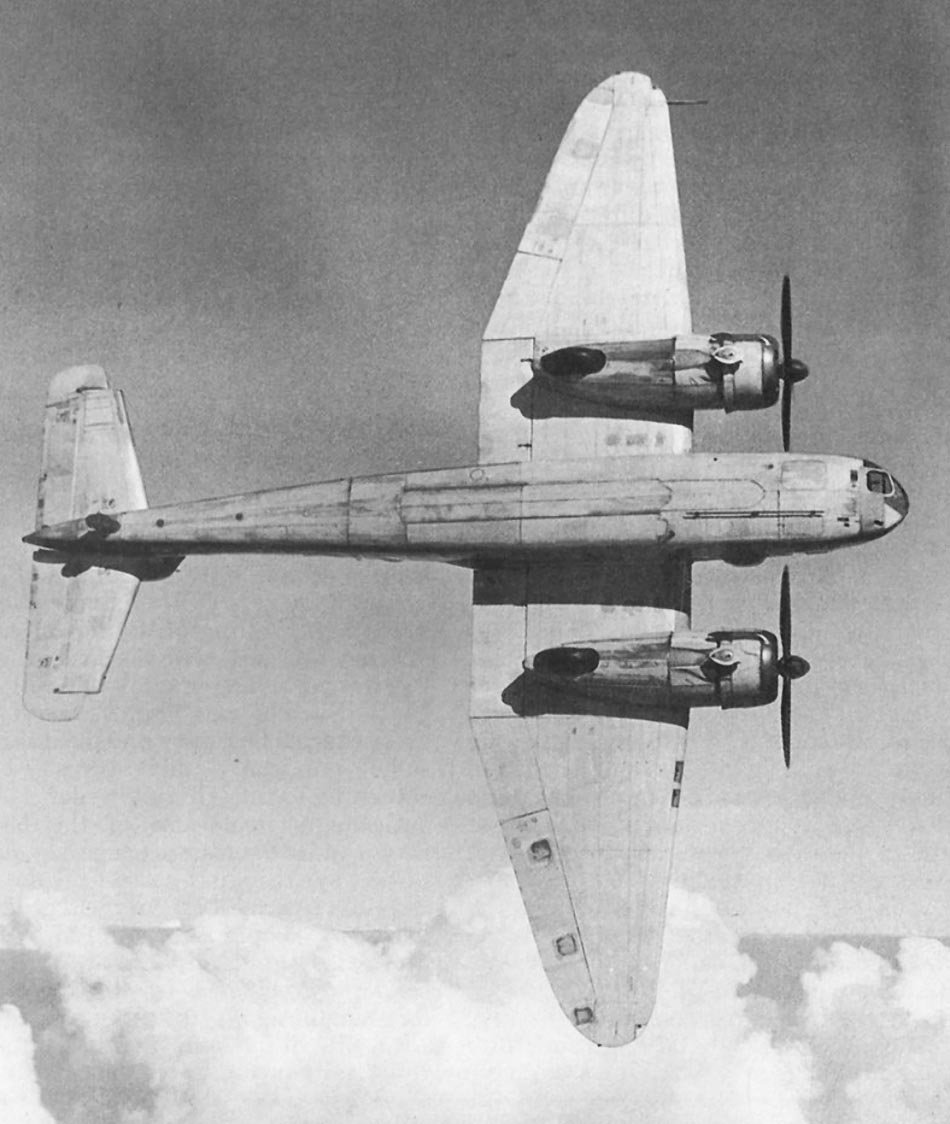 B-26 Botha |
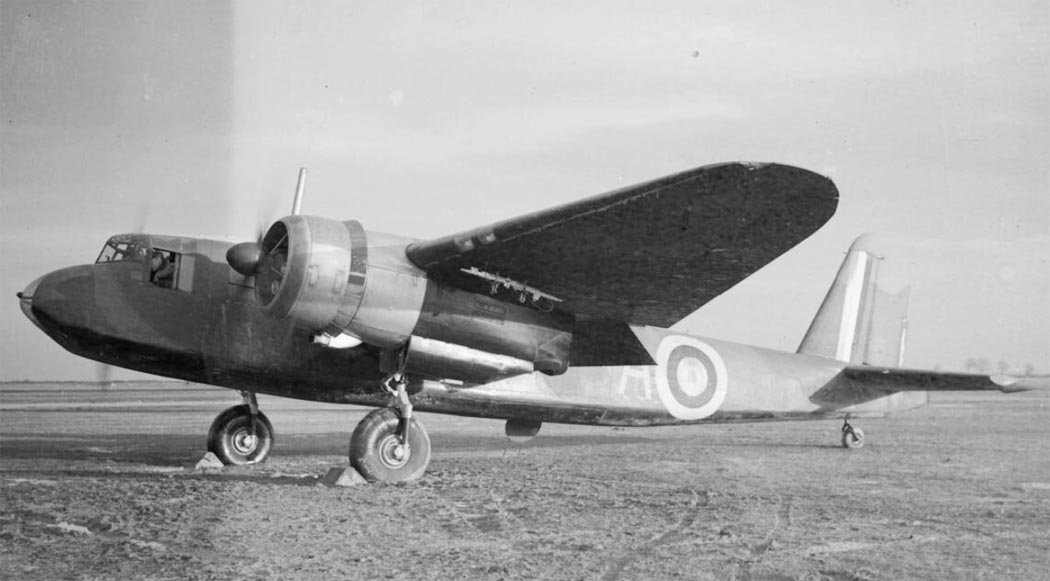 B-26 Botha |
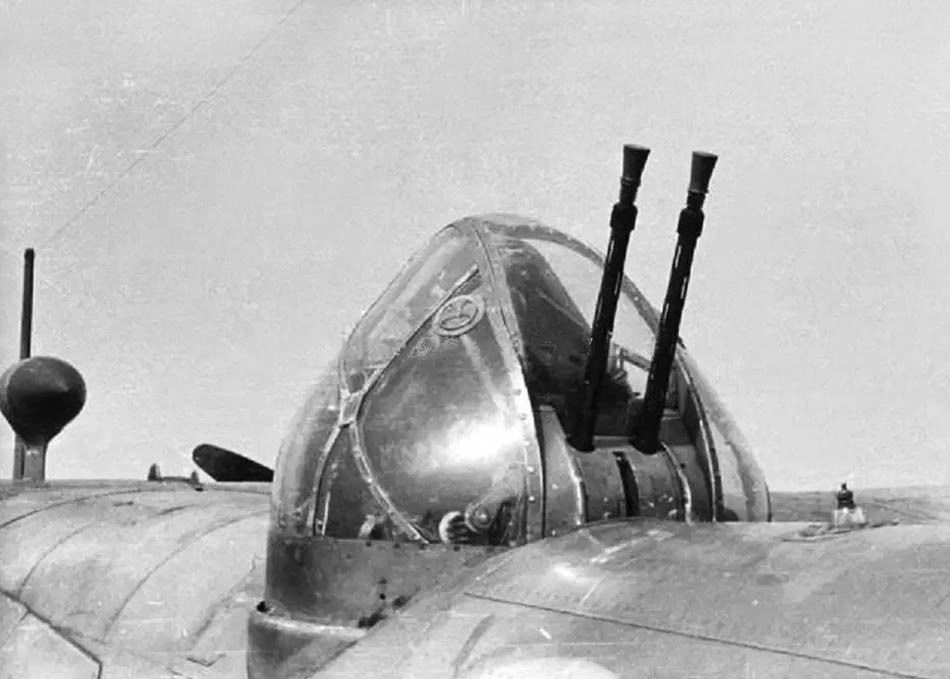 B-26 Botha |
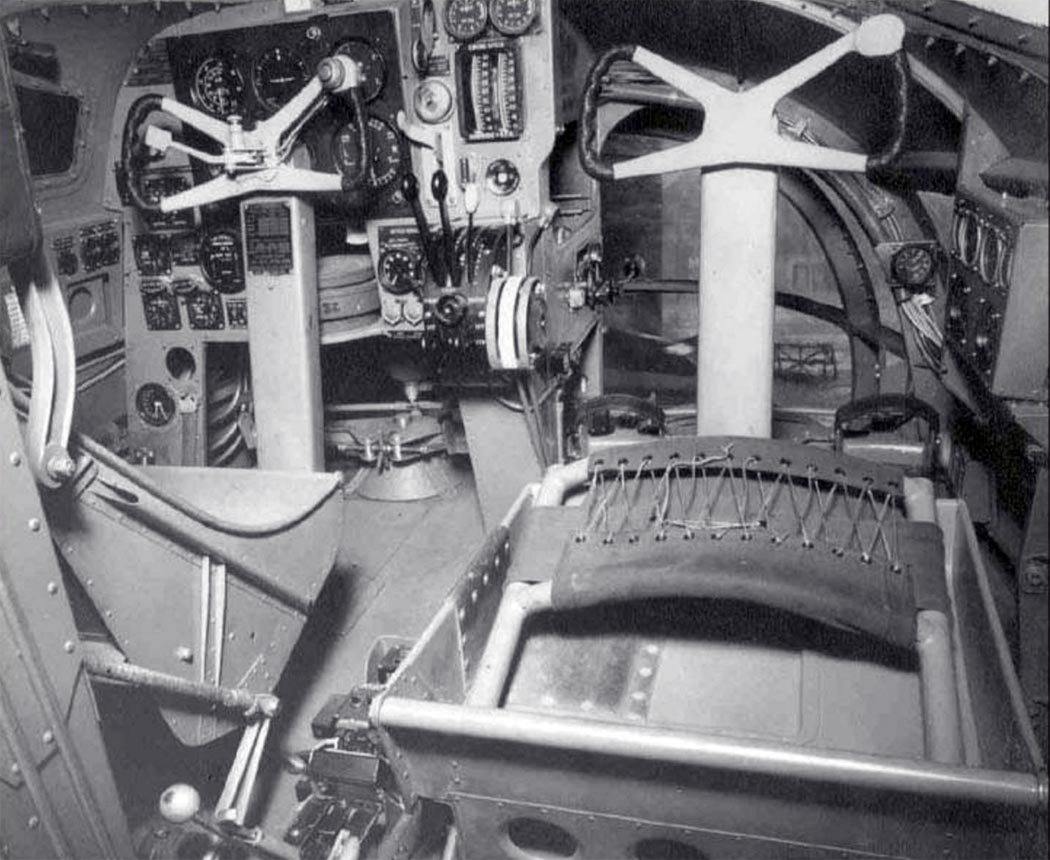 B-26 Botha |
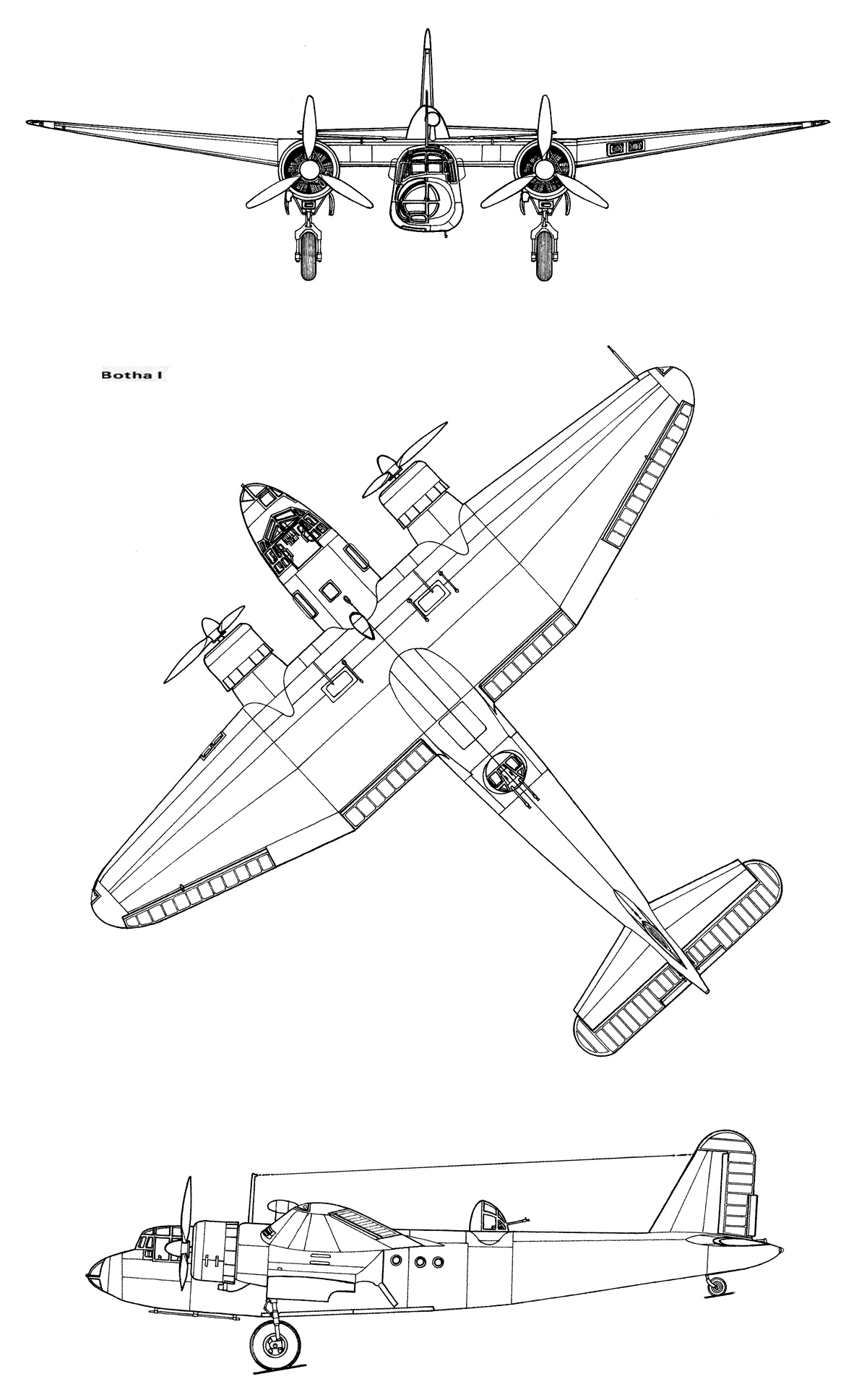 B-26 Botha |
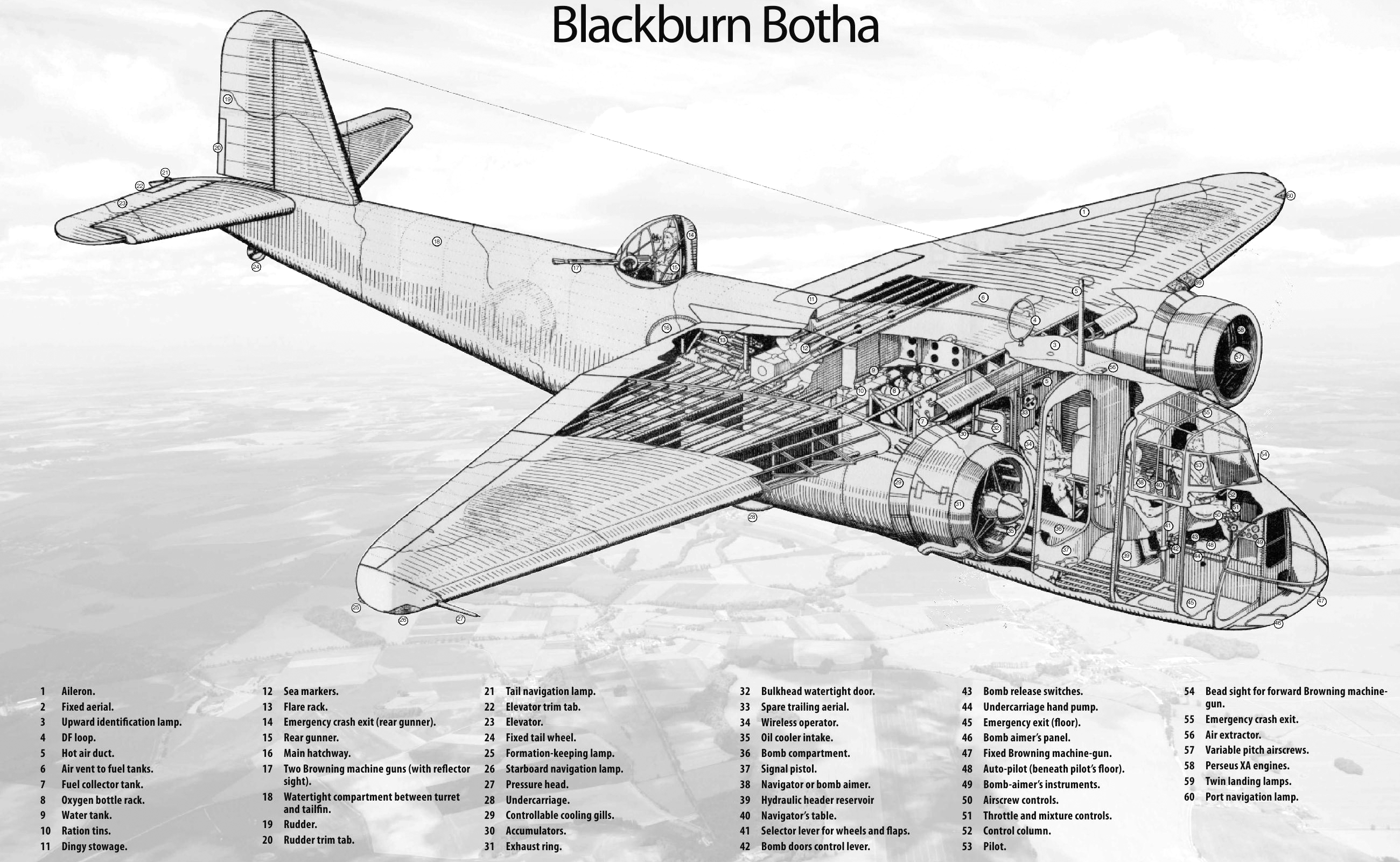 B-26 Botha |
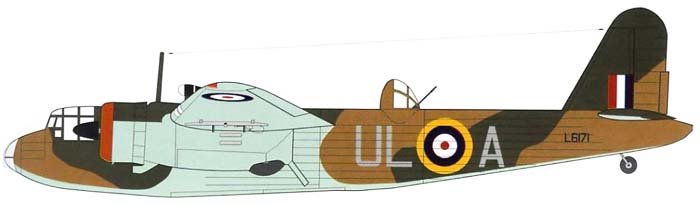 B-26 Botha |
Equipo Editorial de ArchivoAéreo
Grupo de investigadores y entusiastas de la aviación dedicados a documentar y preservar la historia aeronáutica mundial. Todos los artículos son revisados para garantizar precisión histórica.
Fuentes y Rigurosidad
La información presentada en esta ficha técnica ha sido compilada a partir de manuales de vuelo desclasificados, archivos históricos y bibliografía especializada. Aunque nos esforzamos por mantener la máxima precisión, algunos datos de rendimiento pueden variar según la variante específica o las condiciones operativas.