Blackburn B.T.1 Beagle
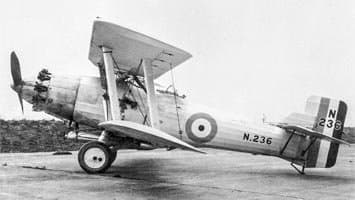
The Blackburn B.T.1 Beagle aircraft was designed by George Edward Petty, an engineer at Blackburn Aeroplane & Motor Co. Ltd. It was developed to meet the requirements of the British Air Ministry’s Specification 23/25, intended to replace the outdated Horsley bombers. During its design, Specification 24/25, which called for a high-altitude bomber, was also taken into account.
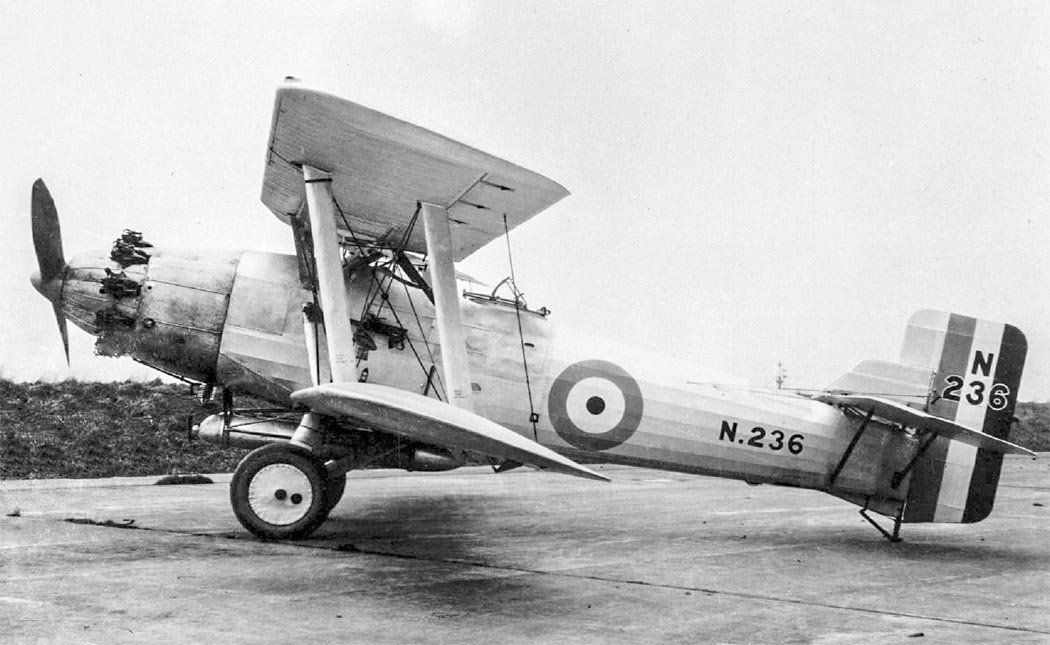
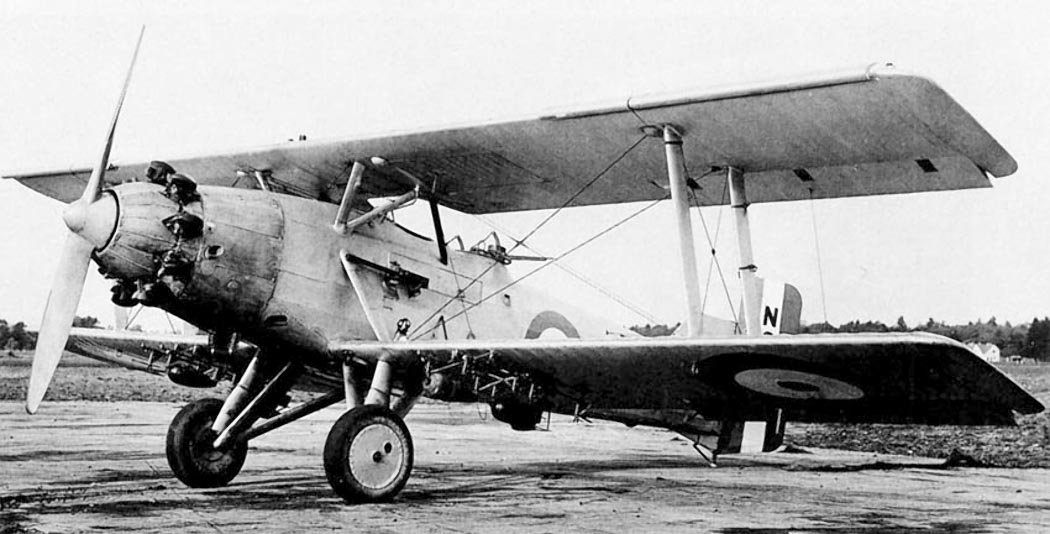
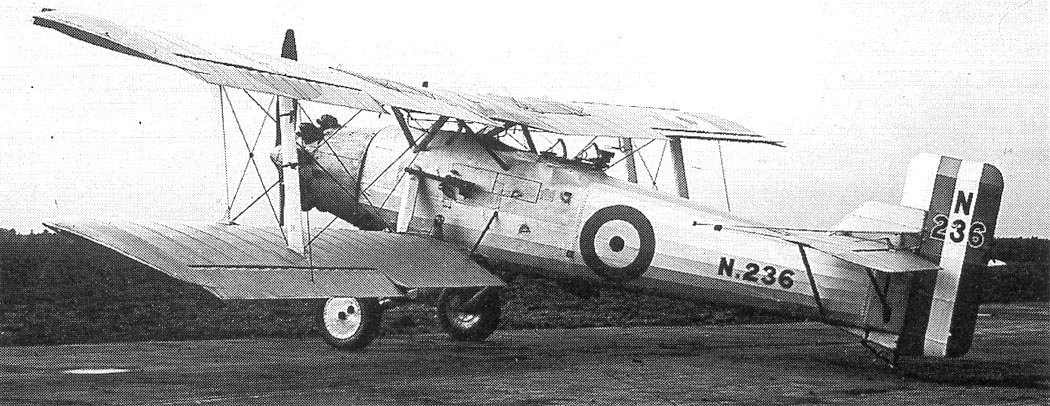
This design allowed the aircraft, with increased combat load and a corresponding reduction in flight performance, to be used by the RAF as a shore-based torpedo bomber. In December 1926, the Air Ministry signed a contract for the construction of a single prototype (N236) of a single-strut biplane, equipped with an air-cooled engine.
Development and First Flight
The B.T.1 was initially planned to be fitted with the new Bristol Orion engine. However, due to its undeveloped state, there was a significant delay in completing the construction. As a result, it was decided to replace the engine with a Bristol Jupiter VIIIF (526 hp). With this engine, the aircraft made its maiden flight on February 18, 1928, piloted by test pilot George Bulman.
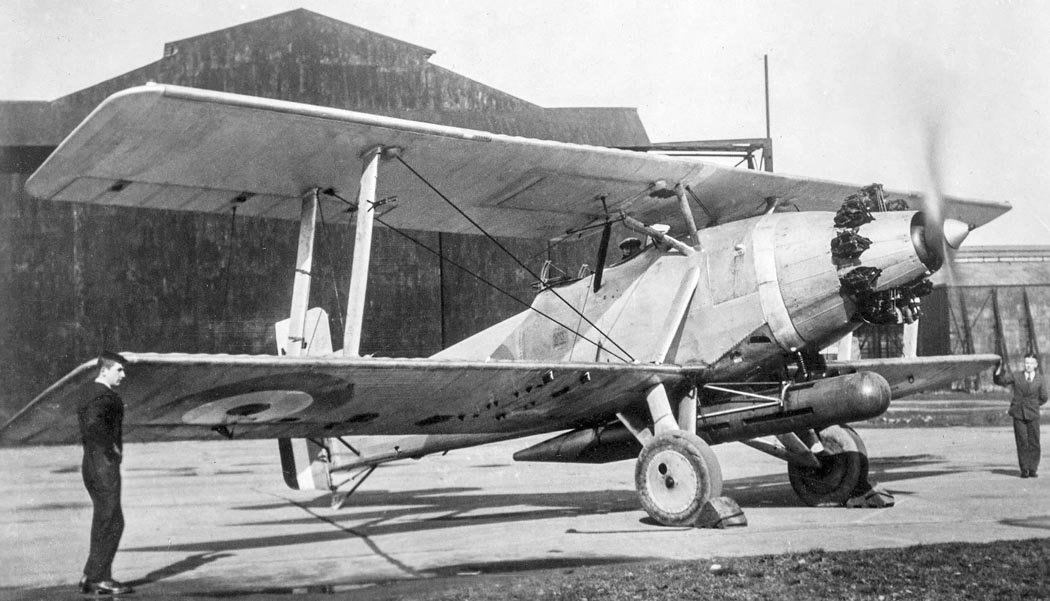
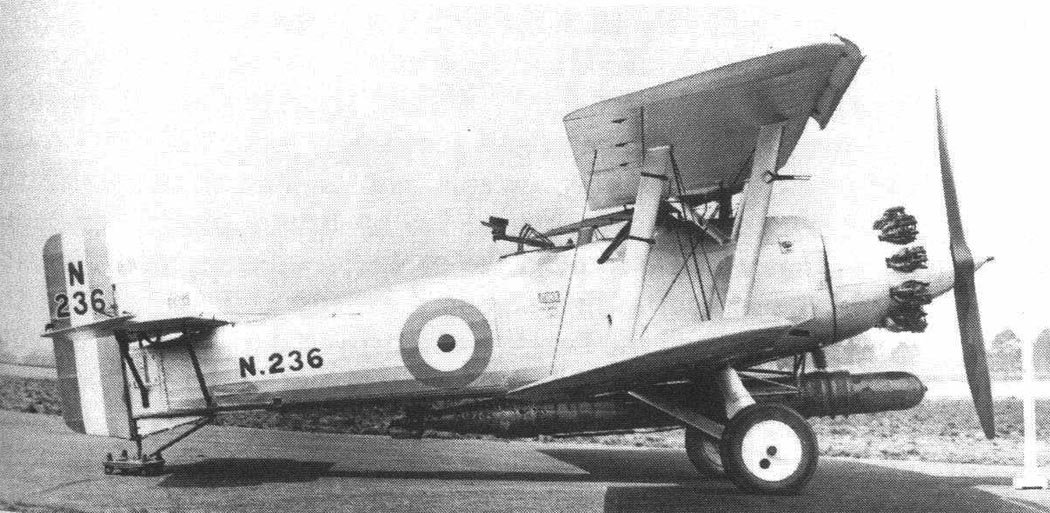
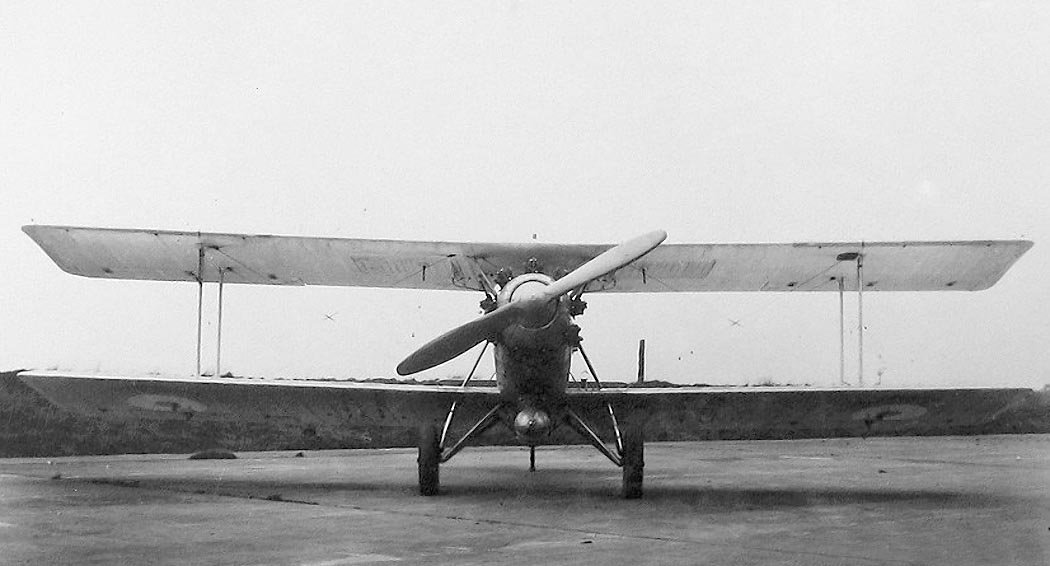
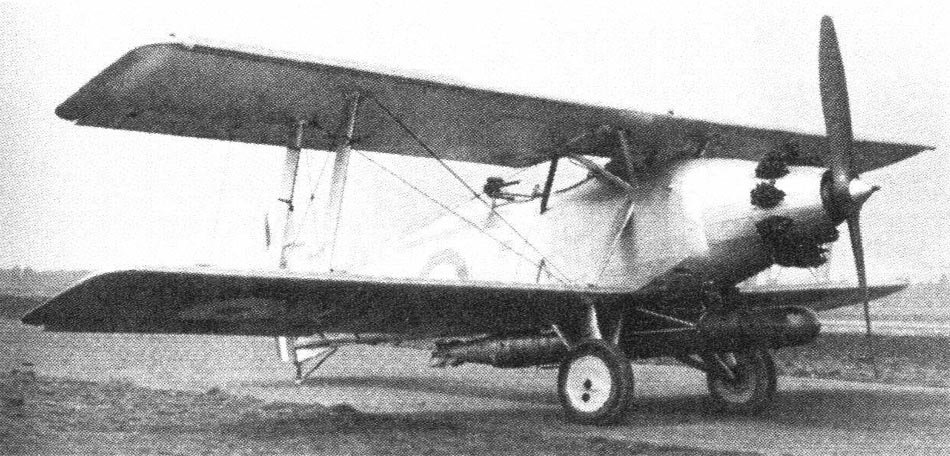
The aircraft itself was a two-seater, single-strut biplane of mixed construction, primarily fabric-covered. Its armament consisted of one fixed forward 7.7-mm Vickers machine gun and one 7.7-mm Lewis machine gun on a Scarff turret in the rear cockpit. The Beagle could carry one 18-inch Mk.VIII torpedo or two 250-kilogram bombs.
Trials and Ultimate Fate
After initial factory trials, the Beagle prototype underwent several modifications. It was eventually transferred to the Aeroplane & Armament Experimental Establishment (A&AEE) at Martlesham Heath, Suffolk, in July 1928 for official comparative tests. There, it competed against rivals such as the Gloster Goring, Handley Page Hare, Hawker Harrier, and Westland Witch, though none of these aircraft fully met the client’s requirements.
The Beagle generally received a positive evaluation but also a number of remarks that required prompt rectification. It was returned to the manufacturer for the installation of a 590 hp (440 kW) Jupiter XF engine and an improved landing gear. Subsequently, the B.T.1 participated in another competition alongside the Vickers Vildebeest and Handley Page Hare, where the Vildebeest emerged as the winner.
After its failure in the competition, the Beagle was returned to Martlesham Heath in March 1931. Unfortunately, the Bristol Jupiter XF engine proved unsuitable for a bomber-torpedo role, leading to the project’s abandonment. The prototype was likely used by the company as a liaison aircraft. The Beagle’s last flight was on October 3, 1932, after which it was scrapped.
Technical Specifications
| Modification | B.T.1 |
| Wingspan, m | 13.87 |
| Length, m | 10.08 |
| Height, m | 3.58 |
| Wing area, m2 | 52.86 |
| Empty weight | 1585 |
| Normal takeoff weight (with bombs) | 2776 |
| Maximum takeoff weight (with torpedo) | 3377 |
| Engine type | 1 Piston engine Bristol Jupiter VIIIF |
| Power, hp | 1 x 526 |
| Maximum speed, km/h | 225 |
| Cruising speed, km/h | 175 |
| Flight endurance, h.min | 3.30 |
| Rate of climb, m/min | 118 |
| Service ceiling, m | 4880 |
| Crew, crew members | 2 |
| Armament | one 7.7-mm Vickers machine gun in the nose of the aircraft and one 7.7-mm Lewis machine gun in the rear cockpit; one 18″ torpedo or up to 500 kg of bomb load. |
Image and diagram gallery of the Blackburn B.T.1 Beagle
 B.T.1 Beagle |
 B.T.1 Beagle |
 B.T.1 Beagle |
 B.T.1 Beagle |
 B.T.1 Beagle |
 B.T.1 Beagle |
 B.T.1 Beagle |
 B.T.1 Beagle |
 B.T.1 Beagle |
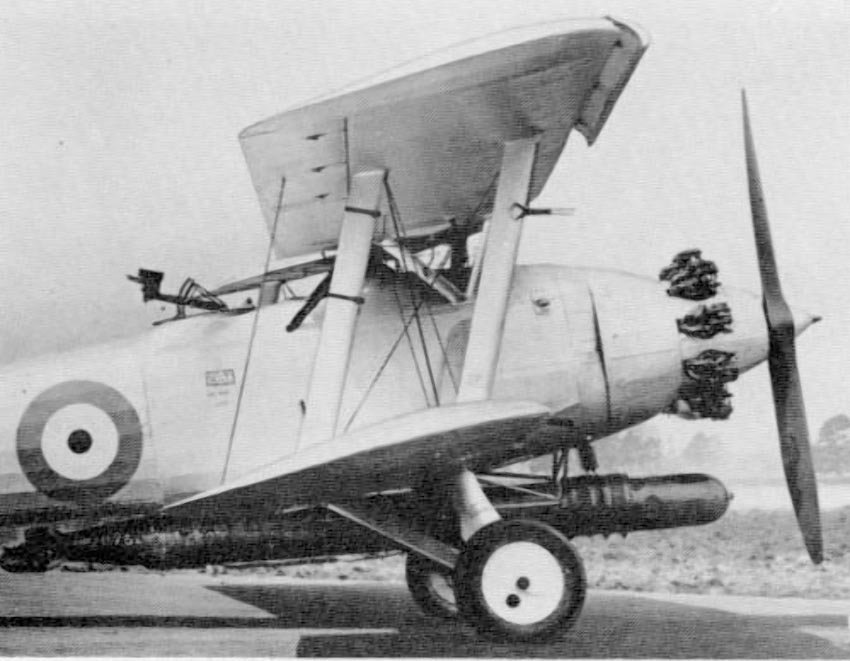 B.T.1 Beagle |
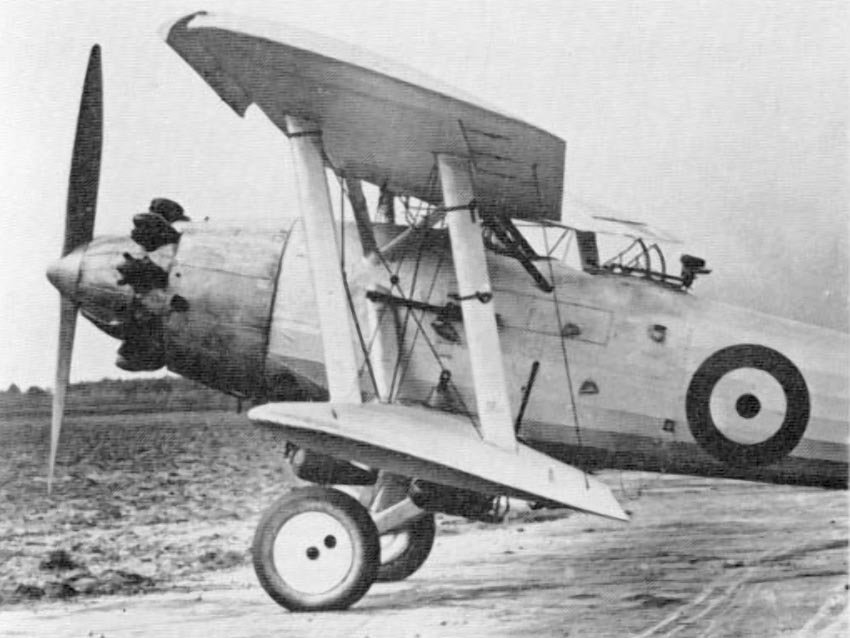 B.T.1 Beagle |
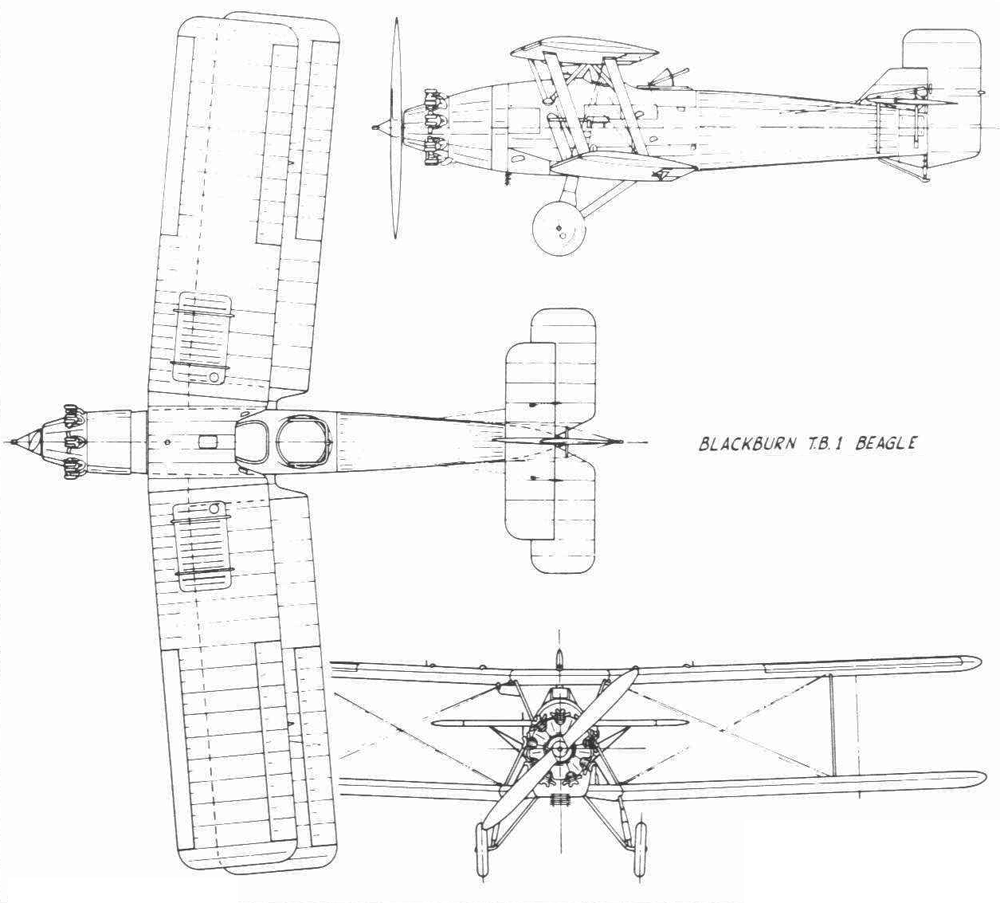 B.T.1 Beagle |
Equipo Editorial de ArchivoAéreo
Grupo de investigadores y entusiastas de la aviación dedicados a documentar y preservar la historia aeronáutica mundial. Todos los artículos son revisados para garantizar precisión histórica.
Fuentes y Rigurosidad
La información presentada en esta ficha técnica ha sido compilada a partir de manuales de vuelo desclasificados, archivos históricos y bibliografía especializada. Aunque nos esforzamos por mantener la máxima precisión, algunos datos de rendimiento pueden variar según la variante específica o las condiciones operativas.