Blackburn Type E
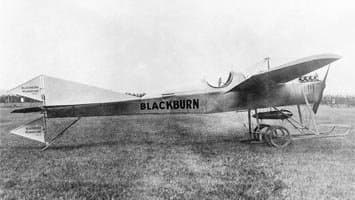
Following the success of its initial batch of wooden monoplanes, Blackburn shifted its focus to steel constructions, as demanded by the military. In November 1911, the War Office published requirements for a two-seater reconnaissance aircraft. One key demand was the ability to disassemble the aircraft for transport in crates from one operational area to another.
Military Development and Requirements
Nine months before the competitive trials on Salisbury Plain, Blackburn built two monoplanes designated “Type E.” The first, assembled in April 1912, was a single-seater aircraft powered by a 60 hp Green inline engine. This particular aircraft was specifically created for Lieutenant W. Lawrence, who intended to use it in India.
Blackburn Type E Variants
The two-seater Type E, intended for the War Office tender trials, was constructed in June 1912 and fitted with a 70 hp Renault V-type engine. However, this second Type E proved too heavy to fly, significantly hindering its military application.
Technical Specifications
| Modification | Blackburn Type E |
| Wingspan, m | 11.68 |
| Length, m | 9.50 |
| Wing area, m2 | 27.00 |
| Normal takeoff weight, kg | 431 |
| Engine type | 1 Piston engine Renault |
| Power, hp | 1 x 70 |
| Maximum speed, km/h | 130 |
| Cruising speed, km/h | 105 |
| Flight endurance, h | 5 |
| Crew | 2 crew |
Image and diagram gallery of the Blackburn Type E
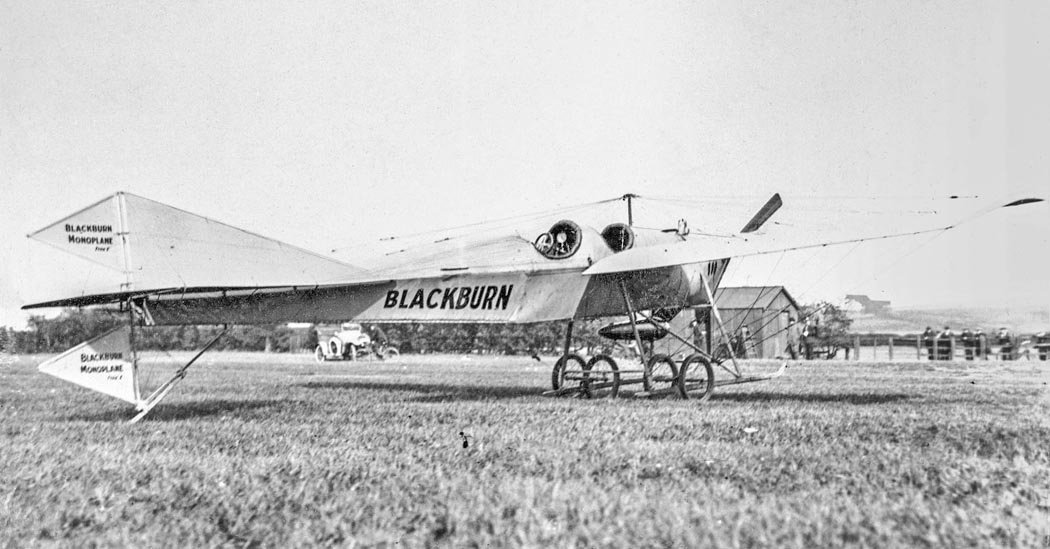 Blackburn Type E |
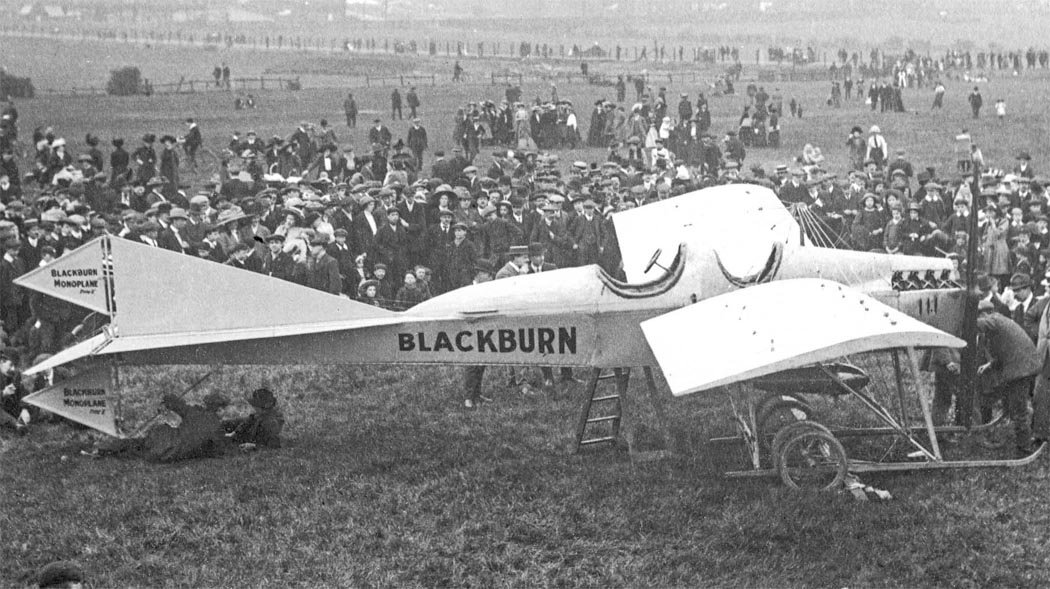 Blackburn Type E |
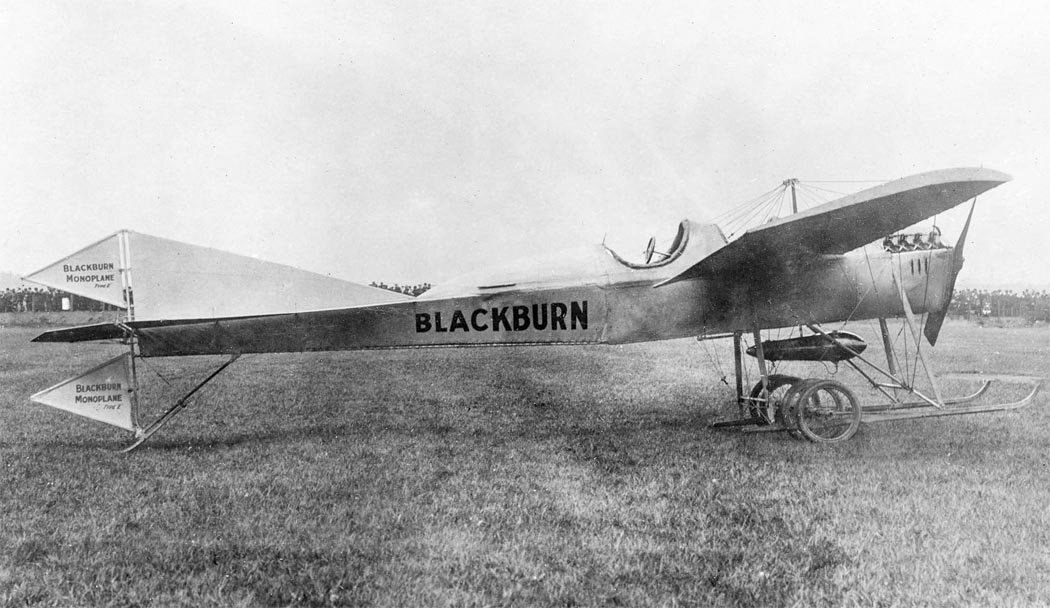 Blackburn Type E |
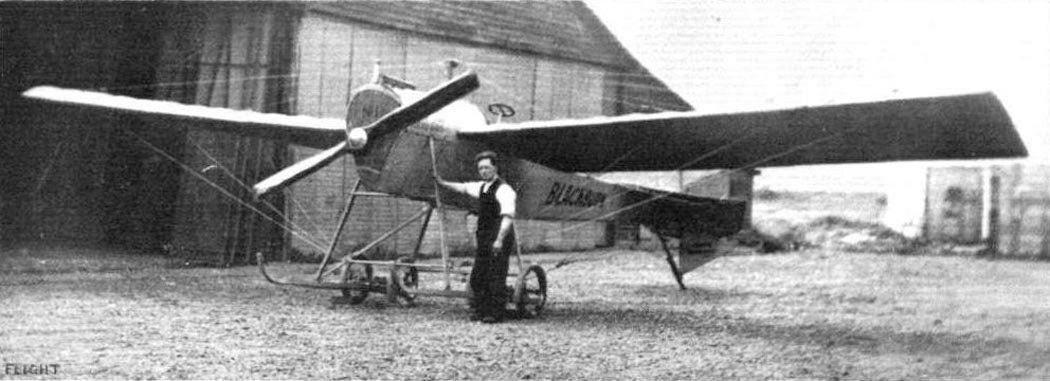 Blackburn Type E |
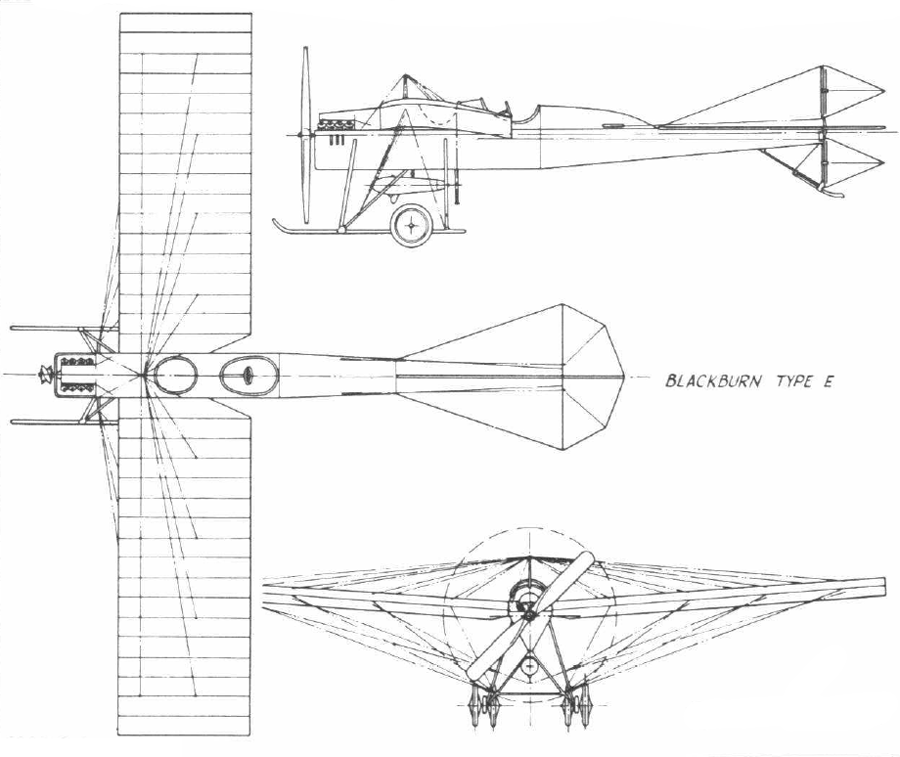 Blackburn Type E |
Equipo Editorial de ArchivoAéreo
Grupo de investigadores y entusiastas de la aviación dedicados a documentar y preservar la historia aeronáutica mundial. Todos los artículos son revisados para garantizar precisión histórica.
Fuentes y Rigurosidad
La información presentada en esta ficha técnica ha sido compilada a partir de manuales de vuelo desclasificados, archivos históricos y bibliografía especializada. Aunque nos esforzamos por mantener la máxima precisión, algunos datos de rendimiento pueden variar según la variante específica o las condiciones operativas.