Blackburn Type L
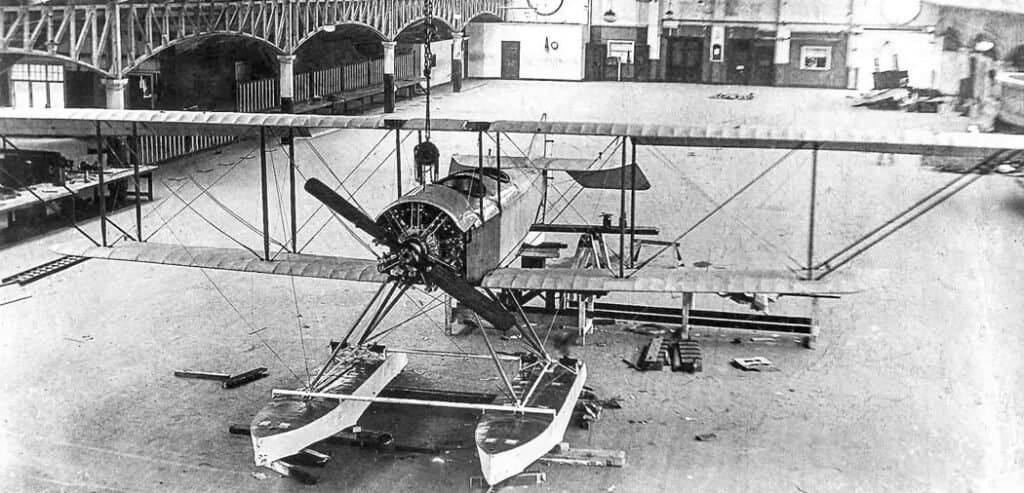
Blackburn’s first six aircraft were monoplanes. However, from 1912 to 1914, Europe saw a series of accidents involving such aircraft, leading even to an RFC ban on the adoption of monoplanes. Consequently, the company’s next aircraft, designated Type L, was designed as a biplane.
Design Evolution
This two-seater seaplane was specifically built to compete in the 1914 Daily Mail race. The Type L was fitted with a 130 hp Salmson nine-cylinder, water-cooled engine, produced under license by Dudbridge Iron Works Ltd.
Wartime Service and Modifications
The start of the Daily Mail race was scheduled for August 14th, but World War I began on August 4th. All nine entrants were subsequently confiscated by the Admiralty. The Type L was transferred to Scalby Mills base for reconnaissance duties.
During its military service, the aircraft underwent several modifications. These included the removal of the cowling, replacement of the ailerons, and the installation of a new, enlarged propeller. By late 1914, a defensive 7.7mm machine gun was also fitted.
The Blackburn Type L was ultimately lost in an accident in early 1915, concluding its brief but significant operational career.
Technical Specifications
| Modification | Type L |
| Wingspan, m | 15.08 |
| Length, m | 9.91 |
| Height, m | 3.81 |
| Wing area, m2 | 44.70 |
| Empty weight | 779 |
| Normal takeoff weight | 1123 |
| Engine type | 1 Piston engine Salmson-Canton-Unne |
| Power, hp | 1 х 130 |
| Maximum speed, km/h | 1 30 |
| Cruising speed, km/h | 105 |
| Practical range, km | 715 |
| Rate of climb, m/min | 45 |
| Service ceiling, m | 3350 |
| Crew | 2 |
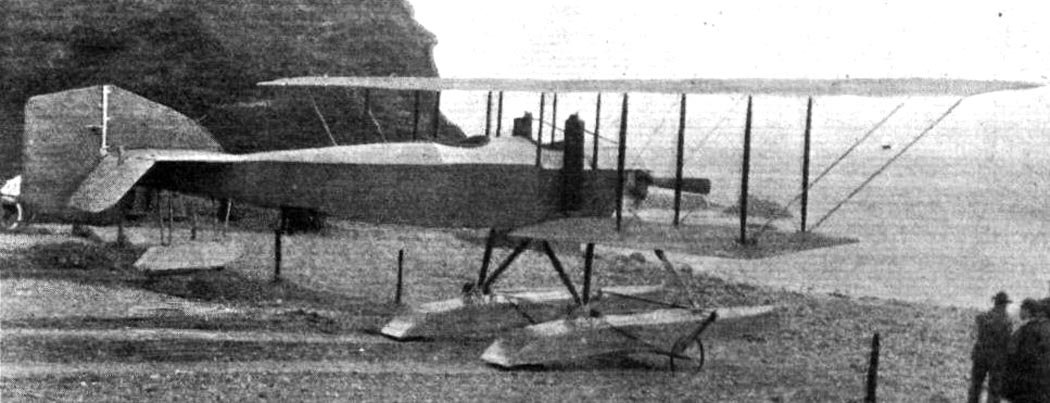
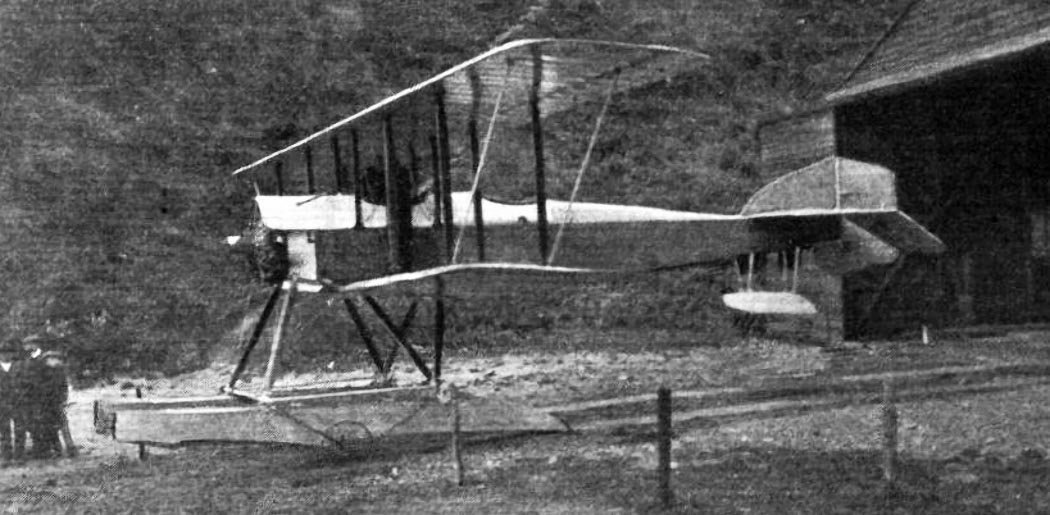
Image and diagram gallery of the Blackburn Type L
 Blackburn Type L |
 Blackburn Type L |
 Blackburn Type L |
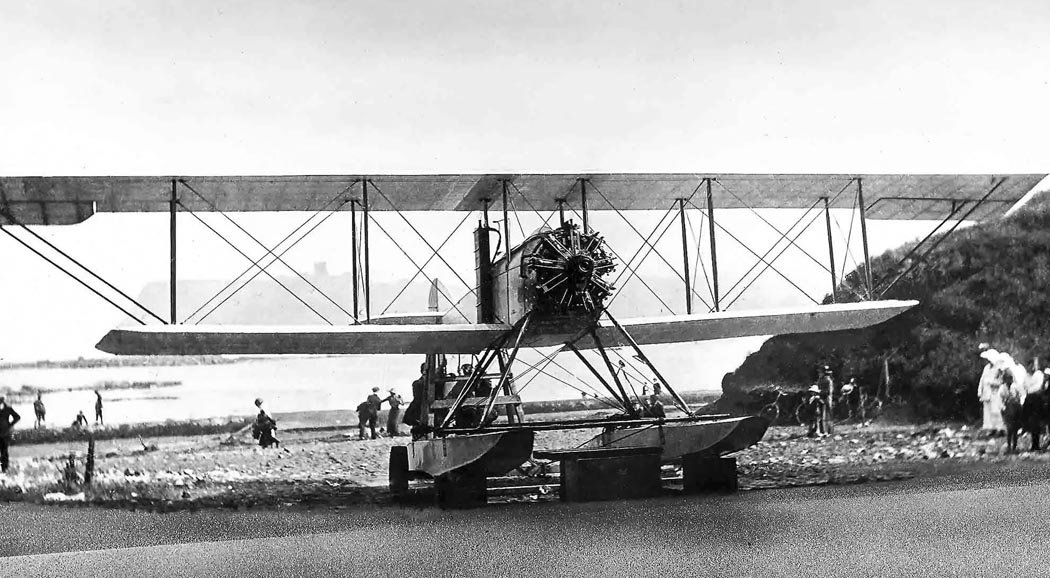 Blackburn Type L |
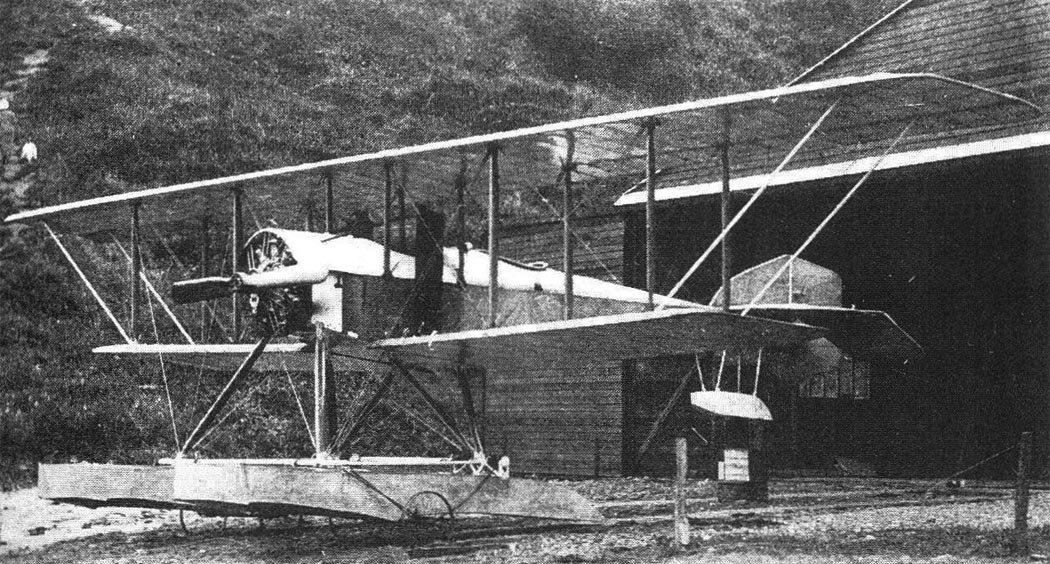 Blackburn Type L |
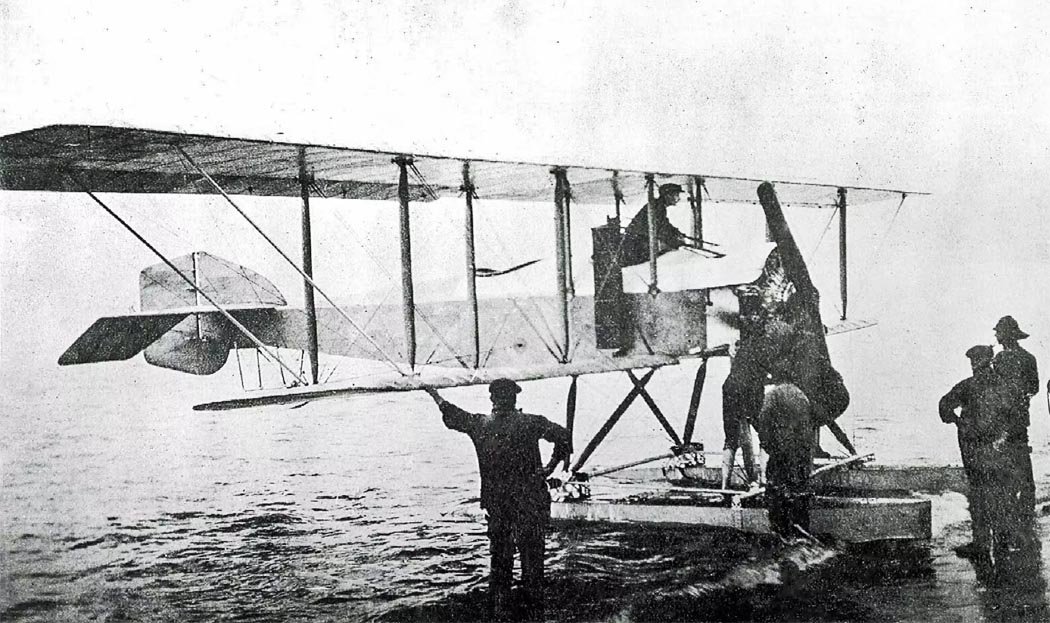 Blackburn Type L |
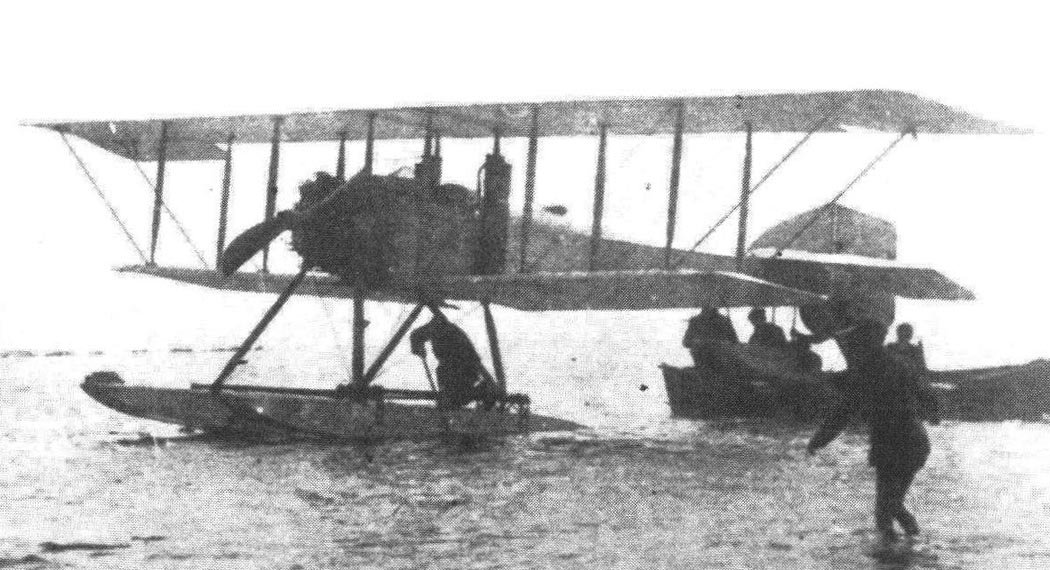 Blackburn Type L |
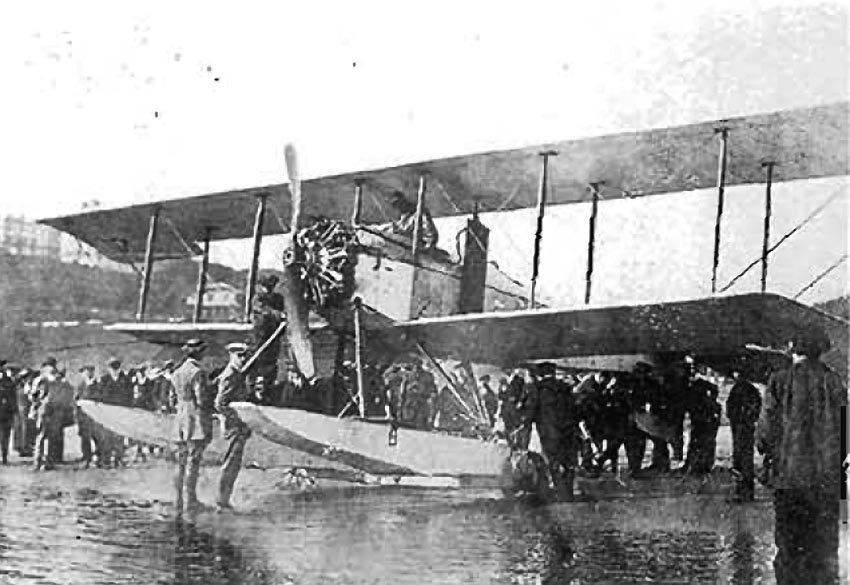 Blackburn Type L |
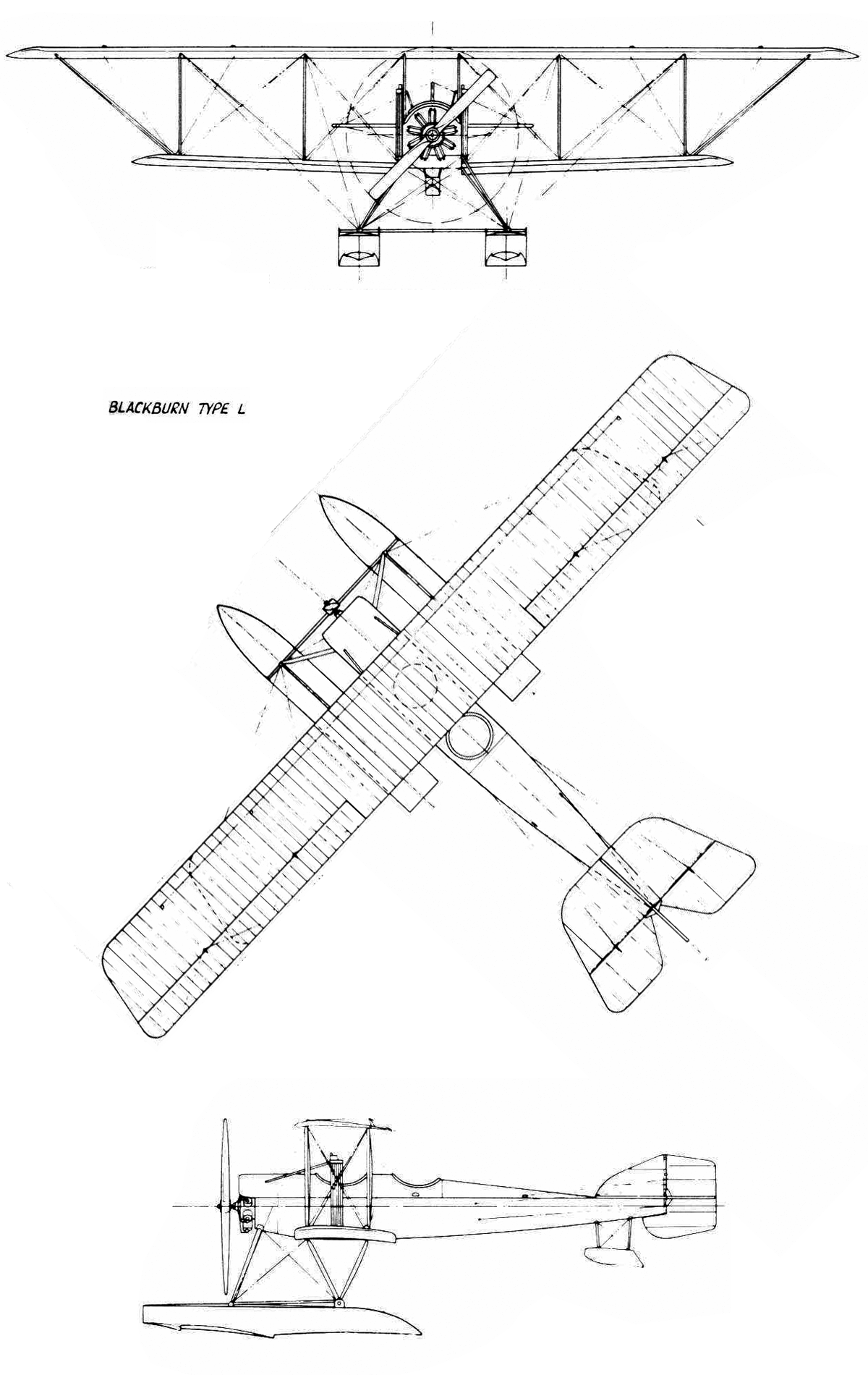 Blackburn Type L |
Equipo Editorial de ArchivoAéreo
Grupo de investigadores y entusiastas de la aviación dedicados a documentar y preservar la historia aeronáutica mundial. Todos los artículos son revisados para garantizar precisión histórica.
Fuentes y Rigurosidad
La información presentada en esta ficha técnica ha sido compilada a partir de manuales de vuelo desclasificados, archivos históricos y bibliografía especializada. Aunque nos esforzamos por mantener la máxima precisión, algunos datos de rendimiento pueden variar según la variante específica o las condiciones operativas.