Bleriot 105
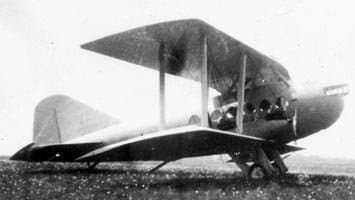
The Bleriot 105 was a transport aircraft developed by the French company Bleriot, based on the large passenger airliner Bleriot-SAD S.45. This nineteen-seater, two-bay biplane featured mixed construction. It was notably equipped with four 300 hp eight-cylinder V-type Hispano-Suiza 8Fb engines, reflecting its ambitious design for its era.
Design and Capacity
Compared to its predecessor, the S-45, the Bleriot 105 saw its crew reduced to a single pilot. Despite this reduction, its passenger cabin was designed to accommodate a total of 18 people, an increase of one passenger over the S-45, showcasing an effort to maximize transport efficiency.
Maiden Flight and Market Reception
The aircraft took to the skies for its maiden flight on August 4, 1924. However, the market for such a large passenger aircraft proved limited, as airlines found it impractical for their needs. Consequently, Bleriot’s developers shifted their focus towards designing aircraft with smaller passenger capacities, adapting to commercial demands.
Technical Specifications
| Modification | Bl-105 |
| Wingspan, m | 25.84 |
| Length, m | 15.69 |
| Height, m | 5.95 |
| Wing area, m2 | 125.00 |
| Empty weight | 3000 |
| Normal takeoff weight | 5500 |
| Engine type | 4 Piston engines Hispano-Suiza 8Fb |
| Power, hp | 4 x 300 |
| Maximum speed, km/h | 154 |
| Cruising speed, km/h | 130 |
| Service ceiling, m | 2900 |
| Crew, crew members | 1 |
| Payload | up to 18 passengers |
Image and diagram gallery of the Bleriot 105
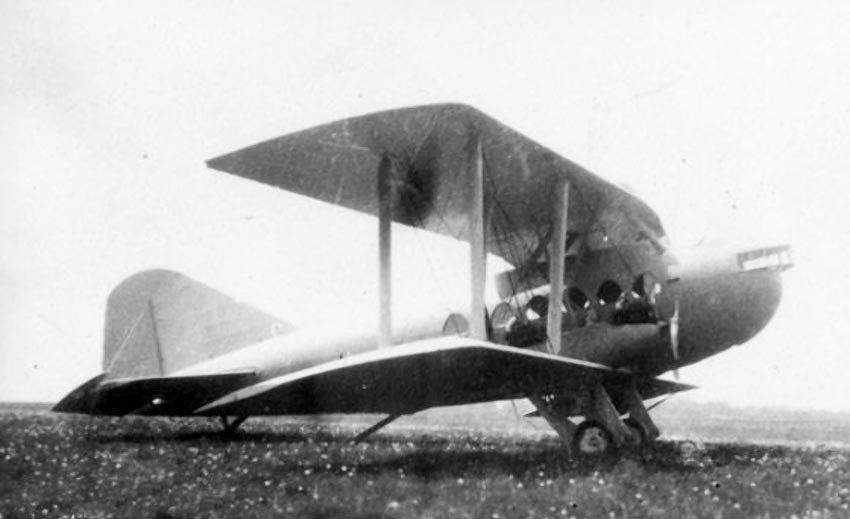 Bleriot 105 |
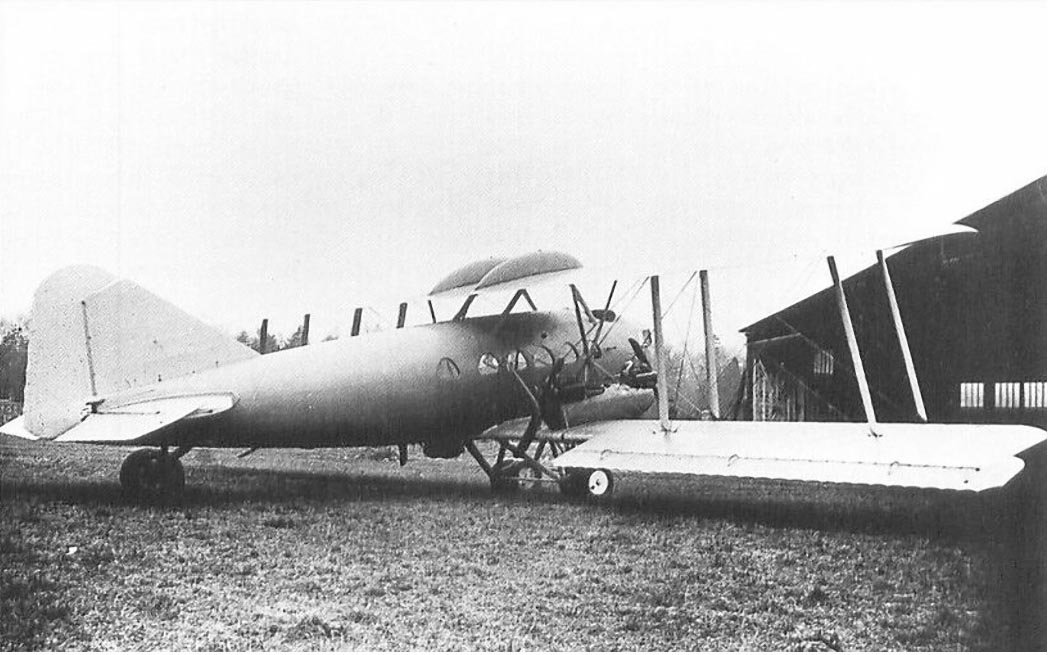 Bleriot 105 |
Equipo Editorial de ArchivoAéreo
Grupo de investigadores y entusiastas de la aviación dedicados a documentar y preservar la historia aeronáutica mundial. Todos los artículos son revisados para garantizar precisión histórica.
Fuentes y Rigurosidad
La información presentada en esta ficha técnica ha sido compilada a partir de manuales de vuelo desclasificados, archivos históricos y bibliografía especializada. Aunque nos esforzamos por mantener la máxima precisión, algunos datos de rendimiento pueden variar según la variante específica o las condiciones operativas.