Bleriot XXXVI
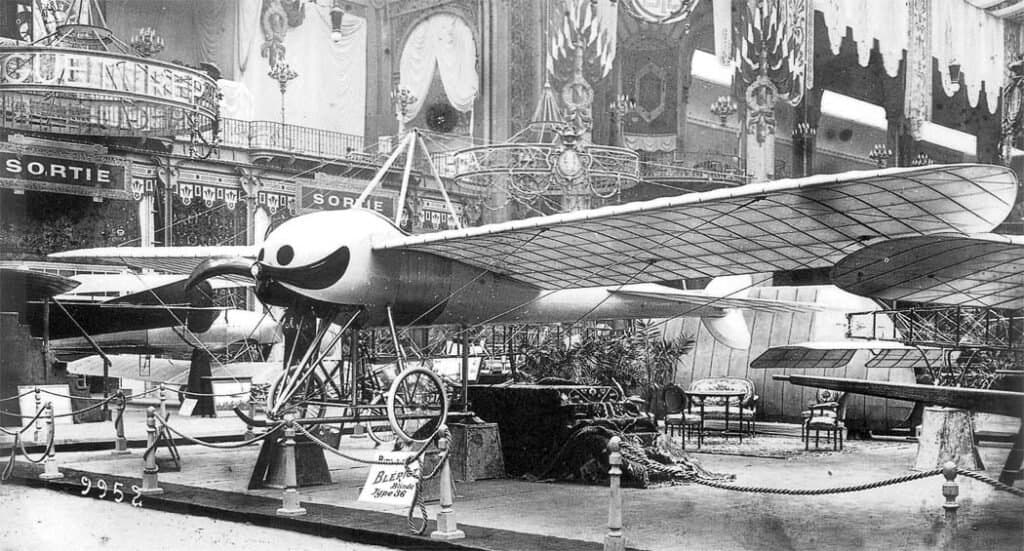
In October 1912, Louis Bleriot presented the Bleriot XXXVI reconnaissance and observation aircraft at the Paris Aviation Exhibition. This was a two-seater mid-wing monoplane with a monocoque fuselage, equipped with an 80 hp Gnome Lambda engine. The aircraft’s crew was seated side-by-side in the cockpit.
For the safety of observing the enemy, the aircraft was partially armored. The aircraft’s first flight took place in November 1912, and it was named “Torpille” due to its fuselage shape. However, thanks to the armor, its flight characteristics proved to be quite mediocre.
The Bleriot XXXVI: An Armored Reconnaissance Aircraft
The following year, Lucas-Gerardville undertook the redesign of the aircraft. The engine was replaced with a 160 hp Gnome Double Lambda. The modified aircraft, named Bleriot XXXVIbis, took to the air in July 1914.
Evolution and Operational Challenges
The aircraft was handed over to the well-known pilot Jules Védrines, who carried out several reconnaissance flights on the front with it. However, low speed and engine overheating problems forced the pilot to abandon the Bleriot XXXVIbis.
Védrines managed to give it a name: “La Vache,” which translates to “The Cow”—not the most flattering comparison for an aircraft.
Technical Specifications
| Modification | Bleriot XXXVI |
| Wingspan, m | 12.25 |
| Length, m | 8.33 |
| Wing area, m2 | 25.00 |
| Empty weight | 375 |
| Engine type | 1 Piston engine Gnome Lambda |
| Power, hp | 1 x 80 |
| Maximum speed, km/h | 115 |
| Cruising speed, km/h | 95 |
| Crew | 2 |
Image and diagram gallery of the Bleriot XXXVI
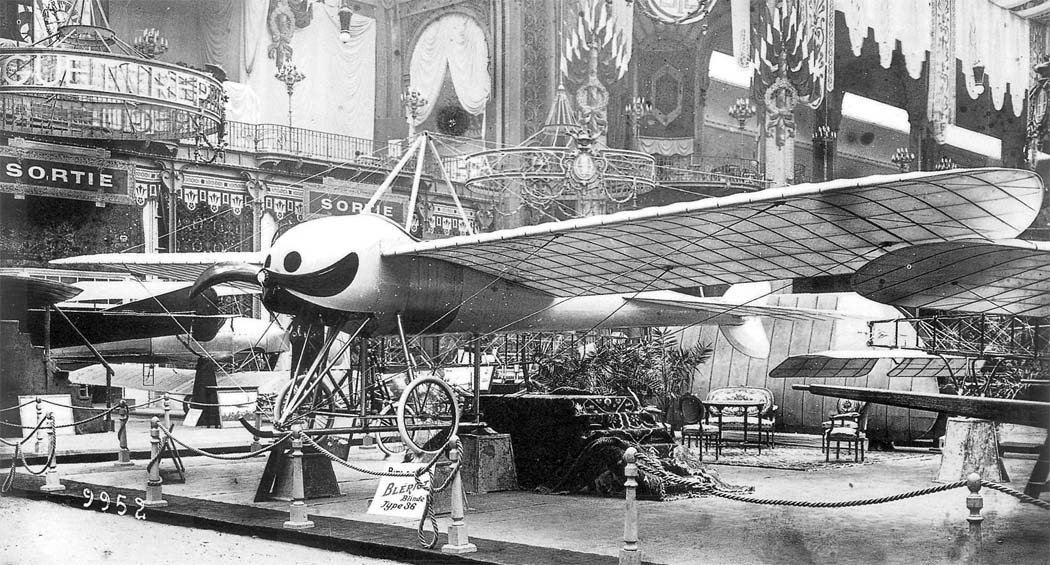 Bleriot XXXVI |
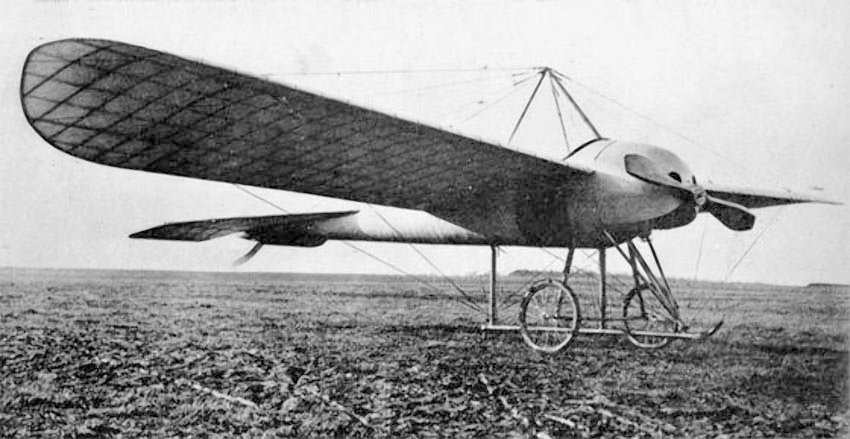 Bleriot XXXVI |
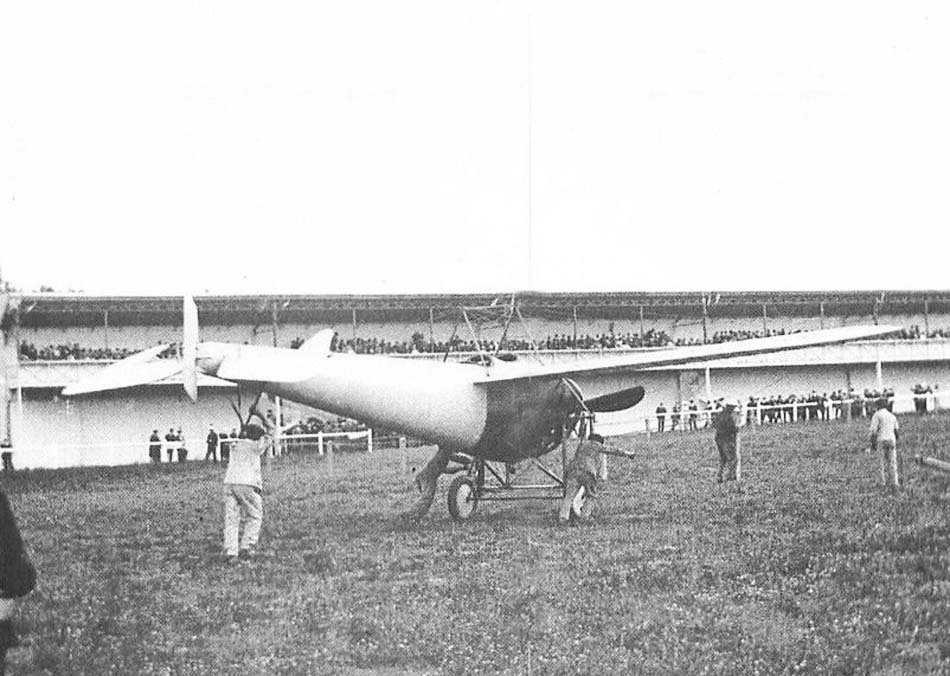 Bleriot XXXVI |
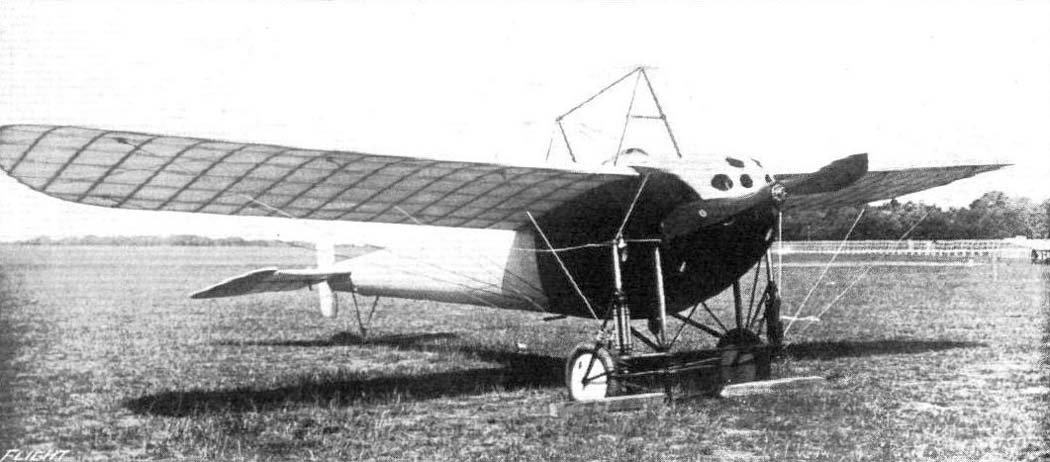 Bleriot XXXVI |
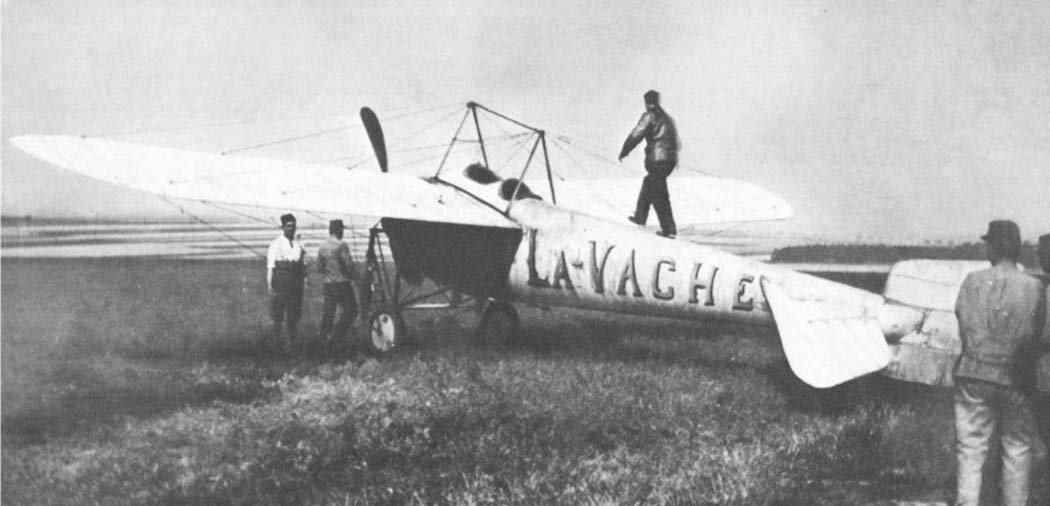 Bleriot XXXVI |
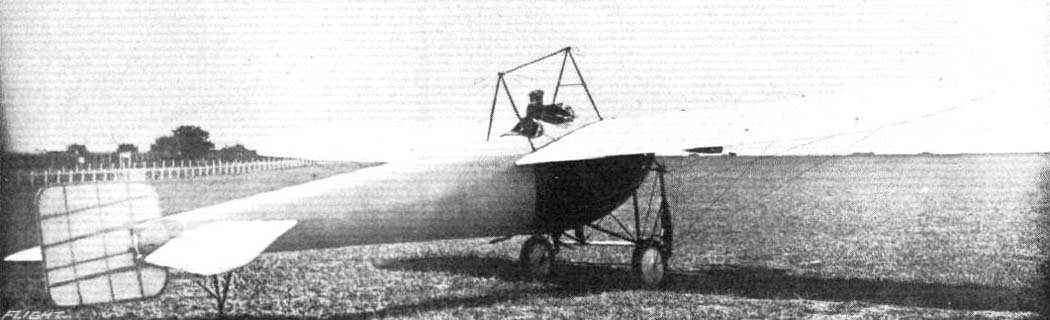 Bleriot XXXVI |
Equipo Editorial de ArchivoAéreo
Grupo de investigadores y entusiastas de la aviación dedicados a documentar y preservar la historia aeronáutica mundial. Todos los artículos son revisados para garantizar precisión histórica.
Fuentes y Rigurosidad
La información presentada en esta ficha técnica ha sido compilada a partir de manuales de vuelo desclasificados, archivos históricos y bibliografía especializada. Aunque nos esforzamos por mantener la máxima precisión, algunos datos de rendimiento pueden variar según la variante específica o las condiciones operativas.