Boarhound
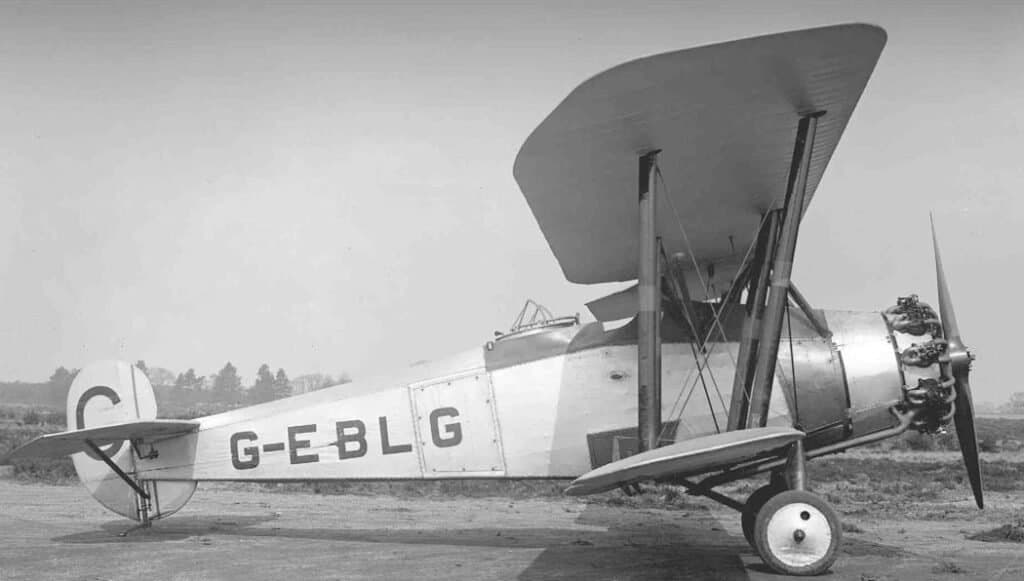
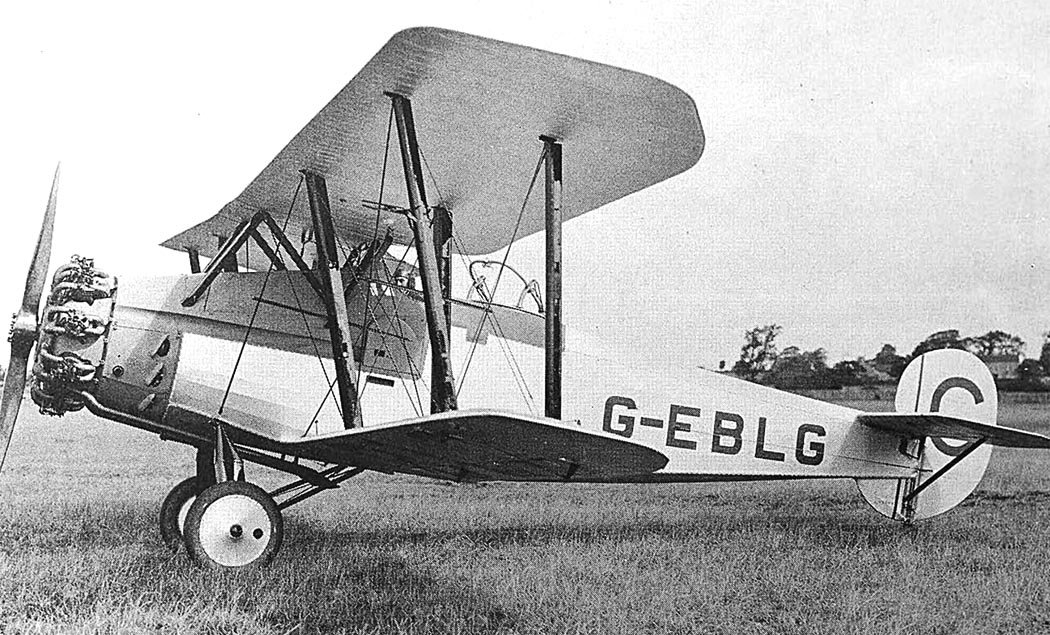
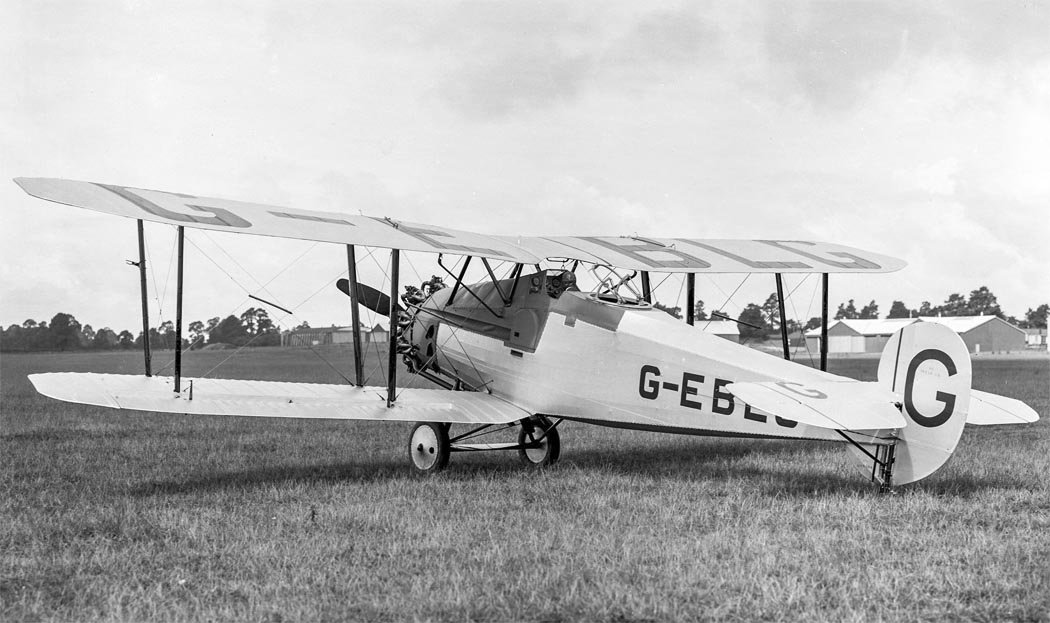
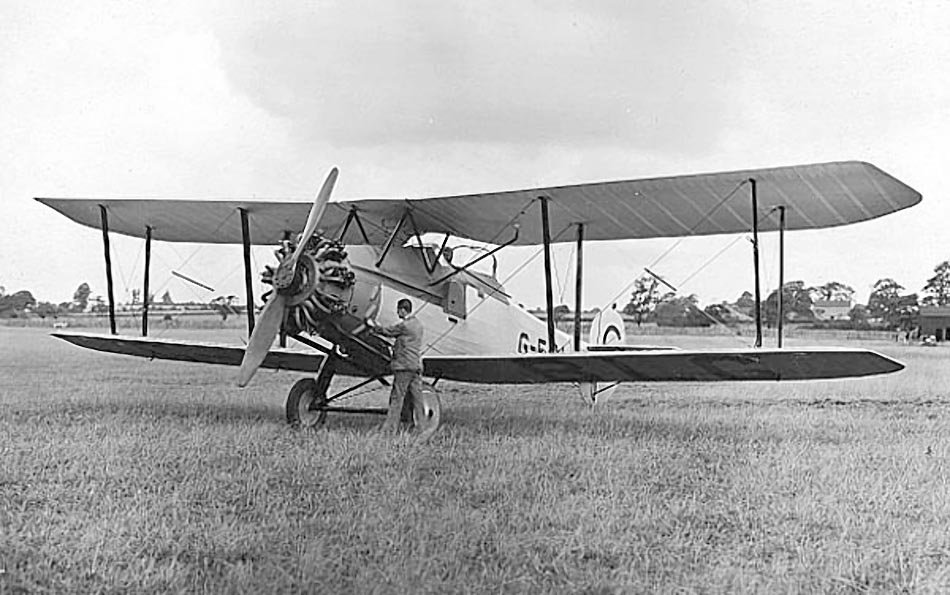
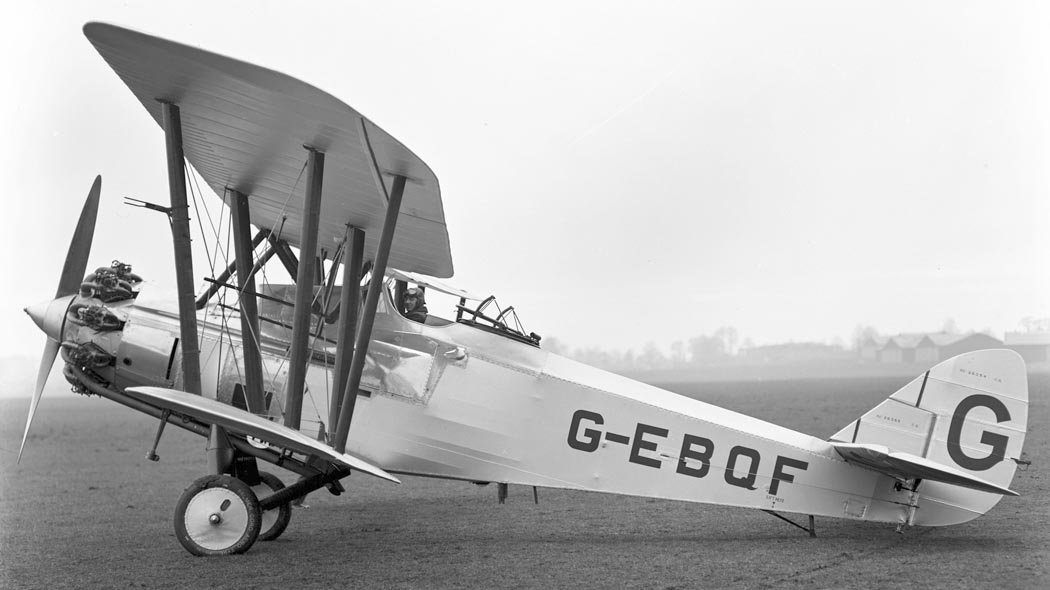
The Bristol Type 93 Boarhound was a multi-purpose auxiliary army aircraft, designed by Captain Barnwell according to the Air Ministry specification. After losing a competition to the Armstrong Whitworth Atlas, work on the aircraft continued on an initiative basis. It was decided to implement a high-strength steel strip construction, created by H.J. Pollard.
Design and Armament
The Boarhound was equipped with a Bristol Jupiter IV engine, capable of 425 horsepower. Its armament consisted of a single forward-firing, synchronized 7.7mm Vickers machine gun and a movable 7.7mm Lewis machine gun on a Scarff turret, installed in the rear cockpit.
Development and Variants
The prototype’s first flight took place on June 8, 1925. Following this initial aircraft, three more units were produced: one designated as the Type 93A Beaver and two as the Type 93B Boarhound II.
Ultimately, these aircraft failed to interest the military, leading to the cessation of all further development work on the project.
Technical Specifications
| Modification | Boarhound |
| Wingspan, m | 13.64 |
| Length, m | 9.60 |
| Height, m | 3.55 |
| Wing area, m2 | 43.11 |
| Empty weight | 1315 |
| Normal takeoff weight | 2023 |
| Engine type | 1 Piston engine Bristol Jupiter IV |
| Power, hp | 1 x 425 |
| Maximum speed, km/h | 217 |
| Cruising speed, km/h | 182 |
| Flight endurance, h | 3 |
| Service ceiling, m | 6706 |
| Crew | 2 crew members |
| Armament | one forward 7.7-mm Vickers machine gun; one 7.7-mm Lewis machine gun on a Scarff turret |
Image and diagram gallery of the Boarhound
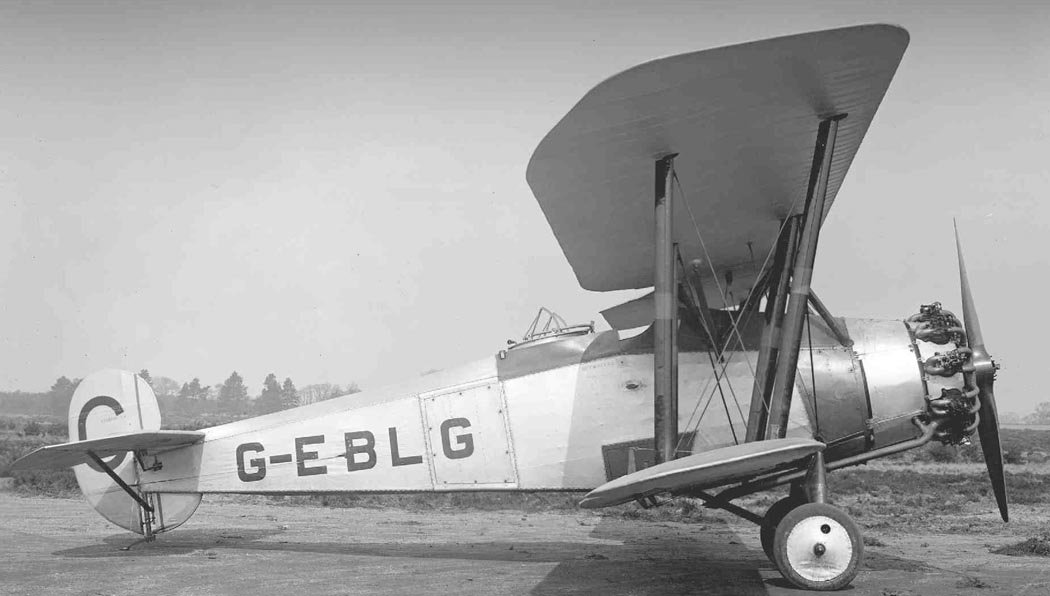 Boarhound |
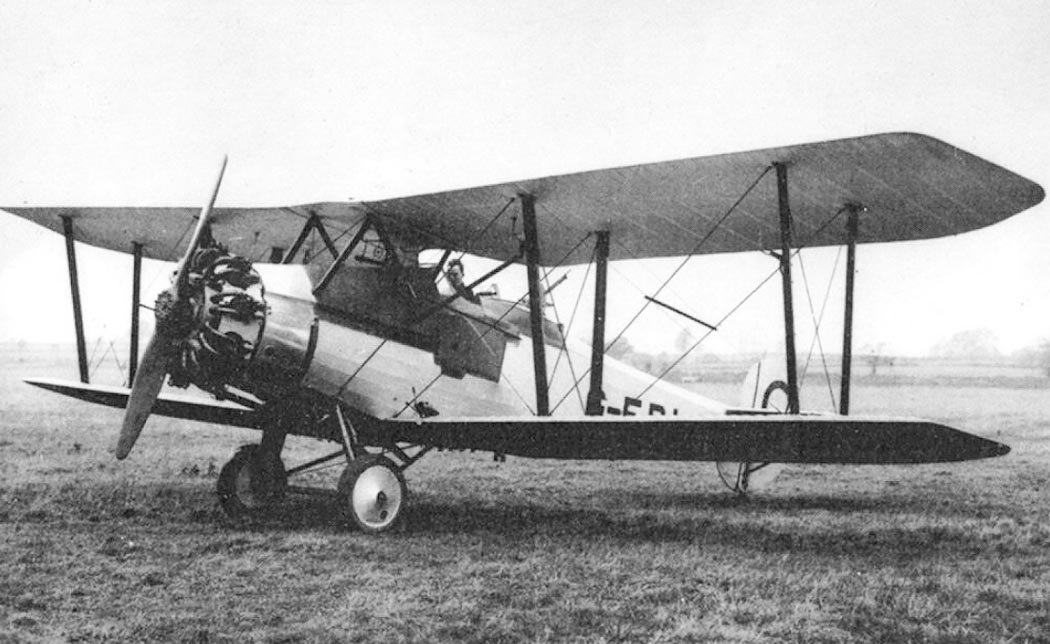 Boarhound |
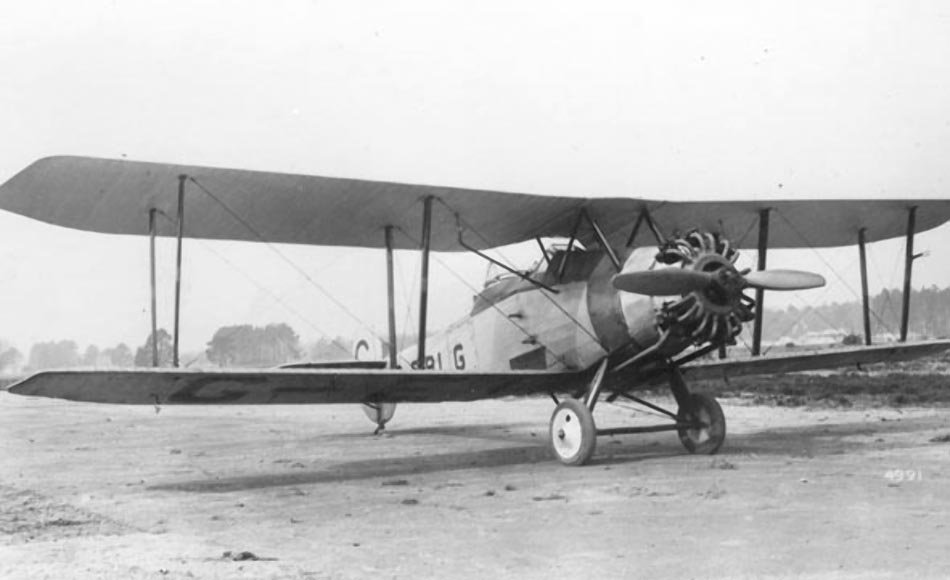 Boarhound |
 Boarhound |
 Boarhound |
 Boarhound |
 Boarhound |
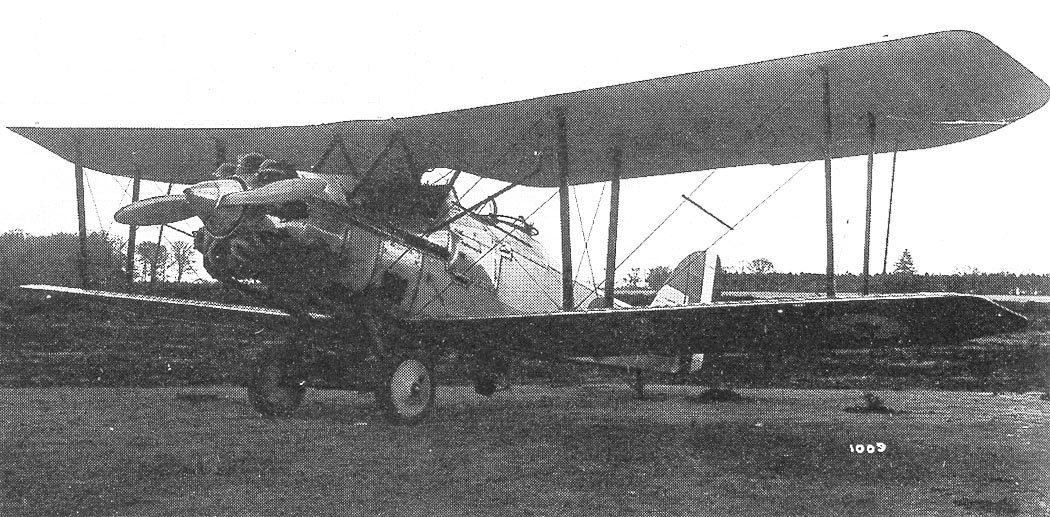 Boarhound |
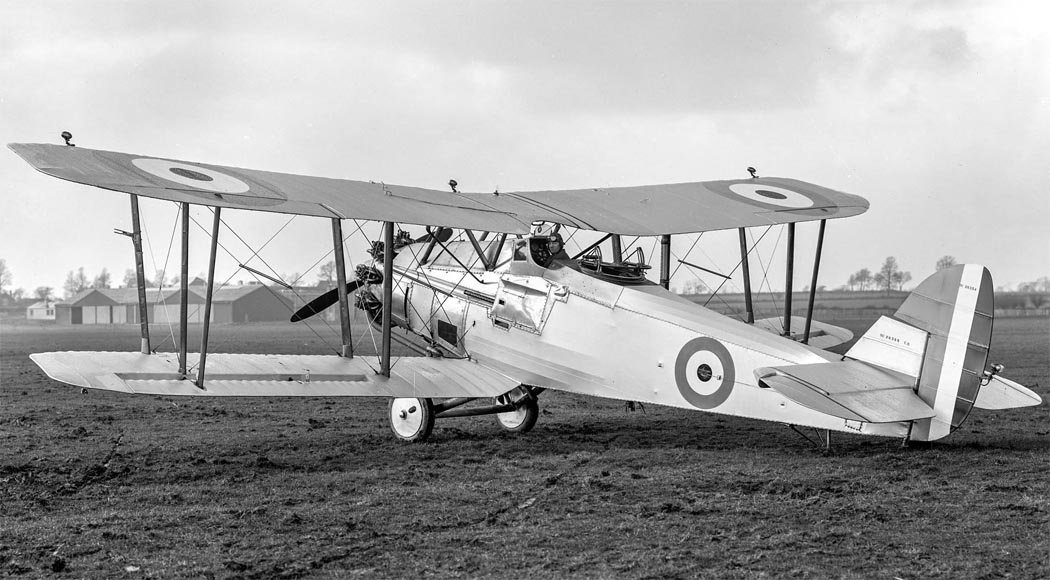 Boarhound |
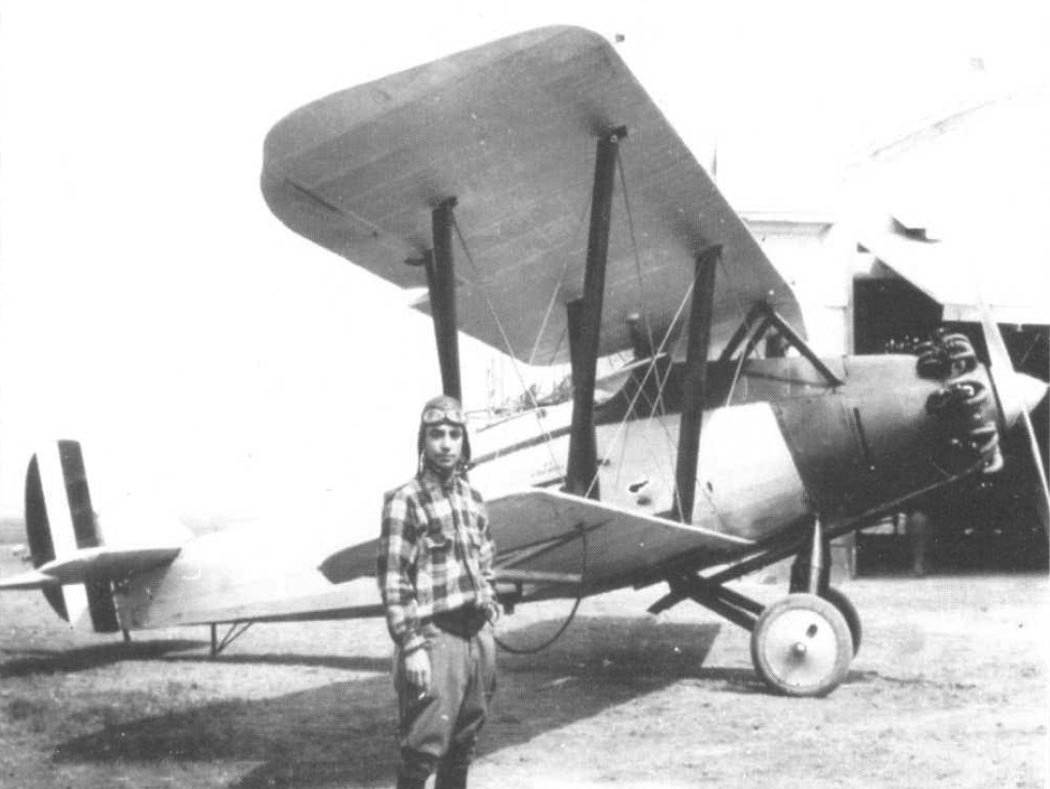 Boarhound |
Equipo Editorial de ArchivoAéreo
Grupo de investigadores y entusiastas de la aviación dedicados a documentar y preservar la historia aeronáutica mundial. Todos los artículos son revisados para garantizar precisión histórica.
Fuentes y Rigurosidad
La información presentada en esta ficha técnica ha sido compilada a partir de manuales de vuelo desclasificados, archivos históricos y bibliografía especializada. Aunque nos esforzamos por mantener la máxima precisión, algunos datos de rendimiento pueden variar según la variante específica o las condiciones operativas.