Boeing Model 50 (PB-1)
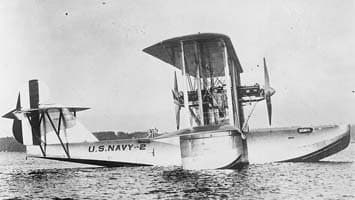
In September 1925, the U.S. Navy issued requirements for a flying boat designed for reconnaissance and bombing, with a range of 3860 km. This impressive range would allow for non-stop flights from San Francisco to the Hawaiian Islands. The flying boat project was initially developed at the Navy’s aircraft factory and subsequently handed over to the “Boeing” company for implementation.
Innovative Design and Features
The new flying boat, designated Boeing Model 50, featured a traditional layout for aircraft of its type. A notable exception was its power plant, consisting of two liquid-cooled engines installed in tandem, equipped with both a pulling and a pushing propeller. The hull design was innovative and significantly influenced subsequent Boeing products.
The lower part of the hull was constructed from metal, while the upper part was made of wood. The hull had two steps (redans), and the wings had an identical span. This blend of materials and a distinct hull shape marked a considerable advance for the era.
Early Flights and Evolution
By the time of its final assembly, the flying boat received the military designation PB-1. It completed its first flight from California to Hawaii in September 1925, accompanied by a PN-9 aircraft. Subsequently, the PB-1 was utilized for conducting various experiments.
In 1928, it was converted into the XPB-2, replacing its liquid-cooled engines with air-cooled Pratt & Whitney R-1860 Hornet engines, each producing 800 hp. This evolution enhanced its performance and versatility for continued testing.
Technical Specifications
| Modification | PB-1 |
| Wingspan, m | 26. 67 |
| Length, m | 18. 10 |
| Height, m | 6. 36 |
| Wing area, m2 | 167. 31 |
| Empty weight | 5240 |
| Maximum takeoff weight | 12194 |
| Engine type | 2 Piston engines Packard 2A-2500 |
| Power, hp | 2 x 800 |
| Maximum speed, km/h | 1 80 |
| Cruising speed, km/h | 151 |
| Practical range, km | 805 |
| Service ceiling, m | 2745 |
| Crew, crew members | 5 |
| Armament: | four 7.62-mm Browning machine guns in turrets and up to 180 kg of bombs on external hardpoints under the lower wing |
Image and diagram gallery of the Boeing Model 50 (PB-1)
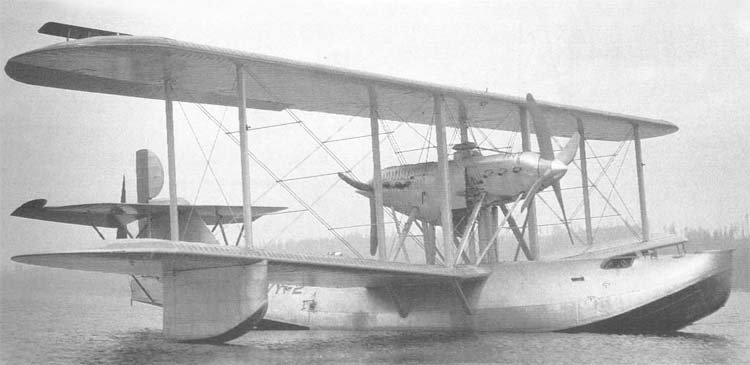 Boeing Model 50 (PB-1) |
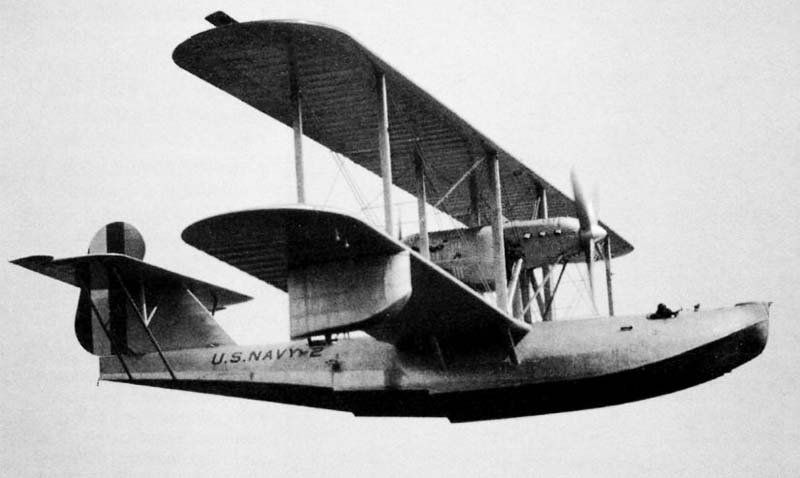 Boeing Model 50 (PB-1) |
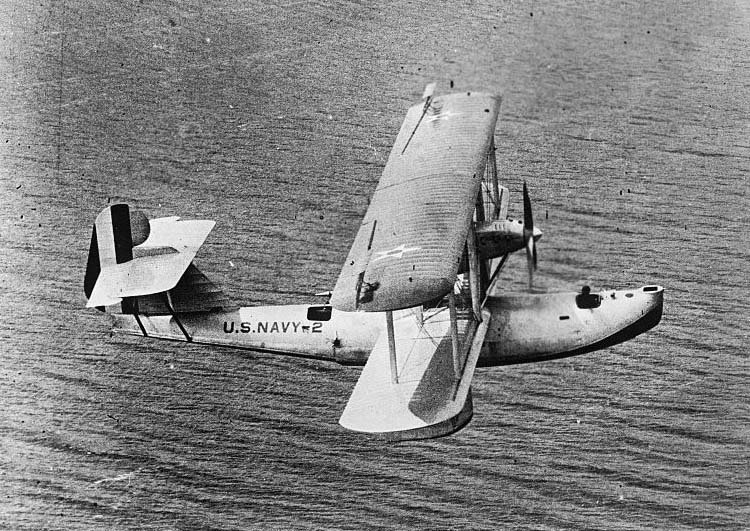 Boeing Model 50 (PB-1) |
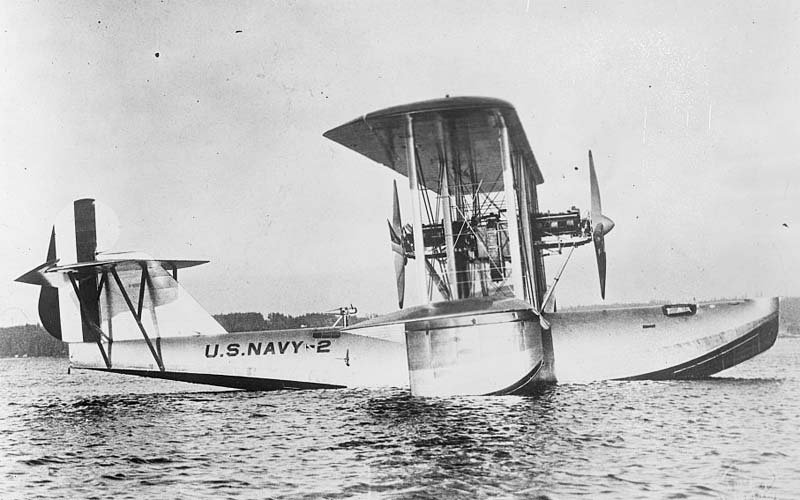 Boeing Model 50 (PB-1) |
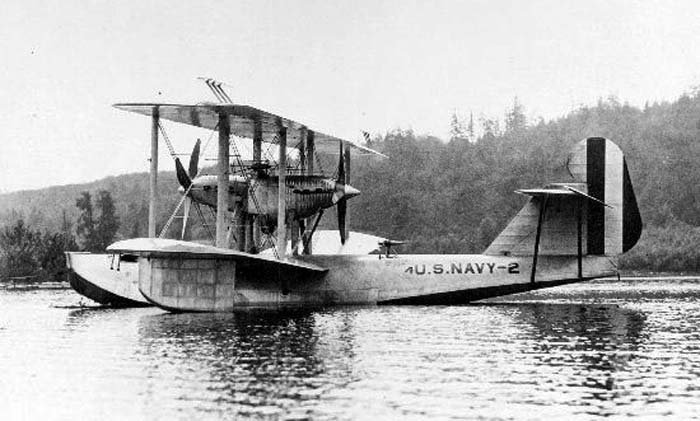 Boeing Model 50 (PB-1) |
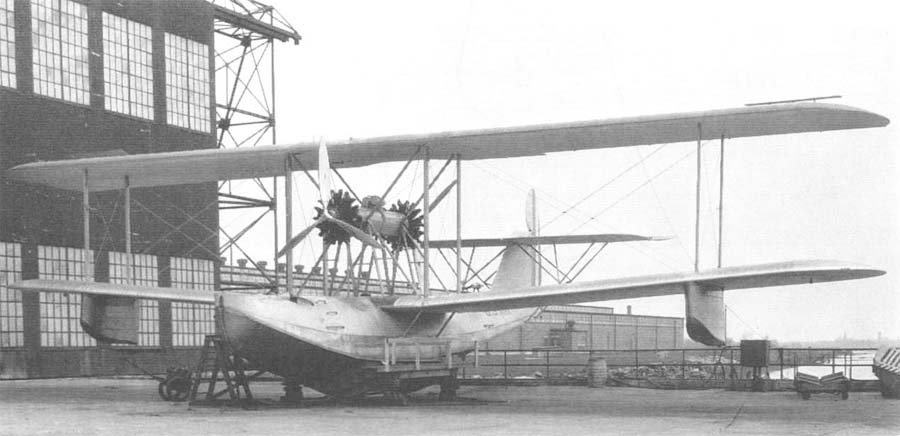 Boeing Model 50 (PB-1) |
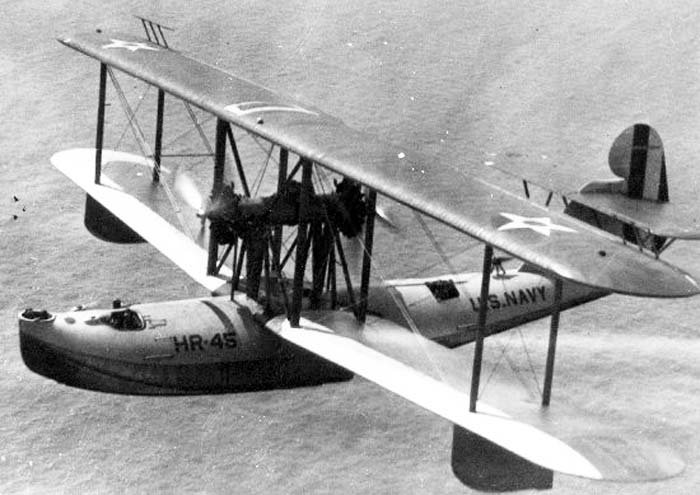 Boeing Model 50 (PB-1) |
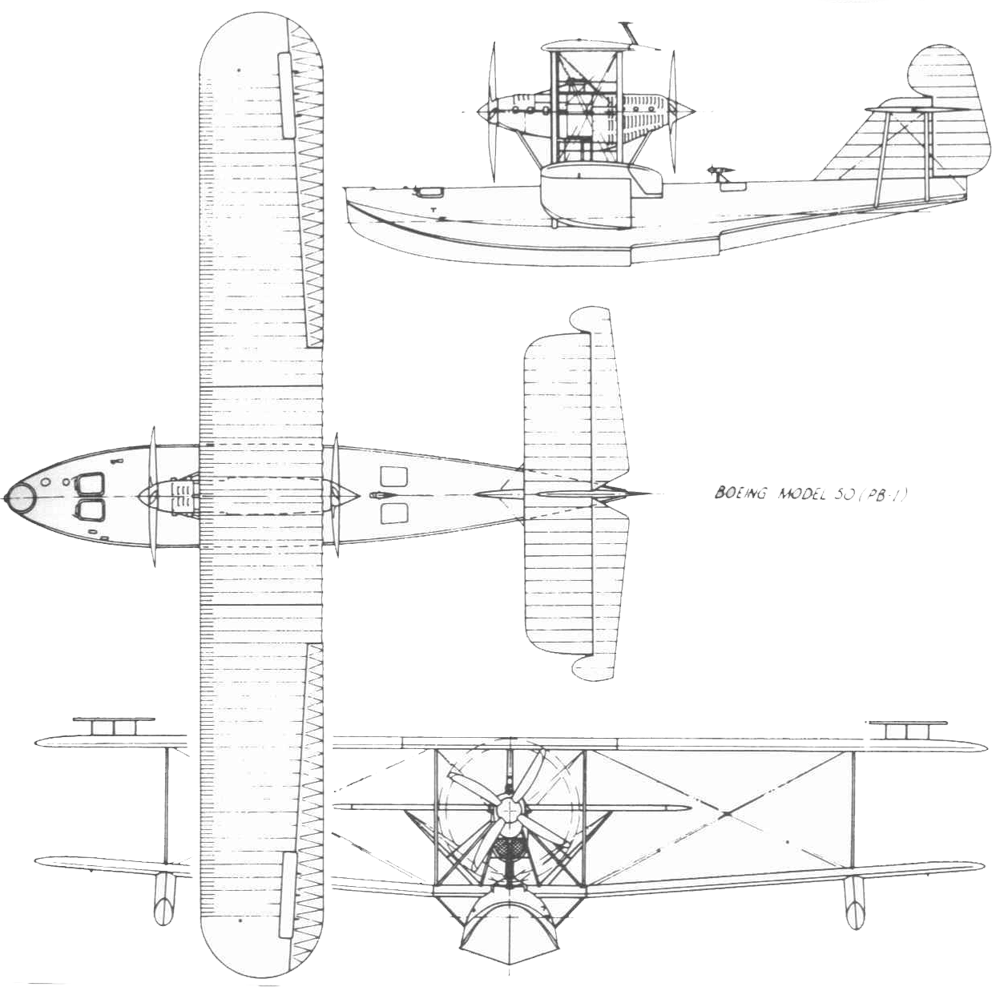 Boeing Model 50 (PB-1) |
Equipo Editorial de ArchivoAéreo
Grupo de investigadores y entusiastas de la aviación dedicados a documentar y preservar la historia aeronáutica mundial. Todos los artículos son revisados para garantizar precisión histórica.
Fuentes y Rigurosidad
La información presentada en esta ficha técnica ha sido compilada a partir de manuales de vuelo desclasificados, archivos históricos y bibliografía especializada. Aunque nos esforzamos por mantener la máxima precisión, algunos datos de rendimiento pueden variar según la variante específica o las condiciones operativas.