Borel Hydravion
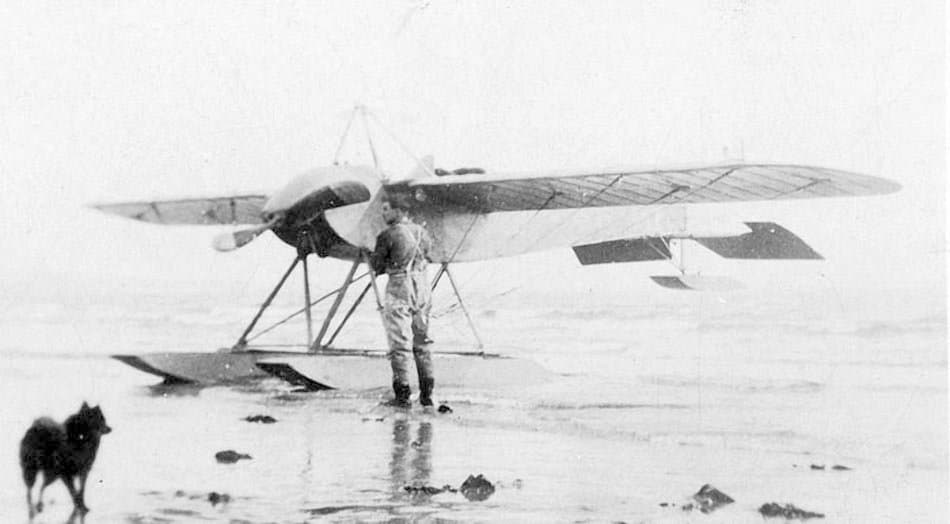
In 1911, Gabriel Borel developed and built a multipurpose seaplane, the “Hydravion,” based on the land-based monoplane Borel-Morane (Morane-Saulnier Type A). This aircraft was a two-seater, high-wing model featuring mixed construction and a monocoque fuselage.
It was powered by a seven-cylinder Gnome Lambda radial engine delivering 80 hp (60 kW). This design quickly garnered interest from naval authorities, who ordered 15 aircraft for their naval training centers in La Vidame and Buis.
Naval Service and World War I
The United Kingdom’s Royal Naval Air Service (RNAS) also acquired eight of these seaplanes. Both French and British hydravions continued to be used at the beginning of World War I, primarily for training purposes.
Their robustness and versatility made them valuable in the early stages of the conflict. They were employed in various roles, though their primary function remained the instruction of naval pilots.
International Reach and Competitions
In 1917, Brazil acquired one such machine, which its Navy used until 1919, demonstrating the international reach of Borel’s design. Additionally, several Borel seaplanes participated in various aerial competitions held before the war began, contributing to their renown.
The total production of this innovative seaplane amounted to 25 units, leaving a significant mark on early naval aviation.
Technical Specifications
| Modification | Hydravion |
| Wingspan, m | 11. 68 |
| Length, m | 8. 37 |
| Height, m | 2.50 |
| Wing area, m2 | 18. 00 |
| Empty weight | 399 |
| Engine type | 1 Piston engine Gnome Lambda |
| Power, hp | 1 x 80 |
| Maximum speed, km/h | 90 |
| Cruising speed, km/h | 75 |
| Crew, crew members | 2 |
Image and diagram gallery of the Borel Hydravion
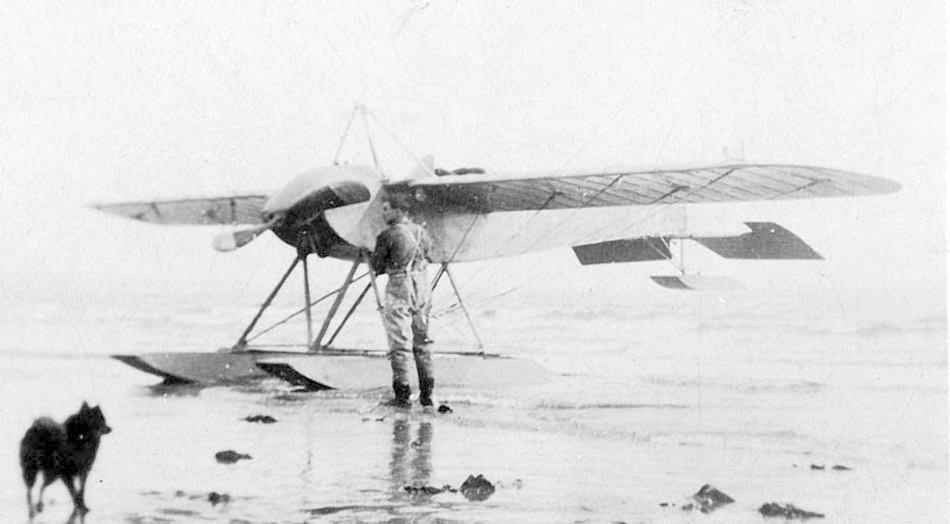 Borel Hydravion |
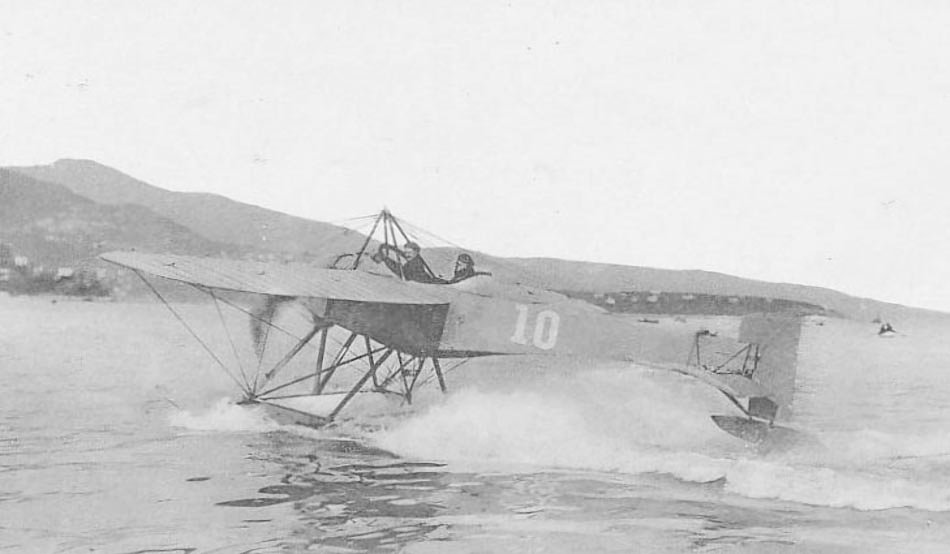 Borel Hydravion |
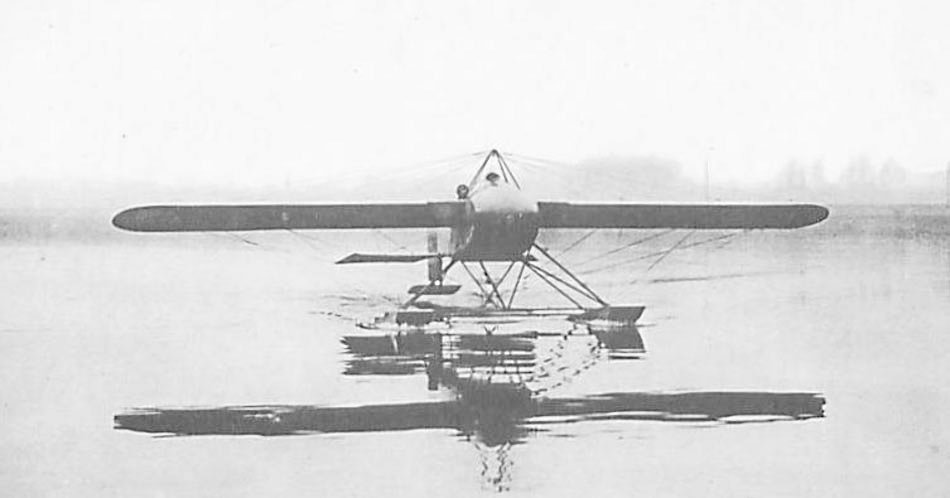 Borel Hydravion |
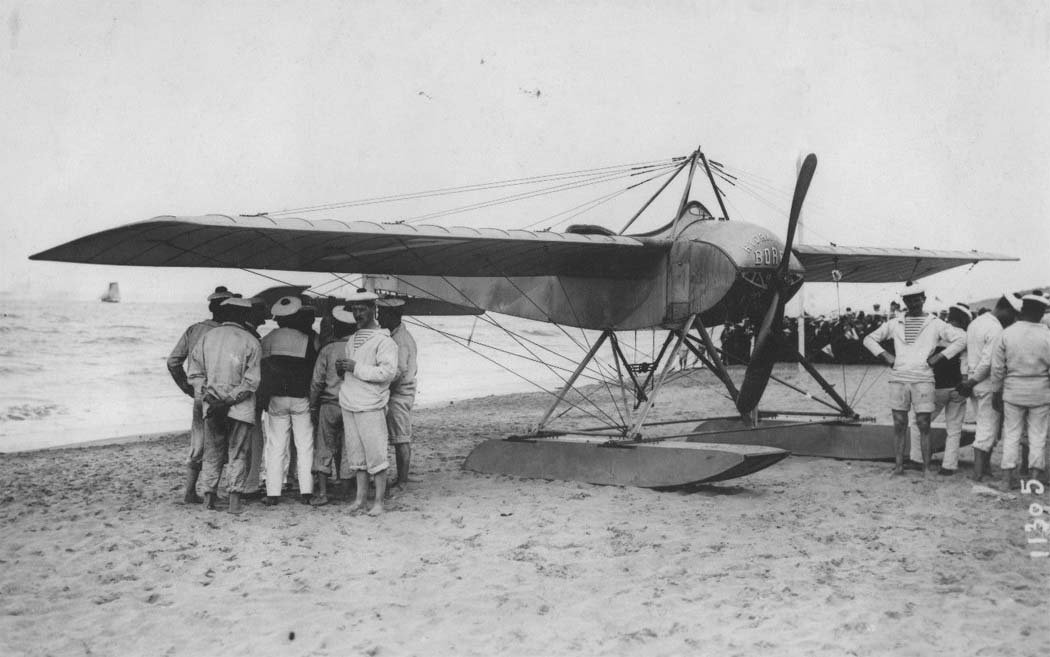 Borel Hydravion |
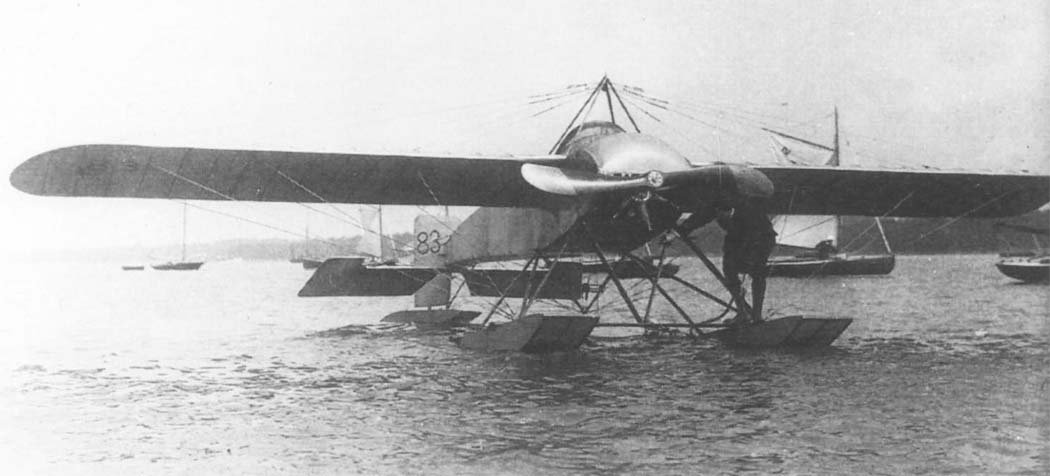 Borel Hydravion |
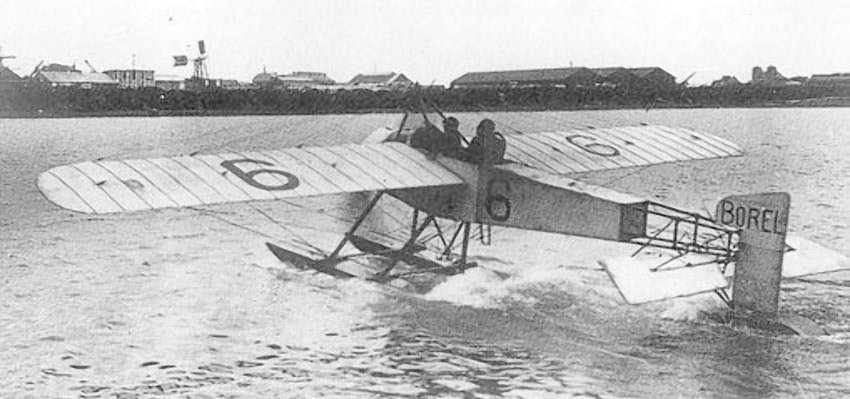 Borel Hydravion |
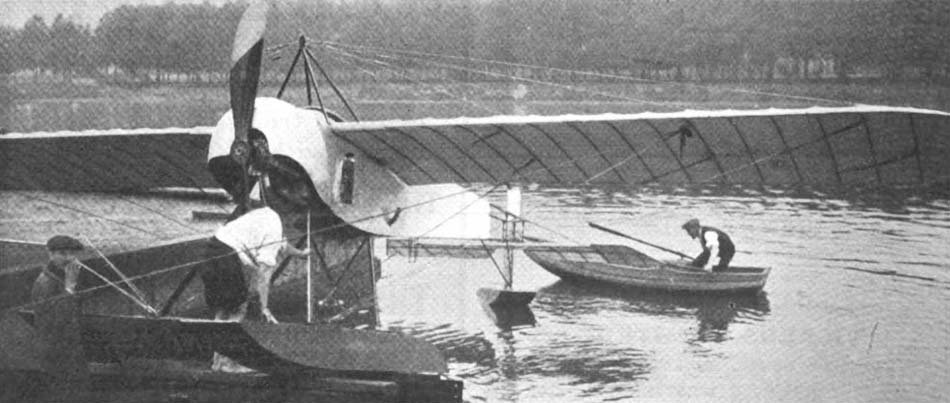 Borel Hydravion |
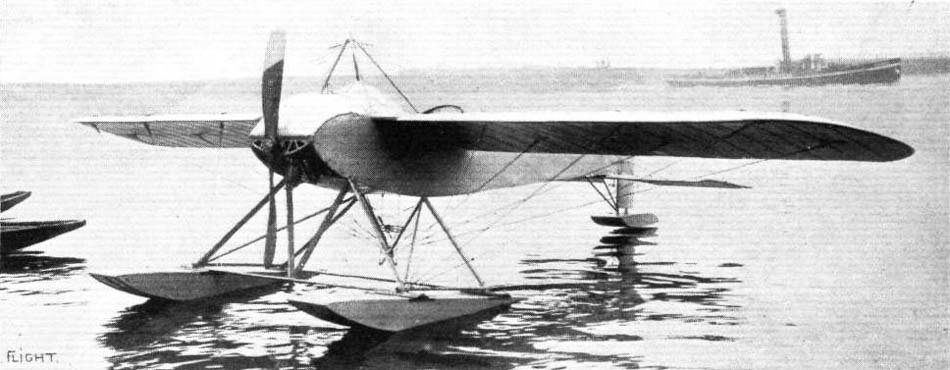 Borel Hydravion |
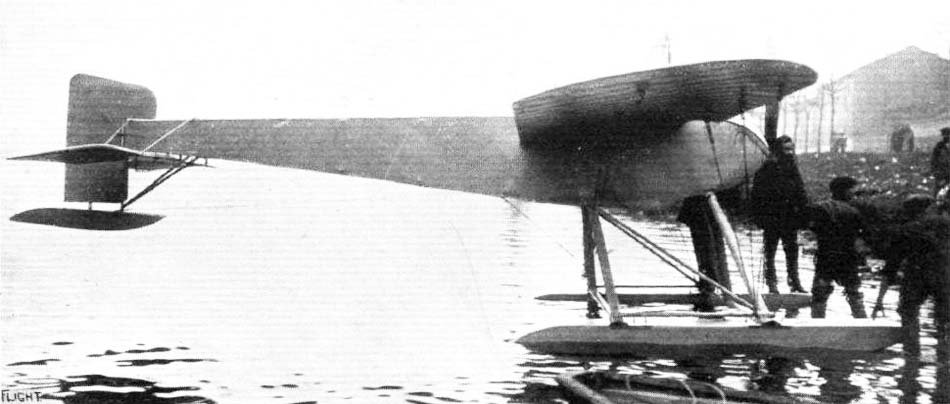 Borel Hydravion |
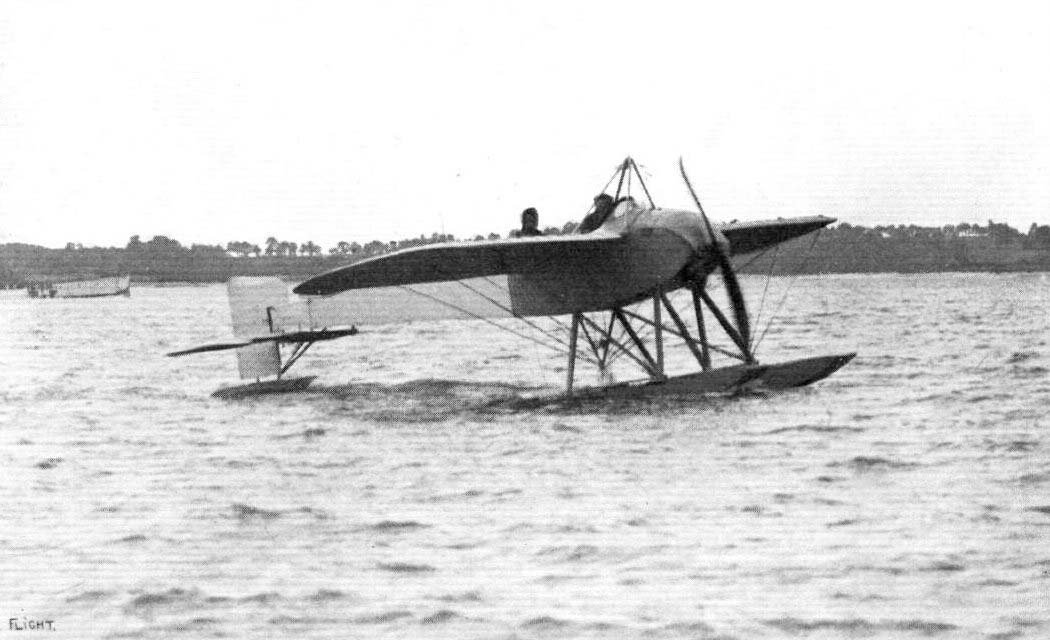 Borel Hydravion |
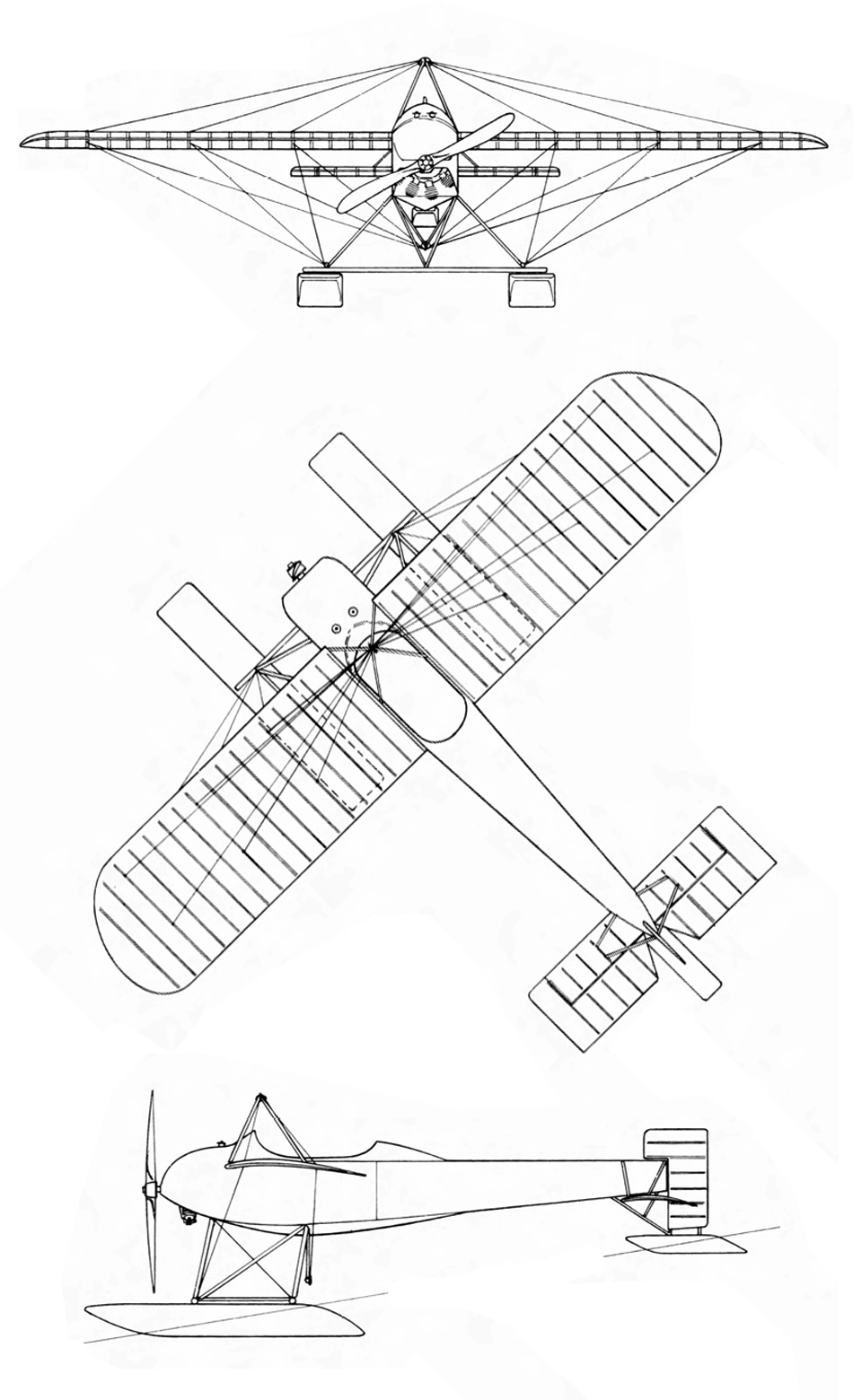 Borel Hydravion |
Equipo Editorial de ArchivoAéreo
Grupo de investigadores y entusiastas de la aviación dedicados a documentar y preservar la historia aeronáutica mundial. Todos los artículos son revisados para garantizar precisión histórica.
Fuentes y Rigurosidad
La información presentada en esta ficha técnica ha sido compilada a partir de manuales de vuelo desclasificados, archivos históricos y bibliografía especializada. Aunque nos esforzamos por mantener la máxima precisión, algunos datos de rendimiento pueden variar según la variante específica o las condiciones operativas.