Boulton & Paul P.7 Bourges
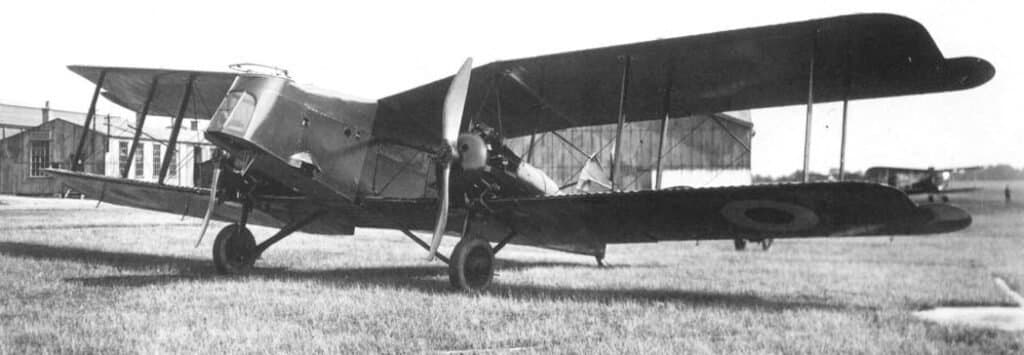
In 1918, John North began developing a twin-engine day bomber under official Specification A.2(b), which called for a twin-engine bomber-reconnaissance aircraft. The project was assigned the in-house number P.7. With the formation of the Royal Air Force (RAF), a new list of specifications was issued, and the P.7 targeted three of them: No. IV (long-range fighter-photographic reconnaissance), No. VI (short-range day bomber), and No. VIII (long-range day bomber). However, the company referred to it as a fighter-bomber.
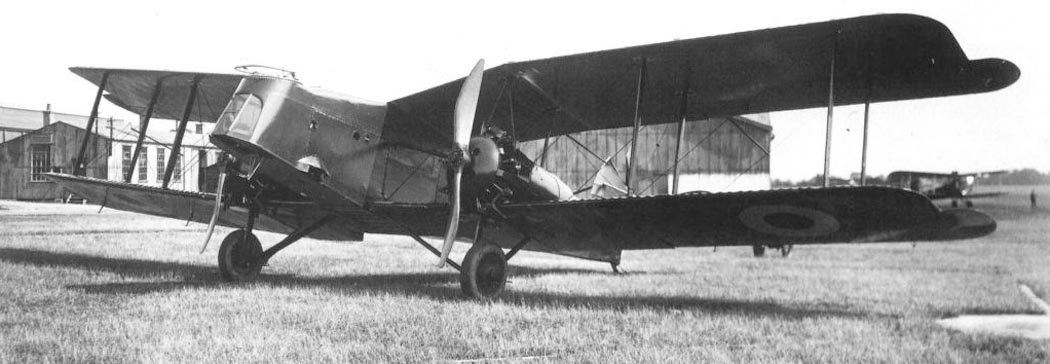
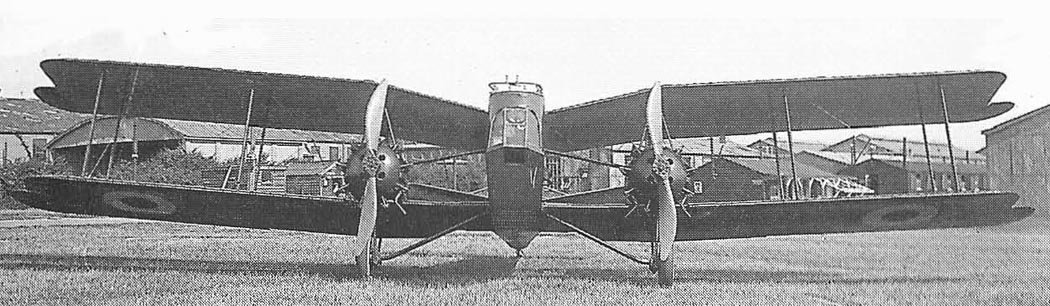
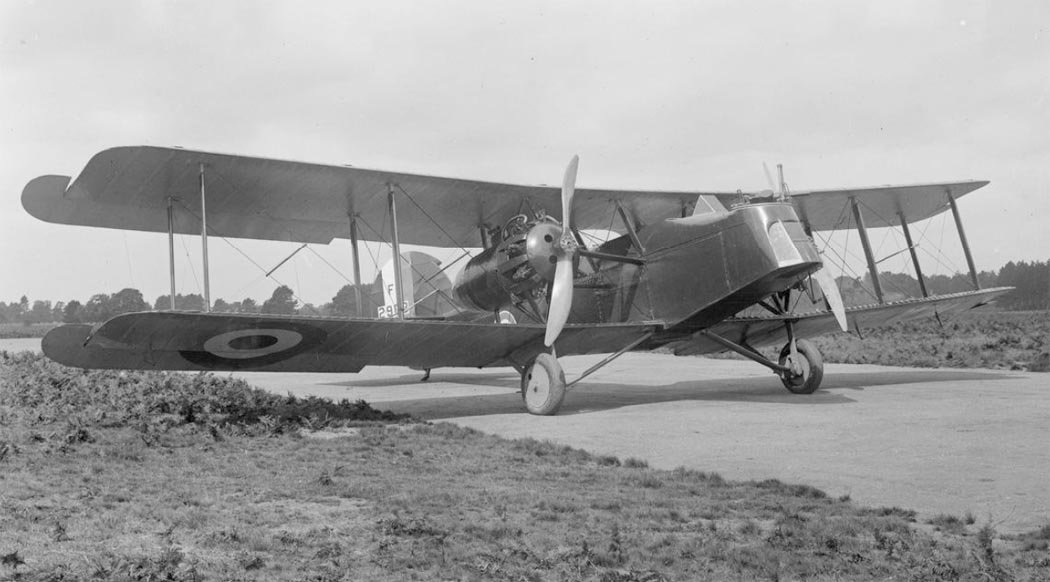
Three prototypes were ordered, each differing in some details. Each was a three-seater, three-bay biplane with an unswept wing and a spruce load-bearing structure. They were fabric-covered with standard PC10 khaki-green paint on the upper and side surfaces, and clear varnish on the undersides. The P.7 competed against the Avro Type 533 Manchester, a development of the earlier Type 523 Pike and Type 529, and the Sopwith Cobham triplane.
Naming and Design Evolution
The Air Ministry decided that all twin-engine land aircraft with a flying weight under 11,000 pounds (4,989.6 kg) should be named after cities located deep within England and Wales. For some reason, Boulton & Paul chose the French city of Bourges for the P.7, a naming convention similar to Airco’s D.H.10 Amiens and Vickers’ Vimy. However, the name wasn’t popular with workers, who preferred calling it ‘Burgess’ or ‘Boanerges’.
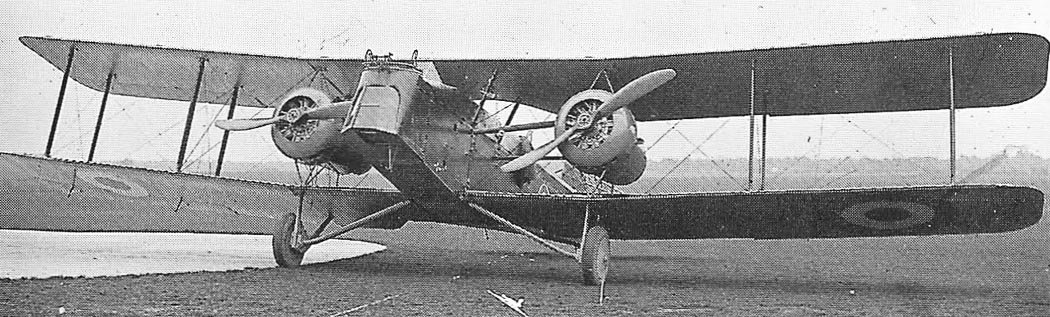
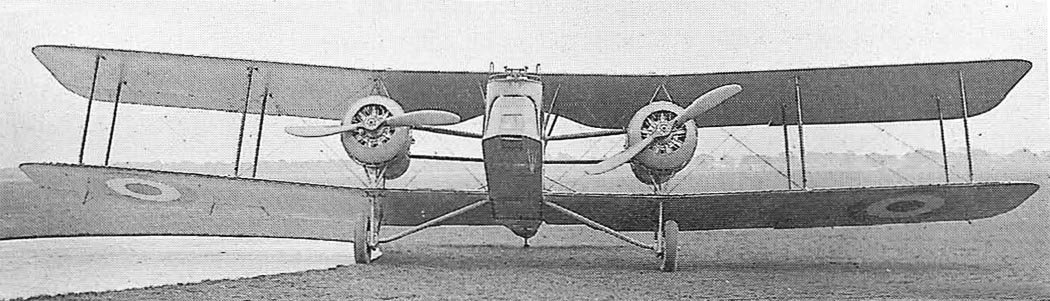
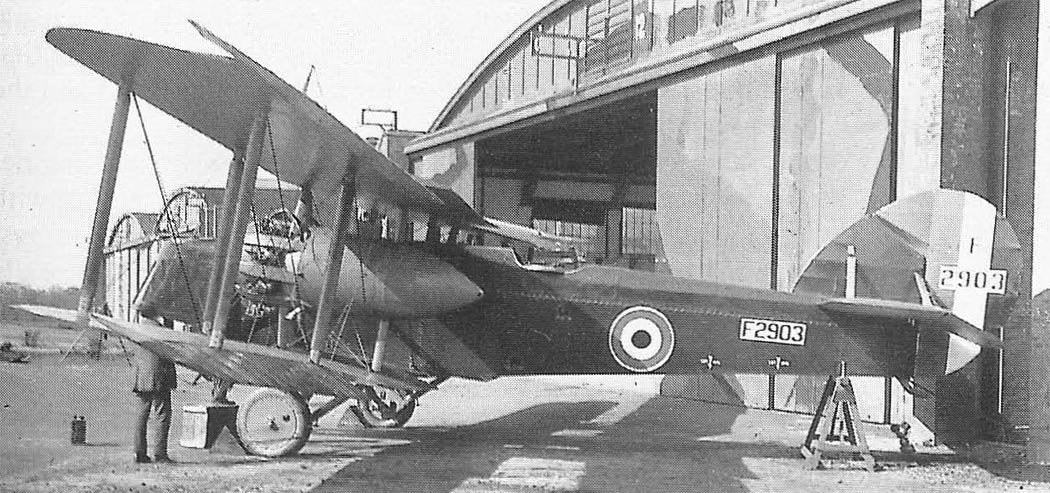
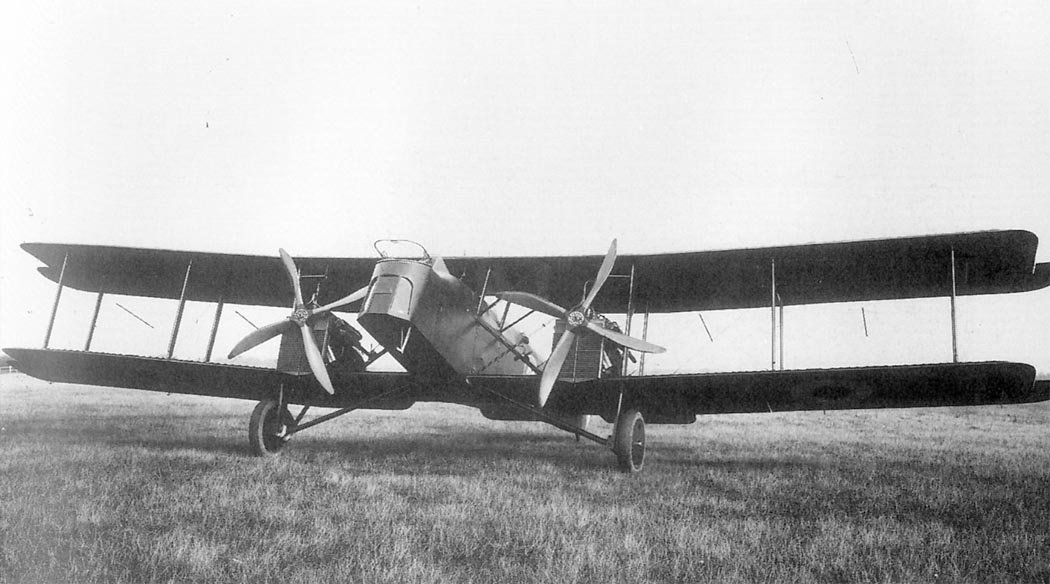
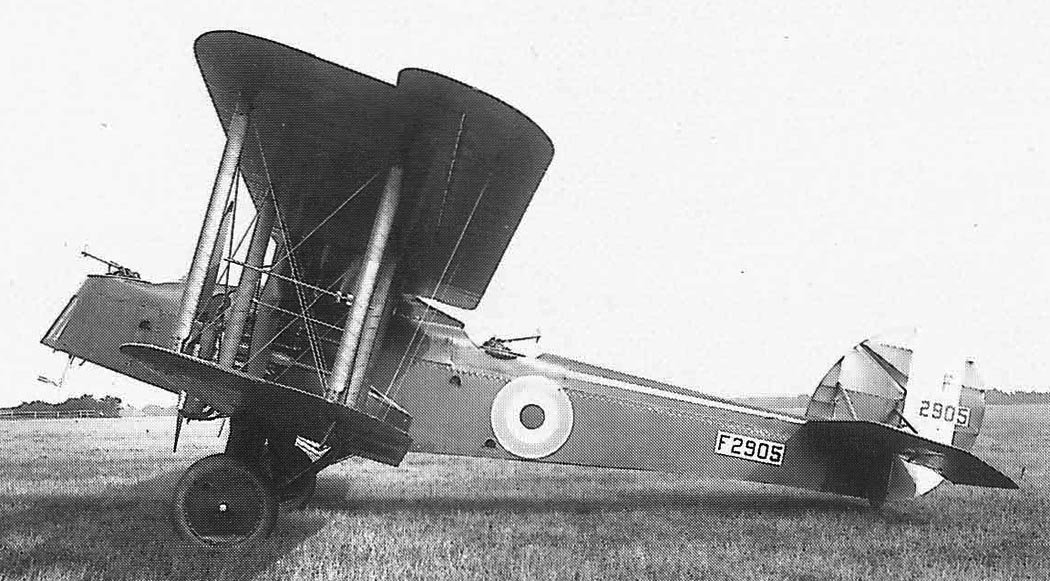
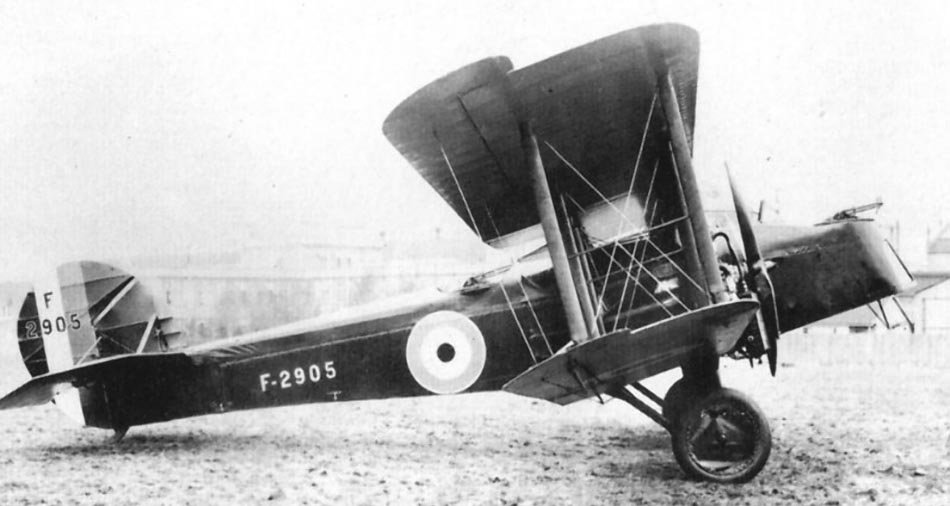
The crew consisted of a pilot seated in front of the wings and two gunners in the nose and dorsal positions. The pilot’s position was slightly raised with a large windshield, while the nose gunner’s Scarff ring was slanted forward, fitted with a tilting device for two .303-inch (7.7 mm) Lewis machine guns. The forward section featured transparent glazing and sliding panels beneath the nose for a bomb sight, with the front gunner acting as bombardier. The dorsal machine gun position also housed two guns, its Scarff ring recessed below the fuselage’s upper line.
To fulfill its reconnaissance-bomber role, a large camera was located in front of the dorsal gun position, operated by the gunner, who was supplied with spare plates as needed. Provisions for radio transmission and reception were also included, making it a versatile aircraft for its time.
Engine Challenges and Performance
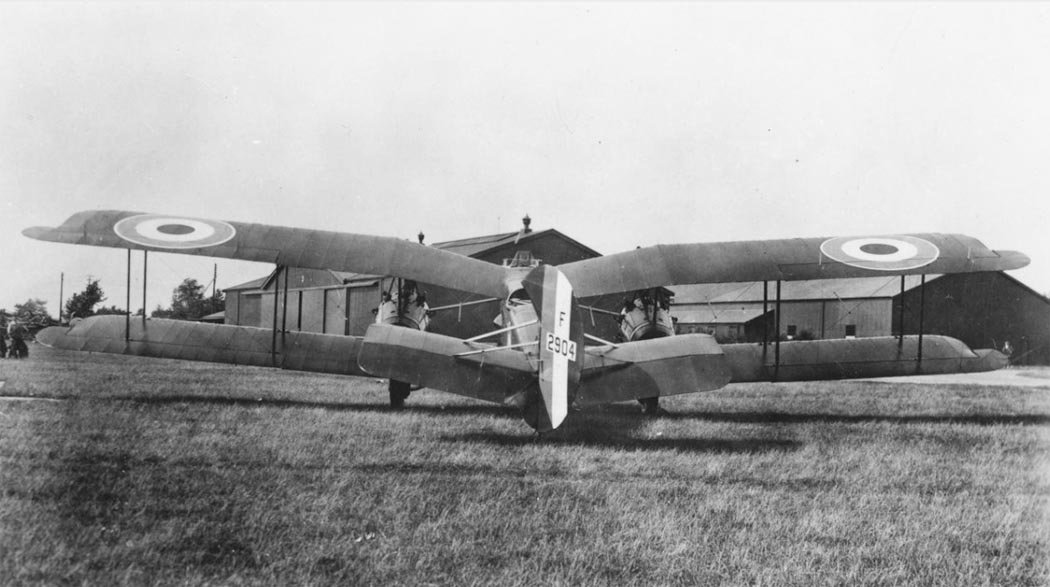
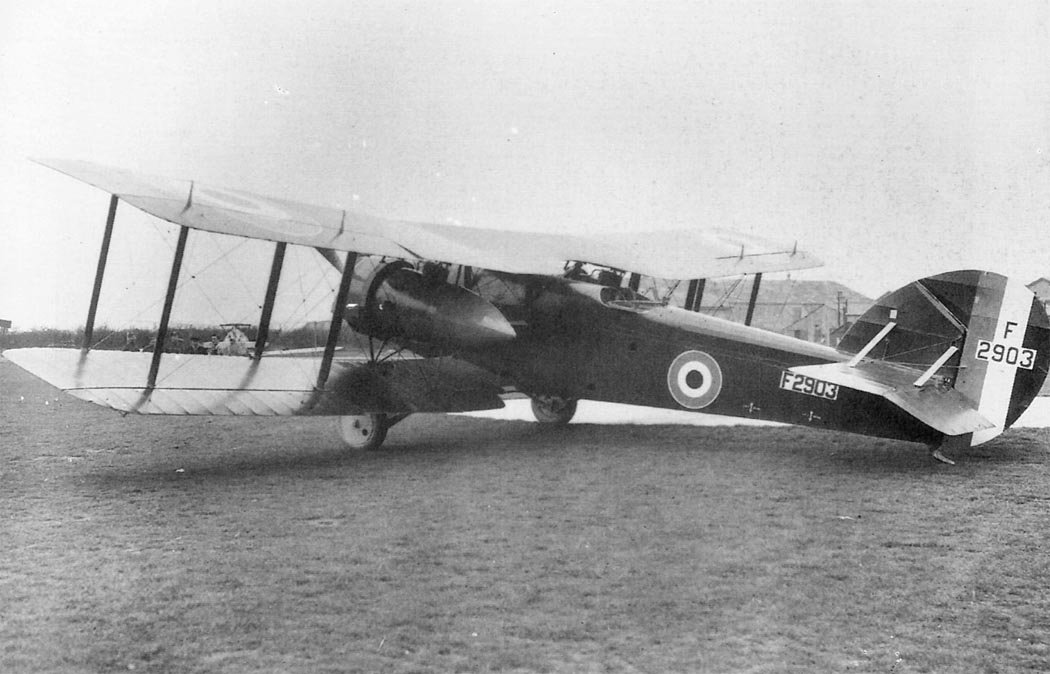
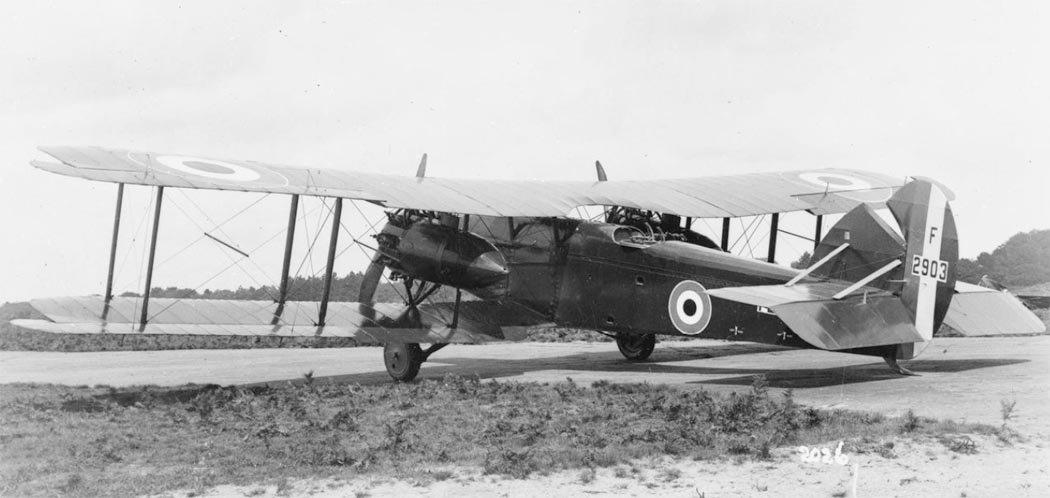
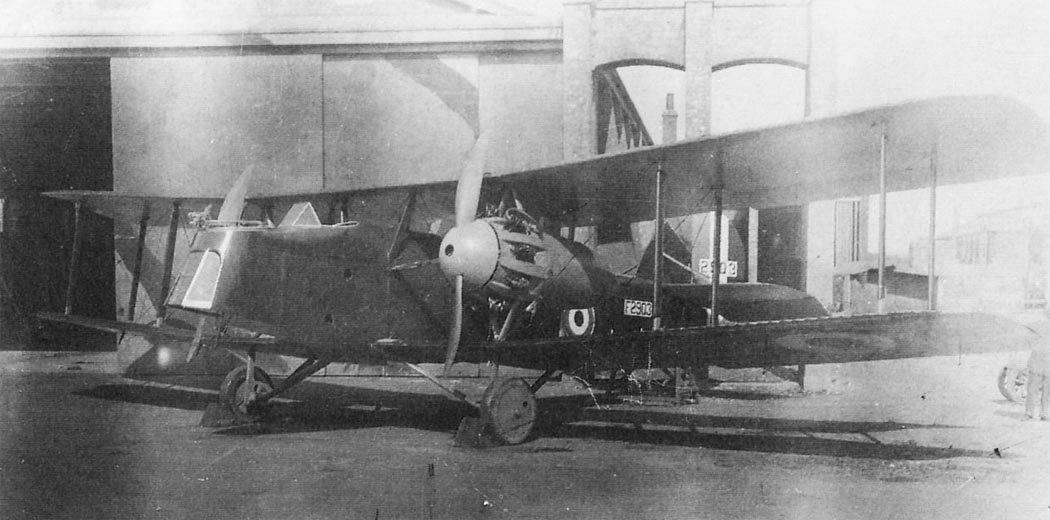
The first Bourges, F2903, was intended to be the Mk IA, powered by ABC Dragonfly engines. These engines, designed by Granville Bradshaw, were innovative high-power radials but suffered severe development problems, including colossal vibrations and critical cooling issues. Cylinders turned dull red within minutes, and their rated 320 hp power sharply declined after short operating intervals. The Bourges was among many aircraft, including its competitor the Avro Manchester, that suffered from being designed around these troubled engines.
To allow flight testing, F2903 was fitted with 230 hp Bentley B.R.2 rotary engines and redesignated Bourges Mk IIA. The ‘A’ denoted the upper wing mounted directly above the fuselage on conventional struts, while ‘B’ was reserved for a “straight gull-wing” scheme with the upper wing dipping towards the fuselage to improve crew visibility and the dorsal gunner’s field of fire. Early flight tests also led to the introduction of large horn balances on the four cable-linked ailerons, increasing the wingspan from 54 ft (16.459 m) to 57 ft 4 in (17.475 m).
The Bourges boasted impressive performance for its era, achieving a maximum speed of 124 mph (199.516 km/h) at 10,000 feet (3047.995 m) in just 11 minutes, with a landing speed of 50 mph (80.45 km/h). Its maneuverability was exceptional, capable of rolls, turns, and Nesterov’s loops. At its first public demonstration in Hendon in 1919, test pilot Frank Courtney amazed crowds with its agility, even simulating the gyroscopic effect of a Sopwith Camel despite the Bourges’ larger size.
Post-War Fate and Legacy
Despite its outstanding characteristics, no production orders for the Bourges were placed. Discussions during the war’s end were halted by the armistice, leading the RAF to adopt the D.H.10 instead. Had it not been for the Dragonfly engine delays, the Bourges might have secured substantial contracts. Boulton & Paul’s post-war attempts to market the aircraft globally were frustrated by the Air Ministry’s refusal to permit its exhibition at shows in Amsterdam and Paris in 1919.
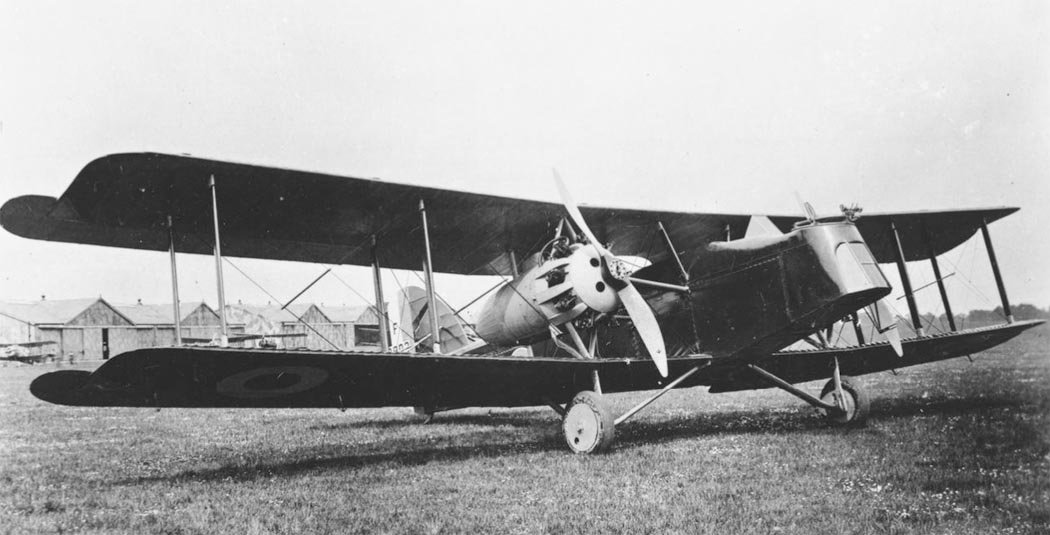
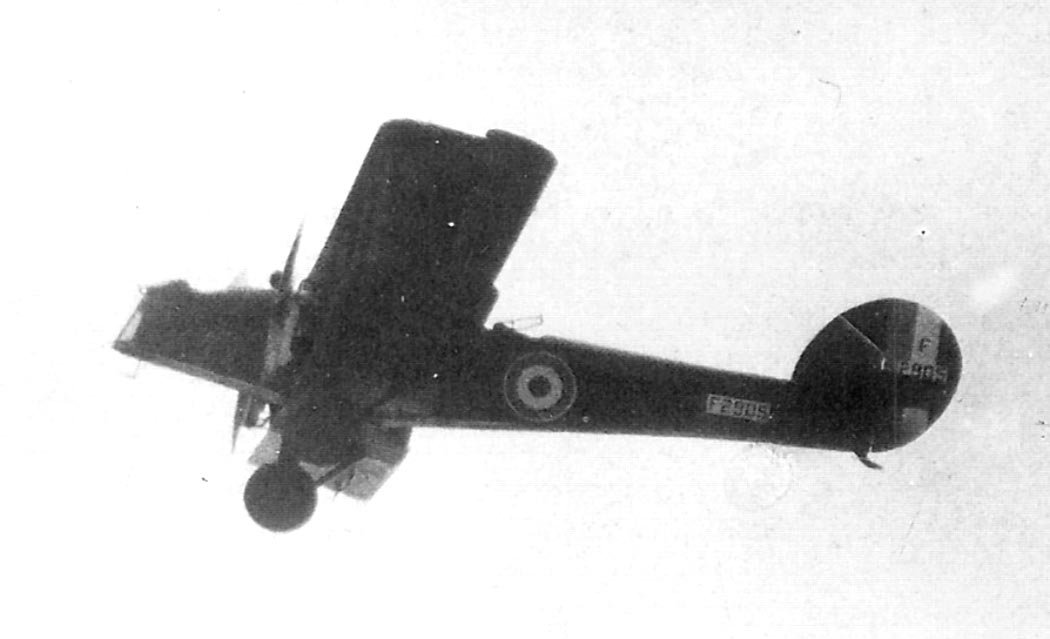
The second prototype, F2904, designated Mk IB, featured Dragonfly engines mounted on the lower wing, a change based on Farnborough tests showing reduced drag compared to interplane mounting. The final prototype, F2905 (P.7B), first flew in December 1920, equipped with 450 hp water-cooled Napier Lion engines mounted on the lower wing. This version achieved 130 mph (209.17 km/h) at 1,000 ft, making it the world’s fastest twin-engine aircraft and often classified as a fighter-bomber due to its speed and exceptional maneuverability.
However, the Bourges’ extreme aerobatic capabilities pushed its structure to the limits. Severe wing attachment failures occurred during testing in March 1921, requiring urgent modifications and reinforcements. Despite these issues and the lack of production, the Bourges was a pioneering highly-maneuverable twin-engine combat aircraft, showcasing John North and Boulton & Paul’s design prowess. Frank Courtney considered it one of his four favorite aircraft, alongside the Camel, Bristol Fighter, and Siskin. The Air Ministry, though not ordering production, contracted Boulton & Paul to build an all-steel version, the P.15 Bolton.
Technical Specifications
| Modification | P.7B Bourges |
| Wingspan, m | 17.48 |
| Length, m | 11.28 |
| Height, m | 3.66 |
| Wing area, m2 | 68.56 |
| Empty weight | 1734 |
| Normal takeoff weight | 2872 |
| Engine type | 2 Piston engine Napier Lion IIB |
| Power, hp | 2 x 450 |
| Maximum speed, km/h | 209 |
| Cruising speed, km/h | 175 |
| Flight endurance, h.min | 9.15 |
| Rate of climb, m/min | 226 |
| Service ceiling, m | 6096 |
| Crew, crew members | 3 |
| Armament | two 7.7-mm Lewis machine guns (one in the nose and one on a Scarff turret in the rear cockpit) 4×10⁴-kg bombs |
Image and diagram gallery of the Boulton & Paul P.7 Bourges
 Bourges |
 Bourges |
 Bourges |
 Bourges |
 Bourges |
 Bourges |
 Bourges |
 Bourges |
 Bourges |
 Bourges |
 Bourges |
 Bourges |
 Bourges |
 Bourges |
 Bourges |
Equipo Editorial de ArchivoAéreo
Grupo de investigadores y entusiastas de la aviación dedicados a documentar y preservar la historia aeronáutica mundial. Todos los artículos son revisados para garantizar precisión histórica.
Fuentes y Rigurosidad
La información presentada en esta ficha técnica ha sido compilada a partir de manuales de vuelo desclasificados, archivos históricos y bibliografía especializada. Aunque nos esforzamos por mantener la máxima precisión, algunos datos de rendimiento pueden variar según la variante específica o las condiciones operativas.