BQM-34A Firebee
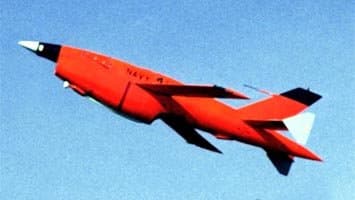
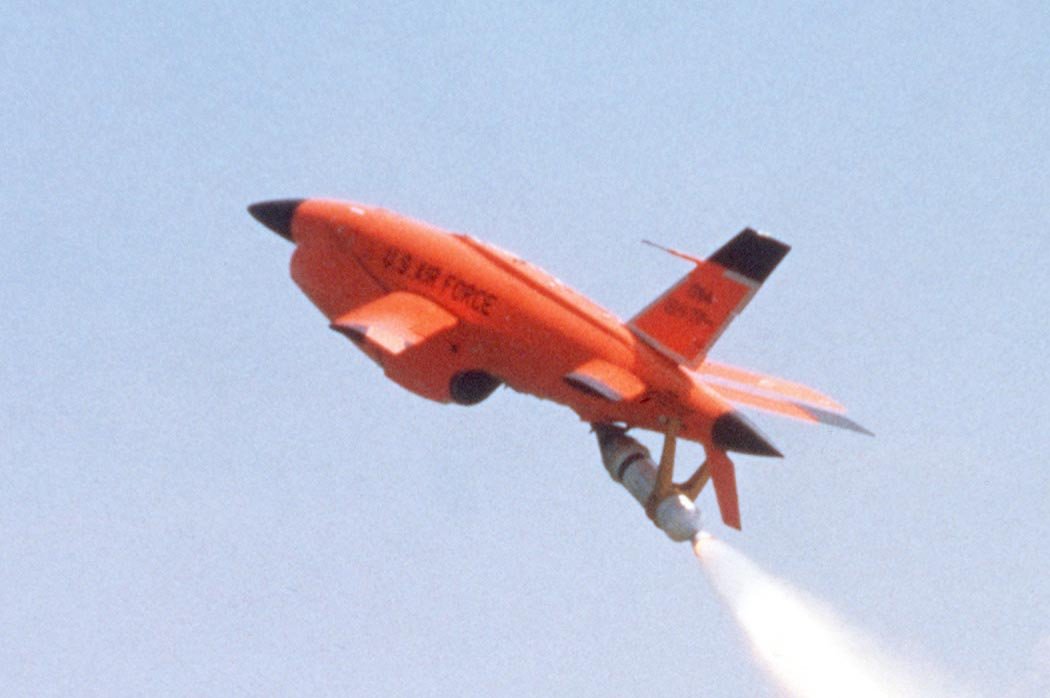
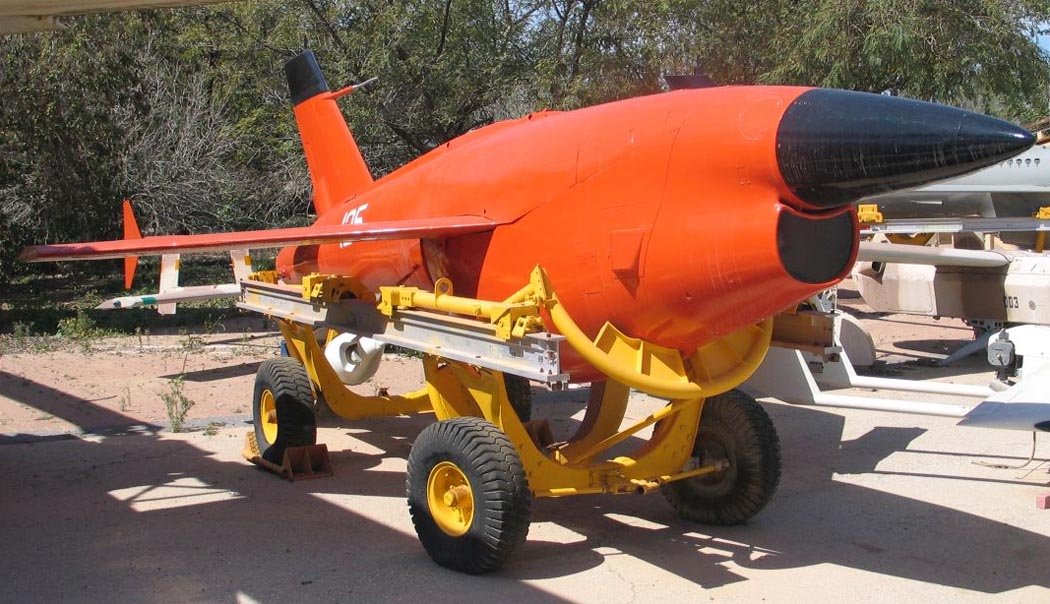
The BQM-34A Firebee is a target drone developed by the American firm Teledyne Ryan Aeronautical. This UAV was built to satisfy the US Air Force’s need for a variable-speed target, essential for training fighter pilots and air defense crews.
Operational Deployment
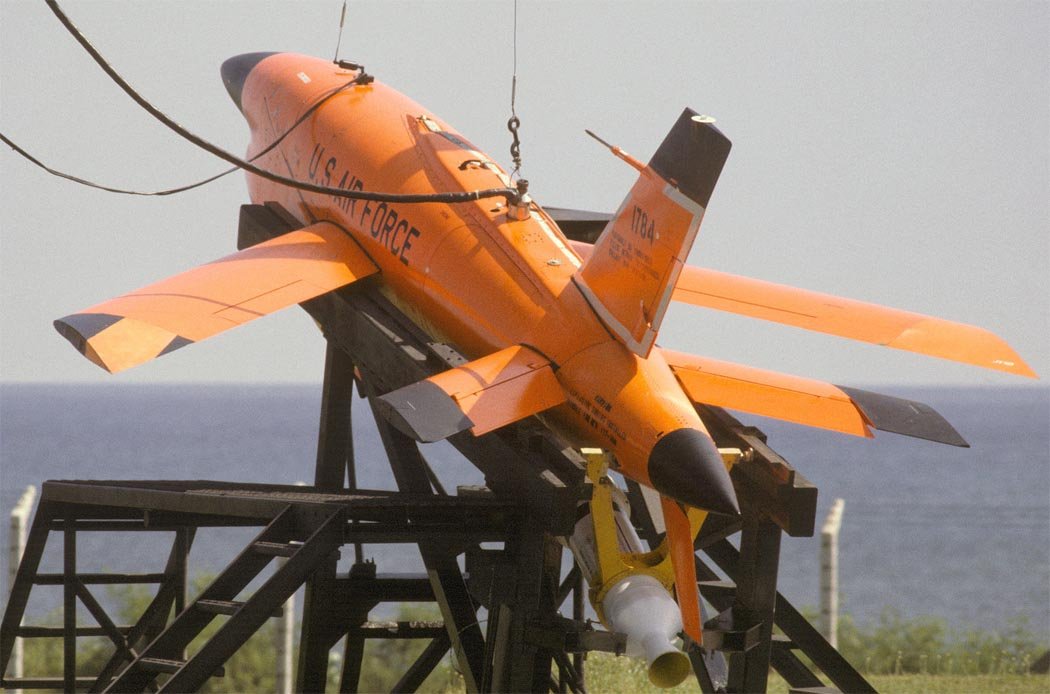
The UAV was launched from the ground and subsequently controlled by an operator via radio. After being hit by a missile or completing its mission, the aircraft would descend by parachute. The prototype XQ-2 made its first flight in 1958, and the UAV entered service with the US Air Force in 1960.
Specialized Variants
The BQM-34S was a BQM-34A variant for the US Navy, featuring improved avionics. These included the AN/USW-4(V) ITCS (Integrated Tracking and Control System), AN/DKW-1 guidance transponders (later AN/DKW-2/-3B), and an A/A37G-8A flight control system. It was also equipped with a turbojet engine providing 871 kgf (8.67 kN) of thrust.
The MQM-34D, an Army variant of the BQM-34A with a ground launcher, was also produced.
Technical Specifications
| Modification | BQM-34A |
| Wingspan, m | 3.93 |
| Length, m | 6.99 |
| Height, m | 2.00 |
| Mass, kg | 935 |
| Engine type | 1 Continental J69-T-29 Turbojet |
| Thrust, kgf | 1 x 771 |
| Maximum speed, km/h | 933 |
| Stall speed, km/h | 327 |
| Practical range, km | 966 |
| Practical ceiling, m | 15636 |
Image and diagram gallery of the BQM-34A Firebee
 BQM-34A Firebee |
 BQM-34A Firebee |
 BQM-34A Firebee |
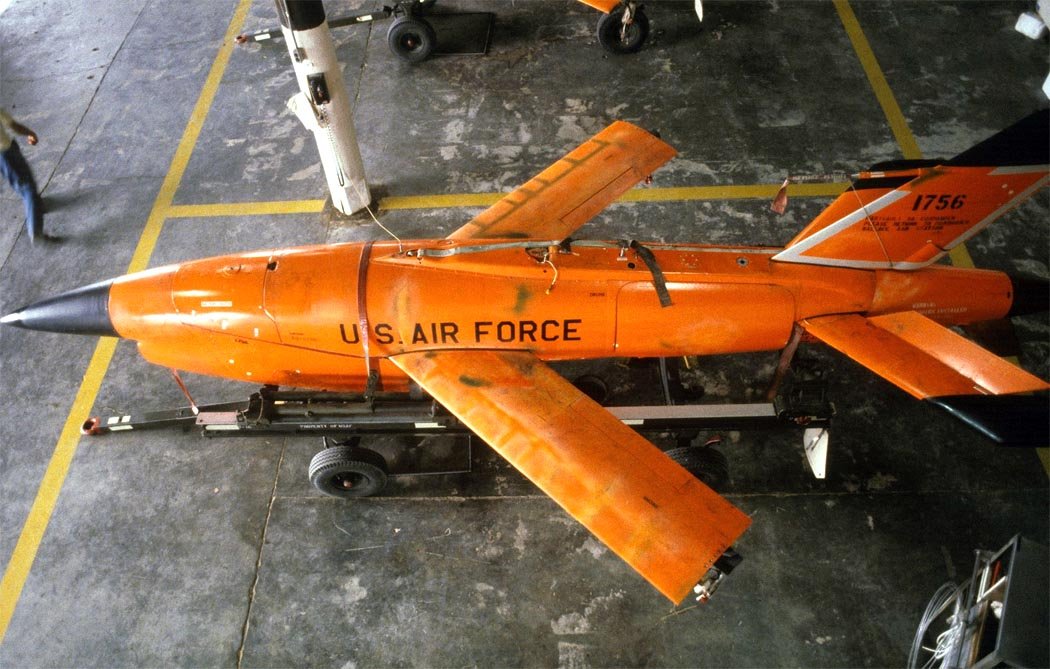 BQM-34A Firebee |
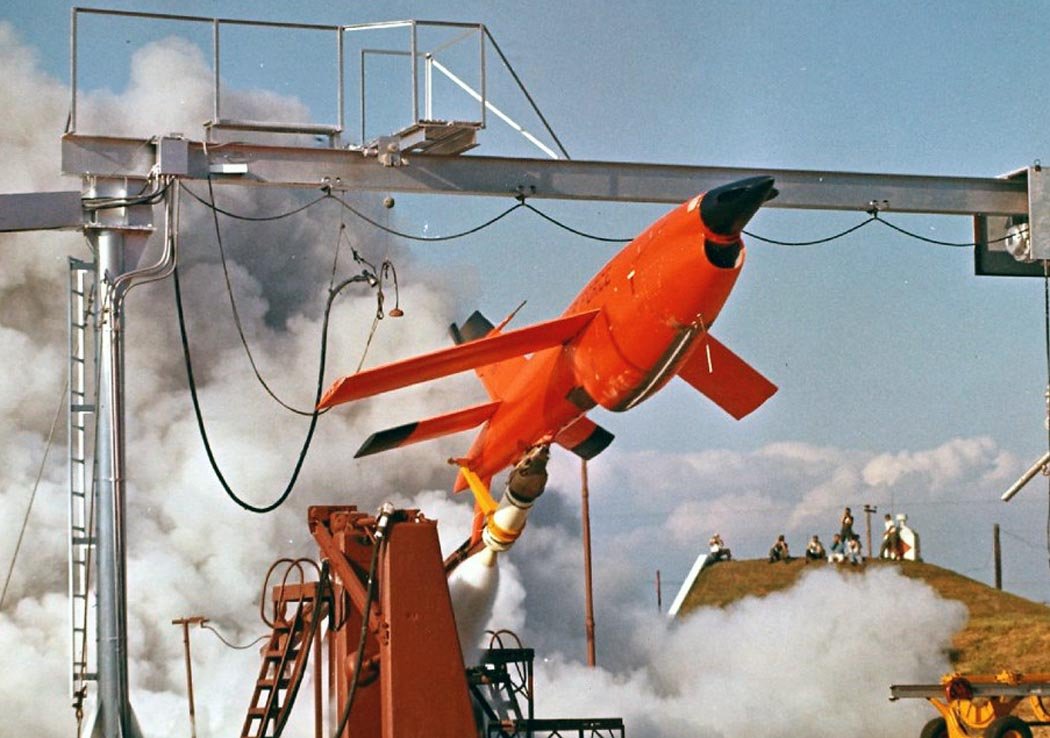 BQM-34A Firebee |
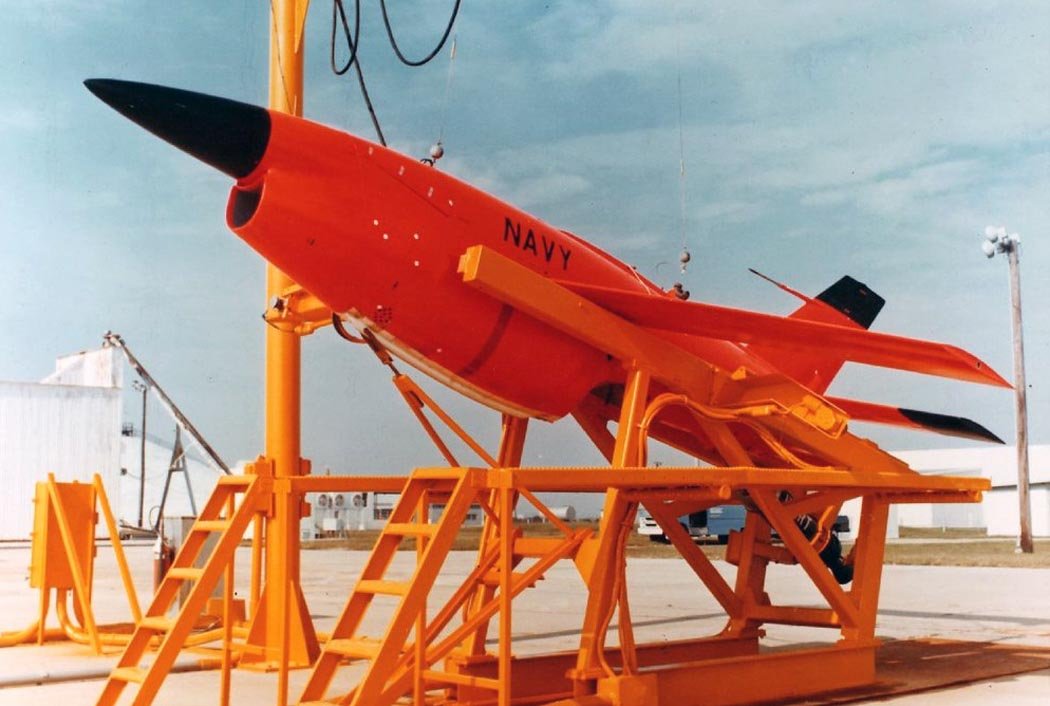 BQM-34A Firebee |
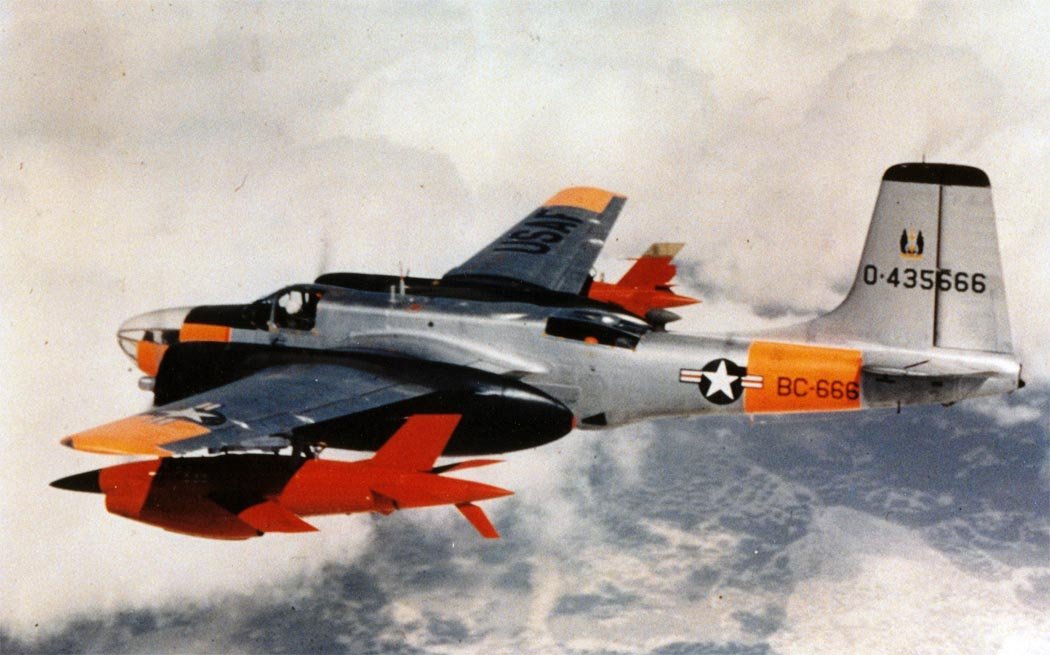 BQM-34A Firebee |
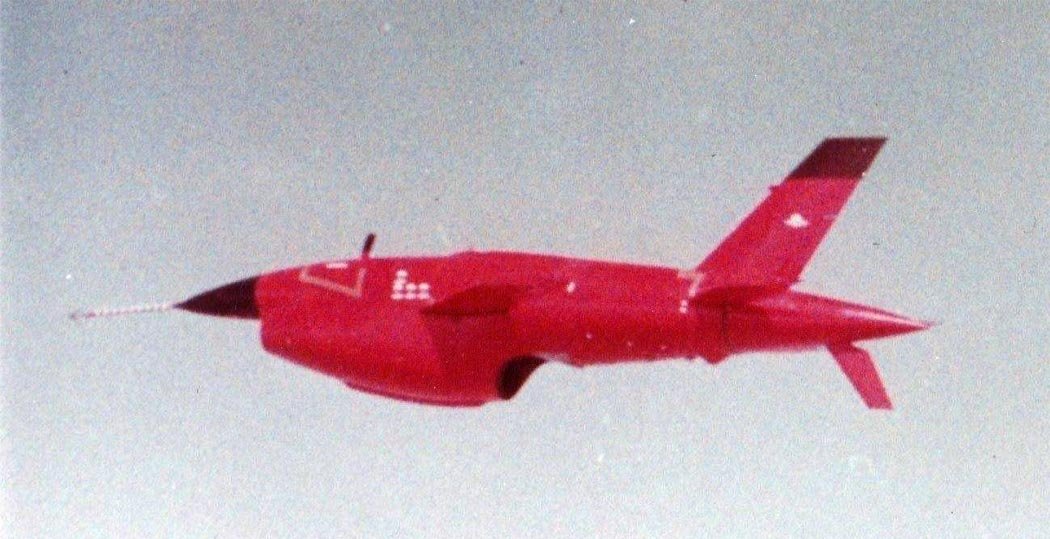 BQM-34A Firebee |
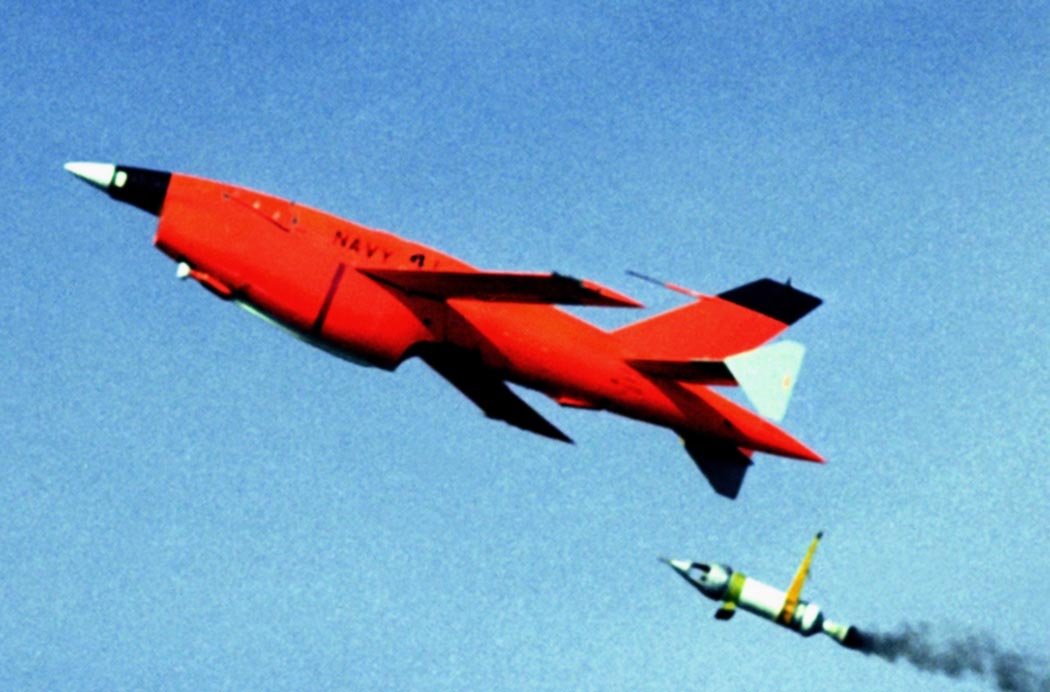 BQM-34A Firebee |
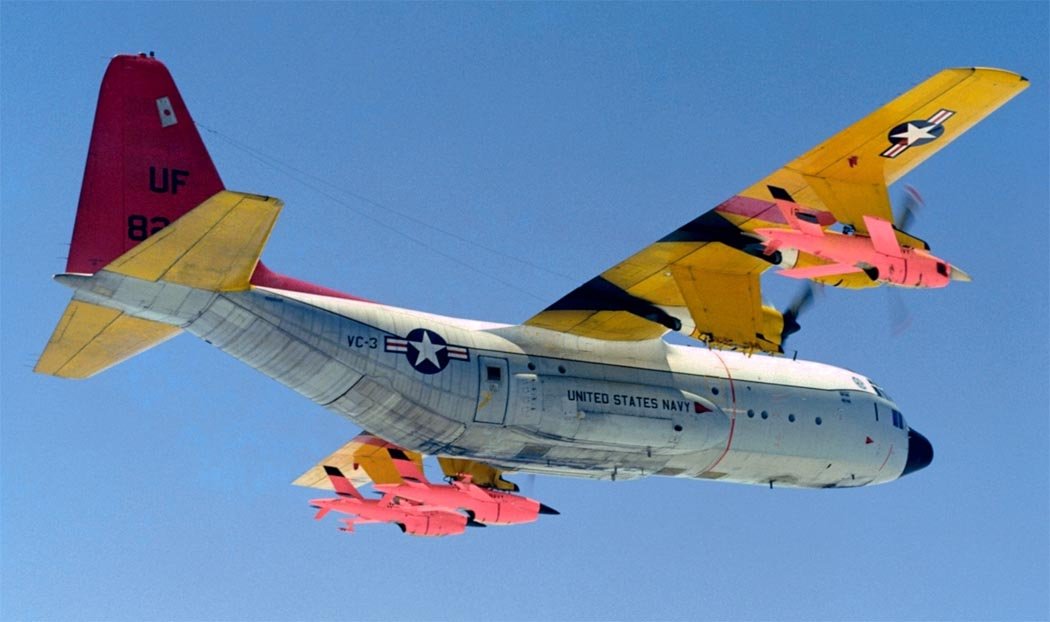 BQM-34A Firebee |
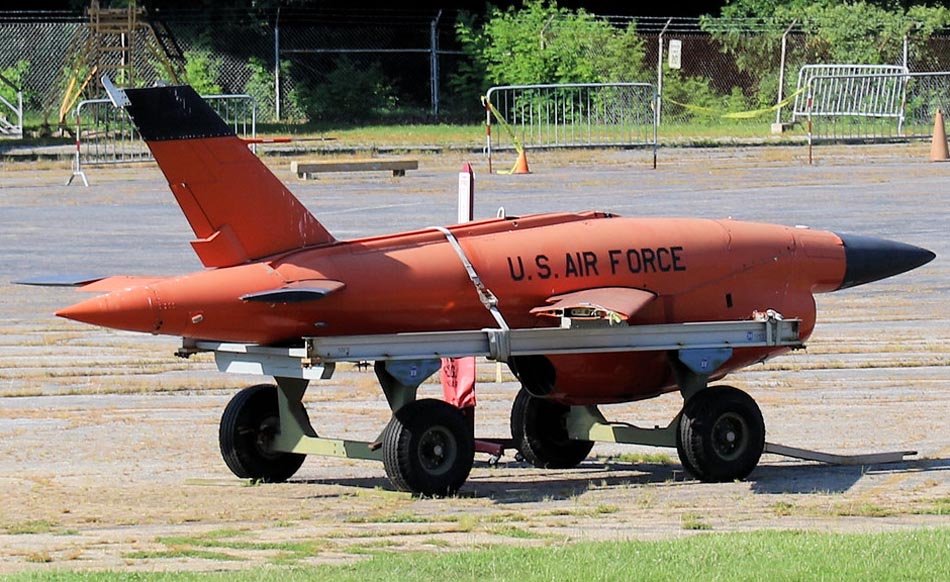 BQM-34A Firebee |
Equipo Editorial de ArchivoAéreo
Grupo de investigadores y entusiastas de la aviación dedicados a documentar y preservar la historia aeronáutica mundial. Todos los artículos son revisados para garantizar precisión histórica.
Fuentes y Rigurosidad
La información presentada en esta ficha técnica ha sido compilada a partir de manuales de vuelo desclasificados, archivos históricos y bibliografía especializada. Aunque nos esforzamos por mantener la máxima precisión, algunos datos de rendimiento pueden variar según la variante específica o las condiciones operativas.