Br.940 Integral
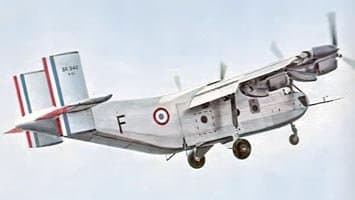
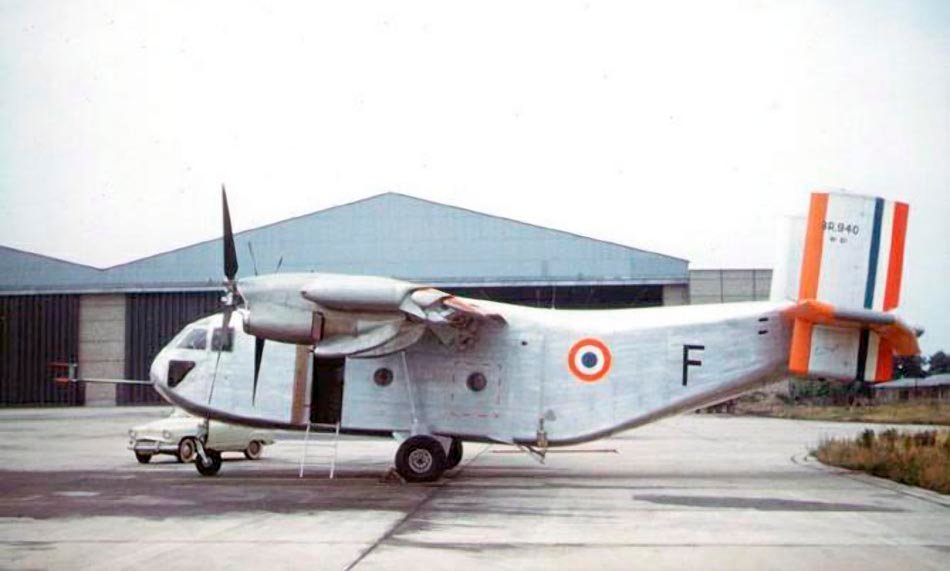
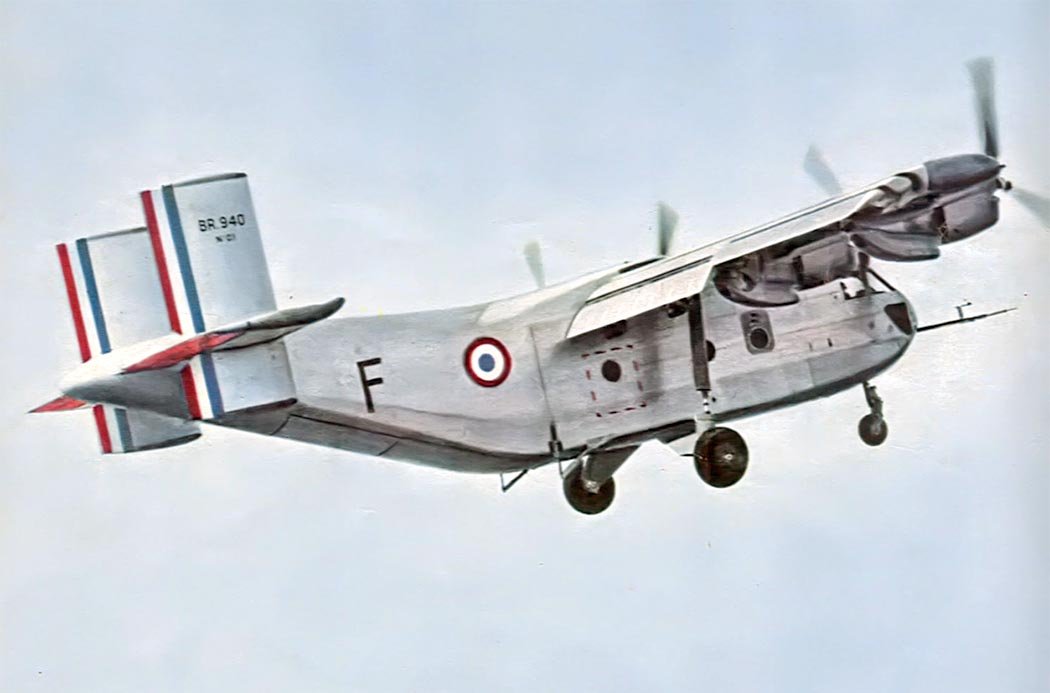
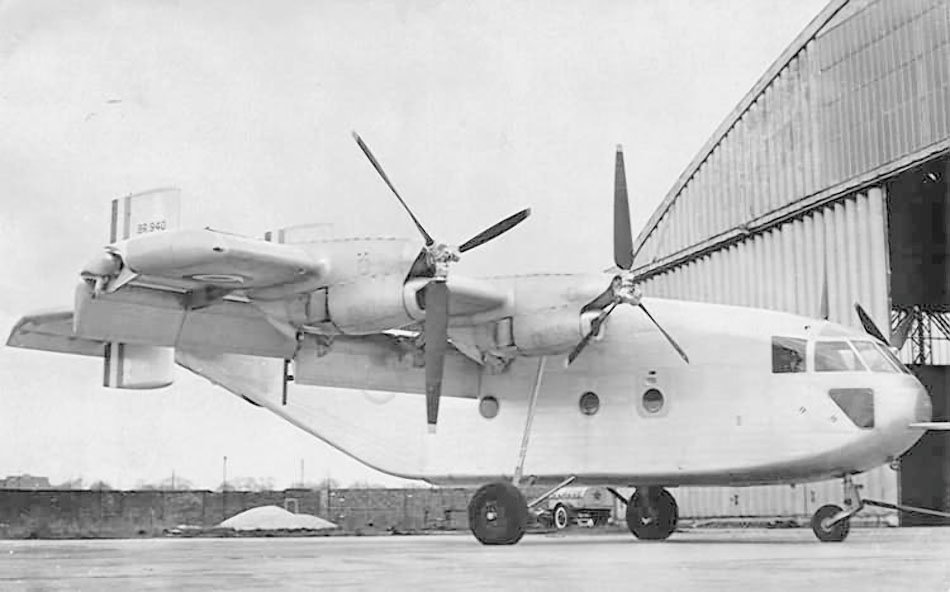
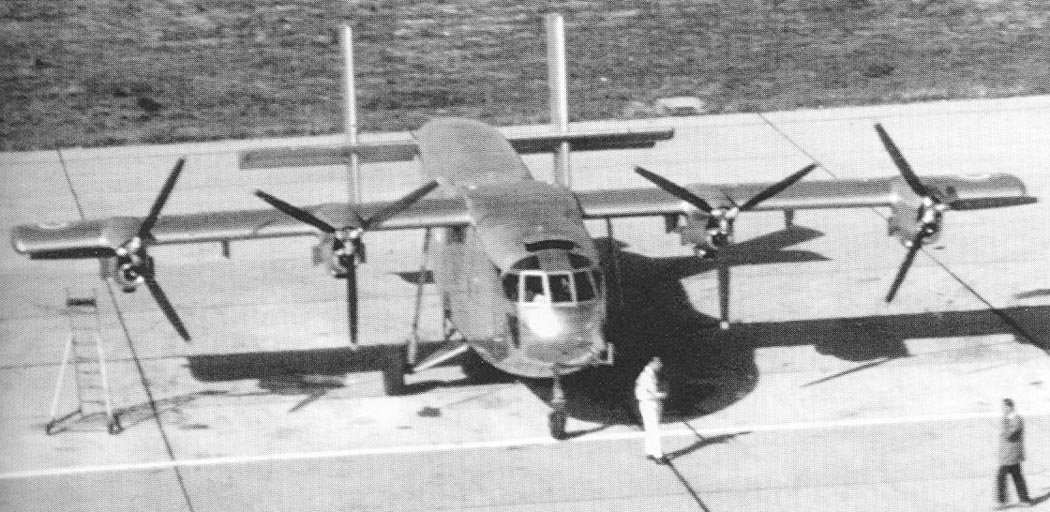
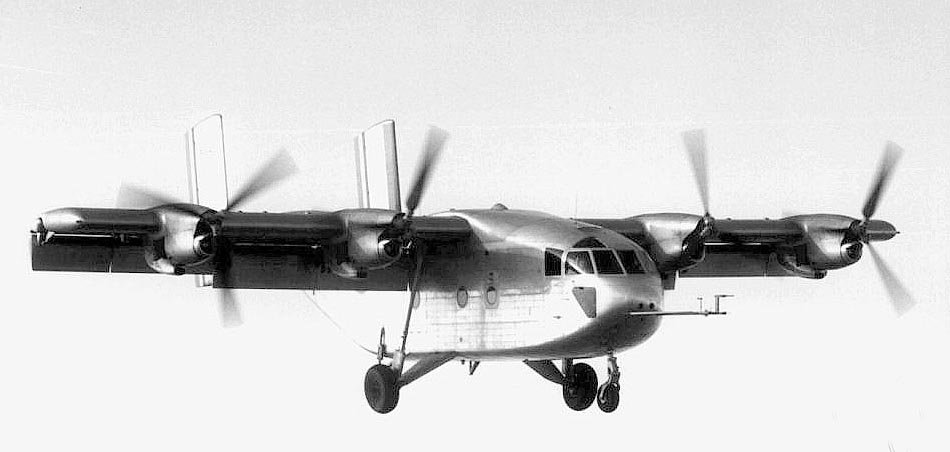
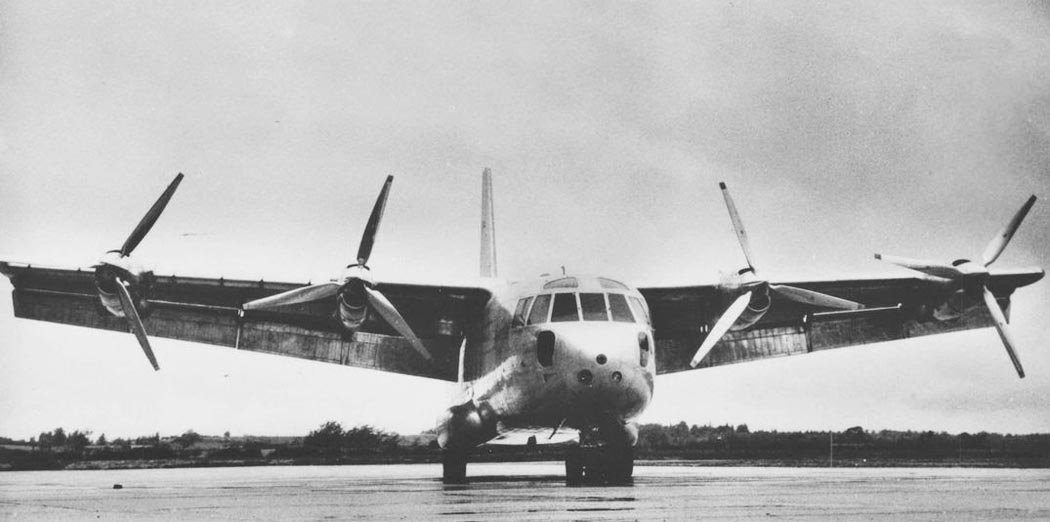
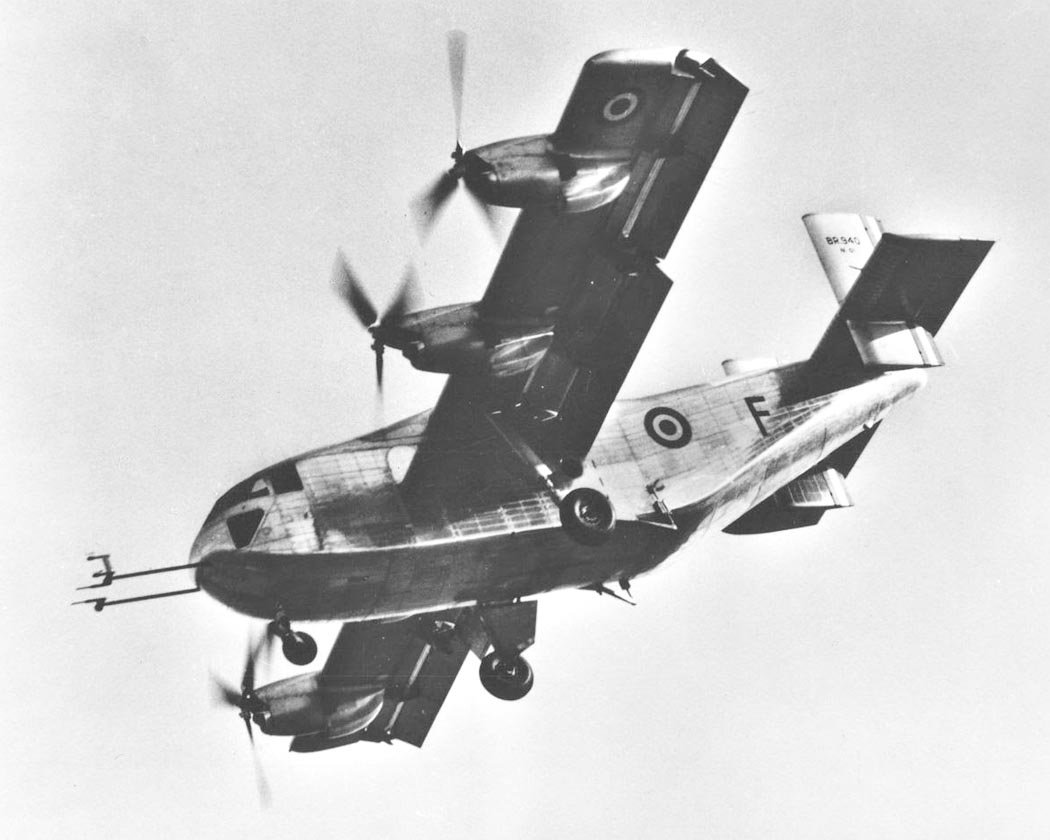
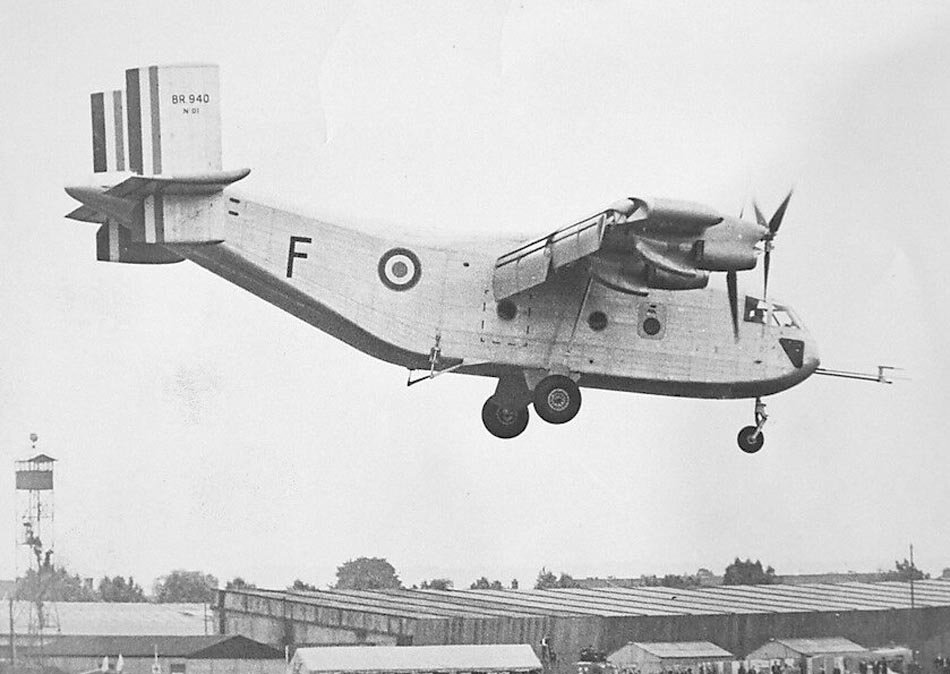
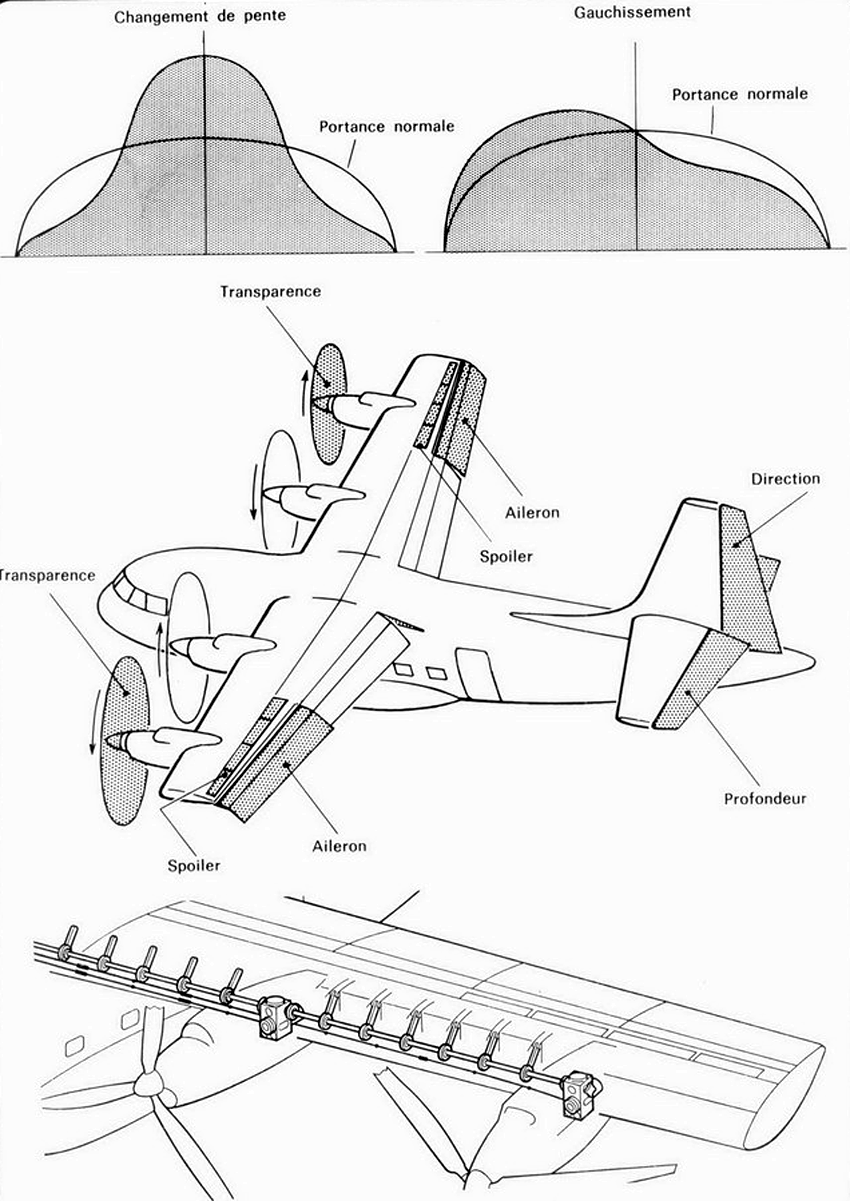
In 1948, the Breguet company began work on designing a short take-off and landing (STOL) aircraft. The project implemented an innovative method of deflecting the propeller slipstream to create additional lift. To refine this technique, it was decided to build the experimental aircraft named Breguet Br.940 Integral.
Revolutionary Design and Propulsion
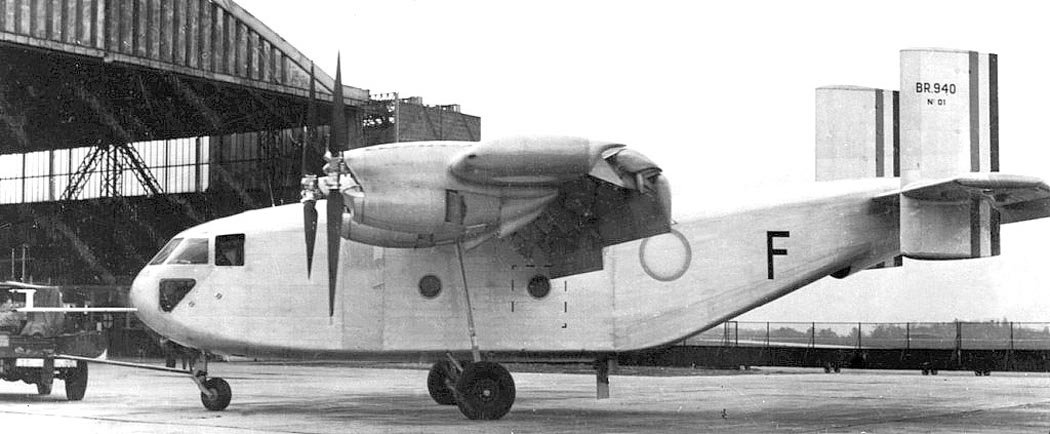
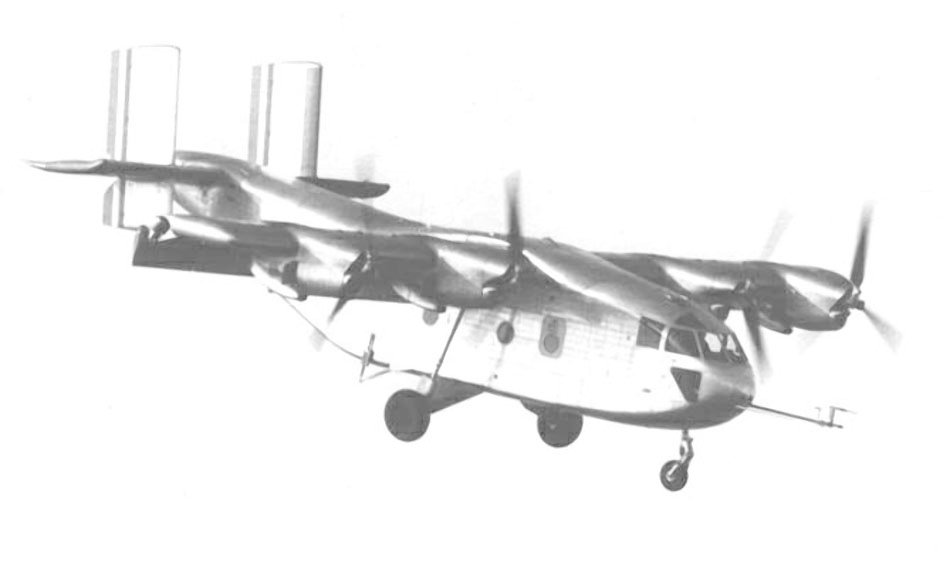
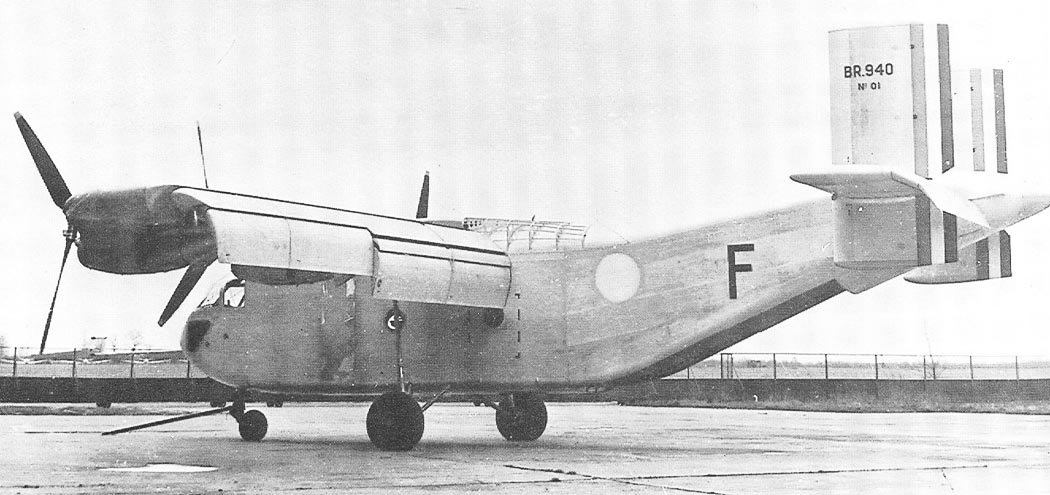
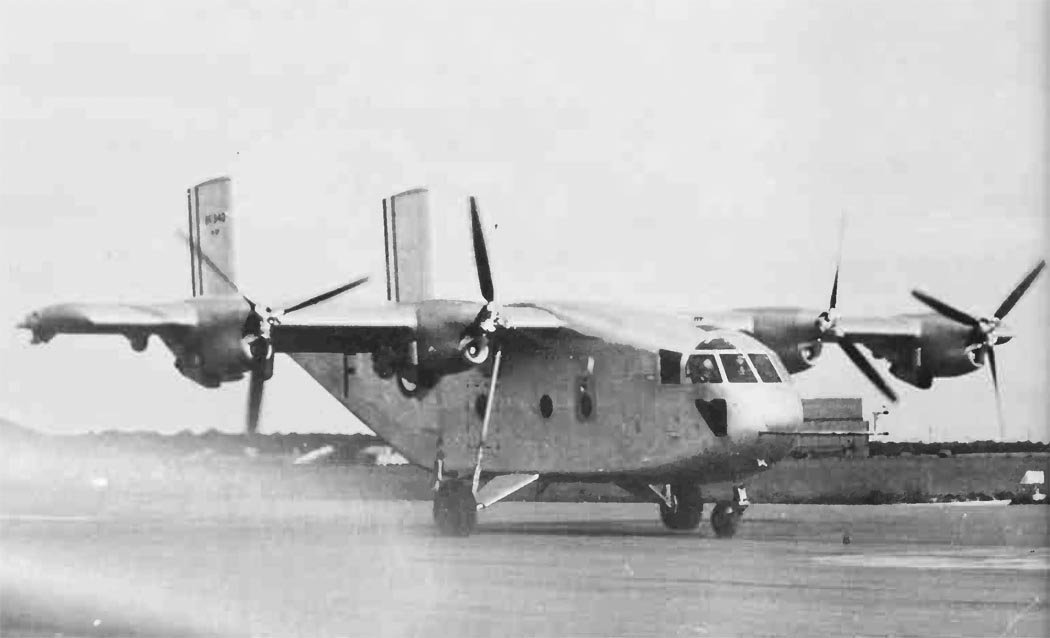
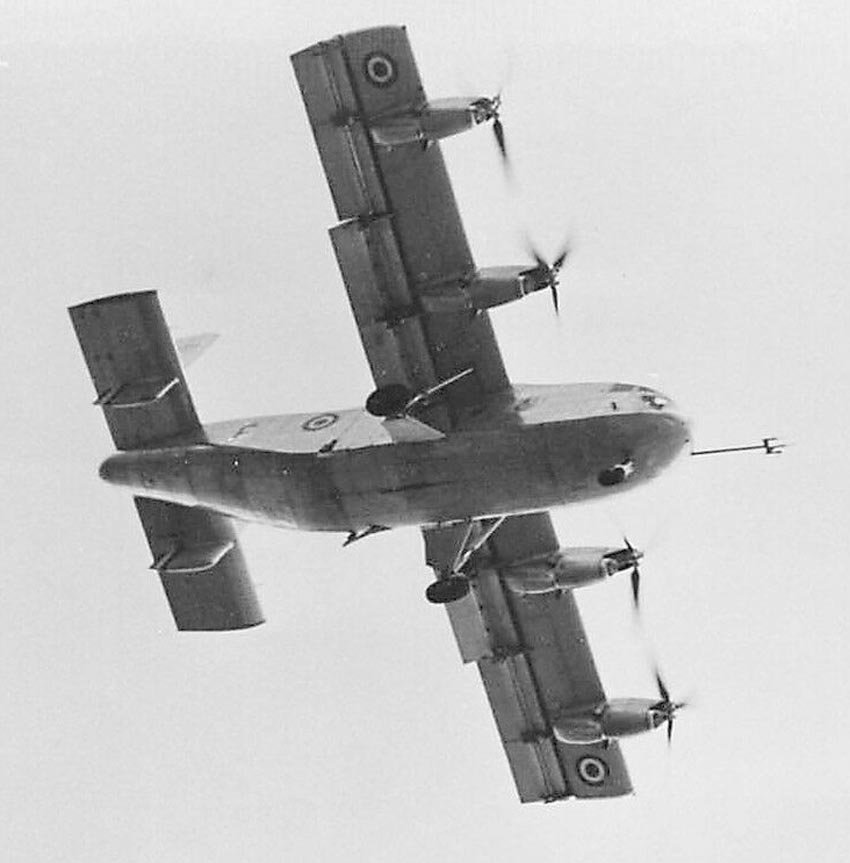
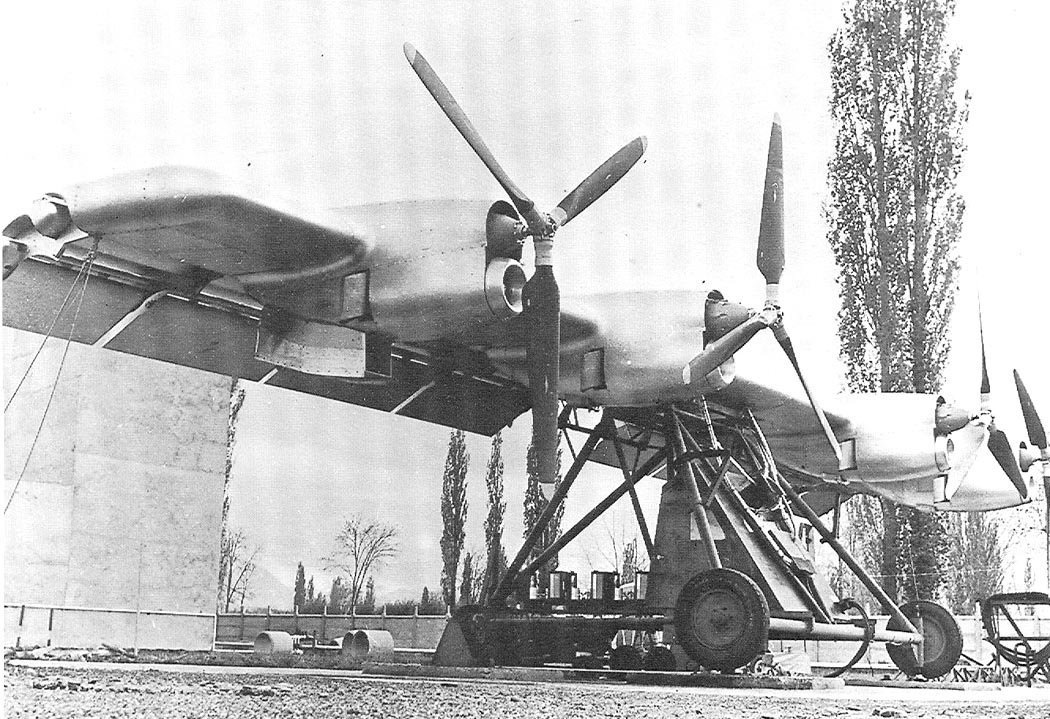
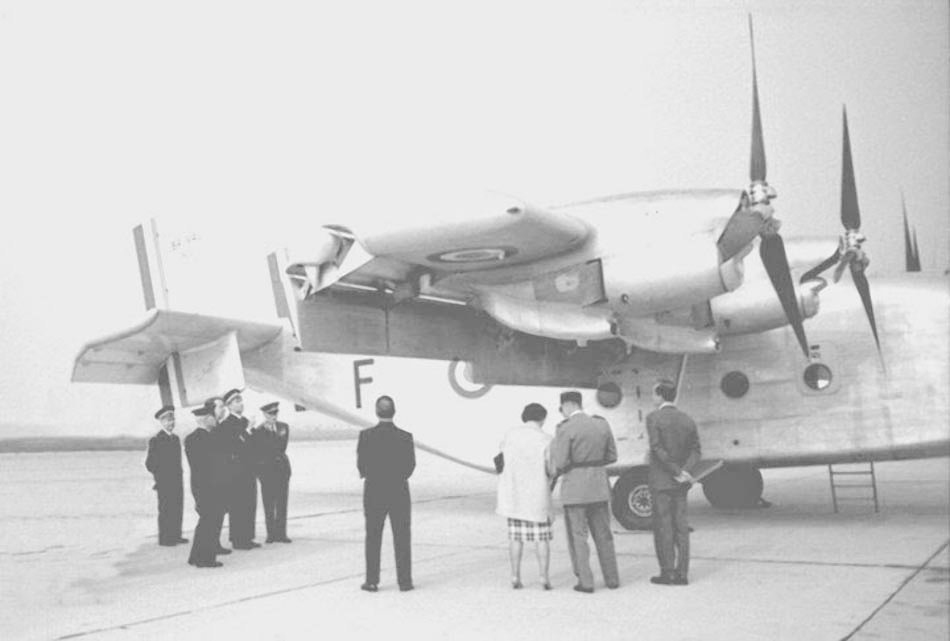
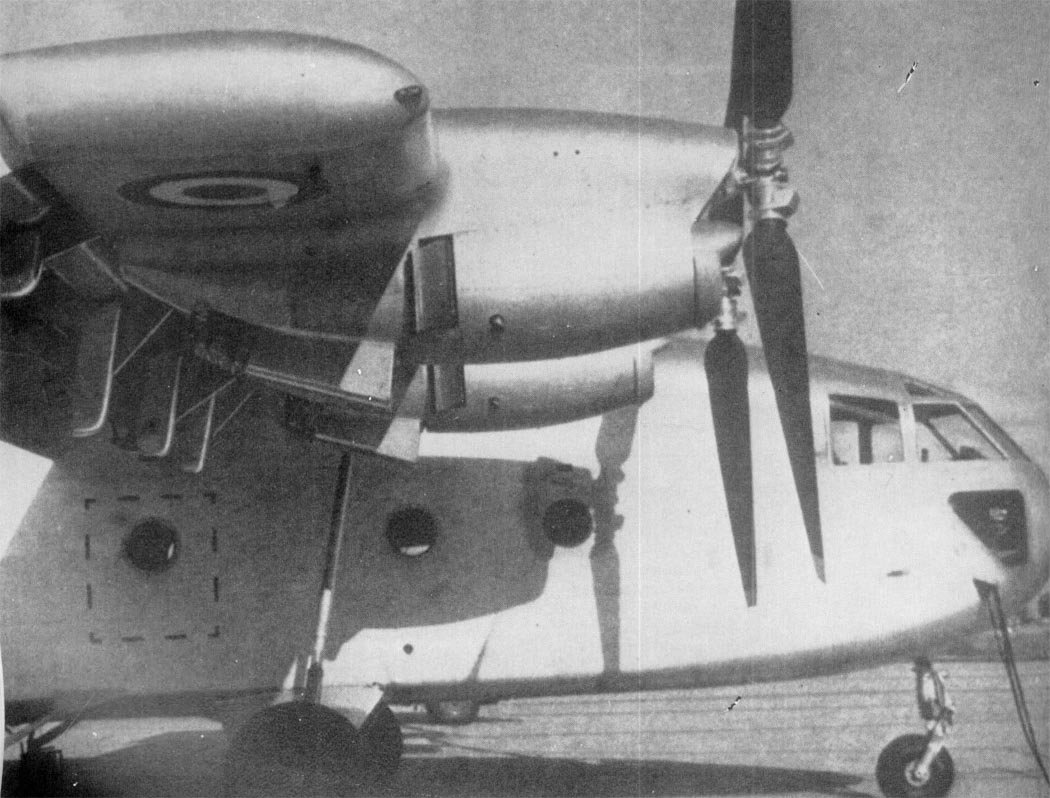
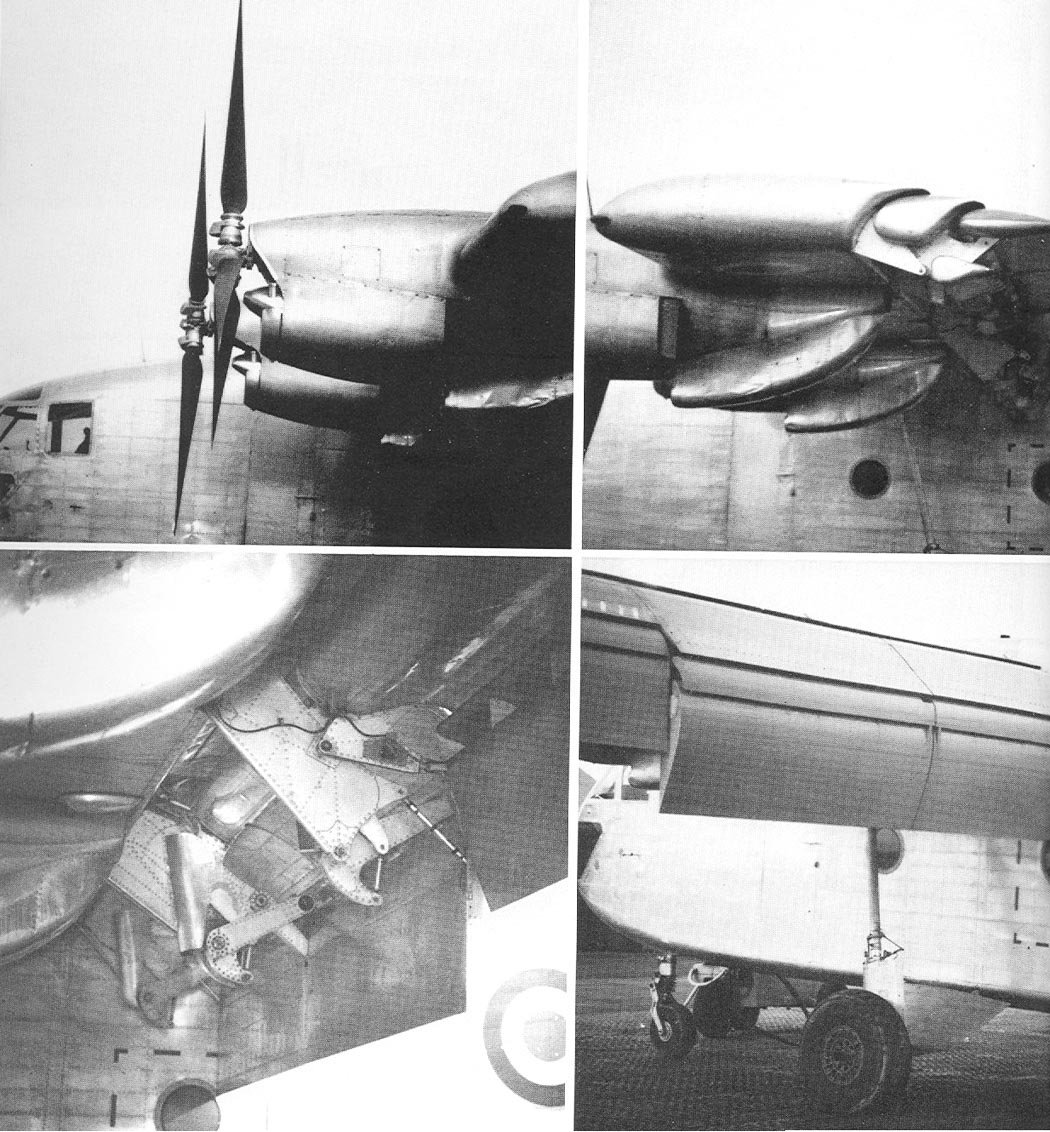
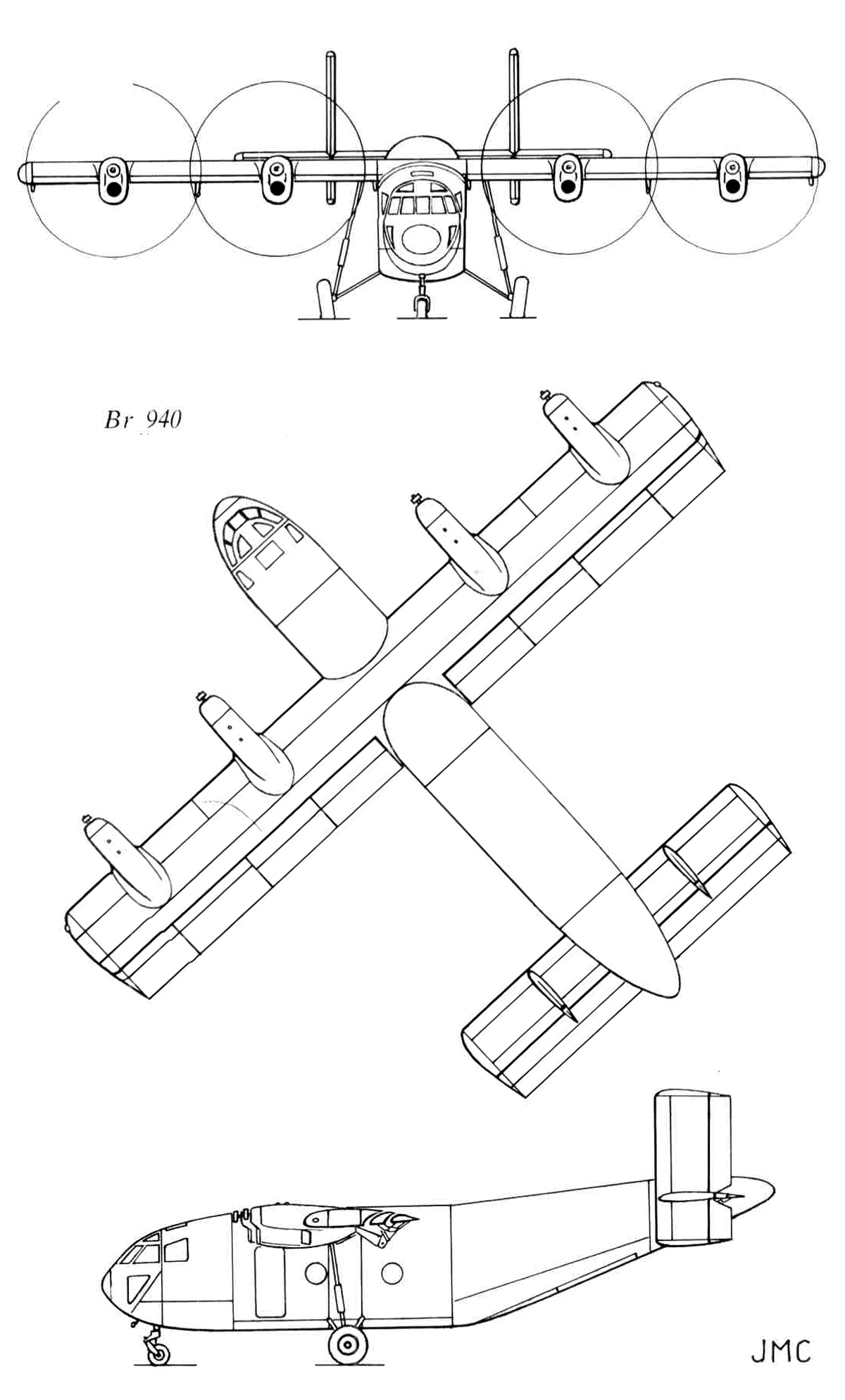
The Br.940 Integral was equipped with four Turbomeca Turmo IID turboprop engines, each delivering 400 hp. These engines were mounted in nacelles far ahead of the wing’s leading edge, ensuring that the slipstream from their propellers continuously blew over the entire wing and the extended double-slotted flaps installed along its span. As the entire trailing edge of the wing was occupied by flaps, no space remained for traditional ailerons. Therefore, interceptors, four installed on the upper surface of each wing panel, were used for the aircraft’s lateral control.
Flight Testing and Le Bourget Sensation
The aircraft’s maiden flight took place on May 21, 1958, at the Villacoublay airfield, piloted by Bernard Witt and mechanic Georges Evrard. Over the following year, the aircraft completed a full range of tests and was even showcased at the Le Bourget airshow. At the exhibition, the Br.940 created a genuine sensation, demonstrating unprecedented maneuverability at very low altitudes.
Legacy and the Breguet 941 Series
The success of the Br.940 Integral led to an order from the French Ministry of Aviation for the construction of a production aircraft, the Breguet 941, based on the Br.940. This new model was intended for both civil and military applications, solidifying the legacy of this groundbreaking STOL aircraft.
Technical Specifications
| Modification | Br.94 0 |
| Wingspan, m | 17.85 |
| Length, m | 12.09 |
| Height, m | 4.41 |
| Wing area, m2 | 47. 48 |
| Empty weight | 5260 |
| Normal takeoff weight | 6500 |
| Maximum takeoff weight | 7300 |
| Engine type | 4 Turboprop Turbomeca Turmo IID |
| Power, hp | 4 x 400 |
| Maximum speed, km/h | 300 |
| Cruising speed, km/h | 280 |
| Minimum speed, km/h | 60 |
| Rate of climb, m/min | 225 |
| Crew, crew members | 4 |
Image and diagram gallery of the Br.940 Integral
 Br.940 Integral |
 Br.940 Integral |
 Br.940 Integral |
 Br.940 Integral |
 Br.940 Integral |
 Br.940 Integral |
 Br.940 Integral |
 Br.940 Integral |
 Br.940 Integral |
 Br.940 Integral |
 Br.940 Integral |
 Br.940 Integral |
 Br.940 Integral |
 Br.940 Integral |
 Br.940 Integral |
 Br.940 Integral |
 Br.940 Integral |
 Br.940 Integral |
 Br.940 Integral |
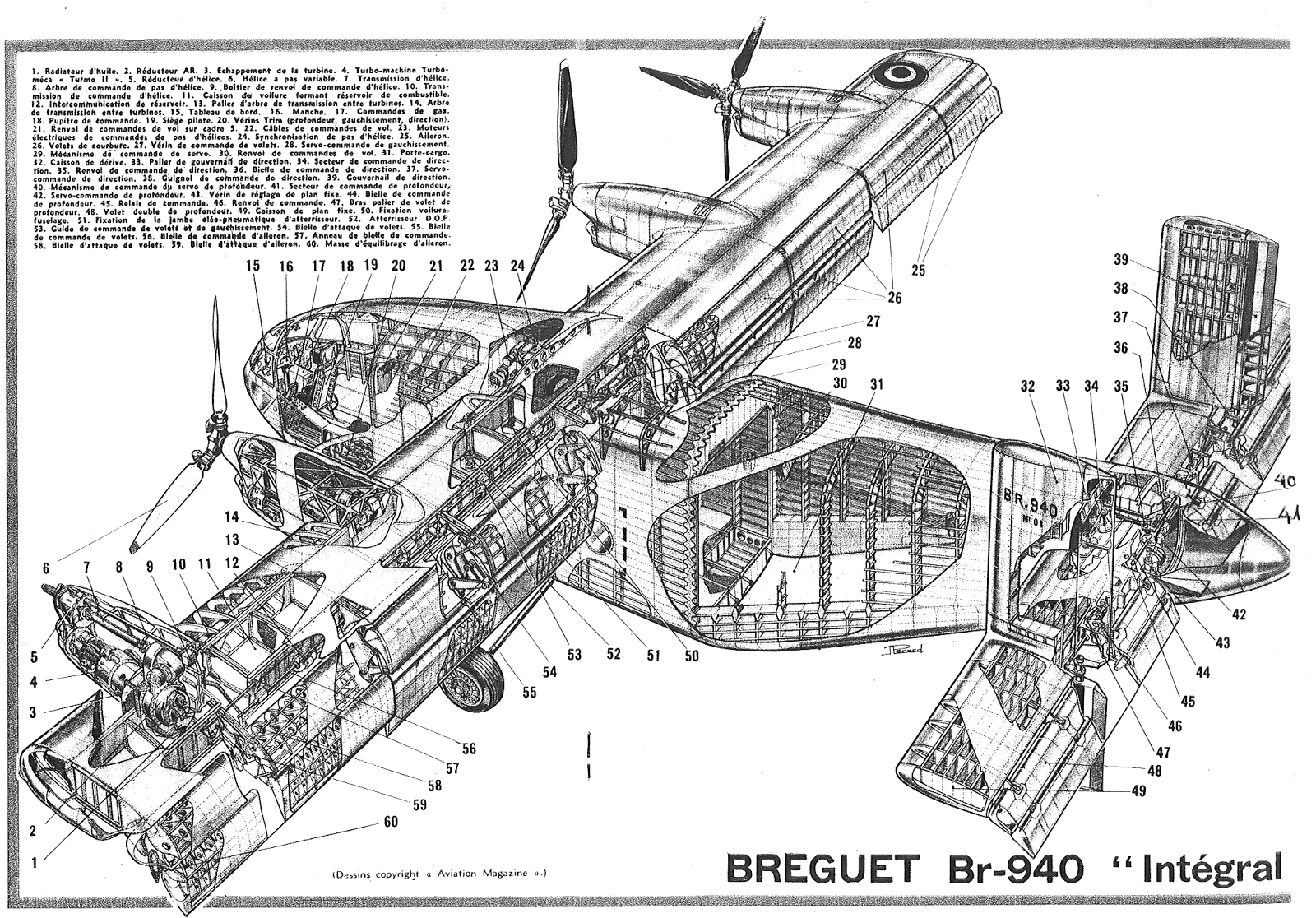 Br.940 Integral |
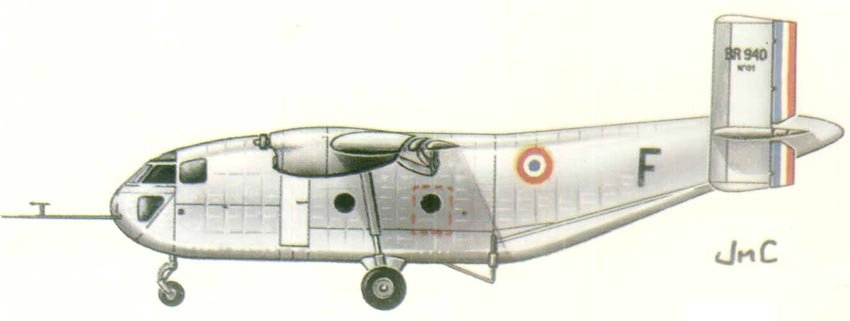 Br.940 Integral |
Equipo Editorial de ArchivoAéreo
Grupo de investigadores y entusiastas de la aviación dedicados a documentar y preservar la historia aeronáutica mundial. Todos los artículos son revisados para garantizar precisión histórica.
Fuentes y Rigurosidad
La información presentada en esta ficha técnica ha sido compilada a partir de manuales de vuelo desclasificados, archivos históricos y bibliografía especializada. Aunque nos esforzamos por mantener la máxima precisión, algunos datos de rendimiento pueden variar según la variante específica o las condiciones operativas.