Br.965
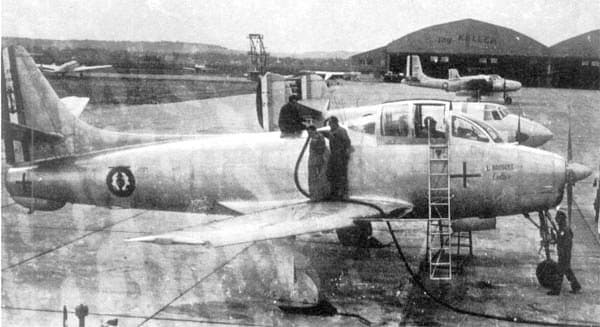
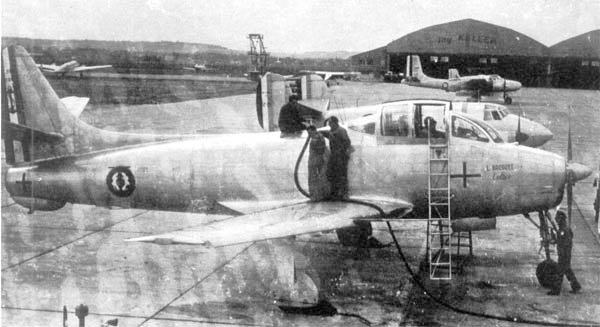
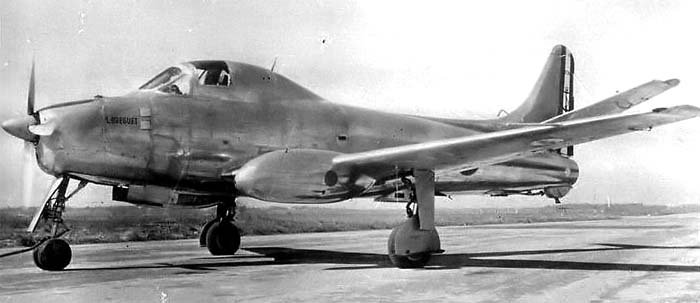
The Br.965 was a carrier-borne anti-submarine aircraft developed by the French firm Breguet Aviation. This aircraft was conceived based on the Breguet Br.960 Vulture attack aircraft. The project to convert the attack aircraft into an anti-submarine platform was designated “F6 bis”.
Development and Features
According to the “F6 bis” project, the new aircraft, designated Br.962 ASM, was intended to receive a new Armstrong Siddeley Mamba VI engine with 1650 hp and an APS 33B search radar. Notably, the aircraft lost its tail-mounted turbojet engine to provide space for a large retractable “dustbin” fairing for the radar antenna.
The first Br.960 prototype was converted under this project, receiving the designation Br.963. Simultaneously, the second Br.960-02 prototype also underwent conversion. In January 1955, the first Br.965 aircraft, equipped with an APS 15A radar, was ready.
Flight Testing and Final Evolution
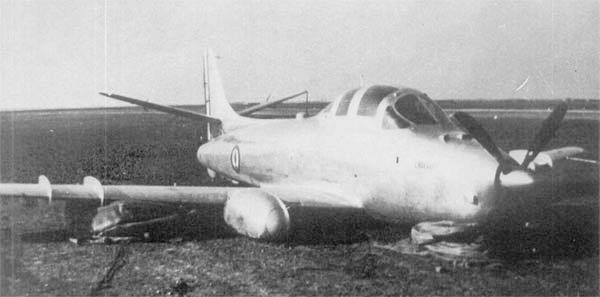
After several flight tests, the aircraft crashed in May 1955. Following its restoration and significant modifications, the aircraft’s designation was changed to Breguet Br.1050 Alizé, marking a significant evolution in French naval aviation.
Technical Specifications
| Modification | Br.965 |
| Wingspan, m | 16.70 |
| Length, m | 13.35 |
| Height, m | 5.00 |
| Wing area, m2 | 36.30 |
| Empty weight | 5650 |
| Maximum takeoff weight | 8100 |
| Engine type | 1 Turboprop Armstrong Siddeley Mamba VI |
| Power, hp | 1 x 1650 |
| Maximum speed, km/h | 505 |
| Cruising speed, km/h | 375 |
| Practical range, km | 2 500 |
| Practical ceiling, m | 6200 |
| Crew, crew members | 3 |
| Armament | Combat load – 1000 kg in weapon bay and 6 hardpoints |
Image and diagram gallery of the Br.965
 Br.965 |
 Br.965 |
 Br.965 |
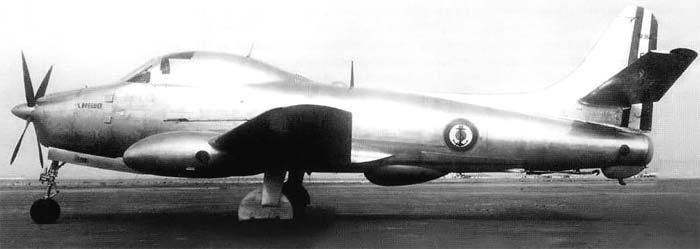 Br.965 |
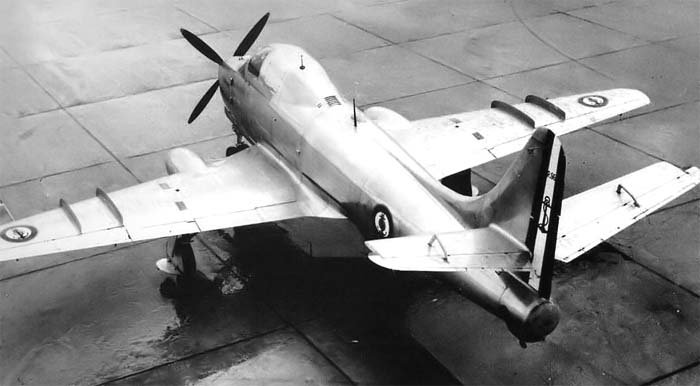 Br.965 |
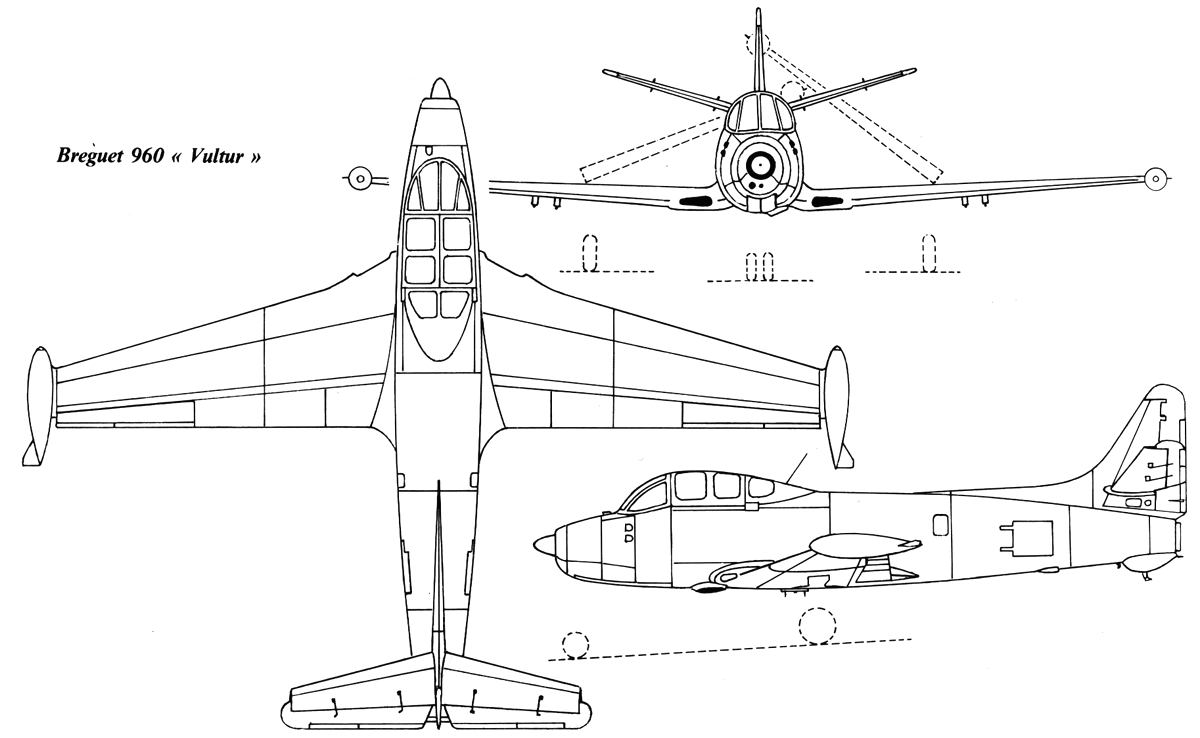 Br.965 |
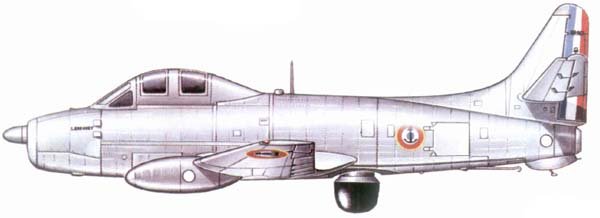 Br.965 |
Equipo Editorial de ArchivoAéreo
Grupo de investigadores y entusiastas de la aviación dedicados a documentar y preservar la historia aeronáutica mundial. Todos los artículos son revisados para garantizar precisión histórica.
Fuentes y Rigurosidad
La información presentada en esta ficha técnica ha sido compilada a partir de manuales de vuelo desclasificados, archivos históricos y bibliografía especializada. Aunque nos esforzamos por mantener la máxima precisión, algunos datos de rendimiento pueden variar según la variante específica o las condiciones operativas.