Breese-Dallas Model 1
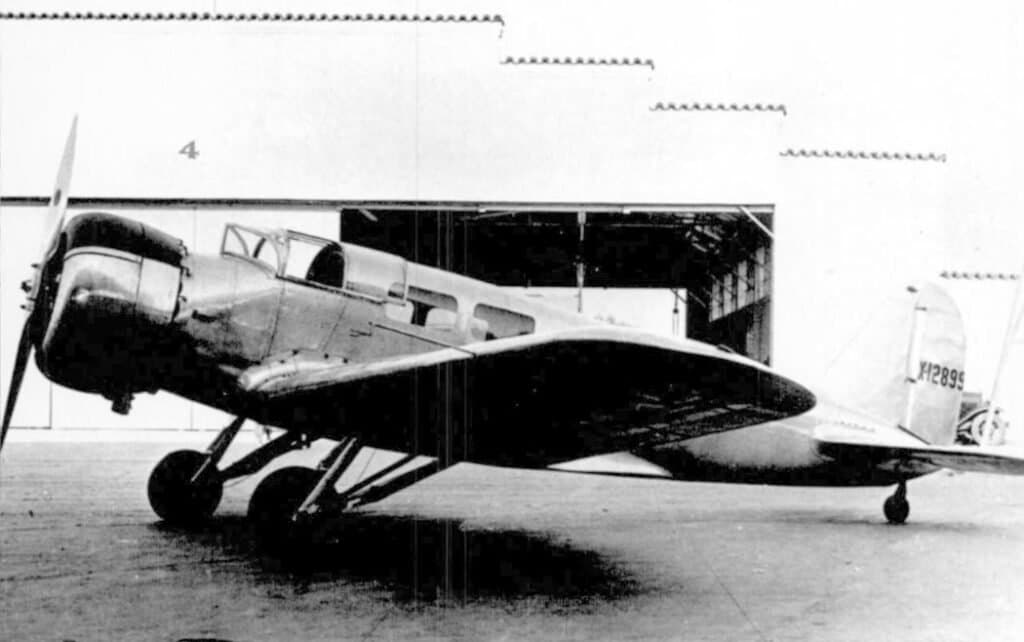
In 1932, Vance Breese, with financial assistance from Detroit automobile dealer Charles Dallas, began designing a small transport aircraft named the Breese-Dallas Model 1. This aircraft was later known as the Breese-Dallas X, marking the beginning of its unique history.
Origins and Design
The sole prototype of the aircraft, bearing the registration X12899, made its first flight in February 1933. This six-seater, cantilever low-wing monoplane was powered by a 500 hp (370 kW) air-cooled Pratt & Whitney SD-1 Wasp radial engine, fitted with a two-bladed propeller.
Technical Specifications and First Flight
During its brief lifespan, the aircraft was sold numerous times, adapting to various roles. In 1935, the Breese-Dallas X was proposed as a “cinematic bomber” for the film “Storm over the Andes”. Shortly thereafter, it was converted into a racer, with its registration number changed to R12899.
A Versatile Life and Tragic End
The career of the Breese-Dallas concluded in 1937 when the aircraft crashed during an attempted ferry flight. The intention was to deliver it to the Spanish Republican Air Force amidst the conflicts of the era, thus sealing its ultimate fate.
Technical Specifications
| Modification | Breese-Dallas Model 1 |
| Wingspan, m | 12.00 |
| Length, m | 8.64 |
| Maximum takeoff weight, kg | 2155 |
| Fuel capacity, l | 420 |
| Engine type | 1 Piston engine Pratt & Whitney SD-1 Wasp |
| Power, hp | 1 x 500 |
| Maximum speed, km/h | 398 |
| Cruising speed, km/h | 340 |
| Crew, crew members | 1 |
| Payload | 5 passengers |
Image and diagram gallery of the Breese-Dallas Model 1
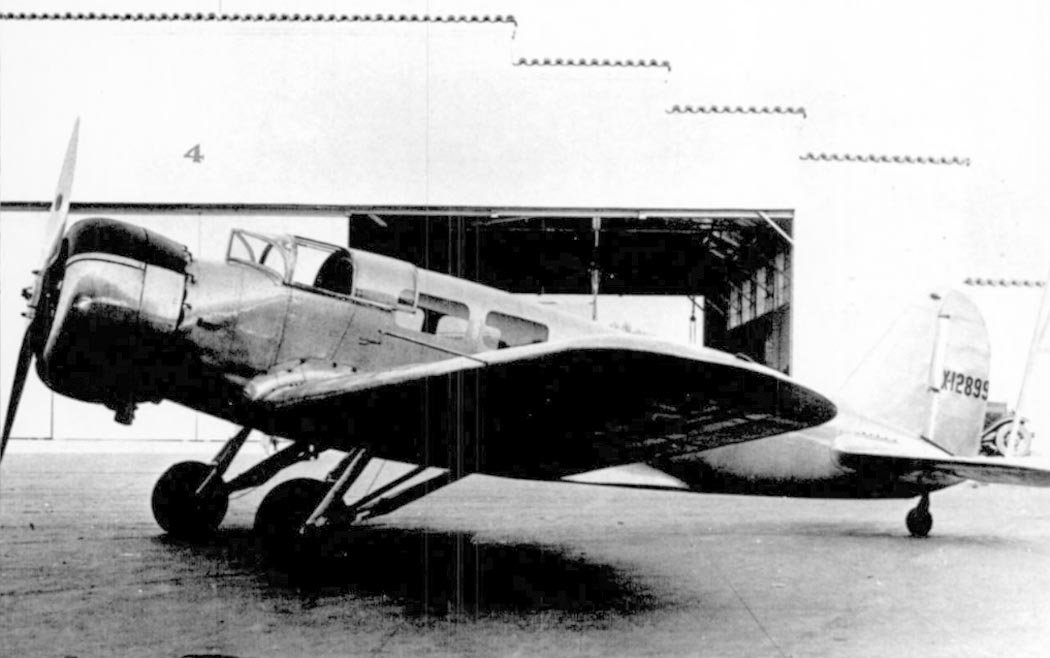 Breese-Dallas Model 1 |
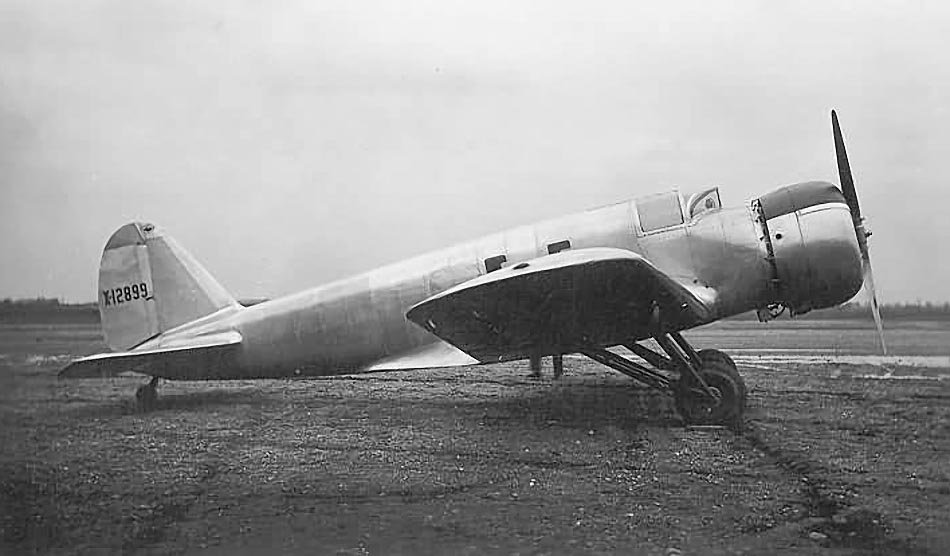 Breese-Dallas Model 1 |
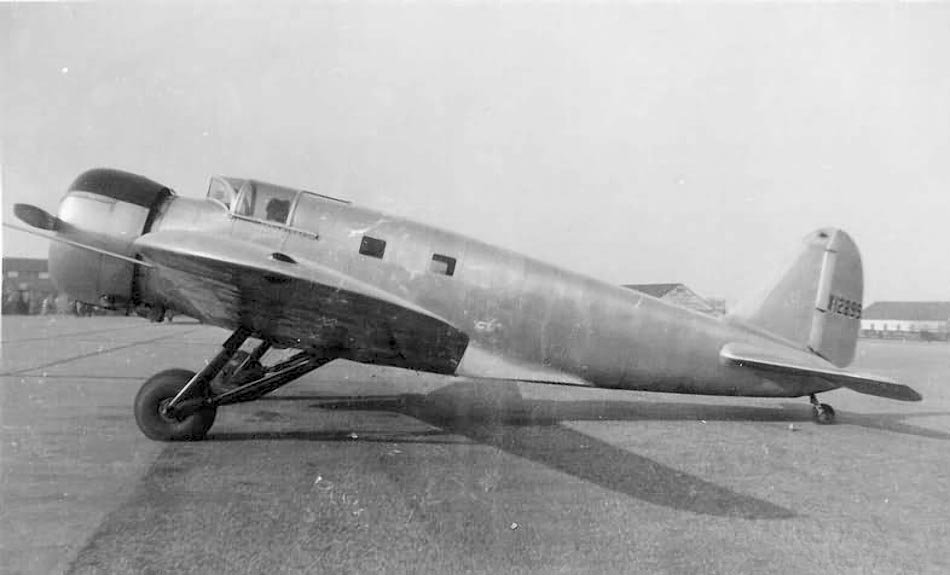 Breese-Dallas Model 1 |
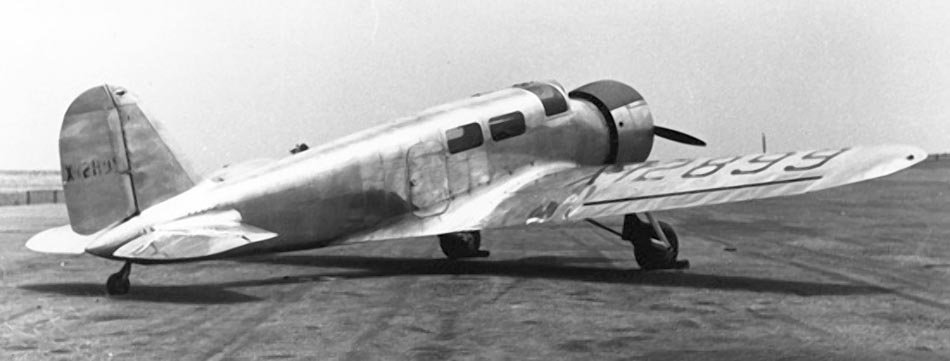 Breese-Dallas Model 1 |
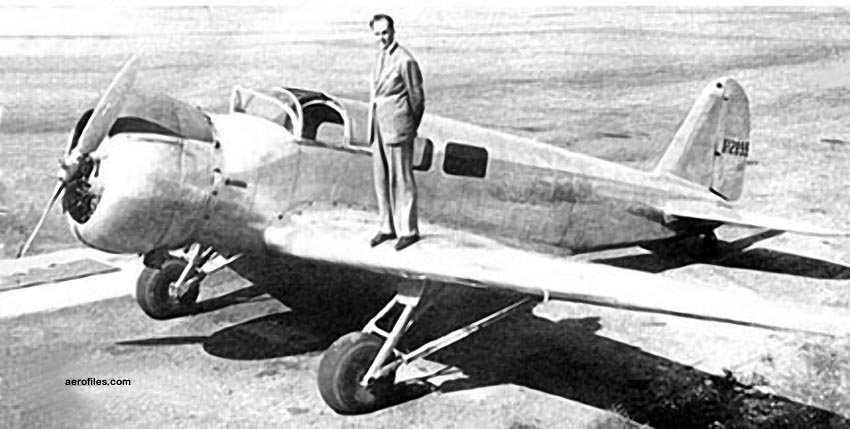 Breese-Dallas Model 1 |
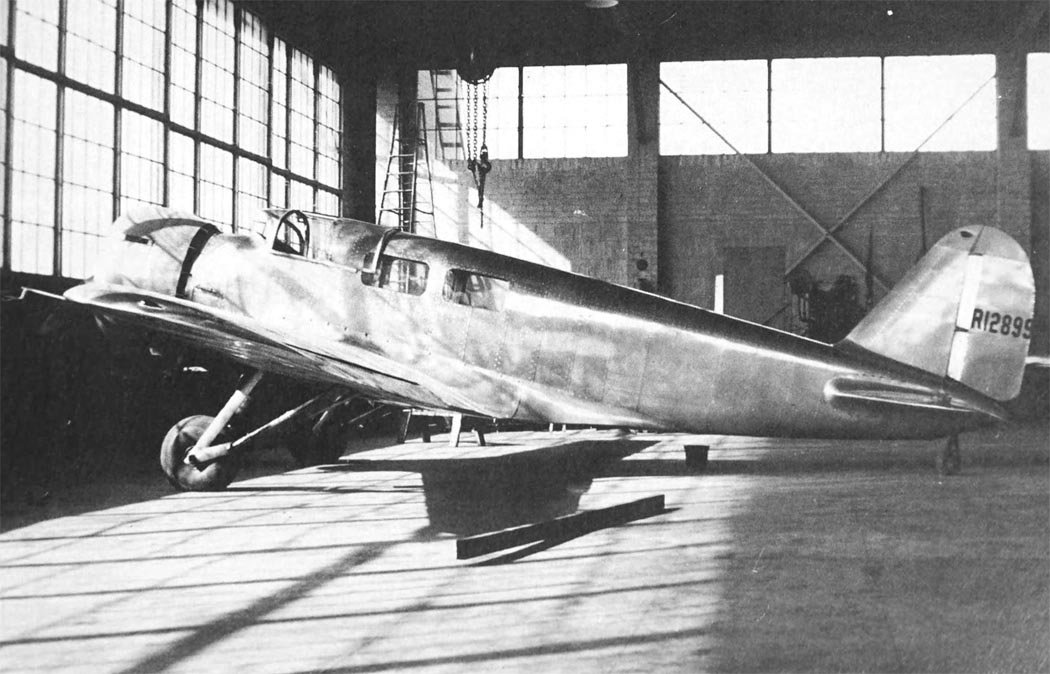 Breese-Dallas Model 1 |
Equipo Editorial de ArchivoAéreo
Grupo de investigadores y entusiastas de la aviación dedicados a documentar y preservar la historia aeronáutica mundial. Todos los artículos son revisados para garantizar precisión histórica.
Fuentes y Rigurosidad
La información presentada en esta ficha técnica ha sido compilada a partir de manuales de vuelo desclasificados, archivos históricos y bibliografía especializada. Aunque nos esforzamos por mantener la máxima precisión, algunos datos de rendimiento pueden variar según la variante específica o las condiciones operativas.