Breguet 13 / AG4
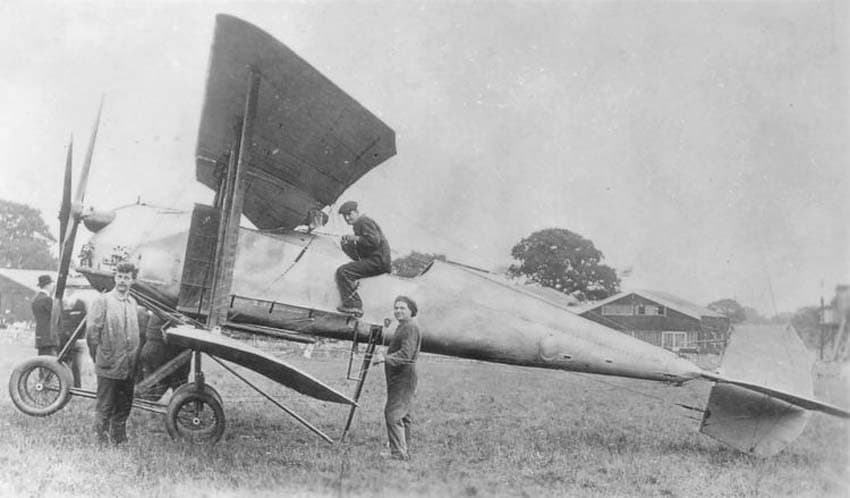
In 1913, Louis Breguet designed and constructed a single prototype aircraft, known as the Breguet 13. This two-seater biplane was initially powered by a 100 hp Gnome engine.
Initial Development and Rejection
The Breguet 13 underwent trials in Reims in September 1913. Its performance proved disappointing to both military officials and Breguet himself, leading to a redesign. He upgraded the aircraft with a more powerful 160 hp Gnome engine, resulting in a variant unofficially known as the Breguet X, which the military also rejected.
The final iteration was the AG4 aircraft. This designation indicated “Avant” (a pulling propeller), a Gnome engine, and ‘4’ for the modification number. Ready by summer 1914, its trials commenced shortly after the outbreak of World War I.
The Pivotal Reconnaissance Mission
During its trials, on September 2, 1914, Louis Breguet, with André Wateau as observer, conducted one of the most pivotal aerial reconnaissance missions of World War I. Flying northwest of Paris, Breguet discovered that German General von Kluck was turning his forces eastward, contrary to French intelligence. This crucial insight enabled the Allies to secure victory at the Battle of the Marne, halting the German advance, and earned Breguet the “Croix de Guerre.”
Operational Service and Shortcomings
Following this success, the Aviation Militaire promptly inducted the AG4 into service. Armed with an 8-mm Hotchkiss machine gun in the observer’s cockpit, aircraft BR.52 was assigned to Squadron BR17. However, it was tragically lost in October during a troop withdrawal.
A second AG4, designated BR.53, was completed and delivered to the military in October. This aircraft, also equipped with a Hotchkiss machine gun, served as an air defense fighter at Le Bourget airfield. Its service life was similarly brief, as BR.53 crashed in December of the same year.
Despite its crucial reconnaissance mission, the overall assessment of the AG4 was largely negative. While a more powerful 200 hp engine might have improved its fortunes, Louis Breguet had already moved on to other aircraft developments.
Technical Specifications
| Modification | Breguet AG4 |
| Wingspan, m | 15. 35 |
| Length, m | 8.25 |
| Height, m | 3.30 |
| Empty weight | 950 |
| Maximum takeoff weight | 1350 |
| Engine type | 1 Piston engine Gnome |
| Power, hp | 1 x 160 |
| Maximum speed, km/h | 100 |
| Cruising speed, km/h | 85 |
| Rate of climb, m/min | 42 |
| Service ceiling, m | 1500 |
| Crew, crew members | 2 |
| Armament: | one 8-mm Hotchkiss machine gun in the observer’s cockpit |
Image and diagram gallery of the Breguet 13 / AG4
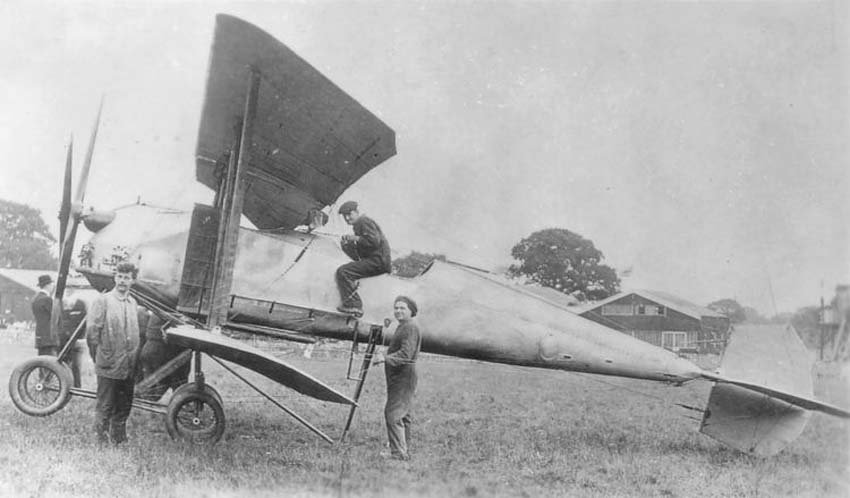 Breguet 13/AG4 |
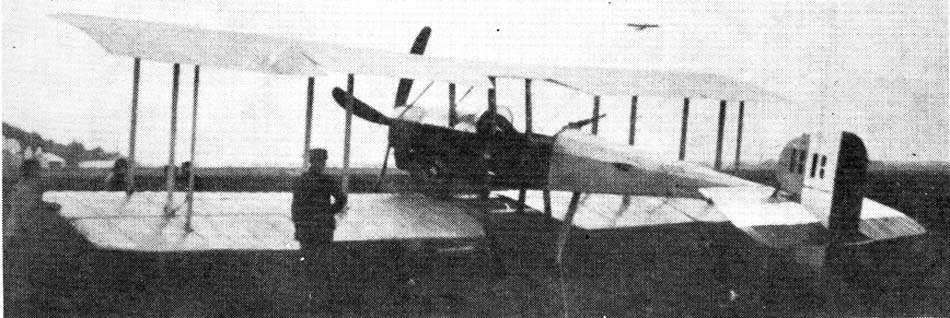 Breguet 13/AG4 |
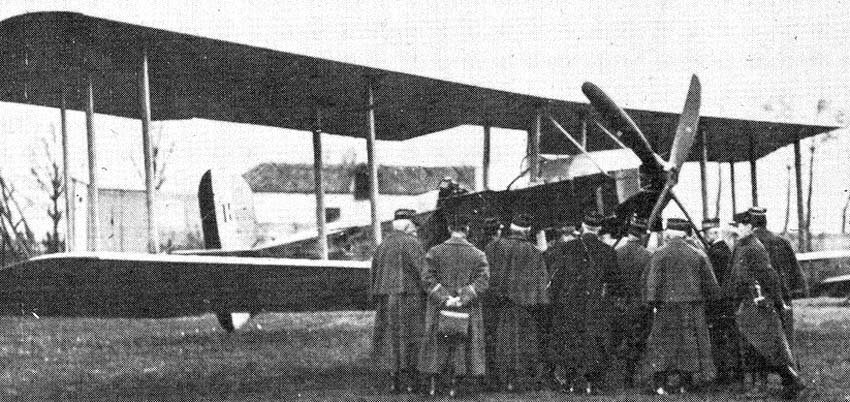 Breguet 13/AG4 |
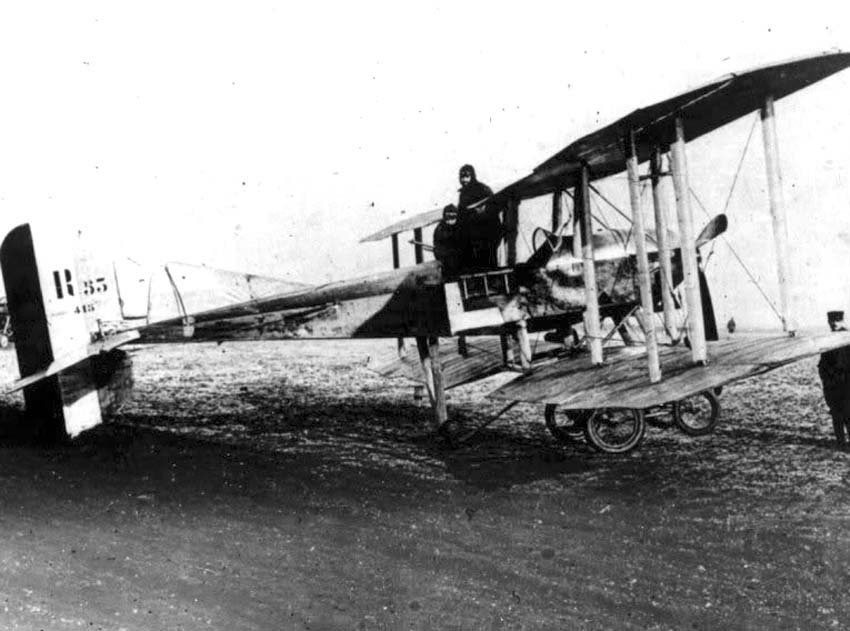 Breguet 13/AG4 |
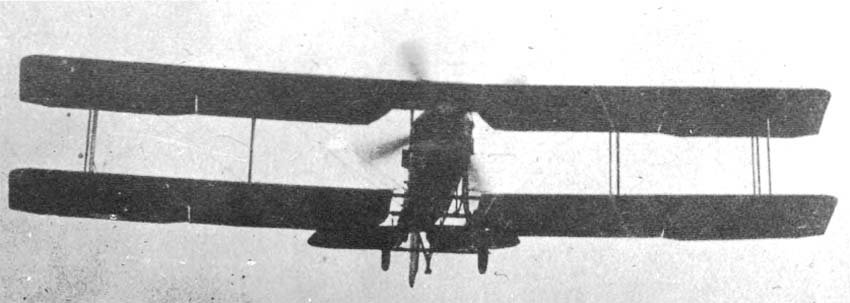 Breguet 13/AG4 |
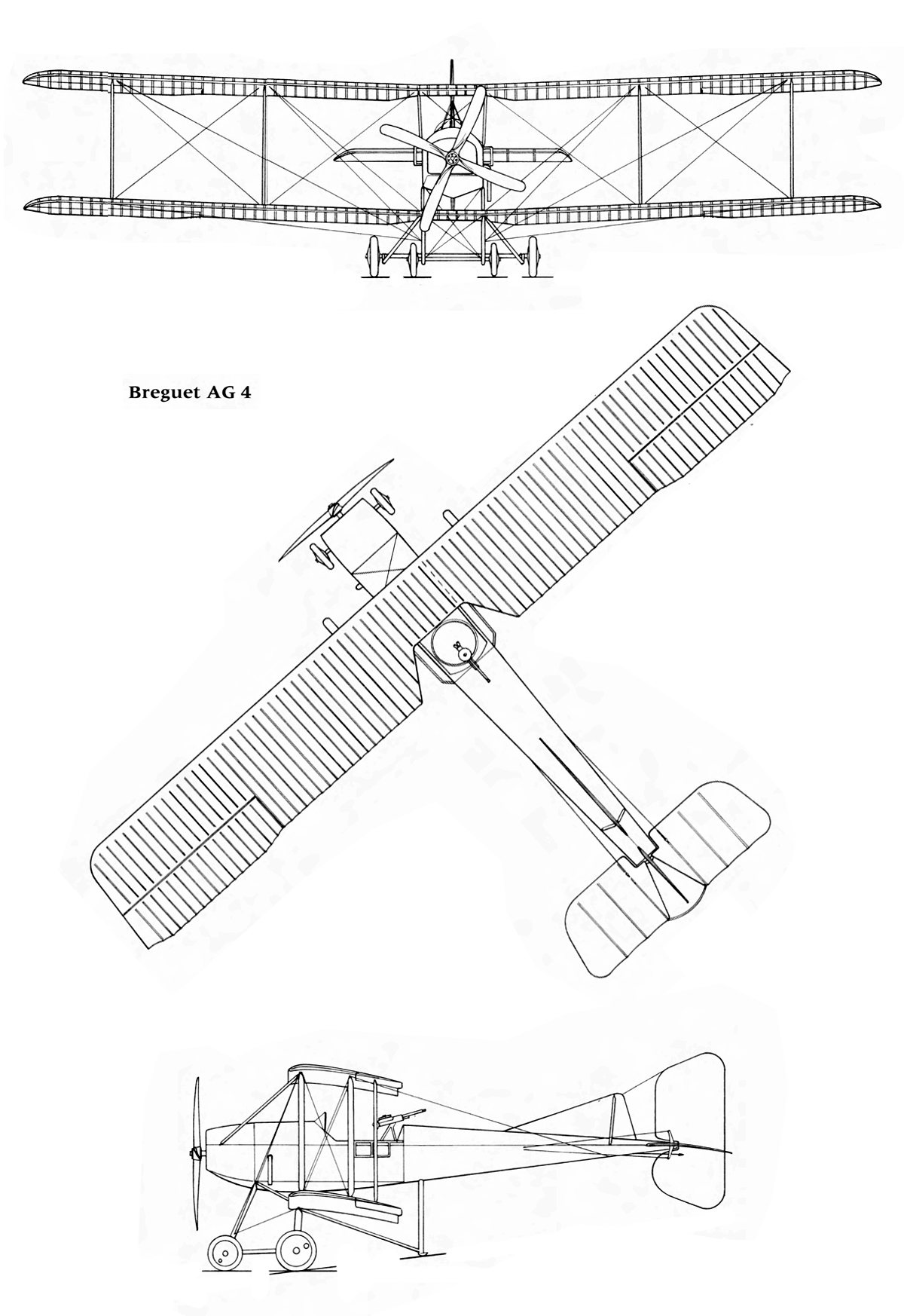 Breguet 13/AG4 |
Equipo Editorial de ArchivoAéreo
Grupo de investigadores y entusiastas de la aviación dedicados a documentar y preservar la historia aeronáutica mundial. Todos los artículos son revisados para garantizar precisión histórica.
Fuentes y Rigurosidad
La información presentada en esta ficha técnica ha sido compilada a partir de manuales de vuelo desclasificados, archivos históricos y bibliografía especializada. Aunque nos esforzamos por mantener la máxima precisión, algunos datos de rendimiento pueden variar según la variante específica o las condiciones operativas.