Breguet 27
In 1928, the French aviation ministry issued a new specification for an A2 category frontline reconnaissance aircraft. Mandatory requirements for such an aircraft included a two-person crew —pilot and observer-gunner, who also operated the camera and radio station— as well as the aircraft’s ability to take off from unprepared airstrips. Overall, the other characteristics were only slightly higher than those of the recently adopted Potez 25A2.
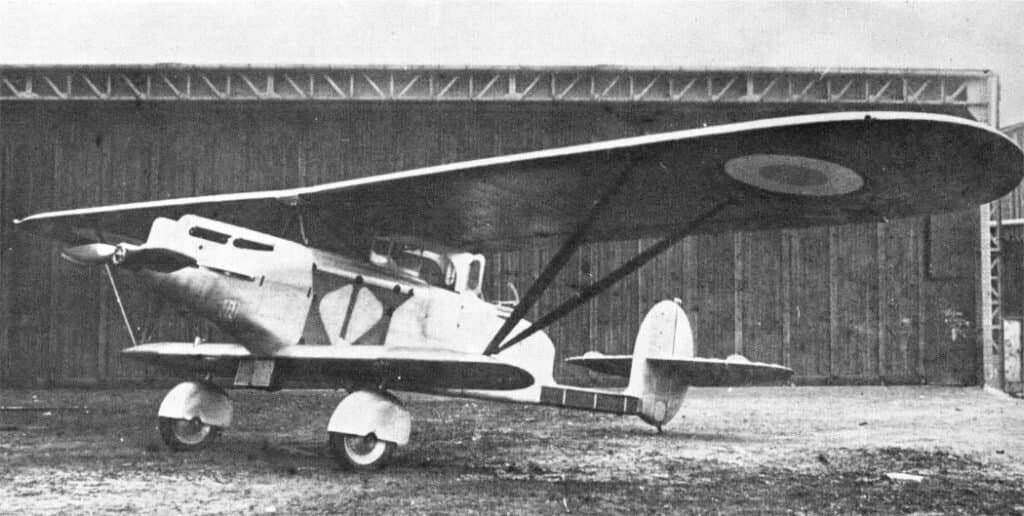
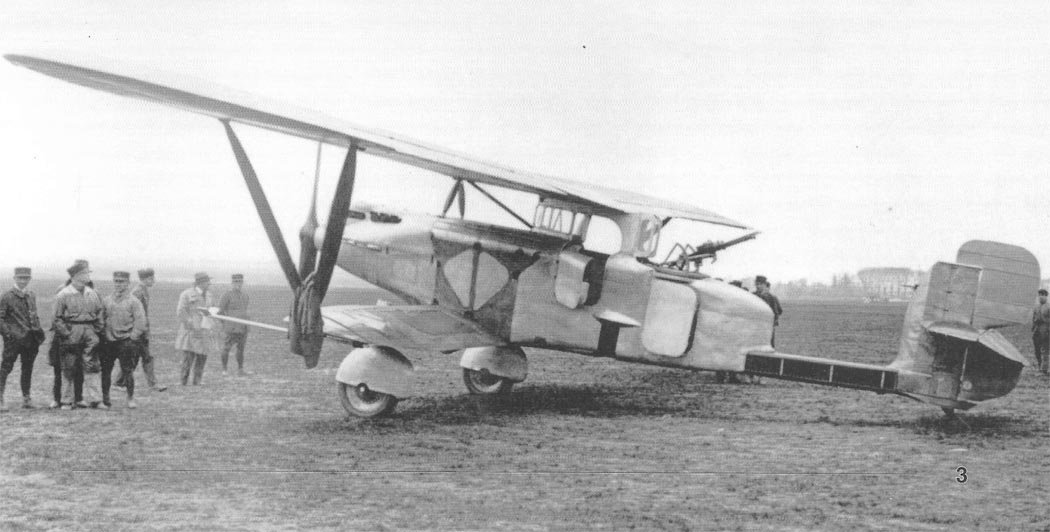
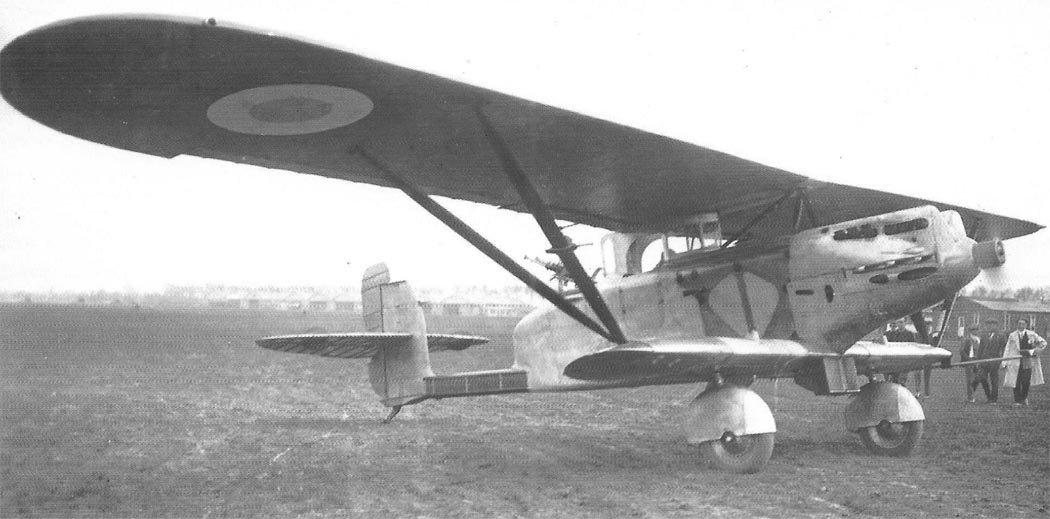
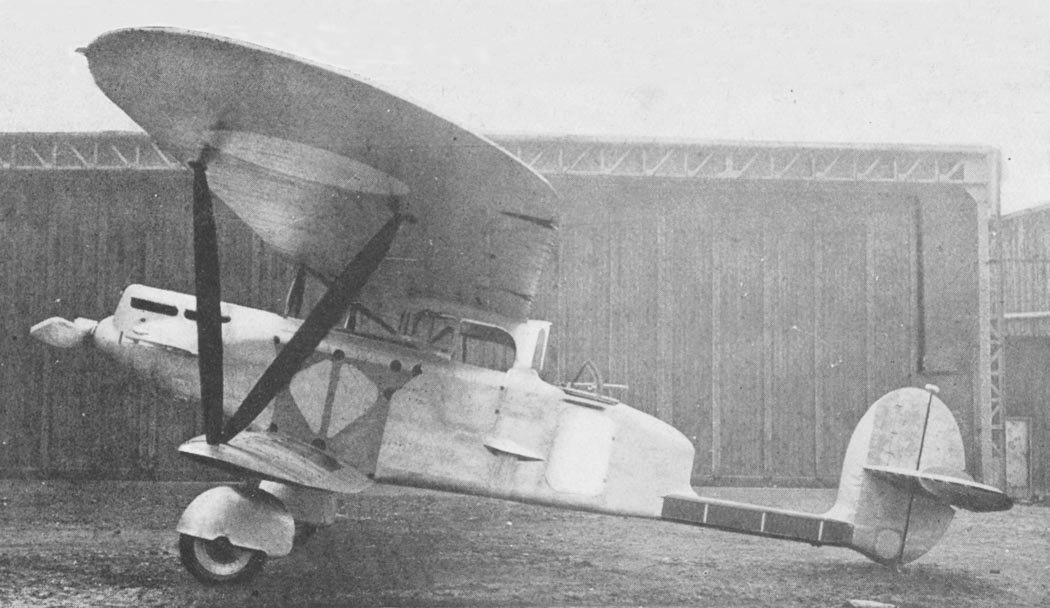
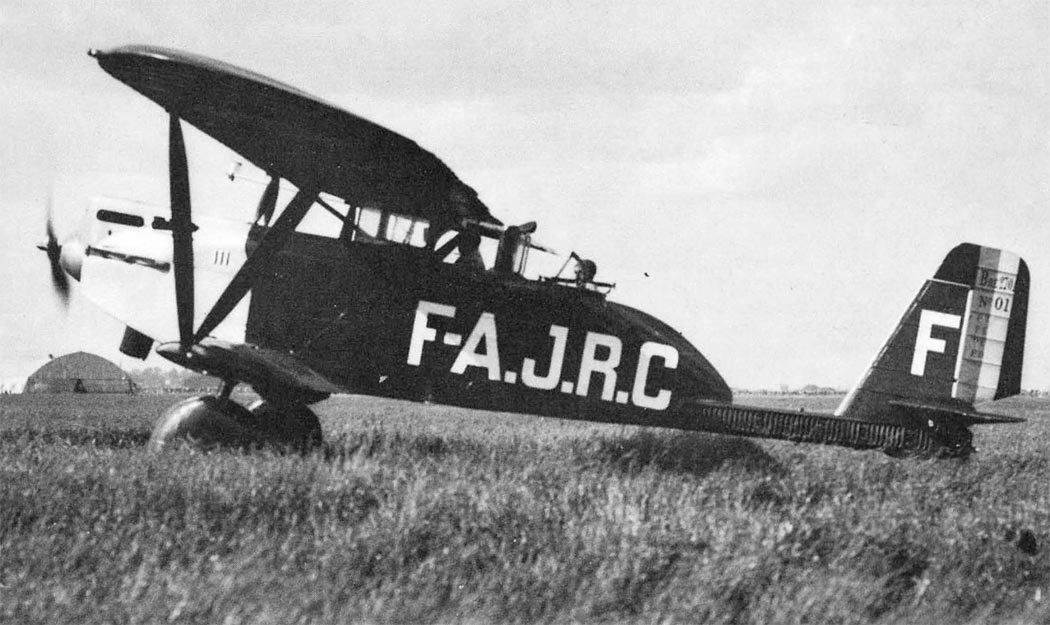
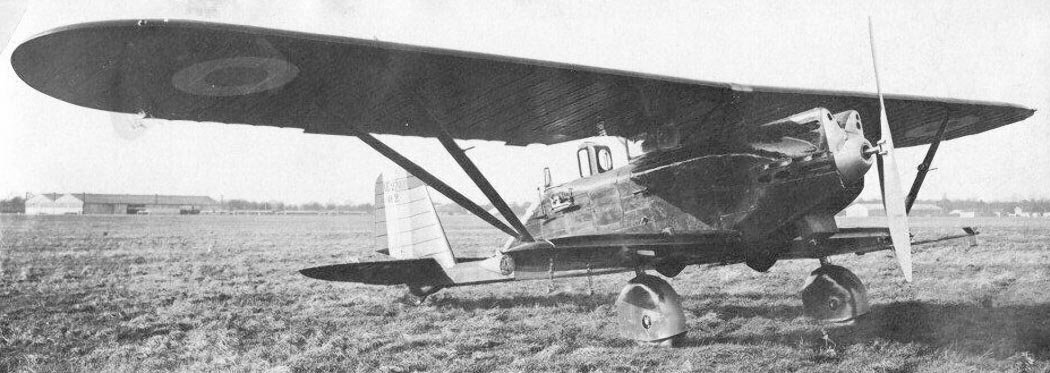
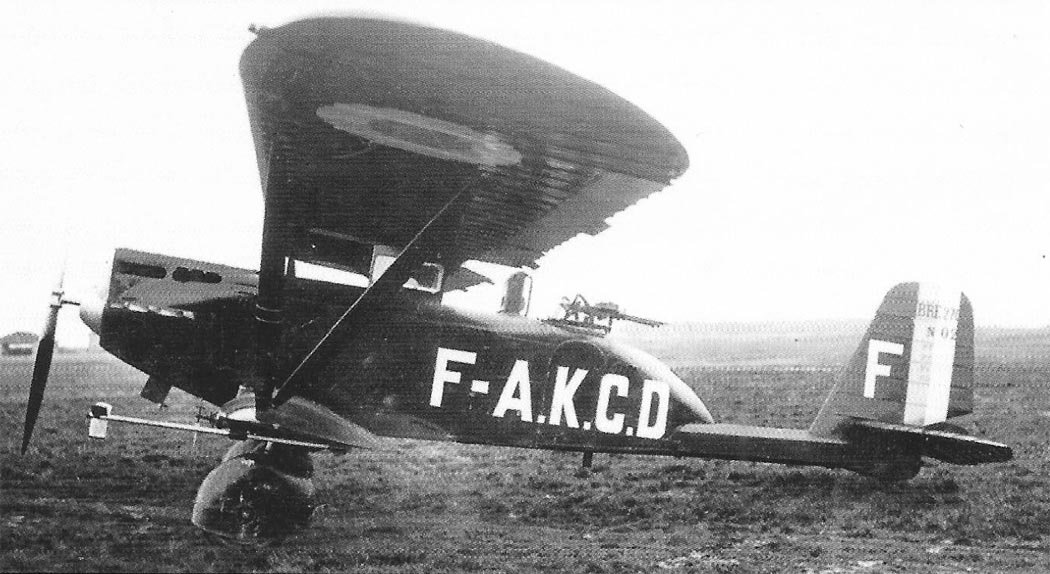
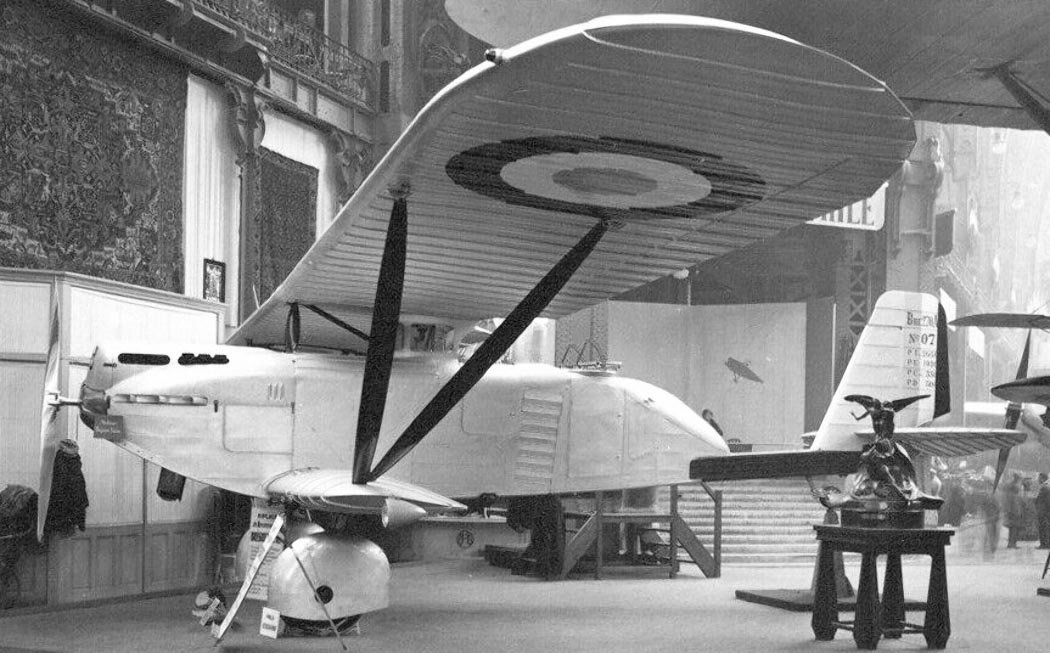
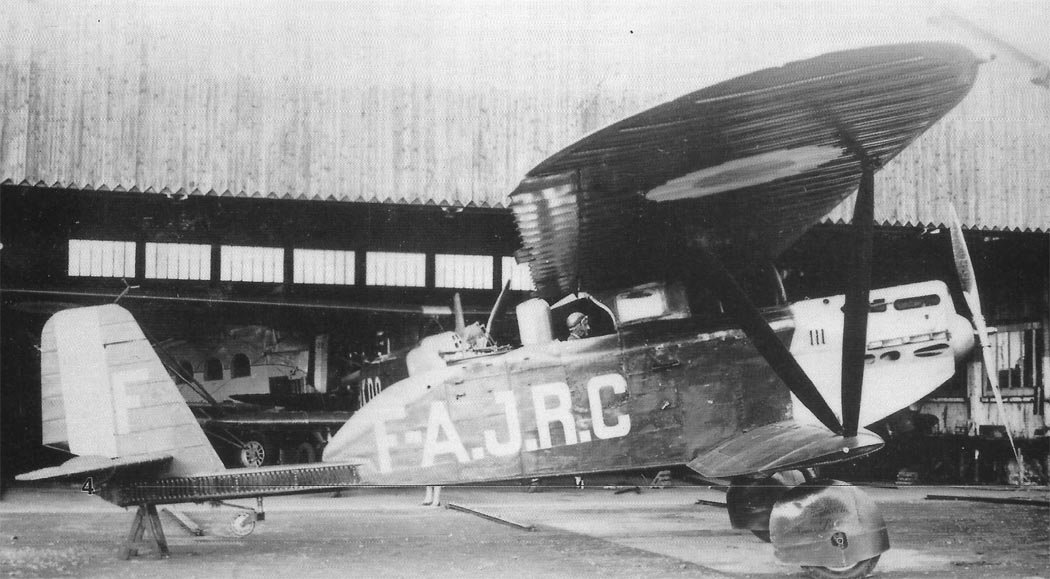
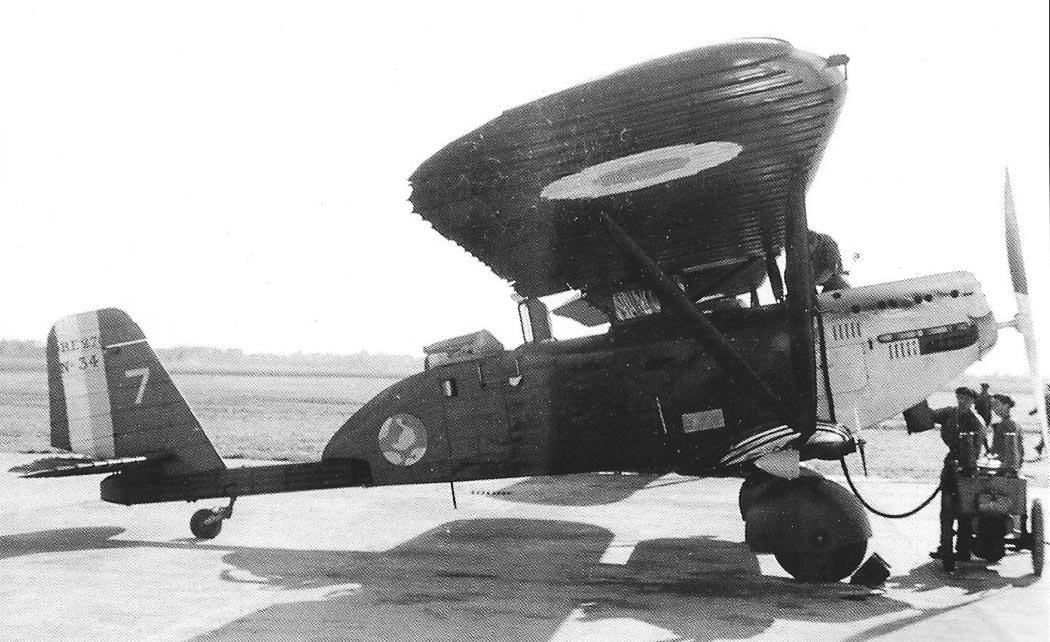
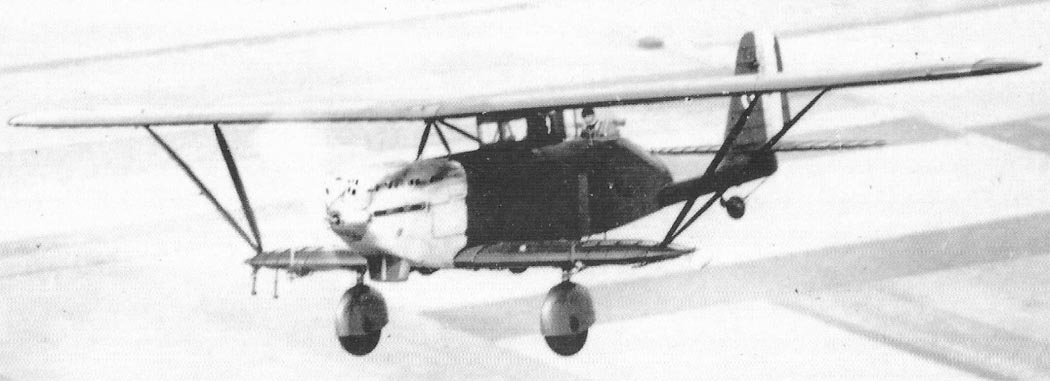
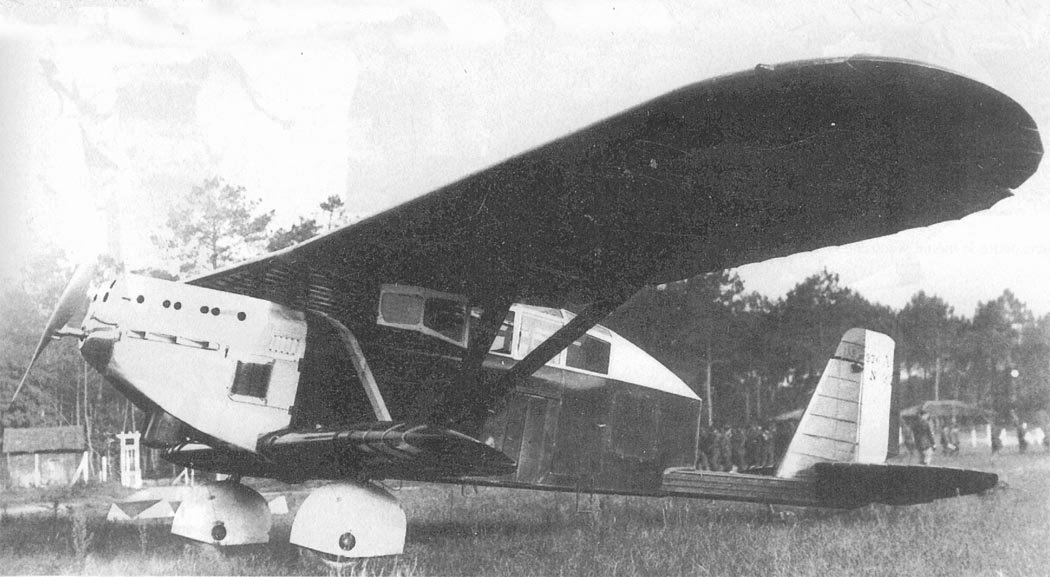
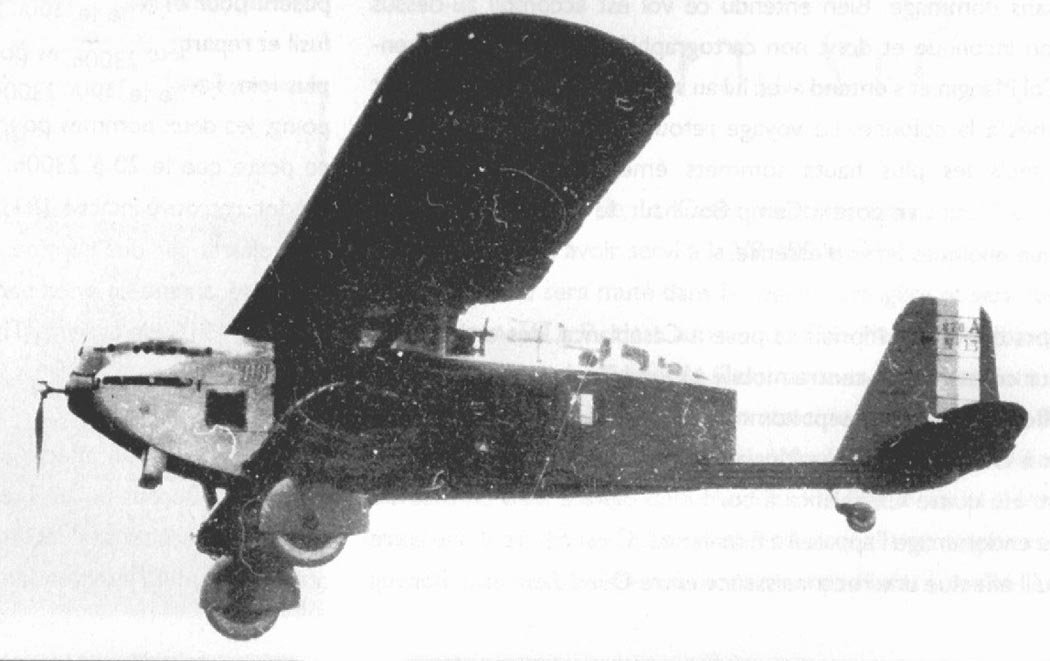
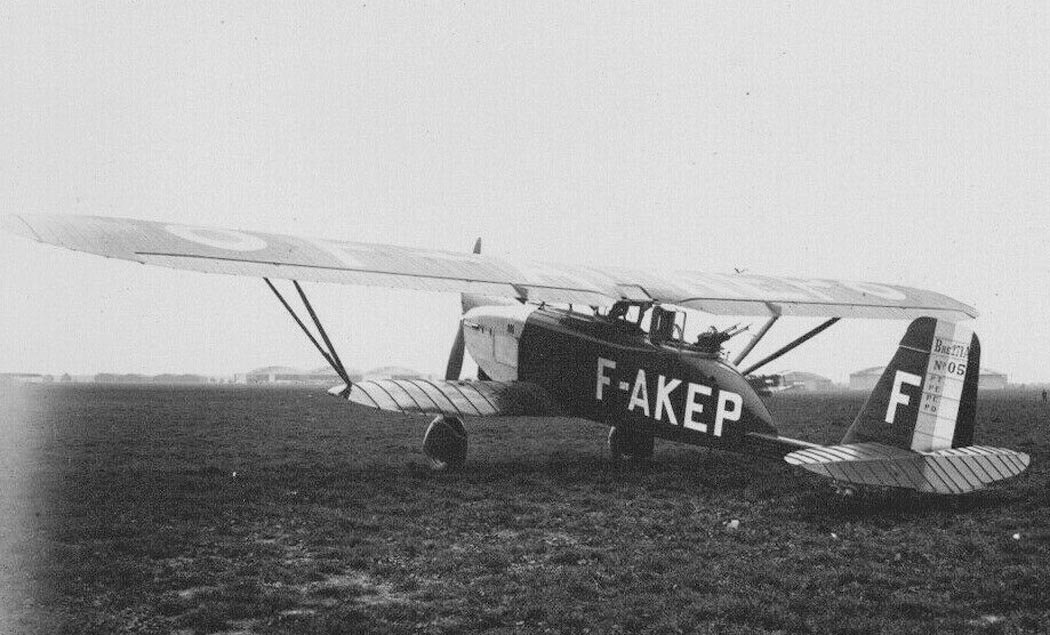
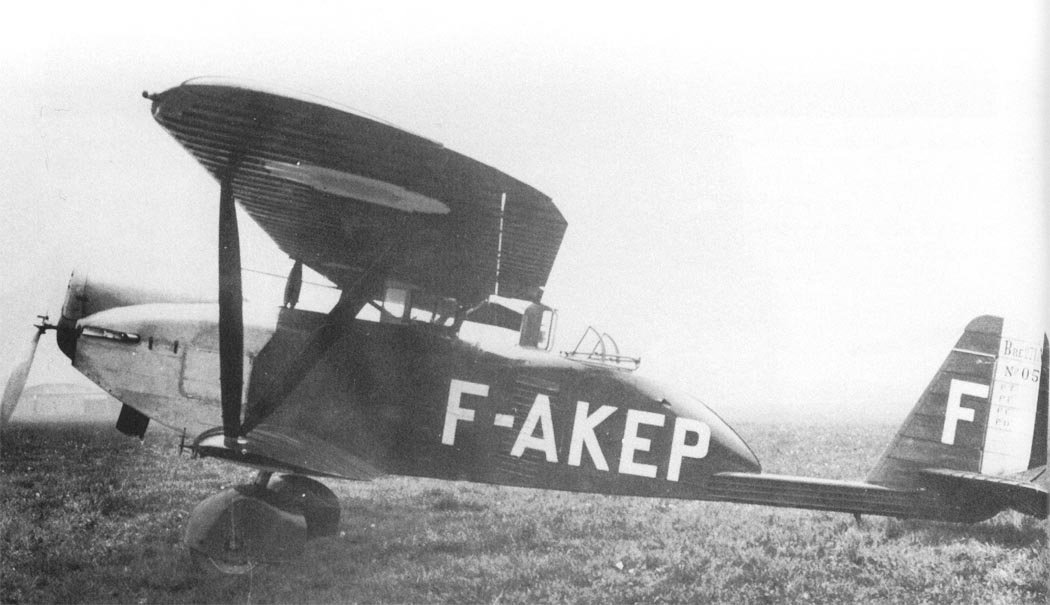
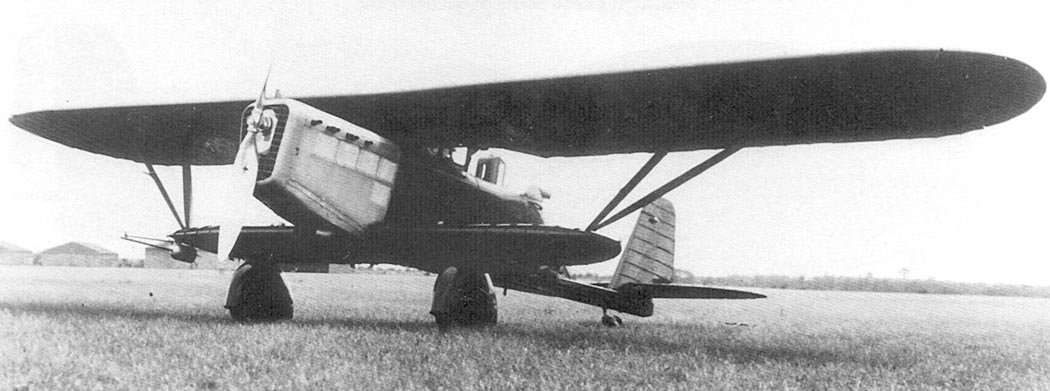
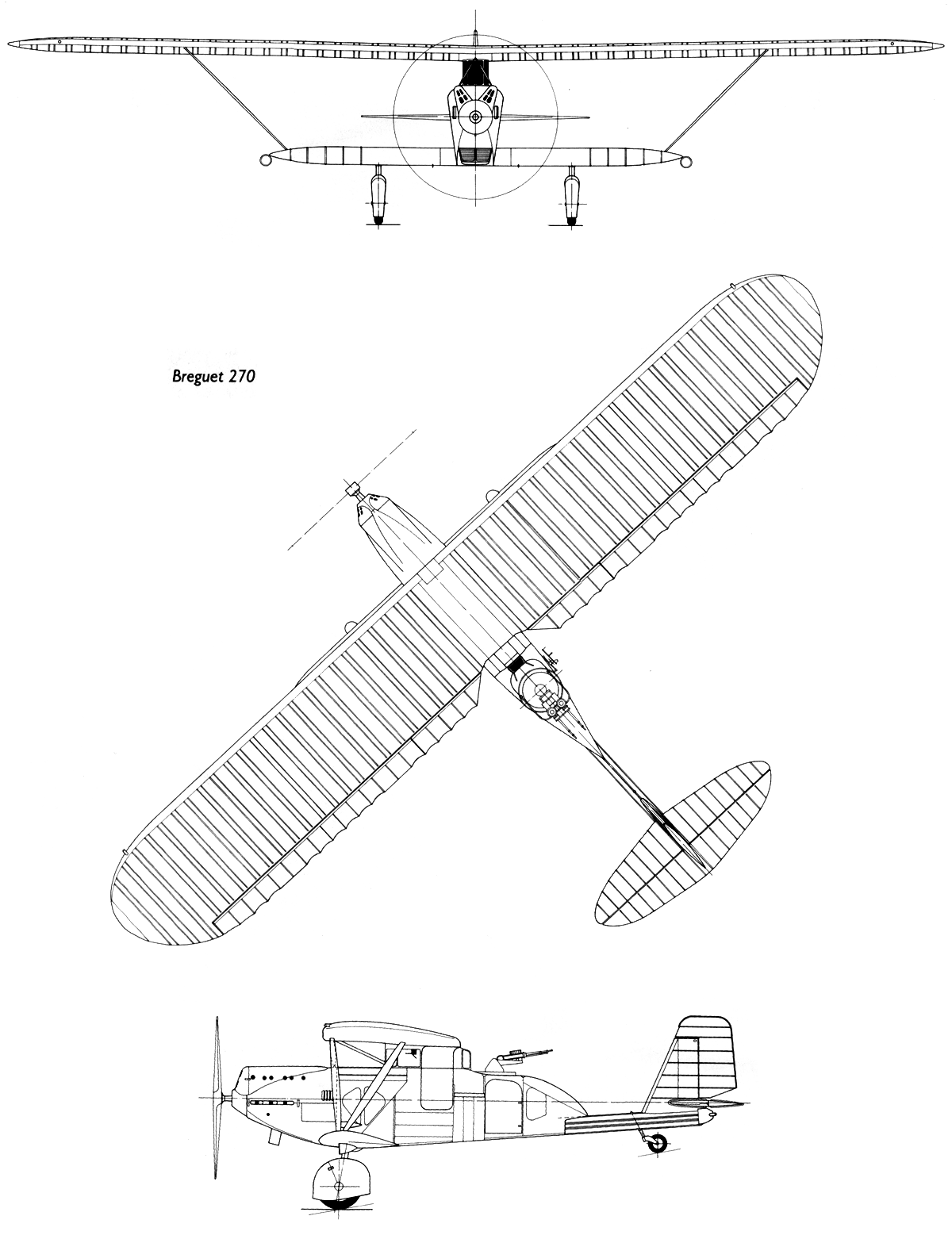
Several firms responded to the task, but the order for building a prototype went only to Breguet. It must be said that, of all the projects submitted, the Ministry of Aviation selected one of the most original. The aircraft, named Breguet 27, was generally a conventional biplane, but its fuselage was something extraordinary.
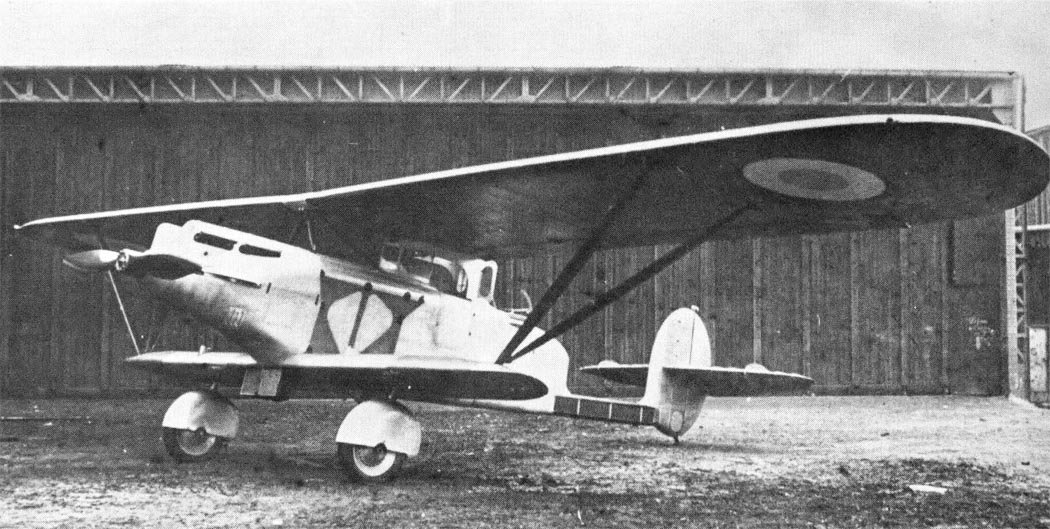
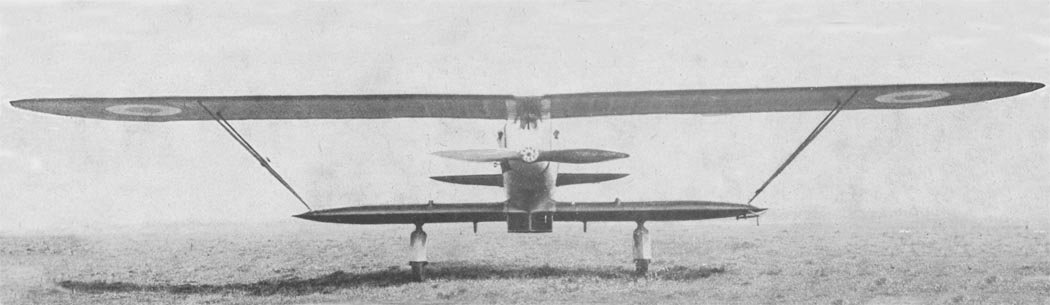
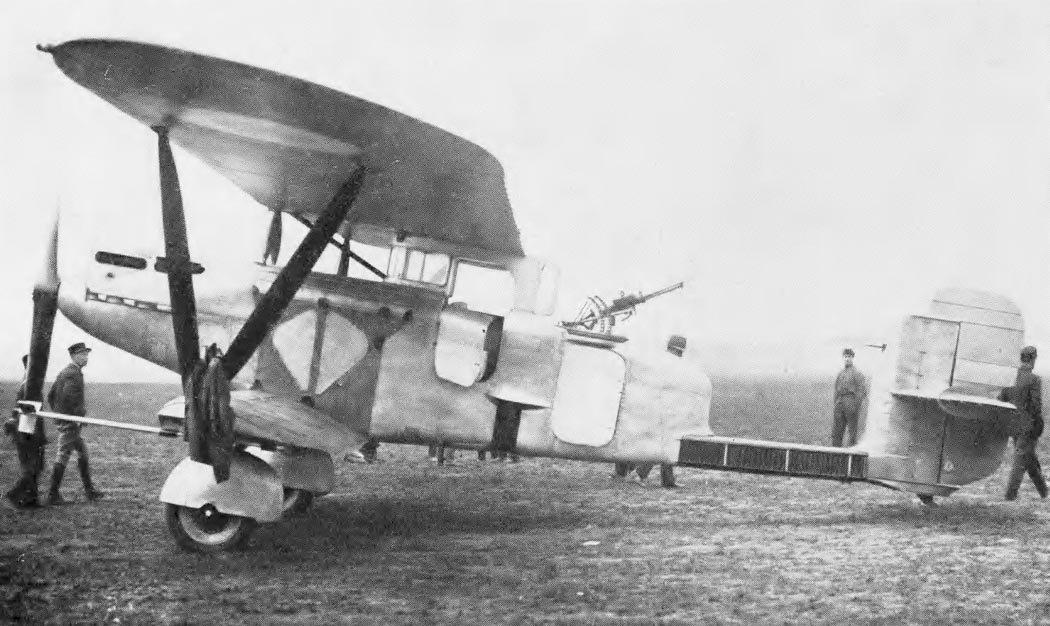
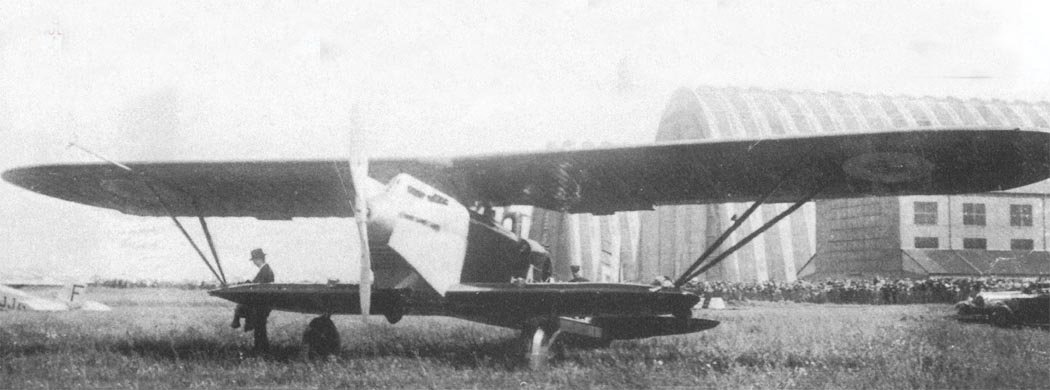
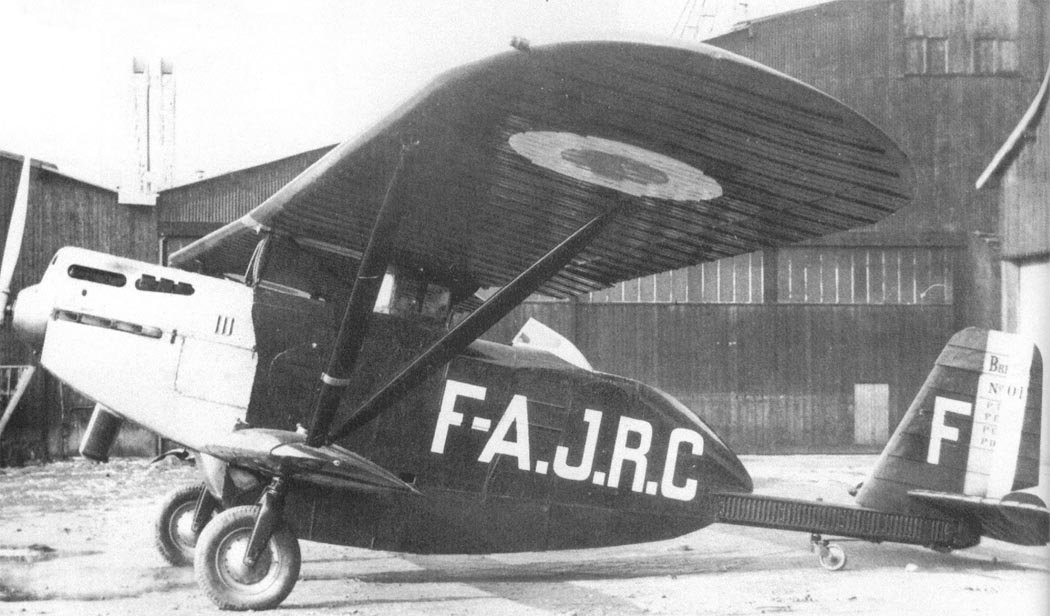
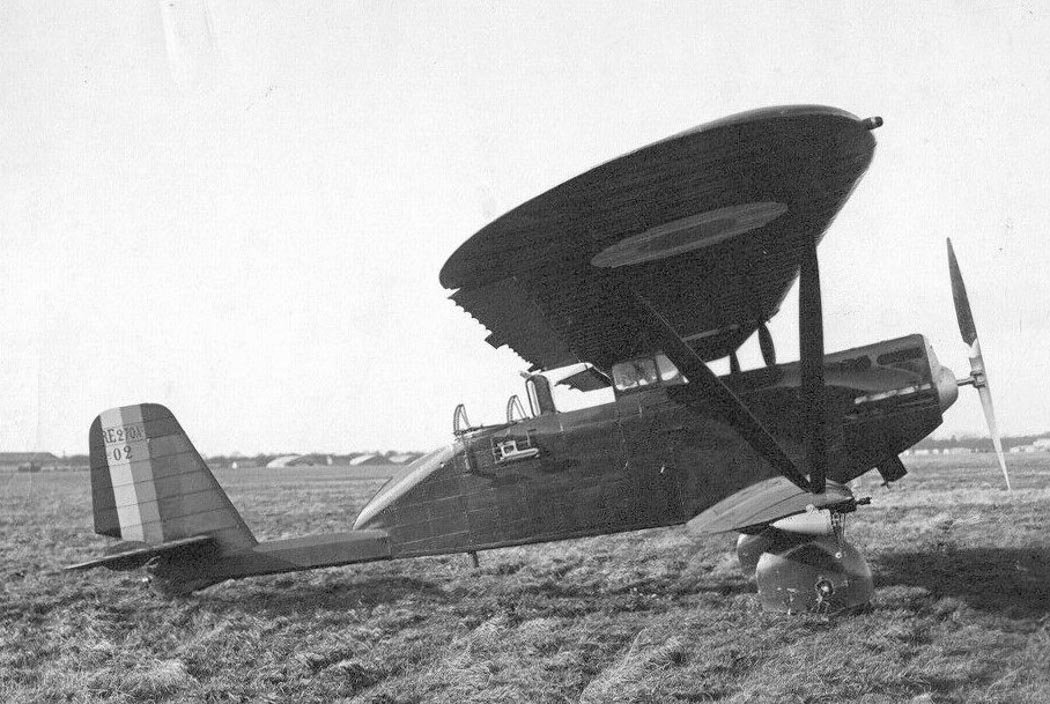
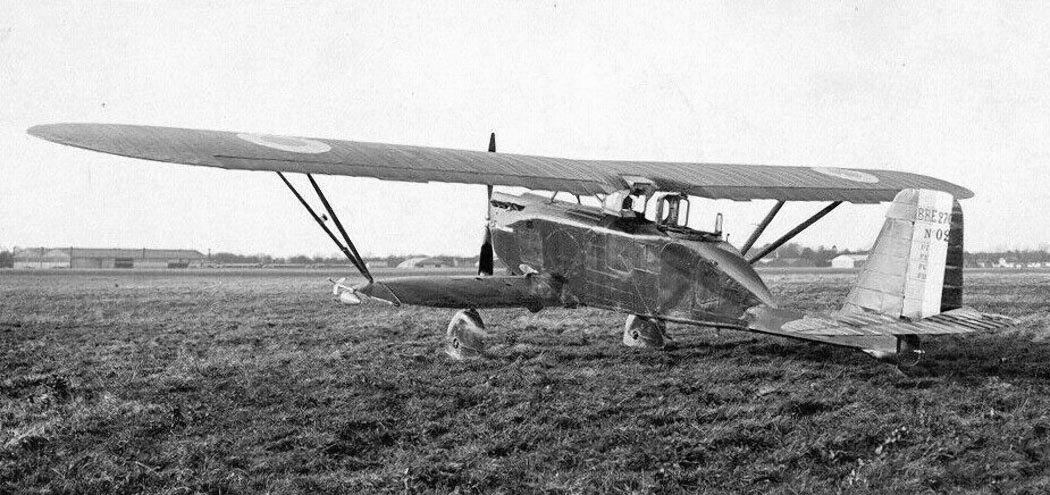
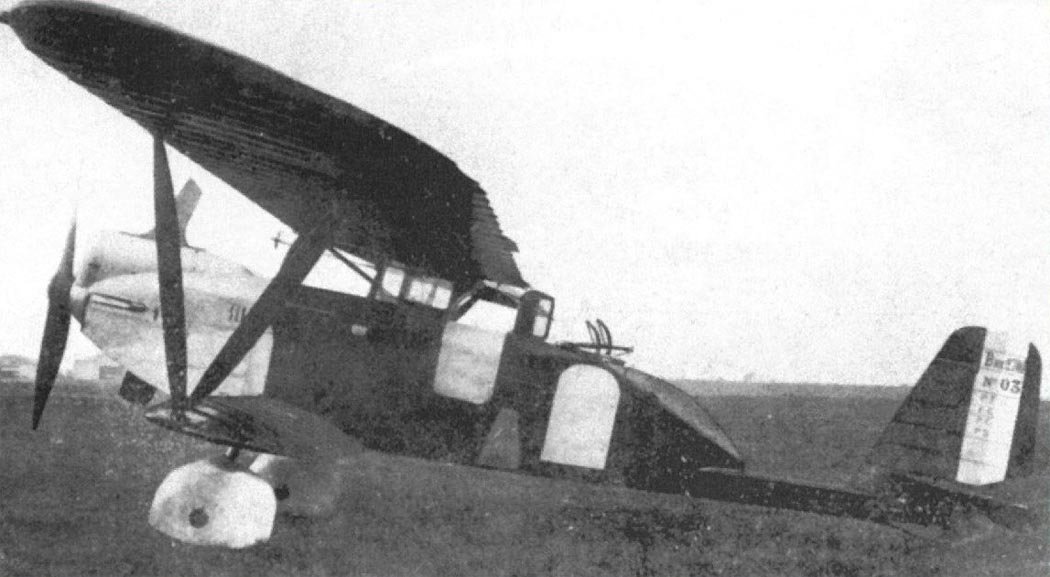
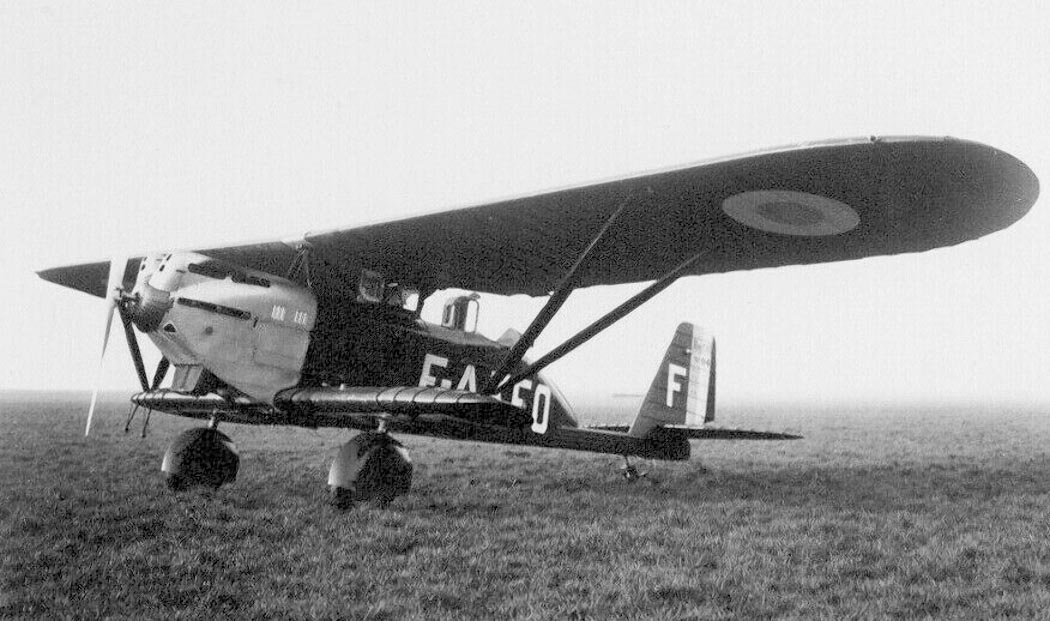
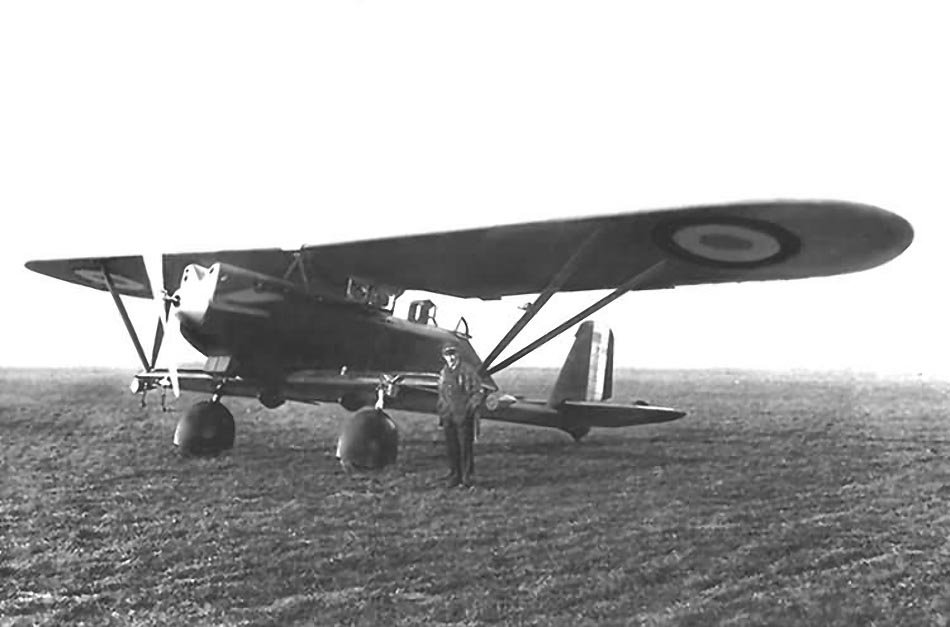
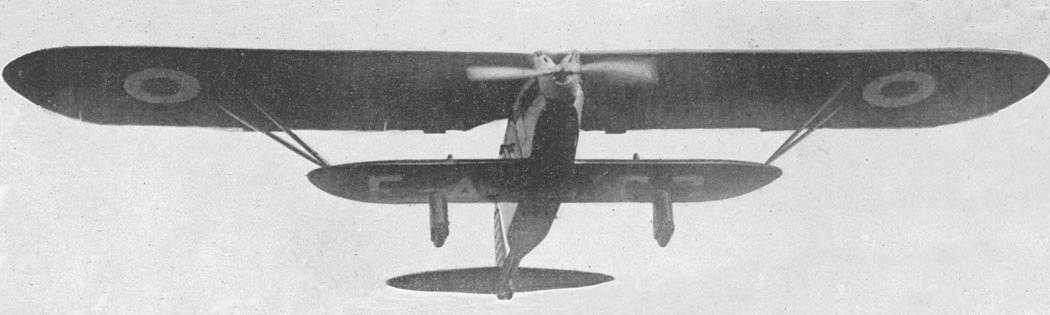
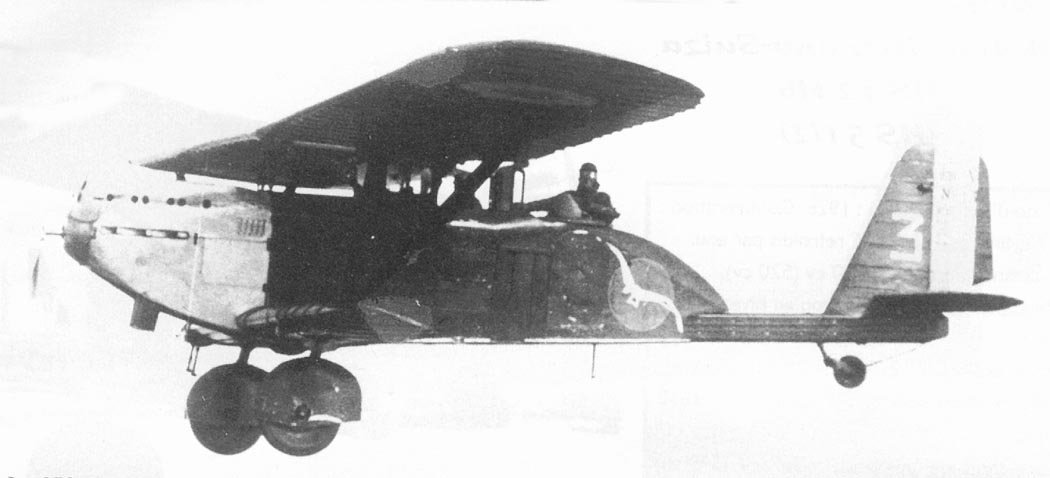
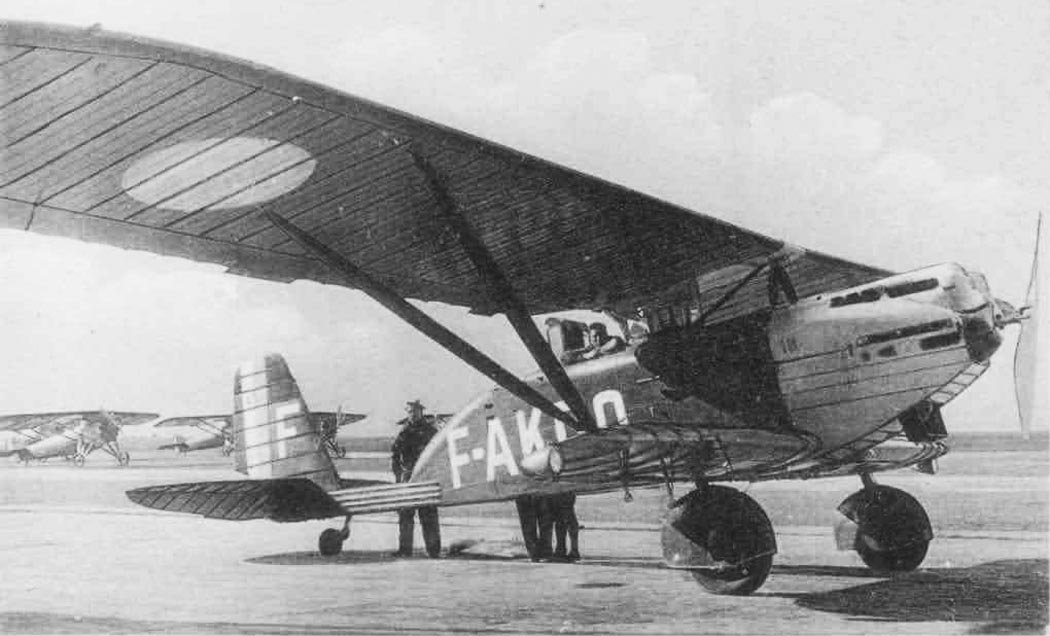
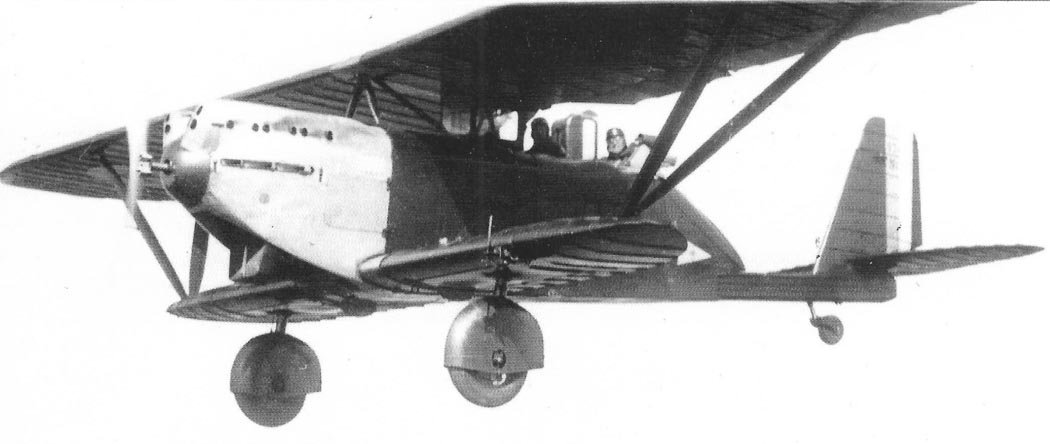
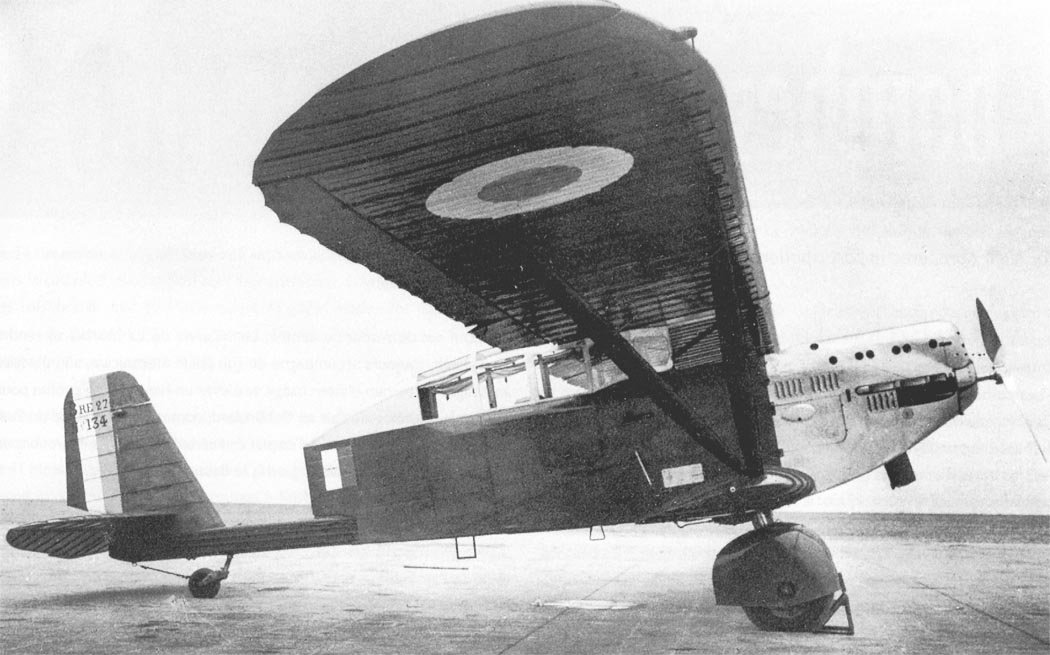
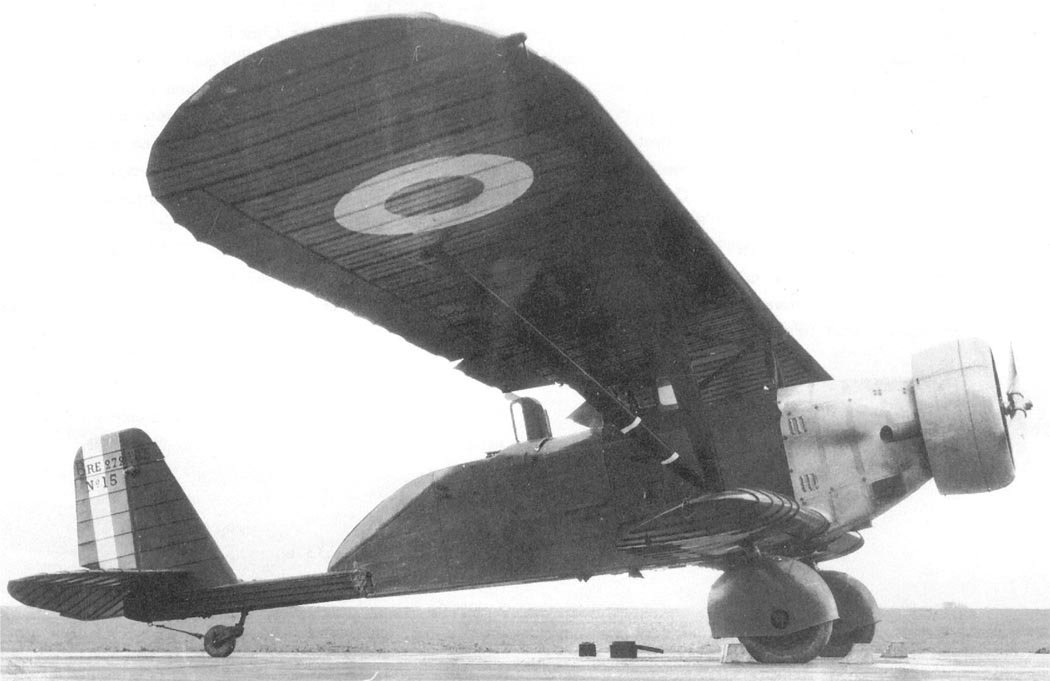
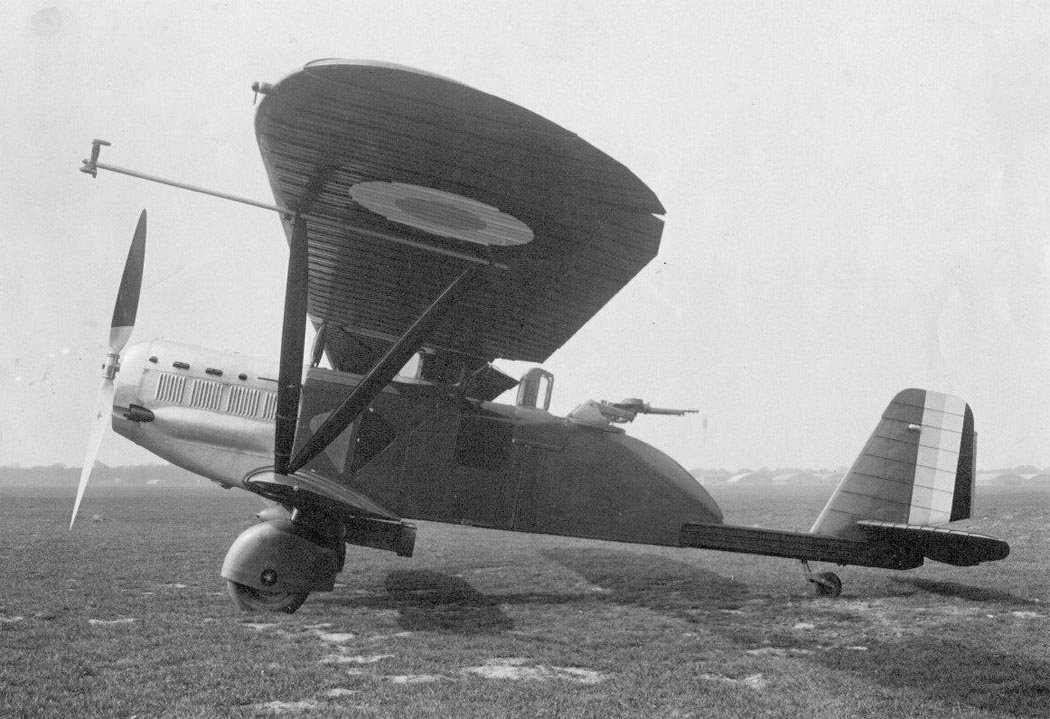
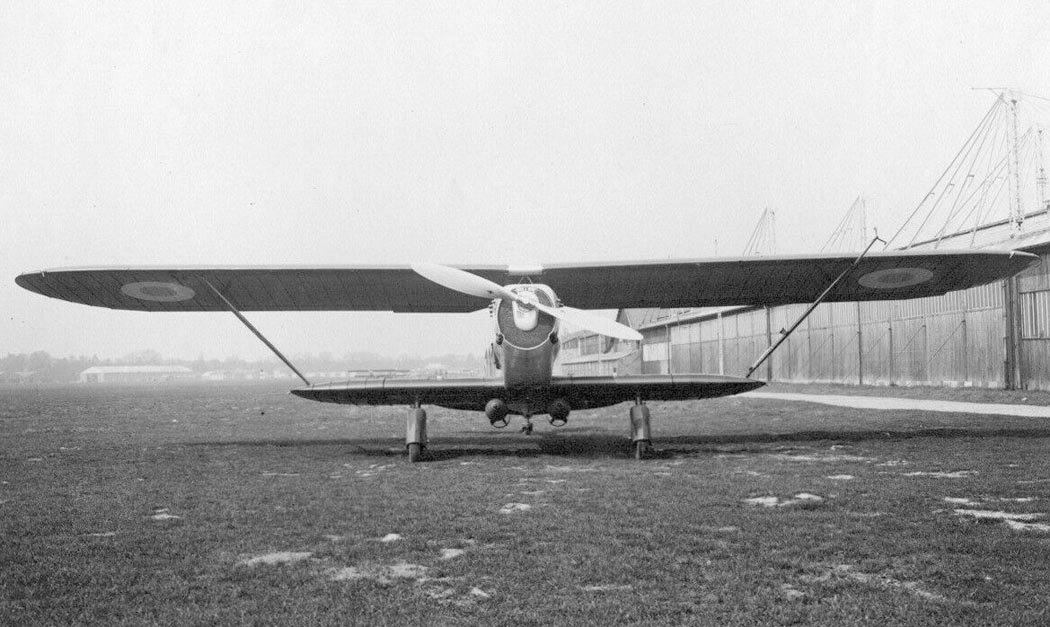
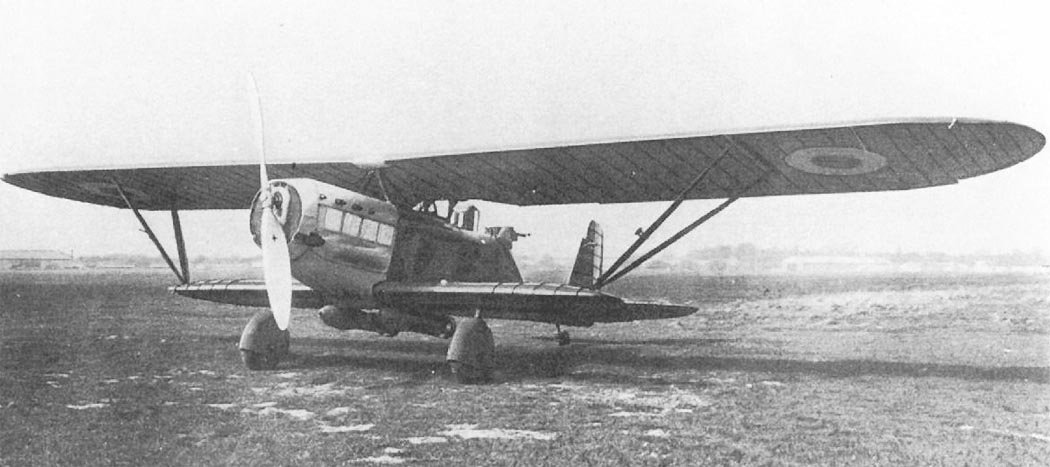
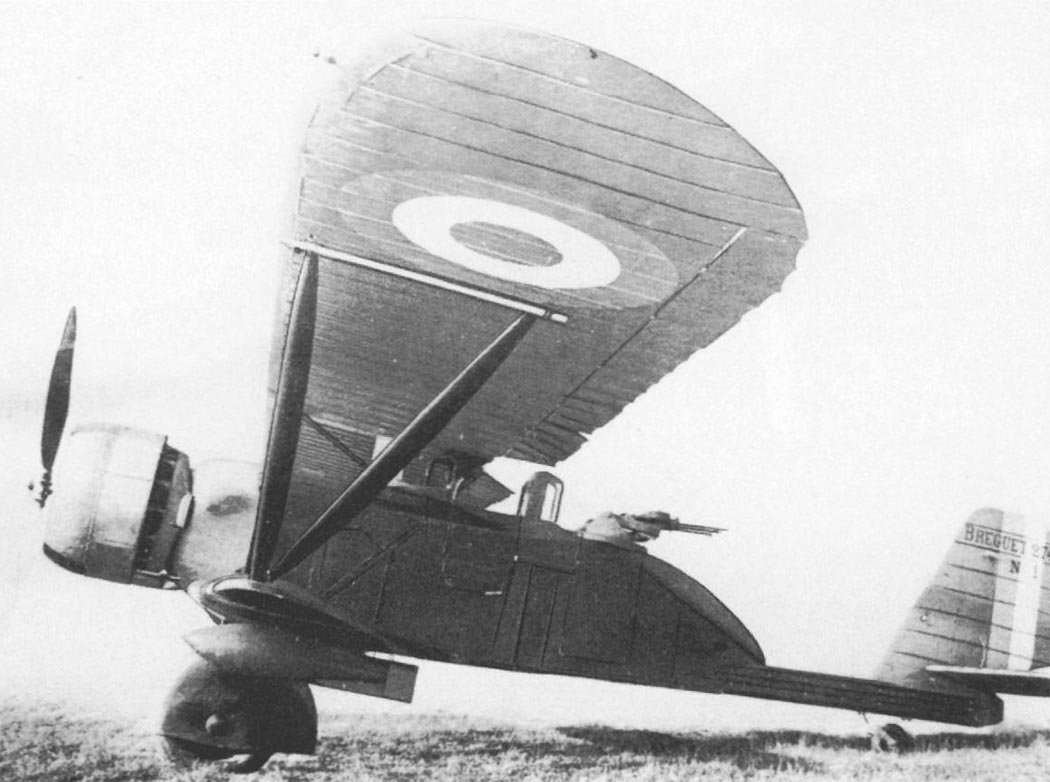
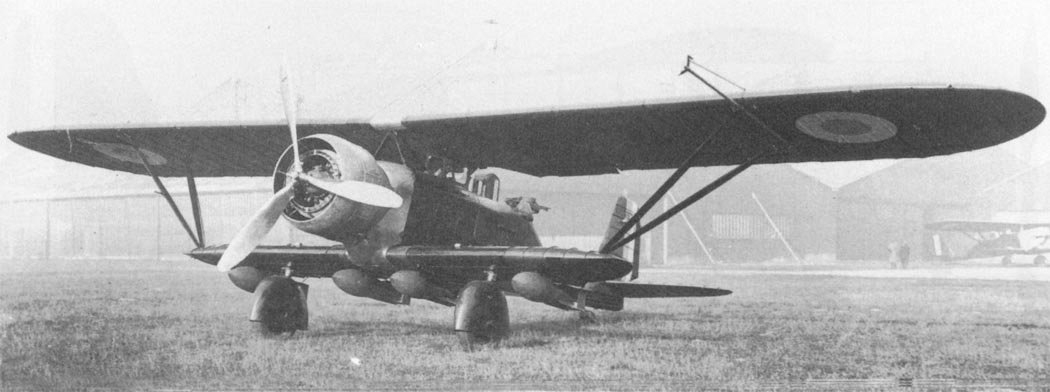
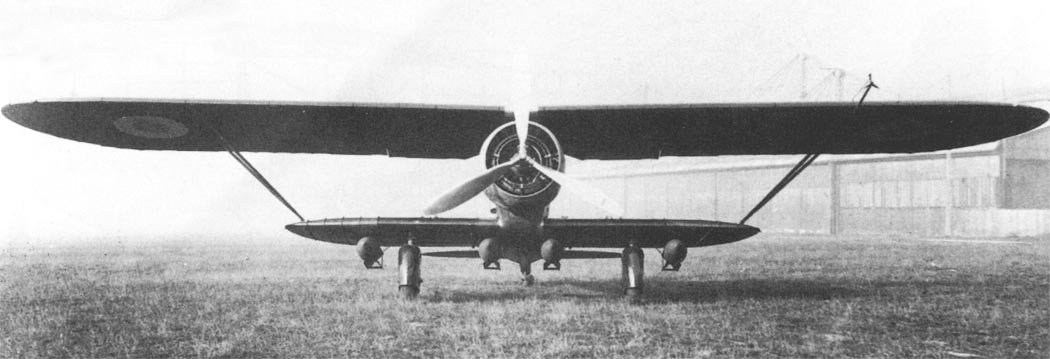
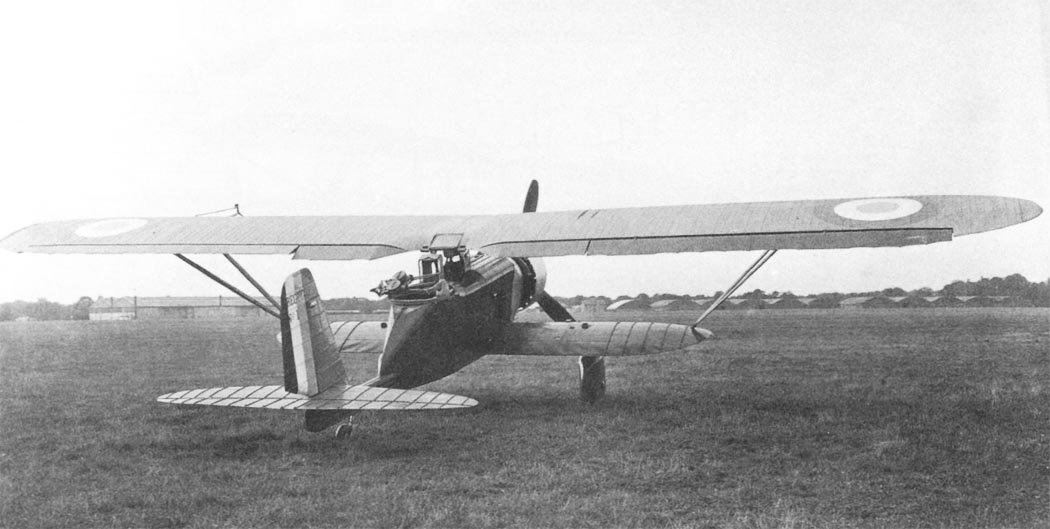
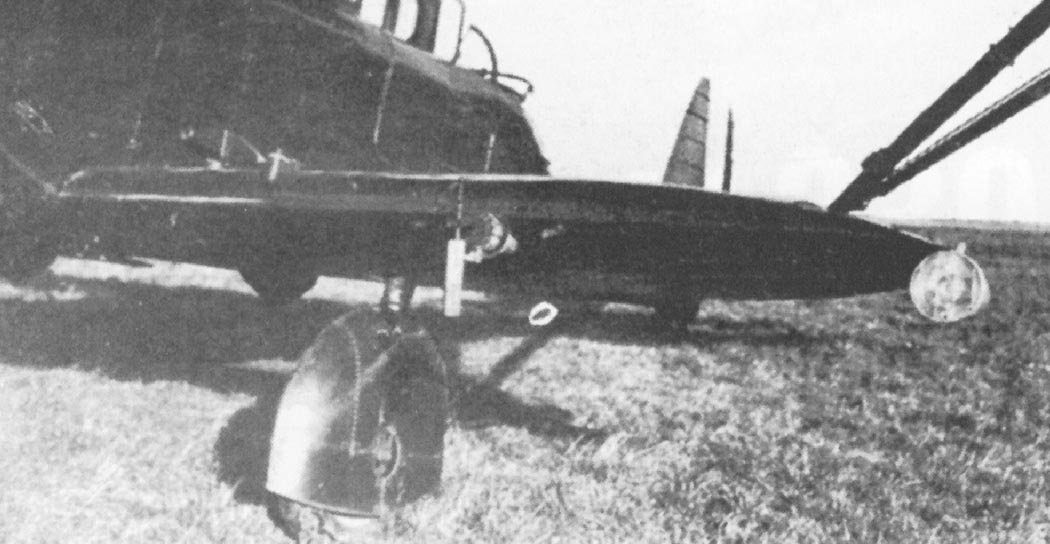
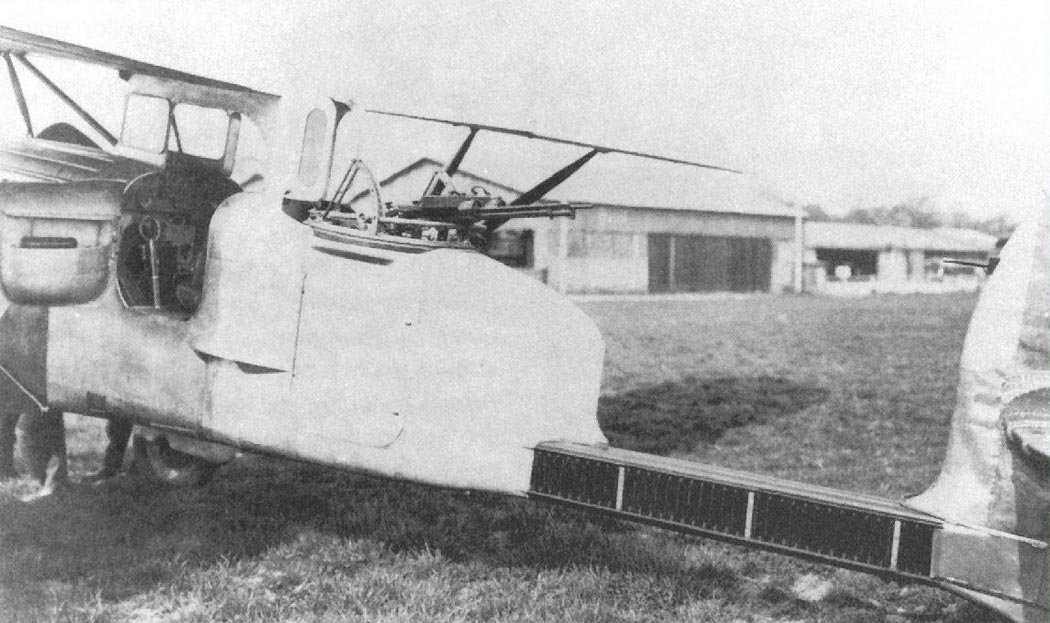
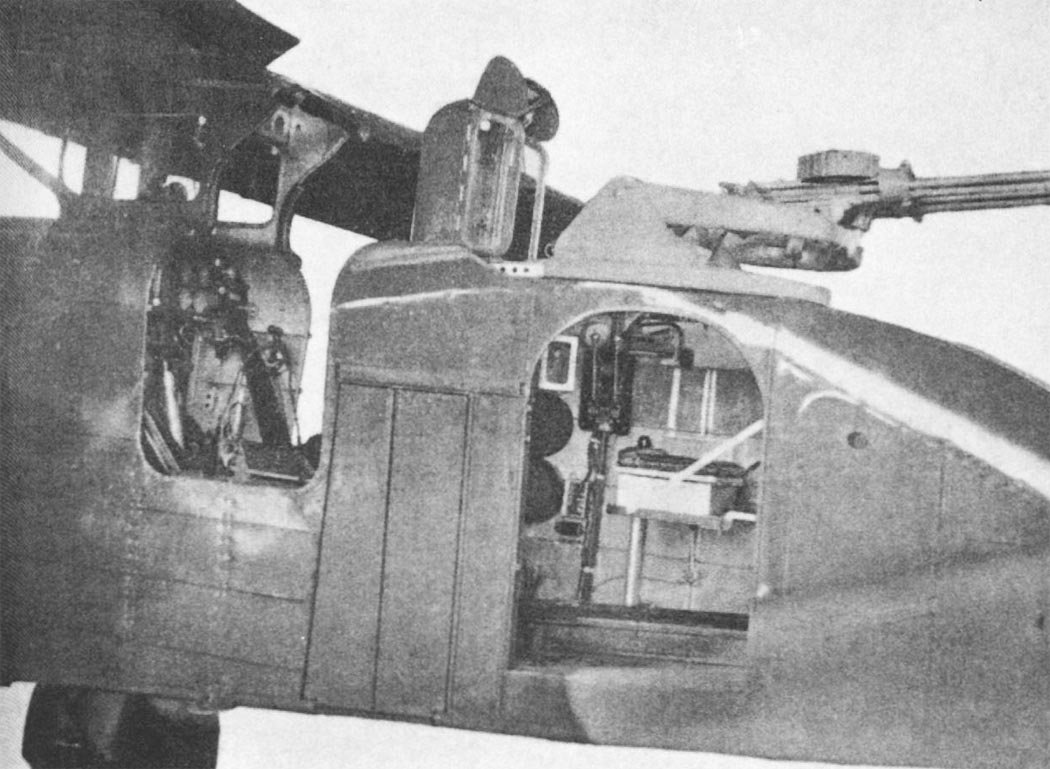
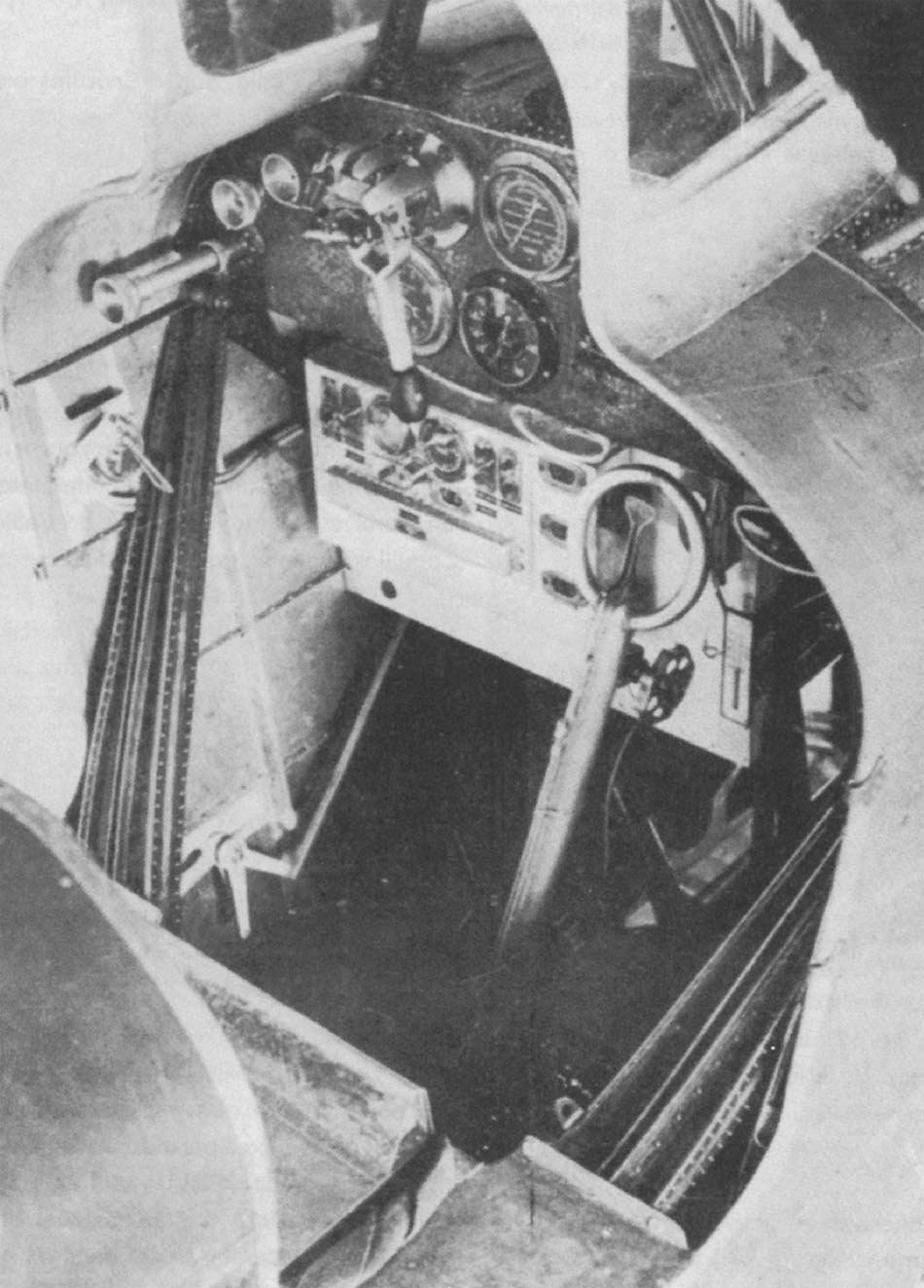
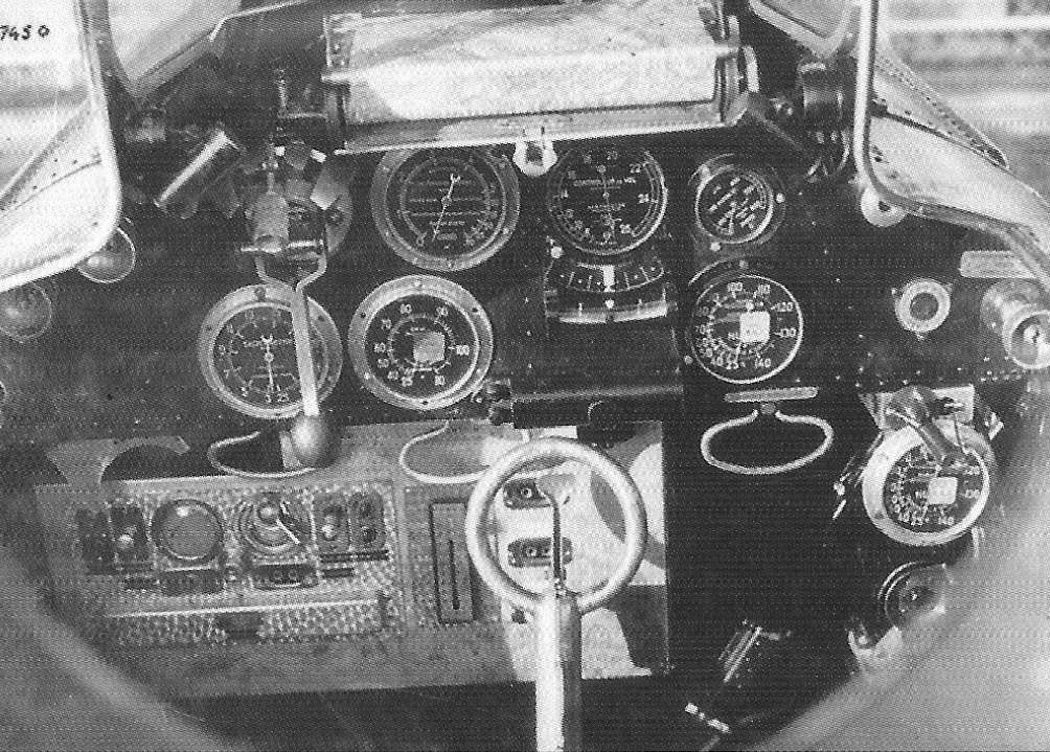
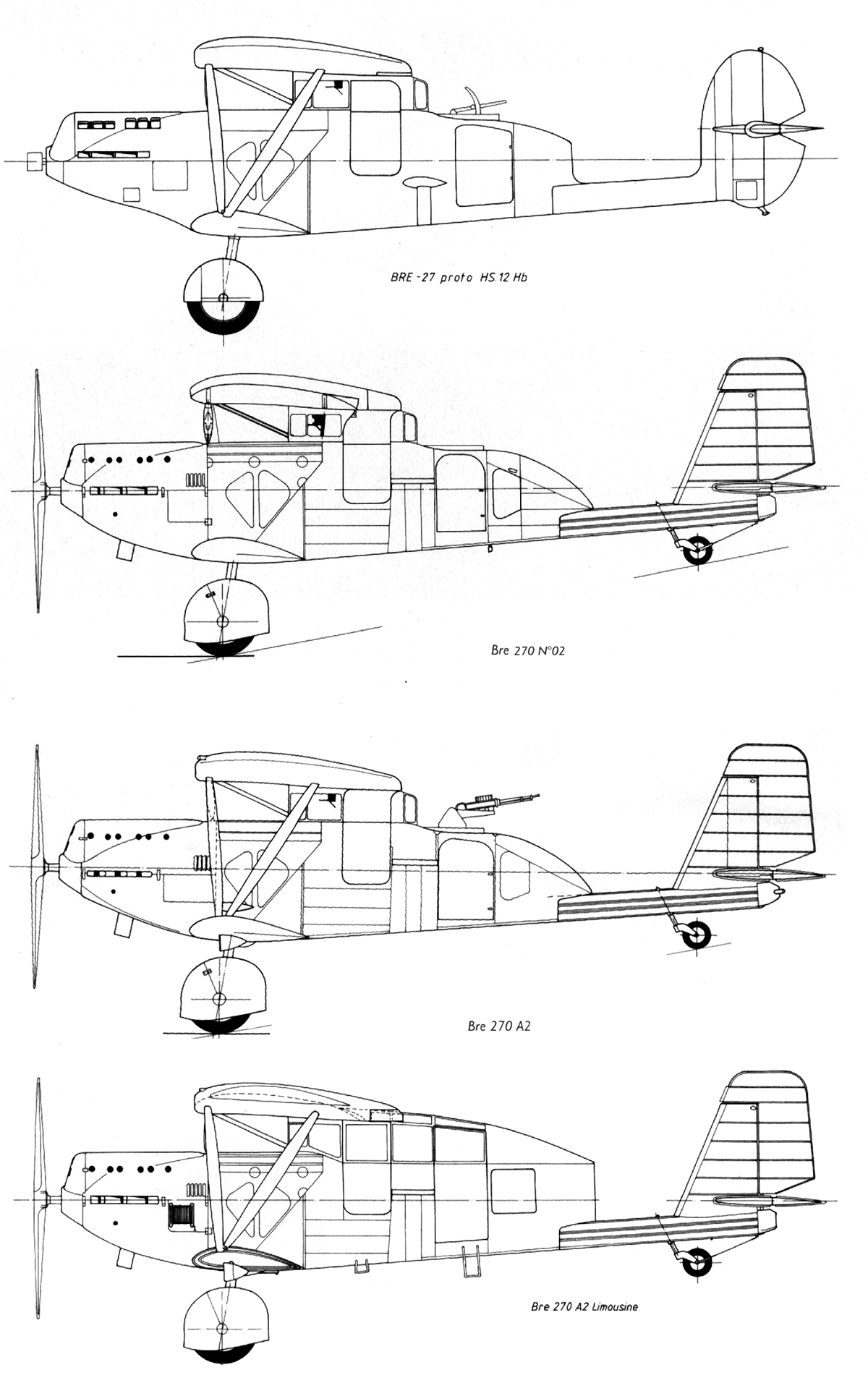
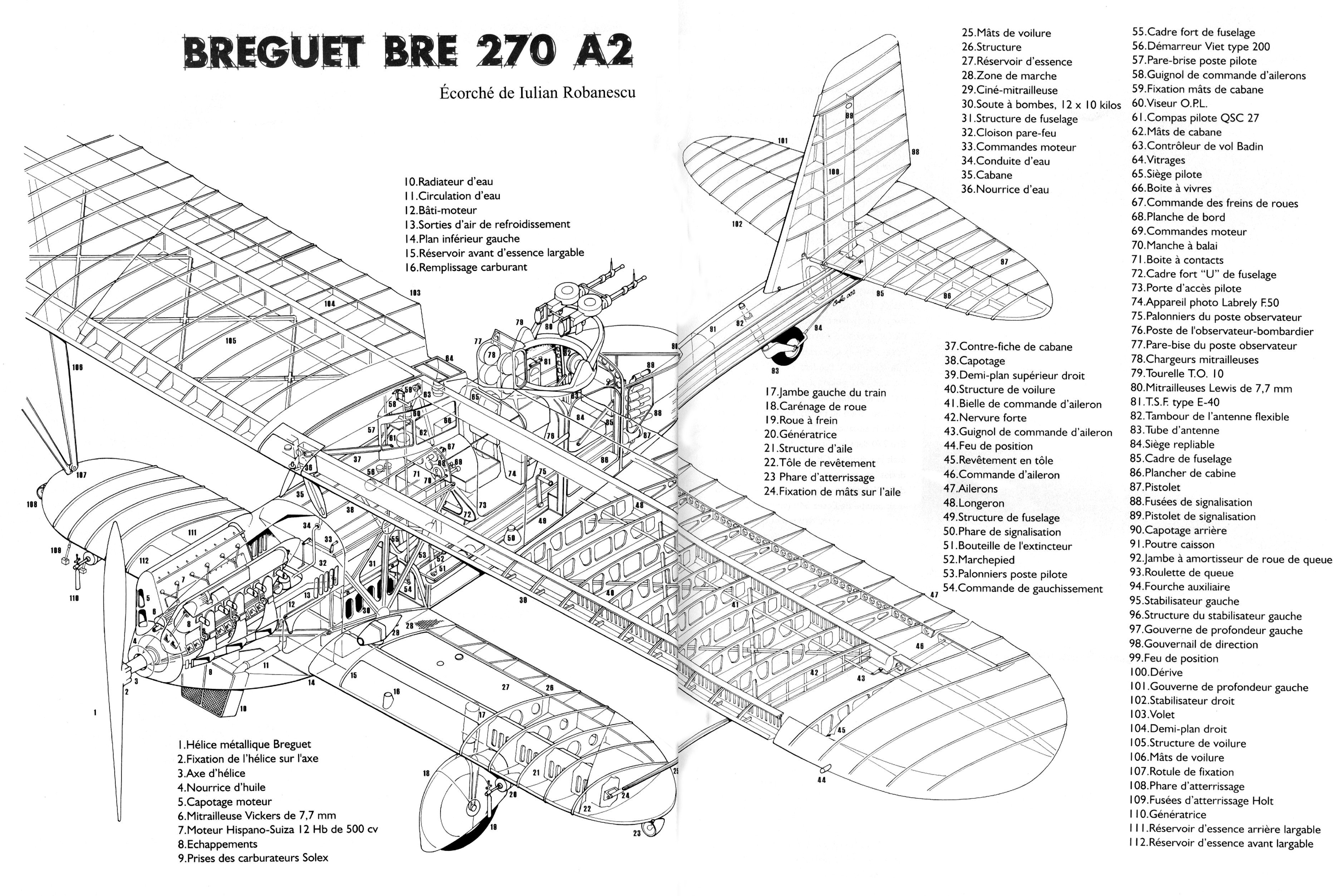
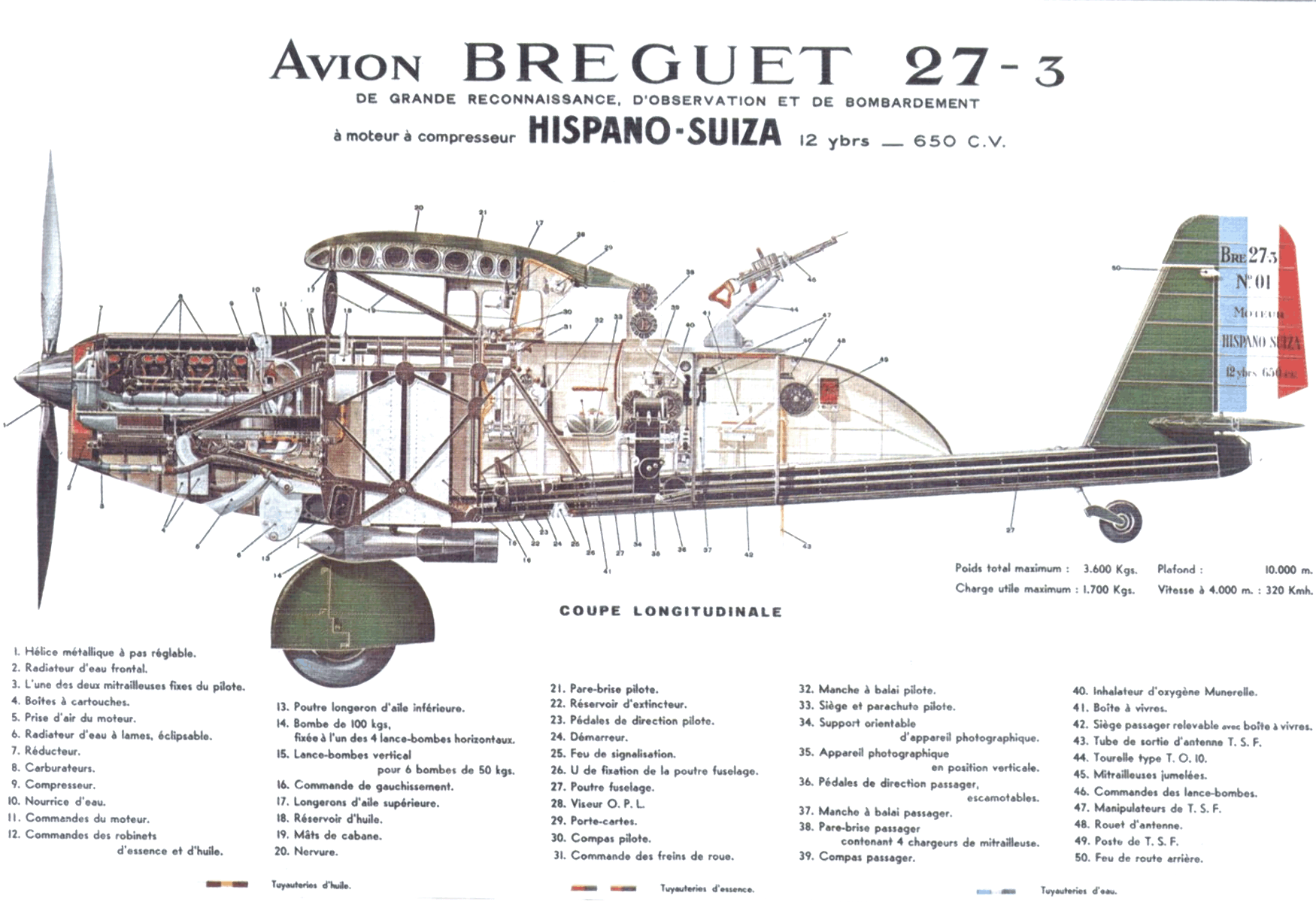
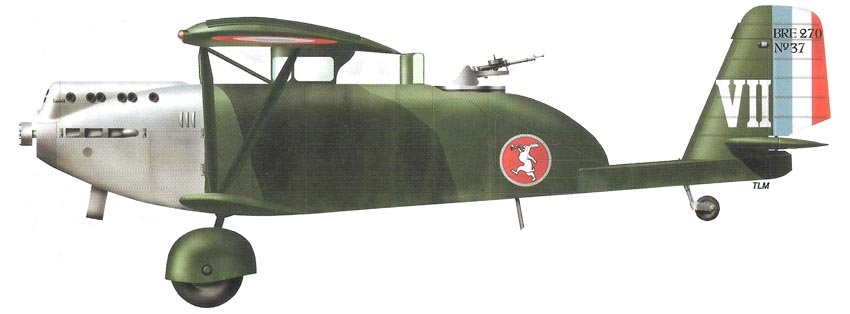
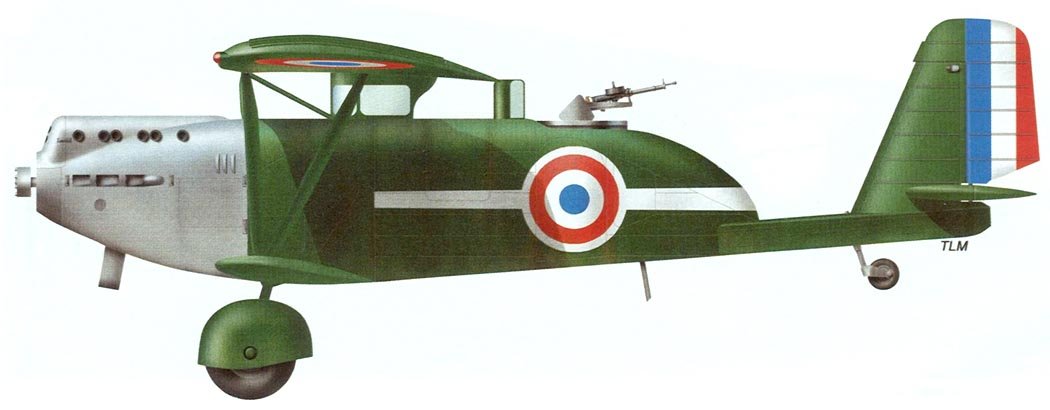
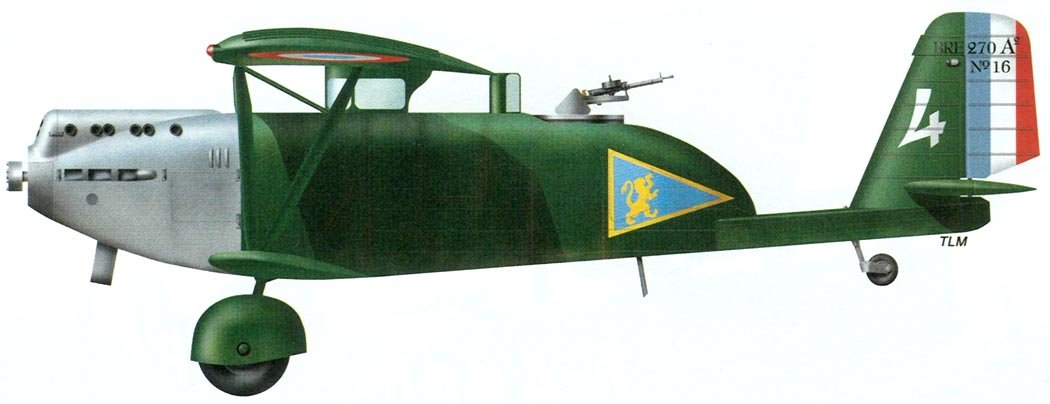
The design team, which included Marcel Vuillerme, René Leduc, and Paul Daville, developed a very original structure intended to increase the firing arcs from the observer-gunner’s position and, to some extent, reduce the aircraft’s weight. As a result, the fuselage was assembled from steel tubes and had duralumin skinning. Immediately behind the observer’s seat, the fuselage transitioned into a rather thin tail boom, at the end of which the empennage was mounted. The pilot’s cockpits were open, but for some reason, they were equipped with massive visors. Instead of the standard biplane scheme of the time, a sesquiplane scheme was chosen, with the main landing gear struts installed in fairings under the smaller lower wing.
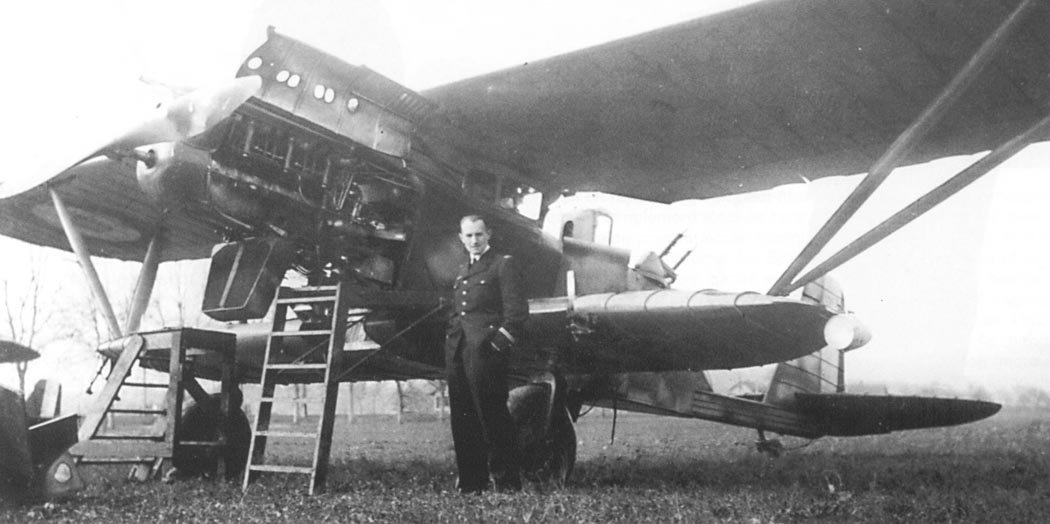
The first prototype, Breguet 27.01 (Br.270.01), was equipped with an HS 12Hb inline engine (500 hp) and a two-bladed wooden propeller. It first took to the air on February 23, 1929, and showed quite acceptable characteristics, although in terms of main performance specifications, it was practically similar to aircraft already produced by Potez or earlier Breguet 19 models, which were already plentiful. It is now difficult to understand the reasoning of the Air Force leadership, but that same year an order was issued first for 9 pre-production machines (prototypes), and in 1930, a contract for serial production was finalized. It is likely that angular, slow biplanes were so dear to the Ministry of Aviation that, by declaring the Bre.27 the winner of the competition, it did not change its decision.
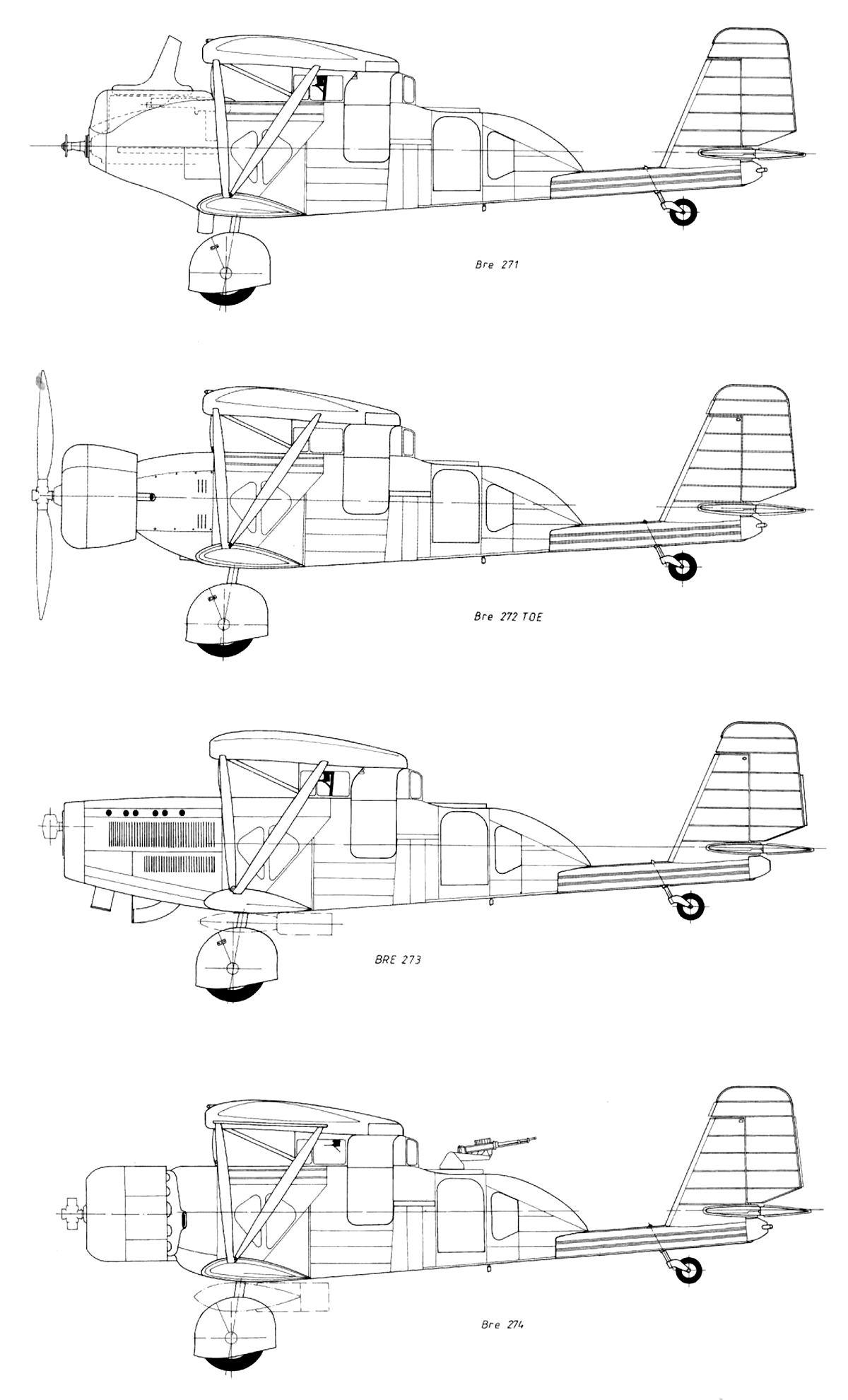
Experimentally, the second prototype, Bre.27.02, was fitted with a Renault 12 Jc engine, which was subsequently installed on serial production Bre.271A2 reconnaissance aircraft. Production of the aircraft began in 1931 and was completed in 1934. During this time, 85 reconnaissance aircraft of the Bre.270A2 modification (with HS 12Hb engines) and 45 Bre.271A2 were assembled. All these aircraft were intended solely for the French Air Force. According to foreign data, the total number of Bre.27 of all modifications built, including export versions, was 155 units.
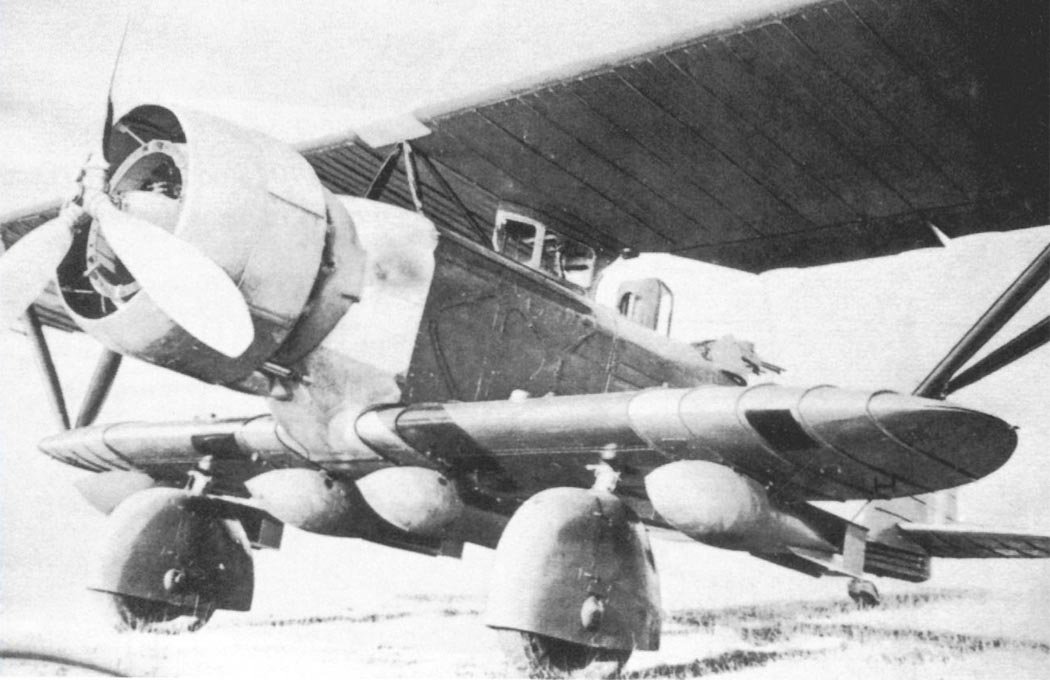
Further development of the Bre.270 scheme was much less successful. The Bre.272 modification was built in a single copy. This aircraft was equipped with a Gnome-Rhone 9K radial engine and in 1936 made a long-distance flight from France to Madagascar. The next variant, the Bre.274.01, was created in 1931 and continued the line of A2 category reconnaissance machines, equipped with a Gnome-Rhone 14K radial engine. It could well have replaced the inline-engined modifications on the production line, as it had better characteristics and could carry up to 500 kg of bombs on external hardpoints. Thus, it could also be used as a light bomber.
However, even as a light bomber, the Breguet biplane was inferior to monoplane reconnaissance aircraft. Testing of this aircraft was somewhat protracted, and since the Air Force modernization program adopted by that time (1936) no longer provided for the purchase of morally obsolete biplanes, serial production of the Bre.274 was abandoned.
Global Service and Export Models
While the events described above unfolded, foreign military missions showed interest in the Bre.270. Brazil and China were among the first to show interest in the original Bre.270 reconnaissance aircraft. While a contract was signed with the Brazilians for the delivery of only one aircraft for evaluation tests, the Chinese placed an order for 15 aircraft of the export modification Bre.273.
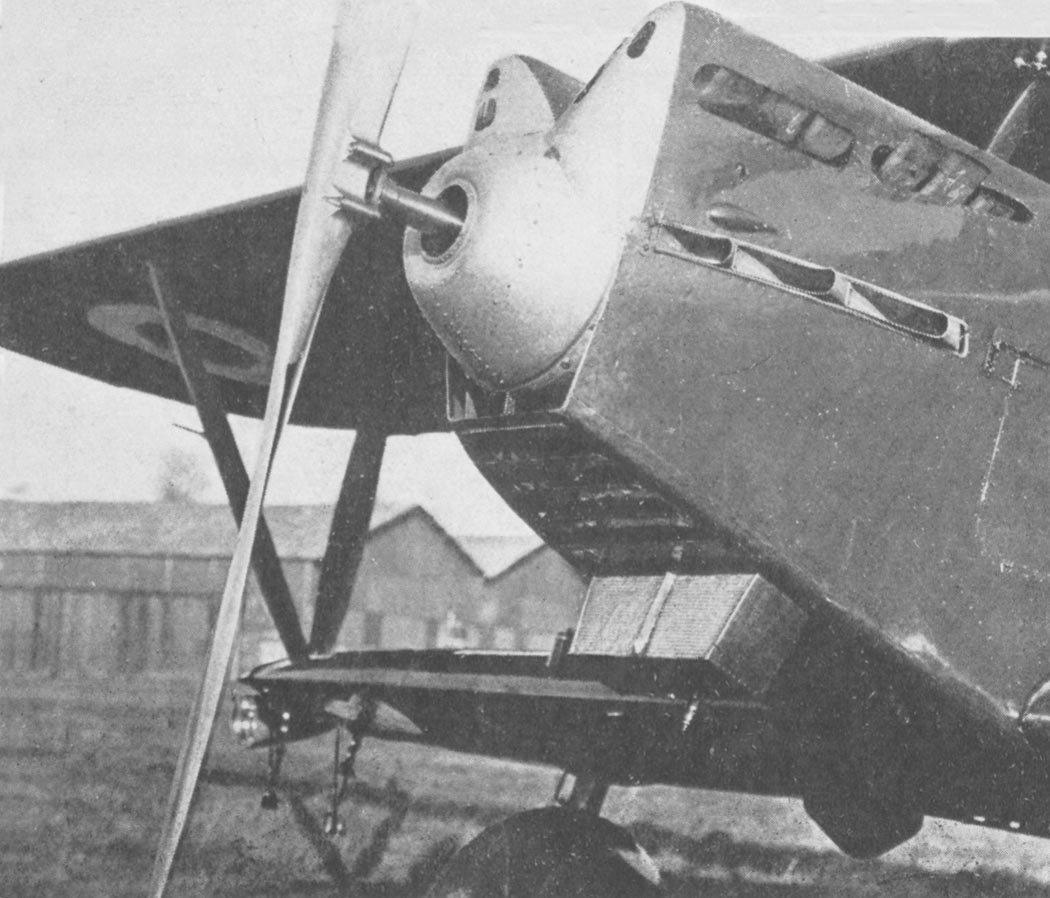
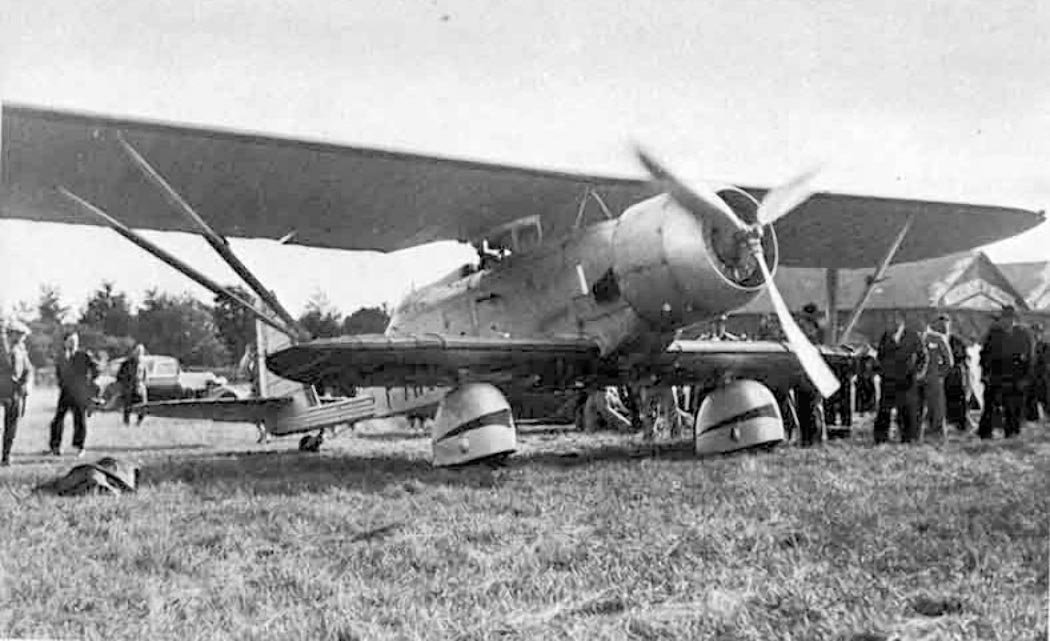
Its main distinguishing feature was the HS 12Ybrs engine with a modified cowling, a frontal water radiator, armament of 1×7.5mm + 1×7.69mm machine guns, and a bomb load of up to 400 kg. Otherwise, it corresponded to the Bre.270A2. Almost nothing is known about the fate of the French reconnaissance aircraft in China. They entered service in December 1934 and were operated for about two years. During this period, Japan behaved peacefully, and the Chinese were engaged in solving their internal problems.
The Bre.273 aircraft became part of an aviation squadron subordinate to the central government of China, which was fighting against the most rebellious provinces in general and communist formations in particular. From 1935, the reconnaissance aircraft conducted active, by local standards, reconnaissance activities and participated in periodic bombings of enemy troops. One of the known actions was an operation near Luoyang, where Bre.273 crews were involved in bombing communist troops. Their further fate is quite murky, but during the subsequent war with Japan, none of the “Breguets” could take to the air.
Venezuela became the second country to adopt the Bre.273 and Bre.270A2 reconnaissance aircraft, with about 10 machines sent there in 1936. Venezuelan aircraft also became among the first to undertake combat sorties. Latin America in the mid-1930s was like a powder keg, and every popular unrest escalated either into a rebellion or a military coup involving all types of equipment. Venezuela was no exception.
The country at that time was ruled by General Eleazar López Contreras, who did not spare funds for military needs. As such, a Venezuelan Air Force did not exist at all; there were only separate aviation squadrons, very modest in composition. Therefore, in 1934, a military mission to France began active efforts to select new equipment. The latest aircraft models in sufficient quantities were unaffordable, but there was an abundance of outdated aircraft at a similar price. Among others, the Breguet 270A2 reconnaissance aircraft and the Dewoitine D.510L fighter attracted interest.
The French government, without long deliberation, signed an agreement for the supply of export Bre.273s to Venezuela, adding at least one more Bre.270. The aircraft arrived just in time—between 1935 and 1937, a wave of strikes and riots swept across the country, so the replenishment of new equipment was timely. Already on January 10, 1936, a group of nine Bre.273 aircraft appeared over Caracas, demonstrating that the government could “adequately take care” of its overly passionate citizens. The action had a positive effect, as no one expected such a rapid appearance of aviation in the area.
Less than a month later, the Minister of Military Affairs, Colonel Isaías Medina Angarita, spoke in the National Congress with a proposal to reform army units and create a full-fledged aviation regiment. This initiative received approval, and on January 30, the 1st Military Aviation Regiment of Venezuela was created. The “Breguet” reconnaissance aircraft became part of “Grupo Venezuela,” consisting of four squadrons. Soon they were transferred to the city of Maracaibo, where oil workers had organized a massive strike, effectively preparing for an uprising. The appearance of the aircraft somewhat calmed the populace, although it took much more time to achieve complete tranquility. The Bre.273 reconnaissance aircraft remained on combat duty until 1941, when they were replaced by more modern British and American aircraft.
Operational History in France
In France, the first Bre.270s entered service with the observation group GO II\32 in early 1932. Over the following months, a number of reconnaissance aircraft were transferred to GO II\52 and GO II\55, and in 1935, reconnaissance groups GR I\31, GR II\31, GR I\32, and GR II\32 were re-equipped with them. Their service proceeded peacefully, and from 1937, the Bre.270/271 were gradually replaced by ANF-Mureaux reconnaissance aircraft.
Most of the aircraft withdrawn from the frontline were sent to the GAR (Aviation Reserve Group), which collected all obsolete equipment that could still be used in combat conditions. However, a small number of reconnaissance aircraft were equipped with enclosed cockpits and, after having their armament removed, were transferred for use by the staffs of various aviation formations as liaison aircraft. Before the war began, about 80 aircraft of this type were in service.
Since reconnaissance aircraft were still in short supply, from 1939 the Bre.270s were transferred to the GAO. These were combined aviation observation groups, whose aircraft composition was not far removed from the GAR — meaning about half of the equipment in them was obsolete, and its use was more a forced measure. On May 10, 1940, Bre.270A2/271A2 aircraft were subordinate to the following armies: the 2nd Army (Northern Operational Zone) had GAO 518, based in Challerange, which comprised 5 “Breguets” and six Potez 63.11 reconnaissance aircraft, all combat-ready; the 4th Army (Eastern Operational Zone) had GAO 509, based at Dellye and Essy-de-Nancy airfields, with three Bre.271A2 (two airworthy) and four Potez 63.11; the 8th Army (Western Operational Zone) had GAO I\508 squadron, based at Romilly airfield, with nine Bre.270A2/271A2 and twelve Potez 63.11, the number of combat-ready aircraft is unknown; and the Air Transport Group (Alpine Operational Zone) had unit S.A.S.1, based at Auxerre-Montenois, with seven Bre.270, of which six were airworthy.
Thus, according to official data, before the German invasion, the French Air Force in frontline units had only 24 Breguet 270A2/271A2 reconnaissance aircraft (not counting reserves), of which just over ten could perform combat sorties. This, however, did not prevent their use in the initial stages of the Battle of France for their intended purpose, although no precise information on this has yet been found. Of course, there were serious plans to completely withdraw all obsolete biplanes of the type Bre.270/271, Potez 390, and Potez 27 from frontline units, but the number of twin-engine Potez 63.11 reconnaissance aircraft entering service was too small.
As a result, by the signing of the armistice (which took place on June 22, 1940), a fairly large number of these aircraft survived—German trophy teams counted as many as 49 Bre.270/271 at various French airfields, half of which could still take to the air. The Luftwaffe definitely did not need such junk, and the reconnaissance aircraft passed into the possession of the Vichy air force. Subsequently, a group of aircraft flew to Tunisia, where there were significant problems with technical replenishment. They remained there until February 1941 until they were written off due to complete wear and tear and lack of spare parts. The reconnaissance aircraft remaining in France were scrapped a little earlier.
French Indochina Service
It is not entirely clear what became of the Bre.271A2 reconnaissance aircraft transferred to the aviation group in French Indochina. These aircraft most likely arrived in 1934 or 1935 and were included in the auxiliary squadrons GMA 595 and GMA 596, where they served alongside old Breguet 19 and Potez 25TOE aircraft. There is no precise information about their exact number, but it can be assumed that the total number of Breguet 271 hardly exceeded 15 machines.
In September 1940, when the Kingdom of Siam (present-day Thailand) attacked the distant French colony, at least 5 reconnaissance aircraft remained in service. Official reports contain no mention of their combat operations. It is possible that the “Breguets” flew exclusively on rear communication lines and did not participate in clashes with the Thais. Nevertheless, by the summer of 1941, it was simply impossible to find a single airworthy Bre.271, and they were no longer accounted for in official statistics.
Image and diagram gallery of the Breguet 27
 Br.27(270) |
 Br.27(270) |
 Br.27(270) |
 Br.27(270) |
 Br.27(270) |
 Br.27(270) |
 Br.27(270) |
 Br.27(270) |
 Br.27(270) |
 Br.27(270) |
 Br.27(270) |
 Br.27(270) |
 Br.27(270) |
 Br.27(270) |
 Br.27(270) |
 Br.27(270) |
 Br.27(270) |
 Br.27(270) |
 Br.27(270) |
 Br.27(270) |
 Br.27(270) |
 Br.27(270) |
 Br.27(270) |
 Br.27(270) |
 Br.27(270) |
 Br.27(270) |
 Br.27(270) |
 Br.27(270) |
 Br.27(270) |
 Br.27(270) |
 Br.27(270) |
 Br.27(270) |
 Br.27(270) |
 Br.27(270) |
 Br.27(270) |
 Br.27(270) |
 Br.27(270) |
 Br.27(270) |
 Br.27(270) |
 Br.27(270) |
 Br.27(270) |
 Br.27(270) |
 Br.27(270) |
 Br.27(270) |
 Br.27(270) |
 Br.27(270) |
 Br.27(270) |
 Br.27(270) |
 Br.27(270) |
 Br.27(270) |
 Br.27(270) |
 Br.27(270) |
 Br.27(270) |
 Br.27(270) |
 Br.27(270) |
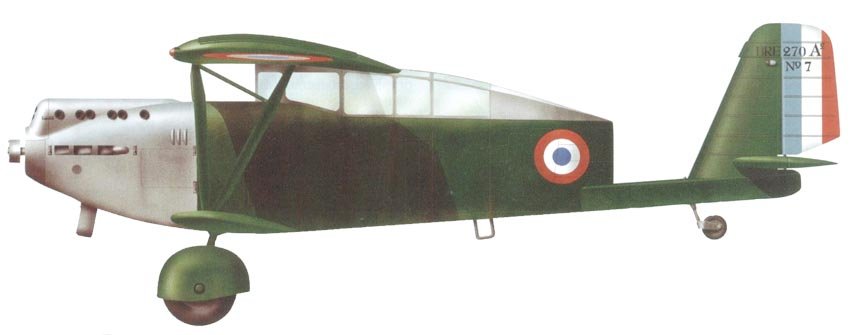 Br.27(270) |
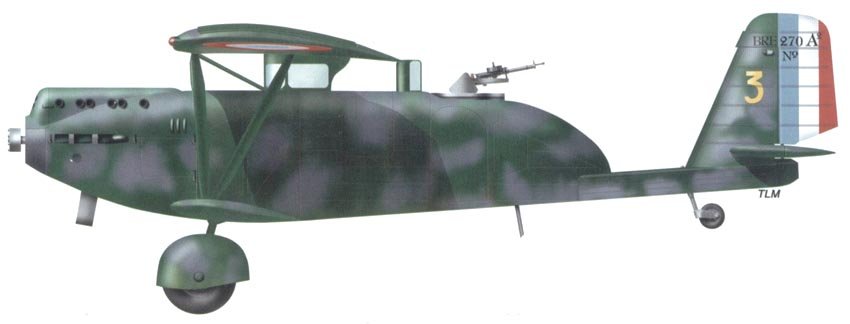 Br.27(270) |
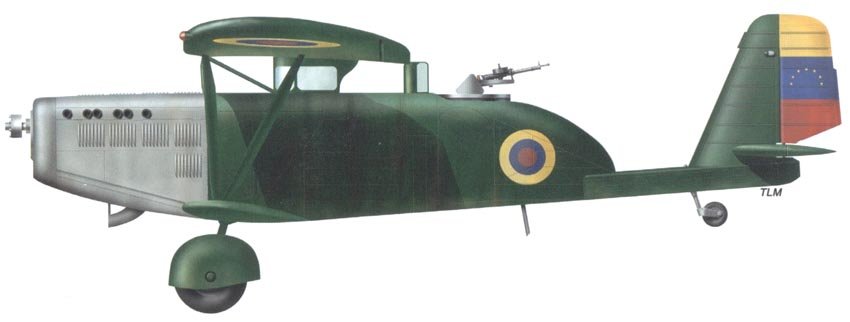 Br.27(270) |
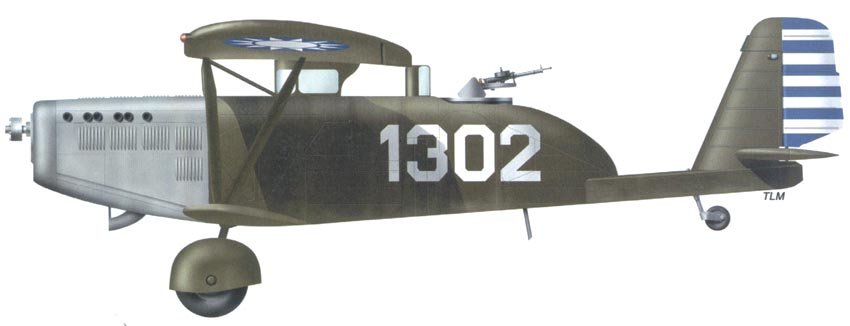 Br.27(270) |
Equipo Editorial de ArchivoAéreo
Grupo de investigadores y entusiastas de la aviación dedicados a documentar y preservar la historia aeronáutica mundial. Todos los artículos son revisados para garantizar precisión histórica.
Fuentes y Rigurosidad
La información presentada en esta ficha técnica ha sido compilada a partir de manuales de vuelo desclasificados, archivos históricos y bibliografía especializada. Aunque nos esforzamos por mantener la máxima precisión, algunos datos de rendimiento pueden variar según la variante específica o las condiciones operativas.